传统产业升级

Search documents
龙头引领、业态焕新 浙企传统产业升级迎“新引擎”
Zheng Quan Shi Bao· 2025-12-14 18:32
Core Insights - Zhejiang's capital market is driving the transformation of the real economy, with traditional industries accelerating their upgrade through "high-end, intelligent, and green" reforms [1] - The 268 listed companies in 17 key traditional manufacturing sectors are pivotal for regional industrial upgrades, contributing significantly to Zhejiang's economic growth [1] Group 1: Traditional Manufacturing Sector - In 2024, the 17 key traditional manufacturing companies in Zhejiang are projected to achieve a revenue of 1.77 trillion yuan, a year-on-year increase of 5.30%, and a total profit of 103.66 billion yuan, up 2.04% [1] - These companies have maintained an annual R&D investment of over 40 billion yuan, reaching a historical high of 45.44 billion yuan in 2024 [1] Group 2: Chemical Manufacturing - The chemical manufacturing sector, with the highest number of listed companies, is a key indicator of traditional industry upgrades, achieving a revenue of 260.9 billion yuan in 2024, a growth of 5.99%, and a net profit of 19.42 billion yuan, up 13.45% [2] - Leading companies like Zhejiang Longsheng and Hangyang Co. are diversifying their product offerings to strengthen their market positions [2] Group 3: Automotive Parts - The automotive parts sector reported a revenue of 111.76 billion yuan in 2024, growing by 8.20%, with a net profit of 6.89 billion yuan, an increase of 9.40% [4] - Companies like Shuanghuan Transmission and Yinlun Co. are leading the transition from traditional fuel vehicles to new energy and robotics [4][5] Group 4: Low Voltage Electrical Equipment - The low voltage electrical equipment sector achieved a revenue of 165.27 billion yuan in 2024, with a year-on-year growth of 9.62% [6] - Leading firms such as Chint Electric and Hengdian East Magnetic are innovating through digital transformation and expanding into renewable energy [6][7] Group 5: Textile and Apparel - The textile industry generated a revenue of 39.69 billion yuan in 2024, a growth of 15.38%, while the apparel sector reached 37.30 billion yuan, up 0.92% [8] - Companies like Semir and Baoxiniao are innovating through brand renewal and smart customization to capture new market opportunities [8] Group 6: Overall Transformation - The transformation of Zhejiang's traditional manufacturing has evolved from mere technical upgrades to a systematic change, characterized by "capital empowerment, technology-driven, and ecological collaboration" [9] - These listed companies are expected to provide valuable insights for the national transformation of traditional industries [9]
推动更多传统产业“老树发新芽”
Zhong Guo Jing Ji Wang· 2025-12-08 16:31
Group 1 - Traditional industries account for approximately 80% of the value added in the manufacturing sector, highlighting their foundational role in China's industrial system [1] - The "14th Five-Year Plan" emphasizes the importance of optimizing and upgrading traditional industries to support the development of emerging and future industries [1] - Since the "14th Five-Year Plan," 46 cities have initiated pilot projects for new technology transformation, resulting in over 230 advanced smart factories and 1,260 5G factories [1] Group 2 - The National Development and Reform Commission estimates that there will be an additional market space of around 10 trillion yuan in the next five years for traditional industries [2] - In the first three quarters of this year, China's textile exports exceeded 100 billion USD, with a year-on-year growth of 2.1% [2] - The textile industry is expanding into new fields such as renewable energy, aerospace, and healthcare, indicating significant growth potential [2] Group 3 - General Technology Group's Shenyang Machine Tool Co., Ltd. has made breakthroughs in five-axis linkage machine tools, filling several domestic gaps in the industrial mother machine sector [3] - The National Energy Group has developed a digital ecological collaboration platform that connects over 3,000 internal units and 500,000 external supply chain customers [3] - The transformation of traditional industries into high-end manufacturing sectors is crucial, with examples of smart manufacturing initiatives in Fujian and Anhui [3]
巩固壮大实体经济根基|推动更多传统产业“老树发新芽”
Zhong Guo Jing Ji Wang· 2025-12-08 13:40
Core Insights - Traditional industries are the foundation of China's industrial system, contributing approximately 80% to the manufacturing value added, with a focus on optimizing and enhancing these sectors as a priority in the "14th Five-Year Plan" [2] - The integration of traditional industries with emerging and future industries is essential for mutual support and development, providing application scenarios for new technologies and ensuring the supply of critical materials [2] - The National Development and Reform Commission estimates that there will be an additional market space of around 10 trillion yuan in the next five years for traditional industries, emphasizing the need for strategic and tactical approaches to achieve this goal [3] Group 1 - The number of intelligent factories has exceeded 230, and over 1,260 5G factories have been established since the "14th Five-Year Plan," with China's industrial robot installations accounting for more than 50% of the global total [2] - The textile industry has seen exports surpassing 100 billion USD in the first three quarters of this year, with a year-on-year growth of 2.1%, indicating a positive trend in international markets [3] - The shift of traditional industries towards high-end manufacturing is exemplified by companies like Shenyang Machine Tool Co., which has made significant advancements in five-axis machine tools, and the National Energy Group's digital collaboration platform linking thousands of businesses [3][4] Group 2 - High-tech and high-value-added manufacturing sectors have emerged from traditional industries, highlighting the importance of technological upgrades and transformations [4] - Local initiatives, such as the smart manufacturing data platform in Fujian and investments in intelligent shipbuilding in Anhui, demonstrate the ongoing transition of traditional industries towards high-end, intelligent, and green production [4] - The emphasis on enhancing industrial foundations and addressing weaknesses is crucial for traditional industries to thrive in new competitive landscapes [4]
经济日报金观平:传统产业升级也是新质生产力主战场
Jing Ji Ri Bao· 2025-11-29 02:15
Group 1 - The core viewpoint emphasizes the importance of new quality productivity in optimizing China's economic structure and transitioning from traditional to emerging industries, which is crucial for building a modern industrial system [1][2] - New quality productivity is defined as an advanced state of productivity that aligns with new development concepts, encompassing both the growth of emerging industries and the upgrading of traditional industries [1] - Traditional industries account for approximately 80% of key manufacturing indicators such as value added and employment, highlighting their essential role in economic growth and job creation [1] Group 2 - Development strategies must be tailored to local conditions, leveraging regional advantages to avoid ineffective blind pursuit of emerging industries [2] - The direction for upgrading traditional industries includes high-end, intelligent, and green transformations, necessitating technological innovations and integration with AI and big data [2] - Encouragement of innovation in regions with strong capabilities and resource advantages is essential for the successful transition from traditional to emerging industries [2][3]
雷军:所有产业都值得用AI再做一遍
财联社· 2025-11-28 09:44
他预计,未来5年,人形机器人将大面积在小米工厂上岗,"这还只是第一步,家庭对人形机器人的需求更大、要求更高,市场也更大"。 据北京日报,小米集团创始人、董事长雷军接受专访表示, 下一个五年,人工智能将深刻影响传统产业。"所有产业都值得用AI做一遍。" 雷军以小 米汽车工厂举例:大压铸件用人眼很难完成检测,但通过X光机和AI视觉大模型判定,可在2秒内完成检测,效率是人工的10倍,精度是人工的5倍以 上。 他说,人工智能与传统产业深度融合,将会开启一个新的万亿级大市场,一家公司不可能掌握所有环节,而是要与最强的伙伴携手,取长补 短,带动整个产业链共同升级。除了这些自动化设备,人形机器人进厂打工也正成为现实。 ...



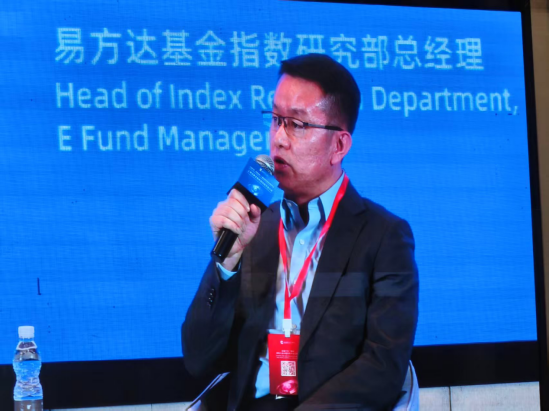
易方达基金庞亚平:聚焦三大方向布局,国内ETF规模5万亿只是起点,未来空间广阔
Xin Lang Zheng Quan· 2025-11-12 08:39
Core Viewpoint - The Shanghai Stock Exchange International Investor Conference highlighted the rapid development of the domestic capital market and the significant opportunities for the fund industry, with E Fund continuously expanding its diversified and systematic product layout [1][3]. Group 1: Strategic Focus Areas - E Fund is strategically focusing on three main areas: 1. Strategic emerging industries, supporting the construction of a modern industrial system in sectors like manufacturing, technology, and transportation [3]. 2. Forward-looking technology industries, emphasizing research on technological innovation trends in areas such as artificial intelligence, computing infrastructure, future energy, health, and space [3]. 3. Upgrading traditional industries by leveraging technology to optimize structures and enhance efficiency for high-quality development [3]. Group 2: Wealth Management and Investor Education - E Fund places significant importance on wealth management and investor education, recognizing the evolving investment philosophies and diverse financial needs of residents [3]. - The company aims to meet long-term asset allocation needs of investors through a more comprehensive product system and research services [3]. Group 3: Future Growth Potential - The integration of technological innovation and wealth management is expected to become a key growth point in the capital market [3]. - E Fund views the current domestic ETF scale of 5 trillion as just the starting point, indicating vast future potential [3].
纪检监察机关精准监督护航现代化产业体系建设
Zhong Yang Ji Wei Guo Jia Jian Wei Wang Zhan· 2025-11-10 23:25
Core Viewpoint - The article emphasizes the importance of political supervision in promoting the construction of a modern industrial system, focusing on problem-oriented approaches to support traditional and emerging industries [1][2]. Group 1: Traditional Industry Support - The Lai Xi City Discipline Inspection Commission organized a meeting with integrity supervisors from 15 enterprises to discuss challenges in industrial transformation, highlighting issues such as reliance on imported equipment and funding shortages [1][2]. - The Lai Xi City Commission facilitated a successful collaboration between Qingdao Jiulian Group and Qingdao Ruizhi Intelligent Equipment Technology Co., addressing the need for research funding and equipment procurement [2][3]. Group 2: Emerging Industry Development - The Yongkang City Discipline Inspection Commission is actively monitoring the progress of the modern hardware industry service complex project, addressing issues like outdated buildings and land ownership complexities [2][3]. - The Shanghai Jing'an District Discipline Inspection Commission focuses on nurturing emerging industries, utilizing various methods to strengthen supervision over strategic emerging industry clusters and technological advancements [3][4]. Group 3: Financial Support for SMEs - The Jing'an District Commission has initiated "intellectual property pledge financing" services to assist small and micro enterprises facing financing difficulties due to limited tangible assets [4]. - The Mudanjiang City Discipline Inspection Commission is implementing precise political supervision to ensure that innovation funding effectively benefits enterprises, focusing on technology transfer and core technology breakthroughs [5][6]. Group 4: Local Government Initiatives - The Nanyang City Discipline Inspection Commission is actively engaging with local enterprises to monitor policy implementation and service support, particularly in the synthetic biology industry [6].
关注电网“超级周期”,电网设备ETF(159326)跌幅收窄,回调或是布局良机
Mei Ri Jing Ji Xin Wen· 2025-11-10 02:57
Group 1 - The overall market showed volatility on November 10, with the only electric grid equipment ETF (159326) declining by 1.06% as of 10:24 AM, while stocks like Mingyang Electric, Yijiahe, Jinlihua Electric, and Baobian Electric performed well [1] - The electric grid equipment ETF (159326) has seen a continuous net inflow of funds for 10 days, totaling 1.225 billion yuan, with a scale exceeding 1.7 billion yuan, marking a historical high [1] - UBS predicts that China's electricity demand will grow at an annual rate of 8% from 2028 to 2030, doubling previous market estimates of 4%, indicating a "super cycle" for the domestic electricity industry lasting 5-10 years [1] Group 2 - The electric grid equipment ETF (159326) is the only ETF tracking the CSI Electric Grid Equipment Theme Index, with a strong representation in the sectors of transmission and transformation equipment, grid automation equipment, cable components, and distribution equipment [2] - The ultra-high voltage sector has a weight of 64% in the ETF, the highest in the market, with leading stocks including Guodian NARI, TBEA, Siyuan Electric, and Teradyne among the top ten holdings [2]


巩固壮大实体经济根基,构建以先进制造业为骨干的现代化产业体系
Jing Ji Ri Bao· 2025-11-03 05:02
Group 1 - The core viewpoint emphasizes the importance of the real economy as the foundation of national economic stability and high-quality development, highlighting its priority in strategic tasks [1] - The real economy is identified as the fundamental source of wealth creation, contributing significantly to economic growth and employment, absorbing over 400 million jobs, and serving as a stabilizer for people's livelihoods [1] - The real economy is crucial for international competition, with a complete industrial system enhancing economic resilience against external shocks [1] Group 2 - The real economy currently faces multiple pressures, including weak global economic recovery, rising trade protectionism, geopolitical risks, and increased costs for raw materials and logistics [2] - Internally, there is insufficient effective demand, rising labor and raw material costs, severe market competition, and low profitability among small and medium-sized enterprises [2] - The transition from old to new economic drivers is experiencing challenges, with insufficient private investment and financing difficulties for some enterprises [2] Group 3 - Strengthening the real economy requires building a modern industrial system centered on advanced manufacturing, which is the most innovative and high-value-added sector of the manufacturing industry [2] - The focus should be on integrating technological innovation with industrial innovation to enhance the effectiveness of industrial technological innovation [2] Group 4 - Key directions for development include intelligentization, greening, and integration, which can enhance efficiency, reduce costs, and promote sustainable development [3] - Intelligentization leverages digital technology across production processes, while greening addresses resource consumption and environmental pressures, creating new growth points in green industries [3] - Integration breaks down industry boundaries, promoting synergy between various sectors and creating new value [3] Group 5 - Consolidating and strengthening the real economy involves optimizing traditional industries while nurturing emerging and future industries [4] - Traditional industries account for about 80% of the added value in manufacturing and are essential for economic stability [4] - Upgrading traditional industries requires focusing on key sectors and enhancing competitiveness through technological improvements [4] - Emerging industries such as new energy, new materials, and aerospace should be developed, alongside future industries like quantum technology and hydrogen energy, to create new growth points [4]
“老炮”上新!广交会传统制造业玩出新花样
Sou Hu Cai Jing· 2025-11-01 11:12
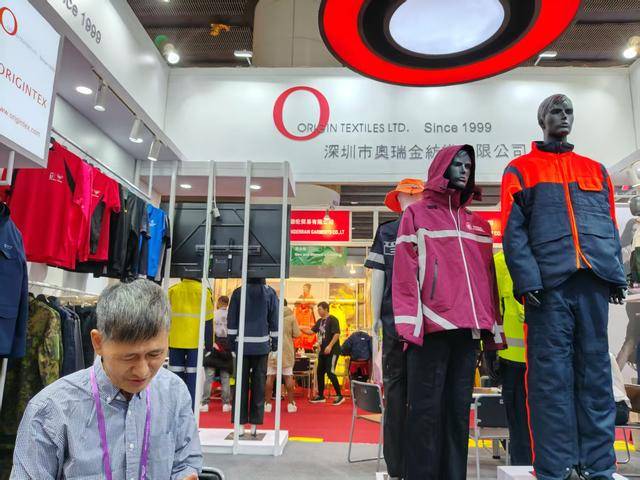
Core Insights - The 138th Canton Fair's third phase focuses on "Better Life," showcasing traditional export products such as clothing, textiles, and accessories, highlighting an innovation wave in traditional industries [1] Group 1: Clothing Industry - Shenzhen Aorijin Textile has revitalized the traditional garment industry by pricing products 30% to 50% higher than competitors while maintaining strong order volumes [2] - The company specializes in high-quality uniforms and special workwear, with a focus on durability and advanced sewing techniques, which are considered superior to Southeast Asian manufacturing capabilities [5] - Aorijin's future strategies include flexible talent management for high-value products or fully automated production lines for standardized products [5] Group 2: Hat Industry - Linglong Clothing showcases both traditional and modern hats, indicating a shift in consumer preferences towards functionality and comfort [7] - The market for disposable hats is growing, with younger consumers favoring practicality over formal styles, leading to a decrease in prices but an increase in volume [8] - The company differentiates production based on customer needs, maintaining high-quality manufacturing in China for premium products while outsourcing lower-end products to Southeast Asia [8] Group 3: Eyewear Industry - Pengyi Development has been producing and designing sports eyewear for over 26 years, emphasizing the importance of quality control in manufacturing [9] - The company has upgraded from traditional manufacturing to a comprehensive service model that includes R&D and design, allowing for quicker production times and lower error rates [11] - The global market continues to demand high-quality products that add value to brands, which relies on stringent quality control from Chinese manufacturers [11] Group 4: Bag Industry - Shenzhen Aerospace Far East Industrial reports strong interest from international buyers, particularly from emerging markets [12] - The company responds to price sensitivity by frequently launching new lightweight products, significantly reducing production time compared to competitors [14] - Innovations in bag design, such as reducing weight by over 20%, help the company maintain a competitive edge in the market [14] - The trend indicates that traditional industries can upgrade without abandoning their heritage, leveraging new technologies to enhance established skills [14]