后摩尔时代

Search documents
定档12月6日!集成电路产业人才论坛报名开启!
半导体芯闻· 2025-12-02 10:18
Core Viewpoint - The "2025 Pudong International Talent Port Forum - Integrated Circuit Industry Talent Forum" aims to promote international talent exchange and development in the integrated circuit industry, focusing on high-quality industry growth and innovation opportunities [3][5]. Group 1: Event Details - The forum will take place on December 6, 2025, from 13:30 to 16:00 at Zhangjiang Science Hall, Shanghai [4]. - The event is organized by the Shanghai Pudong New Area Talent Work Bureau and hosted by Shanghai Zhangjiang Hi-Tech Park Development Co., Ltd. [3][14]. Group 2: Forum Themes - The forum will address new trends in attracting and developing industry talent, showcasing exemplary applications of technological achievements and sharing innovative experiences [5]. - It will gather leaders from industry, academia, and research fields to engage in in-depth discussions on cutting-edge technologies and ideas [6]. - A specialized report will analyze talent development in the integrated circuit sector, revealing industry trends and growth paths [7]. Group 3: Exhibition and Agenda - A special exhibition area will focus on the "chip" ecosystem, highlighting representative achievements of leading companies in talent incubation and technological breakthroughs [8]. - The agenda includes guest sign-in, policy introduction, and several keynote speeches on topics such as AI-era integrated circuit materials and talent cultivation [9][10][11]. Group 4: Roundtable Discussion - A roundtable discussion titled "Breaking the Deadlock: Talent Breakthroughs in the Post-Moore Era of the Integrated Circuit Industry" will feature experts from various sectors [12].

2025先进封装与测试行业发展现状与未来
材料汇· 2025-11-21 14:04
Group 1 - The core viewpoint of the article emphasizes the transition of the integrated circuit industry from traditional transistor scaling to system-level integration and architecture innovation, particularly highlighting the importance of advanced packaging and testing in enhancing chip performance and optimizing system power consumption [2][4][9]. Group 2 - The integrated circuit manufacturing industry consists of three main segments: chip design, wafer manufacturing, and packaging testing, with packaging testing further divided into packaging and testing processes [4][6]. - Advanced packaging is a critical aspect of modern integrated circuit manufacturing, focusing on enhancing functionality density and system-level optimization, distinguishing itself from traditional packaging methods [9][11]. Group 3 - The global integrated circuit packaging and testing industry has shifted from its early development in Europe and the United States to emerging markets in Asia, with Taiwan, mainland China, and the United States forming a triad in the current market landscape [14][16]. - The market size of the global integrated circuit packaging and testing industry is projected to grow from $55.46 billion in 2019 to $101.47 billion in 2024, with a compound annual growth rate (CAGR) of 12.8% [16]. - The advanced packaging market is expected to grow at a CAGR of 10.6% from 2024 to 2029, significantly outpacing the traditional packaging market's 2.1% CAGR [17]. Group 4 - In mainland China, major players in the integrated circuit packaging and testing industry include Longsys Technology, Tongfu Microelectronics, and Huatian Technology, with a market size projected to grow from ¥234.98 billion in 2019 to ¥331.90 billion in 2024, reflecting a CAGR of 7.2% [20][22]. - The advanced packaging market in mainland China is expected to grow at a CAGR of 14.4% from 2024 to 2029, with its market share reaching 22.9% by 2029 [22]. Group 5 - The global advanced packaging industry includes participants from both wafer manufacturing and packaging backgrounds, with significant growth driven by the demand for high-performance computing applications such as artificial intelligence and data centers [24][25]. - The market for Flip Chip (FC) packaging is projected to grow from $18.75 billion in 2019 to $26.97 billion in 2024, with a CAGR of 7.5% [28]. - Chiplet integration packaging is identified as a key growth area, with its market size expected to increase from $2.49 billion in 2019 to $8.18 billion in 2024, reflecting a remarkable CAGR of 26.9% [29]. Group 6 - The advanced packaging technology is widely applied across various sectors, including consumer electronics, mobile communications, and high-performance computing, with significant growth driven by the demand for advanced packaging in smartphones and AI applications [34][42]. - The global computing power is expected to grow from 309.0 EFlops in 2019 to 2,207.0 EFlops in 2024, with a CAGR of 48.2% [36]. Group 7 - The article outlines several trends in the integrated circuit advanced packaging and testing industry, including the acceleration of domestic substitution, the rise of chiplet integration packaging, and the increasing importance of industry chain collaboration [48][50][51]. - The value of advanced packaging is expected to continue rising, driven by the shift towards high-performance applications in AI and data centers [52].



收入快速放量芯德半导体“趁热”递表,高端封测新星何时给出盈利时间表?
Zhi Tong Cai Jing· 2025-11-21 06:33
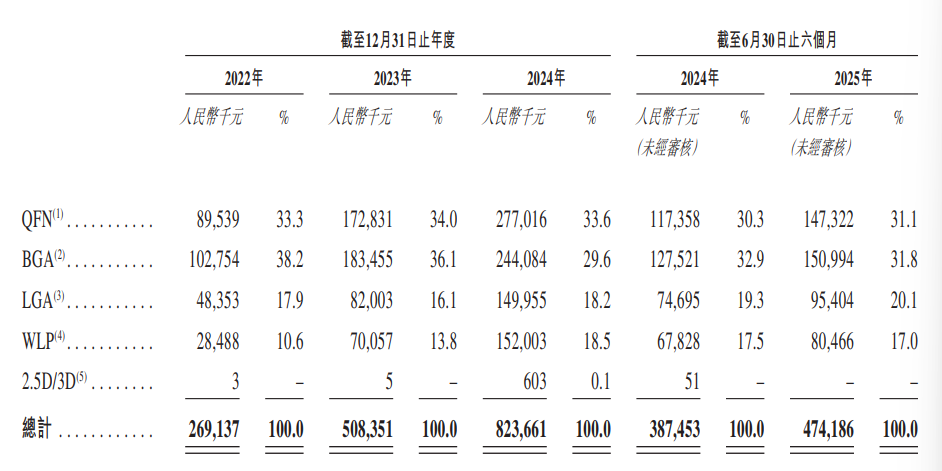
Core Viewpoint - The semiconductor market is experiencing robust growth driven by emerging technologies such as AI, 5G, IoT, and automotive electronics, leading to a strong demand for high-performance, low-power chips [1] Industry Overview - The global semiconductor packaging and testing market is projected to grow from 649.4 billion RMB in 2024 to 933 billion RMB by 2029, with a compound annual growth rate (CAGR) of 7.5% [1] - The trend of vertical specialization is deepening within the industry, with more companies adopting a fabless model to focus on complex chip design while outsourcing manufacturing and testing [1] Company Profile - Jiangsu Xinde Semiconductor Technology Co., Ltd. (Xinde Semiconductor) was established in September 2020 and has accumulated significant experience in packaging technology, covering advanced packaging capabilities such as QFN, BGA, LGA, WLP, and 2.5D/3D [2] - Xinde Semiconductor has received recognition from several well-known clients, contributing to its revenue growth, although its profitability remains a concern as it seeks to enter the capital market [2] Financial Performance - Xinde Semiconductor's revenue has shown rapid growth, with figures of 269 million RMB in 2022, 509 million RMB in 2023, and a projected 827 million RMB in 2024, reflecting a strong upward trend [3] - For the first half of this year, the company reported revenue of 475 million RMB, a year-on-year increase of 20% [3] - The majority of Xinde Semiconductor's revenue comes from packaging products and testing services, which accounted for over 99% during the reporting period [4] Revenue Breakdown - The revenue from QFN and BGA products has consistently been the largest, with their respective shares being 31.1% and 31.8% in the first half of 2025 [4] - The company has seen an increase in revenue from LGA and WLP products, with their shares rising from 17.9% and 10.6% in 2022 to 20.1% and 17% in the first half of 2025 [4] Market Position - Xinde Semiconductor ranks seventh in the Chinese general-purpose semiconductor OSAT market, with a market share of approximately 0.6% as of 2024 [8] - The company is one of the few providers in China that has integrated all advanced packaging technologies, positioning itself for growth despite being a newer entrant in the market [3][8] Strategic Initiatives - Xinde Semiconductor plans to strategically expand into overseas markets, targeting regions such as Taiwan, South Korea, Japan, Southeast Asia, the United States, and Germany to establish a solid business foundation [10] - The company aims to enhance its competitive edge through a comprehensive R&D strategy focused on high-performance packaging solutions and innovative technologies [9]
新股前瞻|收入快速放量芯德半导体“趁热”递表,高端封测新星何时给出盈利时间表?
智通财经网· 2025-11-21 06:29
Core Viewpoint - The semiconductor market is experiencing robust growth driven by emerging technologies such as AI, 5G, IoT, and automotive electronics, leading to a strong demand for high-performance, low-power chips [1] Industry Overview - The global semiconductor packaging and testing market is projected to grow from 649.4 billion RMB in 2024 to 933.0 billion RMB by 2029, with a compound annual growth rate (CAGR) of 7.5% [1] - The trend towards vertical specialization in the semiconductor industry is deepening, with more companies adopting a fabless model to focus on complex chip design while outsourcing manufacturing and testing [1] Company Profile - Jiangsu Xinde Semiconductor Technology Co., Ltd. (referred to as "Xinde Semiconductor") was established in September 2020 and has accumulated extensive experience in packaging technology, covering advanced packaging capabilities such as QFN, BGA, LGA, WLP, and 2.5D/3D [2] - Xinde Semiconductor has received recognition from several well-known clients, contributing to its revenue growth [2] Financial Performance - Xinde Semiconductor's revenue has shown rapid growth, with figures of 269 million RMB in 2022, 509 million RMB in 2023, and a projected 827 million RMB in 2024, reflecting a strong upward trend [3] - For the first half of this year, the company's revenue reached 475 million RMB, a year-on-year increase of 20% [3] Revenue Structure - Over 99% of Xinde Semiconductor's revenue comes from packaging products and testing services, with QFN and BGA products being the primary revenue contributors [4] - The revenue share from LGA and WLP products has been increasing, with their respective contributions rising from 17.9% and 10.6% in 2022 to 18.2% and 18.5% in 2024 [4] Market Position - Xinde Semiconductor ranks seventh in the Chinese general-purpose semiconductor OSAT market, holding a market share of approximately 0.6% as of 2024 [8] - The company is the newest player among the top eight competitors in this field, which collectively dominate over 50% of the market share [8] R&D Strategy - The company focuses on R&D as a key strategy to enhance its competitive edge, covering high-performance 2.5D/3D packaging solutions, high-precision optical sensing solutions, automotive-grade packaging technology, innovative glass substrate technology, and iterative development of existing technologies [9] Market Expansion Plans - Xinde Semiconductor plans to strategically expand into overseas markets, targeting regions such as Taiwan, South Korea, Japan, Southeast Asia, the United States, and Germany to establish a solid business foundation [10] - The upcoming listing on the Hong Kong Stock Exchange is expected to attract more attention to Xinde Semiconductor, presenting both opportunities and challenges for the company [10]

后摩尔时代关键路径:132页PPT详解半导体先进封装
材料汇· 2025-11-20 14:45
Core Viewpoint - The article discusses the significance of semiconductor packaging and testing (封测) in the semiconductor industry, highlighting its processes, roles, and market potential, especially in the context of China's growing semiconductor sector. Group 1: Definition, Role, and Process of Packaging - Packaging refers to the process of placing, fixing, and sealing chips using specific materials and techniques, which protects chip performance and extends internal functions to the external environment [7][8]. - The four main roles of packaging are protection, support, connection, and heat dissipation [6][8]. - The basic packaging process includes wafer thinning, wafer cutting, chip attachment, wire bonding, encapsulation, curing, testing, marking, packaging, inspection, and shipping [7][8]. Group 2: Semiconductor Packaging Industry Chain - The semiconductor packaging industry is positioned in the midstream of the semiconductor industry chain, which includes design, manufacturing, and packaging/testing [17]. - The packaging segment accounts for a significant portion of the value in the packaging and testing process, with estimates indicating that packaging contributes 80-85% of the total value [22]. Group 3: Market Overview and Growth Potential - In 2022, China's semiconductor industry sales reached 12,006 billion yuan, with packaging accounting for 2,995 billion yuan, representing 24.9% of the total [22]. - The packaging industry is expected to grow, with projections indicating a sales increase to 3,060 billion yuan in 2023, reflecting an 8.4% year-on-year growth [22]. - The article emphasizes that the advanced packaging and high-end packaging materials sectors are likely to benefit from the ongoing AI wave and supportive policies [22]. Group 4: Equipment and Technology in Packaging - The semiconductor packaging process involves various equipment, including thinning machines, cutting machines, die bonders, and encapsulation machines, each playing a critical role in ensuring quality and efficiency [32][37]. - The market for packaging equipment is dominated by a few key players, with significant market shares held by companies like TOWA and ASM Pacific [45]. Group 5: Testing Process and Equipment - Testing is crucial for ensuring the functionality and performance of semiconductor devices, with processes divided into wafer testing and final product testing [16][54]. - The global market for testing equipment is led by companies such as Advantest and Teradyne, which together hold a significant market share [48]. Group 6: Raw Materials in Packaging - The raw materials used in semiconductor packaging include cutting materials, adhesive materials, bonding wires, packaging substrates, and encapsulation materials, with the packaging substrate accounting for 40% of the market share [63][64]. - The article notes that the barriers to entry for packaging materials are lower compared to wafer materials, and China has achieved a level of import substitution in this area [63].

求是芯缘•十载同行:求是缘半导体联盟十周年峰会圆满落幕
半导体行业观察· 2025-11-20 10:07
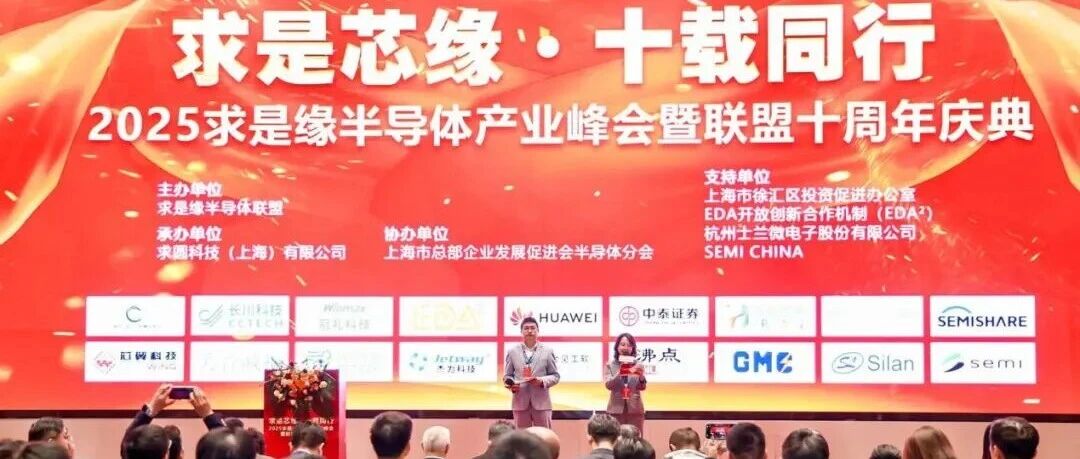
Core Insights - The summit "Qiusiyuan Semiconductor Alliance 2025 Industry Summit and 10th Anniversary Celebration" was held in Shanghai, gathering 562 attendees to discuss key topics in the semiconductor industry, including supply chain, AI-driven material innovation, and green manufacturing [1][3]. Group 1: Alliance Development and Achievements - The Qiusiyuan Semiconductor Alliance has grown from 175 individual members and 16 organizational members in 2015 to over 2,250 individual members and more than 420 organizational members by 2025, evolving into a comprehensive ecosystem platform for the semiconductor industry [3][9]. - The alliance has hosted over 50 high-quality events annually, with total participation exceeding 3,000 attendees, providing continuous technical exchanges and industry resource connections [9][10]. - The first phase of the alliance's fund invested in 9 projects, with one project achieving a 9-fold return, while the second phase is currently progressing steadily [9][10]. Group 2: Government and Industry Support - The Deputy District Mayor of Xuhui District highlighted the area's deep roots in integrated circuits, with over 1,500 AI companies and a total output scale reaching billions, aiming to accelerate the growth of the semiconductor and AI industries [5]. - The Shanghai Integrated Circuit Industry Association emphasized the alliance's role in breaking down industry and regional barriers, fostering collaboration across the entire semiconductor value chain [7]. Group 3: Future Directions and Strategic Focus - The alliance's six key development focuses for 2026 include enhancing team building, expanding membership, improving event quality, promoting the second phase of the fund, deepening external cooperation, and expanding regional liaison points [10]. - The alliance aims to adapt its governance structure to better respond to industry changes, enhancing its decision-making and management capabilities [12]. Group 4: Technological Innovations and Challenges - Wu Hanying, an academician, discussed the challenges in the integrated circuit industry, proposing a "cost reduction + virtualization" approach to address the disconnect between design and manufacturing [16][19]. - The need for innovation in materials and architectures was emphasized, particularly in the context of AI's explosive demand for computing power, which is expected to double every two months [21][22]. Group 5: Roundtable Discussions and Industry Insights - The roundtable forum highlighted the necessity for multi-dimensional collaboration in technology, materials, packaging, and algorithms to drive innovation in the semiconductor industry [37]. - Participants discussed the dual challenges in talent cultivation, emphasizing the need for interdisciplinary education that integrates semiconductor and AI knowledge [38]. Group 6: Sustainability and ESG Initiatives - The summit included discussions on ESG practices, with representatives sharing insights on sustainable water management and the latest trends in ESG disclosure standards in the semiconductor industry [49]. Conclusion - The summit showcased the Qiusiyuan Semiconductor Alliance's achievements over the past decade and emphasized the importance of innovation, collaboration, and sustainability in driving the future of the semiconductor industry [50].
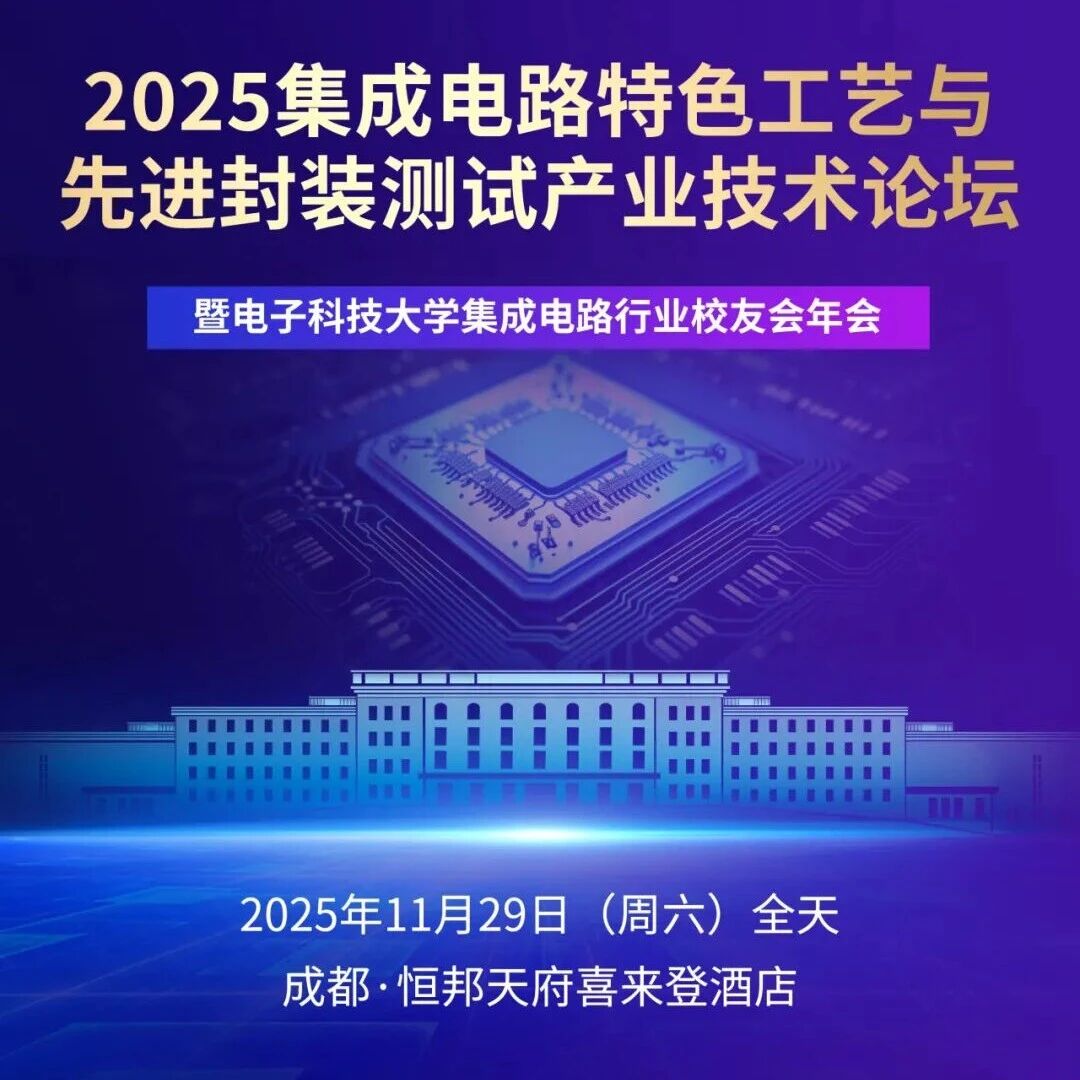
【大会议程|重磅嘉宾】2025集成电路特色工艺与先进封装测试产业技术论坛暨电子科技大学集成电路行业校友会年会
半导体芯闻· 2025-11-14 11:09
Core Viewpoint - The article discusses the trends and opportunities in the integrated circuit industry, particularly focusing on advancements in semiconductor technology, AI applications, and the development of advanced packaging techniques [5][6][7][8]. Group 1: Integrated Circuit Development Trends - The conference features discussions on the development trends of integrated circuits in the post-Moore era, emphasizing the importance of innovative materials and processes [5]. - Keynote speakers include prominent figures such as Wu Hanming and Li Yanrong, who address the challenges and innovations in power semiconductor technology [5][6]. Group 2: AI and Semiconductor Technology - The integration of AI in semiconductor technology is highlighted, with presentations on AI-driven advancements in power integration and the role of AI in enhancing data center efficiency [6][7]. - Discussions include the dual relationship between AI and TGV (Through Glass Via) technology, showcasing how both fields can benefit from each other [6]. Group 3: Advanced Packaging Techniques - The article outlines various sessions dedicated to advanced packaging technologies, including the development of glass substrates and their applications in integrated circuits [8]. - Experts discuss the challenges and innovations in silicon carbide (SiC) and gallium nitride (GaN) power devices, focusing on their industrialization and application in modern electronics [7][8]. Group 4: Industry Ecosystem and Collaboration - The conference emphasizes the importance of building an ecosystem for integrated circuits, involving collaboration among academia, industry, and government [10]. - The role of alumni networks in fostering innovation and investment opportunities in the semiconductor sector is also discussed [10].
IPO一周资讯|小马智行、文远知行登陆港股,科技与医药公司递表活跃
Sou Hu Cai Jing· 2025-11-07 09:28
Group 1: Recent IPOs - Minglue Technology, a data intelligence application software company, successfully listed on the Hong Kong Stock Exchange, raising approximately HKD 1.018 billion with a market capitalization of HKD 31.301 billion [1] - Seres, a new energy vehicle brand, completed its IPO on the Hong Kong Stock Exchange, raising around HKD 14.283 billion and achieving a market capitalization of HKD 247.6 billion [2] - Joyson Electronics, a provider of automotive technology solutions, successfully listed on the Hong Kong Stock Exchange, raising approximately HKD 3.412 billion with a market capitalization of HKD 31.388 billion [3] - Wangshan Wangshui, a biopharmaceutical company, completed its IPO on the Hong Kong Stock Exchange, raising about HKD 0.587 billion and achieving a market capitalization of HKD 13.743 billion [4] - WeRide, an L4 autonomous driving technology company, successfully listed on the Hong Kong Stock Exchange, raising approximately HKD 2.392 billion with a market capitalization of HKD 25.049 billion [5] Group 2: Companies Filing for IPO - Xinde Semiconductor, a semiconductor packaging and testing solutions provider, filed for an IPO on the Hong Kong Stock Exchange [6] - Haiguangxin, a provider of optical interconnect products, submitted an IPO application to the Hong Kong Stock Exchange, ranking 10th globally in professional optical module providers by revenue for 2024 [8] - Dingtai Pharmaceutical, a contract research organization, filed for an IPO on the Hong Kong Stock Exchange, offering integrated solutions for pharmaceutical companies and research institutions [9] - Haote Energy, an energy management solutions provider, submitted an IPO application to the Hong Kong Stock Exchange, focusing on data center energy management [10] - Guoxia Technology, a renewable energy solutions provider, filed for an IPO on the Hong Kong Stock Exchange, specializing in energy storage systems [11] - Tiantong Vision, an L4 solution provider, submitted an IPO application to the Hong Kong Stock Exchange, offering comprehensive intelligent driving solutions [12] - Lupeng Pharmaceutical, a platform-based pharmaceutical company, filed for an IPO on the Hong Kong Stock Exchange, focusing on high bioavailability oral drugs [13][14] - Libang Pharmaceutical, a biopharmaceutical company specializing in kidney disease, submitted an IPO application to the Hong Kong Stock Exchange [15] - FSTech, a provider of electric drive solutions, filed for an IPO on the Hong Kong Stock Exchange, ranking second in China's industrial control sector by revenue for 2024 [16] - Ketao Co., a smart parking space operator, refiled for an IPO on the Hong Kong Stock Exchange after a previous application expired [17] - Zhihui Interconnect, an AI company, submitted an IPO application to the Hong Kong Stock Exchange, focusing on urban traffic management solutions [18] - Taotao Vehicle, an electric mobility company, filed for an IPO on the Hong Kong Stock Exchange, ranking second globally in the electric low-speed vehicle industry by revenue for 2024 [19] - Nanhua Futures, a financial services provider, refiled for an IPO on the Hong Kong Stock Exchange after a previous application expired [20] Group 3: Companies Passing Hearings - Haiwei Electronics, a capacitor film manufacturer, passed the listing hearing on the Hong Kong Stock Exchange, ranking second in China by capacitor film sales volume for 2024 [21] Group 4: Companies Approved for Filing - Xidi Zhijia received approval for overseas issuance and "full circulation" of unlisted shares from the China Securities Regulatory Commission [22]

颀中科技:10月31日接受机构调研,国海证券、汇添富基金参与
Sou Hu Cai Jing· 2025-11-03 10:07
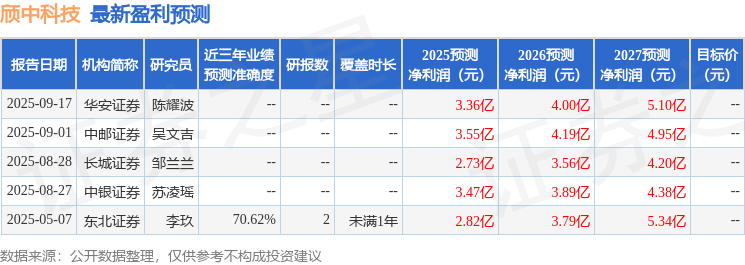
Core Viewpoint - The company, Qizhong Technology (688352), has demonstrated strong growth in its main business of integrated circuit packaging and testing, with a notable increase in revenue and a focus on technological innovation and customer relationships [10]. Group 1: Customer Structure - The company's current OLED customer base includes notable clients such as Ruiding, Yunyin Valley, Jichuang North, Lianying, Shengxianwei, Xinying, Yisiwei, and Yuchuang [2]. Group 2: Competitive Advantages - The company possesses outstanding technological research and innovation capabilities, having developed proprietary technologies in the field of display driver chip packaging, including high-reliability manufacturing techniques for fine-pitch gold bumps and core component design technologies [4]. - The company has a strong advantage in technical transformation and software/hardware development, with a specialized team of over 20 professionals dedicated to smart manufacturing and equipment modification [5]. - The management team is experienced and stable, primarily composed of internally trained personnel with over 15 years of experience in the advanced packaging and testing industry, which supports the company's leading position in the market [5]. Group 3: Pricing Trends and Order Visibility - The company aims to maintain stable pricing as a priority, with future adjustments based on market supply and demand conditions [7]. - Currently, customers typically provide a demand forecast of about three months [8]. Group 4: Financial Performance - For the first three quarters of 2025, the company reported a main revenue of 1.605 billion yuan, an increase of 11.8% year-on-year, while the net profit attributable to shareholders decreased by 19.2% to 185 million yuan [10]. - The gross profit margin for the company stands at 28.6% [10]. Group 5: Market Ratings and Predictions - In the last 90 days, four institutions have rated the stock, with three buy ratings and one hold rating [11]. - Detailed profit forecasts from various institutions indicate expected net profits of 336 million yuan for 2025, 400 million yuan for 2026, and 510 million yuan for 2027 [12].

芯德半导体递表港交所 近三年处于连续亏损状态
Zhi Tong Cai Jing· 2025-10-31 12:20
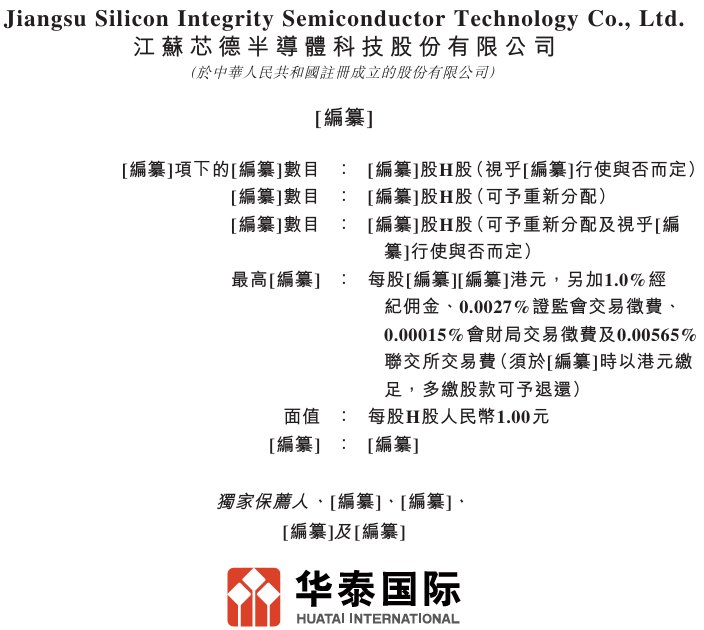
Core Viewpoint - Jiangsu Xinde Semiconductor Technology Co., Ltd. has submitted its listing application to the Hong Kong Stock Exchange, with Huatai International as the sole sponsor [1]. Company Overview - Xinde Semiconductor is a provider of semiconductor packaging and testing solutions, focusing on developing packaging designs, customized packaging products, and testing services [3]. - The company is one of the first in China to possess advanced packaging technology capabilities, which are crucial for enhancing chip performance and efficiency in the post-Moore's Law era [3][4]. Technology and Innovation - The company has established a comprehensive technology platform covering all branches of advanced packaging technology, enabling continuous research and development of cutting-edge technologies [3][4]. - As of October 22, 2025, the company holds 211 patents in China, including 32 invention patents and 179 utility model patents, which strengthen its competitive advantage [4][5]. Business Model - Operating under the OSAT (Outsourced Semiconductor Assembly and Test) model allows the company to focus resources on packaging design, production, and testing services, while clients concentrate on semiconductor chip design and wafer manufacturing [5]. - This model supports advanced packaging research and professional facilities, enabling clients to access cutting-edge technology without extensive internal development [5]. Financial Performance - The company reported revenues of approximately RMB 269 million, RMB 509 million, RMB 827 million, and RMB 475 million for the years 2022, 2023, 2024, and the first half of 2025, respectively [6]. - The net losses for the same periods were approximately RMB 360 million, RMB 359 million, RMB 377 million, and RMB 219 million [6].