咖啡文化

Search documents
贵阳咖啡摘冠后,贵州菜为何能站稳北上广?
首席商业评论· 2025-08-03 05:50
Core Viewpoint - Guizhou, particularly its capital city Guiyang, is emerging as a significant player in the coffee and culinary scene, transforming from an overlooked region to a vibrant hub for coffee culture and local cuisine [4][10][12]. Group 1: Coffee Culture in Guiyang - Guiyang has become known as the "Coffee Champion City" with over 3,000 coffee shops, making it one of the cities with the highest coffee shop density in China, with a ratio of one coffee shop for every 2,000 residents [12][16]. - The local coffee culture emphasizes quality and craftsmanship, with a history dating back to 2005, leading to a competitive environment that has fostered skilled baristas and innovative coffee offerings [13][15]. - Guiyang's coffee scene is characterized by unique local flavors, with drinks like "Erythronium American" and "Wood Ginger Special" that blend traditional Guizhou tastes with coffee [15][32]. Group 2: Rise of Guizhou Cuisine - Guizhou cuisine is rapidly gaining popularity in major cities, with new brands expanding quickly and often requiring long wait times for customers [20][22]. - The distinct flavor profile of Guizhou cuisine, known for its "spicy, sour, and fresh" characteristics, is a key factor in its appeal, featuring dishes like sour soup and various fermented foods [22][24]. - The transformation of Guizhou cuisine into a high-end dining experience has attracted a younger demographic seeking unique culinary experiences, blending traditional elements with modern aesthetics [24][27]. Group 3: Consumer Behavior and Market Dynamics - Guiyang residents are willing to spend on experiences that enhance their quality of life, ranking second nationally in a survey on spending to please oneself [16][28]. - The slower pace of life in Guiyang allows residents to explore diverse food options, leading to a culture of culinary discovery that values local and authentic dining experiences [28][29]. - The local market is characterized by a blend of traditional flavors and the incorporation of external influences, allowing Guizhou cuisine to adapt and thrive in new environments [29][34]. Group 4: Challenges and Future Outlook - Despite the rapid expansion of Guizhou cuisine brands, most remain small-scale, with over 99% having five or fewer locations, indicating a slow national expansion [34][36]. - The culinary industry faces challenges of maintaining authenticity while innovating, as some consumers express concerns over the rising costs and perceived loss of traditional flavors [36][37]. - The ongoing evolution of Guizhou's culinary scene suggests that balancing unique local characteristics with modern trends will be crucial for sustained success [36].

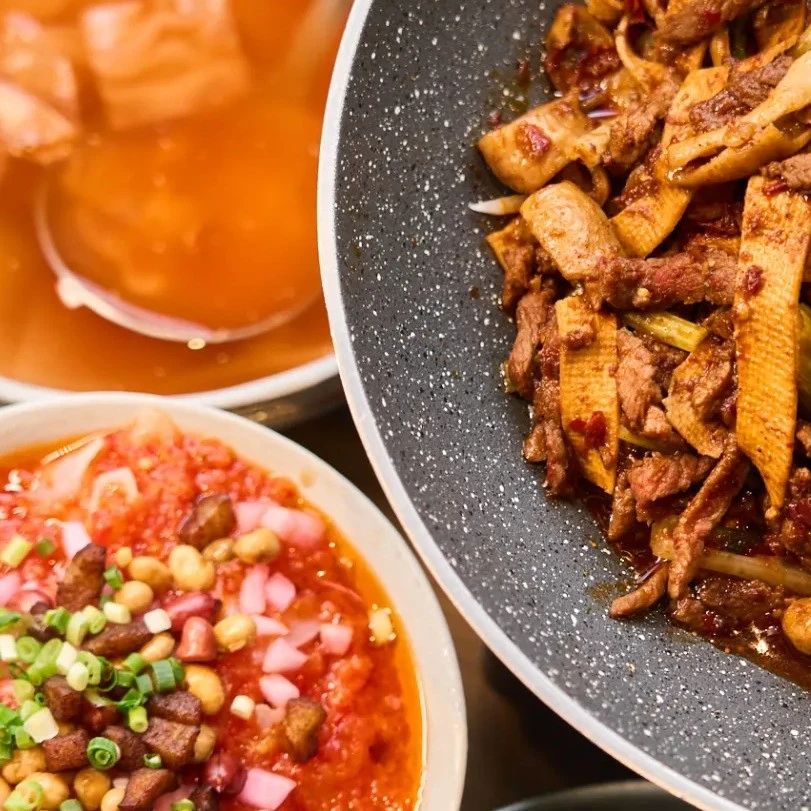
年轻人扎堆去贵阳,只干一件事
虎嗅APP· 2025-07-03 09:37
Core Viewpoint - The article highlights the emergence of Guizhou, particularly Guiyang, as a vibrant coffee culture hub, driven by local champions in the coffee industry and a unique lifestyle that integrates coffee into daily life [3][10][19]. Group 1: Coffee Culture in Guiyang - Guiyang has over 3,000 coffee shops, creating a new lifestyle trend of "early coffee, late drinks" [3][16]. - The local coffee scene gained national attention after the victory of local brand "Captain George" in the 2025 WBrC World Coffee Brewing Championship [3][10]. - The city's coffee shops are often located in narrow alleys, reflecting a deep-rooted alley culture that has historical and geographical significance [6][8]. Group 2: Historical and Cultural Influences - Guiyang's unique geography, surrounded by mountains, has led to the development of dense alleyways that foster community and local businesses [8][19]. - The historical context of the city, including the establishment of major trade routes during the Yuan Dynasty, has shaped its urban layout and cultural practices [8][19]. - The local population's curiosity and eagerness to embrace new trends have contributed to the growth of the coffee culture, despite the region not producing coffee beans [12][15]. Group 3: Competitive Landscape and Recognition - Guiyang has become a breeding ground for award-winning coffee shops, with many local baristas actively participating in competitions to enhance their skills and gain recognition [10][12][16]. - The number of independent coffee shops in Guiyang has surged from fewer than 50 in 2015 to over 3,000, indicating a significant market expansion [16][19]. - Local coffee professionals emphasize the importance of learning and collaboration, often participating in competitions to gain new insights rather than solely focusing on winning [15][16]. Group 4: Integration with Local Lifestyle - The coffee culture in Guiyang is intertwined with local culinary preferences, as residents enjoy pairing coffee with traditional snacks [19][20]. - The relaxed lifestyle in Guiyang allows for a casual approach to coffee consumption, where patrons often bring local street food into coffee shops [20][21]. - The presence of both high-end coffee shops and affordable chains reflects a diverse market catering to various consumer preferences [21].

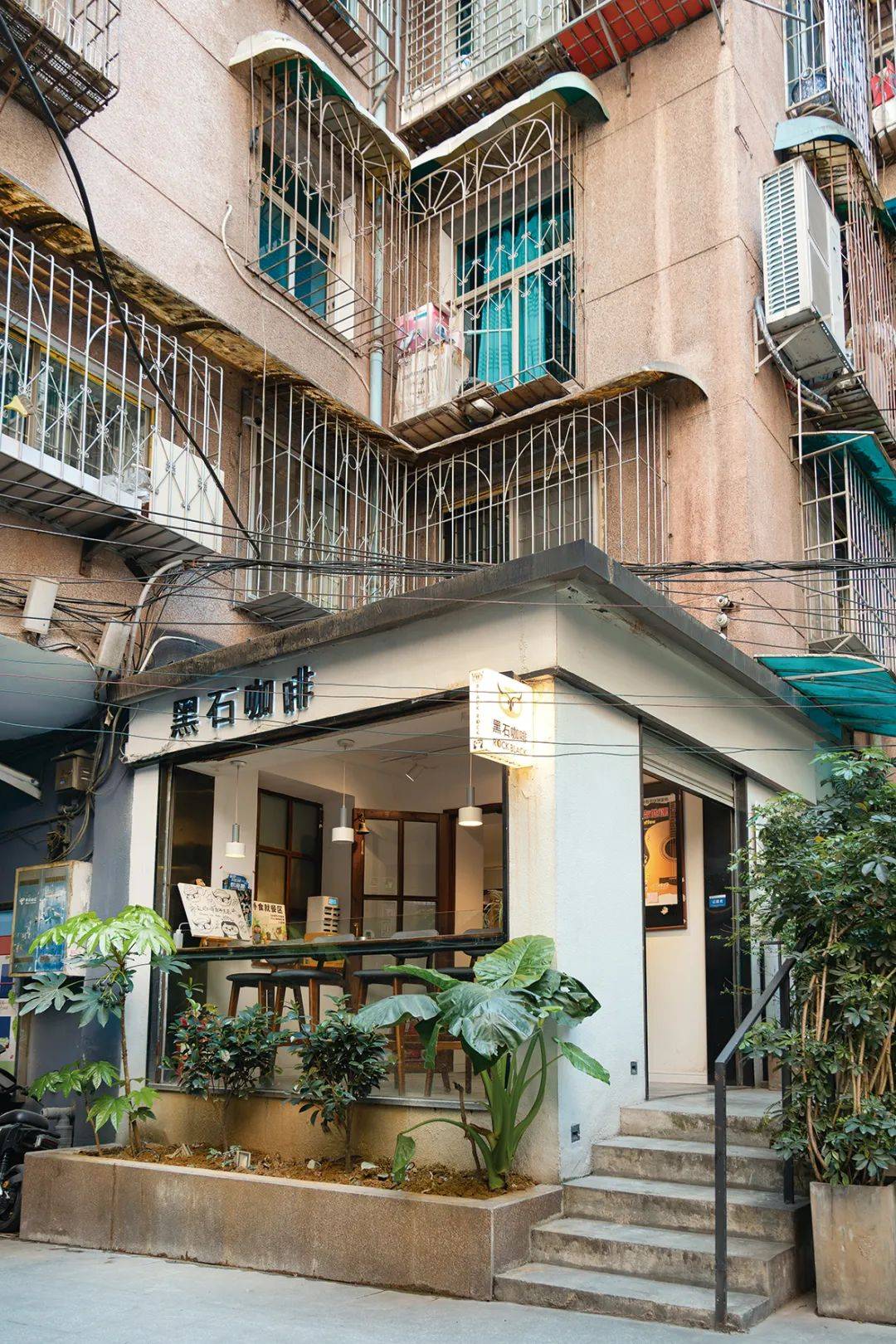
年轻人扎堆去贵阳,只干一件事
Hu Xiu· 2025-07-02 07:46
Group 1 - Guiyang has emerged as a coffee hub, with over 3,000 coffee shops, following the recent victory of local brand "Captain George" at the 2025 WBrC World Coffee Brewing Championship [1][2][11] - The coffee culture in Guiyang is characterized by a unique lifestyle of "early coffee, late beer," reflecting a blend of local food and beverage preferences [2][26] - The city's coffee shops are often located in narrow alleys, influenced by the local "deep alley culture," which has historical and geographical roots [9][6][21] Group 2 - Many coffee shops in Guiyang have won awards, creating a competitive environment that attracts coffee enthusiasts and professionals from other regions [11][18] - Local coffee professionals often participate in competitions not just for winning but for the learning opportunities they provide, indicating a strong community focus on skill development [17][18] - The growth of the coffee scene in Guiyang has been supported by a history of local interest in beverages, initially dominated by tea and later by milk tea, which laid the groundwork for coffee consumption [20][21] Group 3 - The coffee culture in Guiyang is complemented by a thriving craft beer scene, with a slower pace of life allowing residents to enjoy diverse beverage options [26][27] - Local coffee shops often roast their own beans, allowing for unique flavor profiles and a personalized customer experience [21][22] - The influx of both local and external coffee brands into Guiyang reflects a dynamic market, with established brands coexisting alongside newcomers, enhancing the overall quality and variety available [27][28]
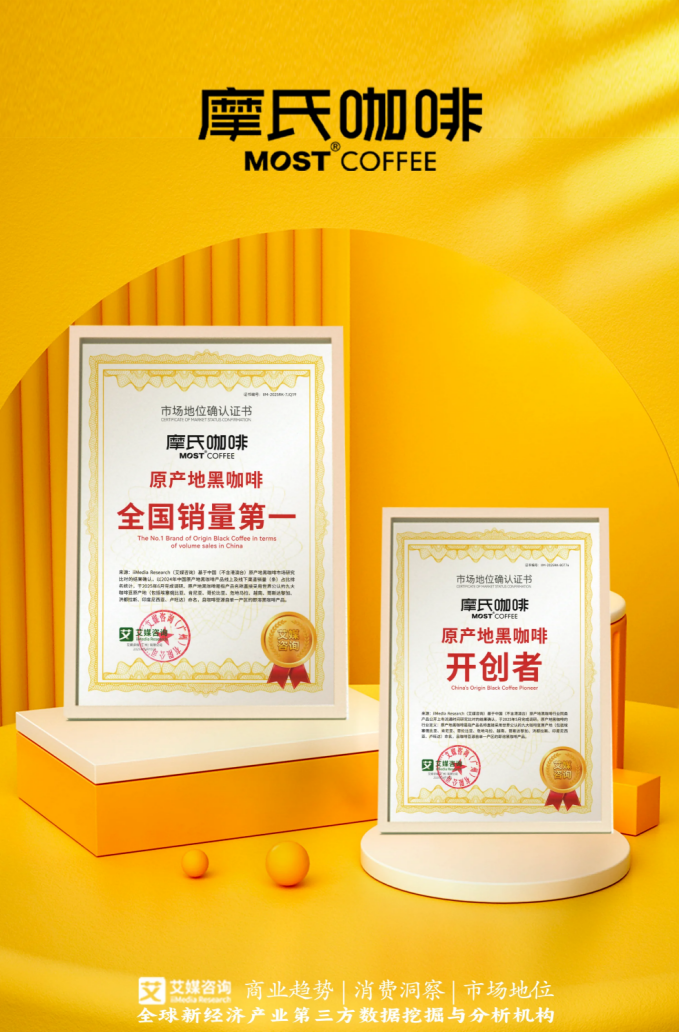
咖啡的“身份证”:为何顶级黑咖啡都认准原产地?
Zhong Guo Shi Pin Wang· 2025-07-01 08:13
Core Insights - Mo's Coffee has been recognized by iiMedia Research as the "Pioneer of Origin Black Coffee" and holds the title of "National Sales Leader in Origin Black Coffee" [1][9]. Industry Overview - The global coffee industry is experiencing robust growth, with traditional markets like the US, Italy, and France, as well as emerging markets in Asia, showing increasing enthusiasm for coffee [3]. - iiMedia Research forecasts that the market size of China's coffee industry will reach 789.3 billion yuan in 2024, surpassing 1 trillion yuan in 2025, and potentially reaching 1,390.8 billion yuan by 2029, driven by consumer demand for quality and the spread of coffee culture [3]. Competitive Landscape - The coffee market is evolving with numerous brands emerging, from large chains to small specialty cafes, all competing for market share [7]. - Consumer preferences are shifting from coffee as merely a stimulant to a more comprehensive appreciation of coffee culture, origin, and brewing techniques, with origin being one of the top five factors influencing purchasing decisions [7]. Supply Chain Dynamics - The coffee supply chain faces challenges and opportunities, with coffee bean production concentrated in tropical and subtropical regions near the equator, where climate and soil conditions significantly impact quality [9]. - Many coffee companies are enhancing partnerships with coffee-producing regions and adopting sustainable agricultural practices to ensure stable supply and quality [9]. Company Specifics - Mo's Coffee stands out with its unique focus on origin black coffee, sourcing beans from the world's top eight coffee-producing regions and emphasizing single-origin and single-variety selections to preserve authentic flavors [11]. - The company employs advanced roasting techniques tailored to the characteristics of different bean varieties, ensuring the release of natural aromas and flavors [15]. - Mo's Coffee utilizes a -82℃ rapid freezing technology to lock in freshness and flavor, ensuring a pure coffee experience with only coffee powder as an ingredient [15]. - The company actively promotes coffee culture, educating consumers about the origins, cultivation, roasting, and brewing processes, while engaging with coffee enthusiasts to gather feedback for product improvement [18].
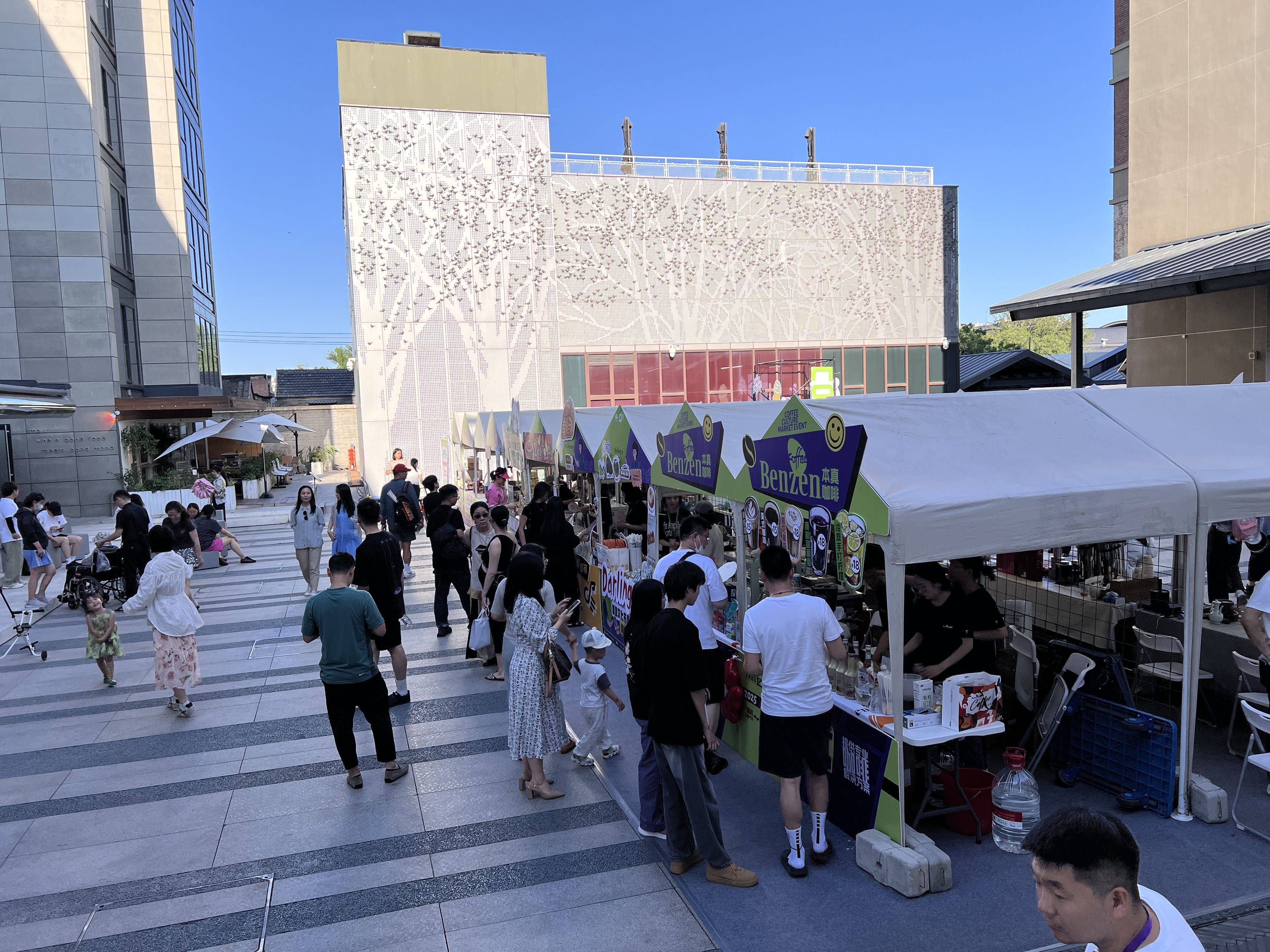
推动区域消费升级,东城景山街道尝试举办咖啡文化市集
Sou Hu Cai Jing· 2025-06-22 08:15
Core Insights - The "Fei Yue Summer Solstice" coffee culture market was held in the Dongcheng District, attracting thousands of coffee enthusiasts and tourists, becoming a new cultural consumption hotspot during the summer solstice in Beijing [1][5] Group 1: Event Overview - The market featured over 50 boutique stalls, offering a variety of coffee, craft beer, DIY baking workshops, diverse foods, and interactive experiences [1][4] - The event was designed around the concept of "Micro Landscape Home," integrating local businesses and creating a platform for merchants to showcase their products and expand their customer base [1][5] Group 2: Offerings and Experiences - The market presented a rich flavor matrix with cold brew specials, Chinese tea-coffee blends, and unique summer drinks, leading to long queues at many stalls [4] - Professional baristas provided hands-on training on coffee brewing techniques, allowing participants to experience the roasting process and take home customized hand-brewed coffee [4] Group 3: Cultural and Economic Impact - The event aimed to promote regional consumption upgrades by merging cultural elements with coffee consumption, transforming the area into a participatory and inheritable community space [5] - Future plans include exploring more diverse cultural market forms to provide citizens with engaging urban public spaces [5]
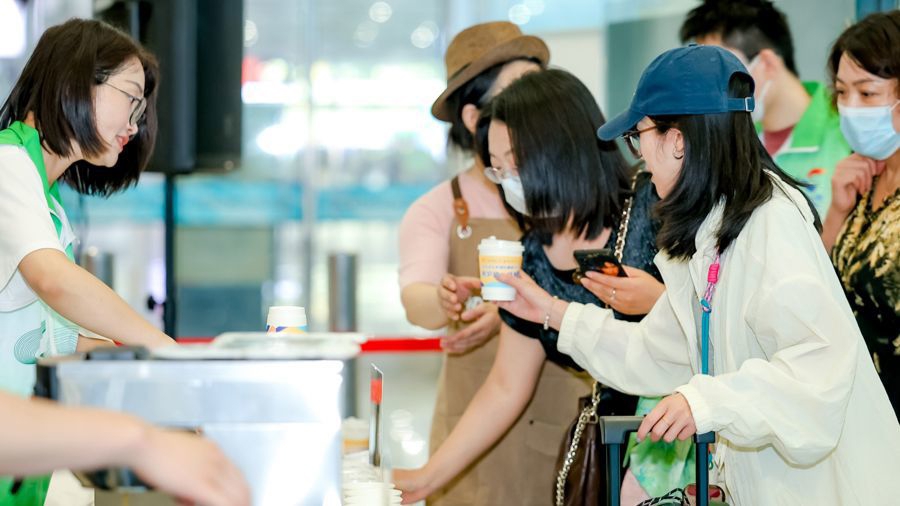
虹桥国际咖啡文化节邀请广大旅客免费品尝——“抵达上海的第一杯咖啡”
Jie Fang Ri Bao· 2025-05-22 01:54
Group 1 - The event "First Cup of Coffee Upon Arrival in Shanghai" is part of the ongoing Shanghai International Coffee Culture Festival, aimed at welcoming travelers and promoting local coffee brands [2][4] - The event saw a high demand, with staff needing to urgently restock coffee supplies shortly after the event began, indicating its popularity among travelers [2] - The initiative is organized by local authorities in collaboration with various coffee brands, enhancing community engagement and promoting local businesses [2][3] Group 2 - The festival features interactive experiences, such as a "Coffee Festival Limited Blind Box" giveaway for participants who share their experiences on social media [3] - A unique performance titled "Coffee Dream - Coffee Adventure" was held, blending traditional Chinese opera with modern elements, showcasing cultural integration [3][4] - The event has successfully distributed nearly 5,500 cups of coffee to travelers, reinforcing its role as a cultural ambassador for Shanghai [5]
特写丨一杯咖啡的全球化试验
21世纪经济报道· 2025-05-15 04:48
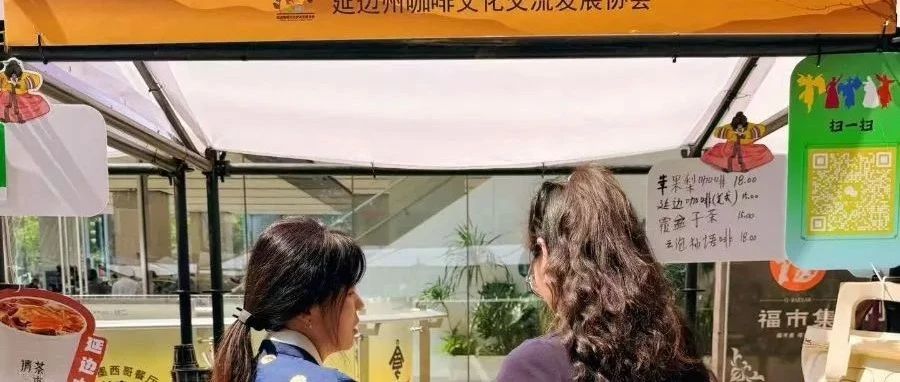
Core Viewpoint - Coffee has evolved from a simple beverage to a cultural symbol, reflecting urban consumption culture and social interactions, particularly in Shenzhen, which is becoming a hub for diverse coffee experiences and flavors [2][9][23]. Group 1: Coffee Culture and Events - The fifth Shenzhen Futian Coffee Life Week showcased nearly 200 coffee brands, allowing enthusiasts to experience a wide variety of coffee flavors and preparation processes [2][8]. - During the event, the main commercial area in Futian saw a 29.97% increase in foot traffic compared to the previous year, indicating a growing interest in coffee culture [2][8]. - Coffee is increasingly viewed as a lifestyle choice rather than just a functional drink, with consumers engaging in coffee tasting and exploration [7][9]. Group 2: Market Trends and Consumer Preferences - In 2023, China's coffee industry reached a scale of 265.4 billion yuan, with per capita annual consumption rising to 16.74 cups [8]. - Shenzhen leads major cities in China with a coffee shop density of 2.23 shops per square kilometer, reflecting its vibrant coffee culture [8]. - Approximately 80% of consumers choose coffee for its stimulating effects, while 58% consume it during leisure activities and 44.3% for business socializing [9]. Group 3: Industry Transformation and Innovation - Coffee brands are shifting from selling just beverages to offering coffee-related products, such as beans and equipment, as consumer preferences evolve [13][14]. - The rise of home brewing is evident, with the proportion of office hand-brewed coffee increasing from 12% in 2020 to 35% in 2024, driven by a demand for quality and cost-effectiveness [14]. - New coffee varieties, such as lychee-flavored coffee beans, are being developed to cater to local tastes and reduce transportation times for fresh products [16][17]. Group 4: Global Coffee Connections - The event facilitated connections between local and international coffee stakeholders, including Ethiopian diplomats promoting their coffee and seeking investment opportunities [19][20]. - The coffee festival serves as a model for regional development, with cities like Yanbian aiming to replicate Shenzhen's success in fostering a vibrant coffee culture [20][21]. - The global coffee trade is being reshaped through events like the Coffee Life Week, which emphasizes the importance of cultural exchange and collaboration in the coffee industry [22][23].
我在云南建高端「咖啡庄园」,被人调侃躺着收钱
36氪· 2025-05-06 12:59
Core Viewpoint - The article highlights the growth and potential of the coffee industry in Pu'er, Yunnan, emphasizing the shift towards high-quality coffee production and tourism integration, driven by a new generation of coffee farmers known as the "third generation" [5][19][36]. Group 1: Coffee Market Dynamics - The coffee market in Pu'er is experiencing significant growth, with the price of C-type coffee futures in the US rising from 247 cents per pound in April 2024 to 340 cents per pound in April 2025, an increase of over 37% [7]. - Local coffee farmers are seeing substantial profits, with one farmer reporting a net profit of over 500,000 yuan from 100 acres of coffee land in the past year [5]. Group 2: Tourism and Coffee Experience - Coffee estates in Pu'er are evolving into integrated tourism destinations, offering experiences such as "coffee + homestay" and "coffee + culture," attracting a growing number of visitors [8][9]. - The Wild Duck Valley Coffee Estate has seen over 60,000 visitors annually, with a focus on high-end family tourism [11]. Group 3: The Role of the "Third Generation" - The "third generation" of coffee farmers, who have inherited land from their parents, are innovating by creating coffee parks and enhancing the coffee experience for tourists [8][15]. - Young farmers like Yang Hongjian and Mei Zi are investing heavily in upgrading their estates, with Mei Zi's estate planning to charge 1,200 yuan per night for accommodations [11][26]. Group 4: Historical Context and Development - The coffee industry in Pu'er has roots dating back to 1988 when Nestlé began collaborating with local farmers, leading to the establishment of a coffee cultivation and processing center in 2016 [17][26]. - As of now, Pu'er has 680,000 acres of coffee plantations and 252 coffee shops, positioning it as a significant center for coffee processing in China [19]. Group 5: Demographic Shifts and Cultural Impact - There is a notable trend of young people returning to rural areas, with a report indicating that rural returnees exceeded urban migrants for the first time in 2023 [36]. - The coffee culture is becoming more accessible to local residents, with many now enjoying coffee rather than just cultivating it [27].

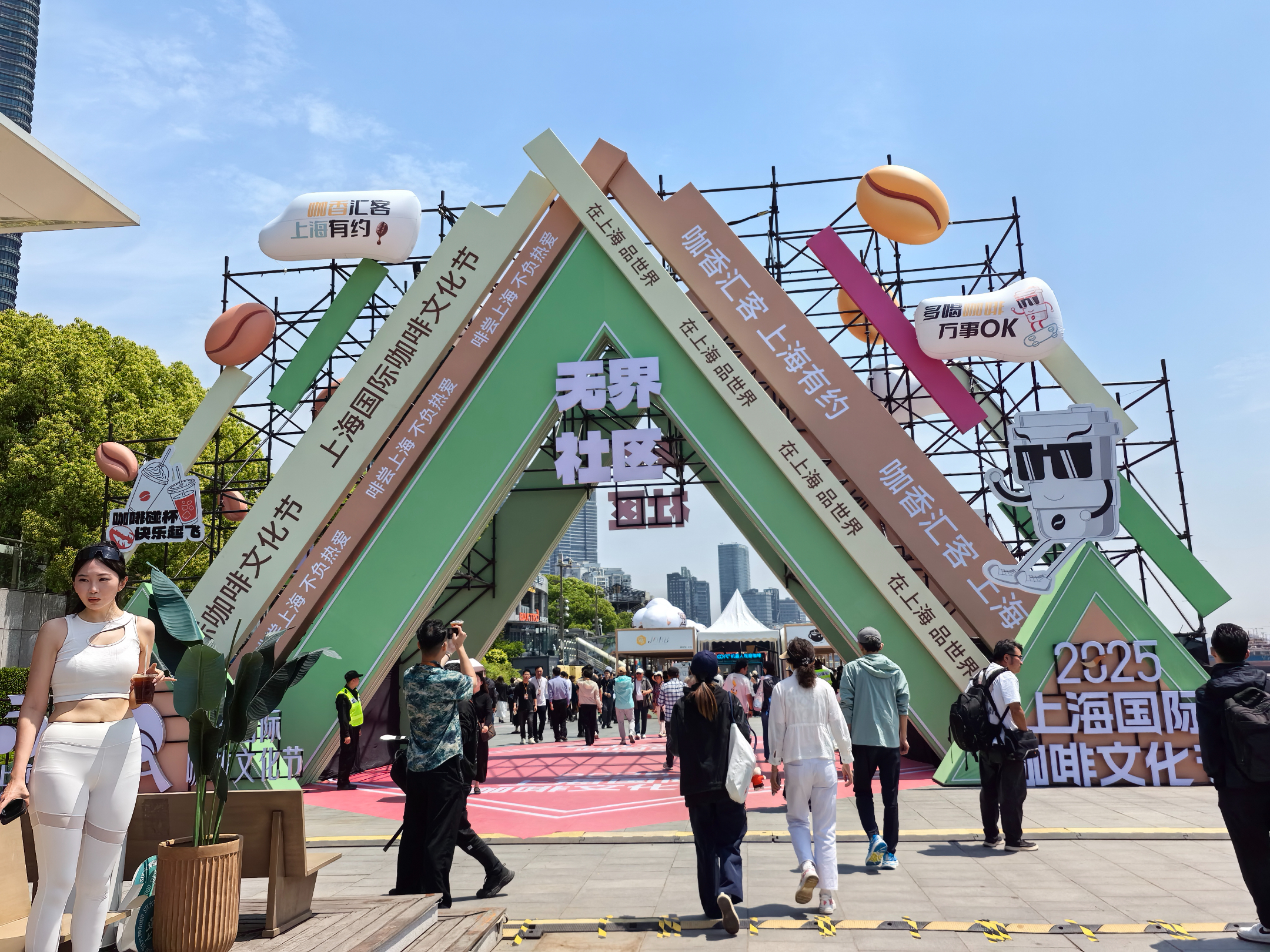
双线联动、亿元补贴,上海国际咖啡文化节点燃节日消费“新引擎”
Guo Ji Jin Rong Bao· 2025-04-30 08:42
Group 1 - The Shanghai International Coffee Culture Festival 2025 opened on April 30, themed "Coffee Aroma Gathering, Shanghai Invitation," as part of the 6th Shanghai "Five-Five Shopping Festival" [1] - The event focuses on "coffee + cultural tourism and commerce," promoting consumption and internationalization, engaging multiple market entities across 16 districts and the Lingang New Area [1][3] - Shanghai has 9,115 coffee shops, with the coffee industry in China expected to reach a scale of 313.3 billion yuan in 2024, reflecting an 18.1% growth rate from the previous year [3][5] Group 2 - In 2024, Shanghai's coffee consumption data shows 32.85 million coffee delivery orders, with a diverse range of products reflecting both traditional flavors and urban characteristics [5] - Yunnan coffee has seen significant growth, with transaction volume on platforms like Taobao and Tmall exceeding 417 million yuan in 2024, a 17.3% increase, and is projected to surpass 500 million yuan in 2025 [6][8] - The festival features over 350 booths from quality coffee brands, integrating various activities such as performances, sports, cultural experiences, and food, creating a new consumption scene [9][14] Group 3 - The festival promotes cross-industry collaboration, integrating coffee with culture, sports, and public welfare, enhancing the cultural depth of coffee in Shanghai [31][36] - Major platforms are launching substantial subsidies and promotional activities during the coffee festival, including limited-time offers and special discounts to stimulate consumer engagement [26][28] - The event has evolved from an industry event to a city IP, showcasing Shanghai's coffee culture and its integration with creativity, art, and fashion, contributing to economic growth [38]

空客之星万家咖啡:咖啡醇香中编织的创业梦想
Zhong Guo Shi Pin Wang· 2025-03-27 07:17
Core Viewpoint - The rise of domestic coffee brands in China is highlighted, showcasing the innovative development path of the Shenzhen Airbus Star Wanjia Coffee Chain Management Co., Ltd. and its chairman Zhu Shiyao, who integrates Yunnan Dali's coffee beans into his coffee vision [1][2]. Company Overview - Shenzhen Airbus Star Wanjia Coffee Chain Management Co., Ltd. is led by Zhu Shiyao, who transitioned from a nuclear physics professor to a coffee chain entrepreneur at the age of 80, marking a significant cross-industry entrepreneurial journey [2][4]. - The company emphasizes product innovation and brand building as core principles to stand out in a competitive coffee market [6][10]. Product Development - The product line includes both online and offline offerings, such as canned coffee drinks, solid coffee beverages, and upcoming functional coffee products, catering to diverse consumer needs [8]. - The coffee beans used, known as Zhu Kula coffee beans, are sourced from Dali, Yunnan, benefiting from the region's unique climate and soil conditions, which enhance the flavor and aroma of the coffee [6][8]. Market Positioning - Zhu Shiyao aims to position Airbus Star Coffee as a "little Huawei" in the coffee industry, aspiring to become a Chinese equivalent of Starbucks and promote the national brand globally [10]. - The company is actively involved in promoting coffee culture through various activities, aiming to deepen consumer engagement and appreciation for coffee [11]. Future Plans - The company plans to continue enhancing product quality and service levels while promoting coffee culture, ensuring a better coffee experience for consumers [11].