国家粮食安全

Search documents
农发行兴安盟分行深耕“三农”领域 书写支农答卷
Xin Lang Cai Jing· 2026-01-02 18:29
Core Insights - The Agricultural Development Bank of China, Xing'an League Branch, has focused on its role as a policy bank during the 14th Five-Year Plan, emphasizing support for agriculture and rural development, with total loan disbursements exceeding 20 billion yuan [1][2]. Group 1: Financial Support for Agriculture - The bank has prioritized food security, providing 15 billion yuan in loans for grain and oil, supporting the purchase of nearly 6 million tons of grain, capturing over 70% market share, and increasing customer numbers by 30% [1]. - Strategic partnerships with key enterprises like China Grain Reserves Corporation have been deepened to enhance local grain reserve systems, promoting models such as "credit guarantee fund+" and "smart grain loans" to support the entire grain industry chain [1]. Group 2: Long-term Investment for Rural Revitalization - The bank has issued over 5 billion yuan in medium- and long-term loans, targeting critical areas such as agricultural infrastructure, rural construction, and ecological development [2]. - Specific support includes enhancing grain storage capabilities, optimizing land resources, and financing education and tourism projects to improve rural livelihoods [2]. Group 3: Support for Poverty Alleviation and Economic Growth - The bank has allocated over 8 billion yuan in loans aimed at consolidating poverty alleviation efforts, focusing on five poverty-stricken banners and three key support counties, with loan growth rates of 10% and 28% respectively [2]. - Continued efforts in post-relocation support and targeted assistance are being implemented to ensure sustainable development for impoverished communities [2]. Group 4: Empowering Small and Micro Enterprises - The bank has increased support for private and small enterprises, providing over 500 million yuan in loans to leading industrial enterprises and over 300 million yuan to small businesses, while reducing service fees and interest rates to alleviate financial burdens [3]. - The "leading enterprises + cooperatives + farmers" model has been effective in helping thousands of individuals increase their income [3]. Group 5: Future Commitment - The Agricultural Development Bank of China, Xing'an League Branch, aims to continue its commitment to supporting agricultural development and rural revitalization, injecting strong financial momentum into the region's agricultural sector [3].


“挪地”富民 盘活存量资源
Ren Min Ri Bao· 2025-12-30 22:02
Group 1 - The core idea of the news is that comprehensive land remediation not only involves "filling pits and creating fields" but also entails profound spatial changes in rural production, life, and ecology [1][2] - During the "14th Five-Year Plan" period, 24 provinces implemented over 1,700 projects, completing a total remediation area exceeding 10 million mu [1] - The issue of fragmented arable land is being addressed through comprehensive land remediation, which has increased contiguous arable land by over 1.8 million mu and eliminated over 60,000 scattered plots of less than 5 mu [1] Group 2 - The comprehensive land remediation aims to not only "move land" but also "enrich the people," focusing on revitalizing existing resources to solve rural issues of "lack of land and money" [1] - Approximately 140,000 mu of existing construction land has been revitalized during the "14th Five-Year Plan" period, providing valuable space for rural industrial development and the integration of tertiary industries [1] - The "15th Five-Year Plan" suggests continuing to promote county-level land space governance and steadily advancing comprehensive land remediation, which will support national food security and rural revitalization [2]
奋进“十五五”开局起好步|以发展现代化大农业为主攻方向着力夯实粮食安全根基
Xin Lang Cai Jing· 2025-12-27 20:46
Core Viewpoint - The provincial economic work meeting emphasizes the importance of grasping current opportunities and making detailed plans for the upcoming year, aiming for a strong start to the "14th Five-Year Plan" [1] Group 1: Economic Development Strategies - The meeting outlines the main tasks for next year's economic work, focusing on solidifying food security, promoting technological, green, quality, and brand agriculture, and implementing a plan to increase grain production by ten million tons [2] - The province aims to enhance its role as a national grain security "ballast stone" by building a significant commodity grain production base and improving overall production capacity [2] Group 2: Agricultural Modernization - The province seeks to be a leader in agricultural modernization by promoting new technologies, equipment, and business models, and aims to achieve the "five modernizations" in agriculture [3] - Initiatives include developing smart agriculture, establishing a national AI application pilot base in agriculture, and creating a modern seed industry province [3] Group 3: Quality and Safety in Agriculture - The province plans to build a model for comprehensive green transformation in agriculture, ensuring food safety and expanding the market influence of high-quality agricultural products [3] - Efforts will be made to enhance the quality of agricultural products and expand the scale of customized agriculture [3] Group 4: Rural Development and Poverty Alleviation - The meeting emphasizes the need to prevent large-scale poverty and establish a robust monitoring and support system for at-risk populations [4] - Plans include improving rural living conditions, promoting high-quality agricultural processing, and enhancing rural governance [4] Group 5: Agricultural Innovation and Economic Growth - The province aims to stimulate agricultural and rural development by advancing land reform, enhancing collective economic strength, and establishing modern agricultural service centers [4]
国投丰乐:种业安全关乎国家粮食安全
Zheng Quan Ri Bao Wang· 2025-12-19 15:17
Core Viewpoint - The seed industry is recognized as a national strategic and foundational core industry, essential for national food security, and is not considered a low-efficiency or ineffective investment [1] Company Insights - Guotou Fengle (000713) emphasized the importance of the seed industry in a recent interaction with investors, highlighting its strategic significance [1]

抓住粮食增产创造的回旋空间
Jing Ji Ri Bao· 2025-12-17 20:10
Core Viewpoint - The optimization of grain planting structure is a dynamic balancing process that cannot be achieved overnight, requiring a focus on both quantity and quality to ensure national food security [1][5] Group 1: Grain Production and Quantity - China's grain production reached 14,297.5 billion jin this year, an increase of 16.75 billion jin, or 1.2%, compared to the previous year, maintaining a stable level above 14 trillion jin [1] - The increase in grain production is attributed to the rise in corn and soybean yields, with corn production at 6,024.7 billion jin, up 12.64 billion jin, or 2.1%, and soybean production at 418.1 billion jin, up 5.2 billion jin, or 1.3% [3] Group 2: Structural Issues in Grain Supply - Structural contradictions in grain supply are linked to resource constraints, consumption upgrades, and planting habits, leading to an imbalance in grain variety and insufficient supply of high-quality grains [2] - The high dependency on imports for soybeans, exceeding 80%, poses a challenge to national food security, indicating that structural shortcomings have not been fundamentally resolved [3] Group 3: Quality and Market Adaptation - Continuous optimization of grain quality structure is necessary to address the shortage of high-quality grains, with efforts to promote domestic high-quality wheat and rice varieties [4] - The challenges in cultivating high-quality varieties include high technical barriers, production risks, and poor market integration, which hinder sustainable quality improvement [4] - A market-oriented approach is essential, integrating technological agriculture, green agriculture, quality agriculture, and brand agriculture to enhance the entire supply chain from production to consumption [4] Group 4: Long-term Strategy and Innovation - The resolution of structural issues in grain supply requires institutional innovation, technological empowerment, and the reshaping of the industrial chain to align with dynamic demand and resource coordination [4] - Balancing grain production increase with structural optimization is crucial for high-quality development, ensuring that production adjustments do not lead to reduced yields [4][5]
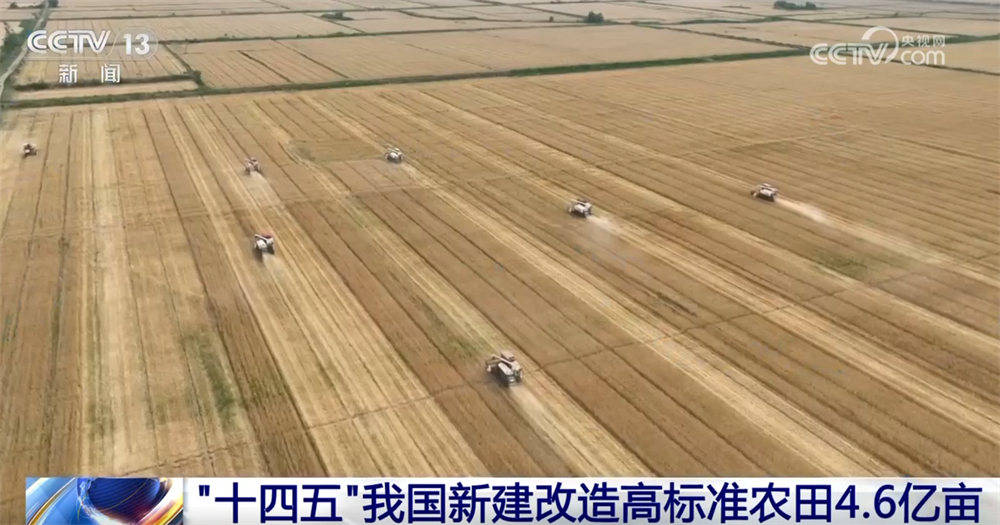
“十四五”新建改造高标准农田4.6亿亩 为端稳“中国饭碗”提供“硬支撑”
Yang Shi Wang· 2025-12-15 01:48
Core Viewpoint - During the "14th Five-Year Plan" period, China is advancing high-quality construction of high-standard farmland, with over 700 billion yuan allocated to support the establishment and enhancement of 4.6 million hectares of high-standard farmland, significantly contributing to national food security [1][4]. Group 1 - The Ministry of Agriculture and Rural Affairs is guiding localities to improve farmland through standards of leveling fields, ensuring water and road access, and enhancing soil productivity [4]. - There is a focus on optimizing the spatial layout and timing of high-standard farmland construction, prioritizing regions such as Northeast black soil areas, plains, and areas with irrigation conditions [1][4]. - The construction of high-standard farmland is aimed at transforming eligible permanent basic farmland into high-standard farmland [1]. Group 2 - Completed high-standard farmland has effectively improved agricultural production capacity and disaster resilience [6]. - Through concentrated construction and improved field facilities, previously low-yielding and unstable plots have achieved reliable irrigation and drainage, promoting efficient use of agricultural resources [6]. - Many farmlands have reached production levels of "1,000 kilograms per season, 2 tons per year," with more regions experiencing stable production during minor disasters and increased yields during favorable conditions [6].
吉米金穗北京营销推广系列活动举行
Jing Ji Wang· 2025-12-08 09:10
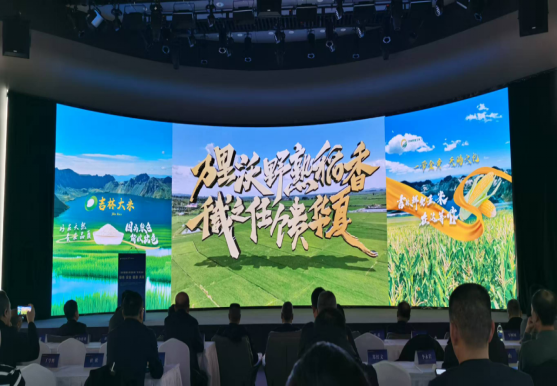
Group 1 - The event "Jimi Jin Sui Beijing Marketing Promotion" was launched to promote high-quality agricultural products from Jilin into the capital market, enhancing the brand influence and market competitiveness of Jilin rice and fresh corn [2][5] - Jilin province contributes 1/10 of the national commodity grain with only 1/25 of the arable land, emphasizing its role in national food security [2] - The marketing campaign includes public brand promotion and innovative actions to upgrade the "Jilin Grain" brand, aiming for national reach [2] Group 2 - Beijing's demand for high-quality, traceable agricultural products is continuously growing, making the introduction of "Jimi Jin Sui" a key step in expanding market influence and deepening strategic cooperation between Beijing and Jilin [3] - The event featured representatives from various regions in Jilin showcasing their unique rice and corn products, highlighting the ecological advantages and cultural significance of these agricultural products [4] - Several Jilin grain enterprises signed production and sales agreements with Beijing distributors, marking the official start of the "Jimi Jin Sui Beijing Marketing Month" [5]
秋粮收购专报︱农发行省级分行全力服务秋粮收购 保障国家粮食安全(一)
Xin Lang Cai Jing· 2025-12-02 12:56
Core Viewpoint - The China Agricultural Development Bank is actively supporting autumn grain purchases to ensure national food security, leveraging its role as a policy bank to provide financial assistance and promote high-quality development in the grain sector [1][10]. Group 1: Financial Support for Grain Purchase - The Hebei branch has issued a total of 304 billion yuan in various loans for grain, cotton, and oil, with a loan balance reaching 642 billion yuan, an increase of 10 billion yuan since the beginning of the year, supporting the purchase of 356 billion jin of grain [11][12]. - The Inner Mongolia branch has provided 182.17 billion yuan in grain and oil loans, supporting 79 enterprises in purchasing 130,000 tons of grain, ensuring a stable supply of funds for grain purchases [6][15]. Group 2: Enhancing Local Grain Enterprises - The Hebei branch focuses on supporting local state-owned grain purchasing and selling enterprises, optimizing loan processes and enhancing resource integration to strengthen the grain market [12]. - The Inner Mongolia branch has implemented a "credit guarantee fund+" mechanism to support grain purchase and ensure that funds are available for farmers, maintaining market stability [8][16]. Group 3: Value Chain and Processing Support - The Hebei branch is promoting the development of the grain processing industry by providing tailored financial solutions to leading enterprises, enhancing the value chain and supporting projects in logistics and deep processing [13]. - The Inner Mongolia branch has introduced innovative mechanisms to improve the efficiency of grain storage and purchasing, including the use of digital platforms to streamline loan processes [16][17]. Group 4: Cross-Regional Collaboration - The Hebei branch is leveraging its geographical advantages to form a grain industry alliance with key enterprises in the Beijing-Tianjin-Hebei region, facilitating seamless connections between grain purchasing and processing [14]. - Collaborative efforts with the Jilin branch have resulted in a cooperation intention for 500,000 tons of grain, enhancing cross-regional grain supply dynamics [14].
行进中国|治水稻病,为何需要“息壤”?
Ren Min Wang· 2025-11-28 12:43
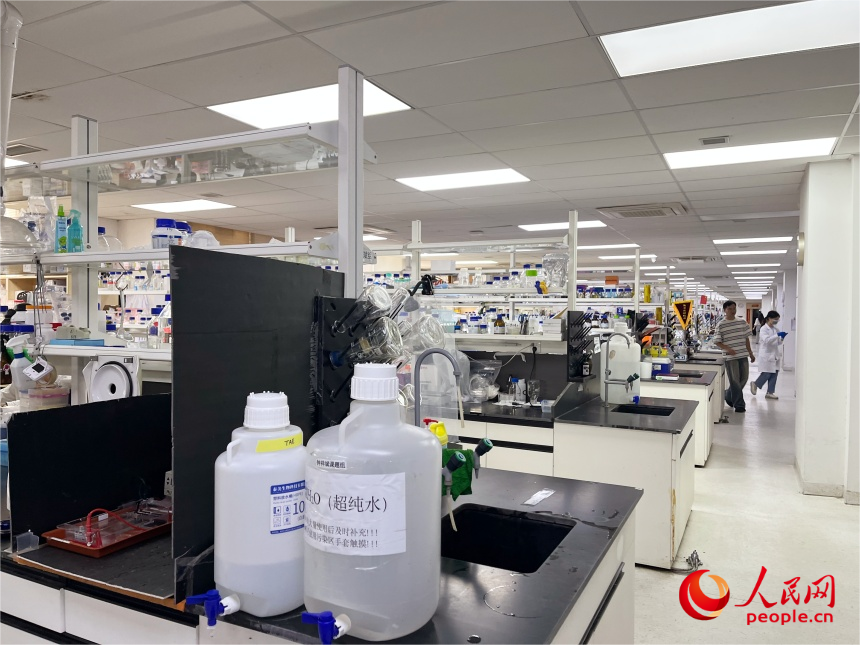
Core Viewpoint - The integration of advanced computing power and AI in agricultural research is transforming the approach to combating rice viruses, enhancing efficiency and precision in breeding disease-resistant varieties, ultimately contributing to national food security [2][5][6]. Group 1: Virus Impact on Rice Production - Rice stripe virus can cause a yield reduction of 20%-30% or even total crop failure, significantly affecting farmers' livelihoods and national food security [2]. - Researchers are focused on understanding the pathogenic mechanisms of rice viruses and identifying disease-resistant genes to minimize farmers' losses [2]. Group 2: Advancements in Research Methodology - The collaboration between Fujian Agriculture and Forestry University and China Telecom's Tianyi Cloud introduced the "Xirang" integrated computing service platform, enhancing computational capabilities for agricultural research [3][6]. - The research team can now utilize up to 100 computing nodes simultaneously, drastically reducing the time required for complex calculations from months to days [3][5]. Group 3: AI and Precision Breeding - The introduction of AI algorithms allows researchers to identify key genes and predict virus protein structures within hours, moving from trial-and-error methods to precise design [5][6]. - The platform has enabled significant reductions in analysis time, exemplified by the decrease from two months to 11 hours for analyzing 12,000 rice virus protein sequences [5]. Group 4: Future Implications for Food Security - The integration of AI and high-performance computing is seen as a new driving force for agricultural research, enhancing the ability to predict and respond to viral outbreaks, thereby securing food production [6][7]. - The advancements in computational resources are expected to facilitate more innovative research approaches, ultimately contributing to the stability of national food supplies [7][8].
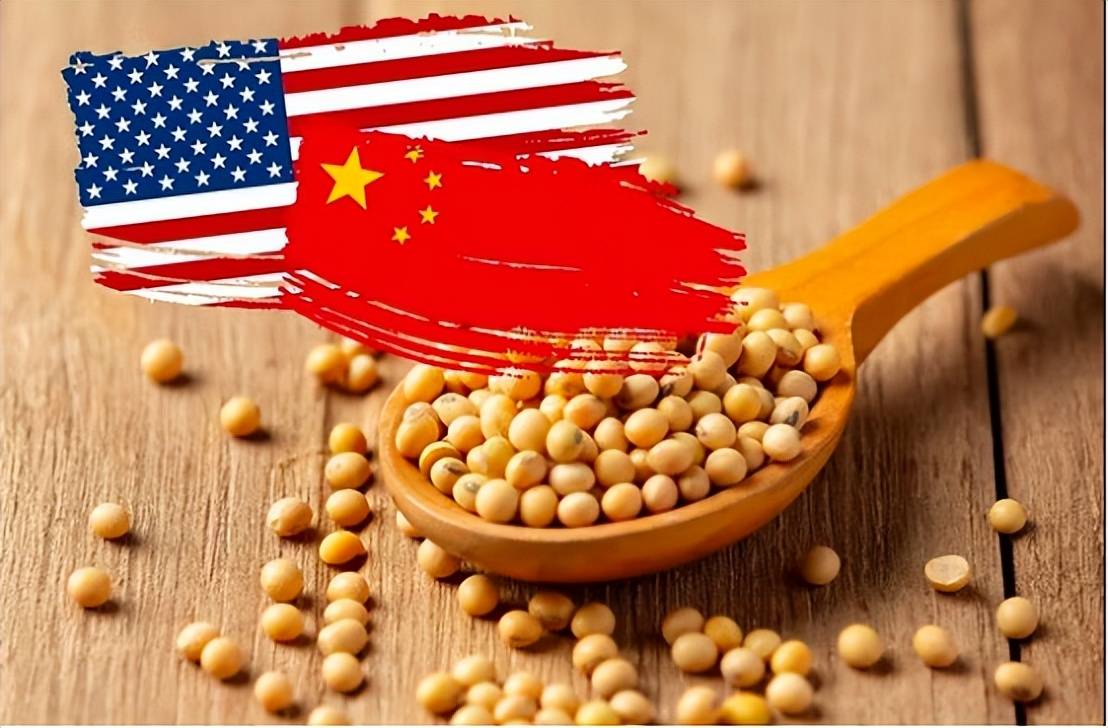
突发!美国大豆比巴西大豆每吨贵600元
Sou Hu Cai Jing· 2025-11-26 19:38
Core Viewpoint - The recent procurement of U.S. soybeans by China, while appearing to ensure national food security, actually imposes significant costs on domestic oilseed processing plants due to the higher price compared to Brazilian soybeans [2][5]. Price Comparison - The cost of U.S. soybeans is reported to be between 4419 to 4465 RMB per ton, while Brazilian soybeans are priced at 3817 RMB per ton, resulting in an additional cost of approximately 600 to 650 RMB per ton for U.S. soybeans [1][2]. Procurement Volume and Financial Impact - China has recently purchased 1.5 million tons of U.S. soybeans, leading to an estimated additional expenditure of 900 to 1 billion RMB compared to the same volume of Brazilian soybeans [3]. Pressure on Domestic Industry - Domestic oilseed processing plants are facing increased pressure due to high raw material costs, elevated inventory levels, and stagnant finished product prices, which severely compresses profit margins [5][8]. Strategic Considerations - The motivations behind importing U.S. soybeans may include strategic reserves or balancing international relations, but the increased costs are not being passed down to downstream producers and consumers, leading to significant profit compression in other segments of the supply chain [8].