
大规模设备更新和消费品以旧换新政策

Search documents
(经济观察)中国优化实施“两新”政策 呈现三大方向
Zhong Guo Xin Wen Wang· 2025-12-31 05:48
Core Viewpoint - The Chinese government has announced a systematic deployment of the "Two New" policy for 2026, focusing on large-scale equipment upgrades and consumer goods exchange programs, with three main optimization directions identified. Group 1: Precision in Support Scope - The 2026 policy will expand and focus the support scope, including the addition of old community elevator installations, elderly care institutions, fire rescue facilities, inspection and testing, and offline commercial facilities to the equipment upgrade support category [2] - In the consumer goods exchange program, subsidies will continue for mobile phones, tablets, and smartwatches, with the addition of smart glasses, aligning with trends in consumption upgrades and promoting high-end, intelligent, and green products [2] - The focus for home appliance exchanges will be on six categories: refrigerators, washing machines, televisions, air conditioners, computers, and water heaters, enhancing the effectiveness of fund allocation and broadening the coverage of supported demographics [2] Group 2: Scientific Adjustment of Subsidy Standards - Home appliance subsidies will shift from a universal approach to one that emphasizes green energy efficiency, with support limited to products meeting level 1 energy or water efficiency standards, providing 15% of the product's sales price as a subsidy, capped at 1,500 yuan per item [3] - The automotive exchange program will change from fixed subsidies to a percentage of the vehicle price, with a maximum of 20,000 yuan for scrapping and 15,000 yuan for replacement, aiming to stabilize total updates and improve the structure of subsidized vehicle models [3] Group 3: Enhanced Implementation Mechanism - The notification establishes a unified subsidy standard for automotive scrapping, replacement, and six categories of home appliances and four categories of digital and smart products across the country [4] - Measures will be taken to address fraudulent subsidy claims and ensure compliance, preventing regional disparities in subsidies and promoting the free flow of goods and factors nationwide [4] - The 2026 "Two New" policy emphasizes precise resource allocation over mere scale, aiming for improved quality and efficiency, which is expected to stimulate effective investment and consumer demand [4]
官方正式确认!2026年“国补”扩围提质
Xin Lang Cai Jing· 2025-12-31 04:32
Core Viewpoint - The new policy for 2026, focusing on large-scale equipment updates and consumer goods replacement, aims to stimulate domestic demand, promote industrial transformation, and improve people's livelihoods, marking a significant step in economic recovery and high-quality development [1][8]. Summary by Relevant Sections Optimization of Support Scope - The 2026 policy continues to support the equipment update scope established in 2025, with new additions in the areas of elderly community elevator installations and equipment updates for elderly care institutions [2][3]. - In the safety sector, updates for firefighting and inspection equipment are included, while consumer infrastructure support now covers commercial complexes, shopping centers, department stores, and large supermarkets [2]. Optimization of Subsidy Standards - The subsidy model has shifted from a flat-rate to a differentiated and proportional approach, enhancing efficiency and guidance in fund usage [6]. - In the automotive sector, the subsidy for scrapping old vehicles and purchasing new energy vehicles is set at 12% of the vehicle price, with a maximum of 20,000 yuan [6]. - For home appliances, the subsidy is now 15% of the price for energy-efficient products, with a cap of 1,500 yuan per item [6]. Optimization of Implementation Mechanism - The policy has streamlined the project application and review processes, lowering investment thresholds to support small and medium-sized enterprises [7]. - A unified subsidy standard will be implemented nationwide for vehicle scrapping, vehicle replacement, and various consumer goods [7]. - The government has allocated 62.5 billion yuan in special long-term bonds to support the consumer goods replacement program, ensuring smooth policy implementation during peak consumption periods [8].

南华期货金融期货早评-20251231
Nan Hua Qi Huo· 2025-12-31 03:14
Group 1: Report Industry Investment Ratings - No information provided Group 2: Core Views of the Report - Overseas, the Q3 US GDP exceeded expectations with a 4.3% growth, and the job market showed resilience, dampening rate - cut expectations. Domestically, policies aim to expand domestic demand, but November economic data indicated weak domestic demand, still needing policy support. Attention should be paid to domestic PMI data and Trump's nominee for the next Fed chair [2]. - The breakthrough of the RMB against the US dollar at the 7.00 mark may end the low - volatility forex market. The RMB is likely to end the year stably, and attention should be paid to the effectiveness of exchange - rate stabilization policies [5][6]. - Short - term stock indices are expected to be volatile and bullish, but continuous upward breakthroughs still need to be observed. Bonds are not pessimistic in the medium - term. The container shipping European line futures are expected to be volatile, with the near - term contract range - bound and the far - term contract under pressure [6][8][11]. - For precious metals, platinum and palladium are recommended to be held lightly during the holiday. Gold and silver are expected to be weak in the short - term and bullish in the long - term. Copper is recommended to be observed more and traded less before the holiday. Aluminum is expected to be bullish in the long - term, while alumina and cast aluminum alloy have their own characteristics [15][18][21]. - Zinc has limited upside space. Nickel - stainless steel is driven by supply reduction expectations and demand improvement, but it is recommended to reduce positions during the holiday. Tin has rebounded from oversold conditions and is expected to be volatile. Carbonate lithium has long - term value support and is recommended to be bought on dips. Industrial silicon and polysilicon prices are gradually rising, and long positions can be considered on dips [25][26][29]. - Lead is expected to be volatile. Steel products are expected to be range - bound, with iron ore oscillating, coking coal and coke facing uncertain supply, and ferrosilicon and ferromanganese being volatile and bullish in the short - term [34][36][41]. - Pulp and offset paper can be observed first, and low - buying strategies can be tried lightly. Crude oil is expected to be range - bound at a low level. LPG is supported in the near - term and pressured in the long - term. PTA - PX has a strong - expectation and weak - reality situation. MEG - bottle chips are under valuation pressure until macro - narrative is realized. Methanol can be bought at a low level [45][49][58]. - PP and PE are expected to be bottom - oscillating. Pure benzene - styrene is expected to be bullish and oscillating. Fuel oil has weak cracking, and low - sulfur fuel oil has stable cracking. Urea can be bought in the far - month contract. Soda ash, glass, and caustic soda are affected by supply and demand and market sentiment [63][66][73]. - Logs can be observed or a fine - grid strategy can be used. Propylene is expected to be range - bound at a low level, and attention should be paid to marginal changes [79][80]. - For agricultural products, pigs' long - term supply may be affected by policies, while short - term fundamentals prevail. Oilseeds are strong in the near - term and weak in the far - term. Oils are widely oscillating under supply pressure. Cotton may correct in the short - term and rise in the long - term. Sugar maintains a balance. Eggs are generally bearish. Apples are expected to be oscillating. Red dates are expected to be range - bound at a low level [84][85][90] Group 3: Summaries by Relevant Catalogs Financial Futures - **Market Information**: Central rural work conference focuses on agricultural technology; 2026 national subsidy plan is released; Fed meeting minutes show divided views on rate cuts; Trump may sue the current Fed chair and will announce the next nominee in January [1][4]. - **Core Logic**: Overseas, the US economy is strong, dampening rate - cut expectations. Domestically, policies aim to expand domestic demand, but domestic demand is weak, still needing policy support [2]. - **RMB Exchange Rate**: The RMB broke through the 7.00 mark, and it is expected to end the year stably. Attention should be paid to exchange - rate stabilization policies [5][6]. - **Stock Indices**: The stock indices were volatile and bullish last trading day. Policy signals are positive, but continuous upward breakthroughs still need to be observed [6][7]. - **Bonds**: The bond market was range - bound on Tuesday. The mid - term view on bonds is not pessimistic, and long positions can be held during the holiday [7][8]. - **Container Shipping European Line**: The futures market closed down yesterday. The market is concerned about the sustainability of price increases, and the near - term contract is range - bound while the far - term contract is under pressure [9][11]. Commodities Non - ferrous Metals - **Platinum & Palladium**: Platinum rose and palladium oscillated last night. The long - term bullish foundation remains, but short - term price fluctuations may intensify. It is recommended to hold lightly during the holiday [14][15]. - **Gold & Silver**: Gold oscillated and silver rose. The short - term view is weak, and the long - term view is bullish. It is recommended to reduce long positions or stay out of the market during the holiday [16][18]. - **Copper**: Copper prices rose last night. Short - term adjustments do not change the long - term upward trend. It is recommended to observe more and trade less before the holiday [19][21]. - **Aluminum Industry Chain**: Aluminum is expected to be bullish in the long - term, alumina is expected to be range - bound, and cast aluminum alloy is expected to be bullish. Attention should be paid to the impact of related varieties [22][23]. - **Zinc**: Zinc prices were bullish last trading day. The upside space is limited, and it is expected to be range - bound at a high level in the short - term [25]. - **Nickel - Stainless Steel**: Nickel and stainless steel prices rose yesterday. The supply is expected to shrink in 2026, and demand is expected to improve. It is recommended to reduce positions during the holiday [25][26]. - **Tin**: Tin prices rebounded from oversold conditions last trading day. It is expected to be range - bound in the short - term [27]. - **Carbonate Lithium**: The futures price rose yesterday. The long - term value is supported, and it is recommended to buy on dips [28][29]. - **Industrial Silicon & Polysilicon**: The prices of industrial silicon and polysilicon futures rose yesterday. The industrial silicon market is in a supply - demand weak state, and polysilicon prices are showing signs of warming. Long positions can be considered on dips [30][32]. - **Lead**: Lead prices oscillated narrowly last trading day. It is expected to be range - bound in the short - term [33][34]. Black Metals - **Rebar & Hot - Rolled Coil**: Steel products oscillated yesterday. The fundamentals have few contradictions, and prices are expected to be range - bound [35][36]. - **Iron Ore**: Iron ore prices followed other metals up and down. The fundamentals are neutral, and prices are expected to be range - bound [37][38]. - **Coking Coal & Coke**: Coal and coke prices opened low and closed high on Tuesday. The supply and demand of coking coal and coke are facing uncertainties, and attention should be paid to the supply recovery in January [39][40]. - **Silicon Iron & Silicon Manganese**: Ferroalloys were bullish and oscillating yesterday. They are expected to be bullish and oscillating in the short - term, but the upside space may be limited [41][42]. Energy and Chemicals - **Pulp - Offset Paper**: Pulp futures rebounded yesterday, and offset paper futures rose. The market is still neutral, and low - buying strategies can be tried lightly [44][46]. - **Crude Oil**: Crude oil futures closed down yesterday. OPEC+ is expected to continue to suspend the production increase plan. Oil prices are expected to be range - bound at a low level [47][49]. - **LPG**: LPG prices rose yesterday. It is supported in the near - term and pressured in the long - term [50][51]. - **PTA - PX**: PX supply is expected to remain high, and PTA supply is uncertain. PTA processing fees are expected to rise, but the space is limited. PX is expected to be tight in the first half of 2026 [52][55]. - **MEG - Bottle Chips**: MEG supply is expected to increase, and demand is expected to weaken. It is under valuation pressure until macro - narrative is realized [56][58]. - **Methanol**: Methanol prices rose sharply. It is recommended to buy at a low level [59][60]. - **PP**: PP prices rose yesterday. It is expected to be range - bound, and attention should be paid to the scale of plant maintenance in January [61][63]. - **PE**: PE prices rose yesterday. It is expected to be bottom - oscillating, with supply pressure relieved and demand weakening [64][66]. - **Pure Benzene - Styrene**: Pure benzene and styrene prices rose yesterday. They are expected to be bullish and oscillating, but high - buying is not recommended [67][69]. - **Fuel Oil**: Fuel oil prices closed at 2473 yuan/ton yesterday. The supply is abundant, and the cracking is weak [70]. - **Low - Sulfur Fuel Oil**: Low - sulfur fuel oil prices closed at 2977 yuan/ton yesterday. The supply is improving, and the cracking is stable [71][72]. - **Urea**: Urea prices closed at 1756 yesterday. It is recommended to buy in the far - month contract [72][73]. - **Soda Ash - Glass - Caustic Soda**: Soda ash, glass, and caustic soda prices rose yesterday. Soda ash is affected by new capacity and demand; glass is affected by cold - repair and inventory; caustic soda is affected by market sentiment and downstream demand [73][76]. - **Logs**: Log prices closed at 776 yesterday. It can be observed or a fine - grid strategy can be used [77][79]. - **Propylene**: Propylene prices rose yesterday. It is expected to be range - bound at a low level, and attention should be paid to marginal changes [80]. Agricultural Products - **Pigs**: Pig futures prices rose yesterday. The long - term supply may be affected by policies, while short - term fundamentals prevail [83][84]. - **Oilseeds**: The external market was weak, and the domestic near - month market was strong. It is recommended to try a 3 - 5 positive spread lightly [85][86]. - **Oils**: International oils are under supply pressure, and domestic oils are oscillating. Palm oil and rapeseed oil are relatively strong, and soybean oil is weak [87][88]. - **Cotton**: Cotton futures prices were mixed. The short - term may correct, and the long - term may rise. Attention should be paid to downstream orders and policy changes [89][90]. - **Sugar**: Sugar futures prices were mixed. The short - term upward pressure is increasing [91][93]. - **Eggs**: Egg futures prices fell yesterday. It is generally bearish in the long - term, and long positions can be held lightly for a rebound [94]. - **Apples**: Apple futures prices rose yesterday. It is expected to be oscillating, and long positions can be bought on dips [95][96]. - **Red Dates**: Red date futures prices are expected to be range - bound at a low level. Attention should be paid to downstream pre - holiday purchases [97][98].

2026年“两新”政策出炉“范围、标准、机制”全面优化
Zheng Quan Shi Bao· 2025-12-31 01:09
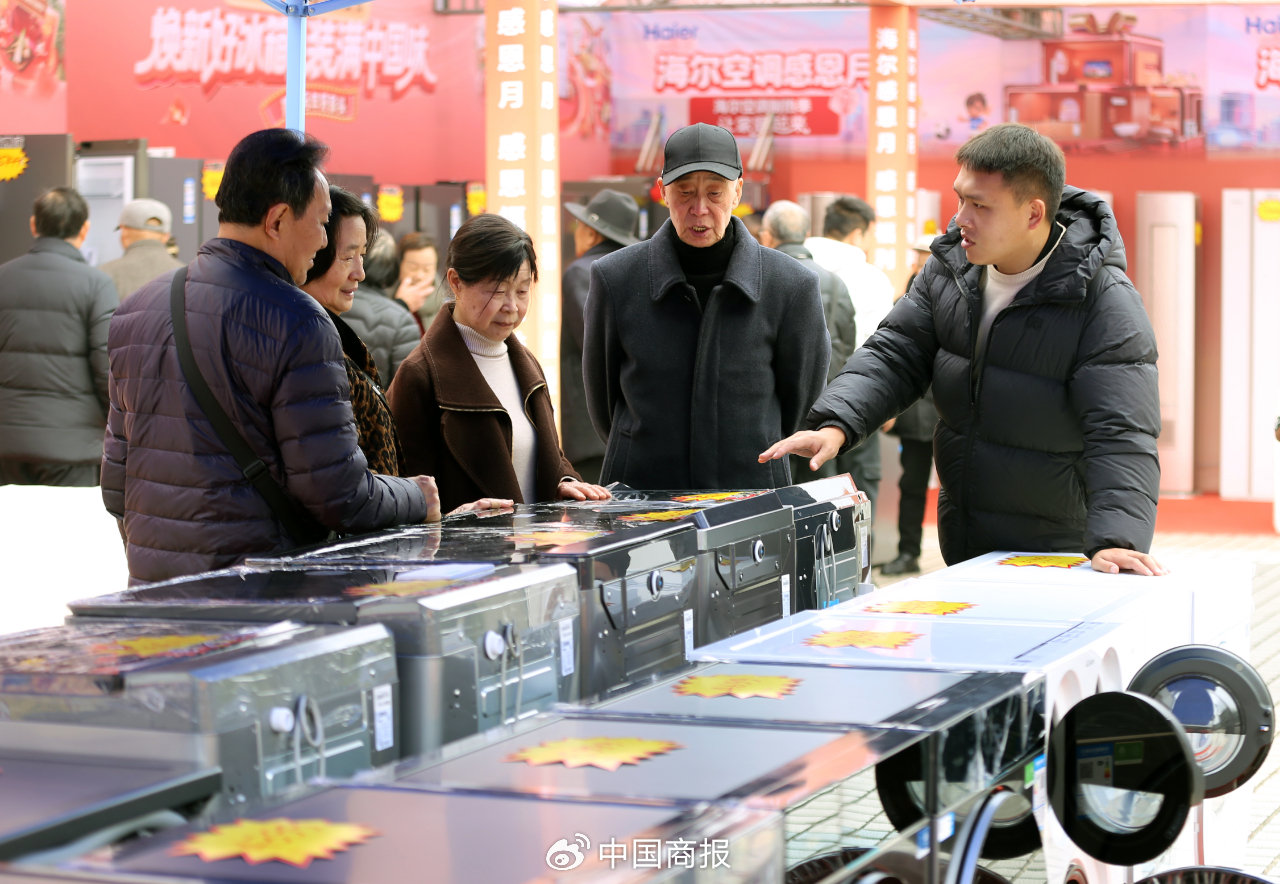
证券时报记者 韩忠楠 12月30日,国家发展改革委、财政部发布《关于2026年实施大规模设备更新和消费品以旧换新政策 的通知》,明确2026年"两新"政策的支持范围、补贴标准和工作要求。 据悉,国家已于近日向地方提前下达2026年第一批625亿元超长期特别国债支持消费品以旧换新资 金计划,满足元旦、春节等旺季消费需求。 2026年"两新"政策主要在支持范围、补贴标准、实施机制三方面进行优化。 支持范围方面,设备更新领域,总体延续2025年支持范围,在民生领域增加老旧小区加装电梯、养 老机构设备更新,在安全领域增加消防救援、检验检测设备更新,在消费基础设施领域增加商业综合 体、购物中心、百货店、大型超市等线下消费商业设施的设备更新。 消费品"以旧换新"领域,继续实施汽车报废更新和汽车置换更新补贴。国家节能中心主任刘琼表 示,2026年将此前定额补贴优化调整为按车价比例补贴,报废更新补贴最高2万元、置换更新补贴最高 1.5万元。补贴资金支出随车辆价格调节,既能稳定更新总量,又能改善补贴车型结构,减少"内卷 式"、低水平的简单价格竞争。 同时,继续实施家电以旧换新补贴,支持范围聚焦冰箱、洗衣机、电视、空调、电脑、热 ...
提升重点消费品以旧换新“得补率”
Sou Hu Cai Jing· 2025-12-31 00:19
Group 1 - The "Two New" policy for 2026 has been optimized to enhance the support scope, subsidy standards, and implementation mechanisms for equipment updates and consumer goods recycling [1][3][4] - The support scope for equipment updates will include the installation of elevators in old residential areas, equipment updates in elderly care institutions, and updates for safety equipment such as firefighting and inspection devices [1][3] - The consumer goods recycling program will focus on key consumer products, maintaining subsidies for vehicle scrappage and replacement, and expanding the scope of subsidies for digital and smart products [1][3][4] Group 2 - The subsidy standards for equipment updates will be adjusted, with differentiated subsidies based on the number of floors for old residential elevators and prioritizing electric trucks for scrappage [4] - For consumer goods recycling, the subsidy for cars will remain capped, but will shift to a percentage of the vehicle price, while home appliances will receive a subsidy of 15% for energy-efficient products, with a maximum of 1,500 yuan per item [4] - The implementation mechanism will be optimized to lower the investment threshold for project applications, enhance support for small and medium-sized enterprises, and ensure uniform subsidy standards across the country [4]
2026年“两新”政策部署来了!“国补”有这些新变化
Xin Hua Cai Jing· 2025-12-31 00:10
Core Viewpoint - The 2026 "Two New" policy aims to enhance equipment updates and consumer goods replacement, addressing public concerns and promoting high-quality development through targeted subsidies and support measures [1][2]. Group 1: Policy Changes - The 2026 "Two New" policy expands support to include the installation of elevators in old residential areas, equipment updates in elderly care institutions, and updates for commercial facilities like shopping centers and supermarkets [2][4]. - The policy continues to support the replacement of old vehicles and household appliances, including cars, washing machines, and refrigerators, while also expanding subsidies for digital and smart products [2][3]. Group 2: Subsidy Standards - The subsidy standards for equipment updates have been optimized, with differentiated subsidies based on the number of floors for old elevators, potentially easing financial burdens for high-rise residential buildings [4][5]. - For automotive subsidies, the policy shifts from fixed amounts to percentage-based subsidies, with support for new energy vehicles at 12% of the vehicle price (up to 20,000 yuan) and for fuel vehicles at 10% (up to 15,000 yuan) [5][6]. Group 3: Implementation Mechanism - The policy introduces an optimized project application and review process, lowering investment thresholds and increasing support for small and medium-sized enterprises [7]. - A unified subsidy standard will be implemented nationwide for vehicle replacements and household appliances, addressing regional disparities in subsidy amounts [7].
“退货羽绒服口袋现机票”引争议;2026年“国补”政策来了| 消费早参
Mei Ri Jing Ji Xin Wen· 2025-12-30 23:04
点评:2026 年"两新"政策的延续与扩围,是积极聚焦扩内需、促转型的精准发力,契合消费升级与新 质生产力培育需求,以财政资金撬动居民换新意愿、缓解企业转型压力。是"十五五"开局之年稳增长、 优结构的重要抓手,彰显了以消费牵引供给、以产业升级支撑高质量发展的政策逻辑。 NO.2 东莞首富母子完成交接班 62岁的东阳光联合创始人郭梅兰因"年事已高",将其持有的核心资产全部转让给38岁的儿子张寓帅。至 此,这位38岁的"创二代"成为东阳光唯一实际控制人,独自掌控着价值近700亿的上市公司平台,母子 二人合计400亿元的财富版图实现平稳交接。 点评:这是民营上市公司代际传承浪潮中的典型案例。此次交接以全额资产转让的方式完成控制权过 渡,既符合家族企业传承的常见路径,也让市场将目光聚焦于新任实控人后续在企业研发投入、业务布 局等方面的决策走向,以及这种传承模式对公司长期经营稳定性的影响。 丨 2025年12月31日星期三丨 NO.1 2026年"国补"政策来了 国家发展改革委、财政部印发的《关于2026年实施大规模设备更新和消费品以旧换新政策的通知》30日 对外发布,明确2026年"两新"政策的支持范围、补贴标准和工 ...
二〇二六年“两新”政策优化实施(政策速递)
Sou Hu Cai Jing· 2025-12-30 22:23
Core Viewpoint - The Chinese government has announced a significant policy initiative for 2026, allocating 62.5 billion yuan in special long-term bonds to support a consumption upgrade program, particularly focusing on the replacement of old consumer goods and equipment [1][2]. Group 1: Policy Support and Funding - A total of 62.5 billion yuan in special long-term bonds has been allocated to support the consumption upgrade program for 2026, with funds being distributed ahead of schedule to meet seasonal demand [1]. - The policy aims to enhance support for various sectors, including the installation of elevators in old residential areas and the upgrading of equipment in elderly care institutions [2]. Group 2: Optimizations in Policy - The 2026 policy includes three main optimizations: expanding the support scope, adjusting subsidy standards, and improving implementation mechanisms [2][3]. - The support scope now includes updates for safety equipment in the fire rescue sector and consumer infrastructure in commercial complexes and supermarkets [2]. - The subsidy for old residential elevators will now be differentiated based on the number of floors, and there will be a priority for electric vehicle replacements in the old freight truck subsidy program [3]. Group 3: Subsidy Standards and Implementation - The subsidy for household appliances will focus on energy-efficient products, with a 15% subsidy on the selling price, capped at 1,500 yuan per item [3]. - The implementation mechanism has been optimized to lower the investment threshold for project applications, particularly benefiting small and medium-sized enterprises [3]. - A unified subsidy standard will be enforced nationwide for various categories, including automotive and household appliances, to ensure consistency and prevent fraudulent claims [3].
2026年“国补”有这些新变化
Xin Lang Cai Jing· 2025-12-30 22:18
Core Viewpoint - The 2026 "Two New" policy aims to enhance equipment updates and consumer goods replacement, addressing key consumer concerns and promoting high-quality development through targeted subsidies and support measures [1][2]. Group 1: Policy Changes - The support scope for equipment updates has been expanded to include the installation of elevators in old residential areas, equipment updates in elderly care institutions, and safety equipment updates in fire rescue and inspection sectors [2][4]. - The consumer goods replacement program will continue to support subsidies for automobile scrapping and replacement, as well as for major household appliances like refrigerators and washing machines, with an expanded focus on digital and smart products [2][3]. Group 2: Subsidy Standards - The subsidy standards for equipment updates have been optimized, with a shift to differentiated subsidies based on the number of floors for old residential elevators, potentially easing financial burdens for high-rise buildings [4]. - For automobile scrapping, the subsidy will be based on a percentage of the vehicle price, with 12% for new energy vehicles (up to 20,000 yuan) and 10% for fuel vehicles (up to 15,000 yuan) [5][6]. - The household appliance subsidy will now support energy-efficient products at 15% of the product price, with a cap of 1,500 yuan per item [6]. Group 3: Implementation Mechanism - The policy will optimize funding distribution and improve implementation details to combat fraud and ensure that subsidies effectively reach consumers [7]. - A unified subsidy standard will be enforced nationwide for automobile scrapping, replacement, and six categories of household appliances, addressing regional disparities in subsidy amounts [7].
国家发展改革委、财政部印发通知 二〇二六年“两新”政策优化实施(政策速递) 明确支持范围、补贴标准和工作要求
Ren Min Ri Bao· 2025-12-30 22:00
Core Viewpoint - The National Development and Reform Commission (NDRC) and the Ministry of Finance have issued a notice regarding the implementation of large-scale equipment updates and consumer goods replacement policies in 2026, with a focus on supporting consumption and meeting demand during peak seasons like New Year's and Spring Festival [1] Group 1: Policy Optimization - The 2026 "Two New" policy has been optimized in three main areas: support scope, subsidy standards, and implementation mechanisms [2][3] - The support scope for equipment updates will continue from 2025, with additions in areas such as old residential elevator installations, equipment updates for elderly care institutions, and safety equipment updates [2] - The consumer goods replacement policy will focus on key consumer products with strong driving effects, including continued subsidies for scrapping and replacing cars, as well as for six categories of home appliances [2] Group 2: Subsidy Standards - The subsidy standards for equipment updates will be differentiated based on the number of floors for residential elevators, and electric trucks will be prioritized for scrapping and replacement subsidies [3] - For consumer goods, the subsidy for cars will remain capped, but will shift from a fixed amount to a percentage of the vehicle price; home appliance subsidies will focus on energy-efficient products with a maximum subsidy of 1,500 yuan per item [3] Group 3: Implementation Mechanisms - The implementation mechanisms will be optimized to lower the investment threshold for project applications and enhance support for small and medium-sized enterprises [3] - The funding distribution will be improved, with strict measures against fraudulent claims and price inflation before subsidies [3] - The NDRC will work with relevant departments to ensure a coordinated approach to the policy's implementation, aiming for balanced and orderly use of subsidy funds [3]