
汽车智能化

Search documents
有色金属行业周报:小金属双周报:继续看多稀土、钨板块,锡价或迎拐点
SINOLINK SECURITIES· 2026-02-23 10:45
Investment Rating - The report indicates a positive outlook for the small metals sector, with the Shenyin Wanguo Small Metals Index rising by 3.25% during the period, outperforming both the Shenwan Nonferrous Index and the CSI 300 Index by 10.21 percentage points and 4.23 percentage points, respectively [2][13]. Core Insights - The report highlights that the prices of rare earth elements have reached new highs, driven by supply-side reforms and increasing overseas inventory demand. The prices for praseodymium and neodymium oxide rose by 13.51%, dysprosium oxide by 9.02%, and terbium oxide by 5.90% [3][18][19]. - Tin prices have shown volatility, with a decrease of 10.74% in the current period. The potential ban on tin raw material exports from Indonesia may create significant replenishment demand for tin processing companies, positively impacting tin prices in the long term [4][28]. - Tungsten prices have increased significantly, with tungsten concentrate rising by 15.99% and ammonium paratungstate by 15.11%. The report suggests that the strategic reserve initiatives in the U.S. may elevate tungsten's priority in global markets [4][40]. - Antimony prices have shown a slight increase, with antimony ingot prices up by 0.62% and antimony concentrate by 2.13%. The report anticipates a recovery in exports, which could lead to a price rebound [5][47]. - Molybdenum prices have stabilized, with molybdenum concentrate prices increasing by 2.97% and ferromolybdenum by 3.33%. The report notes that low inventory levels and increased defense spending may support further price increases [6][51]. Summary by Sections 1. Stock Market and Commodity Price Performance - The Shenyin Wanguo Small Metals Index closed at 39,286.62 points, reflecting a 3.25% increase [2][13]. - Commodity prices for rare earths, tungsten, and molybdenum have shown upward trends, while tin prices have decreased [16]. 2. Main Product Fundamentals and Insights 2.1 Rare Earths - The report emphasizes the ongoing supply-side reforms and the rising prices of rare earths, with significant export demand expected to continue [3][18][19]. 2.2 Tin - The potential export ban from Indonesia could lead to increased demand for tin processing, positively affecting prices in the long run [4][28]. 2.3 Tungsten - The report highlights the strategic importance of tungsten in global markets, with prices rising significantly due to supply constraints and increased military spending [4][40]. 2.4 Antimony - Antimony prices are expected to recover as export conditions improve, with a focus on high-growth resource companies [5][47]. 2.5 Molybdenum - Molybdenum prices are projected to rise due to low inventory levels and increased demand from the defense sector [6][51].




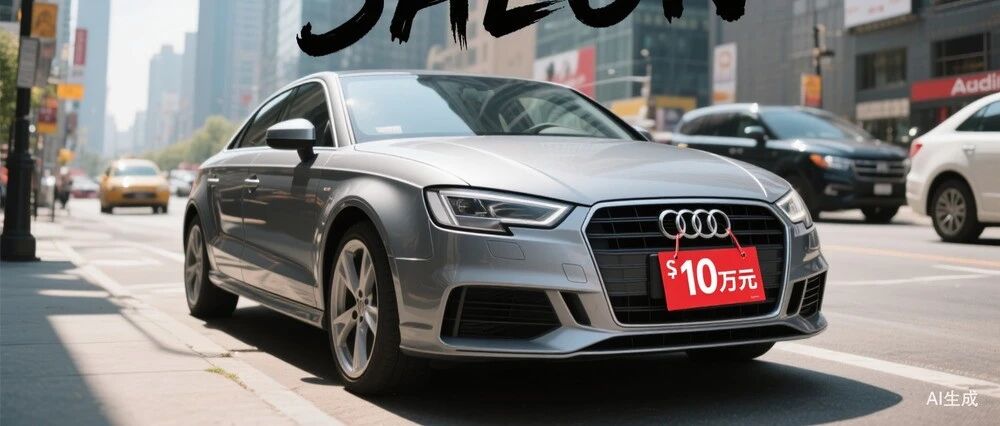
奥迪,只要10万了
虎嗅APP· 2026-02-15 13:04
Core Viewpoint - The article discusses the significant price drop of the Audi A3, which has now reached a market price of just over 100,000 yuan, making it comparable to mainstream models like the Volkswagen Lavida and Toyota Corolla. This shift has altered consumer perceptions of luxury vehicles and raised questions about brand value and market positioning [6][9][21]. Price Changes and Market Dynamics - Audi has reduced the entry-level A3's terminal price to just over 100,000 yuan, a stark contrast to its previous pricing, which was around 190,000 yuan from 2016 to 2019 [11][12]. - Despite the price drop, sales have not surged as expected, with some Audi dealerships closing down due to poor performance, indicating a deeper market adjustment rather than a simple promotional cycle [9][15]. - The official price range for the Audi A3 remains between 165,900 yuan and 209,900 yuan, but actual transaction prices have fallen to around 120,000 yuan in many regions [11][12]. Sales Performance and Dealer Challenges - Audi A3's sales have been declining, with 2024 sales at 53,200 units, the lowest in five years, and a slight recovery in 2025 to 66,800 units primarily due to significant discounts [14]. - Over 52% of automotive dealers in China reported losses in the first half of 2025, leading to the closure of several Audi dealerships across various provinces [15][17]. Consumer Perception and Competition - The price reduction has led to a perception shift among consumers, with some referring to the A3 as an "affordable luxury car," questioning its brand prestige [9][21]. - The competitive landscape has changed, with the A3 now facing competition from domestic electric vehicles that offer better space and comfort at similar price points [21][24]. Strategic Adjustments and Future Outlook - Audi is adjusting its strategy by halting plans to phase out internal combustion engine vehicles and focusing on a mixed approach of fuel, electric, and hybrid models [27]. - The company is also collaborating with local tech firms to enhance its smart driving capabilities, aiming to balance traditional strengths with modern technological demands [28][29]. - 2026 is projected to be a critical year for Audi, as the effectiveness of its strategic adjustments will determine its market position in China [31][32].

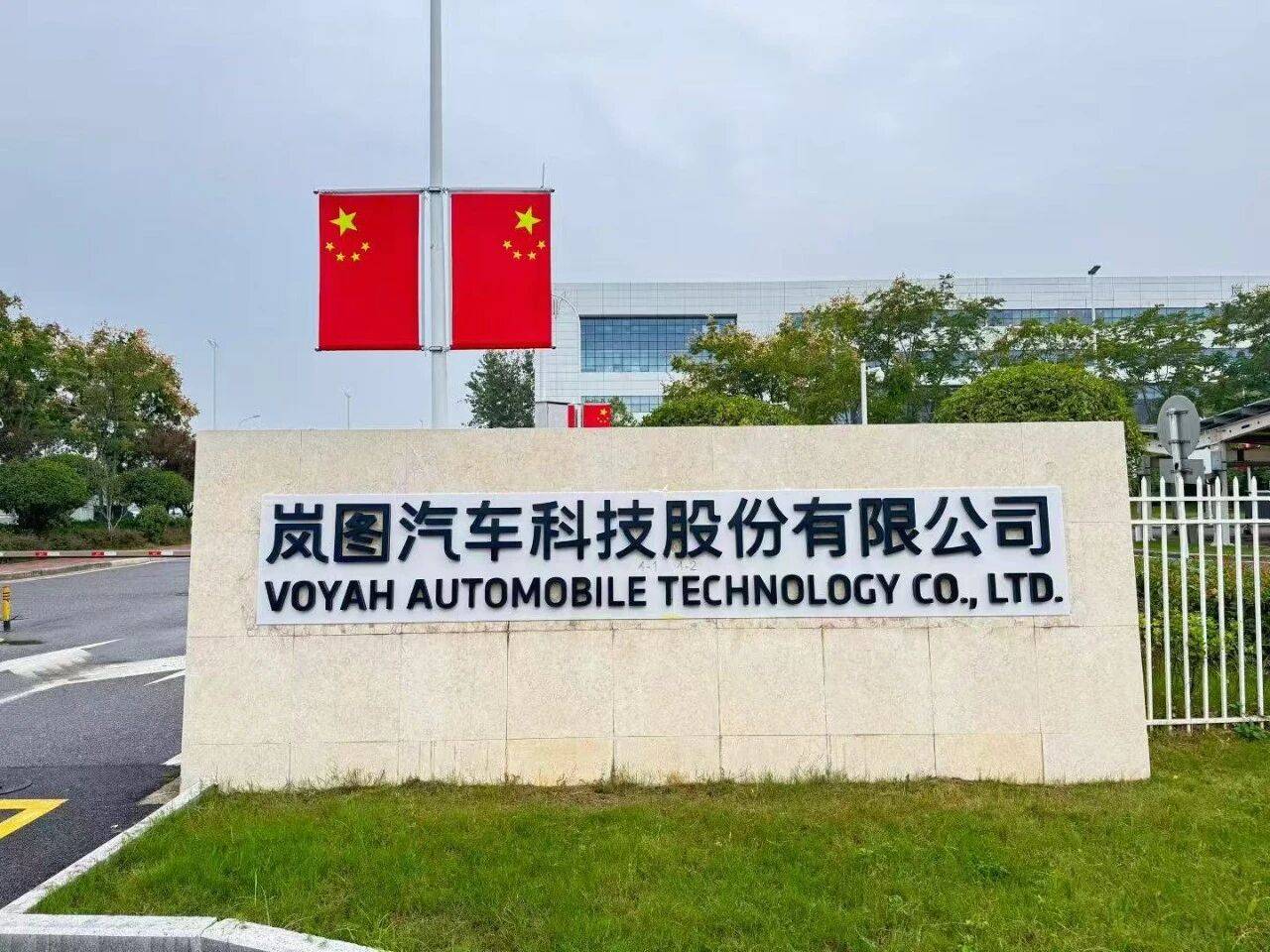
岚图汽车2025 年毛利率超20%!港股上市获原则性同意
Sou Hu Cai Jing· 2026-02-15 11:40
Core Viewpoint - Lantu Automotive has completed all pre-listing regulatory approvals for its Hong Kong IPO, set to officially list on March 19, 2026, marking it as the first high-end new energy brand from a central state-owned enterprise to go public in Hong Kong [1] Group 1: IPO and Regulatory Approval - Lantu Automotive initiated its IPO process in August 2025 and submitted its application in October 2025, receiving approval from multiple regulatory bodies within four months [1] - The company’s efficient compliance preparation showcases its robust governance and operational systems, reflecting strong support from regulators for quality new energy enterprises [1] Group 2: Sales and Financial Performance - From 2023 to 2025, Lantu's sales are projected to grow from 50,285 units to 150,169 units, achieving a compound annual growth rate (CAGR) of 73%, significantly outpacing industry averages [2] - Revenue is expected to rise from 12.75 billion yuan to 34.86 billion yuan, with a CAGR of 65.4%, and the company anticipates a net profit of 1.02 billion yuan in 2025 [2] - Lantu maintains a gross margin of 20.9%, positioning it among the top in the industry [2] Group 3: Technological Advancements - Lantu Automotive emphasizes core technology autonomy, with 1,874 patents granted and 5,405 pending, focusing on smart connectivity, new energy, and safety [4] - The company has developed the world's first native intelligent electric architecture compatible with multiple power modes and a centralized SOA electronic architecture, enhancing product innovation [4] - Lantu's 800V intelligent hybrid technology allows for significant electric range and rapid charging capabilities, recognized as a major technological breakthrough [6] Group 4: Manufacturing and Production Capacity - Lantu's manufacturing facilities utilize advanced technologies like digitalization, 5G, and AI, achieving a highly intelligent and flexible manufacturing system [8] - The company aims to reach a production capacity of 60 vehicles per hour, ensuring efficient and high-quality delivery [8] Group 5: Market Position and Product Range - Lantu has established a comprehensive product lineup, including SUVs, MPVs, and sedans, catering to diverse consumer needs and driving brand growth [9] - The Lantu Dreamer has become a market leader in the high-end MPV segment, breaking foreign brand dominance and enhancing the image of Chinese brands [11] Group 6: Charging Infrastructure and Global Expansion - Lantu is expanding its charging network, connecting with over 100,000 charging stations and 1.5 million charging piles, achieving a 99% coverage rate in urban areas [13] - The company is pursuing global expansion, having entered over 40 countries and regions, promoting Chinese high-end manufacturing [13] Group 7: Future Product Plans - Lantu plans to launch several new models in 2026, all equipped with L3 level intelligent driving hardware, including the Lantu Taisan Ultra and Taisan X8 [14][16] - The company aims to introduce groundbreaking technologies in its upcoming MPV, setting new standards in the luxury segment [16] Group 8: Strategic Vision - Lantu Automotive is positioned to drive innovation and capital empowerment, reflecting a significant transformation in China's automotive industry towards quality and global competitiveness [17] - The IPO on the Hong Kong Stock Exchange is expected to create long-term value for international investors and support the global ambitions of Chinese brands [17]
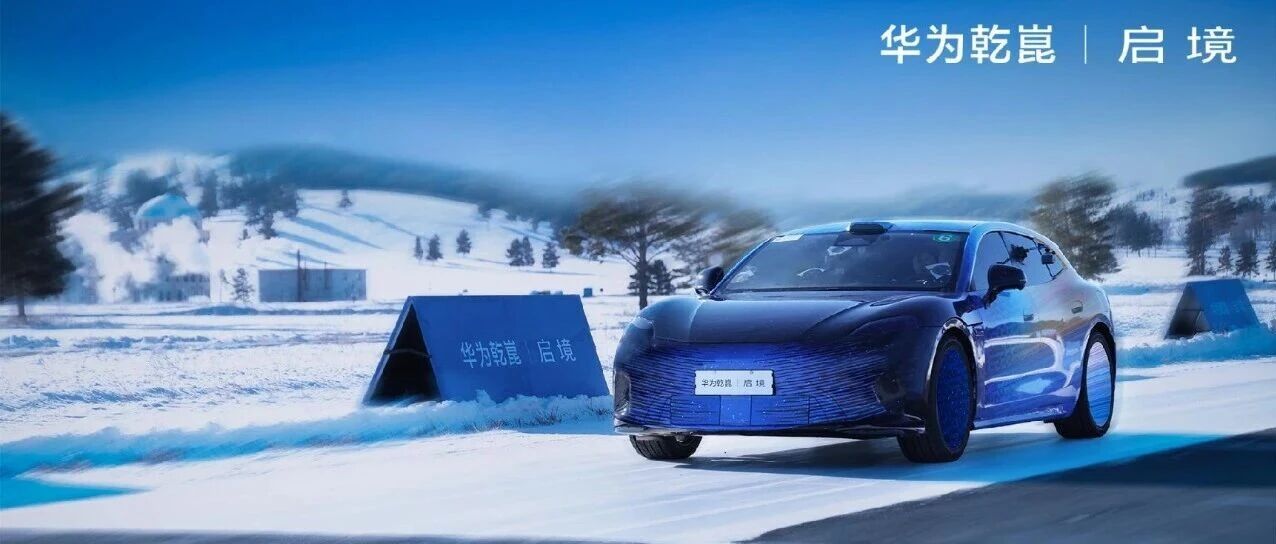
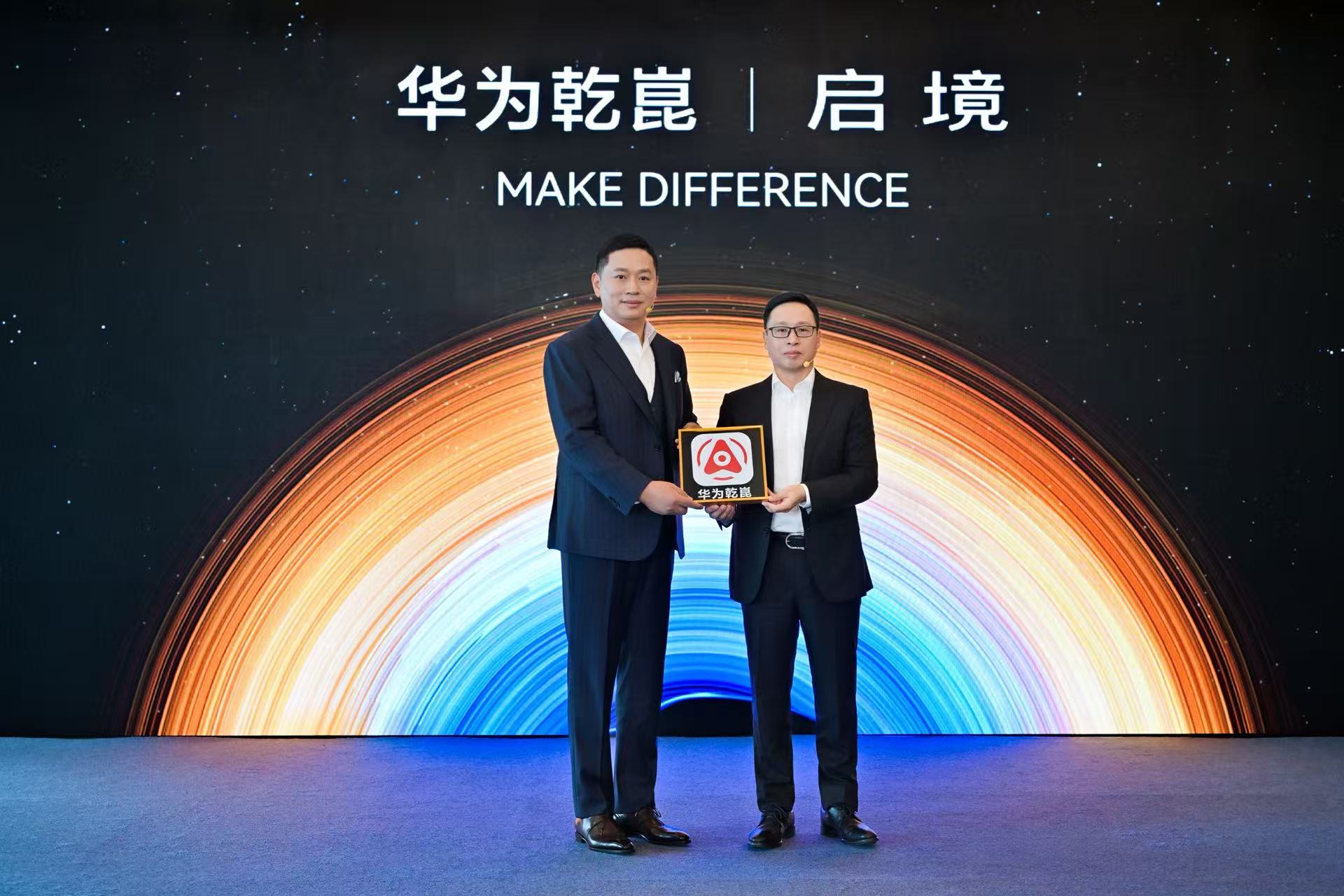
启境入局:中国汽车智能化下半场的价值回归与高端突围
经济观察报· 2026-02-15 02:11
Core Viewpoint - The emergence of Qijing Automotive represents a significant exploration in the intelligent and high-end development path of the Chinese automotive industry during a critical period of transformation [1][26]. Group 1: Strategic Shift from Electrification to Intelligentization - By the end of 2025, the penetration rate of new energy vehicles in China is expected to approach 60%, indicating that the electrification phase is nearing completion, while the intelligentization phase is just beginning [2][6]. - The automotive industry is undergoing a structural transformation, with a shift in competition from mere electrification to intelligentization, as evidenced by the increasing demand for smart, personalized vehicles [6][8]. - Over 80% of automotive companies have initiated AI pilot projects, but only 15% have achieved large-scale application, highlighting the transition from "whether to do" to "how to do it right" in intelligentization [2][8]. Group 2: Challenges in Intelligent Transformation - The transition to intelligentization presents significant challenges, including the need for comprehensive capabilities in data collection, processing, and system integration [16][17]. - Companies must prepare for the responsibilities associated with Level 3 automation, requiring robust safety and quality management systems throughout the product lifecycle [16][20]. - The collaboration model in the intelligent era necessitates deep integration of hardware, software, algorithms, and data, moving beyond traditional supply chain relationships [17][20]. Group 3: Qijing's Unique Position and Strategy - Qijing is positioned as a strategic player in the intelligentization arena, focusing on redefining what constitutes a high-quality vehicle in the smart era [14][26]. - The collaboration between Qijing and Huawei is characterized by "embedded collaboration," allowing for joint product logic definition and system performance validation [16][20]. - Qijing aims to leverage its partnerships to create a new value benchmark in the high-end market, combining technology, luxury, and reliability [26][31]. Group 4: Value Transition of Chinese Brands - Chinese automotive brands are experiencing a value transition, with Qijing positioned to capitalize on this shift by enhancing product quality, user experience, and redefining value in the high-end market [24][26]. - The traditional dominance of luxury brands is declining, with Chinese brands making significant inroads into the high-end market through advancements in electric and intelligent technologies [24][26]. - Qijing's strategy emphasizes a comprehensive user experience and a differentiated dealer network, reflecting growing confidence in Chinese high-end intelligent automotive brands [26][31].

启境入局:中国汽车智能化下半场的价值回归与高端突围
Jing Ji Guan Cha Wang· 2026-02-15 02:07
Core Insights - The electric vehicle (EV) penetration rate in China is expected to approach 60% by the end of 2025, indicating that the initial phase of electrification is nearing completion, while the next phase of intelligent transformation is just beginning [1][4] - Market data suggests a slowdown in EV wholesale growth, with a forecasted decline from 28% in 2025 to 15% in 2026, signaling a shift from growth to competition among existing players [1][4] - The launch of the high-end intelligent EV brand "Qijing," co-created by Huawei and GAC Group, represents a significant step in addressing the industry's transition from electrification to intelligentization [1][3] Industry Transition - The Chinese automotive market is undergoing a structural transformation, with a predicted slowdown in growth rates for new energy vehicles as penetration exceeds 50% [4] - Deloitte's report highlights that over 80% of automotive companies have initiated AI pilot projects, but only 15% have achieved large-scale application, indicating a shift in focus from "whether to do" to "how to do it right" [1][4] - The automotive industry is recognized as being at a critical juncture, facing pressures on the supply side while experiencing explosive growth in demand for intelligent and personalized vehicles [4][6] Intelligent Transformation - Intelligentization is identified as the core of the automotive industry's transformation, integrating various advanced technologies such as perception, data processing, connectivity, execution control, and user experience [6] - The shift from traditional vehicles to intelligent terminals is reshaping the travel ecosystem, with AI expected to play a pivotal role in this evolution [6][12] - The competitive landscape is evolving, with a focus on the ability to continuously innovate and adapt intelligent capabilities rather than merely distinguishing between fuel and electric vehicles [12][14] Challenges and Opportunities - The transition to intelligent vehicles presents significant challenges, including the need for comprehensive technical capabilities, responsibility frameworks for Level 3 automation, and upgraded collaborative models within the industry [15][16] - Qijing's collaboration with Huawei is characterized as "embedded collaboration," allowing for a more integrated approach to product development and system performance validation [16][18] - The brand's supply chain and quality management systems are designed to meet the high standards of luxury vehicles, positioning Qijing to take on the challenges of intelligent vehicle production [18][20] Market Positioning - Qijing aims to redefine the high-end market by focusing on a combination of aesthetics, driving control, and intelligence, while also establishing a differentiated dealer network strategy [23][24] - The brand's strategy reflects a broader trend of Chinese automotive brands moving into the high-end market, with significant improvements in product quality and user experience [21][23] - The emergence of Qijing is seen as a critical exploration of the intelligent and high-end development path for the Chinese automotive industry, aligning with national policies promoting digital transformation [27][29]
【重磅深度】2026年主流车企城市NOA试驾报告—2月上海篇
东吴汽车黄细里团队· 2026-02-13 15:40
Investment Highlights - The main contradiction in C-end automotive intelligence has shifted from coverage to experience optimization in 2026. Major intelligent driving manufacturers and solution providers have achieved urban NOA (Navigation on Autopilot) experiences in complex scenarios such as roundabouts and U-turns, and have improved advanced functions like parking and ETC passage. The primary optimization direction moving forward will be the handling capability of Corner Cases to enhance the driving experience for passengers and safety operators [2][7]. Road Testing Overview - This report conducted both large-sample concentrated road tests and small-sample in-depth road tests. It qualitatively and quantitatively evaluated the intelligent driving experiences of six manufacturers/solution providers: Horizon, Li Auto, Qianli Zhijia, Qingzhou Zhihang, WeRide, and Xpeng, based on dimensions such as scenario implementation, takeover frequency, and comfort. Due to subjective scales, actual road conditions, and the trust level of safety operators in intelligent driving, the report does not rank the intelligent capabilities of specific manufacturers/solution providers [3][7]. Performance Improvement - Compared to 2025, all major manufacturers have improved their intelligent driving capabilities in Q1 2026, while third-party suppliers have also demonstrated excellent implementation results. The self-research camp of manufacturers is expected to continue iterating. Li Auto and Xpeng have developed mature self-research solutions that cover full-scene NOA on public roads and some internal roads, showing improvements in static and dynamic lateral perception, scenario understanding, and Corner Case handling. Li Auto's OTA 8.2 iteration has made AD Max smoother, reducing driving jolts and stabilizing responses. Xpeng's XOS 5.8.5 version can achieve three-point U-turns and autonomously learn from parking to parking, with VLA 2.0 expected to launch after the Spring Festival, enhancing reasoning efficiency and response speed [4][7]. Third-Party Supplier Performance - Third-party intelligent driving suppliers have shown impressive results. Their solutions have been launched to cover all external public roads seamlessly, with roundabouts and U-turns executed without interruptions. Horizon's HSD demonstrated smooth performance, achieving a full hour of deep road testing with zero takeovers (with one intervention for acceleration). Qianli Zhijia's G-ASD solution on the Zeekr model significantly reduced takeover rates. Qingzhou Zhihang utilized a single J6M chip (with 128 TOPS computing power) to achieve mass production of urban NOA, which is the lowest computing power among urban NOA models. WeRide's solution won the championship at the China Intelligent Driving Competition in Taizhou, showcasing excellent lane selection logic with no safety takeovers [4][7].


悦安新材:公司羰基铁粉可应用于汽车智能悬挂系统的磁流变液减震器
Zheng Quan Ri Bao Wang· 2026-02-13 13:40
Core Viewpoint - The company Yu'an New Materials has highlighted the application of carbonyl iron powder in automotive intelligent suspension systems, specifically in magnetorheological dampers, which cater to the precise control needs of high-performance vehicles. This product line has established stable sales overseas while being in the market introduction phase domestically, with ongoing technical collaborations and product validations with several leading suppliers. The trend of intelligent upgrades in domestic new energy vehicles is expected to become a significant source of business growth for the company in the future [1]. Group 1 - The carbonyl iron powder can be used in automotive intelligent suspension systems [1] - The product has a millisecond response advantage, suitable for high-performance vehicle control [1] - Stable sales have been achieved in overseas markets, while the domestic market is in the introduction phase [1] Group 2 - The company is engaging in technical collaborations and product validations with multiple leading suppliers [1] - The trend of intelligent upgrades in domestic new energy vehicles is anticipated to drive future business growth [1]

宁波华翔(002048):首次覆盖报告:全面拥抱人形机器人产业,全球PEEK龙头潜力初显
Western Securities· 2026-02-13 07:20
Investment Rating - The report gives a "Buy" rating for Ningbo Huaxiang with a target price corresponding to a PE of 25 times for 2026, leading to a target market value of 40.239 billion yuan [1][4]. Core Insights - The company is expected to improve its profitability after divesting its loss-making European assets and is entering the humanoid robot sector, indicating significant future growth potential. The projected net profits for 2025-2027 are 519 million, 1.610 billion, and 1.756 billion yuan respectively [1][15]. - The report addresses key market concerns, including the impact of declining joint venture customer sales on performance and the outlook for sustained growth. The company has been expanding its domestic brand customer base, which may offset the negative effects of joint venture customer sales decline [1][2]. Summary by Sections Company Overview - Ningbo Huaxiang has been focused on the automotive parts industry for nearly 40 years and is undergoing continuous business transformation. The company has expanded its commercial footprint through both organic growth and acquisitions [24]. - The company has a diversified customer base, including major domestic and international automotive manufacturers, which has led to a decrease in customer concentration risk [25][60]. Financial Performance - The company has shown steady revenue growth, with a compound annual growth rate (CAGR) of 12% from 2020 to 2024. However, net profits have been declining since 2021 due to losses from overseas subsidiaries [32][33]. - The projected revenue for 2023 is 23.236 billion yuan, with a growth rate of 18.4%. The expected revenue for 2024 is 26.324 billion yuan, with a growth rate of 13.3% [3]. Business Segments - The company is actively expanding into the intelligent chassis and humanoid robot sectors, which are expected to drive future growth. The intelligent chassis business is positioned to benefit from the ongoing trends in electric vehicles and smart driving technologies [2][49]. - The company has established a joint venture with Zhiyuan Robotics to collaborate on various aspects of the humanoid robot industry, indicating a strategic move towards becoming a leader in the PEEK material sector [2][24]. Market Trends - The automotive industry is experiencing stable growth, driven by increasing consumer demand for personalized and comfortable vehicles. The global automotive interior and exterior market is projected to grow steadily, with a CAGR of approximately 4.63% from 2024 to 2035 [55][58]. - The metal parts sector is also expanding, with a projected market size of 109.6 billion USD in 2024, driven by the trends of electrification and lightweighting in vehicles [64][68]. Future Outlook - The company plans to raise up to 2.921 billion yuan through a private placement to fund projects aimed at expanding its production capacity and enhancing its technological capabilities in the intelligent chassis and humanoid robot sectors [49][51]. - The divestment of European assets is expected to significantly improve profit margins, and the company is well-positioned to capitalize on emerging opportunities in the automotive and robotics industries [2][15].

未知机构:广发汽车中国汽研调研更新125年智能化检测收入继续亮眼-20260213
未知机构· 2026-02-13 02:30
【广发汽车】中国汽研调研更新 当下仍有争议的点,若按照乐观预期,弹性更大。 a,"套娃车型",因质量,高低等变化带来实际效果有区别,是否都需要强检; 软件每次OTA(以前月度频率OTA,现在季度频率OTA),都需要备案检测,只检测软件变化的部分,还是涉及 到的功能都需要重新检测。 1)25年智能化检测收入继续亮眼。 25年技术服务业务收入10%+增长,其中智能化6个亿同比+50%(若把电磁兼容等也考虑进去,有9个亿),国际 化2个亿,传统等基本维持稳定。 2)强标:L2强标预计26Q2正式稿,26H2开始进入业务放量期(提前半年过工信部目录)。 L2的强标领航辅助的检测约百万元,较原新车型强检约 【广发汽车】中国汽研调研更新 1)25年智能化检测收入继续亮眼。 25年技术服务业务收入10%+增长,其中智能化6个亿同比+50%(若把电磁兼容等也考虑进去,有9个亿),国际 化2个亿,传统等基本维持稳定。 2)强标:L2强标预计26Q2正式稿,26H2开始进入业务放量期(提前半年过工信部目录)。 L2的强标领航辅助的检测约百万元,较原新车型强检约200万元,扩容50%,后续L3/4带来扩容幅度更大。 当前处于历史估 ...

华培动力筹划重大资产重组 收购标的两月前刚宣布承接法雷奥集团汽车传感器业务
Xin Lang Cai Jing· 2026-02-12 15:27
Core Viewpoint - Huapei Power (603121.SH) announced a significant capital operation plan to extend its industrial chain layout, with stock suspension starting from February 13 for up to 10 trading days [1] Group 1: Major Asset Restructuring - The company is planning a major asset restructuring by acquiring 100% equity of Meichuang Zhiguan (Wuxi) Technology Co., Ltd. from Wuxi Shengyi Industrial Investment Partnership through a combination of issuing convertible bonds and cash [1][2] - The transaction is expected to constitute a related party transaction and a major asset restructuring, but it will not result in a restructuring listing [1] Group 2: Business Overview - Huapei Power's main businesses include powertrain and sensor operations, with key products in automotive engine turbocharging systems and various types of sensors for commercial vehicles [3] - The company reported a projected net loss of 27 million to 47 million yuan for 2025, attributed to a decline in sales revenue and a decrease in gross margin due to changes in end customers' production plans [3] Group 3: Market Activity - On February 12, Huapei Power's stock price reached a historical high of 26.45 yuan per share, closing at 25.70 yuan per share, with a total market value of 8.7 billion yuan [3]
