盘活存量

Search documents
2025年中央经济工作会议学习体会:“扩内需”的战略地位进一步提升
Bank of China Securities· 2025-12-12 00:42
Economic Strategy - The strategic position of "expanding domestic demand" has been further elevated, emphasizing its role in addressing "old problems and new challenges" in the economy[1] - The meeting highlighted the need for a more proactive macroeconomic policy, with a focus on enhancing policy foresight, targeting, and coordination[1] - "Expanding domestic demand" is seen as a crucial measure to counter external demand uncertainties and stimulate domestic supply, leading to improved corporate profits and household income[1] Fiscal and Monetary Policy - The fiscal deficit target for 2025 is set at 4.0%, an increase of 1.0 percentage point from 2024, with an estimated actual deficit rate of 5.3% when including special government bonds[4] - The meeting called for continued implementation of a proactive fiscal policy, maintaining necessary fiscal deficits and total debt levels[4] - Monetary policy will remain moderately accommodative, with a focus on using various tools like reserve requirement ratio cuts and interest rate reductions to support economic stability and reasonable price recovery[4] Investment and Consumption - The meeting proposed the formulation of a plan to increase urban and rural residents' income, which is fundamental to boosting consumer spending[4] - Investment strategies will focus on stabilizing and revitalizing investment through both project and local fiscal funding[4] - The emphasis on "doing better with incremental policies and revitalizing existing resources" aims to align new policies with the existing economic foundation[12]
多地“十五五”规划建议聚焦金融工具 力争做优增量、盘活存量
Zheng Quan Ri Bao· 2025-12-11 16:14
Core Viewpoint - The recent "14th Five-Year" planning proposals emphasize the role of finance in supporting the high-quality development of the real economy, with a focus on enhancing direct financing and strengthening financial risk prevention [1][2]. Group 1: Common Strategies - Various regions are prioritizing the development of financial "five major articles" and increasing the proportion of direct financing as core strategies to address economic challenges [1][2]. - The common goal across regions is to enhance resource allocation efficiency and improve total factor productivity through financial tools [1][3]. Group 2: Regional Focus - Different regions are tailoring their financial strategies based on local advantages and development positioning, creating a distinctive pattern of "common focus on the real economy, unique alignment with local development" [1][3]. - For instance, Guizhou's proposal emphasizes deepening financial reforms and innovating in technology finance, green finance, and digital finance to support key sectors [2][3]. Group 3: Financial Tools and Their Impact - Financial tools are seen as crucial for addressing issues of capital misallocation and insufficient supply, with a focus on activating idle assets and enhancing funding flows [3][4]. - The use of diverse financial instruments, such as credit, bonds, and equity financing, is essential for meeting the financing needs of different industries at various stages of development [5][6]. Group 4: Sustainable Financial Circulation - The integration of "activating stock" and "incremental investment" through financial tools creates a sustainable cycle that enhances resource allocation efficiency [6]. - The continuous development and precise application of financial tools are expected to play a pivotal role in improving economic quality and efficiency during the "14th Five-Year" period [6].
解读中央政治局会议:如何理解“扩大内需、优化供给,做优增量、盘活存量”?
Jing Ji Guan Cha Bao· 2025-12-08 12:00
Group 1 - The core viewpoint of the Central Political Bureau meeting emphasizes the need for proactive macroeconomic policies to enhance demand, optimize supply, and achieve a balanced economic structure, aiming for a good start to the 14th Five-Year Plan [1] - The meeting highlights the importance of expanding domestic demand and stimulating effective investment to address the persistent issue of insufficient effective demand in the Chinese economy [1][2] - The economic growth target for 2026 is projected to be between 4.5% and 5.0%, reflecting a slight downward adjustment from the previous year's target, while still maintaining a medium to high growth level [2] Group 2 - The meeting stresses the need for a more proactive fiscal policy and moderately loose monetary policy to support economic stability and growth, with an emphasis on integrating stock and incremental policies [2][3] - The fiscal deficit rate is suggested to increase to 4.5% to 5% in 2026, with a broad deficit scale exceeding 16 trillion yuan, to create incremental demand and adjust the economic structure [5] - The analysis indicates that approximately 7.4 trillion yuan in incremental fiscal funds will be needed to support the targeted 5% economic growth in 2026, with specific allocations for special bonds and local government debt [5][6]
解读中央政治局会议:如何理解“扩大内需、优化供给,做优增量、盘活存量”?
经济观察报· 2025-12-08 11:16
Core Viewpoint - The article emphasizes the need to address the persistent issue of insufficient effective demand in China's economy by expanding domestic demand, boosting consumption, and stimulating effective investment demand, while also optimizing and expanding effective supply through innovation to achieve structural balance in supply and demand [2][3]. Group 1: Economic Policy and Growth Targets - The Central Political Bureau meeting on December 8 discussed the economic work for 2026, proposing a more proactive macro policy to enhance the forward-looking, targeted, and coordinated nature of policies, aiming to maintain social stability and achieve a good start for the 14th Five-Year Plan [2][3]. - Analysts predict that the GDP growth target for 2026 will be set between 4.5% and 5.0%, a slight decrease from the 2025 target of around 5.0%, reflecting a focus on high-quality development and maintaining necessary policy space [3][4]. - The meeting highlighted the importance of achieving qualitative improvements and reasonable quantitative growth in the economy, with a focus on stabilizing employment, businesses, and market expectations [3][4]. Group 2: Fiscal Policy and Investment - The article suggests that the fiscal deficit rate for 2026 should be raised to 4.5% to 5%, with a broad deficit scale exceeding 16 trillion yuan, to support an estimated 7.4 trillion yuan in incremental fiscal funding needed for a 5% growth target [7]. - It is proposed that special bonds remain at 1.8 trillion yuan, with local special bond quotas slightly increasing to 5.1 trillion yuan to support infrastructure projects and debt clearance [7][8]. - The fiscal policy for 2026 is expected to reflect a "one flat three rises" approach, maintaining the fiscal deficit rate while increasing the scale of special bonds and quasi-fiscal policy tools [8]. Group 3: Economic Environment and Structural Adjustments - The article notes that China has transitioned from an incremental growth phase to one focused on existing stock, necessitating structural adjustments and the enhancement of technological innovation to achieve high-quality growth [3][4]. - The need for significant project investments in the early part of 2026 is emphasized, particularly in light of internal pressures such as aging and external challenges like geopolitical tensions and industrial chain restructuring [6].


我市停车泊位建设年度任务双超额完成 新增公共停车泊位1033个、错时对外开放共享泊位866个
Zhen Jiang Ri Bao· 2025-12-07 16:25
Core Insights - The city management bureau of Zhenjiang has successfully exceeded its target for the addition of public parking spaces and the implementation of shared parking initiatives for 2025, addressing citizens' urgent needs for optimized public parking resources [1][2] Group 1: Public Parking Expansion - Zhenjiang plans to add 1,000 public parking spaces and promote 800 shared parking spaces from internal parking lots of government and enterprises by 2025 [1] - As of the press conference, the city has added 1,033 public parking spaces (including 496 free spaces) and 866 shared parking spaces (including 56 free spaces), surpassing the initial goals [1] Group 2: Resource Optimization Strategies - The city management bureau is implementing a strategy to "activate existing resources and promote sharing," encouraging government and enterprise parking lots to open to the public during non-working hours [2] - The "tidal" parking management model is being promoted, where commercial parking is prioritized during the day and shared with residents at night, exemplified by the Phoenix Plaza underground parking lot offering 300 shared spaces with a 50% discount on monthly fees [2] Group 3: Future Plans and Community Engagement - The city management bureau will continue to optimize the layout of public parking facilities and accelerate the construction of smart parking systems to enhance service efficiency and user experience [2] - There is a call for citizens to adopt green travel practices and participate in civilized parking to foster a safe, orderly, and harmonious public parking environment [2]
华泰证券梁红:当前经济增长源于效率提升,为人民币资产重估与汇率走强奠定基础
Sou Hu Cai Jing· 2025-12-07 09:50
Core Viewpoint - The current economic growth in China is primarily driven by improvements in production efficiency, which lays the foundation for the revaluation of RMB assets and a stronger exchange rate [3]. Group 1: Economic Growth and RMB Valuation - The majority of the approximately 5% economic growth in China over the past two years has come from enhanced production efficiency rather than simple capital expansion [3]. - The improvement in the quality of growth is expected to lead to a revaluation of RMB assets, providing solid fundamental support for the appreciation of the RMB exchange rate [3]. Group 2: Policy Recommendations - Short-term focus should be on stabilizing the real estate market and local finances to prevent deterioration that could drag down the economy, requiring corresponding policy support [3]. - In the long term, it is essential to utilize the current adjustment period in the real estate market to address housing issues for certain groups, thereby stimulating domestic demand and alleviating pressure in the real estate sector [3]. - A critical task is to "activate the stock," meaning effectively utilizing existing state-owned asset stock to support low-income group consumption and fill social security funding gaps [3]. Group 3: Expected Outcomes - Progress in the aforementioned areas is anticipated to not only achieve actual economic growth but also restore "nominal growth" to normal levels, promoting a more resilient and sustainable appreciation phase for the RMB exchange rate [3].

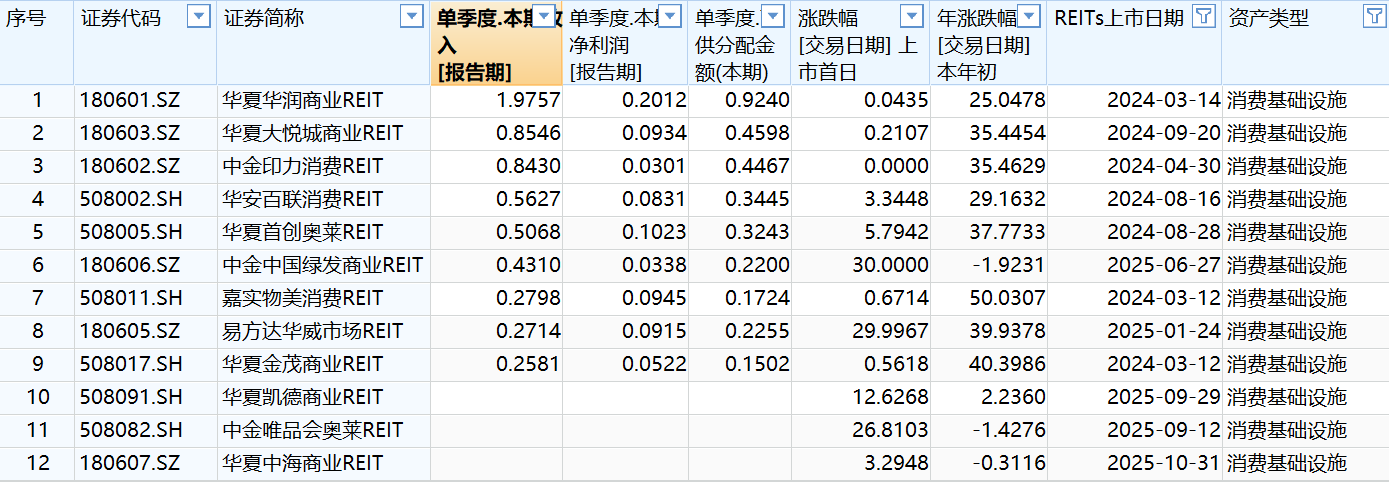
消费旺季助推市场升温,消费REITs年内平均涨幅达24%
Di Yi Cai Jing· 2025-11-09 07:10
Core Insights - The consumer market's heat has significantly boosted the REITs market, particularly in consumer infrastructure REITs, driven by the consumption peak during events like "Double Eleven" [1][2] - The overall public REITs market has shown strong performance this year, with consumer infrastructure REITs leading in growth due to consumption subsidy policies and improved market expectations [2][3] Group 1: Market Performance - As of November 9, the average increase for 12 listed consumer REITs this year is 24%, with notable performers like the Jiashi Wumei Consumer REIT exceeding 50% growth and Huaxia Jinmao Commercial REIT over 40% [3] - The total market capitalization of the 12 consumer REITs has surpassed 42 billion [3] Group 2: Investment Trends - The recent surge in consumer REITs has led to high subscription rates, with the Huaxia Zhonghai Commercial REIT receiving nearly 160 billion in subscriptions before its listing [5] - The demand reflects market recognition of quality commercial assets and the scarcity of foreign brands in the public REITs sector [5] Group 3: Performance Disparities - In Q3, consumer REITs collectively reported revenues of 598 million and net profits of 20.11 million, with Huaxia Huarun Commercial REIT leading in revenue [7] - There is a notable performance disparity among different REITs, with some achieving significantly higher revenues than others [7] Group 4: Future Outlook - The operational capabilities of shopping centers, including renovation and innovation, remain core competitive advantages for consumer REITs [8] - The macroeconomic environment and interest rates will continue to influence REIT pricing and investor returns [9]
邮储银行成都市分行落地首笔法人住房收购贷款
Sou Hu Cai Jing· 2025-10-20 20:58
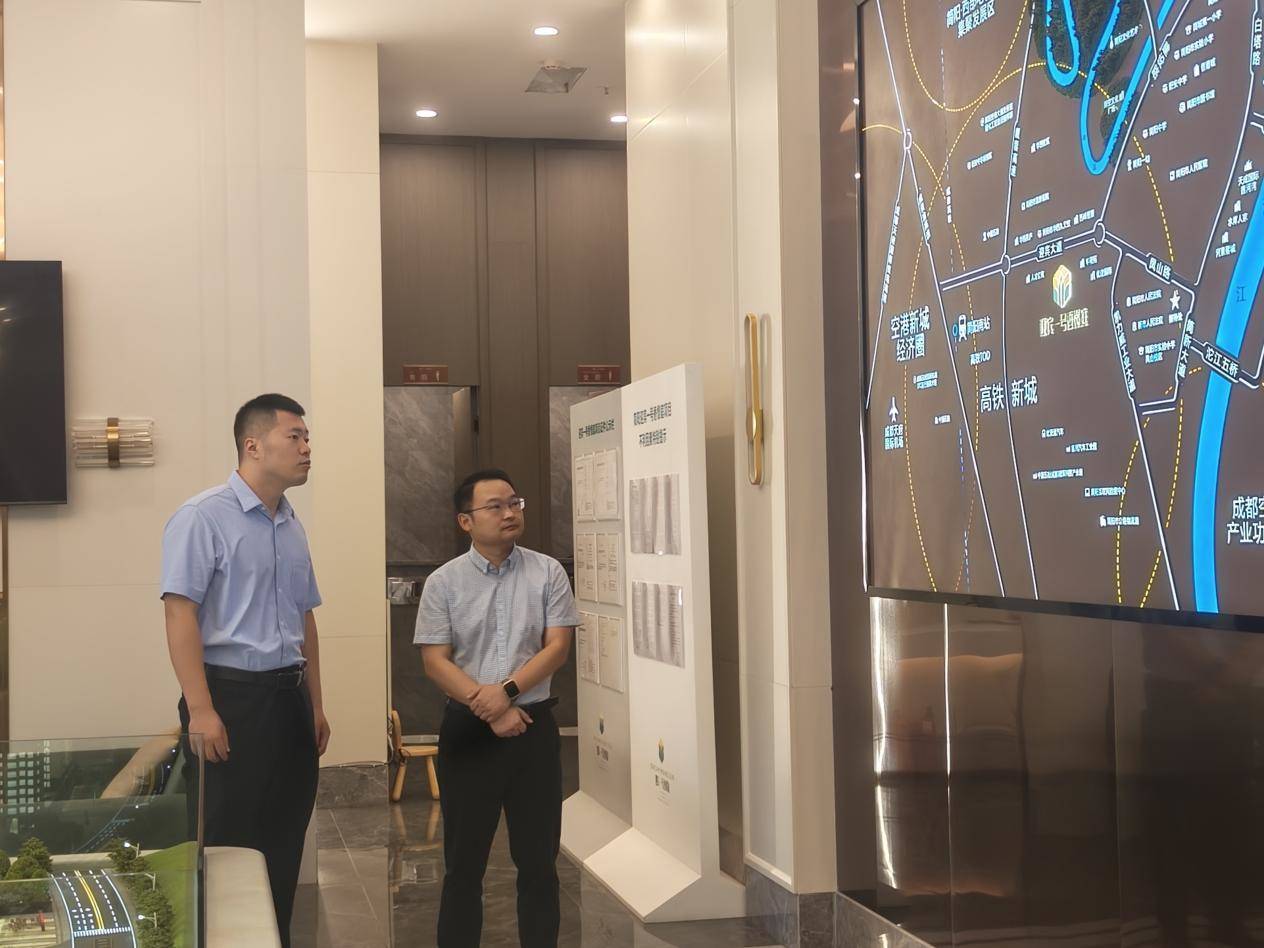
Core Viewpoint - The article discusses a new financial innovation in Chengdu's Jianyang district, where Postal Savings Bank has introduced a special loan product to support the acquisition of unsold residential properties, aiming to stabilize the real estate market and facilitate asset liquidation [1][3]. Group 1: Financial Innovation and Market Stabilization - The acquisition of 374 housing units in the "Yingbin No.1 Xiangjingting" project is supported by a special loan aimed at revitalizing the real estate market during a period of deep adjustment [1][3]. - The loan product is designed to assist local state-owned enterprises in purchasing unsold residential properties, providing quick financial relief to developers and accelerating asset liquidation through government support [3][6]. - The loan structure includes a "post-loan mortgage + phased transfer restrictions" model, which meets risk control requirements while addressing practical needs of the project [3][6]. Group 2: Project and Market Context - The project is located in a core development area of Jianyang, with comprehensive educational, medical, and commercial facilities, enhancing its market appeal [2][3]. - The remaining 374 units were initially priced for specific relocation groups, leading to a prolonged sales cycle exceeding 24 months, which has impacted the cash flow of the developer, Chengdu Chengfang Urban Renewal Development Group [2][3]. - The successful implementation of this loan product in Jianyang is seen as a model for other regions, with similar initiatives being explored in places like Fujian, Shaanxi, and Hebei [5][6]. Group 3: Broader Implications and Future Outlook - The loan not only facilitates a single property transaction but also creates a win-win "credit acquisition - asset quality improvement -招商去化" cycle, alleviating financial pressure on enterprises and stabilizing housing asset values [3][6]. - The Postal Savings Bank's efforts in Jianyang reflect a broader commitment to supporting local economic development and enhancing financial services for various sectors, including agriculture and manufacturing [7][8]. - Future plans include introducing more innovative financial products to further support the development of Jianyang as a key city in the Chengdu-Chongqing economic circle [8].

万科再“瘦身”,转让冰雪业务予中旅国际
Feng Huang Wang· 2025-08-29 03:23
Core Viewpoint - Vanke has transferred its ice and snow-related business to China Travel International, indicating a strategic shift in its asset management and operational focus [1][3]. Group 1: Business Transfer Details - China Travel International, in collaboration with China Travel Capital and Jilin Province Travel Control Group, has acquired 75% stakes in Jilin Songhua Lake International Resort Development Co., Ltd. and Beijing Wanbingxue Sports Co., Ltd. from Vanke [1]. - The Songhua Lake project, located in a prime skiing area, features 220 hectares of skiing terrain with 50 ski trails totaling 55 kilometers, capable of accommodating 15,000 skiers simultaneously [1]. - The project has been recognized as a national-level 4A scenic area and a national-level ski tourism resort, attracting nearly 2 million visitors annually during the 2024-2025 ski season [1][2]. Group 2: Vanke's Strategic Shift - Vanke is undergoing a "body slimming" initiative, focusing on revitalizing its assets and improving cash flow, as the company has accumulated resources that are difficult to liquidate in the short term [3][4]. - The company has completed several asset sales this year, including commercial properties in Beijing and Shanghai, with a total transaction value of 6.43 billion yuan [4]. - Vanke has successfully revitalized 64 projects this year, generating approximately 22.6 billion yuan in new sales through asset optimization [4]. Group 3: Organizational Restructuring - Vanke is optimizing its governance structure to align with its new strategic planning, categorizing its operations into "Group Headquarters," "Regional Companies," and "Business Units" [5][6]. - The "Group Headquarters" will focus on risk control and strategic operations, while "Regional Companies" will coordinate on-the-ground business execution [5]. - The restructuring aims to balance organizational control with market vitality, enhancing both governance efficiency and business development [6].

中国金茂还有硬仗要打
Hua Er Jie Jian Wen· 2025-08-27 17:46
Core Viewpoint - China Jinmao (00817.HK) has shown resilience in a challenging real estate market, reporting a revenue increase of 14% year-on-year to approximately 25.11 billion yuan in the first half of 2025, alongside a net profit increase of 8% to about 1.09 billion yuan [2][3]. Group 1: Financial Performance - In the first half of 2025, China Jinmao achieved a signed sales amount of approximately 53.4 billion yuan, marking a 20% year-on-year growth and ranking ninth in the industry for the first time [2]. - The overall gross profit margin remained stable at around 16%, consistent with the same period in 2024 [2]. - Despite the positive sales performance, the company recorded a negative net cash flow from operating activities, although the outflow decreased from 3.02 billion yuan in the previous year to 1.49 billion yuan [4]. Group 2: Market Position and Strategy - China Jinmao ranked seventh in land acquisition with an investment of 26.1 billion yuan in the first half of 2025, acquiring 16 projects primarily in core first- and second-tier cities [3]. - The company is focusing on a strategy of "optimizing increment and revitalizing stock," emphasizing the need to enhance overall competitiveness through the "six strengths and three comparisons" initiative [2][4]. - The chairman highlighted the importance of risk management and structural optimization to ensure sustainable development amid significant survival challenges faced by both private and state-owned enterprises in the industry [4]. Group 3: Business Diversification - While property development revenue grew by 17% to 20.04 billion yuan, other diversified business segments did not perform as strongly, with commercial leasing and retail operations revenue declining by 5% [3]. - The hotel operations revenue decreased by 12%, primarily due to the disposal of the Sanya Hilton hotel in the second half of 2024 [3]. - The property service segment, however, saw a 20% increase in revenue, maintaining a 7% share of total income [3].