芯片国产化

Search documents
1500亿,今年最重磅IPO来了
投资界· 2026-01-03 08:57
Core Viewpoint - Changxin Technology is set to launch an IPO on the Sci-Tech Innovation Board, aiming to raise 29.5 billion yuan, making it the second-largest fundraising in the history of the board, with a potential market valuation exceeding 1 trillion yuan [2][11]. Group 1: Company Background - Changxin Technology was founded in 2016 by Zhu Yiming, who previously established the semiconductor company, Zhaoyi Innovation, which has a market value of over 100 billion yuan [3][4]. - The company focuses on the DRAM storage chip market, which was nearly vacant in China at the time of its inception, and has since become the largest DRAM manufacturer in China and the fourth globally [5]. Group 2: Financial Performance - For the period from January to September 2025, Changxin Technology reported revenues of 32.08 billion yuan, with cumulative revenues from 2022 to September 2025 reaching 73.64 billion yuan. The compound annual growth rate of its main business revenue from 2022 to 2024 is 72.04% [5]. - The company has faced significant financial pressures, having spent approximately $2.5 billion on research and capital expenditures before its first chip production in 2019 [6]. Group 3: Investment and Valuation - As of the latest funding round before the IPO, Changxin Technology's post-investment valuation is estimated at around 150 billion yuan, with a long list of investors eagerly awaiting the IPO [8]. - The company has attracted numerous investment rounds, including participation from major players like Tencent and Alibaba, indicating strong market interest and confidence in its growth potential [7][8]. Group 4: Market Context - The year 2025 is anticipated to be a significant year for IPOs in China, with several companies, including Changxin Technology, expected to make substantial market entries, reflecting a broader trend of increasing interest in Chinese tech assets [9][12]. - The technology sector in China is entering a bullish phase, with expectations of a new wave of wealth creation driven by advancements in technology and capital market engagement [12].


欧美芯片企业严重警告!如果中国再降价,世界芯片产业将被毁灭
Sou Hu Cai Jing· 2025-12-30 14:46
Core Viewpoint - The Chinese chip industry has made significant strides, particularly in the mid-range segment, with the ability to produce 28nm chips at competitive prices, disrupting the market previously dominated by Western companies [1][3][12]. Group 1: Market Dynamics - SMIC has set a price of $1,500 for 28nm chips, significantly undercutting the previous market price of $2,500, which has led to a surge in orders from Asia [3][12]. - The decline in prices is attributed to a fully domestic supply chain, improved production efficiency, and increased output, allowing China to capture market share in the mid-range segment while Western companies focus on high-end products [3][19]. - The global chip market is experiencing a shake-up as China's pricing strategy forces Western companies to reconsider their positions, with ASML's stock dropping 16% due to fears of losing market share [5][14]. Group 2: Impact on Western Companies - European and American companies are increasingly reliant on the Chinese market, particularly in the electric vehicle chip sector, which is projected to reach $17.6 billion by 2027 [5][17]. - The U.S. Department of Commerce has added 140 Chinese entities to its control list, indicating a strategy to restrict China's technological advancements, but this has prompted China to accelerate its domestic production capabilities [7][23]. - The competitive landscape is shifting, with Chinese companies aiming for a self-sufficiency target of 70% by 2025, reducing reliance on foreign chips [11][19]. Group 3: Future Outlook - China's chip self-sufficiency has increased from 30% in 2019 to nearly 40%, with a strong focus on expanding production and exports, particularly in the electric vehicle sector [25][26]. - The semiconductor market is expected to undergo significant changes, with China's advancements in technology and production capabilities posing a challenge to Western dominance [30]. - The ongoing competition is not a zero-sum game; rather, it represents a reshaping of the global semiconductor landscape, with China poised to play a more prominent role in the future [30].


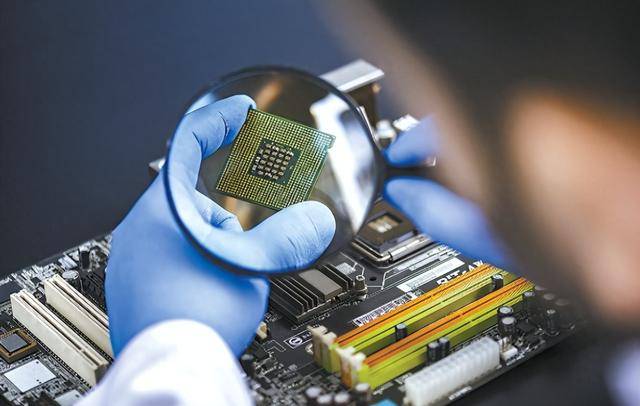
Meta斥资数十亿美元收购Manus!云计算ETF汇添富(159273)再涨近1%!机构:长期依然看好国产算力!
Xin Lang Cai Jing· 2025-12-30 03:21
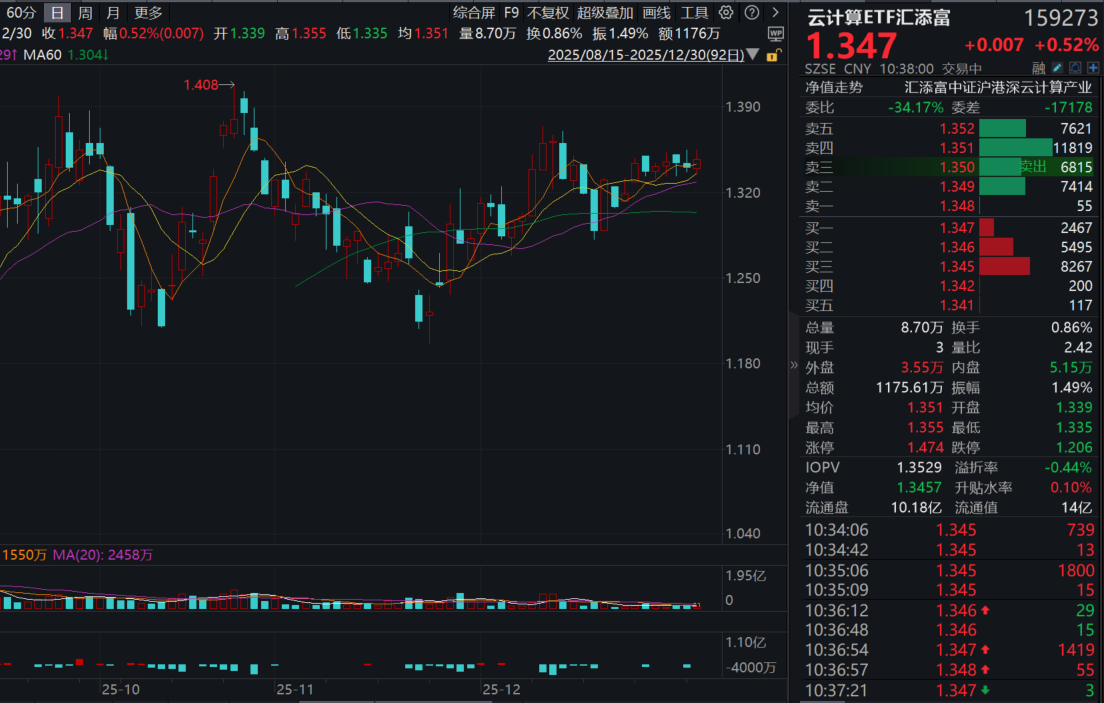
Group 1: Market Performance - The computing power sector has seen a rise, with the cloud computing ETF Huatai (159273) increasing by nearly 1% and trading volume exceeding 13 million yuan [1] - Most weighted stocks in the Huatai ETF index showed positive performance, including Zhongji Xuchuang and Kingsoft Office, which rose over 1% [4] Group 2: Mergers and Acquisitions - Meta has completed the acquisition of AI startup Butterfly Effect, which developed the AI agent Manus, marking Meta's third-largest acquisition since its inception, with the deal amounting to several billion dollars [3] - Manus was valued at $2 billion prior to the acquisition and has processed over 147 trillion tokens since its launch, with a revenue run rate of $90 million as of December [3] Group 3: Chip Market Dynamics - Nvidia plans to deliver AI chips H200 to Chinese customers, with an initial shipment of 40,000 to 80,000 units, following a policy adjustment allowing conditional exports [6] - Major Chinese tech companies are rapidly procuring H200 chips, with Alibaba planning to order 40,000 to 50,000 units and ByteDance testing 20,000 units [6] - The domestic chip market is experiencing a split in procurement strategies, with companies like Baidu focusing on self-developed Kunlun chips to reduce reliance on external suppliers [7] Group 4: Optical Module Market - The demand for high-speed optical modules is expected to grow significantly, driven by the rapid upgrade of GPUs and ASICs, with 800G optical modules showing high growth rates [8] - The average scale-up bandwidth of XPU products is significantly higher than scale-out, indicating a large market potential for network hardware, including optical modules [9][11]


美国对华芯片加征关税,18个月后再提,24小时内中方坚决回应
Sou Hu Cai Jing· 2025-12-29 15:31
Core Viewpoint - The recent announcement by the U.S. to impose tariffs on Chinese semiconductors is seen as an attempt to hinder China's chip development, but it may inadvertently accelerate China's advancements in the semiconductor industry [1][3]. Group 1: Tariff Announcement and Implications - The U.S. has announced a 0% tariff on Chinese semiconductor imports, with plans to increase tariffs starting in June 2027, leaving an 18-month window [3][5]. - This delay suggests that the U.S. is concerned about its domestic companies losing access to the Chinese market while trying to curb China's chip development [5][7]. Group 2: China's Semiconductor Industry Response - China's semiconductor industry, particularly in mature process chips, is reportedly thriving despite U.S. tariffs, with a 30% increase in foundry prices for 14nm processes [9][11]. - The demand for automotive chips in China is projected to exceed 120 billion units by 2025, with domestic self-sufficiency rising from 5% in 2020 to 18% [13][14]. Group 3: Equipment and Technological Advancements - Chinese companies are experiencing significant breakthroughs in semiconductor equipment, with orders for equipment extending to 2027 and a 25% increase in production capacity for major foundries [11][16]. - A Shenzhen laboratory has reportedly developed a prototype EUV lithography machine, a significant advancement in semiconductor manufacturing technology [18][22]. Group 4: Future Outlook and Market Dynamics - The collaborative efforts across China's semiconductor industry are expected to yield a functional EUV chip by 2028, significantly faster than previous global timelines [22][26]. - The U.S. tariffs may ultimately serve as a catalyst for China's semiconductor advancements, as historical trends show that restrictions often lead to accelerated innovation [31][32].


2025年指数投资回忆录:锚点里的价值碎片
Sou Hu Cai Jing· 2025-12-25 01:13
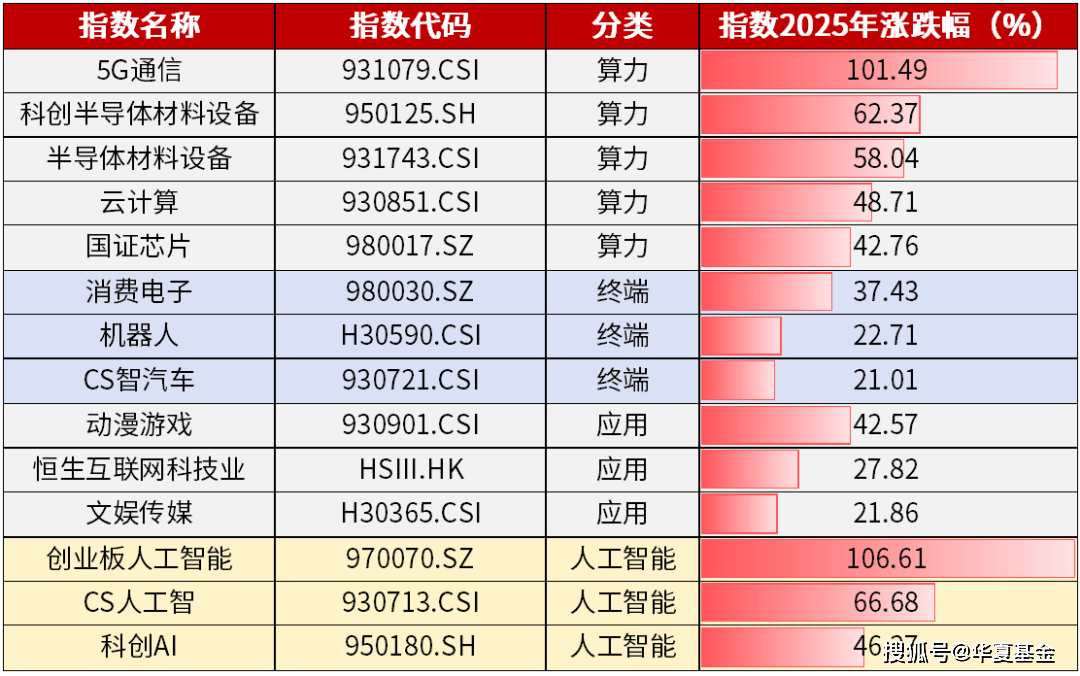
Core Insights - 2025 is recognized as a significant year for assets, with a shift in investment strategies focusing on industry trends, valuation restructuring, and global pricing power [1] - Understanding indices is crucial for grasping market consensus during specific periods, making it an essential skill for investors [1] Group 1: Seasonal Highlights - Spring marked a technological revaluation led by AI breakthroughs, reshaping market narratives around Chinese technology [2] - The AI and technology-related indices saw substantial annual gains, with the 5G communication index increasing by 101.49% and the AI-focused indices also performing strongly [3][6] - The introduction of new products related to the Sci-Tech Innovation Board simplified access to technology investments for the general public [4] Group 2: Mid-Year Developments - Mid-year saw a focus on dividend strategies, with low-volatility dividend indices gaining recognition for their stability and reliability [7] - The market acknowledged the value of dividends that do not rely on macroeconomic acceleration, with various categories of dividend assets being tailored to meet different investor needs [7] Group 3: Autumn Trends - Autumn brought renewed focus on fundamentals as US-China tariff negotiations began, with the AI industry and traditional sectors showing improved profitability [8] - The A-share market experienced significant trading volumes, with daily transactions exceeding 30 trillion, marking a ten-year high [8] Group 4: Year-End Reflections - By year-end, the Shanghai Composite Index briefly surpassed 4000 points, but concerns over AI sector bubbles and fluctuating monetary policy led to increased market volatility [9] - The A500 core index emerged as a balanced investment option, appealing to investors seeking stability amid market fluctuations [9] Group 5: Investment Trends - Industry-specific ETFs became the most attractive investment area, driven by technology and cyclical sectors, particularly in AI, semiconductors, and resource stocks [14] - The Hong Kong stock market attracted investor interest due to its differentiated value propositions, suggesting a strategy of gradual investment in undervalued assets [15] - Gold prices surged over 70% during the year, highlighting the importance of rational asset allocation in gold investments [16] - Broad-based indices like the CSI A500 and CSI 300 delivered solid returns, emphasizing the effectiveness of a balanced investment strategy [17] Group 6: Bond Market Insights - The bond ETF market saw significant growth, reflecting a strong demand for stable, low-risk assets despite the diminishing tax advantages of government bonds [18] Group 7: Future Outlook - The consensus around indices indicates a collective understanding of market dynamics, with ETFs experiencing rapid growth [19] - The narrative around AI technology is expected to continue evolving, with potential applications across various industries anticipated in 2026 [22] - The Hong Kong market presents promising opportunities, particularly in technology, consumer goods, and high-dividend stocks [22] - A diversified and balanced asset allocation strategy is projected to become increasingly important in the face of market uncertainties [23]
纳芯微:逐浪先锋的创“芯”路
Shang Hai Zheng Quan Bao· 2025-12-24 20:11
Core Viewpoint - The article highlights the growth and strategic direction of Naxin Micro, emphasizing its focus on the energy and automotive markets as key areas for development and its recent achievement of becoming the first Chinese analog chip supplier approved by Bosch [3][10]. Group 1: Company Growth and Market Position - Naxin Micro has captured nearly one-third of the domestic analog chip market in the energy sector and close to 50% market share in automotive three-electric systems [3]. - The company achieved revenue exceeding 8 million yuan and a net profit of over 1 million yuan within its first year of operation [2]. - By 2025, 52% of Naxin Micro's revenue is projected to come from the energy market, while 34% will come from the automotive electronics market, demonstrating the effectiveness of its strategic planning [5][6]. Group 2: Strategic Focus and Market Opportunities - In 2020, Naxin Micro identified energy and automotive markets as relatively untapped opportunities, diverging from the crowded consumer electronics sector [5]. - The company aims to maintain a strategic focus on these two markets while also exploring smart terminal markets such as robotics and smart appliances [6]. Group 3: Mergers and Acquisitions - Naxin Micro acquired the magnetic sensor company Maigen, enhancing its product offerings and application scenarios across automotive, industrial, and consumer electronics sectors [7]. - The acquisition is seen as a synergistic move, with the integration of Maigen expected to significantly bolster Naxin Micro's core capabilities [7]. Group 4: Industry Trends and Future Outlook - The semiconductor industry is undergoing a significant reshaping, with a predicted period of consolidation and increased competition [8]. - Naxin Micro is committed to technological innovation and collaboration with leading clients to enhance its competitive edge in the semiconductor market [8][9]. Group 5: Global Expansion and Capital Market Activities - Naxin Micro successfully completed its "A+H" dual capital platform setup, marking its transition from a China-focused company to a global player [10]. - The company plans to allocate 25% of the funds raised from its Hong Kong IPO to expand its overseas sales network and market promotion [10].

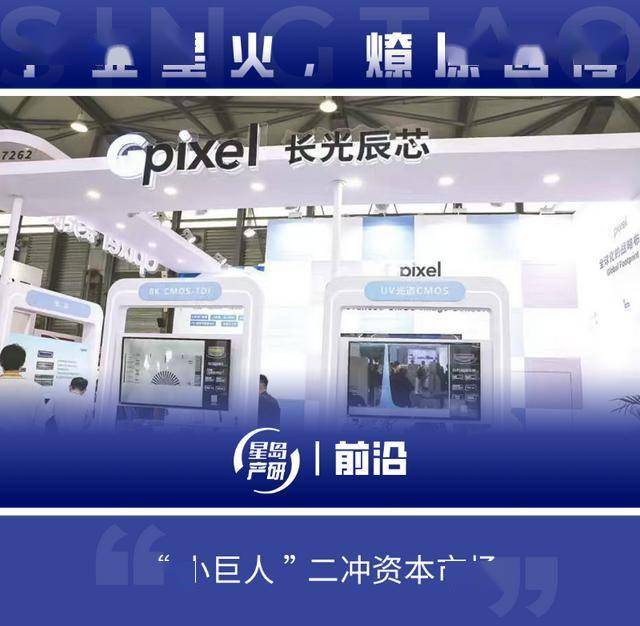
星瞰IPO | 光学“小巨人”长光辰芯,折戟大A闯港股
Sou Hu Cai Jing· 2025-12-24 13:22
Core Viewpoint - Changchun Changguang Chenxin Microelectronics Co., Ltd. (referred to as "Changguang Chenxin") is attempting to go public on the Hong Kong Stock Exchange after its previous IPO application on the Sci-Tech Innovation Board was terminated in January 2025. The company is a leader in the domestic high-performance CMOS image sensor (CIS) market but faces challenges such as declining gross margins and supply chain risks [3][5][8]. Company Overview - Changguang Chenxin was founded in September 2012 by a couple, Wang Xinyang and Zhang Yanxia, along with other partners from the Chinese Academy of Sciences. The company is recognized as a national key "little giant" enterprise [5]. - The company specializes in the research and design of high-performance CMOS image sensors, with applications in industrial imaging, scientific imaging, professional imaging, and medical imaging [5][12]. Market Position - In 2024, Changguang Chenxin ranked third in the global industrial imaging CIS market with a 15.2% market share and also third in the scientific imaging CIS market with a 16.3% share [5]. - The company had a valuation of 10 billion RMB in 2022, significantly up from 2.6 billion RMB in October 2021 [5]. Financial Performance - The company reported a net loss of 84.1 million RMB in 2022, but turned profitable in 2023 with a net profit of 169.8 million RMB, and projected a profit of 197 million RMB for 2024 [9][11]. - Gross margins have been declining, with rates of 76.2% in 2022, 63.5% in 2023, and projected at 59.0% in 2024, indicating a downward trend [12]. Funding and Shareholder Structure - In July 2022, Changguang Chenxin completed a Pre-IPO financing round, raising 1.084 billion RMB at a price of 27.03 RMB per share, with a valuation reaching 10 billion RMB [5]. - As of now, Wang Xinyang and Zhang Yanxia, along with employee shareholding platforms, hold 49.53% of the company's shares, with an asset valuation of 5 billion RMB [6]. Challenges and Strategic Adjustments - The company withdrew its application for the Sci-Tech Innovation Board due to long review processes and market conditions, shifting focus to the Hong Kong market [8]. - Changguang Chenxin relies heavily on foreign suppliers for wafer manufacturing and packaging, with 66.9% of procurement from overseas, which poses supply chain risks [12]. - The company is gradually reducing its dependency on the Chinese Academy of Sciences for orders, which constituted 27.5% of its business in 2022 [12].
港股,全线反攻!
Xin Lang Cai Jing· 2025-12-22 02:03
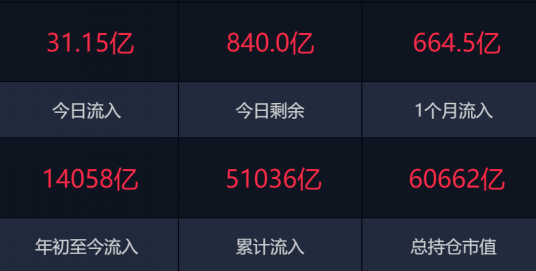
Group 1 - The core viewpoint of the article highlights the recent rebound in the Hong Kong stock market, with the Hang Seng Index rising by 0.75%, the Hang Seng Tech Index increasing by 1.12%, and the Hong Kong Stock Connect Internet Index up by 0.88% [1][16] - The improvement in external liquidity expectations is a significant factor, as U.S. inflation has unexpectedly slowed, strengthening market expectations for the Federal Reserve to lower interest rates next year, which is beneficial for offshore markets like Hong Kong [1][16] - Domestic capital has played a crucial role, with net inflows from southbound funds exceeding 1.4 trillion HKD this year, demonstrating the long-term commitment of mainland investors to Hong Kong assets [1][16] Group 2 - Market sentiment and valuation recovery are evident, as major indices in Hong Kong are now at historically low valuation levels, providing a significant margin of safety [1][16] - The policy environment remains accommodative, with recent economic meetings confirming that a moderately loose monetary policy will continue next year to promote stable economic growth, providing a macro-level confidence foundation for the market [1][16] - The latest report from CITIC Securities indicates that after a unilateral rise in September, the Hong Kong market has experienced fluctuations since October due to overseas macro expectations, with quality assets now entering a high cost-performance ratio zone [1][16] Group 3 - The article discusses various Hong Kong ETFs, including the Hong Kong Internet ETF, which tracks the CSI Hong Kong Internet Index and focuses on leading internet companies through the Stock Connect, benefiting from the core dividends of China's digital economy [3][18] - The Hong Kong Innovation Drug ETF, which tracks the Hang Seng Hong Kong Stock Connect Innovation Drug Select Index, has seen its shares reach a new high of 4.178 billion, reflecting long-term value recognition despite recent adjustments [7][20] - The Hong Kong Medical ETF is highlighted for its low valuation and high growth expectations, with a TTM price-to-earnings ratio of 30.44, which is significantly lower compared to A-shares and U.S. medical sectors, indicating a pricing advantage [12][25]
第二届“中国网谷杯”创新创业大赛收官
Xin Lang Cai Jing· 2025-12-19 07:25
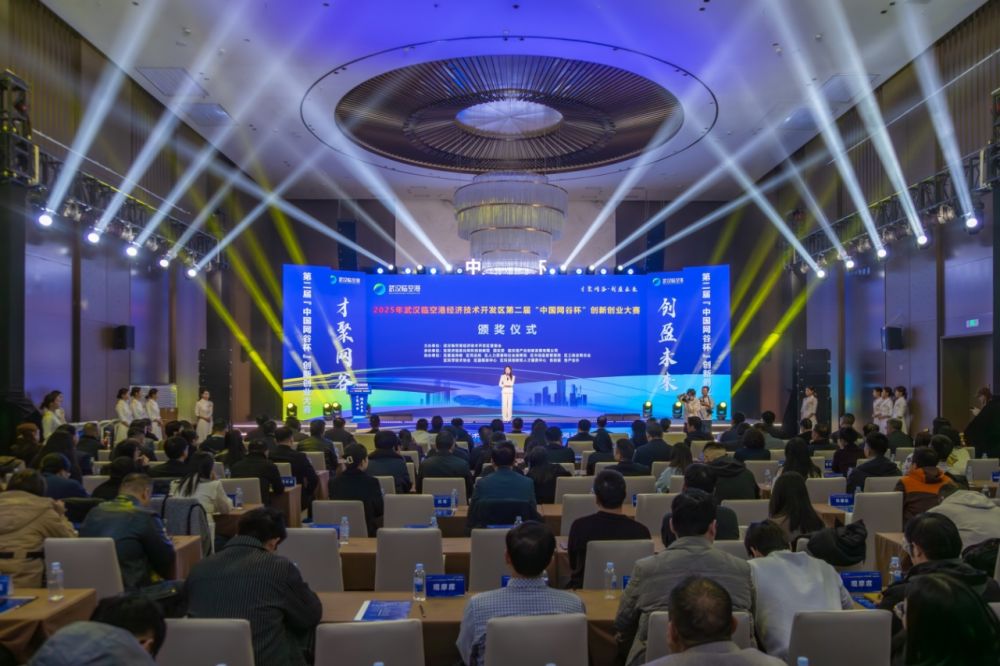
Group 1 - The second "China Internet Valley Cup" Innovation and Entrepreneurship Competition concluded on December 16, 2025, with over 200 project teams competing, resulting in 5 first prizes, 10 second prizes, and 15 third prizes [1] - The competition focused on national strategic priorities, scientific and technological frontiers, and industrial development needs, featuring five major tracks: cybersecurity and big data, electronic information, intelligent manufacturing, food and health, and other industries, with a prize pool of 1 million yuan [3] - Notable projects included a CAR-T cell therapy by a team from Huazhong University of Science and Technology, which aims to reduce patient wait times and treatment costs, and has received domestic and international patent authorization [3] Group 2 - The competition's core venue was set in various industrial parks within the airport economic development zone, facilitating project roadshows and direct connections with industry resources [4] - The event also promoted policies related to project registration, fund investment, and talent services, leading to face-to-face interactions between key projects and the market [5] - The Wuhan Airport Economic Development Fund Company participated deeply, identifying 17 initial investment projects with a total investment exceeding 36 million yuan, and six project representatives signed intention agreements on-site [7]

Friday's Final Takeaways: Retailer Stocks & China Tech Soars
Youtube· 2025-12-05 22:00
Market Overview - Gold futures experienced a slight decline, dropping 0.4% for the week, as confidence in a Federal Reserve rate cut remains high, with prices hovering around $4,230 [1] - Silver reached a record high of $59.32, closing the week up 4% and showing a year-to-date increase of approximately 100% [3][2] Retail Sector Performance - Strong retail earnings were reported from companies such as American Eagle, Ulta, Dollar Tree, Dollar General, and Victoria's Secret, indicating positive momentum heading into the holiday season [3][4] - Consumer sentiment showed a slight uptick in December, although it remains negative year-over-year despite increased spending trends observed during the holiday shopping period [4] Technology Sector Insights - SoftBank's CEO Masayoshi Son is reportedly collaborating with the Trump administration to develop AI infrastructure, funded by Japanese government investments [6] - Shares of More Freds, a Chinese GPU maker, surged over 400% on its debut in Shanghai, raising over $1.1 billion, highlighting China's push for self-sufficiency in chip manufacturing [7] - Foxconn reported a revenue of $27 billion in November, marking a 26% year-over-year increase, and is expected to see 14% growth in the next quarter, emphasizing its role as a major Apple supplier and Nvidia partner [8] Upcoming Events - The Federal Reserve's December FOMC meeting is anticipated, with an 87% probability of an interest rate cut, amid signs of a slowing economy and persistent inflation [10] - Notable earnings reports are expected from companies like Broadcom, Oracle, Adobe, Costco, and Lululemon, with analysts closely monitoring consumer behavior and market trends [12][15][16]