返乡创业

Search documents
陕西:政策护航青年“守艺人”返乡创业
Zhong Guo Xin Wen Wang· 2025-10-14 09:16
Core Viewpoint - The article highlights the supportive policies in Shaanxi province that encourage young artisans, like Hu Jinwei, to return to their hometowns and start businesses in traditional crafts, specifically Fengxiang clay sculpture, blending creativity with heritage [1][2]. Group 1: Entrepreneurial Initiatives - Hu Jinwei, a young artisan, combines his product design knowledge with traditional Fengxiang clay sculpture to innovate and promote this ancient craft [1][2]. - The local government supports Hu's entrepreneurial efforts through a "company + cooperative + farmer" model, uniting scattered artisans for standardized training and skill enhancement [2][5]. - Hu has successfully attracted over 300,000 visitors to his new educational experience center, which he established with a loan from the Shaanxi provincial graduate entrepreneurship fund [5]. Group 2: Policy Support - Shaanxi province has implemented a series of comprehensive policies to support various talents, including college graduates, in returning to their hometowns for entrepreneurship [5]. - Recent initiatives include optimizing entrepreneurship training, improving services, and enhancing policy awareness through employment policy promotion activities [5].



强产业、抓培训、优服务,湖北多措并举促就业 托起人民群众“稳稳的幸福”(活力中国调研行)
Ren Min Ri Bao· 2025-10-12 21:57
Group 1 - The article highlights the significant employment growth in Hubei province, driven by various industries and initiatives aimed at enhancing job opportunities [2][4][10] - The establishment of industrial parks, such as the Beijing Light Food Industry Park, is contributing to local economic development and job creation [1][2] - The garment industry in Tianmen has transformed into a "100 billion industry cluster," providing employment for 160,000 people through local entrepreneurship [3] Group 2 - Hubei has seen a continuous increase in urban employment, with over 900,000 new jobs created annually for four consecutive years, particularly benefiting college graduates [4][8] - Skills training programs are being implemented extensively, with over 400,000 subsidized training sessions conducted each year to enhance workforce skills [8][10] - Innovative employment services, such as the "Micro Xiaojob" app, are connecting job seekers with employers, boasting over 140,000 registered users [9][11] Group 3 - The agricultural sector is also thriving, with initiatives like mushroom cultivation training leading to significant income increases for local farmers [5][6] - The construction industry is adapting to technological advancements, with vocational training schools providing skills for smart and green construction practices [7] - Local governments are investing in public service networks to support employment, including the establishment of 4,761 job service points across Hubei [11]
若不出意外,2026年,国内或将爆发这5大变化,提前了解不吃亏
Sou Hu Cai Jing· 2025-10-08 19:29
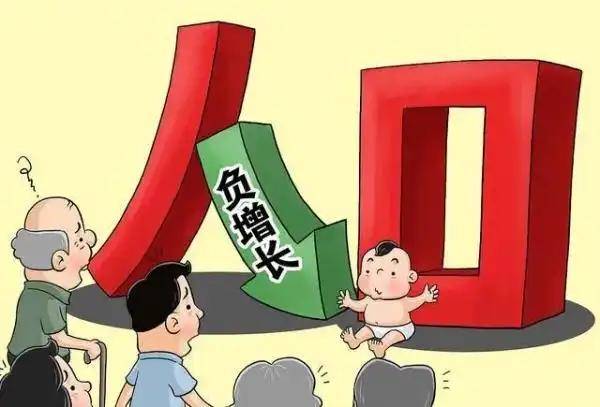
Group 1: Population Trends - The birth rate in China is projected to decline significantly, with an expected 8.25 million births in 2024, down by 430,000 from 2023, and potentially dropping to around 7.5 million by 2026, indicating a long-term low fertility rate trend [2][5] - Factors contributing to this trend include rising costs of housing, education, and healthcare, changing values among young people prioritizing personal development, and increased educational and career aspirations among women [2][3] Group 2: Economic Environment - Deposit interest rates have been on a downward trend, with the one-year fixed deposit rate falling to 1.5% in June 2025, down from 2.5% in 2015, leading to a near-zero or negative real interest rate when adjusted for inflation [4] - The proportion of bank deposits in urban households fell below 45% for the first time in early 2025, while investment products rose to 32%, indicating a shift in asset allocation strategies among residents [4] Group 3: Entrepreneurship and Rural Development - The number of returnees starting businesses in rural areas reached 8.76 million in 2024, a 17.3% increase year-on-year, with growth accelerating to 22.1% in the first half of 2025 [8][9] - Improved rural infrastructure, increased internet coverage, and the rise of digital economy models like e-commerce are facilitating this trend, making rural entrepreneurship more viable [8][9] Group 4: Real Estate Market Dynamics - The real estate market is experiencing a rational adjustment, with national sales area down by 6.3% and sales value down by 8.2% in the first half of 2025, indicating a shift away from the expectation of continuously rising prices [14] - The market is expected to continue this rational trend into 2026, with significant differentiation between first-tier cities and those experiencing population outflows [14][15] Group 5: Employment Landscape - The job market is becoming increasingly competitive, particularly for individuals over 35, with the preference for candidates under 35 rising from 37% in 2020 to 52% in 2025 [19] - The average interview success rate for job seekers over 35 is 23.7% lower than for younger candidates, highlighting the challenges faced by older workers in the current job market [19][20]
他们为什么不做白领做绿领
Jing Ji Ri Bao· 2025-09-29 22:20
Core Viewpoint - The article emphasizes the importance of attracting talent to rural areas to promote agricultural and rural development, highlighting the increasing trend of young people returning to their hometowns for entrepreneurship and innovation [1][2][3][4]. Group 1: Talent Attraction and Rural Development - There is a growing trend of young people returning to rural areas, with over 14.3 million individuals engaging in entrepreneurial activities in these regions as of mid-2023 [1]. - The return of young talent is transforming rural industries, with a shift from traditional agriculture to sectors like e-commerce, leisure tourism, and agricultural processing [1][2]. - The article notes that the average income in agriculture is significantly lower than in other sectors, which has historically driven youth to urban areas, but the current trend shows a reversal as rural conditions improve [2][3]. Group 2: Policy and Infrastructure Support - Effective attraction of youth to rural areas is seen as a key indicator of the success of rural revitalization strategies, with young entrepreneurs bringing innovation and modern practices to agriculture [2][3]. - The article discusses the need for supportive public services and improved infrastructure in rural areas to create a conducive environment for entrepreneurship [4]. - Initiatives like "no-wall" entrepreneurial parks in Zhejiang Province are highlighted as successful models for fostering innovation and attracting talent back to rural areas [4]. Group 3: Long-term Vision for Rural Talent - The article stresses that rural talent revitalization is a gradual process that requires ongoing efforts to create appealing opportunities and a supportive environment for individuals to thrive in agriculture [4]. - It calls for inclusive policies that encourage participation from various demographics, including university graduates, skilled workers, and retirees, to ensure a diverse talent pool in rural development [3][4].
回乡创业五年,家乡直接开挂!
2 1 Shi Ji Jing Ji Bao Dao· 2025-09-26 06:20
Core Viewpoint - The article highlights the transformation of rural areas in Guangdong due to the return of young entrepreneurs who utilize technology in agriculture, turning their hometowns into sources of pride after previously leaving them [1]. Group 1 - The return of young entrepreneurs has led to significant advancements in agricultural practices in rural Guangdong [1]. - The article emphasizes the joy and prosperity experienced by local communities as a result of these changes [1]. - The narrative showcases the shift from viewing hometowns as places to escape from to becoming proud and thriving locations [1].
莲花白迎来“及时雨”
Jin Rong Shi Bao· 2025-09-16 02:15
Group 1 - The article highlights the successful return of a young entrepreneur, Chen Wei, to his hometown to cultivate a local specialty crop, the "lotus white" cabbage, which has become a significant source of income for the community [1][2] - Chen Wei's agricultural venture has expanded from an initial 50 acres to 180 acres by 2024, with plans to further increase land under cultivation, indicating a growing recognition and demand for "Shuangping lotus white" in major markets [2][3] - The local government and financial institutions, particularly Guizhou Bank, have played a crucial role in supporting small and micro enterprises by providing financial assistance, such as a timely loan of 300,000 yuan to Chen Wei, which facilitated his operations [2][3] Group 2 - The agricultural project has created job opportunities for local villagers, with an average monthly wage of over 2,000 yuan for workers, contributing to the local economy and improving the livelihoods of families in the area [3] - The annual production value of the lotus white cabbage from Shizhuang Village has exceeded 3 million yuan, showcasing the economic impact of this agricultural initiative on the community [3]
荆楚大地奏响特色产业大合唱
Jing Ji Ri Bao· 2025-09-13 22:10
Core Insights - The article highlights the rapid development of characteristic industries in Hubei, particularly focusing on the small lobster industry in Qianjiang City and the mushroom industry in Suizhou, showcasing how local resources and policies are leveraged for economic growth [1][2][3]. Group 1: Small Lobster Industry - Qianjiang City has developed a comprehensive small lobster industry chain, achieving a total industrial output value of 87 billion yuan and creating 220,000 jobs [2]. - The city has diversified its product offerings, introducing various flavors of small lobsters, which have become a significant brand for the region [1][2]. Group 2: Mushroom Industry - Suizhou's mushroom industry has seen a transformation, with local farmers benefiting from favorable climate conditions and a strong cultivation tradition [2][3]. - A training program has been implemented to enhance the skills of mushroom farmers, with 12,000 farmers trained since 2023, focusing on modern scientific cultivation techniques [3]. Group 3: Clothing Industry in Tianmen - Tianmen has attracted many individuals to return and start businesses in the clothing sector, with 7,000 clothing enterprises established and an annual transaction volume exceeding 50 billion yuan [4]. - The local government has introduced various support policies, including a 200 million yuan special fund and rental discounts, to encourage entrepreneurship [4]. Group 4: Tea Industry in Yichang - The tea industry in Wufeng Tujia Autonomous County is undergoing upgrades through technological innovation and the integration of tourism, enhancing the value of tea products [5]. - The county is promoting a "tea + tourism" model, transforming tea plantations into tourist attractions and cultural landmarks [5]. Group 5: Future Prospects - Hubei aims to strengthen county-level characteristic industry clusters over the next three years, enhancing regional competitiveness and fostering the growth of local brands into industry landmarks [5].
“归雁”返乡带火服装电商产业
Zhong Guo Jing Ji Wang· 2025-08-29 07:14
Group 1 - The bustling scene in Tianmen, Hubei, showcases a thriving garment e-commerce industry, attracting many young entrepreneurs back to their hometowns [1] - Local companies, such as Hubei Laiyitiao Clothing Co., have rapidly developed by leveraging the complete textile and garment supply chain available in Tianmen [1] - Tianmen has implemented various supportive policies, including a special fund of 200 million yuan annually and rental discounts, to encourage returnees to settle and start businesses [1] Group 2 - The Tianmen government aims to enhance the garment industry through digitalization, branding, and internationalization, positioning itself as a global garment e-commerce supply chain center [2]
(活力中国调研行)“归雁”成潮 湖北荆州迎产城蝶变
Zhong Guo Xin Wen Wang· 2025-08-29 04:02
Core Viewpoint - The article highlights the transformation of Jingzhou, Hubei, through the return of talent and capital, fostering a blend of industry and urban development, particularly in the automotive electronics sector [1][3]. Group 1: Industry Development - Jingzhou is strategically located at the "waist" of the Yangtze River, serving as an important gateway in the middle reaches of the river [3]. - The city has successfully attracted 6,194 returnees to start businesses this year, resulting in the establishment of 411 new enterprises [7]. - The Censheng Industrial Park has attracted 66 companies, with 36 of them being returnee startups, covering sectors such as optoelectronics and automotive components [7]. Group 2: Company Initiatives - Censheng Industrial Park employs a model of "government guidance + collective investment + market operation," featuring 50,000 square meters of standard factory space and 666 employee dormitories [3]. - The park has developed a "full-chain incubation" system, providing high-standard factory space and customized services for tech companies, as well as low-cost incubation space and financial support for university graduates and returnees [5]. - Hubei Zhunshi Optoelectronics Technology Co., Ltd. reported an annual output value of 500 million yuan since its establishment in 2022, creating over 100 jobs [5].
我与石狗的千年之约——“海归”回乡,千年非遗“跨界出圈”
21世纪经济报道· 2025-08-05 02:59
Group 1 - The article highlights the trend of young individuals returning to their hometowns to start businesses, bringing new ideas, technologies, and creativity, thus revitalizing rural areas [1] - A documentary series titled "Xingxiang Youth" is launched, focusing on 100 young entrepreneurs who are making significant contributions to their hometowns [1] - The stories of these young individuals are portrayed as heartfelt tributes to their roots and a response to contemporary societal challenges [1] Group 2 - The article mentions a shift in focus from traditional industries to innovative sectors, exemplified by the transition from aircraft manufacturing to mulberry leaf cultivation, indicating a diversification in business opportunities [2] - The mention of NIO's new SUV highlights the increasing demand and popularity of electric vehicles, with reports of overwhelming sales and long queues at stores [2]