
全国统一大市场

Search documents
国家发改委:把促进物价回升作为货币政策的重要考量,将研究制定出台2026年—2030年扩大内需战略实施方案
Jin Rong Jie· 2026-01-20 02:44
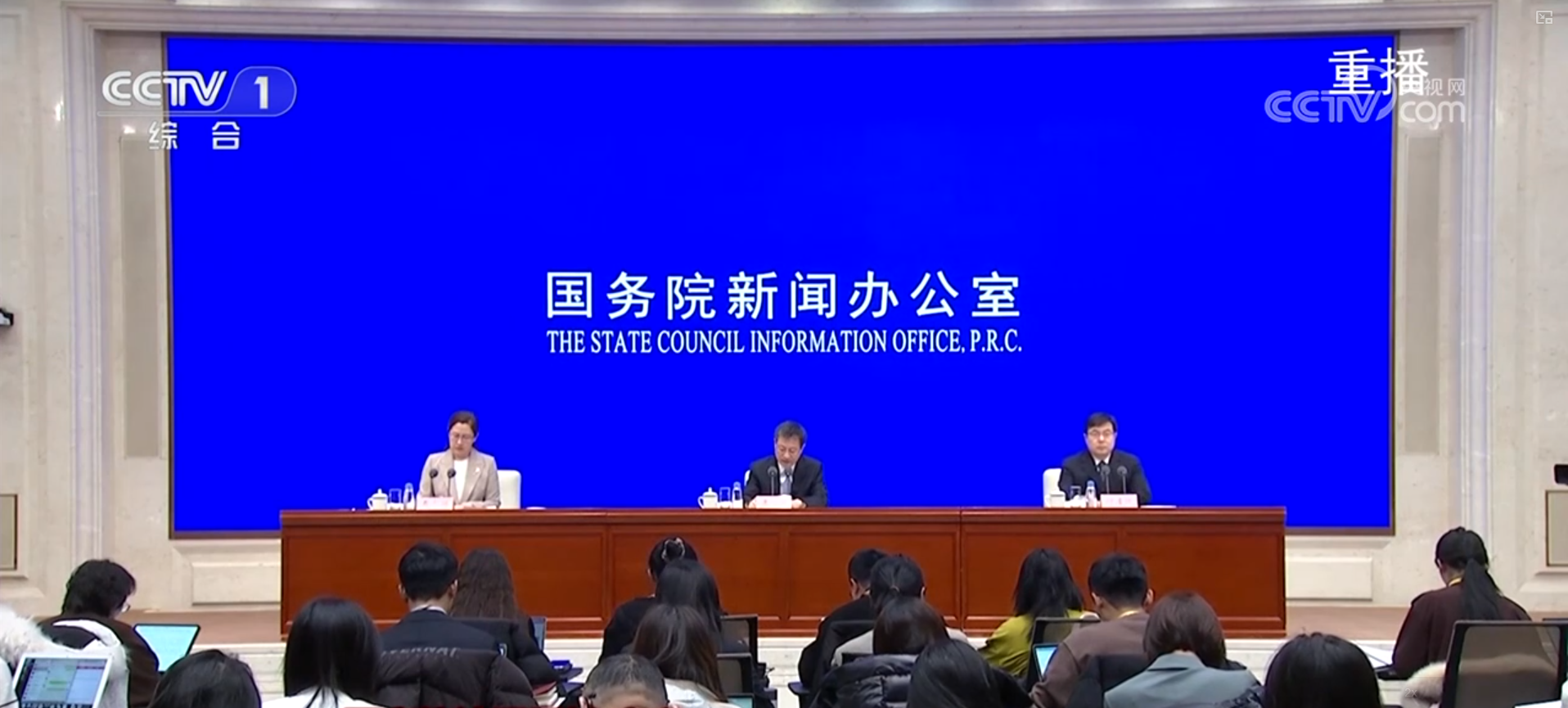
国务院新闻办公室今日上午10时举行新闻发布会,请国家发展改革委副主任王昌林等介绍落实中央经济 工作会议精神,推动"十五五"实现良好开局有关情况,并答记者问。 国家发改委:要实施更加积极的财政政策和适度宽松的货币政策 把促进物价回升作为货币政策的重要 考量 国家发改委副主任王昌林在国新办新闻发布会上表示,CPI、PPI实现双回升,下一步,总量方面,要实 施更加积极的财政政策和适度宽松的货币政策,把促进物价回升作为货币政策的重要考量,发挥存量政 策和增量政策的集成效率,推动形成经济增长和物价回升的良性互动。 国家发改委:将研究制定出台2026年—2030年扩大内需战略实施方案 国家发改委:将进一步规范地方经济促进行为 王昌林表示,推动供给在更高水平上实现动态平衡和良性循环,还需要坚持把市场运行的调控点放在纵 深推进全国统一大市场建设上,充分激发市场活力。重点是要综合整治"内卷式"竞争,实现从"卷价 格"向"优价值"转变。要完善市场准入、公平竞争、产能退出等机制,加强产能调控,积极化解供大于 求的阶段性矛盾,进一步细化地方招商引资,规范地方经济促进行为。 国家发改委:2025年经济社会发展主要目标顺利完成 发展韧性 ...
发改委:将统一“两新”补贴标准
Xin Hua Cai Jing· 2026-01-20 02:37
Core Viewpoint - The National Development and Reform Commission (NDRC) is set to unify subsidy standards for various sectors, including automotive and electronics, to promote a nationwide unified market [1] Group 1: Subsidy Standards - The NDRC will implement a unified subsidy standard for six categories of automotive scrappage and replacement, as well as for the trade-in of six categories of household appliances [1] - Additionally, the subsidy standard will apply to four categories of digital and smart products [1]
发改委:多措并举扩大“两新”政策拉动效益
Zheng Quan Shi Bao Wang· 2026-01-20 02:35
人民财讯1月20日电,1月20日,国新办举行新闻发布会,介绍落实中央经济工作会议精神,推动"十五 五"实现良好开局有关情况。国家发展改革委资源节约和环境保护司司长王善成表示,2026年"两新政 策"安排已发布,进一步优化"两新"政策的支持范围,补贴标准和实施机制,及时下达首批625亿元超长 期特别国债。为进一步提高资金使用效益,扩大政策拉动效益,接下来相关部门将进一步降低申报项目 的投资门槛,加大对中小企业的支持力度,扩大政策的惠及面。同时将严把关,细化完善各领域项目条 件和审核标准,提高项目审核的把关质量,规范设备折旧和淘汰处置,避免资源浪费。最后,将加强监 管,完善设备更新项目的闭环管理制度,压实各方的管理责任,加强日常调度和监督抽查,加快项目建 设实施,提高资金的使用效率。在消费品"以旧换新"方面,将优化资金分配,综合考虑消费潜力、政策 执行情况等因素,合理确定各地的资金分配规模。同时将落实全国统一大市场建设要求,对汽车报废更 新、汽车置换更新、6类家电以旧换新、4类数码和智能产品的更新,在全国范围内执行统一的补贴标 准。此外,将均衡使用资金,合理把握工作节奏,按季度分批次下达中央资金,指导地方均衡有序 ...
2025中国经济答卷|GDP跨越140万亿元关口 中国经济再上新台阶
Xin Hua Wang· 2026-01-20 02:15
Core Insights - In 2025, China's GDP surpassed 140 trillion yuan, marking a 5.0% increase from the previous year, indicating a solid foundation for stability and growth in the economy [1] Economic Performance - China's economy showed positive trends with high-quality development, as evidenced by record-high goods trade and foreign exchange reserves exceeding 3.3 trillion USD. The urban unemployment rate averaged 5.2%, and per capita disposable income grew by 5.0% [2] - The retail sales of consumer goods reached over 50 trillion yuan, a 3.7% increase year-on-year, with service consumption growing by 5.5%, contributing 52% to economic growth [2] Trade and Export - The total import and export value increased by 3.8%, with exports growing by 6.1% and imports reaching a historical high of 18.48 trillion yuan, showcasing the resilience of China's foreign trade [3] - The strong performance in trade is attributed to China's robust industrial system and effective policies aimed at stabilizing growth and mitigating risks [3] High-Tech Manufacturing - High-tech manufacturing saw a significant increase, with added value rising by 9.4%, the highest since 2022, and accounting for 17.1% of total industrial added value. Key sectors like integrated circuits and aircraft manufacturing reported substantial growth [4] - The rapid development of AI and other advanced technologies has led to increased production in related sectors, with storage chips and industrial robots seeing production increases of 22.8% and 28.0%, respectively [4] Policy and Future Outlook - The macroeconomic policies are expected to continue supporting stable economic operations, with international organizations raising their growth forecasts for China [6] - Future policy focus will be on enhancing new growth drivers through increased investment in research and technology, while also strengthening domestic demand and improving social expectations [7]
顶压前行、向新向优!透过7组重磅数据读懂2025年国民经济亮眼“成绩单”
Yang Shi Wang· 2026-01-20 01:44
央视网消息:国务院新闻办公室1月19日举行新闻发布会,国家统计局发布2025年全年经济数据。2025年全年,国内生产总值突破140万亿元,国民经济 运行顶压前行、向新向优,高质量发展取得新成效。 我国GDP同比增5%预期目标完成 粮食产量连续两年站稳在1.4万亿斤以上 粮食增产丰收,畜牧业稳定增长。2025年,粮食产量达到1.43万亿斤,连续两年站稳在1.4万亿斤以上。 我国制造业规模继续保持全球第一 工业生产较快增长。2025年全国规模以上工业增加值比上年增长5.9%,制造业增加值比上年增长6.1%,占GDP的比重稳定在25%左右,制造业规模继 续保持全球第一。 服务业增加值比上年增长5.4% 服务业平稳增长。2025年全年服务业增加值比上年增长5.4%。占国内生产总值的比重提高到57.7%。 初步核算,全年国内生产总值1401879亿元,按不变价格计算,比上年增长5.0%;人均国内生产总值达到13953美元,已经连续3年超过1.3万美元。"这 一年,我国发展历程很不平凡,取得的成绩令人鼓舞,经济顶压前行、向新向优发展,主要预期目标圆满实现。"国家统计局局长康义称。 国家统计局局长 康义:下阶段,坚持稳中求 ...

新视野丨坚持改革攻坚 增强高质量发展动力活力
Zhong Yang Ji Wei Guo Jia Jian Wei Wang Zhan· 2026-01-20 00:37
Group 1 - The core viewpoint emphasizes the importance of reform as a key driver for social productivity and national development, highlighting the need for comprehensive deepening of reforms during the "14th Five-Year Plan" period [2][3] - The article discusses the necessity of systematic and coordinated institutional innovation to address existing challenges in economic development, particularly in light of complex internal and external environments [4][5] - It stresses that high-quality development is fundamentally driven by innovation across all sectors, including state-owned, private, and foreign enterprises, and calls for the establishment of a fair and open market environment [5][6] Group 2 - The article outlines the internal requirements for reform, emphasizing that reforms must be systematic and problem-oriented, with a focus on the leadership of the Communist Party to ensure effective implementation [6][7] - It highlights the need for a comprehensive approach to reform that considers the interconnections between various sectors, such as education, technology, and market economy [6][10] - The importance of addressing the needs and interests of the people in the reform process is underscored, ensuring that reforms lead to tangible benefits for the public [8][11] Group 3 - The article advocates for a focus on enhancing new quality productivity as a priority in reform efforts, particularly through technological self-reliance and innovation in key sectors [9][10] - It calls for the construction of a high-level socialist market economy, emphasizing the need to eliminate local protectionism and ensure equal opportunities for all market participants [10] - The need for proactive engagement in global economic integration and the expansion of international cooperation is highlighted, particularly in the context of the Belt and Road Initiative [10][11]
中国GDP跨越140万亿元关口
Xin Hua Ri Bao· 2026-01-20 00:17
分季度看,一季度国内生产总值同比增长5.4%,二季度增长5.2%,三季度增长4.8%,四季度增长 4.5%。 新华社北京1月19日电 国家统计局19日发布数据显示,2025年中国国内生产总值(GDP)1401879亿 元,首次跃上140万亿元新台阶,按不变价格计算,比上年增长5.0%。 "2025年,面对国内外经济环境的复杂变化,国民经济运行顶压前行、向新向优,高质量发展取得新成 效,经济社会发展主要目标任务圆满实现,'十四五'胜利收官。"国家统计局局长康义当天在国新办发 布会上说。 这一年,我国始终坚定不移走高质量发展道路,经济呈现向优向好发展势头。2025年,规模以上高技术 制造业增加值占规模以上工业增加值比重升到17.1%,最终消费支出对经济增长贡献率超过五成。我国 货物进出口总额比上年增长3.8%。民生保障有力有效,居民人均可支配收入实际增长5.0%,与经济增 长同步。 "也要看到,外部环境变化影响加深,国内供强需弱矛盾突出,经济发展中老问题、新挑战仍然不 少。"康义说,下阶段,要实施更加积极有为的宏观政策,持续扩大内需、优化供给,做优增量、盘活 存量,因地制宜发展新质生产力,纵深推进全国统一大市场建 ...
王喆:发挥战略叠加效应推动区域联动融合
Jing Ji Ri Bao· 2026-01-20 00:02
Core Viewpoint - The article emphasizes the importance of regional coordinated development as an inherent requirement of Chinese modernization, highlighting the need for a strategic approach to optimize regional economic layout and promote balanced development across different regions [1][2]. Group 1: Regional Development Strategies - The current regional development strategy system in China includes regional coordinated development strategy, major regional strategies, main functional area strategy, and new urbanization strategy, each with its own focus and strengths, yet they support and unify each other to shape a new regional development pattern [2]. - The regional coordinated development strategy aims to address development disparities, focusing on macro balance and promoting collaborative development among the eastern, central, western, and northeastern regions to reduce regional development gaps and disparities in public services [3]. - Major regional strategies focus on enhancing development capabilities through high-quality initiatives such as the coordinated development of Beijing-Tianjin-Hebei, the Yangtze River Economic Belt, and the Guangdong-Hong Kong-Macau Greater Bay Area, aiming to create a driving force for high-quality development [3]. - The main functional area strategy emphasizes spatial order by delineating urbanization areas, major agricultural production areas, and key ecological function areas, ensuring that economic and social development aligns with land and resource carrying capacities [3]. - The new urbanization strategy aims to optimize spatial carriers by promoting coordinated development of cities and towns, enhancing urban-rural integration, and providing high-quality spatial carriers for industry and population aggregation [3]. Group 2: Challenges and Systemic Enhancements - Despite significant achievements in regional coordinated development since the 18th National Congress, challenges such as policy fragmentation, lack of smooth policy coordination, and mismatches between population-economic layout and resource carrying capacities remain evident [4]. - To enhance the overall effectiveness of strategies, it is crucial to leverage the synergies of regional coordinated development, major regional strategies, main functional area strategy, and new urbanization strategy to address structural contradictions in economic and social development [5]. - Strengthening goal coordination and policy collaboration at national and provincial levels is essential for ensuring that short-term measures align with long-term strategic directions and that local goals match overall objectives [6]. - Promoting the free flow of factors is vital for regional integration, necessitating comprehensive reforms in the market allocation of labor, land, capital, technology, and data [7]. Group 3: Resilience and Infrastructure - Enhancing resilience through strategic synergies involves creating networks for industrial collaboration, emergency management, and ecological protection, ensuring regions can adapt and recover from shocks [8]. - Infrastructure resilience should focus on major transportation, energy, water, and information infrastructure projects that connect key economic corridors and urban clusters, facilitating the flow of factors and industrial collaboration [9]. - A unified national market is crucial for maximizing the effects of strategic synergies, requiring the removal of local protectionism and market segmentation to unleash the potential of a large-scale market [9]. - Establishing a flexible institutional framework and a dynamic adjustment mechanism for policy effectiveness is necessary to optimize implementation paths and share successful governance experiences across regions [10].
21社论丨5%增速凸显中国经济向新向优
2 1 Shi Ji Jing Ji Bao Dao· 2026-01-19 23:06
Economic Growth - In 2025, China's GDP surpassed 140 trillion yuan, marking a 5% increase from the previous year, maintaining a leading growth rate among major global economies [1] - Domestic consumption significantly contributed to economic growth, with total retail sales of consumer goods reaching 50 trillion yuan, and final consumption expenditure accounting for 52% of economic growth [1] Investment Trends - Although overall investment has slowed, the investment structure is optimizing, with a focus on key areas such as infrastructure and modern industrial systems [2] - Key infrastructure investments in pipeline transportation, electricity, and water projects achieved double-digit growth, while equipment purchasing investment rose to 18% of total investment [2] Service Sector Contribution - The service sector contributed 61.4% to economic growth in 2025, with its share of GDP increasing to 57.7% [2] - Modern service industries, including information technology and finance, are thriving, alongside emerging service formats like live e-commerce and instant retail [2] Industrial Development - The construction of a modern industrial system is progressing, with high-tech manufacturing showing strong growth and leading industrial quality development [3] - Traditional industries are also upgrading, with an increase in green low-carbon products and a steady advancement in green transformation [3] Policy Measures - China plans to implement proactive macroeconomic policies to expand domestic demand and optimize supply structure [4] - A series of systematic measures are expected to enhance the quality and reasonable growth of the economy, ensuring a strong start for the 14th Five-Year Plan [4]
发挥战略叠加效应推动区域联动融合
Jing Ji Ri Bao· 2026-01-19 22:20
Core Viewpoint - The article emphasizes the importance of regional coordinated development as an inherent requirement of Chinese modernization, highlighting the need for a strategic approach to optimize regional economic layout and promote balanced development across different regions [1][2]. Group 1: Regional Development Strategies - China has established a regional development strategy system that includes regional coordinated development, major regional strategies, principal function area strategies, and new urbanization strategies, each with its own focus and strengths [2]. - The regional coordinated development strategy aims to address development disparities, focusing on macro balance and promoting collaborative development among the eastern, central, western, and northeastern regions [3]. - Major regional strategies aim to enhance development capabilities through high-quality initiatives such as the Beijing-Tianjin-Hebei coordinated development and the Yangtze River Economic Belt development [3]. - The principal function area strategy clarifies spatial order based on resource and environmental carrying capacity, promoting sustainable development [3]. - The new urbanization strategy focuses on optimizing spatial carriers, emphasizing human-centered development and the coordination of urban and rural areas [3]. Group 2: Challenges and Systemic Issues - Despite significant achievements in regional coordinated development since the 18th National Congress, challenges such as policy fragmentation and conflicts remain evident [4]. - Issues include insufficient policy coordination, high departmental coordination costs, and persistent imbalances in resource allocation, particularly the trend of factors concentrating from west to east and north to south [4]. - The mismatch between population-economic layout and resource-environment carrying capacity continues to pose challenges [4]. Group 3: Enhancing Strategic Implementation - The article advocates for a systematic approach to enhance the effectiveness of regional strategies, emphasizing the need for integrated goals and dynamic coordination at national and provincial levels [6]. - It suggests optimizing policy collaboration and mechanisms to eliminate local policies that hinder free flow of factors and market unity [6]. - The importance of facilitating the circulation of factors and improving spatial governance to enhance the quality of land development is highlighted [7]. Group 4: Building Resilience - The article stresses the need to leverage strategic synergies to enhance regional resilience, focusing on deep collaboration in areas such as industrial cooperation and ecological protection [8]. - It calls for strengthening infrastructure resilience through coordinated planning of major transportation, energy, and information infrastructure [9]. - The establishment of a unified national market is deemed essential for maximizing the benefits of strategic synergies, encouraging inter-regional market interactions and regulatory standard recognition [9].