
新能源转型

Search documents
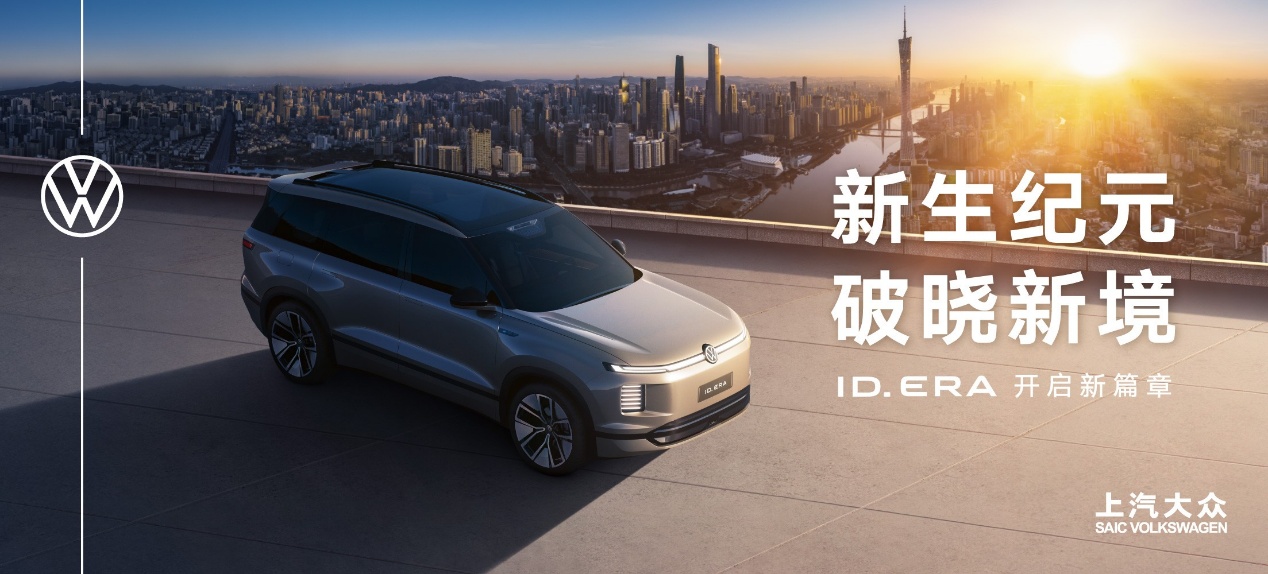
首款“9系旗舰”将率先登场,上汽大众广州车展发布ID. ERA全新产品序列
Zhong Guo Qi Che Bao Wang· 2025-11-24 06:19
Core Insights - The 23rd Guangzhou International Auto Show highlights the historic shift of the Chinese automotive market towards "new energy" vehicles, featuring 1,085 vehicles and 629 new energy models [1] - SAIC Volkswagen's launch of the ID. ERA product series marks a significant strategic move in the competitive landscape, emphasizing the brand's commitment to both fuel and electric vehicles [1][2] Strategic Breakthrough - The ID. ERA series is positioned to address the supply gap in the high-end intelligent electric vehicle market, where the growth rate is projected at 45% in 2024, yet joint venture brands hold less than 15% market share [4] - SAIC Volkswagen's strategy of "oil-electric integration" is a response to the increasing penetration of new energy vehicles, with a sales target of 1.2 million units in 2024, including over 143,000 new energy vehicles [2][4] Product Innovation - The ID. ERA series introduces the first "9 Series flagship" full-size range-extended SUV concept, designed to alleviate range anxiety while meeting the high space comfort demands of Chinese families [5][9] - The vehicle is expected to feature advanced technology, including a Qualcomm Snapdragon 8295 chip and an optimized driver assistance system for Chinese road conditions, enhancing the user experience [7][9] Market Dynamics - The launch of the ID. ERA series coincides with a critical period of "stock competition" and "new energy dominance" in the Chinese automotive market, where SAIC Volkswagen maintains a strong presence in the fuel vehicle segment [10] - The 9 Series flagship faces competition from both domestic high-end brands and luxury brands accelerating their electric vehicle strategies, yet SAIC Volkswagen's brand legacy and practical technology provide a competitive edge [10][11] Long-term Outlook - The success of the ID. ERA series could serve as a model for joint venture brands transitioning to new energy, with SAIC Volkswagen demonstrating a more stable transformation pace compared to the average growth of 18% for joint venture brands [11][12] - The comprehensive launch of the ID. ERA series signifies SAIC Volkswagen's entry into the "Joint Venture 2.0 Era," showcasing its capability as a resilient player in the new energy transition [12]


深交所问询海南高速收购案:海南2030年禁售燃油车,收购加油站持续经营能力如何?
2 1 Shi Ji Jing Ji Bao Dao· 2025-11-24 03:55
Group 1 - The core issue revolves around Hainan Highway's acquisition of an asset worth 46.6751 million yuan, which has raised inquiries from the Shenzhen Stock Exchange regarding the sustainability of the target company's operations in light of the policy banning fuel vehicles by 2030 in Hainan Province [1] - The evaluation agency stated that the assessment process adequately considered the impact of clean energy policies, projecting a 1.5% annual decline in fuel sales starting in 2026, based on the stagnation of fuel vehicle ownership growth in Hainan [1] - The discount rate used in the valuation was calculated using the Weighted Average Cost of Capital (WACC) model, resulting in a rate of 9.31%, with parameters based on industry guidelines and comparable listed company data [1] Group 2 - The assumption of continued operations is deemed reasonable, as the current large stock of fuel vehicles in Hainan (1.7155 million by the end of 2024) and their natural scrapping cycle (approximately 10 years) suggest a gradual decline in market demand rather than a sharp drop [2] - The target company is expected to maintain stable cash flow in the short term and has plans to transition into a comprehensive energy service provider integrating oil, gas, hydrogen, and electricity [2] - The transaction's pricing reflects a price-to-earnings ratio of 18.31 and a price-to-book ratio of 1.38, both of which are below the industry average for comparable cases [2]

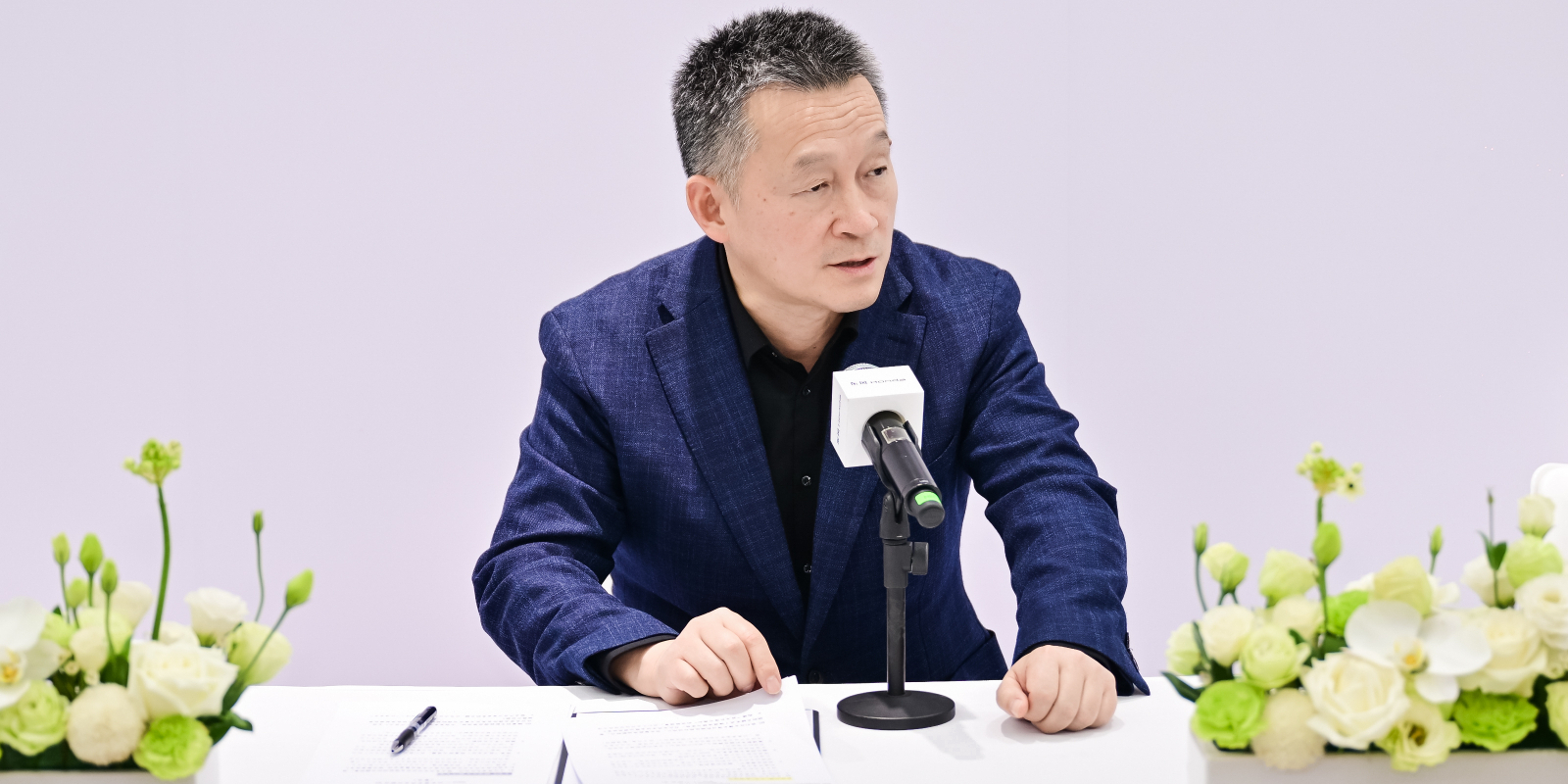
东风本田曹东杰:前期新能源转型不是很成功,但会持续攻坚
Jing Ji Guan Cha Wang· 2025-11-23 05:05
Core Viewpoint - Dongfeng Honda is facing dual pressures of declining sales and slow transformation, with hopes pinned on its parent company Dongfeng Motor for support in its transition to new energy vehicles [2][3]. Group 1: Company Strategy and Leadership - Cao Dongjie has recently returned to Dongfeng Honda as the executive vice president, tasked with leading the company through a critical period of transformation [5]. - The company aims to leverage the strengths of both Dongfeng and Honda to innovate and adapt to local market demands, particularly in electric and intelligent vehicle technologies [3][4]. - Dongfeng Honda is focusing on localizing its innovation by integrating the advantages of both partners, moving away from solely relying on foreign technology [3][4]. Group 2: Market Position and Competition - Dongfeng Honda is under pressure to find a breakthrough in a competitive market, emphasizing the need to listen to Chinese consumers and adapt to local standards and supply chains [4][6]. - The company is looking to learn from the successful model of Dongfeng Nissan, which has effectively utilized platform resources to launch a series of products [6][7]. - Despite challenges, Dongfeng Honda is committed to continuing its efforts in new energy development and is currently exploring new plans and considerations internally [6].
轻商新能源这张期末答卷,大通在广州车展上先交出来了
汽车商业评论· 2025-11-21 23:08
Core Viewpoint - The article discusses the transformation of the commercial vehicle industry in China, highlighting the significant advancements made by the company in the new energy vehicle (NEV) sector, positioning itself as a leader in the global light commercial vehicle market [4][6][27]. Group 1: Company Transformation - The company has initiated a comprehensive brand renewal, including a new logo and strategic restructuring, to accelerate its transition to new energy vehicles [4][5]. - It has successfully completed the transition from fuel-based to new energy vehicles, achieving a stable sales ratio of over 41% for its NEV models [9][11]. - The company has established a complete product system covering four vehicle series and over 20 models, with six types of new energy power forms [9][11]. Group 2: Market Position and Performance - As of October 2025, the penetration rate of new energy commercial vehicles in China reached approximately 27%, with a monthly peak of 33% in October [9]. - The company achieved a remarkable 133% year-on-year increase in NEV sales in October, with its flagship "DANA" series seeing a 184% increase [11]. - The company is recognized as the leading brand in the traditional commercial vehicle sector for its high proportion of new energy vehicles [9][11]. Group 3: Technological and Product Development - The company has developed a robust technical architecture to support its diverse product offerings, including electric light vans, pickups, MPVs, and camper vans [14][15]. - It has partnered with industry leaders like CATL to enhance battery technology and establish a comprehensive supply chain for its NEV products [17][19]. - The introduction of the "Star Stack" platform has allowed the company to offer a wide range of power options, ensuring safety and versatility in its vehicle designs [17][19]. Group 4: Global Expansion and Recognition - The company has expanded its global footprint, exporting to over 100 countries and achieving significant sales milestones, including a 12.9% market share in the Mexican pickup market [22][23]. - It has secured substantial orders from global logistics giants, including DHL and major supermarket chains in Europe, validating the reliability and economic viability of its NEV products [23][25]. - The company aims to transition from a traditional manufacturer to a technology and ecosystem-driven enterprise, enhancing its role as a partner in users' business success [27].

海南高速回应深交所问询:4667.51万元收购交控石化股权 评估合理性与同业竞争引关注
Xin Lang Cai Jing· 2025-11-21 17:22
Core Viewpoint - Hainan Highway Co., Ltd. announced plans to acquire a 51.0019% stake in Hainan Jiaokong Petrochemical Co., Ltd. for 46.6751 million yuan, detailing financial performance, evaluation methods, and solutions for related party transactions in response to inquiries from the Shenzhen Stock Exchange [1][2][3]. Group 1: Financial Performance and Growth - Hainan Jiaokong Petrochemical's main business is retailing refined oil at highway service areas, with revenues of 213.6377 million yuan in 2023, 271.0419 million yuan in 2024, and 146.4736 million yuan from January to May 2025, maintaining a gross margin between 11.54% and 12.44% [2]. - The growth in performance is attributed to the operation of new stations and the recovery of the tourism industry, with a projected revenue increase of 26.87% in 2024 due to the launch of four gas stations and an 8% increase in tourist numbers in Hainan [2]. - For the first five months of 2025, gross profit growth reached 28.72%, outpacing revenue growth of 19.79%, driven by the Spring Festival tourism peak and declining international oil prices [2]. Group 2: Evaluation Method and Market Position - The transaction's pricing is based on a reasonable income approach, with a transaction price of 46.6751 million yuan, and the evaluation considered the impact of policies, predicting a gradual decline in refined oil sales starting in 2026 [3]. - The acquisition's price-to-earnings ratio is 18.31 and price-to-book ratio is 1.38, both lower than comparable industry transactions, indicating a fair valuation [3]. - The company plans to address potential competition with its controlling shareholder's related party, ensuring that the impact on operations remains minimal, as the related party's revenue is only 2.18% of the listed company's projected income for 2024 [3]. Group 3: Related Party Transactions and Compliance - Over 99% of Hainan Jiaokong Petrochemical's refined oil procurement comes from related party China Petroleum & Chemical Corporation, with procurement prices aligned with market rates, ensuring no significant price discrepancies [4]. - Following the acquisition, the proportion of related party transactions will increase, but the company commits to maintaining independence through market expansion and strict compliance with review procedures [4]. - The transaction includes a profit compensation arrangement, ensuring that the cumulative net profit from 2025 to 2027 meets or exceeds the evaluated forecast, with compensation calculated based on a specific formula [4].
调研速递|一汽解放接受投资者调研 详解新能源战略及海外8国布局 三季度盈利改善
Xin Lang Cai Jing· 2025-11-21 10:57
Core Insights - The company held an earnings briefing on November 21, 2025, addressing key investor concerns regarding cost reduction, efficiency improvement, new energy strategies, overseas expansion, and third-quarter profit enhancement [1] Group 1: Cost Reduction and Efficiency - The company has established a comprehensive cost reduction system covering the entire value chain from R&D to operations, achieving phase results through technological innovation and enhanced supply chain collaboration [1] - Measures for cost reduction and efficiency are progressing as planned, contributing to improved operational performance [1] Group 2: Competitive Advantages - The company's competitive edge lies in three main areas: a complete independent R&D system from advanced technology to core components, a deep layout in the new energy sector covering the entire industry chain, and a robust marketing service system that has expanded to 100 countries [1] - The company has initiated the establishment of subsidiaries in eight countries, including Uzbekistan and Indonesia, to support its international strategy [1] Group 3: New Energy Strategy - The new energy transition is a focal point for investors, with the company implementing the "15333 strategy" since 2021 to cover the entire supply chain [1] - The company is transitioning from traditional vehicle electrification to differentiated independent components, aiming to enhance competitive advantages through increased resource investment and innovative marketing models [1] Group 4: Third-Quarter Profit Improvement - The increase in third-quarter profits is attributed to rapid sales growth, optimized product structure, and ongoing cost control measures [1] - The company is focusing on enhancing the contribution of key models to overall sales while maintaining strict expense management [1] Group 5: Market Value Management - The company has developed a market value management system to address investor concerns about short-term profits versus strategic investments [1] - It aims to balance scale and efficiency by optimizing product structure, increasing the proportion of high-value models, and expanding overseas markets [1] - The company has distributed approximately 6.29 billion in dividends and plans to continue improving operations and performance to reward investor trust [1]
全系列新能源装载机入选工信部制造业单项冠军 徐工斩获“行业唯一”底气何在?
Zhong Guo Jing Ying Bao· 2025-11-21 10:47
Core Viewpoint - The Ministry of Industry and Information Technology (MIIT) of China has recognized XCMG as a leading enterprise in high-end manufacturing, particularly in the field of new energy construction machinery, with its full series of new energy loaders being the only ones to receive national certification in this category [1][2]. Group 1: Company Achievements - XCMG has achieved a diversified technological layout in the new energy loader sector, covering pure electric, hybrid, hydrogen fuel cell, and methanol engine technologies, with products ranging from 0.5 to 35 tons [1][2]. - The company has accumulated eight national manufacturing single champion products/enterprises, ranking first in the industry [1]. - XCMG has participated in the formulation of all 13 national standards for electric construction machinery, contributing to the establishment of a comprehensive national standard system [1][5]. Group 2: Product Development and Market Impact - XCMG's new energy products have seen a revenue increase of 9.43% year-on-year in the first half of this year, with significant advancements in pure electric, hybrid, and hydrogen technologies [3]. - The company has launched the world's largest tonnage pure electric loader, XC9150-EV, with a rated load of 15 tons, marking a significant achievement in large-scale new energy mining equipment [2][3]. - XCMG's new energy loaders are widely used in various applications, including urban construction, municipal sanitation, logistics, and mining, demonstrating their efficiency and environmental benefits [3][4]. Group 3: Strategic Initiatives - XCMG's strategy of "technology + market + standards" has been pivotal in its rapid development and industry leadership in new energy loaders [5][6]. - The company has established a comprehensive solution that integrates upstream and downstream services, with a focus on electric, hybrid, fuel cell, and low-carbon internal combustion engine technologies [5]. - XCMG has expanded its market presence internationally, entering regions such as Europe, Southeast Asia, Central Asia, and South America, and has received positive feedback from international clients regarding its green technology initiatives [5][6].

一汽解放(000800) - 000800一汽解放投资者关系管理信息20251121
2025-11-21 10:00
Group 1: Cost Reduction and Efficiency Improvement - The company is committed to cost reduction and efficiency improvement across the entire value chain, including R&D, procurement, production, and operations. Current initiatives are progressing as planned, benefiting from technological innovations and supply chain synergies, leading to preliminary results in cost reduction efforts [2][3]. Group 2: Competitive Advantages in the Industry - The company has established a robust and complete independent R&D system, covering key components from engines to complete vehicles. In the new energy sector, it has developed a comprehensive industrial ecosystem, including self-developed batteries and electric drive systems, enhancing its competitive edge [2][3]. - The marketing strategy is customer value-oriented, with nearly 1,000 dealers, over 1,800 service providers, and 230 spare parts suppliers, ensuring a nationwide service radius of 48.5 kilometers, which is industry-leading [3]. Group 3: International Expansion and Localization - The company is actively pursuing internationalization, with exports covering 100 countries and regions. In 2025, it plans to establish subsidiaries in eight countries, including Uzbekistan and Indonesia, to support its international strategy [3][4]. Group 4: New Energy Strategy and Future Plans - The company launched the "15333 Strategy" for new energy in 2021, focusing on a comprehensive layout across the entire supply chain. It aims to enhance product differentiation and competitive strength through technological advancements and marketing innovations [4][5]. - Future plans include increasing investment in new energy resources, continuously launching new products, and developing comprehensive solutions throughout the user lifecycle [4]. Group 5: Financial Performance and Market Challenges - The company reported improved profitability in Q3, driven by increased sales and optimized product structure, alongside strict cost control measures [4][5]. - Concerns about stock price performance are acknowledged, with the company emphasizing its commitment to value management and investor trust, despite external market pressures [5][6]. - The company has distributed approximately 6.29 billion yuan in dividends since its listing in 2020, aiming to enhance internal value and maximize shareholder returns [6][7].
市场化选聘落地 广汽集团新一届领导班子公布
Zhong Guo Zhi Liang Xin Wen Wang· 2025-11-20 06:15
Core Viewpoint - GAC Group has appointed a new team of professional managers to enhance its organizational vitality and drive the strategic blueprint for a "new GAC" through market-oriented selection and innovative talent introduction [1][2] Group 1: Management Changes - GAC Group has officially appointed He Xianqing as General Manager, Wang Dan as Chief Accountant, and several others as Vice Presidents following a rigorous market-oriented selection process [1] - The new management team includes external talents, which is expected to inject new strategic thinking and advanced concepts into GAC Group's operations [2] Group 2: Strategic Focus - The newly appointed management team will cover core business areas including product management, R&D, manufacturing supply, brand marketing, internationalization, strategic development, and human resources [2] - This team is characterized by a composite capability of understanding strategy, operational management, and innovation, positioning them as a key force in GAC Group's transition towards new energy, intelligent networking, and high-end brand development [2] Group 3: Organizational Reform - GAC Group has been a pioneer in the reform of China's automotive industry, having implemented a professional manager system since 2018, which has led to more market-oriented corporate governance [1] - The restructuring of the management team is a significant outcome of the "Panyu Action," a three-year initiative starting in November 2024 aimed at transforming the operational management model of GAC's self-owned brands [2]

吉利汽车(175.HK):新能源转型成果持续兑现
Ge Long Hui· 2025-11-19 21:34
Core Viewpoint - The company reported strong Q3 performance with significant revenue and profit growth, driven by new vehicle launches and an accelerating transition to electric vehicles [1][3][4] Financial Performance - Q3 revenue reached 89.2 billion yuan, up 27% year-on-year and 15% quarter-on-quarter; net profit attributable to shareholders was 3.8 billion yuan, up 59% year-on-year and 6% quarter-on-quarter [1] - For the first three quarters, total revenue was 239.5 billion yuan, a 26% increase year-on-year, while net profit was 13.1 billion yuan, a slight decrease of 1% year-on-year [1] Sales and Margins - Q3 sales reached a record high of 760,000 new vehicles, representing a 43% increase year-on-year and 8% quarter-on-quarter [2] - The gross margin for Q3 was 17%, with an increase of 1.0 percentage point year-on-year and a decrease of 0.5 percentage point quarter-on-quarter [2] - The average selling price (ASP) per vehicle was 117,000 yuan, up 4% year-on-year and 6% quarter-on-quarter [2] New Energy Transition - In Q3, new energy vehicles accounted for 58% of total sales, with 440,000 units sold, a 15% increase quarter-on-quarter [3] - The company plans to expand its overseas market presence in 2026, including acquiring a stake in Renault Brazil and establishing a factory in Malaysia [3] Product Launches - The launch of the Zeekr 9X and Galaxy M9 models in Q3 was successful, with significant pre-orders indicating strong market demand [4] - The company aims to continue its high-end product strategy with upcoming models like the Galaxy Battleship series [4] Profit Forecast and Valuation - The profit forecast for 2026-2027 has been adjusted upwards, with net profit estimates of 17.8 billion yuan for 2026 [4] - The company is valued at 13x PE for 2026, with a target price set at 27.07 HKD [5]
