
辅助驾驶

Search documents
一文看懂小米发布会:YU 7标准版25.35万元、AI眼镜定价1999起、将在辅助驾驶领域持续投入,下半年升级小米XLA大模型
Hua Er Jie Jian Wen· 2025-06-26 15:38
Group 1: Product Launches - Xiaomi held a comprehensive ecosystem launch event on June 26, introducing multiple new products including the Xiaomi YU7 car, MIX Flip 2 foldable phone, AI glasses, and various wearable devices [2] - The Xiaomi YU7 standard version is priced at 253,500 yuan, with the YU7 Pro at 279,900 yuan and the Max version at 329,900 yuan [26] - The MIX Flip 2 features a three-sided micro-curved screen and is priced starting at 5,999 yuan, while the K80 Supreme version offers a battery life of 2.26 days starting at 2,599 yuan [2][9] Group 2: AI Glasses and Wearables - The AI glasses serve as a first-person camera, open-ear headphones, and an AI assistant, starting at a price of 1,999 yuan [18] - The Xiaomi Watch S4 supports comprehensive health management and the Xiaomi Band 10 boasts a battery life of up to 21 days, priced at 269 yuan [13][14] Group 3: Automotive Developments - Xiaomi's YU7 electric vehicle is expected to become a popular model in the high-end new energy SUV market, with Deutsche Bank projecting annual deliveries of 100,000 units by 2025 [28] - The YU7 features a 0-100 km/h acceleration in 3.23 seconds and a top speed of 253 km/h, with a maximum storage capacity of 1,970 liters [23][26] Group 4: Market Outlook - Analysts from Deutsche Bank and Goldman Sachs are optimistic about the demand for the YU7, suggesting it could compete effectively with models like the Tesla Model Y [28]


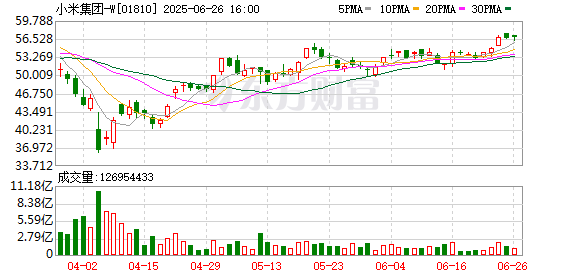
一文看懂小米发布会:YU 7标准版25.35万元、AI眼镜定价1999起、将在辅助驾驶领域持续投入,下半年升级小米XLA大模型
硬AI· 2025-06-26 14:32
Core Viewpoint - Xiaomi's recent product launch showcased a wide range of new devices, including smartphones, tablets, AI glasses, and automotive offerings, indicating a strong push into various technology sectors and a commitment to innovation in AI and electric vehicles [2][46]. Group 1: Smartphones and Tablets - The MIX Flip 2 features a fully upgraded design with a starting price of 5999 yuan, equipped with a Snapdragon 8 Gen 2 mobile platform and a new Leica optical lens with a 50MP main camera [11][7]. - The K80 Supreme Edition offers a battery life of 2.26 days with a price starting at 2599 yuan, and the 7S Pro supports PC-level applications, priced from 3299 yuan [16][13]. - A new small-sized tablet, the K Pad, features an 8.8-inch custom 3K LCD screen, priced at 2799 yuan [18][19]. Group 2: AI Glasses - The AI glasses serve multiple functions, including a first-person camera, open-ear headphones, and a portable AI assistant, with a starting price of 1999 yuan [29][2]. - They weigh 40g and feature four levels of transparency, supporting video recording and live streaming capabilities [31][29]. - The glasses have already sold out on Xiaomi's online platforms, indicating strong consumer interest [34]. Group 3: Automotive - The Xiaomi YU7 electric vehicle is available in nine colors, with a starting price of 253,500 yuan, and features advanced storage solutions and a high-performance driving experience [35][38][45]. - The YU7 is expected to compete strongly in the high-end electric SUV market, with Deutsche Bank projecting annual deliveries of 100,000 units by 2025 [46]. - Xiaomi plans to continue investing in the autonomous driving sector, with an upgrade to the Xiaomi XLA large model expected in the second half of the year [46].
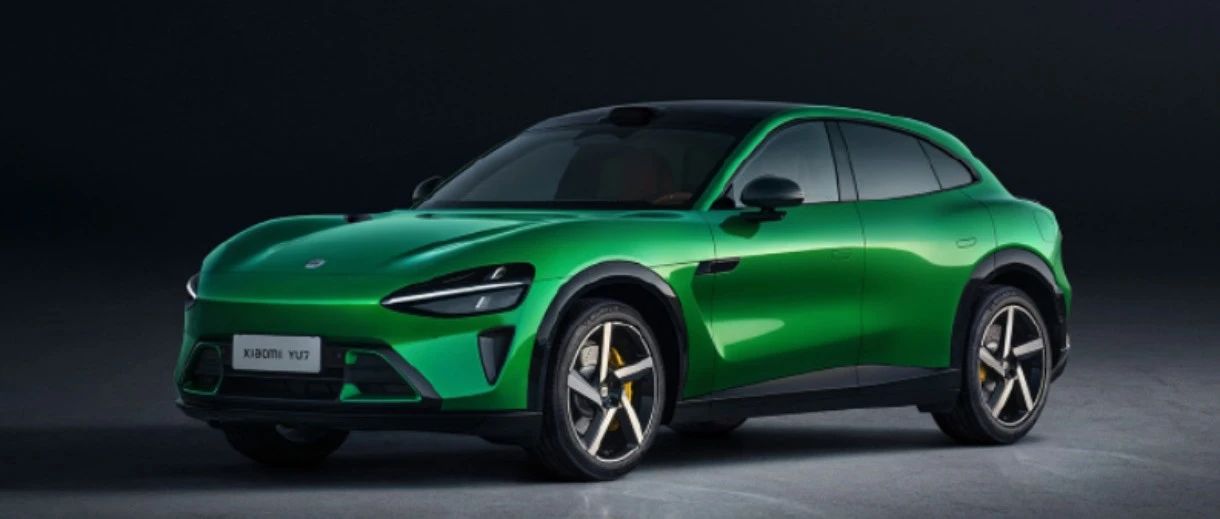
雷军:小米在辅助驾驶领域坚持长期投入 首期总投资57.9亿元
news flash· 2025-06-26 13:41
Group 1 - The core viewpoint of the article emphasizes Xiaomi's commitment to long-term investment in the assisted driving sector, with a total investment of 5.79 billion yuan and a dedicated team of over 1,800 people [1] - Xiaomi has deployed over 400 test vehicles as part of its ongoing efforts in the assisted driving field [1] - The company plans to upgrade its XLA large model in the second half of this year [1] Group 2 - Lei Jun, the chairman of Xiaomi Group, stated that while competitors often claim safety is the greatest luxury, Xiaomi believes that safety is the prerequisite, the foundation, and everything [1]
雷军:将在辅助驾驶领域持续投入 预计下半年升级小米XLA大模型
news flash· 2025-06-26 13:31
Group 1 - The core viewpoint of the article is that Xiaomi is making significant advancements in the field of assisted driving technology with the launch of the Xiaomi YU7 series, which features the 10 million Clips version of Xiaomi's end-to-end assisted driving system [1] - Xiaomi plans to continue investing in the assisted driving sector and is expected to upgrade the Xiaomi XLA large model in the second half of this year [1]
【联合发布】2025年5月OTA监测月报
乘联分会· 2025-06-19 08:37
Core Viewpoint - The article discusses the monthly OTA (Over-The-Air) monitoring report, highlighting the trends and updates in the automotive industry regarding OTA upgrades, particularly focusing on the performance of various brands and their functionalities [1][4]. Industry Overview: OTA Data Summary - In May 2025, the industry updated a total of 495 features, an increase from 394 in the previous month, indicating a recovery in the pace of OTA upgrades despite ongoing regulatory impacts on "assisted driving" features [4]. - New force brands accounted for 200 updates, up from 129, shifting focus from aggressive smart driving competition to smart cockpit functionalities, emphasizing practical applications like "scenario intelligence" and "voice features" [7]. - Domestic brands updated 289 features, with significant contributions from brands like Lantu, Lynk & Co, and Geely Galaxy, focusing on enhancing user experience through system settings and interaction logic [9]. - Joint and luxury brands only updated 6 features, with Volvo being the only luxury brand to push a minor update, indicating a slower pace in OTA frequency compared to domestic brands [11]. OTA Iteration Speed - The overall speed of OTA iterations is gradually increasing, with various brands adapting to new regulations and enhancing their systems to integrate more intelligent features into daily user scenarios [13]. Upcoming OTA Updates - Several brands have scheduled significant OTA updates for the upcoming quarters, including Huawei ADS 4.0 for multiple models from AITO and Li Auto, and various enhancements for BYD and other brands focusing on intelligent driving capabilities [20]. User Feedback: NIO - User feedback indicates a positive reception towards the optimization of urban NOA (Navigation on Autopilot) capabilities, with enhancements in decision-making and obstacle navigation [22][32]. - Users expressed satisfaction with the new features, such as the congestion speed reduction function and improved low-speed obstacle avoidance capabilities, which enhance the overall driving experience [32][42]. User Feedback: Li Auto - Feedback from Li Auto users highlighted minor improvements in the latest OTA updates, with new features like the "Li Auto Classmate Memo" and "Alipay Car Assistant" being perceived as less impactful compared to other brands' offerings [29][43]. - Users showed interest in the emotional value of the voice assistant but felt that many new features were not essential for their driving experience [43].
车企“倒戈”纯视觉,激光雷达为何“失宠”
Zhong Guo Qi Che Bao Wang· 2025-06-16 07:10
Core Viewpoint - The competition between lidar and pure vision systems in the automotive industry is intensifying, with more companies shifting towards pure vision technology for advanced driver assistance systems (ADAS) [2][3][5] Group 1: Technology Comparison - Companies like Xiaomi are equipping their vehicles with lidar, while others like Xpeng are adopting pure vision systems for their ADAS [2] - Xpeng's senior director argues that the long-range detection capability of lidar is a "false proposition" due to its technical limitations, such as energy decay and point cloud density [3] - Lidar's performance is significantly reduced in adverse weather conditions, with effective detection range dropping to under 30 meters during heavy rain, while pure vision systems show better performance in similar conditions [4] Group 2: Cost and Market Dynamics - The primary reason for the shift to pure vision systems is cost-effectiveness, as they are significantly cheaper than lidar systems [5] - Xpeng's MONA M03 MAX is the first model to offer full-featured intelligent driving assistance at a price point below 150,000 yuan (approximately 22 million USD) [5] - The competition in the automotive market is pushing companies to adopt more affordable solutions to equip mid-range vehicles with ADAS capabilities [9] Group 3: Future Trends - The trend is moving towards a combination of pure vision and lidar systems to leverage the strengths of both technologies, especially for high-end models [9][10] - Companies are increasingly focusing on the integration of AI algorithms and self-developed chips to enhance the performance of pure vision systems [6][10] - The ultimate goal for autonomous driving technology is a multi-sensor fusion system that combines cameras and lidar to achieve a comprehensive solution [10]


博世徐大全:从“中国需要博世”到“博世需要中国”
Xin Hua Cai Jing· 2025-06-13 07:10
编者按:在从电动化向智能化跃迁的浪潮中,中国新能源汽车产业正以独特的竞争优势重构全球竞争格 局。中国电动汽车百人会是产业的观察者、推动者,也是跨界融合的"搭桥人"。新华财经与百人会共同 打造"百人会百人谈"栏目,邀请行业权威专家、企业高管、投资人士畅谈中国电动汽车发展的新技术、 新趋势、新动能,为产业发展献计献策。 新华财经北京6月13日电(记者王鹤王钊)博世集团是全球汽车供应链的重量级存在。在中国,博世 2024年销售额达到1427亿元,同比增长2.7%。博世将中国视为全球创新引擎,正从"根植本土、服务本 土"迈向"立足中国,服务全球"。 在中国电动汽车百人会论坛(2025)期间,新华财经与博世中国总裁徐大全进行了深度对话,当AI给 汽车智能化装上加速器,博世看到什么机会?激烈的行业竞争下,供应商如何平衡价格和利润?当跨国 车企纷纷开启在华发展的2.0阶段,博世如何应变? 新华财经:AI给汽车行业按上了"加速器",主流车企近期密集发布了智能辅助驾驶战略,博世看到了 什么机会?什么挑战?有什么样的担忧? 徐大全:2025年是辅助驾驶普及的元年。前几年,各家主机厂和创新公司都在开发辅助驾驶技术,从高 速辅助驾驶 ...
何小鹏:大模型道路,大家都在摸着石头过河
news flash· 2025-06-12 11:31
Core Viewpoint - The CEO of Xiaopeng Motors, He Xiaopeng, emphasized the importance of the new driving assistance chip "Turing" during the launch of the G7 SUV, indicating that the industry is still exploring the path of large models in autonomous driving technology [1] Group 1: Company Insights - Xiaopeng Motors introduced its latest SUV model, the G7, on June 10, highlighting the significance of the "Turing" chip for driving assistance [1] - The majority of the launch event was dedicated to discussing the capabilities and features of the "Turing" chip, showcasing the company's focus on advanced technology [1] Group 2: Industry Trends - The VLA solution is emerging as a preferred choice among leading players in China's driving assistance sector, with competitors like Li Auto also developing this solution [1] - There is a divergence in approaches between domestic companies and Tesla, with Tesla continuing to focus on an "end-to-end" solution rather than engaging with multi-modal large models [1]
何小鹏:大模型道路,大家都在摸着石头过河|36氪专访
3 6 Ke· 2025-06-12 11:29
Core Insights - Xiaopeng Motors has introduced the G7 SUV, which features the self-developed Turing AI chip, boasting an effective computing power of over 2200 Tops, significantly surpassing competitors' offerings [1][2] - The G7 is positioned as the first AI vehicle with L3-level computing power, with a starting price of 235,800 yuan [1][2] - The Turing chip aims to secure a five-year safety period for computing power, essential for future advancements in autonomous driving [1][2] Summary by Sections Product Launch and Features - The G7 SUV was unveiled on June 10, featuring three Turing AI chips, which collectively provide computing power equivalent to nine Orin-X chips [1] - The G7 is designed to meet the increasing demands for higher computing power in autonomous driving, with a pre-sale price starting at 235,800 yuan [1][2] Technology and Innovation - The Turing AI chip's effective computing power is claimed to be 3-28 times that of other industry chips, with current mainstream solutions offering around 508 Tops [1][2] - Xiaopeng's strategy includes local deployment of VLA-OL and VLM models, enhancing the vehicle's capabilities in both driving assistance and smart cockpit features [3][4] Market Position and Competition - The G7 is expected to fill the price gap between the G6 and G9 models, targeting the 200,000-250,000 yuan electric SUV market, where it will face competition from models like Xiaomi's YU7 and Li Auto's i6 [6] - The industry is witnessing a shift towards high-computing power solutions, with competitors like Tesla also advancing their hardware capabilities [5][6] Future Outlook - Xiaopeng aims to enhance the Turing chip's performance through ongoing optimizations, with expectations of significant feature updates via OTA in the coming months [8][9] - The company acknowledges the challenges of keeping pace with rapid technological changes in the autonomous driving sector, emphasizing the need for continuous innovation [6][14]
“问道”轻型车AEB国标制定与推行
Zhong Guo Qi Che Bao Wang· 2025-06-12 02:07
Core Viewpoint - The upcoming implementation of the new national standard for Automatic Emergency Braking (AEB) will transition from a recommended to a mandatory requirement, significantly enhancing the safety features in both passenger and commercial vehicles in China [2][3][5]. Industry Impact - The upgrade of AEB from a recommended to a mandatory standard reflects the industry's progress and a response to consumer safety demands, marking a shift from passive compliance to proactive safety measures [3][4]. - The new standard is expected to drive the market size for AEB-related products from 38 billion yuan in 2024 to 120 billion yuan by 2026, with a compound annual growth rate of 9.36% [3]. - The inclusion of commercial vehicles under the new standard aims to address the high accident rates associated with these vehicles, as AEB's market penetration in commercial vehicles is currently below 5% [4][5]. Technological Advancements - The new standard introduces innovative testing scenarios, including collision warnings and emergency braking for vulnerable road users such as pedestrians and cyclists, which are tailored to China's unique traffic conditions [6][10]. - AEB is positioned as a foundational safety feature in advanced driver-assistance systems (ADAS), facilitating the development of higher-level autonomous driving technologies [7][10]. - The standard emphasizes the need for high reliability and low false trigger rates in AEB systems, pushing manufacturers to enhance their technology and testing methodologies [5][8]. Market Dynamics - The implementation of the new standard is expected to reshape the supply chain dynamics within the automotive industry, as companies will need to reassess their AEB system designs and sensor configurations to meet the new requirements [9][11]. - Companies are likely to adopt multi-sensor fusion strategies to ensure compliance and improve performance, balancing cost and functionality in their AEB systems [9][10]. - The new standard is anticipated to create opportunities for local suppliers to innovate and meet the specific needs of the Chinese market, enhancing their competitive edge [12].

