
产教融合

Search documents
盐城机电高等职业技术学校召开低空经济产业学院发展研讨会
Yang Zi Wan Bao Wang· 2025-12-25 11:46
12月23日,盐城机电高等职业技术学校低空经济产业学院发展研讨会顺利举行。本次研讨会恰逢该校产 业学院成立一周年,以总结建设经验、展示发展成果、汇聚多方力量、共绘发展蓝图为核心目标,为 政、行、企、校搭建了深度交流、协同合作的高端平台,助力盐城低空经济这一战略性新兴产业加速腾 飞。 中国科学院工业人工智能研究院首席科学家唐政、北京航空航天大学王宝会教授、南京航空航天大学张 洪海教授等专家,盐城市教育局、交通运输局、发改委等政府部门有关负责人,燕舞集团、盐城市大数 据集团等企业代表,以及省内外兄弟院校有关负责人等齐聚一堂,共话低空经济产业发展与产教融合新 路径。 研讨会上,校党委书记、校长韩卫红在致辞中回顾了低空经济产业学院一年来的发展和实践探索,并明 确了未来构建"一平台、一智库、两基地"的发展格局,即建设一个开放共享的低空技术产学研协同创新 平台,为技术研发与应用转化提供核心支撑;形成一个特色鲜明的低空产业发展与政策研究智库,为政 府决策与行业规范提供智力支持;建成一个集教学、培训、认证于一体的高素质技术技能人才实训基 地,以及一个促进项目对接与企业孵化的产业生态服务与资源整合基地。 研讨会圆桌论坛围绕"智 ...
正元智慧与芯位教育签署战略合作协议
Zheng Quan Shi Bao Wang· 2025-12-25 06:05
Core Viewpoint - Zhengyuan Wisdom has signed a strategic cooperation agreement with Geely Talent Development Group's Hainan Chip Education Technology Co., Ltd. to enhance educational quality through collaboration in various fields [1] Group 1: Strategic Cooperation - The partnership will leverage the core strengths of both companies in areas such as smart campus construction and AI teaching scenarios [1] - The collaboration aims to deepen the integration of industry and education, as well as expand cross-border educational resources [1] Group 2: Focus Areas - Key focus areas include practical cooperation in smart campus development and the implementation of AI in educational settings [1] - The initiative is expected to contribute to the high-quality development of education [1]
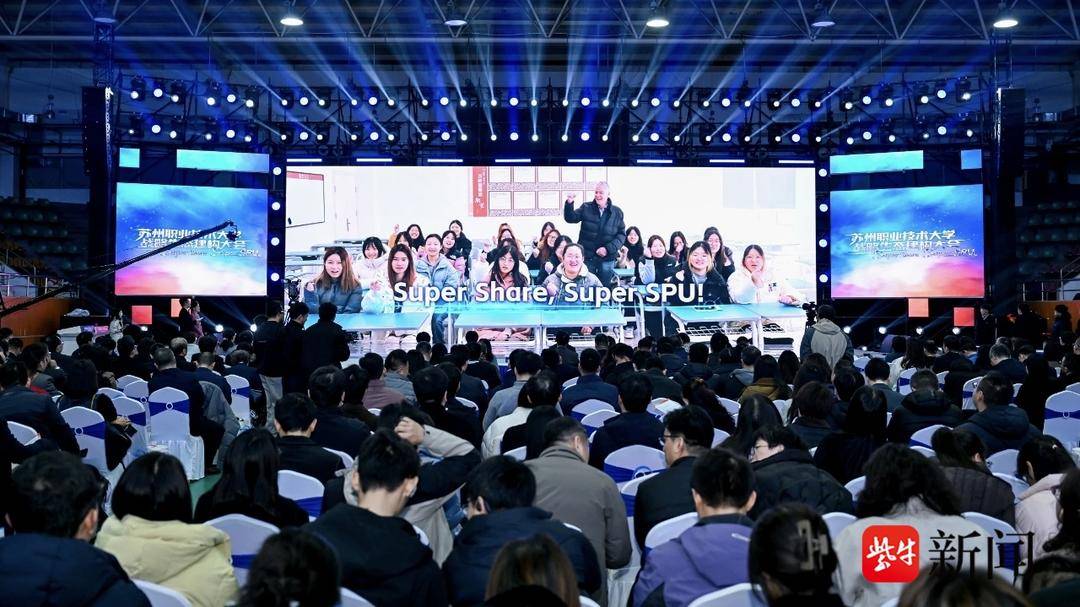
以“超级共享”构建产教融合新生态!苏州职业技术大学战略生态建构大会举办
Yang Zi Wan Bao Wang· 2025-12-25 05:50
Core Viewpoint - The "Super Share, Super SPU" strategic ecological construction conference held at Suzhou Vocational University emphasizes the integration of vocational education with regional industries to enhance high-quality development in Suzhou and provide a replicable model for vocational undergraduate education nationwide [3][24]. Group 1: Conference Overview - The conference gathered over 1,000 participants, including government officials, university representatives, and industry leaders, to discuss the future of vocational education in Suzhou [1]. - Keynote speeches highlighted the importance of vocational education being deeply rooted in regional industries, emphasizing the need for depth, breadth, and warmth in service [3][5]. Group 2: Strategic Initiatives - The conference focused on three dimensions: school-enterprise, school-society, and school-local government, aiming to create a new development strategy ecosystem that promotes resource sharing and value co-creation [8]. - A "shared resource list" was released, showcasing 10 outstanding industry colleges, 20 exemplary school-enterprise cooperation cases, and 15 enterprise-named classes, forming a comprehensive map of school-industry integration [9]. Group 3: Talent and Technology Needs - Three lists detailing talent, technology, and training needs were published, addressing 125 talent demands, 58 technology needs, and 72 training requirements, aligning with industry development challenges [12]. - The establishment of mixed-ownership companies, such as Suzhou Aviation Education Technology Co., Ltd., aims to facilitate the operationalization of industry-education integration platforms [12]. Group 4: Collaborative Agreements - Several significant cooperation agreements were signed between enterprises and the university, including partnerships with Lei Yun Shang Pharmaceutical Group and Zhixing Automotive Technology, to foster collaborative innovation [14]. - The conference also initiated the "Suzhou Social Education Sharing Plan," which includes 50 learning points and various community education projects to enhance lifelong learning [16]. Group 5: Regional Development - The "Coexistence Development White Paper" was released, detailing the university's service to Suzhou's 1030 industrial system and the establishment of international talent training agreements with companies like GCL Group and Bosch [23]. - The launch of the Yangtze River Delta Regional Employment Research Institute aims to create a new platform for collaborative development in employment and talent training [24].


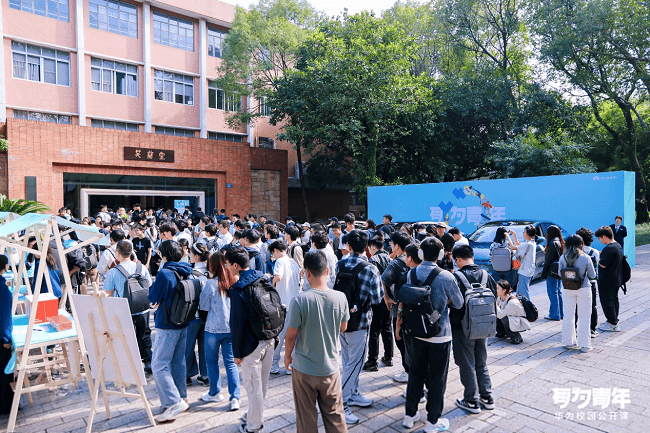
2025年鸿蒙公开课·总裁校园行收官:从技术破界到生态共建,一场面向未来的产教对话
Sou Hu Cai Jing· 2025-12-25 05:04
Core Insights - The core theme of the event is "Breaking Boundaries and Dialoguing with the Future," focusing on the integration of technology, education, and ecosystem development [1] Group 1: Event Overview - Huawei's executives engaged with students at top universities, providing insights into cutting-edge technologies and encouraging youth participation in tech innovation [1][2] - The event series has been successfully conducted at prestigious institutions such as Tsinghua University, Nanjing University, Sun Yat-sen University, and Xi'an University of Electronic Science and Technology [1] Group 2: Educational Approach - The teaching model employed during the sessions breaks down barriers between academia and industry, introducing real-world industry cases and corporate wisdom into the educational framework [2] - Students experienced hands-on operations with devices running HarmonyOS, facilitating a cognitive leap from understanding "what" technology is to "how" to implement it [2] Group 3: Future Insights - The event established a new dialogue platform between academia and industry, enabling mutual empowerment [4] - Students' feedback and innovative ideas provided valuable insights for companies to understand the next generation's needs and drive product innovation [4] Group 4: Collaborative Vision - The core belief conveyed during the event is that "every teacher and student is a seed for changing the world," emphasizing the importance of collaboration in building the Harmony ecosystem [6] - The initiative marks a new phase of deep collaboration with universities, transforming participants from passive observers to active co-creators in the ecosystem [6] Group 5: Project Scope - Since its launch in 2023, the Huawei campus open course project has conducted over 1,200 events across more than 450 universities, with over 380 sessions specifically focused on HarmonyOS [8] - The initiative will continue to expand into more universities, with further information available through the "My Huawei App - Huawei Community" [8]
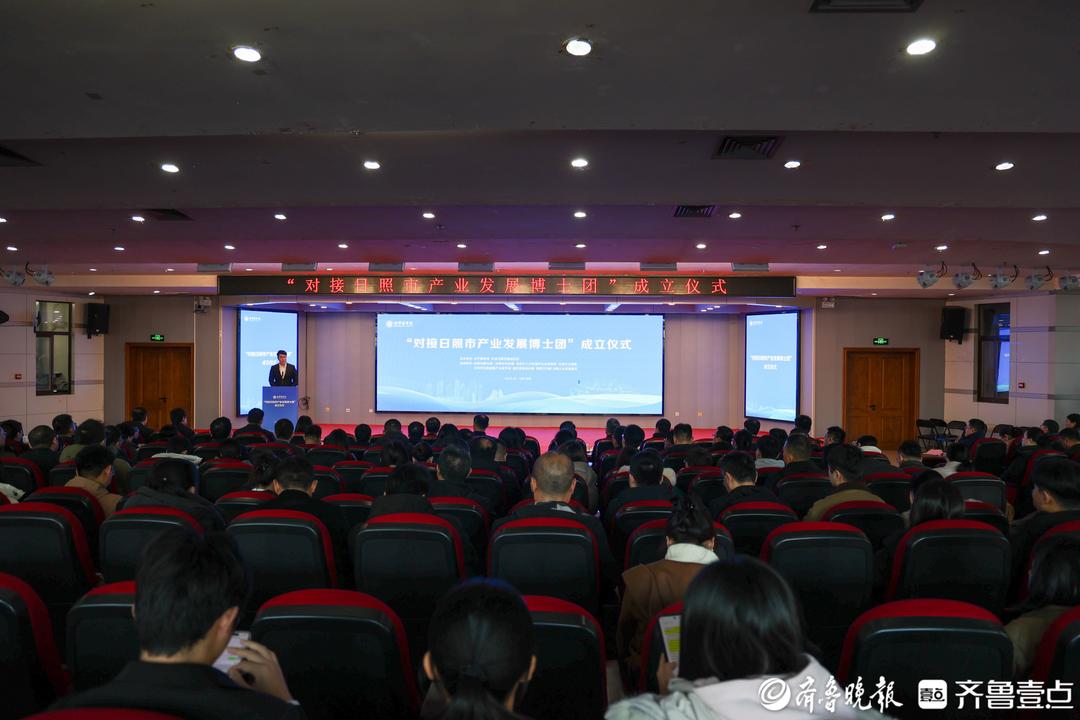
济宁医学院“对接日照市产业发展博士团”成立
Qi Lu Wan Bao· 2025-12-25 03:35
Core Viewpoint - The establishment of the "Doctoral Team for Industrial Development in Rizhao City" at Jining Medical University marks a new phase of collaboration between the university and local enterprises, aimed at enhancing the life and health industry in Rizhao and promoting high-quality economic development [1][3]. Group 1: Collaboration and Development - The Doctoral Team aims to align with industrial needs, focusing on key technological challenges in fields such as biomedicine, health management, and smart healthcare [3][4]. - The initiative is part of a broader strategy to integrate education and industry, fostering innovation and talent development in Rizhao [3][4]. Group 2: Institutional Background - Jining Medical University, established in 1952, has developed a multidisciplinary educational framework, with a strong emphasis on medical education [6]. - The university's clinical medicine discipline ranks in the top 5‰ globally, and its pharmacology and toxicology discipline ranks in the top 1% globally [6]. Group 3: Research and Innovation - The university has established 38 national and provincial research platforms, including a national center for translational medicine in collaboration with Shanghai Jiao Tong University [7]. - Over the past five years, the university has secured multiple research grants and patents, demonstrating its commitment to innovation and technology transfer [7]. Group 4: Future Prospects - The Doctoral Team's establishment is seen as a strategic move to enhance Rizhao's development in key industries such as medical devices and biopharmaceuticals [4]. - The university plans to continue building a collaborative community with Rizhao, contributing to the "Healthy Shandong" and "Strong Education Province" initiatives [3].
成都邛崃市与成都纺织高等专科学校签订战略合作协议
Ren Min Wang· 2025-12-25 02:27
Group 1 - Chengdu Textile College and Qionglai City signed a strategic cooperation framework agreement and 11 specialized agreements to promote industry-education integration and local development [1][2] - The establishment of the "Qionglai Wine Industry College" marks a significant step in talent cultivation and technology innovation for the local wine industry [3] - Qionglai is accelerating its development as a sub-center of Chengdu, creating a favorable environment for collaboration with the college in various fields such as intelligent manufacturing and cultural tourism [2] Group 2 - The cooperation aims to align educational programs with local industry needs, focusing on high-quality technical talent training [1][2] - The signing event included multiple agreements covering vocational education collaboration, talent cultivation, and industry-academia-research cooperation [2] - The college plans to offer specialized programs in wine marketing and brewing technology to support the entire wine industry chain in the Chengdu region [3]
新思路|论新时代党员人才培育
Xin Lang Cai Jing· 2025-12-24 22:54
Core Viewpoint - The development of "new quality" talent is essential for promoting high-quality development in the context of building a modern socialist country, with a focus on integrating party education and professional training [1]. Group 1: Ideological Guidance - The cultivation of "new quality" party members must adhere to the correct political direction, ensuring a strong ideological foundation in talent development [2]. - There is a need to integrate ideological and political education with professional education, incorporating values such as patriotism and the spirit of scientists and craftsmen into the educational process [2]. - Innovative mechanisms for grassroots party organizations should be established to deepen the "Party Building + Research" model, utilizing research teams and major projects to enhance educational efforts [2]. Group 2: Industry-Education Integration - The training of "new quality" party members must closely align with industrial transformation and national strategic needs, breaking down barriers between campuses and industries [3]. - A collaborative education system should be constructed to connect talent cultivation with industry technology, optimizing academic disciplines based on technological frontiers and national needs [3]. - Practical bridges for party members to serve the industry should be established, encouraging participation in technology research and achievement transformation [3]. Group 3: Long-term Mechanisms - The establishment of a long-term evaluation and incentive system is crucial, with a focus on supporting young party member teachers engaged in frontier exploration and long-term research [4]. - Resource integration under party leadership should be strengthened, gathering resources and forming teams around urgent national needs to foster growth on national platforms [4]. - An innovative culture that pursues excellence should be cultivated, promoting the spirit of scientists and craftsmen while encouraging in-depth research and collaborative problem-solving among party members [4].
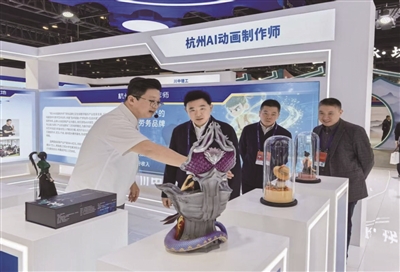
杭州劳务品牌:让每个人都有“够得着”的未来
Mei Ri Shang Bao· 2025-12-24 22:18
Core Viewpoint - The labor brand in Hangzhou is undergoing a significant transformation, evolving from traditional craftsmanship to new digital roles, reflecting the integration of technology and culture in the labor market [8][9][15]. Group 1: New Labor Brands - The emergence of new labor brands such as "Hangzhou AI Animation Maker," "Hangzhou AI Application Engineer," "JianDe Tofu Bun Master," and "ZhongTai Bamboo Flute Maker" showcases a path towards shared prosperity in the digital age [9][10]. - The "ZhongTai Bamboo Flute Maker" brand has a production ecosystem that includes R&D, manufacturing, sales, and training, with an annual sales volume of 4.5 million flutes, accounting for over 85% of the global market share, and generating an industry output value of 350 million yuan [9][10]. - The "JianDe Tofu Bun Master" brand has trained over 10,000 certified masters and created 50,000 jobs, with an annual output value exceeding 5 billion yuan through a standardized production and sales process [10]. Group 2: Digital Integration and Training - The "Hangzhou AI Animation Maker" brand utilizes AIGC technology, achieving a 10-fold increase in efficiency for animation production and a 70% reduction in costs for e-commerce advertising [11]. - The "Hangzhou AI Application Engineer" brand focuses on training professionals to develop AI applications, with over 1 million practitioners and more than 1 million AI applications generated [11][12]. - Hangzhou has cultivated 58 labor brands, involving over 320,000 enterprises and training more than 514,600 individuals annually, contributing to an industry output value exceeding 490 billion yuan [12]. Group 3: Ecosystem Development - Hangzhou has established a "four-dimensional integrated" ecosystem to support the growth of labor brands, leveraging policies, digital empowerment, brand development, and industry-education integration [13][14]. - The city promotes a collaborative approach to talent cultivation, bridging the gap between education and industry needs, and has initiated a digital skills talent training evaluation alliance [14][15]. - The ongoing development of labor brands in Hangzhou is redefining the concept of "skills" in the digital era, aiming for standardization, specialization, and branding of labor services [15].
“双高协同”视域下产业教授的江苏实践
Xin Hua Ri Bao· 2025-12-24 21:55
角色重塑:产业教授"三重定位"的江苏实践 □ 金钢南军锋 在深入学习贯彻习近平总书记对江苏工作重要讲话精神、推进教育科技人才体制机制改革的背景下,江 苏省深耕产业教授制度创新15年,累计选聘研究生导师类产业教授2402人次,构建了政府引导、校企双 主体协同治理的制度体系,形成了需求导向的价值共创育人机制和制度保障型利益共享长效机制。这一 实践有效破解了校企协同育人"两张皮"的难题,为全国深化产教融合、培育新质生产力提供了可复制的 实践样本。 "双高协同"政策内涵与产业教授战略定位 江苏省以《关于推进高新区和高等院校协同创新发展的实施意见》为指引,构建"有组织科研+有组织 转化"双轮驱动模式,推动高新区与高校由"自发结对"向"有组织协同"深度转变,这与党的二十届三中 全会"促进各类先进生产要素向发展新质生产力集聚"的要求高度契合。 在此政策框架下,产业教授实现根本性转变:从传统"企业导师"转型为驱动教育链、人才链、产业链、 创新链深度融合的"战略耦合器"。作为兼具学术素养与产业经验的高层次人才,其核心价值在于打破产 教系统壁垒,推动创新资源与育人要素精准对接,成为"双高协同"机制落地的关键枢纽。 路径探索与保障 ...
构建产教深度融合新格局
Xin Lang Cai Jing· 2025-12-24 20:50
Group 1 - The core viewpoint of the articles emphasizes the establishment of a modern agricultural education system in Heilongjiang, focusing on deep integration of industry and education to support regional agricultural transformation and high-quality economic development [1][2][3][4][5][6] Group 2 - The Heilongjiang Agricultural Vocational and Technical College has evolved its educational model through three stages, from a focus on school-enterprise cooperation to a modern apprenticeship system, and finally to a deep integration model that aligns education with industry needs [2] - The establishment of various innovation centers, such as the rice and livestock innovation centers, aims to enhance academic collaboration, talent cultivation, and the transformation of research outcomes into industry applications, thereby strengthening national food security and improving the quality of agricultural products [3][4] - The college is also focusing on digital agriculture through partnerships with technology companies, aiming to develop key industry technologies and cultivate a new generation of digital agriculture professionals, which is essential for enhancing agricultural productivity and quality [5][6]