
去美元化

Search documents
美债清零?游戏结束,中方不救美元了,特朗普决策错误,急求和谈
Sou Hu Cai Jing· 2026-02-20 15:36
Core Viewpoint - The article discusses the significant reduction of China's holdings of U.S. Treasury bonds and the broader implications for global financial stability and the shift towards de-dollarization, highlighting the impact of U.S. fiscal policies and geopolitical tensions on international finance [2][5][17]. Group 1: U.S. Treasury Bonds and China's Holdings - As of November 2025, China's holdings of U.S. Treasury bonds have decreased to $682.6 billion, nearly half of the peak of $1.32 trillion in 2013 [2][5]. - From March 2025, China has been gradually reducing its U.S. Treasury bond holdings by tens of billions of dollars each month, with a further decline to approximately $683 billion by January 2026 [5][11]. - This gradual reduction strategy aims to avoid market volatility, contrasting with the emergency sell-off during the 2008 financial crisis [5][17]. Group 2: U.S. Fiscal Policies and Economic Impact - The U.S. federal debt has risen to $38.72 trillion, with interest payments expected to exceed $1 trillion in the 2026 fiscal year, limiting investment in defense and infrastructure [2][7]. - The trade deficit has expanded from $800 billion in 2024 to $1 trillion in 2025, despite tax cuts and tariffs intended to boost manufacturing and reduce the trade gap [4][11]. - High inflation rates above 4% have compelled the Federal Reserve to maintain high interest rates, causing U.S. Treasury yields to rise from 2% in 2024 to 4.5% by February 2026, effectively doubling financing costs [5][11]. Group 3: Global Financial Shifts and De-dollarization - Countries like India and Saudi Arabia are also reducing their U.S. Treasury holdings, contributing to a shift of funds towards euros and gold, reflecting a move away from dollar dependence [2][5]. - The use of the Chinese yuan in cross-border trade has increased, with its share rising to 20% by January 2026, up 10% from 2024, indicating a trend towards the internationalization of the yuan [7][11]. - The BRICS nations have seen the proportion of trade conducted in yuan increase from 40% in 2025 to 50% in early 2026, further promoting a multi-polar international financial landscape [11][17]. Group 4: China's Financial Strategy and Resilience - China has increased its gold reserves to 74.19 million ounces (approximately 2308 tons) by January 2026, enhancing its financial resilience against currency fluctuations [5][11]. - The diversification of China's foreign exchange reserves aims to mitigate risks associated with U.S. policies, moving away from a reliance on U.S. Treasury bonds [15][17]. - The ongoing reduction of U.S. Treasury holdings is viewed as a means for China to assert its financial sovereignty and avoid bearing the costs of U.S. policy failures [17].

金价疯涨、金条断货、老铺要涨价!2026开年黄金究竟有多火?
Sou Hu Cai Jing· 2026-02-20 13:52
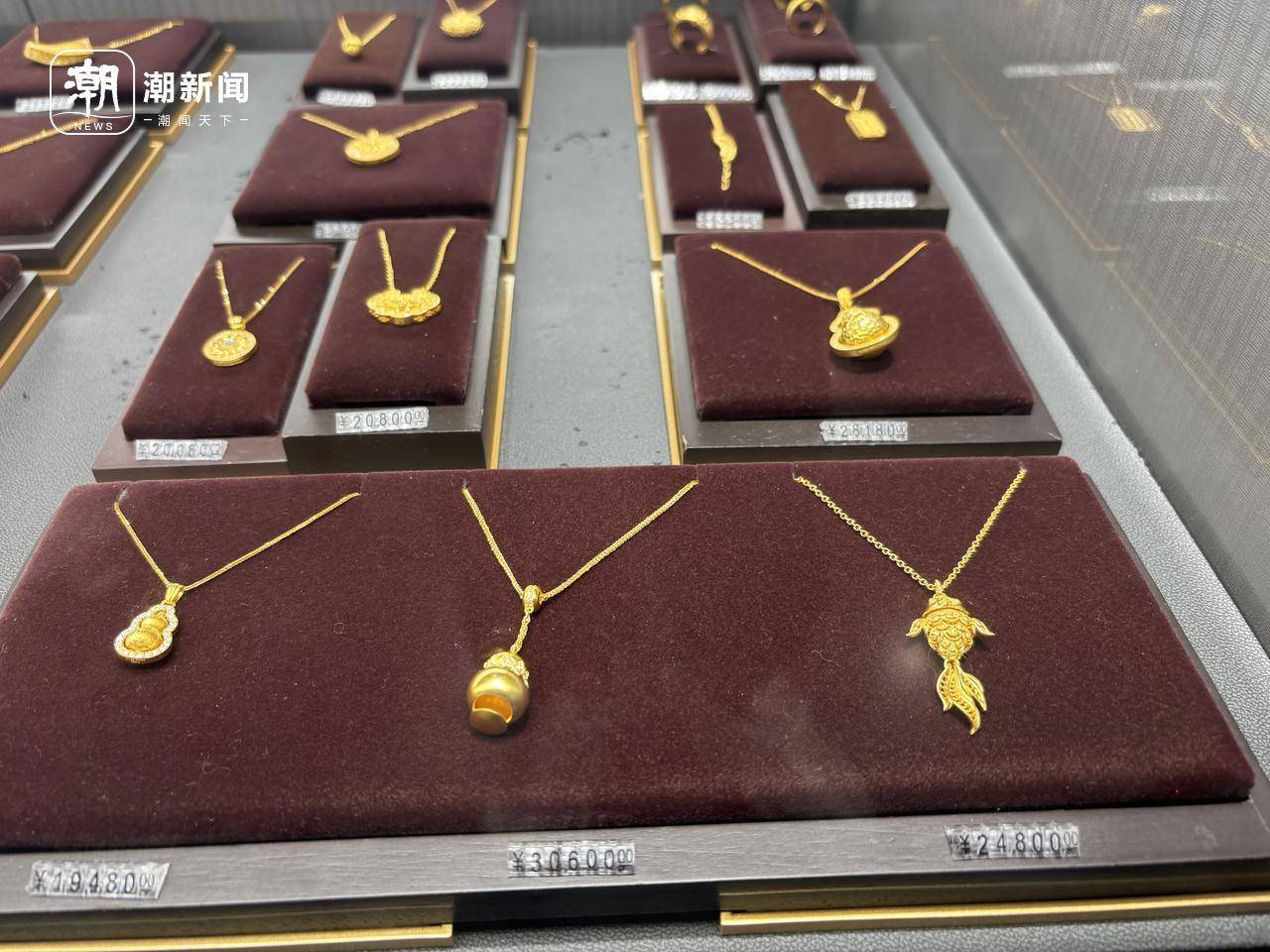
Core Viewpoint - The international gold market has reached a historic milestone with gold prices surpassing $5000 per ounce for the first time, leading to a surge in consumer demand and investment in gold products across China [1][3]. Price Movements - In January 2026, gold prices experienced extreme volatility, peaking at $5598.75 on January 29 before plummeting over 9% the next day to nearly $4400. By February, prices fluctuated around the $5000 mark, with significant daily movements of $200 to $300 [3][9]. - As of February 19, 2026, the London spot gold price remained high at $5014.62, indicating a strong market presence despite the volatility [3]. Consumer Behavior - The surge in gold prices coincided with the Lunar New Year celebrations, leading to a significant increase in gold purchases in China. Notably, the price of 24K gold reached 1530 yuan per gram, with some brands seeing prices drop to 1499 yuan, yet consumer enthusiasm remained high [4][6]. - Various gold products, including investment bars and jewelry, saw heightened demand, particularly larger gold ornaments intended for gifting. Younger consumers showed interest in smaller gold items for emotional value and investment [6][12]. Brand Pricing Strategies - High-end gold brands, such as Laopuhuangjin, announced price adjustments, with some brands implementing a unique "fixed price" strategy rather than traditional pricing based on weight. This led to long queues outside stores as consumers rushed to purchase before price hikes [6][7]. - Other major brands like Chow Sang Sang and Chow Tai Fook also adjusted prices for their fixed-price gold products, with increases ranging from 10% to 30% [7]. Market Drivers - Key factors driving gold price fluctuations include market speculation regarding the Federal Reserve's monetary policy, with expectations of potential interest rate cuts in June 2026, which could weaken the dollar and make gold more attractive [9][10]. - Geopolitical tensions, such as the conflicts between the U.S. and Iran and the ongoing Russia-Ukraine situation, have heightened demand for gold as a safe-haven asset [9][10]. Central Bank Purchases - Central banks globally have been increasing their gold reserves, with China's gold reserves reaching 74.19 million ounces by the end of January 2026, marking the 15th consecutive month of increases. This trend supports a long-term bullish outlook for gold prices [10]. Market Risks and Consumer Dynamics - Despite the bullish sentiment, significant volatility and potential risks remain in the gold market. Analysts predict 2026 could be a year of high volatility for precious metals, with potential profit-taking by investors leading to rapid price corrections [12][15]. - Consumers are engaging with gold investment through various channels, including banks offering low-entry gold investment options. However, the volatility has led to substantial losses for some high-frequency traders [12][15]. Price Discrepancies - There is a notable price disparity in the gold market, with retail prices for gold jewelry significantly higher than the recovery prices offered by gold recycling shops, highlighting the layered structure of the gold market [13]. Institutional Responses - In response to the gold buying frenzy, major banks have implemented temporary management measures for precious metal transactions, indicating a proactive approach to risk management amid rising market enthusiasm [15].

2月19日国际金价突然暴涨破顶,背后到底发生了什么?
Sou Hu Cai Jing· 2026-02-20 13:36
Core Viewpoint - The surge in gold prices, surpassing $5000 per ounce for the first time, is primarily driven by escalating geopolitical tensions in the Middle East and the weakening of the US dollar credit system [1][3][6]. Geopolitical Factors - The immediate cause of the gold price spike is the military escalation in the Middle East, with the US deploying F-35A fighter jets and aircraft carriers to the region, while Iran has declared its military readiness [3]. - Concurrently, other geopolitical hotspots, including the Ukraine conflict and tensions between Venezuela and the US, are contributing to increased demand for safe-haven assets like gold [4]. Economic Indicators - The US federal government is projected to face a significant increase in fiscal deficits, estimated to rise by $4.7 trillion over the next decade due to extended tax cuts, leading to unsustainable fiscal paths [6]. - The total US federal debt reached approximately $38.5 trillion at the beginning of 2026, with net interest payments expected to exceed $1.12 trillion for the fiscal year, indicating a growing burden on the economy [6]. Central Bank Actions - Global central banks have been actively purchasing gold, with a net total of 863 tons acquired in 2025, reflecting a trend towards "de-dollarization" and a shift in reserve asset allocations [8]. - Emerging market countries, particularly Poland and China, are leading this gold-buying trend, with Poland aiming to increase its reserves to 700 tons and China continuing its purchases for over a year [8]. Market Dynamics - The trading structure of the market amplified volatility, with approximately 73% of buy orders triggered by algorithmic trading systems as gold prices broke key resistance levels [10]. - Institutional investors, including China's sovereign wealth fund, significantly increased their long positions in gold futures, indicating strong confidence in gold as a safe asset [10]. Market Sentiment - The VIX index, a measure of market fear, rose to 28.6, while the GVZ index, tracking gold price volatility, also increased, reflecting genuine concerns about macroeconomic risks rather than mere retail investor sentiment [11]. - Despite a modest net inflow into gold ETFs, leveraged gold ETF positions surged, suggesting that fund managers are betting on sustained volatility in the gold market [11]. Banking Sector Adjustments - Banks are adjusting their positions by closing previously held short positions in gold and establishing long positions, driven by concerns over the rapid decline in the dollar's value compared to gold [13].

不救美元?中国抛售美债加持黄金,不到72小时,美高官罕见喊话。
Sou Hu Cai Jing· 2026-02-20 06:27
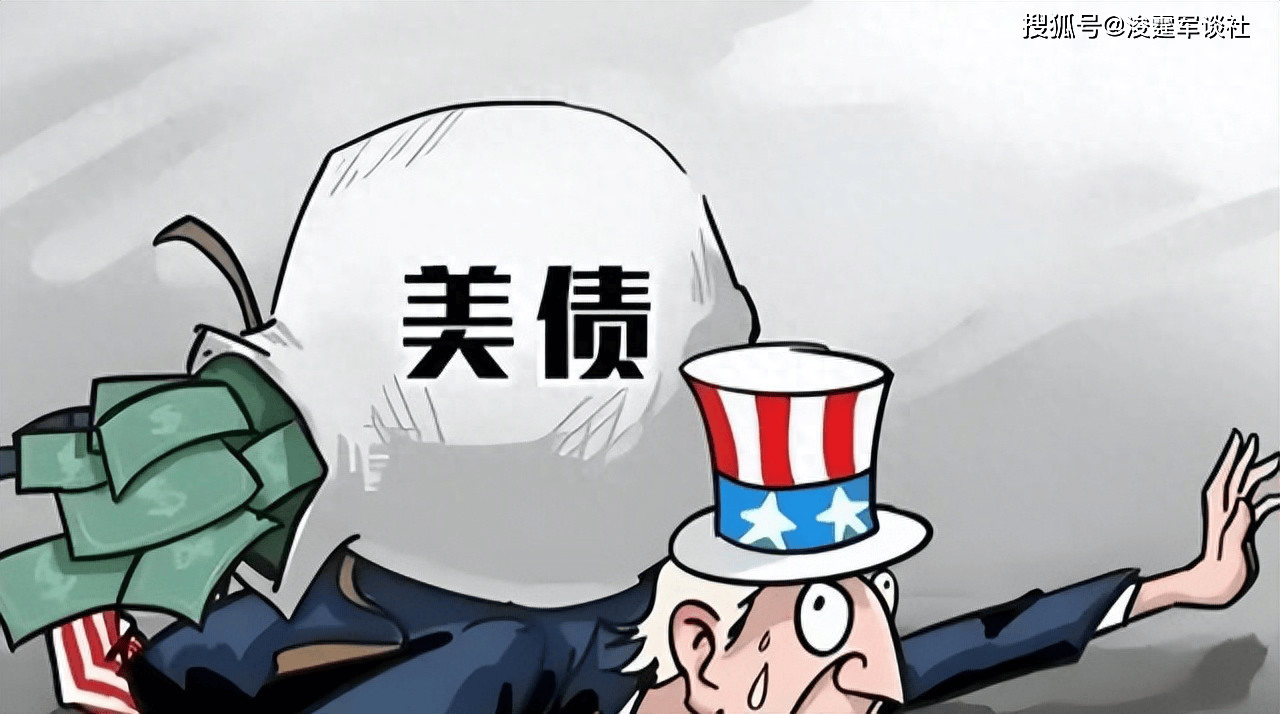
根据美国财政部最新披露的数据,中国持有的美债规模已降至6800多亿美元,较2013年峰值时的1.3万亿美元几乎腰斩。不同于市场恐慌性抛售,中国的减 持显得从容有序,大多采用"到期不续"的温和方式,每月以百亿美元左右的规模稳步缩减持仓,既避免了冲击全球金融市场,也实现了自身资产的理性调 整。 贝森特的罕见喊话,本质上是美国债务压力与经济困境的真实写照。如今美国国债总额已突破38万亿美元,每年支付的利息就超过1万亿美元,远超军费开 支,迫切需要外部资金支撑。中国作为曾经的美债主要持有国,其持续减持的动作,不仅减少了美债的外部需求,更动摇了全球投资者对美债的信心,推高 了美国的融资成本。 美方的表态充满矛盾,一边喊着"不脱钩",希望稳住中国的持仓与双边经贸合作,一边又在高科技、关键矿产等领域设置壁垒,试图遏制中国发展。这种既 要享受合作红利、又要防范遏制中国的逻辑,显然难以持续。 中国抛售美债、加持黄金,从来不是为了"打压美元",而是基于自身金融安全的理性选择,是推进外汇储备多元化的必然举措。在全球"去美元化"浪潮下, 越来越多国家开始调整资产结构,增持黄金、减持美债。中国的操作,既是顺应趋势,也是为自身经济发展筑 ...
经历大幅回调之后 贵金属还能买吗?
Sou Hu Cai Jing· 2026-02-20 03:48
Core Viewpoint - The international precious metals market is experiencing significant volatility, with gold and silver prices fluctuating dramatically, leading to mixed sentiments among investors regarding future buying opportunities [5][12]. Price Fluctuations - Gold prices reached a peak of nearly $5600 per ounce on January 29, 2026, but fell below $4500 per ounce just two days later, marking a volatility of over 20% within three trading days [5]. - Silver prices also saw extreme fluctuations, hitting a high of $121.647 per ounce on January 29 before plummeting by 26% the following day, currently trading below $80 per ounce [5]. Investor Sentiment - Many investors are expressing concerns that gold is no longer a safe-haven asset and that silver may be experiencing a bubble, prompting questions about the future direction of precious metal prices [5]. - Despite recent price drops, some investors are taking advantage of lower prices to buy gold, indicating a strong buying interest among those who prefer gold as a long-term store of value [9][12]. Market Analysis - Experts suggest that factors such as de-dollarization, geopolitical uncertainties, and ongoing central bank purchases are providing support for precious metal prices [6]. - UBS has raised its gold price target for the first three quarters of 2026 to $6200 per ounce, citing concerns over the independence of the Federal Reserve and geopolitical tensions as key drivers [12]. - JPMorgan forecasts that gold prices could rise to $6300 per ounce by the end of 2026 and further to $6600 per ounce in 2027, driven by sustained demand from central banks and investors [12]. Silver Market Outlook - The Silver Institute reports that the silver market will face a supply gap of 67 million ounces in 2026, with strong retail investment potentially offsetting declines in other demand areas [13]. - Analysts recommend that investors wait for reduced volatility before making further investments in silver, as current market conditions remain uncertain [15]. Investment Strategy - Analysts advise investors to maintain a balanced and cautious approach in the current volatile market, emphasizing the importance of not chasing prices and managing risk exposure [14][16]. - It is suggested that investors should consider their risk tolerance and avoid concentrating all assets in precious metals, maintaining a diversified investment portfolio [16].
“6826亿!中国抛售美债创08年新低,美专家:这招太狠根本管不了”
Sou Hu Cai Jing· 2026-02-19 16:30
前言 美国财政部1月15日扔出颗金融核弹:中国持有美债十年腰斩,只剩6826亿美元!这数字啥概念?相当于把2013年1.32万亿美元的峰值直接砍掉一半,一夜 回到雷曼兄弟倒闭前的2008年。更绝的是,全球都在疯狂接盘美债,单月增持1128亿美元创历史新高,唯独中国连续九个月"按按钮"。美专家跳脚喊"中国 用了新招,根本没法干预",这波操作到底藏着什么阳谋? 数字会说话:十年腰斩的"去美元化"实录 翻开美国财政部公告,每一行数据都在滴血。2013年中国握着1.32万亿美元美债,占海外持有量的20%,是美国最大债主。到2026年1月,这个数字缩水到 6826亿美元,直接腰斩51%。更耐人寻味的是节奏——2025年3月减持189亿,4月218亿,7月猛砸358亿,11月再砍61亿,像钝刀子割肉,月月见血。 对比更扎心:全球海外投资者同期狂买美债,总规模冲到9.36万亿美元新高。一边是中国"撤退",一边是世界"冲锋",这反差像极了牌桌上唯一清醒的玩 家。美国财政部数据摆在这儿,不服不行。 新招揭秘:美元贷款+人民币还款的"连环计" 美专家为啥慌?因为中国不直接卖债了,改用"曲线救国"。核心就两步:第一步,把闲置美元借 ...
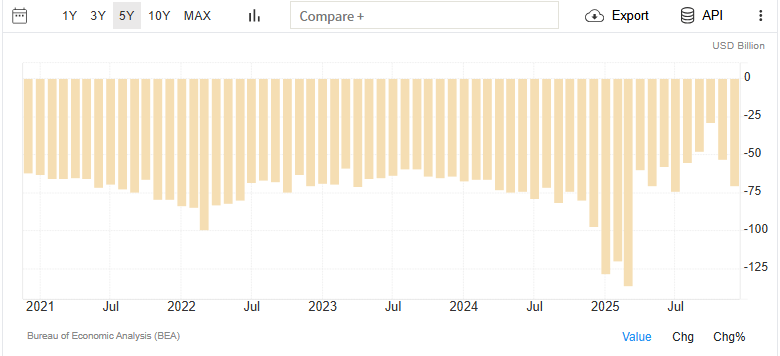
美国2025年贸易逆差录得9015亿美元,较去年仅下降20亿美元,对此你怎么看?
Sou Hu Cai Jing· 2026-02-19 16:24
Core Insights - The article discusses the complexities of the U.S. financial system, emphasizing that it operates more under the influence of Wall Street than the White House, leading to a persistent trade deficit driven by global investment in the U.S. economy [1][3] - The U.S. economy is characterized by high consumption and low savings, making it reliant on imports to meet domestic demand, which complicates efforts to reduce the trade deficit [6][7] - The article outlines the impact of tariffs introduced by the Trump administration, which, despite increasing revenue, have had limited success in significantly reducing the trade deficit [11][12] Group 1: U.S. Financial System and Trade Deficit - The U.S. financial market is primarily influenced by Wall Street, which prefers a system that allows for speculative trading rather than returning to a manufacturing-based economy [1] - The persistent trade deficit is attributed to strong foreign investment in the U.S., allowing global investors to benefit from American consumption and expansion [1][3] - The U.S. dollar's status as a global reserve currency keeps it strong, making imports cheaper and exports less competitive, thus reinforcing the trade deficit [7] Group 2: Economic Structure and Consumption Patterns - The U.S. economy has shifted towards a service-oriented structure, with manufacturing declining, leading to a reliance on imports for consumer goods [6][9] - The high consumer spending rate (over 65%) indicates a deep-rooted consumption-driven economic model that is difficult to change in the short term [6] - The manufacturing index is projected to remain below pre-2017 levels, indicating a lack of capacity to meet domestic demand through local production [6] Group 3: Tariff Policies and Their Effects - The introduction of high tariffs on key imports has not significantly reduced the trade deficit, as imports have shifted to countries with lower tariffs [11][12] - Tariffs have primarily affected high-demand goods, but the overall import levels have remained stable due to the low elasticity of demand for essential goods [11] - Despite increased tariff revenues, the trade deficit has only marginally decreased, highlighting the limitations of tariff policies in addressing structural trade imbalances [11][12] Group 4: Future Strategies for Trade Deficit Reduction - The article anticipates that the U.S. will adopt a mixed strategy of fiscal and monetary easing, tariff adjustments, and supply chain localization to address the trade deficit in the coming years [17][19] - There is an expectation of targeted interventions to manage inflation and support domestic consumption, particularly for low-income households [19] - Continued investment in key industries, such as semiconductors and rare earths, is seen as essential for reducing reliance on imports and improving the manufacturing sector [19]
游戏结束,中方不救美元了,特朗普在空军一号喊话中国,措辞强烈
Sou Hu Cai Jing· 2026-02-19 12:21
Core Viewpoint - In early 2026, China's adjustment of its asset structure, particularly its reduction of U.S. Treasury holdings, has caused significant fluctuations in the global financial market, raising concerns about the stability of the U.S. dollar and its role as a reserve currency [1][3][18]. Group 1: China's Actions - As of early 2026, China's holdings of U.S. Treasuries have fallen to $682.6 billion, the lowest level in 17 years, down from a peak of $1.3 trillion in January 2013, indicating a cumulative reduction of over $500 billion [7]. - The reduction in U.S. Treasury holdings is part of a gradual adjustment strategy that has been ongoing for over a decade, aimed at mitigating market volatility and concentration risks [7]. - China has been reallocating its assets towards more stable investments, such as increasing its gold reserves to 74.19 million ounces by the end of January 2026, and providing low-interest loans to developing countries like Indonesia and Argentina [9]. Group 2: U.S. Economic Context - The U.S. consumer price index (CPI) rose by 2.4% year-on-year in January 2026, with core CPI increasing by only 2.5%, the smallest rise since March 2021, indicating a significant reduction in inflationary pressures [5]. - The U.S. federal debt has surpassed $38 trillion, with annual interest payments exceeding $1.2 trillion, raising concerns about the sustainability of U.S. debt and the credibility of U.S. Treasury securities [13]. - The U.S. Treasury Secretary has expressed a desire to maintain a stable relationship with China while managing risks associated with the reduction of U.S. Treasury holdings [15]. Group 3: Global Financial Implications - The reduction of U.S. Treasury holdings by China has triggered a broader trend among the world's top eight holders of U.S. debt, with emerging markets like India and Saudi Arabia also reducing their holdings [18]. - The share of the U.S. dollar in global foreign exchange reserves has dropped to approximately 40%, the lowest in at least 20 years, while gold has surpassed U.S. Treasuries as the leading reserve asset [18]. - The fluctuations in the U.S. dollar reflect underlying issues such as fiscal imbalance and declining credit ratings, suggesting a shift towards a more diversified global monetary system [22].

【NIFD季报】美元指数走势变数加大 人民币有望温和升值——2025年年
Sou Hu Cai Jing· 2026-02-19 08:42
Core Insights - The report discusses the fluctuations in the US dollar index and the potential for a moderate appreciation of the Chinese yuan, projecting the yuan's exchange rate against the dollar to fluctuate between 6.7 and 7.1 in 2026 [2][50]. Global Foreign Exchange Market Overview - From December 31, 2024, to February 4, 2026, the US dollar index depreciated by 10%, from 108.48 to 97.65 [16][10]. - Major currencies globally appreciated against the dollar, with the Swedish krona, Swiss franc, euro, British pound, Canadian dollar, and Japanese yen appreciating by 18.7%, 14.3%, 14%, 9.1%, 5.0%, and 0.2% respectively [16][10]. US Dollar Index Analysis - The dollar index is expected to maintain a slow downward trend in 2026, projected to fluctuate between 93 and 100 [20][26]. - The depreciation in 2025 was influenced by multiple factors, including new trade tariffs, the Federal Reserve entering a rate-cutting cycle, and rising risks associated with US Treasury credit and liquidity [20][24]. Euro Exchange Rate Analysis - The euro appreciated by 14% against the dollar from December 31, 2024, to February 4, 2026, with the exchange rate moving from 1.0353 to 1.1806 [32][10]. - The euro's appreciation exceeded fundamental support, and it is expected to exhibit two-way fluctuations in 2026 [32][10]. Japanese Yen Exchange Rate Analysis - The dollar to yen exchange rate showed a V-shaped trend, with the yen depreciating by 11.4% from April 21, 2025, to February 4, 2026 [35][10]. - The yen's fundamental support is expected to remain weak in 2026, with potential for appreciation if internal policies improve and external conditions stabilize [35][41]. Chinese Yuan Exchange Rate Analysis - The yuan appreciated by 3.3% against the dollar from December 31, 2024, to February 4, 2026, with the middle rate moving from 7.1884 to 6.9533 [43][10]. - The yuan's exchange rate is supported by a weak dollar index, domestic economic policies, and a stable current account surplus, with expectations for moderate appreciation in 2026 [45][47].

美高官秘密来华一周!2月11日才曝光,提要求:中国得多买大豆,经贸谈判
Sou Hu Cai Jing· 2026-02-19 06:07
Core Viewpoint - The recent secret visit of senior U.S. Treasury officials to China highlights the underlying anxieties and strategic calculations amid global financial turmoil, particularly concerning the U.S. dollar's declining confidence and China's increasing gold reserves [1][3][5]. Group 1: Financial Market Dynamics - The secret visit occurred during a period of global financial instability, with the U.S. dollar index falling and gold prices rising significantly, indicating a loss of confidence in the dollar [3]. - Reports suggest that the People's Bank of China has been increasing its gold reserves for several months, while domestic banks are advised to reduce their holdings of U.S. Treasury bonds [3][5]. - The U.S. is facing unprecedented financial challenges, with a massive debt burden and annual interest payments exceeding $1 trillion, compounded by political divisions affecting fiscal policy [5][11]. Group 2: U.S.-China Relations - The U.S. aims to stabilize market sentiment through discussions on soybean purchases and financial stability, but China's response indicates a reluctance to be seen as merely accommodating U.S. demands [7][9]. - China's strategy involves diversifying soybean imports away from the U.S. to countries like Brazil and Argentina, reflecting a broader intent to reduce reliance on U.S. assets [9][15]. - The visit is seen as a desperate attempt by the U.S. to seek cooperation from China amid its own financial pressures, but China's firm stance suggests a complex negotiation landscape [13][15]. Group 3: Global Economic Implications - The visit underscores deeper issues within the U.S. financial system, including a long-term deterioration of fiscal health and challenges to the dollar's dominance as countries adjust their reserve structures [11][15]. - The trend of de-dollarization is becoming more pronounced, with China’s actions to increase gold holdings and diversify procurement strategies aligning with this global shift [9][15]. - The future of U.S.-China relations and the global financial landscape will likely evolve through these nuanced interactions, reflecting the ongoing adjustments in international economic dynamics [13][15].
