投资于人

Search documents
解题“十五五”投资,首编“全口径政府投资计划”怎么做
2 1 Shi Ji Jing Ji Bao Dao· 2025-11-08 12:02
Group 1 - The core viewpoint emphasizes the importance of expanding domestic demand as a strategic foundation during the 14th Five-Year Plan period, focusing on enhancing consumer spending and investment efficiency [1][2][6] - The government aims to optimize the investment structure by stimulating private investment and increasing government investment in consumption-related sectors to promote a virtuous cycle of investment and consumption [2][12] - There is a recognition of the need to invest in both physical assets (infrastructure, machinery) and human capital (education, healthcare) to support sustainable economic growth and improve living standards [6][9][11] Group 2 - The government plans to implement significant landmark projects in urban renewal, new energy systems, and major water conservancy projects, while ensuring that infrastructure investment continues to grow appropriately [8][14] - The strategy includes enhancing the quality of public services and addressing the needs of an aging population, thereby increasing demand for services in healthcare, elderly care, and cultural tourism [7][8] - The government will focus on improving the investment environment for private enterprises, ensuring fair competition, and providing financing support to stimulate private sector investment [15][16]

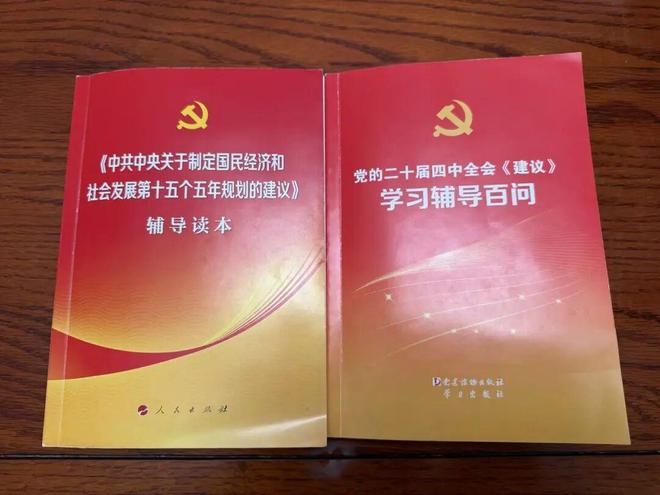
解题“十五五”投资,首编“全口径政府投资计划”怎么做
21世纪经济报道· 2025-11-08 11:54
Core Viewpoint - The article emphasizes the importance of expanding domestic demand as a strategic foundation during the "15th Five-Year Plan" period, focusing on enhancing consumer spending and effective investment to drive economic growth [1][5]. Group 1: Consumer Spending - The government aims to boost resident consumption by optimizing the environment, innovating consumption scenarios, and removing unreasonable restrictions in the consumption sector [1][2]. - Measures will be taken to enhance residents' income share in national income distribution, with a focus on increasing government funding for social welfare [1][6]. - The article highlights the need to address the challenges of paid leave and improve mechanisms to ensure its implementation [1]. Group 2: Effective Investment - The government plans to optimize investment structure by stimulating private investment and enhancing the role of government investment in driving consumption-related sectors [2][10]. - There is a focus on improving investment efficiency, particularly in transportation and energy sectors, to address issues of "heavy investment, light returns" [2][10]. - The article discusses the importance of deepening investment and financing system reforms, utilizing new policy financial tools, and enhancing public-private partnerships [2][10]. Group 3: Investment in People - The article stresses the significance of investing in human capital alongside physical assets, highlighting the need for investments in education, healthcare, and skills training [5][6]. - It points out that the return on investment in physical assets has been declining, necessitating a shift towards enhancing human capital to foster new productivity [6][8]. - The government is encouraged to prioritize public funding for comprehensive development across all demographics and life stages [8][12]. Group 4: Infrastructure and Major Projects - The "15th Five-Year Plan" will see the implementation of significant landmark projects in urban renewal, strategic transportation, and new energy systems [7][10]. - The government aims to maintain appropriate growth in infrastructure investment while ensuring it does not exceed necessary levels [7][10]. - Key projects will also focus on service consumption areas such as elderly care, healthcare, and cultural tourism to meet the evolving needs of the population [7][10]. Group 5: Policy Recommendations - The article suggests that local governments should shift from traditional competition models to optimizing human capital and creating a conducive environment for investment [8][14]. - It emphasizes the need for clear delineation between government and private investment roles to stimulate private sector participation [12][14]. - The article advocates for enhancing the investment environment for private enterprises, ensuring fair competition, and providing necessary support for risk management [14][15].

郑栅洁详解“十五五”扩内需举措,实施一批重大标志性工程项目
2 1 Shi Ji Jing Ji Bao Dao· 2025-11-07 10:33
Group 1: Core Strategy on Domestic Demand - The article emphasizes the importance of expanding domestic demand as a strategic foundation during the 14th Five-Year Plan period, focusing on enhancing consumer spending and optimizing the consumption environment [1][4] - Key measures include removing unreasonable restrictions in the consumption sector and improving mechanisms for paid leave to address the issue of "difficulties in taking leave" [1][4] - The long-term goal is to increase residents' consumption capacity and raise the proportion of residents' income in national income distribution [1][4] Group 2: Investment Expansion - The article outlines the need to actively expand effective investment, optimizing the investment structure to stimulate private investment and enhance government investment's role [2][7] - It highlights the importance of improving investment efficiency and addressing issues of "heavy investment, light returns" in certain sectors [2][9] - The focus is on deepening investment and financing system reforms, utilizing new policy financial tools, and enhancing the role of public-private partnerships [2][9] Group 3: Investment in People and Infrastructure - The article discusses the integration of investment in physical assets and human capital, emphasizing the need for investment in education, healthcare, and skills training to enhance human capital [3][4] - It points out that while there is still significant potential for investment in physical assets, the urgency of investing in human capital is increasing due to declining returns on physical capital investments [4][6] - The article stresses the necessity of addressing the needs of a diverse population and improving the quality of life through targeted investments in services like elderly care and healthcare [4][5] Group 4: Government and Private Investment Dynamics - The article calls for a clear delineation between government and private investment roles, aiming to enhance the effectiveness of both [7][9] - It suggests that government investment should focus on public service shortfalls and strategic areas, while also stimulating private investment through improved market conditions [8][12] - The need for a supportive environment for private enterprises is highlighted, including fair competition and risk management assistance [11][12]
读懂“十五五”规划建议,为什么要特别注意“投资于人”
Sou Hu Cai Jing· 2025-11-07 00:12
Group 1 - The core focus of the article is on the strategic shifts in China's economic planning, particularly the emphasis on building a modern industrial system and enhancing domestic demand as part of the "15th Five-Year Plan" [2][4] - The article highlights the importance of a complete industrial system in fostering technological innovation, contrasting it with the challenges faced by the U.S. in translating research into production [3] - There is a notable shift in the planning approach, with a greater emphasis on stimulating demand through consumption, investment, government spending, and exports, which are referred to as the "four engines of the economy" [4] Group 2 - The article discusses the significance of investing in human capital, particularly in education and health, as essential components for economic growth [5] - It notes a changing perspective among parents regarding education, with a growing preference for children's well-being over traditional skill acquisition [5] - The article mentions the diversification of investment channels, highlighting the strong performance of the A-share market and the influx of capital from Hong Kong, indicating a shift in investor sentiment towards Chinese markets [6][7]

21社论丨需完善“投资于人”的财政保障机制
21世纪经济报道· 2025-11-06 00:11
Core Viewpoint - The article emphasizes the importance of "investment in people" as a strategic approach to drive economic transformation and enhance human capital, which is essential for sustainable development and competitiveness in the context of China's modernization [1][5]. Group 1: Investment in Human Capital - "Investment in people" is crucial for transforming the vast potential of China's 1.4 billion population into a driving force for domestic circulation, focusing on enhancing individual capabilities and safeguarding rights [1]. - The shift from capital-intensive to talent-intensive industries highlights the changing nature of human capital, where knowledge, skills, and innovation capabilities are now the core values [1][2]. - A comprehensive capability development system covering the entire life cycle is necessary, including reforms in basic education, higher education, and vocational training to align with new industrial demands [2]. Group 2: Human Capital as a Consumer Driver - "Investment in people" not only enhances supply-side quality but also activates the consumer market, facilitating internal circulation [2]. - Cultivating innovative talent leads to the creation of new technologies and industries, generating new consumption scenarios and products, thus stimulating previously non-existent consumer demands [2]. - As individual capabilities improve, consumer demand shifts from basic needs to higher-quality lifestyle pursuits, driving growth in sectors like education, culture, tourism, and health [2]. Group 3: Enhancing Consumer Capacity - A systematic policy approach is needed to enhance consumer capacity, focusing on employment promotion, income increase, and stabilizing expectations [3]. - Employment policies should prioritize new economies and industries to achieve higher quality employment, while income distribution reforms should increase labor compensation and expand the middle-income group [3]. - Fiscal spending should be optimized to prioritize public welfare, ensuring that more funds are directed towards essential services like education, healthcare, and elderly care [3]. Group 4: Long-term Mechanisms for Investment - "Investment in people" requires long-term and systematic efforts, including establishing stable fiscal mechanisms that align with population movements and development needs [4]. - Local government performance evaluation systems should incorporate metrics related to human capital accumulation and public welfare improvements [4][5]. - Collaborative efforts among government, enterprises, and society are essential for building infrastructure in education, healthcare, and elderly care sectors [5].

21社论丨需完善“投资于人”的财政保障机制
2 1 Shi Ji Jing Ji Bao Dao· 2025-11-05 23:06
Group 1 - The core idea emphasizes the importance of "investment in people" as a strategic approach to drive economic transformation and enhance human capital, which is crucial for sustainable development in China [1][2][4] - "Investment in people" is seen as a key factor in shifting the global industrial competition from capital-intensive to talent-intensive, highlighting the need for a comprehensive human resource development system [1][2] - The strategy includes reforming education systems to focus on innovation, integrating higher education with research, and aligning vocational education with industry needs to cultivate high-quality talent [2][3] Group 2 - "Investment in people" is also critical for stimulating consumer demand and activating the internal market, as it leads to the creation of new consumption scenarios and products [2][3] - To enhance residents' consumption capacity, a systematic policy approach is required, focusing on employment promotion, income increase, and stabilizing expectations [3] - The need for a long-term mechanism to ensure stable and sustainable investment in public services and social welfare is highlighted, with an emphasis on optimizing fiscal expenditure towards basic needs [4]
信心指数持平50.3 全年5%增速有望实现
Sou Hu Cai Jing· 2025-11-05 17:13
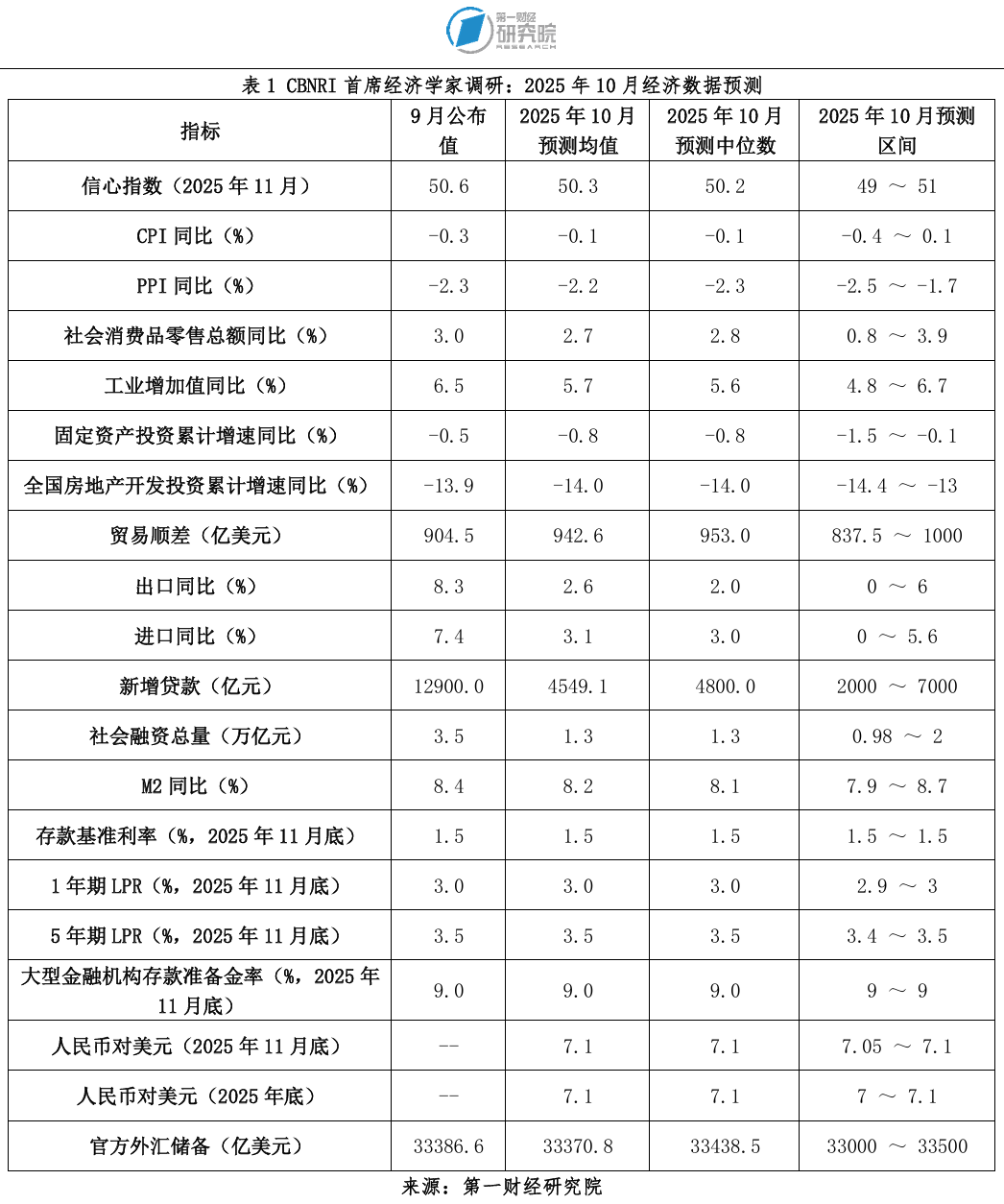
Economic Outlook - The necessity for domestic demand to take over from external demand is increasing as external demand's contribution to economic growth may weaken [1] - The central economic work conference at the end of the year is expected to continue advocating for a "more proactive fiscal policy" and "moderately loose monetary policy" [1] - Economists predict that China's economy will achieve a growth target of around 5% for the year, despite a complex external environment [2][3] Confidence Index - The "Chief Economist Confidence Index" for November 2025 is reported at 50.3, remaining stable from the previous month [2] - The index indicates a balanced outlook among economists regarding economic performance in the coming months [2] Inflation Predictions - The average forecast for October's Consumer Price Index (CPI) is -0.1%, while the Producer Price Index (PPI) is expected to be -2.2% [4] - CPI is anticipated to show a seasonal increase in the fourth quarter, while PPI's recovery will depend on policy support or improvements in overseas demand [5] Retail and Industrial Growth - The predicted growth rate for social retail sales in October is 2.7%, lower than the previous month's 3% [6] - Industrial value-added growth for October is forecasted at 5.7%, indicating a slight decline but still maintaining a strong performance [7] Investment Trends - Fixed asset investment growth is expected to be -0.8% for September, reflecting a slight decrease from the previous month [8] - Real estate development investment is projected to decline by 14% in October, indicating a worsening trend in the sector [9] Trade and Foreign Exchange - The trade surplus for October is predicted to be $94.26 billion, slightly higher than the previous month's figure [10] - The average forecast for the RMB to USD exchange rate by the end of November is 7.1, indicating stability in the currency [16] Monetary Policy and Financing - New loans for October are expected to decrease to 454.91 billion yuan, down from 1.29 trillion yuan in the previous month [11] - The total social financing volume for October is projected to be 1.3 trillion yuan, lower than the previous month's figure [13] Policy Focus - Macro policies are expected to strengthen coordination between fiscal and monetary measures, with an emphasis on infrastructure and social welfare investments [18] - The focus on "investment in people" aims to enhance human capital and stimulate domestic consumption, which is crucial for sustainable economic growth [19][20]
一财首席经济学家调研:信心指数持平50.3,全年5%增速有望实现
Di Yi Cai Jing· 2025-11-05 12:56
Economic Outlook - The economic confidence index for November 2025 is reported at 50.3, remaining stable compared to the previous month, indicating a steady economic outlook with a target growth rate of 5% for the year [1][4][8] - Economists predict that the external environment will remain complex and variable, emphasizing the need for domestic economic focus on restoring internal demand [1][7] Price Trends - The Consumer Price Index (CPI) for October is forecasted to be -0.1%, showing a slight recovery from the previous month's -0.3% [2][9] - The Producer Price Index (PPI) is expected to be -2.2%, slightly better than the previous month's -2.3% [2][9] Retail and Consumption - The year-on-year growth rate for social retail sales in October is predicted to be 2.7%, down from 3% in the previous month [2][10] - Factors affecting retail growth include a decline in automotive sales and a slowdown in the real estate market, despite positive trends in tourism and online consumption [11][10] Industrial Production - The industrial added value for October is expected to grow by 5.7%, a decrease from the previous month's 6.5% [2][12] - High-frequency data indicates strong production activity, particularly in steel and chemical sectors, suggesting continued robust industrial performance [12] Investment Trends - Fixed asset investment growth is projected to be -0.8%, slightly lower than the previous month's -0.5% [2][13] - Infrastructure investment is anticipated to receive a boost from new fiscal policies, while real estate investment continues to face challenges [14][15] Trade Balance - The trade surplus for October is forecasted to be $94.26 billion, an increase from the previous month's $90.45 billion [2][16][18] - Export growth is expected to be 2.6%, while import growth is projected at 3.1%, both lower than previous figures [18] Financial Indicators - New loans for October are expected to drop to 454.91 billion yuan from 1.29 trillion yuan in September [2][19] - The total social financing amount is predicted to be 1.3 trillion yuan, down from 3.53 trillion yuan in September [20] Monetary Policy - The M2 money supply growth rate is forecasted to be 8.2%, slightly lower than the previous month's 8.4% [21] - Economists expect little change in the LPR and reserve requirement ratios in the near term, with potential for slight adjustments to stimulate domestic demand [22] Currency and Foreign Reserves - The RMB to USD exchange rate is expected to stabilize at 7.1 by the end of November [3][23] - Foreign exchange reserves are projected to remain steady at approximately $333.71 billion [24] Policy Directions - Macroeconomic policies are expected to focus on enhancing infrastructure and social welfare, with an emphasis on "investment in people" to drive sustainable economic growth [26][27][29] - The government aims to improve residents' income and consumption capacity, which is crucial for stimulating domestic demand [31][32]
宏观纵览 | “投资于人”紧迫性凸显,官方详解发力点与新机遇
Sou Hu Cai Jing· 2025-11-04 08:01
Core Viewpoint - The importance and urgency of investing in people during the "14th Five-Year Plan" and beyond is increasingly highlighted, emphasizing the need to combine investments in material and human resources for sustainable economic growth [2][3]. Investment in People - The "14th Five-Year Plan" proposes that investment in people is a crucial direction, aiming to enhance development momentum, expand domestic demand, and promote comprehensive human development [2][3]. - Investment in people refers to enhancing capabilities and potential across the entire population and lifecycle, including areas such as childcare, elderly care, health, education, and skills training [2]. Economic Transition - The shift from capital-intensive to talent-intensive global industrial competition necessitates increased investment in human capital to drive innovation and demand, thereby establishing long-term competitive advantages for the economy [3][4]. - There has been insufficient investment in areas related to people's well-being and comprehensive development, making it essential to increase funding for education, healthcare, and elderly care to ensure high-quality population development [3][4]. Key Directions for Investment - Key areas for investment in people include: 1. Improving income distribution systems to ensure fair compensation based on contribution [3]. 2. Promoting equal access to basic public services and reducing disparities across regions and demographics [3]. 3. Increasing government investment in public welfare sectors such as childcare, education, healthcare, vocational training, and cultural sports [4]. 4. Enhancing human resource development, particularly for leading talents in technology and innovation [4]. 5. Establishing a long-term mechanism for investing in people, optimizing fiscal responsibilities, and encouraging various stakeholders to invest in human capital [4]. Government Investment Strategy - The National Development and Reform Commission emphasizes the need to better allocate government funds to address pressing development needs and improve people's livelihoods [4][5]. - The government aims to optimize investment structures, increase the proportion of welfare-related investments, and enhance the overall management of government investments to maximize their effectiveness [5]. Economic Outlook - The investment in people is seen as a logical mainline of the "14th Five-Year Plan," addressing systemic challenges and enhancing both social welfare and development quality [5][6]. - Future investments will focus on education, healthcare, and elderly care, as well as emerging technologies crucial for national competitiveness [6].

划重点!官方详解“投资于人”
第一财经· 2025-11-04 03:36
Core Viewpoint - The article emphasizes the importance of investing in human capital during the "14th Five-Year Plan" period, highlighting the need to combine investments in physical assets and human development to enhance economic growth and improve living standards [3][4]. Investment in Human Capital - The article discusses the shift from capital-intensive to talent-intensive global industrial competition, stressing the urgency of increasing investments in human capital to drive innovation and demand [4][5]. - It points out that historically, China has underinvested in areas related to people's well-being and comprehensive development, indicating that increased investment in education, healthcare, and elderly care is essential for improving quality of life and achieving common prosperity [4][5]. Key Directions for Investment - The article outlines several key areas for investment in human capital: 1. Improving income distribution systems to ensure fair compensation based on contribution [5]. 2. Promoting equal access to basic public services and reducing disparities across regions and demographics [5]. 3. Increasing government investment in social welfare sectors such as childcare, education, healthcare, vocational training, and cultural sports [5]. 4. Enhancing human resource development by investing in various talents, especially in technology and innovation [5][6]. 5. Establishing a long-term mechanism for human capital investment, optimizing fiscal responsibilities, and encouraging social participation [5][6]. Government Investment Strategy - The article mentions that China's fixed asset investment has reached 50 trillion yuan, but there is still a significant need for investment in social welfare and development [6]. - It highlights that the government will focus on combining investments in physical and human capital, which is expected to create new opportunities, such as the planned construction and renovation of over 700,000 kilometers of underground pipelines during the "14th Five-Year Plan," requiring an additional investment of over 500 billion yuan [6][7]. Economic Perspective - The article notes that the focus on human capital investment is not merely a welfare policy but a strategic approach to address systemic challenges and enhance development potential [6][7]. - It emphasizes that investments in human capital will be aligned with improving living standards and development quality, addressing key areas such as education, healthcare, and housing [6][7].