供应链金融

Search documents
3200亿现金托底,美的集团“不差钱”再抛百亿回购
2 1 Shi Ji Jing Ji Bao Dao· 2025-06-17 10:14
21世纪经济报道记者 翁榕涛 广州报道 "不差钱"的美的集团(000333.SZ)再次抛出百亿元回购方案。 6月16日,美的集团公告称,计划以50亿元至100亿元的金额回购股票,70%以上股份用于注销。 据21世纪经济报道记者不完全统计,自2021年以来,美的集团抛出的回购计划金额最高达370亿元。 Wind数据显示,美的集团自2015年以来,累计回购超过5亿股股票,占目前流通股的7%,累计回购金 额超过291亿元,若叠加此次回购方案,有望问鼎A股"回购王"。 此前A股"回购王"是另一家电企业格力电器(000651.SZ),数据显示自2021年进行了4次回购,累计回 购6.17亿股,累计回购金额近300亿元。 本就是"分红优等生"的美的,今年在分红和回购上更加大方,若按照回购方案上限100亿计算,今年美 的分红加回购金额的总额达到367亿元,已经接近2024年利润的95%,也就是去年绝大部分利润都拿出 来回馈股东和市场。 公告显示,美的集团此次回购金额不超过100亿元,不低于50亿元。回购所需资金来源于公司自有资金 及/或股票回购专项贷款。回购的股份当中,70%以上将用于注销以减少注册资本,剩余部分用于股权 ...

停止恶性内卷之风,不能止于新能源
Guan Cha Zhe Wang· 2025-06-17 05:08
Core Viewpoint - The increasing competition in the domestic market, particularly in the booming electric vehicle sector, has led to a price war that benefits consumers in the short term but poses long-term risks to companies, employees, and the overall economic ecosystem [1][3][21] Group 1: Impact on Labor - Intense competition has severely affected workers' income and working conditions, with companies often resorting to cost-cutting measures that exploit labor [3][4] - For instance, a leading battery manufacturer has been reported to implement an "896" work schedule, which translates to working from 8 AM to 9 PM, six days a week, with periods of continuous work lasting up to 100 days [4][6] - Despite the impressive growth in the electric vehicle sector, with production and sales reaching 12.888 million and 12.866 million units respectively in 2024, this growth has not translated into better conditions or pay for frontline workers [3][4] Group 2: Profitability Issues - The internal competition has resulted in generally low profit margins for manufacturing companies, with the total profit for large-scale industrial enterprises in China declining by 3.9% in 2024, totaling 55,141.1 billion yuan [6][10] - The operating income profit margin for the manufacturing sector was reported at 4.64% in 2024, indicating a challenging environment for profitability [6][10] Group 3: Consequences of Internal Competition - The phenomenon of "internal competition" has led to a reliance on low-cost labor, which is not sustainable in the long run and undermines the quality and technological advancement of products [6][12] - Companies are increasingly seeking "off-balance-sheet profits," engaging in activities that do not directly reflect their core business, which can lead to financial instability [13][14] - The rise of "supply chain finance" has become a common practice, where companies focus on capital operations rather than product quality, further exacerbating the issue of internal competition [14][15] Group 4: Regulatory Responses - Recent actions have been taken to address the issue of internal competition, such as halting below-cost bidding in the photovoltaic sector and encouraging mergers and resource consolidation in the semiconductor industry [21] - Major electric vehicle manufacturers have committed to reducing payment terms to suppliers to mitigate risks associated with supply chain finance, which could help stabilize the industry [21]

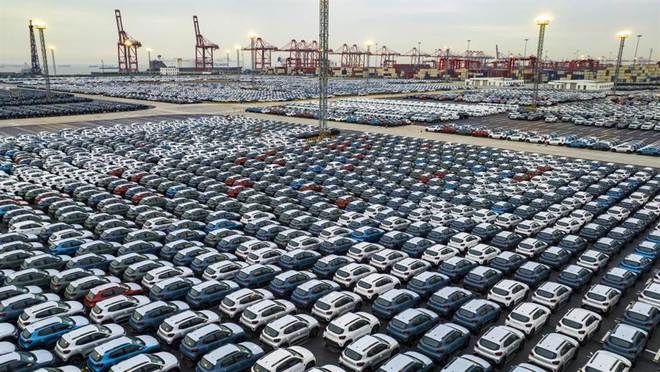
山东工行连续四年获评“山东省推动供应链金融发展优秀金融机构”
Zhong Guo Fa Zhan Wang· 2025-06-16 14:24
Core Viewpoint - The Shandong branch of the Industrial and Commercial Bank of China (ICBC) has been recognized as an "Excellent Financial Institution for Promoting Supply Chain Finance Development" for four consecutive years, highlighting its significant contributions to the local economy and supply chain finance sector [1]. Group 1: Supply Chain Finance Development - The development of supply chain finance is a crucial aspect of commercial banks implementing the national dual circulation strategy and enhancing financial services for the real economy [2]. - ICBC Shandong has provided supply chain financial services to over 320 leading enterprises in the province, with a total financing balance exceeding 12 billion yuan, including over 8 billion yuan in inclusive financing [1][2]. Group 2: Service Ecosystem Construction - ICBC Shandong is building a "1+5+X" digital supply chain financial service ecosystem, which includes a data financial service platform and partnerships with five strong supply chain financial service platforms [3]. - The bank collaborates with leading enterprises like Shandong High-Speed, Wanhua Chemical, and Weiqiao Group to provide tailored supply chain services that meet diverse needs [3]. Group 3: Product Innovation - ICBC Shandong has developed a "366" digital supply chain financial product system, which includes three major scenarios, six types of products, and six categories of tools to address funding flow bottlenecks in the supply chain [4]. - The bank has introduced innovative products like "Supply Bill Quick Loan" and has provided financing solutions to over 20 leading enterprises, effectively meeting the short-term funding needs of small and micro enterprises within the supply chain [4].

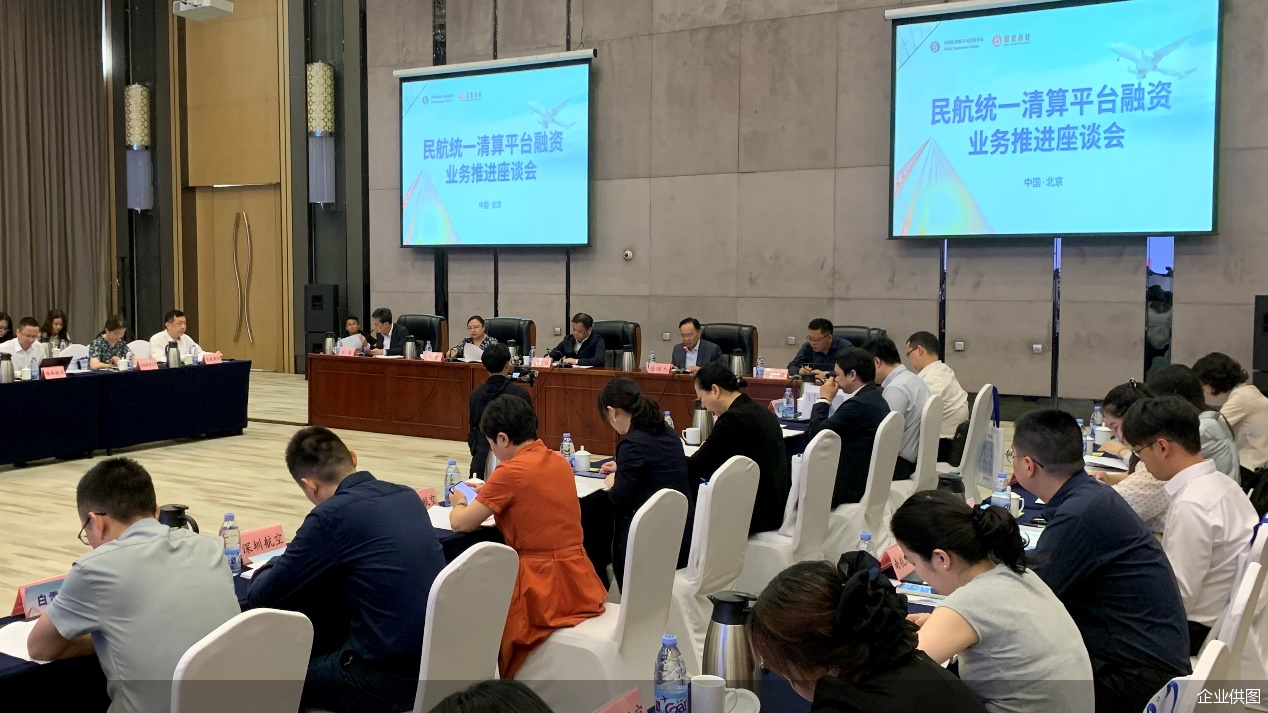
民航局清算中心与招商银行在京召开民航统一清算平台融资业务推进座谈会
Bei Jing Shang Bao· 2025-06-16 10:35
民航局清算中心相关负责人表示,清算中心成立20年来始终坚守"服务民航、创新发展"的理念,深入贯彻落实民航局党组决策部署,致力于服务行业高质量 发展,希望此次座谈会能够进一步促进交流、凝聚共识,广泛听取各方意见,共同推动民航统一清算平台融资业务优化创新,更好助力民航行业健康发展。 招商银行相关负责人表示,招商银行自立行起始终坚持"因您而变"的服务理念,科技创新的战略方针,稳健审慎的经营理念,在服务社会民生、服务实体经 济、服务国家战略的过程中探索发展之路。此次联合清算中心推出民航产业金融一揽子解决方案,是金融行业与民航产业链深度融合、践行"服务实体经 济"使命的创新举措。 6月6日,民航局清算中心与招商银行在京成功联合召开民航统一清算平台融资业务推进座谈会,共同研讨交流民航供应链融资创新实践,探讨民航业未来融 资业务发展新理念、新方向、新路径。51家境内客货运航空公司代表出席本次会议,民航局财务司派人到会。 会上,招商银行与民航局清算中心联合推出民航行业供应链金融解决方案——"航融易",并就"航融易"体系下针对机场服务费支付场景的"航司贷"标准化流 程进行了详细解读。此举旨在通过招商银行自身特色优势和深耕民航业 ...

会员金选丨教授公开课:中美关税松绑背后的深层博弈,寻找企业的破局之道
第一财经· 2025-06-16 03:35
Core Viewpoint - The US-China tariff conflict is a decisive force reshaping the global economic order, with both countries vying for dominance over supply chains, technology standards, and development models [1] Group 1: Tariff Dynamics - The 2025 Geneva Agreement is a backdrop for the ultimate struggle for industrial chain dominance, where the US employs a dynamic tariff system under Trump's policies to segment high-end manufacturing chains [1] - China retaliates against technological blockades using strategic resources like rare earths, directly influencing 42% of the global intermediate goods supply chain and increasing uncertainty in global supply chains [1] Group 2: Strategic Responses - Chinese companies are implementing overseas strategies to achieve supply chain restructuring and localized operations, seeking new pathways amid dynamic tariffs and technological barriers [1] - The analysis by Professor Hu Jie aims to decode policies and provide insights for enterprises to navigate the complexities of global value chain restructuring [1] Group 3: Expert Background - Professor Hu Jie is a practice professor at Shanghai Jiao Tong University and has extensive experience in financial economics and policy analysis, having worked at the Federal Reserve Bank and in investment banking in Hong Kong and Singapore [2][3] - His research and teaching focus on financial markets, macroeconomic policies, fintech, and the internationalization of Chinese enterprises [2][3] Group 4: Event Information - An event featuring Professor Hu Jie will discuss the deeper dynamics behind the US-China tariff relaxations, providing a platform for interaction and exchange [2][4]
市场点评报告:车企承诺“60天账期”,供应链迎重构契机
Bank of China Securities· 2025-06-16 02:26
Core Insights - The report highlights the commitment of several automotive companies to a "60-day payment term" for suppliers, aimed at enhancing supply chain efficiency and responding to the new regulations effective from June 1, 2025 [2][3] - The adjustment in payment terms is expected to alleviate financial pressure on suppliers, particularly small and medium-sized component manufacturers, thereby reducing financing costs and enabling more investment in technological innovation and production upgrades [3] - Standardizing payment terms is anticipated to create opportunities for value reconstruction in the supply chain finance sector, improving risk assessment and financing solutions offered by financial institutions [3] Market Commentary - The collective commitment from automotive companies is seen as a positive signal for the industry, promoting healthy development within the supply chain [3] - The reduction in payment terms is expected to enhance the efficiency of capital allocation for automotive companies, minimizing credit risks and legal disputes associated with delayed payments [3] - The report suggests that the shift towards a standardized payment term could lead to a transformation in the industry towards a model of "value co-creation and shared benefits" [3] Challenges - The report identifies several challenges in implementing the "60-day payment term," including the inertia of existing payment practices, where some companies previously maintained payment terms exceeding 170 days [3] - The difficulty of digital transformation and process optimization, particularly for smaller enterprises, may hinder the full implementation of the new payment terms in the short term [3] - The lack of a robust credit system and regulatory mechanisms may reduce the motivation for companies to adhere to the new payment commitments, impacting the effectiveness of the policy [3]





让金融正本清源方可防风险、注活力
第一财经· 2025-06-16 00:47
Core Viewpoint - The article emphasizes the importance of revitalizing existing assets and liabilities within the economy to stimulate growth, highlighting recent government efforts and financial data that indicate a significant increase in social financing and government bond issuance [1][2]. Group 1: Financial Data Insights - The People's Bank of China reported that the cumulative increase in social financing for the first five months reached 18.63 trillion yuan, a year-on-year increase of 3.83 trillion yuan [1]. - In May, the social financing increment was 2.29 trillion yuan, which is 224.7 billion yuan more than the previous year [1]. - M2 money supply grew by 7.9% year-on-year, while M1 increased by 2.3%, resulting in a M2-M1 gap of 5.6 percentage points, which narrowed by 0.9 percentage points from April [1]. Group 2: Government Bond Contributions - Government bonds accounted for the largest contribution to social financing this year, with net financing of 6.31 trillion yuan in the first five months, an increase of 3.81 trillion yuan year-on-year [1]. - The issuance of replacement bonds by various levels of government is expected to correspond to approximately 2.3 trillion yuan in replaced loans [1]. Group 3: Policy and Structural Adjustments - The State Council approved a plan to improve the credit repair system, which aims to enhance liquidity for enterprises and households by addressing accounts receivable issues [2]. - The total accounts receivable for large industrial enterprises reached 26.06 trillion yuan at the end of 2024, reflecting an 8.6% year-on-year increase [2]. - The article suggests that removing policies that hinder mergers, acquisitions, and bankruptcies will strengthen supply chain governance and reduce financial costs for enterprises [2][3]. Group 4: Supply Chain Financial Services - There is significant room for growth in supply chain finance, as evidenced by a 1.343 trillion yuan increase in non-discounted bank acceptance bills in the first five months, with a notable decline in May [2][3]. - The article highlights the need for government incentives to improve supply chain financial services and ensure that commitments regarding accounts receivable are honored [3]. Group 5: Household Financial Structure - The article calls for the modification of systems to facilitate adjustments in household asset-liability structures, including the introduction of personal bankruptcy mechanisms [4]. - It emphasizes the importance of addressing risks within the economic system to ensure that government, enterprises, and households can manage and sustain their debts effectively [4].

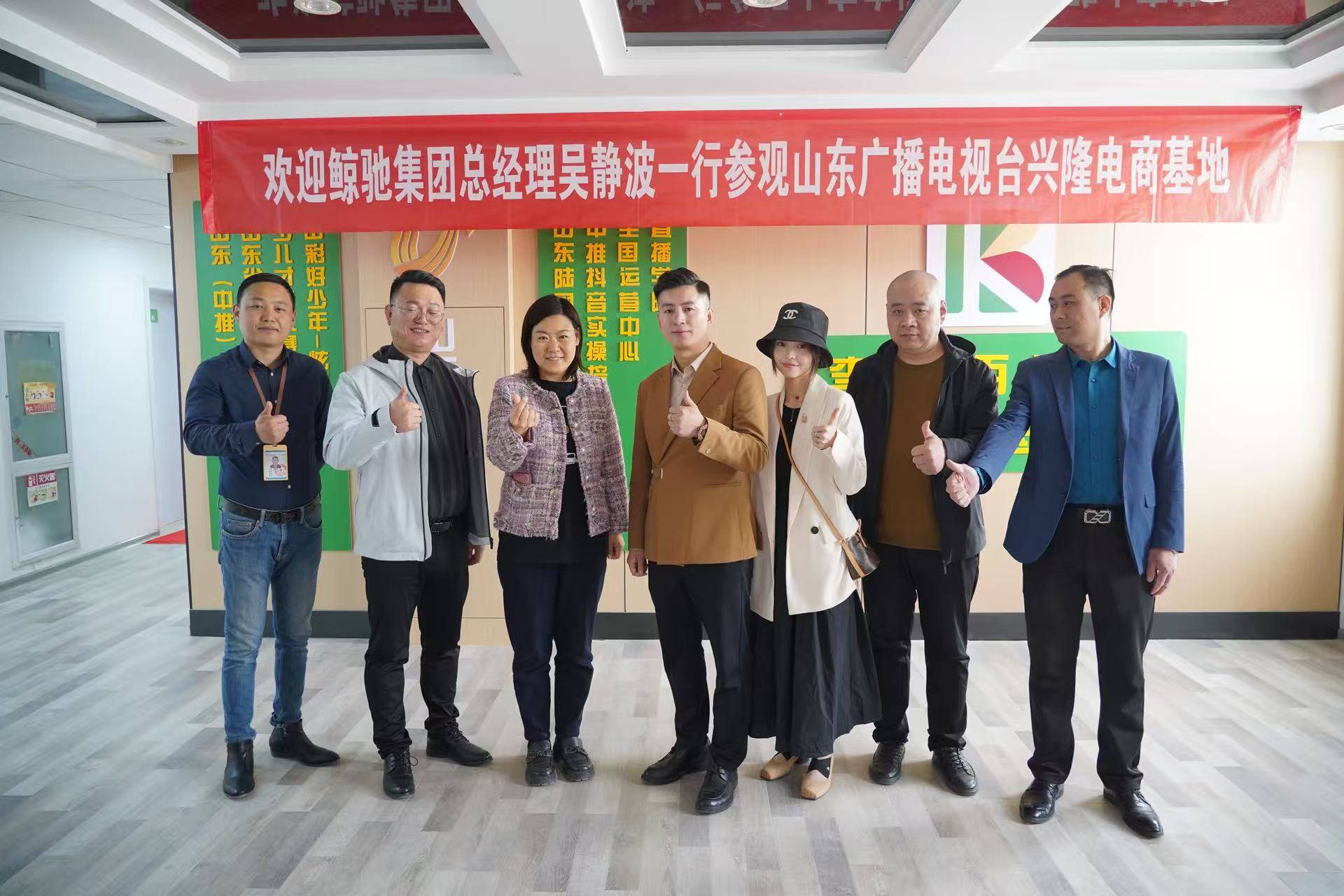
鲸驰(河北)网络科技集团负责人应邀到广电直播基地座谈交流
Sou Hu Cai Jing· 2025-06-16 00:31
2025年6月,河北省跨境电子商务协会副会长、鲸驰集团CEO吴静波应邀前往广电孵化基地进行座谈交流。此次座谈围绕国内电商、跨境电商、国际贸易、 境外仓储、供应链及金融、AI大模型等多领域展开,持续了四个小时,内容丰富且深入。 座谈中,吴静波首先分享了鲸驰集团在国内电商领域的布局与创新。他指出,随着市场竞争的加剧,国内电商需要更加注重用户体验和服务质量,同时借助 大数据和AI技术实现精准营销和个性化推荐。他还提到,鲸驰集团通过优化供应链管理,实现了产品的快速响应和高效配送,提升了市场竞争力。 在供应链及金融方面,吴静波指出,供应链的稳定性和金融支持是企业发展的基石。鲸驰集团通过与金融机构合作,建立了完善的供应链金融体系,为企业 提供了充足的资金支持,同时也保障了供应链的稳定运行。 最后,吴静波着重介绍了AI大模型在电商领域的应用。他提到,鲸驰集团正在积极探索AI大模型在智能客服、智能推荐、数据分析等方面的应用,通过AI 技术提升企业的运营效率和用户体验。他还分享了AI技术在跨境电商中的应用案例,展示了其在语言翻译、市场分析等方面的优势。 在跨境电商方面,吴静波详细介绍了鲸驰集团的国际化战略。他强调,跨境电商是企 ...
60天账期≠60天回款!车企账期仍普遍超200天?什么原因→
第一财经· 2025-06-15 23:58
Core Viewpoint - The recent focus on standardizing supplier payment terms to within 60 days by leading automotive companies has reignited discussions around supply chain financial tools, particularly accounts receivable electronic certificates and their potential regulation [1][4][18]. Summary by Sections Supplier Payment Terms - Nearly 20 automotive companies have announced a unified payment term of 60 days for suppliers, but concerns remain regarding the calculation rules and payment methods [1][4]. - The revised "Regulations on Payment of Funds to Small and Medium-sized Enterprises" emphasizes that large enterprises must pay within 60 days and cannot force small suppliers to accept non-cash payment methods [5][19]. Supply Chain Financial Tools - Accounts receivable electronic certificates were initially designed to alleviate "triangle debts" in the supply chain and help small enterprises with financing issues, but their misuse has raised concerns [2][10]. - The market for accounts receivable electronic certificates is projected to reach 4.4 trillion yuan by 2024, with financing amounts around 3 trillion yuan [12]. Payment Methods and Their Impact - The reliance on commercial bills (商票) varies among companies, with some like BYD and GAC using them more extensively, while others like BAIC and SAIC have committed to eliminating them [3][6][7]. - The average accounts payable turnover days for major automotive companies exceed 100 days, indicating a significant delay in payments [8][16]. Regulatory Developments - New regulations have been implemented to tighten the use of supply chain financial tools, aiming to ensure that payment terms are clear and that the tools are not misused to extend payment periods [18][19]. - The recent regulations also highlight the importance of a genuine trade background for electronic certificates and set a maximum payment term of one year [19]. Future Outlook - The future of accounts receivable electronic certificates remains uncertain, but a complete ban across the industry is unlikely due to their established demand and the scale of their use by core enterprises [18][20]. - The industry is moving towards a model that emphasizes data credit over core enterprise credit, which may lead to healthier competition and development of various financial tools [21].

60天账期≠60天回款!车企账期仍普遍超200天?什么原因→
第一财经· 2025-06-15 23:58
Core Viewpoint - The recent focus on standardizing supplier payment terms to within 60 days by leading automotive companies has reignited discussions around supply chain financial tools, particularly accounts receivable electronic certificates, which have faced scrutiny for their potential misuse and lack of regulation [1][19]. Summary by Sections Supplier Payment Terms - Nearly 20 automotive companies have announced a unified payment term of 60 days for suppliers, but concerns remain regarding the calculation rules and payment methods [1][4]. - The revised "Regulations on Ensuring Payment to Small and Medium Enterprises" has been implemented, mandating large enterprises to pay within 60 days of delivery [4][5]. Supply Chain Financial Tools - Accounts receivable electronic certificates were initially designed to alleviate "triangle debts" in the supply chain and help small businesses with financing challenges [2][14]. - The market for accounts receivable electronic certificates is projected to reach 4.4 trillion yuan by 2024, with financing amounts around 3 trillion yuan [13]. Payment Methods and Their Implications - Some companies, like BAIC and SAIC, have committed to eliminating commercial acceptance bills (商票) as a payment method, which has been criticized for increasing supplier financial pressure [6][7]. - The use of commercial bills is relatively low among major automotive companies, with a significant reliance on bank bills instead [7][8]. Regulatory Developments - New regulations have been introduced to tighten the use of supply chain financial tools, particularly focusing on the transparency and duration of payment terms [19][20]. - The recent regulations emphasize the need for a real trade background and set a principle that payment terms for electronic certificates should generally not exceed 6 months [20]. Industry Challenges - The accounts receivable electronic certificates have been criticized for potentially extending payment periods, with some certificates having terms as long as 2 years [16][17]. - The financial strain on small suppliers is exacerbated by the reliance on core enterprises, which can manipulate payment terms to their advantage [15][21]. Future Outlook - The future of accounts receivable electronic certificates remains uncertain, but the demand for such tools is expected to persist, albeit with increased regulation [19][20]. - The industry is moving towards a model that emphasizes data credit over core enterprise credit, which may lead to healthier competition and development of various financial tools [21].