可再生能源

Search documents
全球大公司要闻 | SpaceX 启动华尔街投行竞标
Wind万得· 2025-12-14 22:36
// 美洲地区公司要闻 // // 热点头条 // 1.SpaceX:高管已启动华尔街投行甄选程序,为公司首次公开募股(IPO)提供顾问服务。知情人士表示,多家投行定于本周进行首轮提案,这一过程被 称为 "竞标角逐"(bake-off),是这家火箭制造商朝着可能成为 "重磅 IPO" 迈出的最具体步骤。 2.英伟达:消息称英伟达计划于本周举办一场闭门峰会,旨在破解AI时代日益严峻的数据中心电力短缺困局。本月初,摩根士丹利将2025-2028年美国数 据中心累计电力缺口从44吉瓦上调至47吉瓦,相当于9个迈阿密或15个费城的用电量。 // 大中华地区公司要闻 // 1.白鸽在线:赴香港上市获中国证监会备案通知书,由民银资本、中银国际担任联席保荐人。公司作为中国领先的场景互联网保险中介,2024年按总保费 计在中国第三方场景互联网保险中介中位列第一,市场份额为3.4%。 2.银河通用:传已聘请中信、华泰、瑞银负责香港上市事宜,最早可能在明年首季向港交所递交申请,本次IPO估值预计为30至40亿美元。公司主营具身 多模态大模型与通用机器人研发,股东包括宁德时代、美团等战略投资方。 3.澜起科技:获境外发行上市备案, ...


特朗普各种打压之下,可再生能源板块“意外”成了美股大赢家
Hua Er Jie Jian Wen· 2025-12-14 11:53
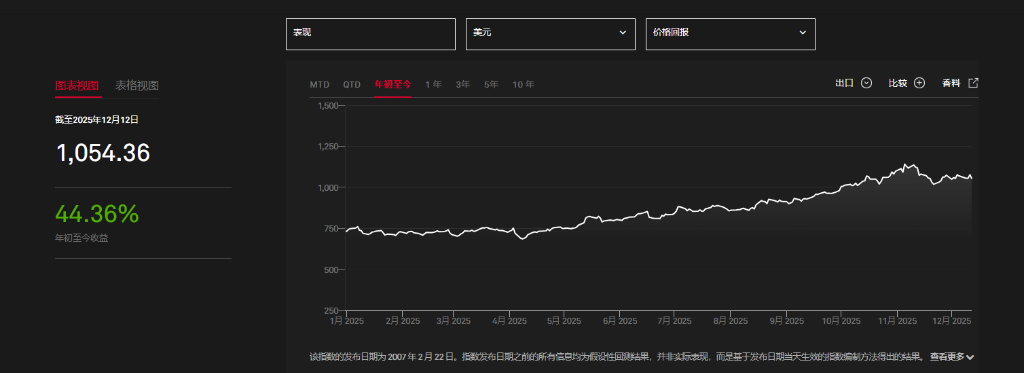
尽管美国总统特朗普力推其"大石油"议程,但清洁能源股今年却迎来了蓬勃发展。 最新数据显示,衡量该板块表现的标普全球清洁能源转型指数(S&P Global Clean Energy Transition Index)今年已飙升44%,远超标普500指数 16%的涨幅。 这一表现与市场年初的普遍预期大相径庭。当时,投资者因担心特朗普政府会放弃绿色政策、转而支持化石燃料而纷纷抛售太阳能和风能生产商 等股票。 然而,现实是,该指数的表现甚至超过了标普全球石油指数11%的涨幅,这一指数曾被认为是特朗普"钻探吧,宝贝,钻探吧"议程下的主要受益 者。 AI点燃能源需求 个股表现与估值吸引力 市场的乐观情绪直接反映在个股的惊人涨幅上。今年以来,美国燃料电池制造商Bloom Energy Corp.的股价飙升了328%。在欧洲,西门子能源的 股价也翻了一倍多。 人工智能的蓬勃发展是此轮清洁能源行情的核心驱动力。据彭博新能源财经预测,未来十年内,源自AI训练和服务的电力需求将增长四倍,这将 使数据中心成为全球电力消耗增长最快的领域之一。 巨大的能源缺口意味着所有形式的能源都将被需要。贝莱德国际基本面股票首席投资官Helen Je ...
视频丨国际人士表示中国高质量发展表现出色 为世界经济注入稳定性
Yang Shi Xin Wen Ke Hu Duan· 2025-12-13 08:48
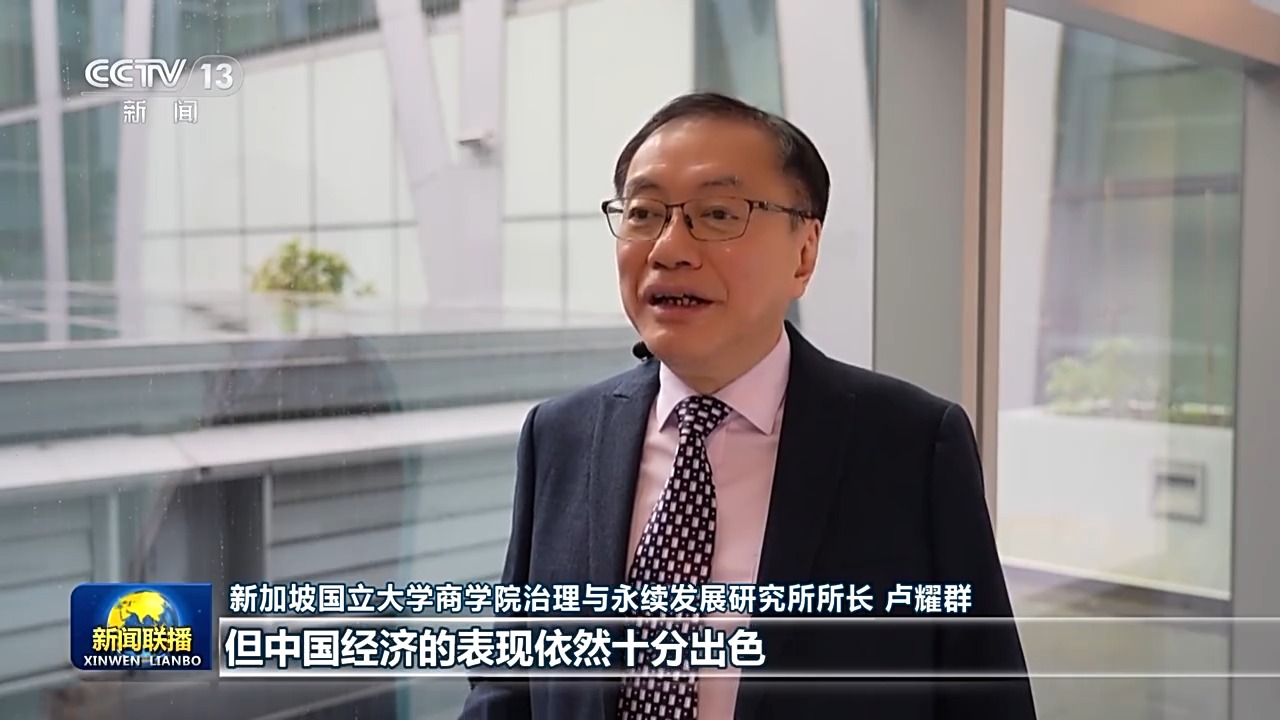
0:00 新加坡国立大学商学院治理与永续发展研究所所长 卢耀群:尽管全球面临不确定性带来的逆风,但中国经济的表现依然十分出色,中国注重高质量发展, 推动经济向新向优转型,实现各领域稳定增长,为新一阶段的发展奠定了坚实基础,可以看到中国下一阶段发展的重点包括创新、科技、消费等,这将为中 国人民带来更高品质的生活,也有助于增进全球人民的福祉。 英国48家集团俱乐部主席 杰克·佩里:中国是可再生能源领域的引领者,大力发展风力发电、太阳能发电、并在氢能等领域积极投入,中国领导人目光长 远,表面看"十五五"规划是对未来五年的规划,事实上不止于此,中国着眼于更长远的未来,从中国对新能源、量子科技、人工智能等领域的重视可以看 出,中国对世界未来发展方向的敏锐洞察力。 国际人士指出,面对复杂的国际环境,中国坚持推进经济高质量发展表现出色,为世界经济注入宝贵的稳定性和确定性。 德国黑森州欧洲及国际事务司前司长 国际问题专家 博喜文:是的,我们已经看到中国在"十四五"时期实现显著的增长,完成了既定的目标,其主要推动力 来自于中国大力推进的高质量发展,这是非常具有前瞻性的,发展的势头也将延续到"十五五"期间。 国际人士表示,中国不 ...
无视政策逆风,美国Q3太阳能装机大涨20%:开发商抢在税收优惠退坡前“囤积”项目
Hua Er Jie Jian Wen· 2025-12-12 08:00
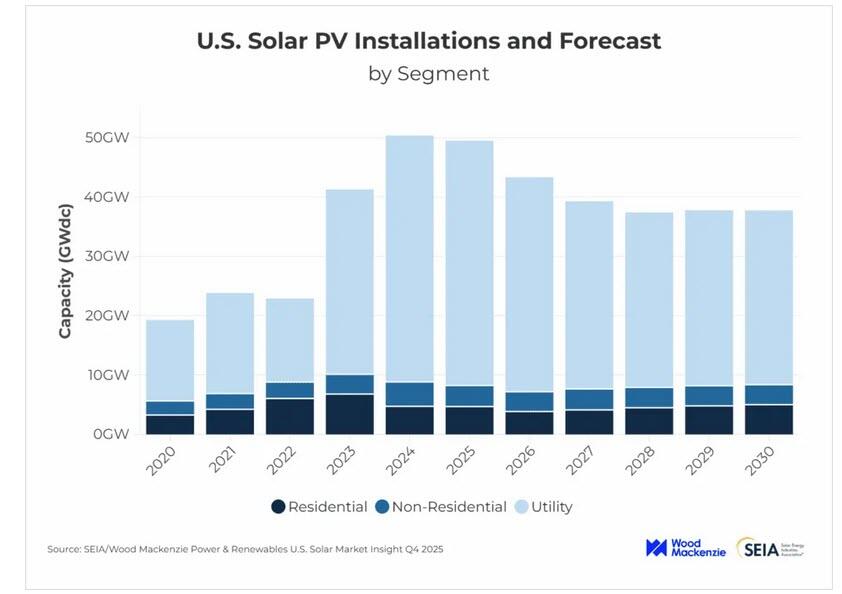
Core Insights - The U.S. solar market experienced significant growth in Q3, with developers accelerating project completions to take advantage of tax incentives before they decline [1][3] - The third quarter saw a record installation of 11.7 gigawatts (DC) of solar capacity, marking a 20% year-over-year increase and a substantial 49% quarter-over-quarter increase, making it the third-largest quarterly deployment in industry history [1][3] Group 1: Tax Incentives and Project Deployment - The strong performance in Q3 is attributed to the completion of large utility-scale solar projects, many of which were nearly finished in Q2 and entered the final deployment phase in Q3 [3] - Utility-scale solar installations reached record levels in Q3, driven by developers' urgency to complete projects before the policy deadline [3] - Wood Mackenzie predicts a rush to execute quality projects to meet the legal requirement of starting construction by July 4, 2026, to qualify for investment tax credits (ITC) or production tax credits (PTC) [3] Group 2: Policy Uncertainty and Challenges - Despite the strong Q3 performance, federal permitting freezes pose uncertainties and risks for the industry's future development [5] - The CEO of SEIA highlighted that unless the current government changes its direction, the future of clean, affordable, and reliable solar and storage will remain uncertain, leading to rising energy bills for Americans [5] - The strong recovery in Q3 following the tumultuous OBBBA legislation indicates market resilience, but strict timelines and policy adjustments still cast a shadow over long-term prospects [5] Group 3: Regional Deployment Trends - The geographical distribution of installations reveals a political-economic pattern, with states that voted for Trump leading in solar deployment, indicating a positive attitude towards clean energy infrastructure in these regions [6] - Traditional energy states like Texas, Indiana, and Florida are among the top in new solar installations, reflecting the increasing importance of renewable energy in the U.S. energy landscape, transcending traditional political divides [6]

【环球财经】非洲能源互联网与中非能源合作研讨会在非盟举行
Xin Hua Cai Jing· 2025-12-12 06:54
新华财经亚的斯亚贝巴12月12日电 非洲能源互联网与中非能源合作研讨会11日在位于埃塞俄比亚首都 亚的斯亚贝巴的非洲联盟(非盟)总部举行。来自中非双方的政府、企业、智库等代表就非洲能源发 展、电网互联互通、中非合作等话题展开讨论。 中国驻非盟使团团长蒋烽在致辞时表示,作为全球最大的可再生能源生产国和消费国,中国已构建起全 球最大的可再生能源体系,为全球能源转型和绿色发展做出了巨大贡献。"中国的相关经验和技术可以 为非洲国家提供借鉴和帮助。" 非洲能源委员会执行主任拉希德·阿卜杜拉(Rashid Abdallah)指出,非洲正处于能源转型的关键节点。 尽管非洲拥有丰富的可再生能源资源以及不断完善的能源与电力基础设施,但是非洲仍需更充分的规划 和更大的投资,才能更好地释放这些潜能。 据悉,此次研讨会由中国驻非盟使团、全球能源互联网发展合作组织和非洲能源委员会共同主办。与会 人员介绍了非洲国家能源发展的政策与规划,并探讨了非洲大陆绿色能源项目的机遇与挑战,旨在搭建 中非沟通协作的桥梁、携手推动中非能源领域的可持续发展。 (文章来源:新华财经) 全球能源互联网发展合作组织副秘书长李宝森说,中非友谊源远流长,绿色能源是 ...
美联储宣布降息后铜价逼近历史新高
Xin Lang Cai Jing· 2025-12-11 14:10
在美国联邦储备委员会(美联储)如期宣布降息并上调美国经济增长预期后,铜价逼近历史新高,其他 金属价格也随之走高。 在伦敦市场,这一工业金属价格一度上涨 1.5%,突破每吨 11700 美元,接近本周一创下的历史纪录。 美联储已连续第三次降息,但在政策声明中微调措辞,暗示未来降息的不确定性有所增加,其政策目标 是在控制通胀的同时为经济增长提供支持。 美联储目前预计,明年美国经济将增长 2.3%,高于此前 1.8% 的预测值;同时预计通胀增速将放缓至 2.4%。降息往往对金属及其他大宗商品有利,一方面会提升其相对债券等生息资产的吸引力,另一方 面也会降低资本密集型制造和工业企业的融资成本。 此前数月中国铜消费量大幅下滑,而此次美国经济的乐观前景也提振了工业金属的需求预期。中国政府 于本周一释放信号,将坚持 "积极" 的财政政策取向和 "适度宽松" 的货币政策基调,着力提振内需。 今年以来,受多起矿山生产中断事件影响,且市场担忧明年潜在关税落地前贸易商纷纷向美国输送铜、 导致境外供应短缺,铜价已累计上涨超 30%。从长期来看,可再生能源行业消费需求的攀升正为这一 红色金属的需求提供支撑。 责任编辑:郭明煜 在美国联 ...
调研海辰储能:技术领跑长时储能赛道,锚定全球增长确定性
Sou Hu Cai Jing· 2025-12-11 12:19
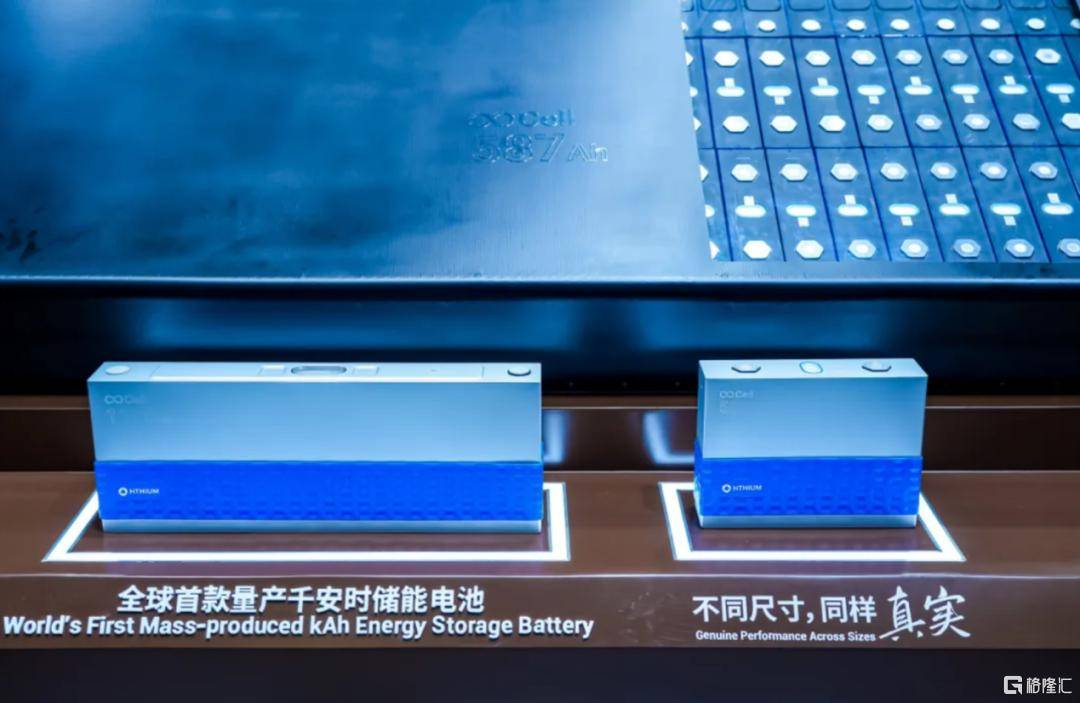
Core Viewpoint - By 2030, global renewable energy generation capacity is expected to double, adding 4600 GW, with solar and wind energy as the main contributors. However, the rapid growth of these intermittent renewable sources poses significant challenges to the power grid, potentially leading to increased instances of "curtailed wind and solar" energy if effective balancing measures are not implemented [1][2]. Group 1: Industry Challenges and Innovations - The contradiction between the "power generation boom" and "absorption difficulties" highlights the need for long-duration energy storage to manage the volatility of renewable energy sources. Experts agree that once renewable energy generation exceeds 20%, long-duration storage solutions will become essential [2]. - The storage system prices have decreased by approximately 80% over the past three years, with some bids falling below 0.4 CNY/Wh, leading to a price war that has affected profit margins across the industry [3][4]. Group 2: Company Innovations and Strategies - Haicheng Energy has positioned itself as a leader in long-duration lithium battery storage, focusing on systematic innovation to break free from intense competition. The company has developed a comprehensive approach that includes advancements in materials, processes, systems, and services [3][5]. - Haicheng's innovative materials, such as high-pressure solid materials, have improved energy density and overall efficiency, with their ∞Cell 587Ah battery achieving a 6.5% increase in energy density compared to previous models [4][5]. Group 3: Safety and Testing - Safety is a critical concern in the energy storage industry, with the National Energy Administration emphasizing the importance of safety regulations. Haicheng has conducted extreme safety tests, including the world's first "open-door extreme combustion test," to ensure their systems can withstand real-world fire scenarios [10][12]. - The company has received UL Solutions certifications for its core products, indicating compliance with stringent North American safety standards, which enhances trust in their technology [15]. Group 4: Market Opportunities and Global Expansion - The demand for long-duration energy storage is expected to grow significantly, with projections indicating that by 2050, long-duration storage will account for 95% of global storage capacity. Haicheng aims to capitalize on this trend, with a focus on markets in China, Europe, the Middle East, and the United States [19][20]. - Haicheng has established a global presence, with projects in Europe and the Middle East, and is adapting its products to meet regional demands, such as developing heat-resistant designs for the Middle East [20][22]. Group 5: Conclusion - Haicheng Energy is not just providing technology but is actively participating in defining the operational rules of the new energy era. By converting unstable renewable sources into reliable power, the company is playing a crucial role in the success of energy transition [23].
观察| 铜: 下一个财富密码
未可知人工智能研究院· 2025-12-11 10:01
Core Viewpoint - The article emphasizes that copper is an undervalued investment opportunity, poised for significant growth due to its essential role in the electrification and AI revolution, contrasting it with gold, which is driven more by emotional and speculative factors [1][4][40]. Group 1: Demand Drivers - The demand for copper is expected to surge due to the increasing energy needs of AI data centers, electric vehicles, and renewable energy sources, with projections indicating global copper consumption will rise from 33 million tons in 2024 to 41 million tons by 2030, reflecting a compound annual growth rate of 3.4% [23][24]. - AI models require substantial energy, with a single training session consuming about 12,000 MWh, equivalent to the daily electricity consumption of a medium-sized city, leading to a projected increase in global data center electricity consumption from 415 TWh in 2024 to 945 TWh by 2030 [7][9]. - Electric vehicles consume four times more copper than traditional vehicles, with an estimated additional demand of 200,000 to 300,000 tons of copper by 2030 due to the anticipated 55.7% penetration rate of electric vehicles [17][19]. Group 2: Supply Constraints - The average grade of copper ore has declined from 0.95% in the early 2000s to 0.60% in 2024, meaning more ore must be mined to extract the same amount of copper, effectively doubling the workload and costs [25][28]. - The development of new copper mines is increasingly challenging, with an average exploration to production timeline of 20-30 years, and many potential projects remain in the planning stages [27][28]. - The global copper concentrate supply is expected to face a shortfall, with a projected deficit of 1.2 million tons by 2040, which is 30% of total demand, indicating a significant supply-demand imbalance [37][38]. Group 3: Investment Opportunities - Investing in copper is seen as a more stable and necessary choice compared to gold, as copper's price is driven by fundamental demand rather than speculative trends, making it suitable for long-term investment [40][42]. - The current copper price of approximately $11,000 per ton is still below historical highs, suggesting significant upside potential as supply constraints become more pronounced [43][44]. - Various investment avenues are available for copper, including mining stocks, ETFs, and futures, allowing investors of different risk tolerances to participate in the copper market [46][47]. Group 4: Strategic Recommendations - Investors are advised to focus on upstream copper mining companies with integrated operations, as they are likely to benefit directly from rising copper prices [49][50]. - Attention should also be given to downstream sectors that utilize copper, such as data centers and electric vehicle manufacturers, which are expected to experience high growth due to increased copper demand [52]. - For risk-averse investors, copper ETFs provide a diversified investment option, while more experienced investors may consider futures and options to enhance capital efficiency [53][54].
铜价上涨,受美联储降息和供应担忧提振
Ge Long Hui· 2025-12-11 09:24
Core Viewpoint - Copper prices are rising due to concerns over tight supply in the spot market following the Federal Reserve's interest rate cut [1] Group 1: Market Dynamics - In early trading, futures on the London Metal Exchange increased by 0.5% to $11,616 per ton [1] - The U.S. dollar index fell by 0.2% to 98.67, making commodities cheaper for overseas buyers [1] Group 2: Demand and Supply Factors - Lower interest rates typically boost economic activity and demand [1] - Analysts from ANZ Bank noted that the market is optimistic about long-term copper demand driven by renewable energy, electric vehicles, and data centers, despite weak economic data from China [1] - Supply concerns are heightened due to production disruptions at various global mines, contributing to sustained high prices [1]
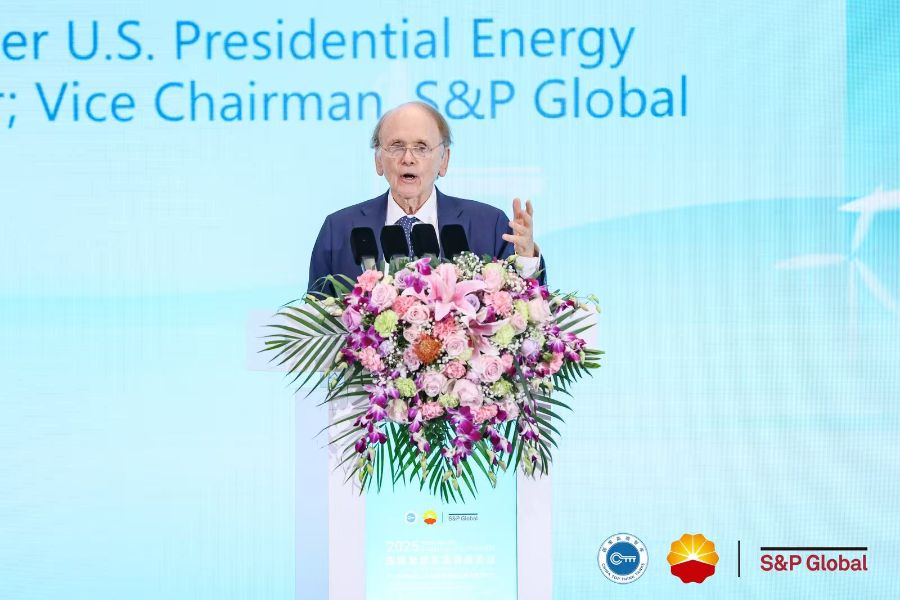
21对话|丹尼尔·耶金谈油价走势:既供应过剩,也风险过剩
2 1 Shi Ji Jing Ji Bao Dao· 2025-12-11 07:41
Core Insights - The global energy system is transitioning from "supply surplus" to "risk surplus," with geopolitical factors becoming the core variable affecting energy prices [3] - China's oil demand is entering a critical "platform period," marking a significant turning point in the global oil market, as it has contributed to half of the global oil demand increase over the past 20 years, but is now stabilizing [3] - The current global oil market is characterized by a supply surplus, reflected in oil prices ranging from $50 to $60, and it may take one to two years for the market to rebalance [3] Group 1 - Geopolitical uncertainties, such as the situation in Venezuela, sanctions on Russia, and the Russia-Ukraine conflict, could change market dynamics at any time [3] - Three major trends are expected to drive long-term changes in the energy landscape by 2060: the expansion of renewable energy, a return to nuclear energy, and the continued demand growth for oil and gas alongside a significant upstream investment gap [3] - Artificial intelligence (AI) is anticipated to profoundly change the energy system, increasing electricity demand and reshaping the operational models of energy companies [3] Group 2 - The International Energy Agency (IEA) reports that approximately $540 billion annually will be needed for exploration and development to maintain current oil and gas production levels by 2050 [4] - Some companies are retreating from overly rapid transitions to renewable energy and are showing renewed interest in oil and gas exploration while continuing to explore diversified technological routes [4] - The importance of mineral resources, particularly copper, is rapidly increasing, as key minerals will play a central role in the global electrification process [4] Group 3 - China is recognized as a leader in green energy technologies such as solar and batteries, maintaining a dominant position in the global clean energy supply chain despite trade frictions [4] - China's strategy focuses more on energy security and supply diversification, while policies like the promotion of electric vehicles are changing the demand structure and influencing the global energy market [4]