电动化转型

Search documents
海外零部件巨头系列六 | 博格华纳:涡轮增压龙头 研发、并购、战略转型【民生汽车 崔琰团队】
汽车琰究· 2025-09-24 15:48
Core Viewpoint - The article emphasizes the historic opportunity for the Chinese automotive industry to grow stronger through the electric and intelligent transformation, suggesting that Chinese automakers can achieve a leapfrog development compared to their Western and Japanese counterparts in the traditional fuel vehicle era [2][13]. Group 1: Overview of Global Automotive Parts Giants - German automotive parts giants are primarily technology-driven, having developed early mass production capabilities in the 1920s-1930s, with companies like Volkswagen and Mercedes-Benz originating from Germany [5]. - Japanese and Korean suppliers were supported by their respective automakers, emerging in the 1960s and gradually enhancing their R&D capabilities while expanding overseas [5]. - The competition among American automotive parts suppliers is relatively weak, with only a few making it to the top ranks globally, while Canadian company Magna serves as a significant supplier in North America [5][13]. - Tire manufacturers have a unique branding advantage, having established a monopolistic competition structure globally, allowing room for latecomers to grow despite limited scale effects among leading firms [5]. Group 2: Changes in Chinese Automotive Parts Suppliers - Chinese automotive parts suppliers are undergoing significant changes, with the rise of new energy vehicles (NEVs) since 2020, led by companies like Tesla and local startups, reshaping the relationship between automakers and parts suppliers [10][17]. - The emergence of cost-effective and responsive Chinese parts suppliers has been facilitated by the rise of domestic automakers, with notable examples including Top Group and Desay SV [10][17]. - Since 2022, there has been a marked acceleration in the globalization of Chinese suppliers, with companies like Top Group and New Spring actively expanding their overseas production capacities [10][17]. Group 3: Case Study of BorgWarner - BorgWarner has evolved from a mechanical transmission company to a global leader in both traditional and electric powertrain components through continuous mergers and technological innovation since its founding in 1880 [6][19]. - The company has made significant acquisitions, such as the purchase of Delphi Technologies in 2020 to enhance its electric powertrain capabilities and the acquisition of AKASOL in 2021 to expand its battery system business [6][19]. - BorgWarner's focus on technological breakthroughs in turbocharging and electric drive systems positions it as a pioneer in the electric transformation of the automotive industry [7][19]. Group 4: Key Success Factors for Global Parts Giants - The growth of overseas parts giants is driven by high-quality market segments and strong customer relationships, with powertrains, automotive electronics, and chassis systems being preferred areas for development during the fuel vehicle era [17]. - The transition from 1 to 10 in growth for these giants involves internal growth and mergers, with a focus on diversifying business and application areas [17]. - Successful companies often adopt a technology-driven approach, leveraging advanced technologies to drive industry changes, or rely on partnerships with major automakers to achieve mutual growth [17].



中国电动卡车进军海外市场,“最大挑战是许多国家电力基础设施不如中国”
Guan Cha Zhe Wang· 2025-09-24 13:13
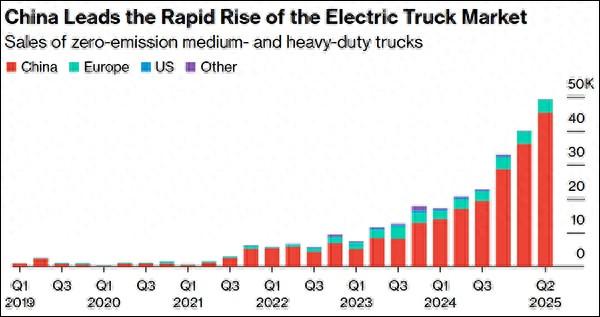
Core Insights - Chinese electric truck manufacturers, led by SANY Group, are aggressively expanding into overseas markets, aiming for 50% of sales to come from international markets by 2030 [1][4] - The rapid growth of electric trucks in China is attributed to declining battery costs, improved range, and government subsidies for fleet replacements [2][8] - SANY Group has invested approximately 22 billion RMB in its electric truck business and plans to increase production capacity from 150,000 to 300,000 units in the next five years [4][9] Group 1: Market Expansion - SANY Group has quickly captured a 16% market share in China's electric truck sector since entering the market in 2021, with expectations of selling 30,000 electric trucks annually by 2025 [1][4] - Other Chinese companies like BYD and Beiqi Foton are also exporting trucks to countries such as Italy, Poland, Spain, and Mexico, while seeking to establish assembly plants abroad [1][6] - SANY's overseas strategy includes raising product prices to avoid anti-dumping accusations, ensuring profitability while expanding into markets like Europe and South America [4][6] Group 2: Industry Trends - The penetration rate of electric trucks in China has surged from 4% to 24% over the past two years, while diesel truck sales have dropped from 75% to 51% in the first eight months of this year [1][2] - The global market for electric trucks is expected to grow, with predictions that electric trucks will capture 50% of the Chinese market share within three years [2][8] - Despite the challenges posed by high acquisition costs for electric trucks, the industry is expected to see a shift towards larger fleets as individual owners are integrated into larger operations [8][9]

中创智领涨超7%破顶 拟2.7亿元拓展热管理业务 2.02亿参投泓楷基金定向超聚变
Zhi Tong Cai Jing· 2025-09-24 06:13
Core Viewpoint - Zhongchuang Zhiling (601717) shares rose over 7%, reaching a historic high of 25.86 HKD, with a trading volume of 242 million HKD, following the announcement of strategic investments in technology and funds [1] Group 1: Company Developments - Zhongchuang Zhiling plans to invest 270 million RMB to establish a new company focused on thermal management technology, integrating internal resources to develop industry-leading solutions [1] - The establishment of the thermal management technology company is part of Zhongchuang Zhiling's strategic shift towards smart and electric solutions, following recent innovations in industrial intelligence and smart mining technologies [1] Group 2: Investment Activities - The company intends to invest 202 million RMB as a limited partner in the Henan Hongkai Equity Investment Fund, which has a total subscription amount of approximately 805 million RMB [1] - The Hongkai Fund aims to invest in Super Fusion Digital Technology through equity acquisitions, targeting sectors such as cloud computing and IT infrastructure [1]

港股异动 | 中创智领(00564)涨超7%破顶 拟2.7亿元拓展热管理业务 2.02亿参投泓楷基金定向超聚变
智通财经网· 2025-09-24 06:13
Core Viewpoint - Zhongchuang Zhiling (00564) has seen its stock price rise over 7%, reaching a historical high of 25.86 HKD, driven by strategic investments in technology and funds [1] Group 1: Company Developments - Zhongchuang Zhiling plans to invest 270 million RMB to establish a new company focused on thermal management technology, indicating a commitment to innovation in smart electric solutions [1] - The new company will integrate internal resources to develop and commercialize leading thermal management system solutions [1] - This investment follows the company's recent initiatives in integrating industrial intelligence and launching eight innovative technologies for smart mining [1] Group 2: Investment Activities - The company intends to participate as a limited partner in the Henan Hongkai Equity Investment Fund, committing 202 million RMB, which represents approximately 25.09% of the fund's total subscribed capital [1] - The total subscribed capital of the Hongkai Fund is about 805 million RMB, which will be directed towards targeted investments in Super Fusion Digital Technology through equity acquisitions [1] - Super Fusion Digital Technology is a provider of cloud computing and IT infrastructure services, serving various sectors including telecommunications, finance, internet, and government enterprises [1]
黑客一击,捷豹路虎3.3万员工“被迫休假”
Hu Xiu· 2025-09-24 00:21
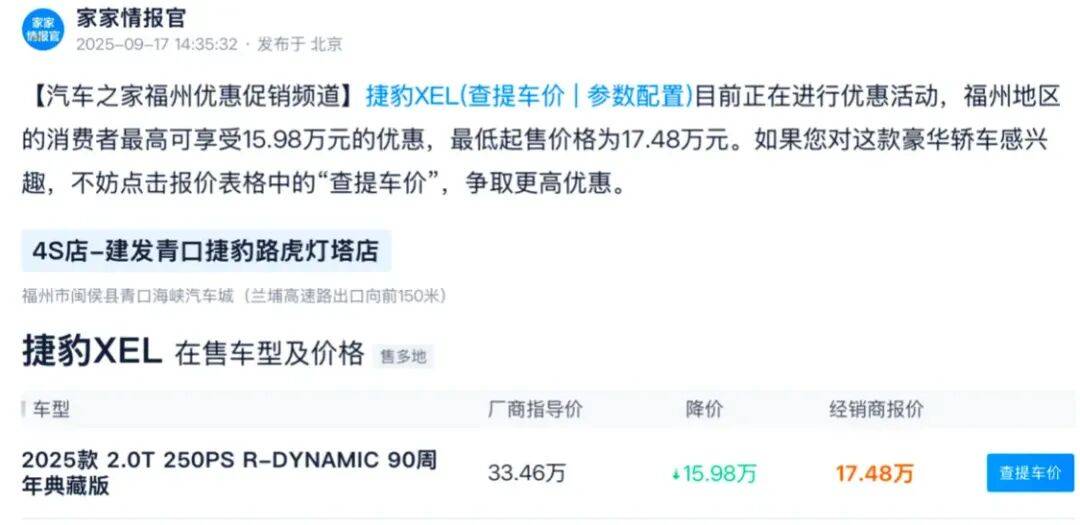
Core Viewpoint - A sudden cyber attack has led to a global production halt for Jaguar Land Rover, affecting 33,000 employees and resulting in daily losses of up to £5 million [1][6]. Group 1: Impact of Cyber Attack - The cyber attack has caused a complete shutdown of production at Jaguar Land Rover's three UK factories, with the suspension expected to last until at least September 24, potentially extending to November [2][6]. - The attack occurred just before the busy new car registration day in the UK, indicating a strategic timing to maximize disruption [5]. - The company typically produces around 1,000 vehicles per day, leading to an estimated cumulative profit loss of £120 million due to the ongoing production halt [6]. Group 2: Sales and Market Position - Once a symbol of wealth and status, Jaguar Land Rover is now facing significant sales challenges, with discounts failing to boost demand [3][10]. - The brand's sales in China have plummeted, with projections indicating a drop to just 34,000 units in the 2025 fiscal year, a 34% decline from previous figures [13][16]. - The company has shifted focus to high-value imported models, maintaining some revenue stability, but this strategy risks long-term viability by neglecting the mid-market segment [14][17]. Group 3: Quality and Brand Perception - Quality issues have plagued the brand, with significant recalls and investigations into safety defects, undermining consumer trust [19][20]. - Jaguar Land Rover has consistently ranked among the top three for quality complaints in the luxury segment in China from 2018 to 2023, indicating persistent quality control problems [22]. - The brand's narrative has not evolved with consumer expectations, as it struggles to compete with newer electric vehicle manufacturers [24][25].
长安福特前8月国内挂牌销量跌7% 总资产两年降逾89亿负债率89.3%
Chang Jiang Shang Bao· 2025-09-23 23:17
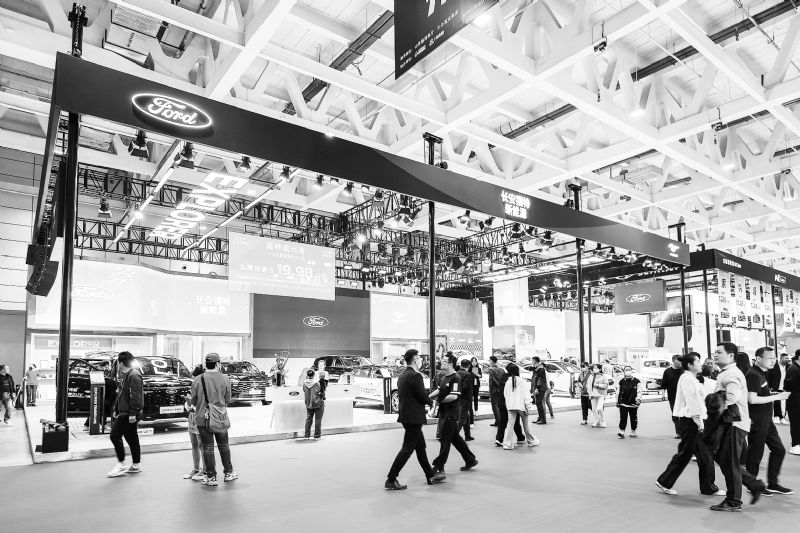
Core Viewpoint - Changan Ford is experiencing a significant decline in sales and total assets, leading to a slow electric transformation and potential operational challenges [2][3][21]. Sales Performance - In the first eight months of 2025, Changan Ford sold 68,400 vehicles, a decrease of approximately 7% compared to 73,600 vehicles in the same period last year [3][12]. - The company's flagship model, the Mondeo, sold 33,200 units in the same period, down about 6.8% year-on-year [12]. - The EVOS model has reportedly ceased production due to poor sales, with no sales data reported since February 2025 [12][13]. Financial Status - As of mid-2025, Changan Ford's total assets amounted to 22.666 billion yuan, a decrease of approximately 16% from 26.96 billion yuan the previous year [19]. - The company's net assets increased by about 73% year-on-year to 2.423 billion yuan, while the debt ratio stood at 89.3% [19][20]. - Over the past two years, total assets have decreased by more than 8.9 billion yuan, representing a decline of about 28% [21]. Management Changes - Wang Xiaofei has been appointed as the new Executive Vice President of Changan Ford, taking over from Yang Dayong, and will also lead the company's new energy initiatives [4][5]. - Wang Xiaofei has a long history with Changan, having joined the company in 2005 and held various leadership roles [4]. Strategic Direction - Changan Ford's electric transformation is perceived to be slow, with company representatives acknowledging the challenges in shifting the mindset of joint venture automotive operations [21]. - The company is focusing on a high-end, hybrid, and fuel strategy, aiming to become a "big fish in a small pond" despite a potentially limited consumer base [21].

博格华纳(BWA):海外零部件巨头系列六:涡轮增压龙头研发并购、战略转型
Minsheng Securities· 2025-09-23 05:56
Investment Rating - The report maintains a positive outlook on BorgWarner, highlighting its leadership in the turbocharging sector and its strategic transformation towards electric vehicles [1]. Core Insights - The report emphasizes the historical development and strategic transformation of BorgWarner, showcasing its successful mergers and acquisitions, robust R&D investment, and global operational footprint [2][9]. - It identifies the shift in the automotive industry towards electric vehicles, presenting a significant opportunity for Chinese automotive suppliers to learn from global leaders like BorgWarner [2][3]. Summary by Sections Historical Overview - BorgWarner has evolved from a mechanical transmission company established in 1880 to a global leader in automotive components, with a focus on turbocharging and electric vehicle technologies [9][42]. - The company has strategically expanded through numerous acquisitions, enhancing its capabilities in both traditional and electric powertrain components [9][42]. Success Factors - The report attributes BorgWarner's success to its strong management, commitment to R&D, and a well-established global presence, with R&D expenses projected to exceed $740 million in 2024, maintaining a rate of around 5% [7][9]. - BorgWarner's proactive approach to mergers and acquisitions has allowed it to enter new markets and expand its product offerings effectively [7][9]. Industry Context - The report discusses the competitive landscape of the automotive parts industry, noting that German and Japanese suppliers dominate, while Chinese suppliers have significant growth potential [3][27]. - It highlights the transition from traditional fuel vehicles to electric vehicles, indicating that this shift presents a historical opportunity for domestic suppliers to enhance their market positions [2][8]. Future Outlook - The report anticipates continued growth for BorgWarner as it capitalizes on the electric vehicle trend, with a focus on developing advanced technologies such as electric drive modules and battery systems [9][42]. - It suggests that the integration of AI and robotics into the automotive supply chain will further enhance the competitive edge of companies like BorgWarner [6][9].
电力设备行业点评报告:欧洲电动车销量月报(2025年8月):9国新能源车渗透率持续提升-20250923
KAIYUAN SECURITIES· 2025-09-23 02:12
Investment Rating - The industry investment rating is "Positive" (maintained) [1] Core Viewpoints - The European electric vehicle market continues to grow, with August 2025 sales reaching 176,000 units, a year-on-year increase of 41.2%, and a penetration rate of 31.4%, up 8.3 percentage points [5][14] - The EU Parliament has approved amendments to carbon emission assessments, delaying the tightening of targets but maintaining the overall trend [7][39] Summary by Sections Electric Vehicle Sales in Europe - In August 2025, Germany's BEV sales reached 39,000 units, up 45.7% year-on-year, with a penetration rate of 19.0% [16] - The UK has restarted BEV subsidies, with approximately 25% of BEV models qualifying for subsidies, leading to a 14.9% year-on-year increase in BEV sales to 22,000 units [20][23] - France's BEV sales in August were 17,000 units, a 29.6% increase year-on-year, with a penetration rate of 19.4% [24] - Sweden's BEV sales were 7,000 units, with a penetration rate of 33.6% [28] - Norway's BEV penetration rate reached 96.9%, with sales of 13,000 units, up 28.6% year-on-year [30] - Italy's BEV sales were 3,000 units, up 29.3%, with a new subsidy plan expected to launch [33] - Spain's BEV sales surged by 160.8% year-on-year to 7,000 units, driven by new models and promotional activities [35] Investment Recommendations - Recommended lithium battery companies include CATL, Yiwei Lithium Energy, and Xinwangda, with beneficiaries including Zhongxin Innovation and Guoxuan High-Tech [7][39] - Recommended lithium battery materials include Hunan Youneng, with beneficiaries such as Fulian Precision and Wanrun New Energy [7][39] - Recommended lithium battery structural components include Minglida, with beneficiaries like Keda Li and Minshi Group [7][39] - Recommended power/electric drive systems include Weimaisi and Futec Technology, with beneficiaries like Xinrui Technology [7][39] - Recommended charging stations and modules include Tonghe Technology, with beneficiaries such as Shenghong Shares and Youyou Green Energy [7][39]




电厂 | BBA的纯电焦虑,中国市场解不了
Xin Lang Cai Jing· 2025-09-22 11:02
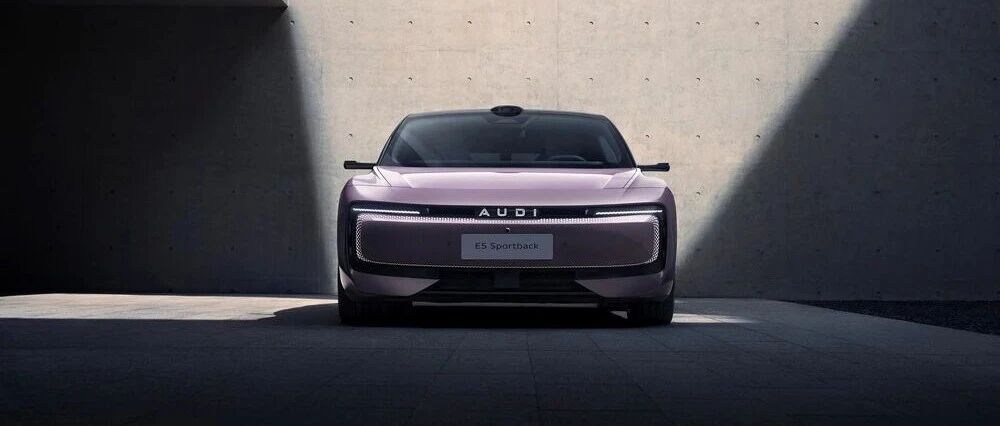
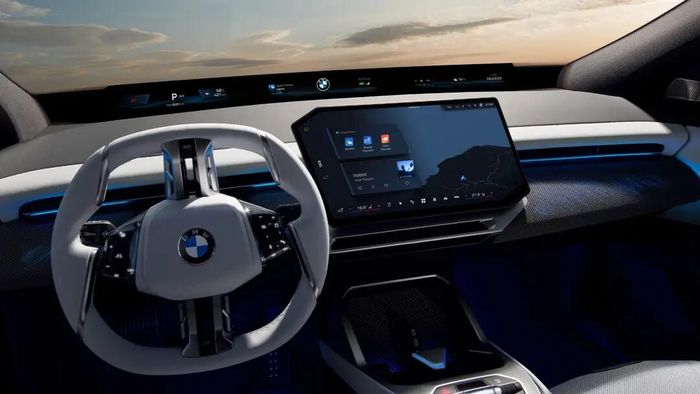
Group 1 - The core viewpoint of the articles highlights the urgency and anxiety of German automakers BMW, Mercedes-Benz, and Audi (BBA) in their electric vehicle (EV) transformation, as evidenced by their recent product launches at the Munich Auto Show [1][3] - BMW's first mass-produced model, the BMW iX3, was unveiled after five years of development, with the Chinese version set to launch next year [1] - Mercedes-Benz introduced the electric version of its popular GLC model, also scheduled for local production next year, while Audi showcased its Concept C, which is expected to be mass-produced by 2027 [1] Group 2 - Recent reports suggested a strategic partnership between Mercedes-Benz and BMW for powertrain procurement to meet strict EU7 emission standards, but Mercedes-Benz's CTO publicly denied these claims [3] - Mercedes-Benz plans to phase out the EQ brand naming convention in favor of a simpler "Electric" naming strategy for its future EVs, citing the need for clarity and alignment with market trends [3] - The BBA's significant moves in the EV sector are not solely driven by competition from Chinese automakers but also by the impending EU regulations on electrification [3][11] Group 3 - Despite the perception that the Chinese market is a source of anxiety for BBA, the actual pressure stems from Europe, where the EU's 2035 electrification target looms large [11] - The EU has been urged to reconsider its 2035 electrification goals due to the slow adoption of plug-in vehicles in Europe compared to China's rapid growth [11] - BBA's electric vehicle sales in China have been underwhelming, with BMW's non-MINI electric models selling only 3,329 units in August, and Mercedes-Benz's total electric sales not exceeding 900 units [10][11] Group 4 - Audi's E5 Sportback, developed in collaboration with SAIC, has seen strong market reception, with over 10,153 orders within 30 minutes of its launch [13] - BBA's partnerships with Chinese companies are increasing, with Audi collaborating with Huawei and BMW working with CATL and Huawei on battery technology and smart features [13][14] - The internal decision-making power is shifting towards Chinese teams within BBA, allowing for more localized product development to meet specific consumer demands [16] Group 5 - Despite the increasing localization of BBA's products, challenges remain in surpassing the capabilities of domestic Chinese electric vehicles in terms of range, space, and fast charging [16] - The overarching concern for BBA is the structural challenges posed by the global slowdown in electrification, which cannot be resolved solely by focusing on the Chinese market [16]
当豪华车开始炫耀“中国里子”
虎嗅APP· 2025-09-19 11:10
Core Viewpoint - The traditional luxury car market is undergoing a significant transformation as consumers redefine what luxury means, focusing more on technology and performance rather than traditional attributes like engine sound and leather interiors [3][4]. Group 1: Market Dynamics - The launch of the Audi E5 Sportback exemplifies the shift in luxury branding, emphasizing smart technology and fast charging over historical brand narratives [6][7]. - Major luxury brands like BMW, Mercedes-Benz, and Audi have seen significant declines in delivery volumes in China, with decreases of 15.5%, 14.2%, and 10.3% respectively in the first half of the year [7]. - In contrast, Chinese electric vehicle brands are gaining market share, indicating a struggle for traditional luxury brands to adapt to the electric vehicle market [8][11]. Group 2: Challenges for Traditional Luxury Brands - Traditional luxury brands are experiencing "era anxiety," struggling to transition from internal combustion engines to electric vehicles, where the competitive focus has shifted to battery technology and smart features [11][12]. - The unique characteristics of the Chinese market, including high consumer expectations for smart technology, pose additional challenges for traditional brands accustomed to a more uniform global strategy [12]. - The previous reliance on brand heritage and craftsmanship for premium pricing is diminishing as younger consumers prioritize actual performance and experience [12][13]. Group 3: Strategic Partnerships - Traditional luxury brands are increasingly collaborating with Chinese technology firms like Huawei and battery manufacturers like CATL (Contemporary Amperex Technology Co., Limited) to enhance their offerings [30][31]. - Huawei's smart driving solutions and CATL's battery technology are becoming essential components for luxury brands to remain competitive in the evolving market [30][34]. - The partnership with CATL is particularly strategic, as the company holds a dominant position in the global battery market, with a 37.9% share and a significant presence in high-end electric vehicles [22][25]. Group 4: Future Implications - The collaboration between luxury brands and Chinese suppliers signifies a shift in the automotive industry's power dynamics, with traditional brands adapting to new realities by leveraging local expertise [32][35]. - The integration of Chinese technology into luxury vehicles is not just a survival strategy but also a reflection of the changing landscape of the global automotive industry [35][36]. - As luxury brands navigate this transformation, the balance between maintaining brand heritage and embracing new technologies will be crucial for their future success [34][36].