
数字化转型

Search documents
(新春走基层)“熊猫猪”住进“智慧家”:数据精算 AI当家
Zhong Guo Xin Wen Wang· 2026-02-10 09:13
Core Insights - The article discusses the transformation of pig farming in Chongqing, China, through the implementation of a smart farming model called "Pig Industry Brain 2.0 + Future Pig Farm," which leverages AI and big data for enhanced efficiency and productivity [1][2]. Group 1: Smart Farming Model - The "Pig Industry Brain 2.0" model integrates IoT to create a perception system, utilizing big data for decision-making and smart devices for precise execution, shifting pig farming from experience-based to data-driven management [2]. - The model has incorporated diverse business modules such as financial loans, pig trading, and information traceability, with over 50 million data points integrated into the system [2]. Group 2: Operational Efficiency - The smart farm has achieved a reduction in labor costs by 20% to 30%, a decrease in feed waste by 10%, and a reduction in pig mortality rates by over 5%, with each pig's overall cost savings ranging from 100 to 200 yuan [3]. - The AI monitoring system employs computer vision, infrared thermal imaging, and sound recognition technologies to automate 90% of inspection tasks, enhancing operational efficiency [2]. Group 3: Industry Impact - The "Pig Industry Brain" has served over 210,000 entities and facilitated more than 3 million service usages, generating 48 capability components and 490,000 industry knowledge entries, while assisting in financing over 53 million yuan and achieving online pig trading exceeding 120 billion yuan [3]. - The digital transformation is seen as a crucial step for the development of local pig industries, enhancing breeding, farming, and sales processes, while improving brand value and risk resilience [3].
冲刺万亿有底气,潍坊何以成为一座“更好城市”
Feng Huang Wang Cai Jing· 2026-02-10 07:32
Economic Performance - Weifang's GDP reached 858.736 billion yuan in 2025, with a year-on-year growth of 5.5%, marking a steady progression towards the "trillion club" [1] - The city has been assigned the strategic mission of becoming a "new trillion city" and a regional sub-center city by the provincial government [1] Industrial Development - Weifang's industrial added value for above-scale enterprises grew by 7.5% year-on-year in 2025, supported by a comprehensive industrial system covering 37 out of 41 national industrial categories [2] - The city is advancing a modern industrial system characterized by the "9+3+N" framework, focusing on new industrialization and innovative production capabilities [2] - Key industries such as power equipment and intelligent agricultural machinery have been recognized as national advanced manufacturing clusters, with 129 leading products ranking first globally and nationally in capacity, output, and market share [2] Digital Transformation and Innovation - Weifang is promoting the integration of artificial intelligence and manufacturing, with 19 enterprises recognized as 5G factories, leading the province in this area [3] - The city has established a smart tractor manufacturing base with a total investment of 3 billion yuan, filling a gap in high-end intelligent agricultural machinery manufacturing in China [3] - Weifang has been recognized as a national innovative city, with 952 provincial-level innovation platforms and 4 provincial-level high-tech zones, leading the province in both categories [3] Trade and Agriculture - In 2025, Weifang's total import and export volume reached 379.76 billion yuan, with a cumulative growth rate of 6.8%, maintaining a top-three position in the province [4] - The agricultural, forestry, animal husbandry, and fishery output value reached 140.97 billion yuan, with a comparable growth rate of 4.6%, ranking first in the province for two consecutive years [5] Agricultural Innovation - Weifang has reversed its reliance on imported vegetable seeds from 70% to 70% self-developed, responding to national agricultural innovation initiatives [6] - The city has implemented blockchain technology for quality supervision across the entire vegetable supply chain, with over 6 million data entries recorded [6] Business Environment - Weifang has optimized its business environment, ranking first in Shandong for four consecutive years, with initiatives to streamline enterprise registration and project approval processes [8][9] - The city has established a comprehensive service system for enterprises, with 15,000 service personnel supporting 21,000 businesses [8] Social Development - During the "14th Five-Year Plan" period, Weifang maintained a public spending ratio of over 80%, contributing to improved public welfare and quality of life [9] - The city is positioned as a regional sub-center, enhancing its role in the urban development landscape of Shandong province [9][10]
多家券商,调整组织架构!成立业务分公司、裁撤网点……是何趋势?
证券时报· 2026-02-10 04:19
Core Viewpoint - The recent adjustments in the organizational structure of major securities firms reflect strategic shifts in business development, emphasizing both centralized operations and regional deepening as concurrent trends in the industry [1][8]. Group 1: Organizational Changes - Major securities firms are restructuring their headquarters, establishing specialized subsidiaries for core businesses such as investment banking and research, which has drawn industry attention [1][2]. - Zhongtai Securities announced plans to set up three subsidiaries focused on underwriting, proprietary trading, and research consulting, while dissolving existing committees related to investment banking and financial markets [3][4]. - The establishment of independent subsidiaries allows for more flexible mechanisms, compensation, and incentives, enhancing the vitality of business units to adapt to rapidly changing market demands [4][5]. Group 2: Wealth Management Focus - Wealth management has seen the most frequent changes in branch establishments and closures, with a trend towards reducing physical branches and reshaping headquarters' functions [7][9]. - As of 2025, 42 listed securities firms have collectively closed nearly 300 branches, with firms like Changcheng Securities and Zhongyou Securities announcing branch closures [7]. - The restructuring aims to create specialized subsidiaries for independent operations in investment banking and wealth management, which is crucial for enhancing competitiveness in niche markets [5][10]. Group 3: Digital Transformation and Client Management - Digital transformation is driving changes in wealth management operations, supporting the trends of centralized operations and regional deepening [10]. - Firms are increasingly focusing on optimizing client segmentation and regional market layouts, with companies like CITIC Securities adjusting their management committees to enhance wealth management services [9][10]. - The establishment of new centers for retail and high-net-worth clients aims to provide tailored services and improve asset allocation capabilities, leveraging financial technology for better data support [9].

私募市场正步入新发展阶段——创新与效率并重 | 2025年度安永全球另类投资基金调查报告
Sou Hu Cai Jing· 2026-02-10 03:55
从耗时数月的传统调研到数小时完成的AI模拟洞察,私募市场的迭代速度正被重新定义。安永全球联合AI模拟公司Aaru发布的《2025年全球另类基金调 查》,通过6万个AI智能体的模拟分析,揭示了行业从战略重心到运营模式的深层变革。无论是基金管理人还是机构投资者,都需要紧跟这三大核心趋 势,才能在新赛道上占据先机。 曾几何时,绩效表现是私募行业尽职调查的核心,但2025年的市场已完成关键转向。数据显示,16%的机构投资者明确要求基金管理人在2025年实施技 术/流程升级,这一比例较2024年的2%飙升8倍;另有20%的投资者将优化报告透明度列为核心诉求。 这意味着基金管理人的竞争维度已全面拓宽:不仅要展现精准的投资眼光,更需证明运营管理基础设施的成熟度。数字化转型、AI驱动的自动化、外包 及离岸运营,正成为基金管理人满足透明度要求、支撑规模化发展的关键抓手。 私募行业不再是机构投资者的专属领地。2024年已有31%的基金管理人将私人财富客户列为首要战略重点,58%优先推动投资者群体多元化;到2025年, 高净值/超高净值客户与常青基金结构已成为行业增长的核心引擎。 但零售业务的扩张并非坦途:服务需求升级与运营复杂性 ...

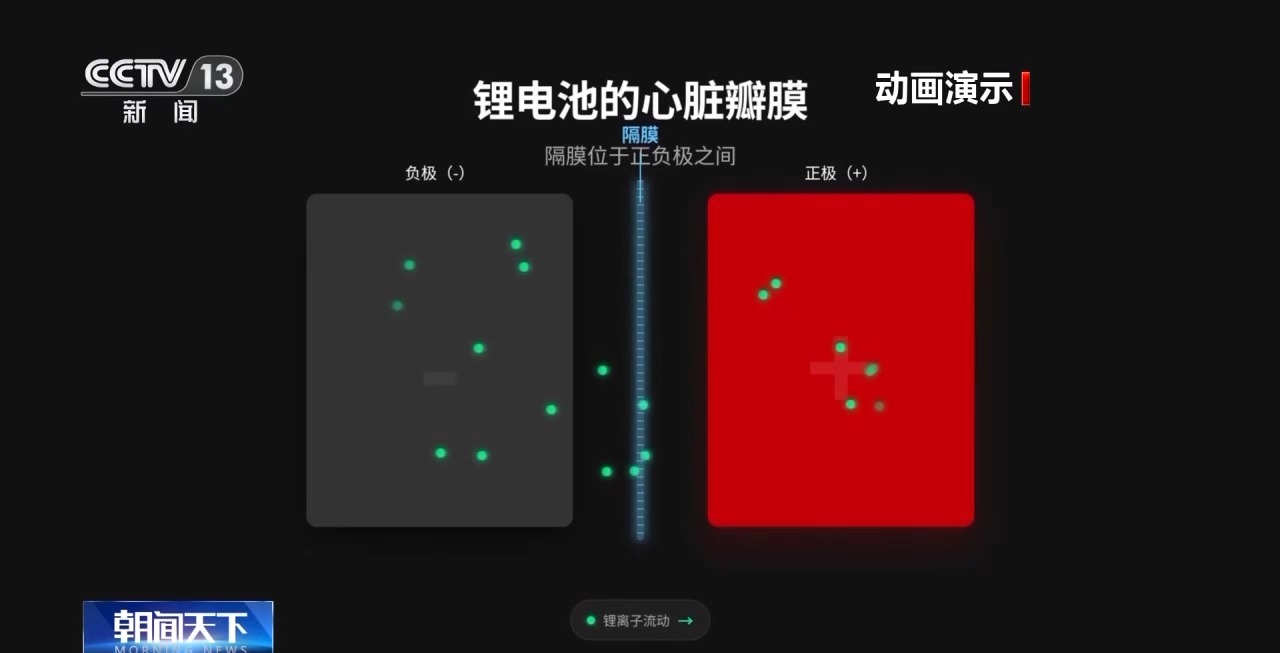
传统产业“焕新记” 看锂电池“心脏瓣膜”原料如何突围
Yang Shi Xin Wen· 2026-02-10 03:42
Core Insights - The article discusses the breakthrough in the production of high-end lithium battery separators, which were previously reliant on imports, highlighting the importance of domestic innovation in the new energy industry [1][2]. Group 1: Company Breakthroughs - A Chinese company, Puxin Crystal New Materials (Shanghai) Co., has achieved a breakthrough in producing high-end polyethylene, a core material for lithium battery separators, with all raw materials and catalysts now sourced domestically [2][4]. - The company has developed a special film made from high-end polyethylene that minimizes metal foreign matter, significantly enhancing battery safety [7][8]. Group 2: Challenges and Solutions - The transition from laboratory technology to mass production faced significant challenges, including securing land in the Shanghai Chemical Industry Zone, which is a scarce resource [8][12]. - The Shanghai Chemical Industry Zone's management customized approval processes to support the project, facilitating the company's successful acquisition of land [10]. Group 3: Production and Supply Chain - The company took approximately 16 months from the first pile being driven to the factory's official production, a remarkable speed for a facility of this scale [14]. - Ensuring a stable supply of ethylene, a critical raw material, was another challenge, which the park's service team addressed by coordinating with large enterprises for direct supply [12]. Group 4: Innovation Platforms - The Shanghai Chemical Industry Zone has established a pilot platform to assist companies in overcoming the challenges of scaling up production, acting as a shared laboratory for various innovative enterprises [15][21]. - This platform allows companies to save time and costs while accelerating the industrialization process of their innovations [19][21]. Group 5: Digital and Green Transformation - The article highlights the importance of digital transformation in enhancing efficiency and the role of green energy in shaping the future of the industry [27][30]. - The Shanghai Chemical Industry Zone is actively working to integrate the demands of companies for green electricity, facilitating a collective approach to green transformation [29][30].
印度两贸易协定搅动全球能化市场
Zhong Guo Hua Gong Bao· 2026-02-10 03:38
Group 1 - India has made significant progress in trade negotiations, reaching agreements with the EU and the US, marking a major shift in its foreign trade strategy [1] - The agreements involve substantial tariff reductions, with over 90% of bilateral tariffs being cut, and commitments in sectors like automotive and wine, alongside strategic cooperation in defense and technology [1] - India has pledged to procure $500 billion worth of US goods and cease oil purchases from Russia, shifting its imports to the US and Venezuela [1][2] Group 2 - India's commitment to stop purchasing Russian oil will significantly alter the global crude oil trade, as it was previously importing about 40% of its oil from Russia [2] - The shift in oil sourcing will impact India's domestic refining costs, as it transitions from cheaper Russian oil to potentially more expensive US oil or Venezuelan heavy crude [2] - The Indian chemical industry is expected to face cost pressures due to changes in feedstock sourcing, which may affect its competitiveness in export markets [2] Group 3 - The EU's stringent environmental and chemical management standards will likely influence India's industrial standards, necessitating compliance for Indian manufacturers to benefit from tariff reductions [3] - The trade agreements may drive India’s chemical industry towards higher value-added production and innovation, supported by investments from Europe in green energy and advanced materials [3] - The Indian chemical sector is at a critical transformation point, moving from scale-driven growth to value-led and innovation-driven models, influenced by sustainability and digitalization [3] Group 4 - The Indian chemical market is projected to grow from $220 billion in 2023 to between $400 billion and $450 billion by 2030, with potential to reach $850 billion to $1 trillion by 2040 [4] - The growth is driven by increasing per capita consumption of polymers, which is currently low at 15 kg, and geopolitical shifts that position India as a strategic alternative to China [4] - The demand for petrochemical products in India is expected to grow at an annual rate of 8% to 10%, outpacing GDP growth, fueled by urbanization and infrastructure development [4] Group 5 - S&P predicts that under the influence of the trade agreements, India's petrochemical demand will have a compound annual growth rate of 8% over the next decade, potentially surpassing the US to become the second-largest polyethylene market by 2034 [5]
圆通速递20260209
2026-02-10 03:24
Summary of the Conference Call on YTO Express Company Overview - The focus of the conference call was on YTO Express, a leading franchise express delivery company in China, currently ranked second in market share within the industry [1][23]. Key Points and Arguments Industry Context - The express delivery industry is experiencing a slowdown in growth, with an expectation of improved competition dynamics and optimization of package volume structure [1][23]. - YTO Express has established competitive advantages through management optimization and technological empowerment, leading to enhanced service quality and cost reduction [1][2]. Company Development and Strategy - YTO Express was founded in 2000 and has undergone significant transformations, including a partnership with Alibaba in 2005, which initiated a new model of online and offline integration [2][3]. - The company has invested in digital transformation, including the development of its proprietary business system in collaboration with IBM in 2009, laying a foundation for industry-leading digitalization [3][4]. - YTO has diversified its operations by venturing into air freight and international logistics, with significant acquisitions to expand its global network [3][4]. Financial Performance - In 2023, YTO's market share rebounded to second place after a series of strategic adjustments and management reforms [5][11]. - The company reported a total express delivery volume of approximately 265.7 billion pieces in 2024, a year-on-year increase of 25.3%, with a market share increase of 0.5 percentage points to 15.2% [11][12]. - For 2025, the express delivery volume is projected to exceed 300 billion pieces, achieving a growth rate of 17.2% year-on-year, further increasing market share to 15.7% [12][23]. Cost Management and Efficiency - YTO has focused on reducing operational costs through enhanced vehicle loading management and the implementation of intelligent scheduling systems [12][13]. - The cost per delivery has decreased significantly from 0.94 yuan in 2016 to 0.32 yuan in 2024, with further reductions to 0.37 yuan in the first half of 2025 [13][14]. - The company has also improved its operational efficiency, with a 13% increase in per capita efficiency by mid-2025 [10][11]. Technological Advancements - YTO has initiated a "One Project" aimed at digitalizing and standardizing its franchise network, enhancing overall operational efficiency [15][16]. - The company is exploring advanced technologies such as autonomous vehicles and smart delivery lockers to improve last-mile delivery efficiency [15][16]. Service Quality Improvements - YTO has developed a differentiated product and service system, enhancing customer service and reducing package loss and damage rates [17][18]. - The company reported a significant reduction in delivery times and loss rates, with an 8.58% decrease in overall delivery duration and a 59% drop in package loss rates in the first half of 2025 [18][19]. Market Trends and Future Outlook - The express delivery industry is facing challenges due to increased price competition and a shift towards lower-priced services, impacting overall profitability [19][20]. - However, YTO's strong service quality and optimized package structure position it well to capitalize on market opportunities, with expectations of further market share gains and performance improvements [21][22][23]. Additional Important Insights - The company has maintained a stable capital expenditure strategy, with over 6.7 billion yuan invested in 2024, focusing on upgrading core infrastructure and enhancing operational capabilities [9][10]. - YTO's proactive management adjustments and commitment to digital transformation have allowed it to recover from previous market share declines and establish a competitive edge in the evolving express delivery landscape [5][23].

AI辅助经营 餐饮老字号探索数字化创新
Zhong Guo Xin Wen Wang· 2026-02-10 03:03
Core Insights - The 2026 Innovation Exchange Conference for Time-Honored Brands was held in Beijing, focusing on digital transformation and AI-driven business strategies for traditional brands [1] - Time-honored brands are increasingly leveraging digital innovation to connect with younger consumers, with significant growth in search volume and transaction rates on platforms like Meituan [1][2] Group 1: Digital Transformation - Time-honored brands are adopting digital transformation as a core strategy to enhance their business models and reach new customer segments [1] - The China Commercial Association has initiated a digitalization project, providing free digital service packages to dozens of time-honored brands over three years [1] - Over half of the time-honored brands are utilizing AI tools to assist in operational decision-making, combining traditional experience with data-driven insights [2] Group 2: Consumer Engagement - The appeal of time-honored brands to younger consumers is increasing, with a nearly ninefold growth in search volume on Meituan and a stable annual compound growth rate of over 27% in transaction value [1][2] - The proportion of consumers under 35 years old engaging with these brands has reached 48.5% [1] - Cultural value monetization is a key trend, exemplified by Quanjude's "Sky Courtyard" concept, which has led to a 25% increase in average transaction value and an 18% rise in repurchase rates [2] Group 3: Operational Efficiency - The integration of digital technologies has significantly reduced operational costs for time-honored brands, with AI handling a growing number of customer inquiries, especially during peak periods [2] - Digital tools are enhancing dining experiences by streamlining service processes, improving table turnover rates, and accumulating valuable customer data [2] - The future collaboration between platforms and time-honored brands will focus on enhancing scenarios, experiences, and technology [2]
多家券商,调整组织架构!成立业务分公司、裁撤网点……是何趋势?
券商中国· 2026-02-10 01:20
Core Viewpoint - The recent adjustments in the organizational structure of major securities firms reflect strategic shifts in business development, emphasizing both centralized operations and regional deepening trends in the industry [1]. Group 1: Organizational Changes - Zhongtai Securities announced the establishment of three specialized subsidiaries for underwriting, proprietary trading, and research consulting, while planning to dissolve its existing investment banking committee and related departments [2]. - The creation of independent subsidiaries allows for more flexible mechanisms, compensation, and incentives, enhancing the vitality of business units to adapt to rapidly changing market demands [3]. - Guolian Minsheng Securities is integrating its subsidiaries to focus on specialized functions, with plans to rename its subsidiary Huaying Securities to Guolian Minsheng Underwriting and Sponsorship, while also establishing a wealth management subsidiary [3][4]. Group 2: Wealth Management and Branch Adjustments - The wealth management sector is experiencing significant restructuring, with a trend of reducing physical branch locations while reshaping headquarters' functions [5]. - As of 2025, 42 listed securities firms have collectively closed nearly 300 branches, with firms like Changcheng Securities and Zhongyou Securities announcing branch closures [6]. - The shift towards online services is driving the reduction of physical branches, as most transactions can now be conducted online, particularly affecting older clients who prefer in-person services [6]. Group 3: Trends in Operations - The wealth management headquarters are undergoing a transformation, with a focus on refined customer segmentation and optimized regional market layouts [7]. - CITIC Securities has restructured its brokerage management committee into a wealth management committee to enhance service delivery and customer focus [7]. - Digital transformation is a key driver of operational innovation in wealth management, addressing the challenges of servicing a large number of long-tail clients while reducing costs [8].
发个信息很贵吗?超五千元交易才提示 为何银行相继提高动账通知门槛
Xin Jing Bao· 2026-02-10 01:12
Core Viewpoint - The trend of banks increasing the threshold for free transaction notification SMS is driven by the need to manage operational costs and improve service efficiency, with many banks shifting to digital channels for notifications [1][5][6]. Group 1: Changes in SMS Notification Policies - Since 2025, multiple banks have raised the threshold for free transaction SMS notifications to between 100-500 yuan, with China Merchants Bank setting the threshold at 5000 yuan starting March 16, 2026 [2][3]. - Gansu Bank will stop sending SMS notifications for transactions below 200 yuan starting November 1, 2025, while Guangdong Huaxing Bank will cease notifications for transactions below 500 yuan from September 16, 2025 [3]. - Other banks, including Bank of China and Minsheng Bank, have also adjusted their SMS notification thresholds to 100 yuan or eliminated certain free services [3][5]. Group 2: Cost Management and Digital Transition - The rising costs of SMS services have become a burden for banks, prompting them to filter out small transaction notifications as part of refined cost management strategies [4][5]. - Banks are encouraging customers to use mobile apps and digital channels for notifications, which are more cost-effective and efficient compared to traditional SMS [1][6]. - The transition to digital channels is seen as a way to enhance customer engagement and reduce operational costs, with many banks promoting their app-based notification services [6][7]. Group 3: Customer Perspectives and Concerns - Some customers express that SMS notifications should remain a basic service, as they are more convenient and reliable compared to app notifications [6][7]. - There are concerns about the digital divide, particularly for older customers who may struggle with using mobile apps, suggesting that banks should maintain low-threshold SMS services for these groups [6][7].
