
车路云一体化

Search documents
半年间从L3级到L4级,济南无人驾驶跑出城市未来
Qi Lu Wan Bao Wang· 2025-06-27 10:51
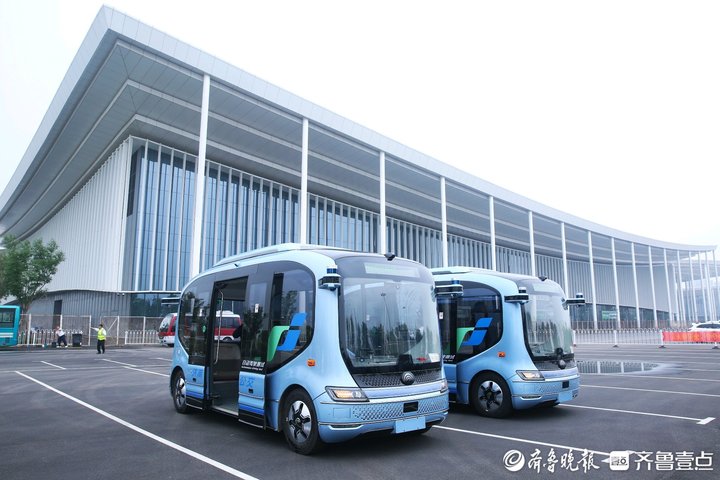
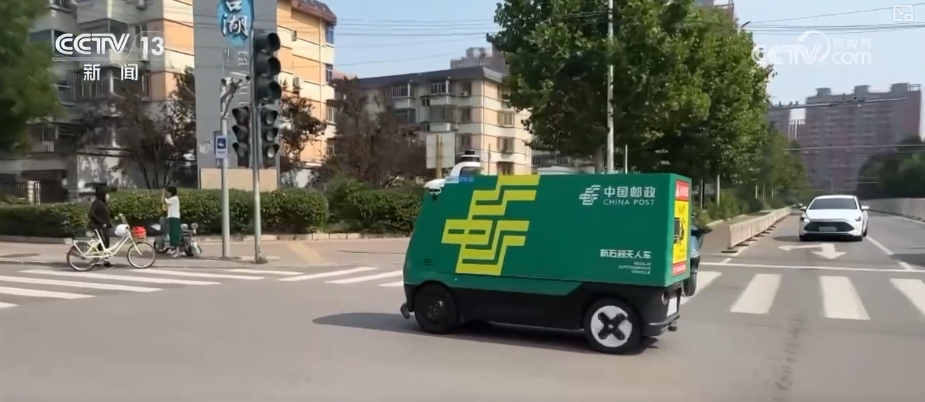
Core Insights - The launch of the first L4 level autonomous public transport line in Jinan marks a significant advancement in the city's smart driving sector, transitioning from L3 to L4 in just six months [1][6][12] - Jinan is positioning itself as a "driverless city" with ongoing developments in various autonomous driving applications, including logistics and sanitation [7][10][15] Group 1: Autonomous Public Transport - The L4 level autonomous buses, which lack a driver's seat and traditional controls, are equipped with numerous sensors and laser radars for environmental scanning [4][6] - The public's interest in the L4 buses has been high, with over 2,300 citizens having experienced the earlier L3 level service within two months of its launch [6][12] - The transition from L3 to L4 represents not only an upgrade in classification but also a comprehensive technological enhancement [6] Group 2: Broader Applications of Autonomous Driving - Jinan is expanding its autonomous driving initiatives beyond public transport, with L4 level autonomous delivery vehicles already operational, achieving a 30%-50% reduction in transportation costs [7][8] - Autonomous cleaning vehicles are also being deployed, enhancing efficiency and quality in sanitation operations [10] Group 3: Infrastructure and Industry Development - Jinan benefits from extensive infrastructure for testing autonomous vehicles, including a 26-kilometer closed highway and 174.75 kilometers of public roadways designated for testing [10][12] - Collaborations with companies like Huawei for developing autonomous mining vehicles indicate a growing industrial base in Jinan [10] Group 4: Policy Support and National Pilot Programs - Jinan's progress in autonomous driving is supported by comprehensive policy frameworks established since 2018, facilitating testing and commercial applications [12][13] - The city has been recognized as a national pilot for electric public vehicles and smart connected vehicles, which will drive further investment and infrastructure development [13] Group 5: Learning from Other Cities - Jinan is looking to cities like Wuhan and Guangzhou for best practices in autonomous driving, particularly in policy innovation and infrastructure development [15][17] - The experiences of these cities highlight the importance of a robust smart traffic system and supportive regulations for the successful implementation of autonomous vehicles [15][17]

“十五五”智慧交通怎么干?交通运输部提出谋划“三大工程”
Di Yi Cai Jing· 2025-06-26 09:24
Core Insights - The development of smart transportation is a key focus for China's 14th Five-Year Plan, with the Ministry of Transport emphasizing the need for innovative, demonstration, and application projects to promote overall development [1][2] - The Minister of Transport, Liu Wei, highlighted that accelerating smart transportation development is crucial for fostering new productive forces, enhancing international competitiveness, and meeting the needs of the public for a better life [1][2] - The establishment of a national key laboratory for intelligent transportation aims to address critical issues in the industry and enhance innovation capabilities across the entire value chain [3][5] Group 1: Strategic Development - The Ministry of Transport plans to actively seek diverse funding and social resource investments to drive the development of smart transportation [1][2] - A comprehensive evaluation of the current stage of smart transportation development in China will be conducted, with a focus on aligning with higher-level planning goals [1][2] - The Ministry aims to develop a robust indicator system for smart transportation during the 14th Five-Year Plan period, with long-term goals set for 2030 and 2035 [1][2] Group 2: Expert Involvement - A panel of ten experts, including academicians and industry leaders, participated in the expert symposium on smart transportation development, representing cutting-edge research in the field [2][5] - The key laboratory for intelligent transportation, initiated in 2023, will focus on digitalization, intelligent control, and integrated vehicle-road-cloud systems [2][3] - Experts emphasized the importance of integrating safety, efficiency, and sustainability in future transportation systems, aiming for zero fatalities and emissions [5][6] Group 3: Technological Advancements - The rise of intelligent connected vehicles is transforming transportation methods, with pilot cities identified for the "vehicle-road-cloud integration" application [6] - Data flow and real-time exchange are critical for the success of smart transportation, with current challenges in high-quality data supply and application [6] - Companies like China Transportation Information Technology Group and Gaode Map are leveraging AI and big data to enhance transportation efficiency and safety [6]
活力中国调研行丨“软”环境+“硬”政策 北京打造自动驾驶“样板间”
Yang Shi Xin Wen Ke Hu Duan· 2025-06-25 07:41
Core Insights - The article highlights Beijing's advancements in autonomous driving technology, showcasing its status as a global leader in this field, particularly through the establishment of the first high-level autonomous driving demonstration zone [1][14]. Group 1: Autonomous Driving Infrastructure - Beijing has built a high-level autonomous driving demonstration zone covering 600 square kilometers, equipped with over 1,600 smart intersections that collect and transmit environmental data to vehicles [10][12]. - The city has implemented a cloud control platform that connects vehicles, roads, and cloud services, enhancing the efficiency and safety of autonomous driving [12][18]. - The demonstration zone has seen a daily traffic flow increase of 19.7% and an average vehicle speed improvement of 15.1% due to the implementation of dynamic green wave traffic signals [13]. Group 2: Industry Growth and Support - The autonomous driving sector in Beijing has attracted over 35 testing companies and has issued testing permits for more than 1,000 vehicles, with total testing mileage exceeding 38 million kilometers, accounting for over a quarter of the national total [13][21]. - The local government has established a 10 billion yuan investment fund to support the autonomous driving industry, creating a healthy ecosystem for enterprise development [20]. - The implementation of the "Beijing Autonomous Driving Vehicle Regulations" marks a significant milestone, facilitating the use of autonomous vehicles for personal transportation [14]. Group 3: Talent and Research Resources - Beijing's strong research foundation in artificial intelligence and a rich talent pool from local universities contribute to the growth of the autonomous driving sector [15][16]. - The National Intelligent Connected Vehicle Innovation Center provides extensive testing facilities and data resources, enhancing the efficiency of vehicle testing [18]. Group 4: Market Dynamics - From 2021 to 2024, Beijing's automobile production is projected to increase from 892,000 to 1,145,300 units, with a nearly threefold growth in new energy vehicle production expected in 2024 [23]. - The market for autonomous vehicles is experiencing a surge in demand, with companies reporting significant increases in orders since the beginning of the year [23].
从“车看灯”到“灯看车” “软环境+硬政策”支撑自动驾驶“加速跑”
Yang Shi Wang· 2025-06-25 02:49
Core Insights - Beijing has established the world's first high-level autonomous driving demonstration zone, becoming a policy hub for autonomous driving and attracting numerous companies in the sector [1][21]. Group 1: Autonomous Driving Applications - Autonomous delivery vehicles are operational in residential areas, with over 20 units deployed to serve a 15-minute community living circle [5]. - A dedicated base for autonomous vehicles at a logistics center in Shunyi operates 30 vehicles, delivering nearly 20,000 packages daily [7]. - Autonomous vehicles are also utilized for urban management, such as AI inspection vehicles that report issues like overflowing trash bins and road damage [9][10]. Group 2: Infrastructure and Technology - The demonstration zone covers 600 square kilometers, featuring over 1,600 smart intersections equipped with integrated intelligent devices to collect and transmit environmental data to autonomous vehicles [16]. - The cloud control platform acts as the central hub for vehicle-road-cloud integration, with nearly 1,100 vehicles connected, enhancing traffic management and safety [15][16]. - Dynamic green wave systems have been implemented on 60 streets, improving traffic flow and increasing average vehicle speeds by 15.1% despite a 19.7% rise in traffic volume [18]. Group 3: Policy and Economic Support - Beijing has been selected as one of the first pilot cities for the "vehicle-road-cloud integration" application trial, with 35 autonomous driving testing companies and over 1,000 vehicles receiving testing permits [20]. - The implementation of the "Beijing Autonomous Driving Vehicle Regulations" in April 2025 marks a significant milestone for the industry, promoting widespread adoption of autonomous driving technology [21]. - A government investment fund of 10 billion yuan has been established to support the development of autonomous driving enterprises, creating a healthy ecosystem for the industry [25]. Group 4: Industry Growth and Talent - The autonomous driving sector in Beijing is supported by a rich talent pool from local universities, contributing to the growth of over 120 companies in the industry [26][28]. - From 2021 to 2024, Beijing's automobile production is projected to increase by nearly 30%, with a nearly threefold growth in new energy vehicle production in 2024 [28].
全球Robotaxi玩家“竞速”商业化落地无人驾驶仍需多方发力破局
Zhong Guo Zheng Quan Bao· 2025-06-23 21:10
Core Insights - Tesla has launched a pilot Robotaxi service in Austin, Texas, with an initial fleet of 10 Model Y vehicles, charging a fixed fare of $4.2 per ride, indicating progress in the commercialization of Robotaxi technology [1][2] - The Robotaxi market is projected to be worth $4 trillion to $5 trillion in the next 5 to 10 years, with high profit margins expected [2] - The pilot service currently requires a safety driver in each vehicle and is limited to invited passengers, operating in a specific area from 6 AM to 12 AM [2][3] Tesla's New Business Model - Tesla's CEO Elon Musk emphasized that the Robotaxi initiative is a culmination of a decade of internal development in AI and software [1] - Vehicle owners can opt-in to the Robotaxi network via an app, potentially earning more from shared rides than their car loan payments [1] - The company plans to expand its Robotaxi fleet with additional models like Cybercab, which will not have a steering wheel or pedals [2] Market and Operational Strategy - Tesla aims to expand its Robotaxi service to more regions in North America by the end of the year, with a goal of thousands of vehicles by 2026 [3] - The gradual introduction of safety drivers aligns with the typical progression of Level 4 autonomous driving testing, ensuring safety before moving to fully autonomous operations [3][4] - The success of Robotaxi services relies on high service density in urban areas, as low vehicle numbers can lead to poor user experiences [4] Industry Collaboration and Challenges - The development of Robotaxi services requires collaboration among regulatory bodies, automakers, technology firms, and service operators to overcome technical, cost, ecological, and policy challenges [4][7] - There are two main technological paths for autonomous driving: "single vehicle intelligence" and "vehicle-road-cloud integration," with the latter enhancing real-time interactions [4][6] - The industry is moving towards a more integrated approach, combining AI, data sharing, and technological collaboration to advance Robotaxi operations [6] Future Outlook - Experts predict that Robotaxi services will achieve large-scale commercialization around 2026, with widespread adoption expected by 2030 [4] - A supportive regulatory environment and accelerated legislation for autonomous driving are crucial for the industry's growth and competitiveness [7]

新产品打开新机遇丨聪明车驶上智慧路 这个“大脑”让出行更顺畅
Yang Shi Xin Wen Ke Hu Duan· 2025-06-22 23:30
Core Insights - The article discusses the implementation of a "smart brain" for integrated vehicle-road-cloud systems, enhancing urban intelligence and improving traffic flow [1][25] - The system allows for real-time adjustments of traffic signals based on vehicle speed and traffic conditions, leading to smoother travel experiences [3][6][18] Traffic Management Innovations - Vehicles can experience "green wave" traffic flow, minimizing stops at red lights through optimized signal timing [4][6] - The system automatically adjusts traffic light durations based on real-time vehicle presence, improving traffic efficiency [6][18] Data Collection and Processing - Drones and smart cameras collect real-time data on traffic flow and conditions, transmitting this information to a central smart traffic platform [10][12] - The system processes over one hundred million data points daily, enabling predictive analysis of traffic scenarios using AI simulation algorithms [14][16] Industry Impact and Growth - The "vehicle-road-cloud integration" initiative has established over 3,380 kilometers of smart roads across 20 pilot cities in China, with more than 34,000 sensing devices deployed [22] - The smart transportation sector is projected to become a significant economic growth driver, with the global automotive sensor market expected to reach 63 billion RMB by 2030 [25][26] - The development of smart roads is anticipated to generate over 400 billion RMB in value from intelligent roadside infrastructure by 2030, contributing to a total market size exceeding 20 trillion RMB for the "vehicle-road-cloud integration" industry [26]
(活力中国)“聪明车”开上“智慧路” 北京无人车“驶”向全球
Zhong Guo Xin Wen Wang· 2025-06-22 11:13
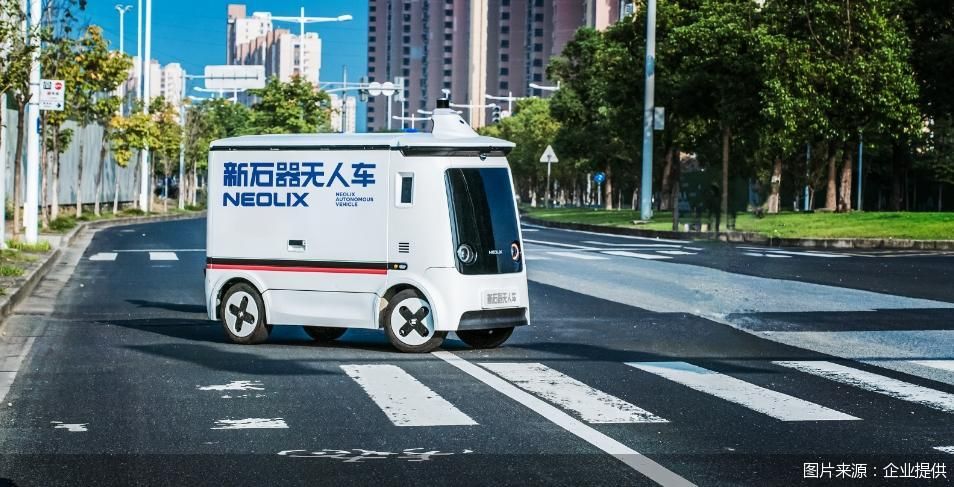
Core Insights - The article discusses the advancements in autonomous driving technology in Beijing, highlighting the city's efforts to create a comprehensive ecosystem for smart vehicles and infrastructure [1][3][5]. Group 1: Industry Developments - Beijing has established the first high-level autonomous driving demonstration zone in China, which has expanded from 60 square kilometers to 600 square kilometers [5]. - The demonstration zone has issued testing licenses for 1,098 vehicles, accumulating over 38 million kilometers in test mileage [5]. - The city is actively promoting the integration of vehicle, road, and cloud technologies to enhance the safety and efficiency of autonomous driving [3][5]. Group 2: Legislative and Safety Measures - In April, Beijing implemented the "Beijing Autonomous Driving Vehicle Regulations," which standardizes the operation of autonomous vehicles and outlines safety requirements [5]. - The National Intelligent Connected Vehicle Innovation Center has developed a comprehensive security research system to address potential risks associated with smart vehicles, including network penetration [5]. Group 3: Company Initiatives - New Stone Technology has received the first permit for autonomous delivery vehicles in the demonstration zone, marking a significant milestone in the industry [6][8]. - The company has deployed over 5,000 autonomous vehicles across 15 countries, including Japan, South Korea, Germany, and the UAE, focusing on local logistics and smart community applications [8].
活力中国调研行|“车路云网图”一体化,北京探索自动驾驶“加速度”
Bei Jing Shang Bao· 2025-06-22 10:53
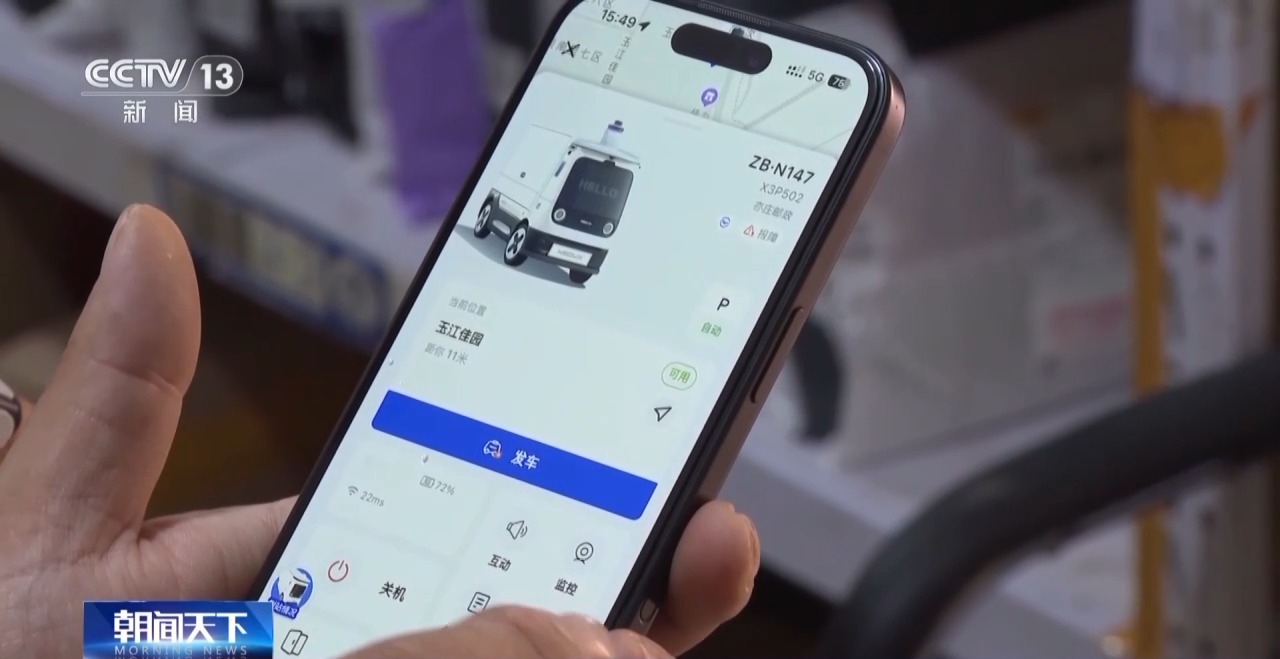
近日,北京商报记者跟随"活力中国调研行"北京市主题采访团走进位于亦庄的北京市高级别自动驾驶示范区,零距离感受"聪明的 车""智慧的路""可靠的网"展现出的科技活力。"目前已实现全市600平方公里路侧基础设施智能化部署,首次在全国建成涵盖'车、路、 云、网、图'五大体系的城市级工程试验平台,助力企业自动驾驶相关技术快速迭代更新。"北京市经济和信息化局汽车处相关负责人介 绍,北京持续推进智能网联汽车国家级创新中心建设,在车联网、人工智能、大数据等关键技术和系统研发方面形成领先优势,形成上 中下游产品种类齐全的智能网联汽车产业链条。 单日分拣10万件快递 走在北京亦庄的街头,身边经常会经过一辆辆外形小巧、造型呆萌的新石器无人配送车,沿着规划的路线匀速行驶。它们没有驾驶舱, 也无方向盘,却能自主避障、识别红绿灯,精准抵达每一个投递点。这样的场景,在亦庄已成日常。 顺着这辆无人车的日常路线,不远处便是新石器无人车公司(以下简称"新石器无人车")设立于亦庄的共配中心,这也是全球首个以无 人车为核心的智慧共配中心。北京商报记者走进去看到,一层整齐排列着形态功能各异的无人车,专为最后10公里配送场景设计的轻量 级无人配送车的 ...
溧水:“向新向智”,打造千亿级地标产业
Nan Jing Ri Bao· 2025-06-21 00:32
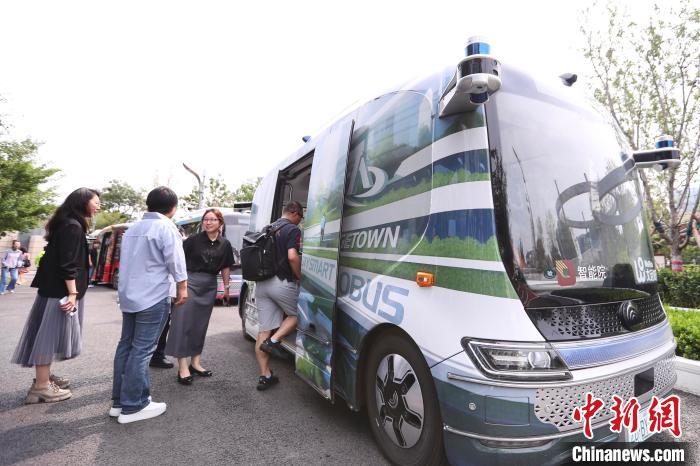
Core Insights - The article highlights the rapid development of the new energy vehicle (NEV) industry in Lishui, aiming to establish a "billion-level" landmark industry focused on electrification, connectivity, and intelligence [1][5] - The Lishui area has seen a 10% year-on-year increase in NEV industry output value, reaching 23.5 billion yuan from January to May this year [1] Group 1: Company Developments - The first batch of autonomous buses, named "Blue Whale," developed by Kaiwo New Energy Group, has been launched in Lishui, showcasing the company's advancements in L4-level autonomous driving technology [1][2] - Kaiwo Group has established a research and development team of over 800 people and collaborates with major industry players like Huawei and Baidu to focus on intelligent connected vehicles [2][3] - The "Blue Whale" bus features advanced safety systems, including eight laser radars and fifteen cameras, enhancing passenger safety and comfort [3] Group 2: Manufacturing and Production - Nanjing Chang'an's 5G smart factory produces a new vehicle, the Deep Blue S07, every 90 seconds, utilizing smart manufacturing technologies and a fully integrated 5G network [4] - The Deep Blue S07 has received positive market feedback, with over 150,000 units delivered, and has expanded its sales to over 50 countries [5] - Nanjing Chang'an's production capabilities have contributed to Lishui's NEV industry output surpassing 60 billion yuan, with the company achieving an output value of over 14 billion yuan last year [5] Group 3: Industry Trends - The NEV industry in China is rapidly transitioning towards electrification, connectivity, and intelligence, with Lishui positioning itself as a key player in this transformation [5] - Lishui has established a comprehensive innovation system for the NEV industry, attracting over 100 core component companies and three complete vehicle manufacturers [5] - The local government aims to enhance the NEV industry's capabilities and competitiveness, targeting a position among the top players in the domestic market [5]

汉鑫科技(837092) - 投资者关系活动记录表
2025-06-20 13:05
Group 1: Company Overview - Hanxin Technology is a professional service provider in the information technology sector, focusing on AI-based products and solutions for government and enterprise clients, covering three main areas: intelligent manufacturing, intelligent driving, and smart cities [4] - In intelligent manufacturing, the company utilizes the "Han工云" industrial internet platform to provide AI-driven solutions across six industries, including high-end equipment and automotive [4] - The company has over 20 years of experience in the smart city sector, offering computing power and intelligent products for government, education, and healthcare [4] Group 2: Intelligent Driving Developments - Hanxin Technology has developed a full-stack product matrix in the intelligent driving sector, including cloud control platforms and safety monitoring systems, enabling collaboration among people, vehicles, roads, networks, and clouds [5] - The company has successfully delivered the first intelligent connected demonstration road in Yantai, with various products validated, including autonomous buses and precision public transport [5] - In 2025, the company plans to expand its applications in autonomous driving, including unmanned cleaning and logistics [5] Group 3: Policy and Market Context - The "Car-Road-Cloud Integration" pilot program was announced by multiple ministries in January 2024, with 20 cities, including major ones like Beijing and Shanghai, designated as pilot cities [6] - 2025 is projected to be the commercial year for L3 conditional autonomous driving in China, with major cities already allowing testing [6] - The development of single-vehicle intelligence will accelerate the integration of car-road-cloud systems, supported by advancements in technology and policy collaboration [6] Group 4: Strategic Investments - Hanxin Technology has established a subsidiary in Beijing to leverage local talent and enhance its market presence [7] - The new company aims to address high-end talent acquisition challenges and stay updated with industry developments [7] - The subsidiary is expected to facilitate business expansion and improve customer response channels [7]