
AI推理

Search documents
天弘科技:以太网交换机、ASIC服务器双轮驱动-20250521
SINOLINK SECURITIES· 2025-05-21 01:23
Investment Rating - The report assigns a "Buy" rating for the company with a target price of $133.02 based on a 20X PE for 2026 [4]. Core Views - The company is a leading manufacturer of ASIC servers and Ethernet switches, benefiting from the growth in AI inference demand, particularly from major cloud service providers in North America [2][3]. - The company is expected to recover from a short-term decline in server revenue due to Google's TPU product transition, with anticipated growth resuming in the second half of 2025 [2]. - The company is actively expanding its customer base for ASIC servers, having become a supplier for Meta and secured a project with a leading commercial AI company [2][3]. Summary by Sections 1. Deep Layout in ASIC Servers and Ethernet Switches - The importance of inference computing power is increasing, and the ASIC industry chain is expected to benefit from this trend [14]. - The company is positioned to benefit from the volume growth of ASIC servers and the expansion of its customer base, particularly with Google and Meta [27][31]. - The Ethernet switch business is poised to grow due to the trend of AI Ethernet networking, with increased demand for high-speed switches [32]. 2. Transition from EMS to ODM - The company is shifting from an EMS model to an ODM model, which is expected to enhance customer binding and improve profitability [47]. - The revenue from the hardware platform solutions (ODM) is projected to grow significantly, contributing to overall revenue growth [50][52]. - The company's gross margin and operating profit margin have been steadily increasing due to the growth of its ODM business [52]. 3. ASIC Industry and Company Alpha - The company is well-positioned in the ASIC server and Ethernet ODM switch market, benefiting from industry trends and new customer acquisitions [3][4]. - The company’s net profit is forecasted to grow significantly over the next few years, with expected profits of $593 million, $765 million, and $871 million for 2025, 2026, and 2027 respectively [4][8]. - The company is expected to gain market share as it expands its customer base and increases the complexity of its products [31]. 4. Profit Forecast and Investment Recommendations - The company’s revenue is projected to grow from $7.96 billion in 2023 to $15.89 billion in 2027, with a compound annual growth rate (CAGR) of approximately 14.1% [8]. - The EBITDA is expected to increase from $467 million in 2023 to $1.296 billion in 2027, reflecting strong operational performance [8].





AI巨头新品亮相Computex 2025 争霸生态整合与AI推理市场
Zheng Quan Shi Bao Wang· 2025-05-20 12:09
Core Insights - Computex 2025 showcased major advancements in AI technology, with companies like NVIDIA and Intel emphasizing AI inference as a key focus area and highlighting ecosystem integration [1] Group 1: NVIDIA Developments - NVIDIA launched the GB300 NVL72 platform and NVIDIA NVLink Fusion, allowing third-party integration with NVIDIA GPUs, enhancing ecosystem compatibility [2] - NVIDIA's CEO Jensen Huang announced plans to build an AI supercomputer in Taiwan in collaboration with Foxconn and TSMC, aiming to strengthen the AI ecosystem [3] - NVIDIA's GB300 NVL72 AI server, designed for AI inference, will see a 50% performance improvement and is set for mass production in Q3 2025 [5] Group 2: Intel Innovations - Intel introduced the Pro B60 and Pro B50 GPUs, tailored for AI inference and professional workstations, offering a 10%-20% performance boost [6] - Intel's Gaudi 3 AI accelerator is now available for scalable AI inference in existing data center environments, with a launch expected in H2 2025 [6] - Intel also released the AI Assistant Builder on GitHub, a lightweight open software framework for developers to create optimized local AI agents [6] Group 3: Market Context - Huang emphasized the importance of the Chinese market, stating that losing access could result in a 90% loss of global market opportunities for U.S. companies [3] - The potential market in China for AI technology is estimated at $50 billion annually, highlighting the significant opportunity that could be lost [3]

再战英伟达!英特尔发布全新AI推理GPU芯片,陈立武:想重回巅峰就需“说真话”
Tai Mei Ti A P P· 2025-05-20 04:39
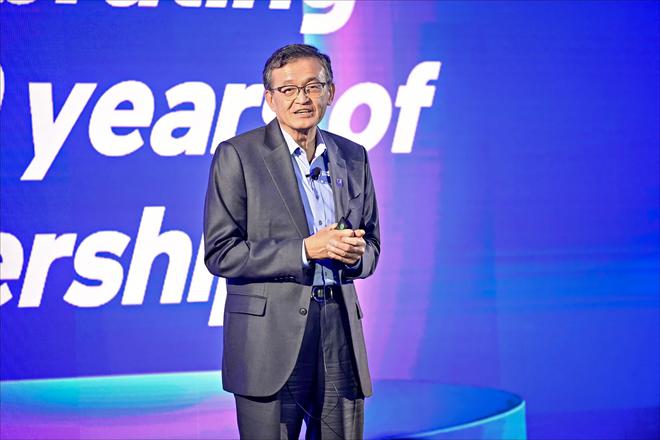
英特尔CEO陈立武(Lip-Bu Tan) 5月20日消息,2025年台北国际电脑展(COMPUTEX)正在举行。 虽然英特尔今年没有在Computex 2025上发表主题演讲,但5月19日,英特尔发布了全新针对专业人士和 开发者设计的全新图形处理器(GPU)和AI加速芯片产品系列。同时,英特尔CEO陈立武(Lip-Bu Tan)也在台北英特尔晚宴中发表演讲。 陈立武在19日晚表示,芯片产业正在改变,除了晶体管外,还需要建立完整的系统,并配合软件、网络 和储存技术,需要大量投资在互联技术上,英特尔也正大力转向光学技术,同时为实现SoC芯片整合与 高速效能,与存储芯片间的合作也至关重要。 陈立武补充称,英特尔有些产品竞争力不足,现正做出改变来补足缺点,尽管有这些挑战,但公司在 PC和客户端市场的市占率仍拥有约68%,数据中心CPU领域市占率也仍有55%,将利用现有基础推动 更好的产品和服务。 针对如何让英特尔重回巅峰,陈立武强调,重点就是"说实话",他说,他正努力推动这种文化,有时层 级太多,消息传达会失真,所以他有个习惯,是直接深入七、八层底下的工程师,听取真实意见。而 且,陈立武称他已经重新调整工程团队,让 ...


一场英伟达引发的大泡沫,快破了
Hu Xiu· 2025-05-19 23:02
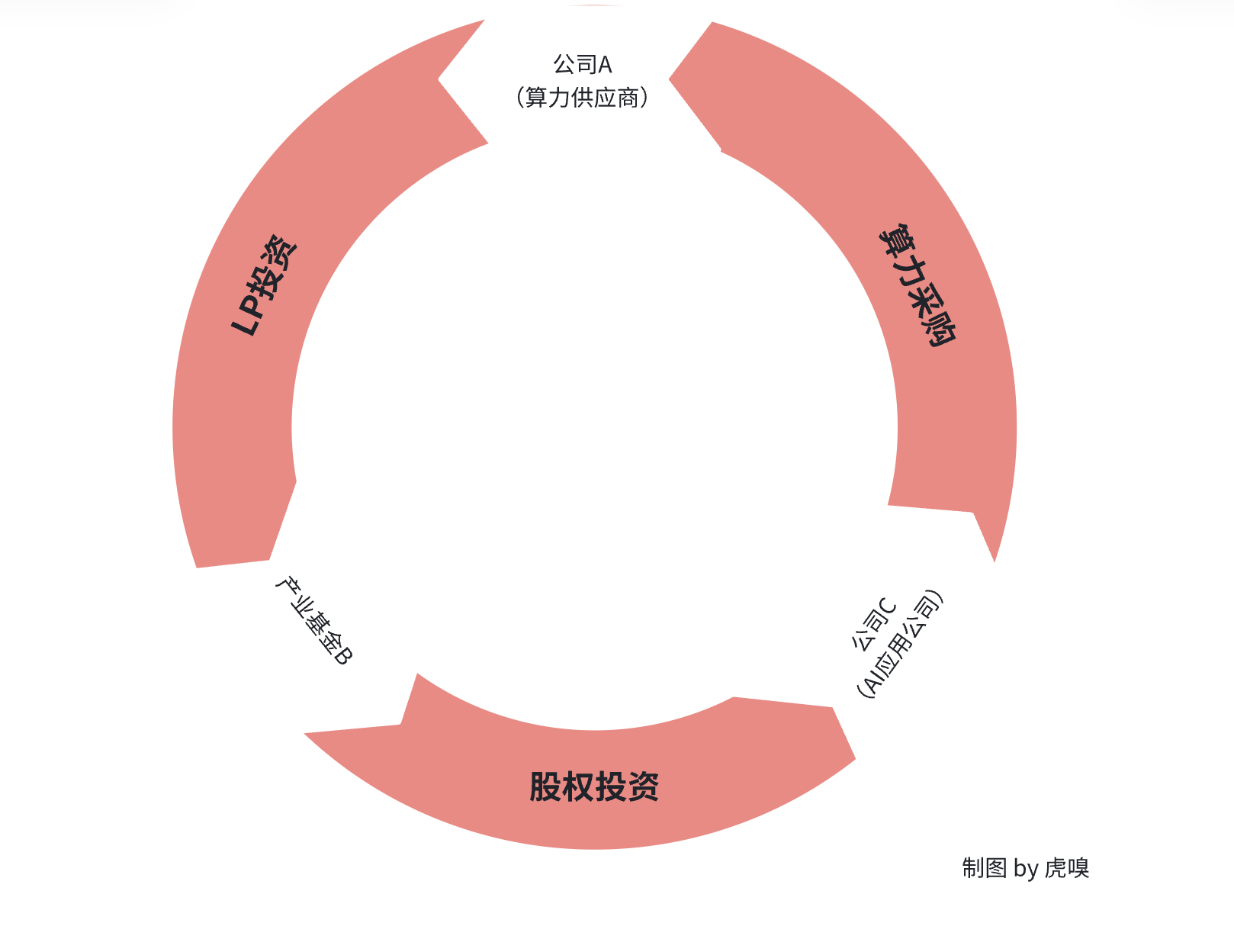
Core Insights - The article discusses the escalating competition for core computing resources triggered by the suspension of tariffs, leading to significant price fluctuations in server prices, which have increased by 15%-20% recently [2][4] - The emergence of new high-end products from NVIDIA, such as the Hooper and Blackwell series, is reshaping the supply landscape, with limited suppliers controlling the market [3][6] - The article highlights the complexities of the supply chain and the hidden trading networks that have developed in response to the demand for high-performance computing [8][10] Group 1 - The NVIDIA Hooper series, particularly the H200, is in high demand, with suppliers capable of providing 100 units weekly, as the market shifts from H100 due to its discontinuation [6][10] - The supply chain for computing resources is characterized by a lack of transparency, with contracts often abstracting the specific hardware used, focusing instead on computing power units [7][8] - The rise of speculative trading in high-end GPUs has led to inflated prices, with reports of individual suppliers marking up NVIDIA A100 GPUs to 128,000 RMB, significantly above the official price [10][11] Group 2 - The rapid construction of intelligent computing centers has resulted in over 458 projects initiated in 2024 alone, but many remain in the planning or construction phases, indicating a potential bubble in the sector [11][13] - The article notes that many of these centers are underutilized, with less than 50% activation rates, primarily due to the performance limitations of domestic chips and outdated server technology [15][19] - Major companies like ByteDance and Alibaba are making substantial investments in AI infrastructure, with ByteDance planning to invest over $12.3 billion in AI by 2025, highlighting a stark contrast to the struggling smaller suppliers [17][18][20] Group 3 - The article discusses the shift in focus from pre-training to inference in AI applications, indicating a growing demand for computing resources in various sectors, including automotive [30][31] - Despite the increasing demand for inference, the article points out a mismatch in supply, with many domestic chips unable to meet the performance standards required for advanced AI tasks [32][33] - The lack of a cohesive ecosystem and the need for a "blood-producing" nurturing environment for the intelligent computing industry are emphasized as critical challenges that need to be addressed [40]
芯片新贵,集体转向
半导体芯闻· 2025-05-12 10:08
Core Viewpoint - The AI chip market is shifting focus from training to inference, as companies find it increasingly difficult to compete in the training space dominated by Nvidia and others [1][20]. Group 1: Market Dynamics - Nvidia continues to lead the training chip market, while companies like Graphcore, Intel Gaudi, and SambaNova are pivoting towards the more accessible inference market [1][20]. - The training market requires significant capital and resources, making it challenging for new entrants to survive [1][20]. - The shift towards inference is seen as a strategic move to find more scalable and practical applications in AI [1][20]. Group 2: Graphcore's Transition - Graphcore, once a strong competitor to Nvidia, is now focusing on inference as a means of survival after facing challenges in the training market [6][4]. - The company has optimized its Poplar SDK for efficient inference tasks and is targeting sectors like finance and healthcare [6][4]. - Graphcore's previous partnerships, such as with Microsoft, have ended, prompting a need to adapt to the changing market landscape [6][5]. Group 3: Intel Gaudi's Strategy - Intel's Gaudi series, initially aimed at training, is now being integrated into a new AI acceleration product line that emphasizes both training and inference [10][11]. - Gaudi 3 is marketed for its cost-effectiveness and performance in inference tasks, particularly for large language models [10][11]. - Intel is merging its Habana and GPU departments to streamline its AI chip strategy, indicating a shift in focus towards inference [10][11]. Group 4: Groq's Focus on Inference - Groq, originally targeting the training market, has pivoted to provide inference-as-a-service, emphasizing low latency and high throughput [15][12]. - The company has developed an AI inference engine platform that integrates with existing AI ecosystems, aiming to attract industries sensitive to latency [15][12]. - Groq's transition highlights the growing importance of speed and efficiency in the inference market [15][12]. Group 5: SambaNova's Shift - SambaNova has transitioned from a focus on training to offering inference-as-a-service, allowing users to access AI capabilities without complex hardware [19][16]. - The company is targeting sectors with strict compliance needs, such as government and finance, providing tailored AI solutions [19][16]. - This strategic pivot reflects the broader trend of AI chip companies adapting to market demands for efficient inference solutions [19][16]. Group 6: Inference Market Characteristics - Inference tasks are less resource-intensive than training, allowing companies with limited capabilities to compete effectively [21][20]. - The shift to inference is characterized by a focus on cost, deployment, and maintainability, moving away from the previous emphasis on raw computational power [23][20]. - The competitive landscape is evolving, with smaller teams and startups finding opportunities in the inference space [23][20].
智通决策参考︱恒指稳步推进 重点观察机器人和稀土概念表现
Zhi Tong Cai Jing· 2025-05-12 00:51
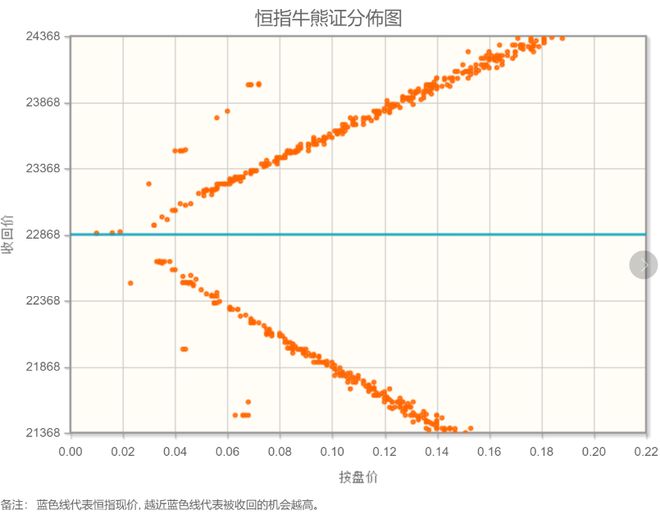
Group 1: Market Overview - The recent meetings have played a crucial role in stabilizing the Hong Kong stock market, with the Hang Seng Index continuing to progress steadily [1] - There are positive developments regarding ceasefire announcements between India and Pakistan, as well as potential progress in Russia-Ukraine negotiations, which may benefit market sentiment [1] - The key focus is on the US-China talks, which lasted for 8 hours on May 10, indicating a shift towards resolving differences, with constructive progress expected [1] Group 2: Company Performance - For 2024, GDS Holdings Limited (万国数据-SW) is projected to achieve revenue of 10.322 billion yuan, a year-on-year increase of 5.5%, and an adjusted EBITDA of 4.876 billion yuan, up 3% [3] - The company’s domestic operational area reached 613,583 square meters by the end of Q4 2024, reflecting a 12% year-on-year growth, with a cabinet utilization rate of 73.8% [3] - GDS's international business, DayOne, has signed contracts totaling 467 MW, with an operational scale of 121 MW, generating revenue of 1.73 million USD and adjusted EBITDA of 0.45 million USD in 2024 [4] Group 3: Industry Insights - Chinese construction companies are increasingly competitive in the international market, with several state-owned enterprises ranking among the top 10 in the ENR "Global Top 250 International Contractors" for 2024 [5] - The demand for construction projects along the Belt and Road Initiative is strong, with significant projects like the Jakarta-Bandung High-Speed Railway and China-Europe Railway Express enhancing infrastructure in participating countries [6] - The international engineering business is experiencing better conditions than the domestic market, with a notable increase in new contracts signed overseas by major Chinese construction firms [7]

芯片新贵,集体转向
半导体行业观察· 2025-05-10 02:53
Core Viewpoint - The AI chip market is shifting focus from training to inference, with companies like Graphcore, Intel, and Groq adapting their strategies to capitalize on this trend as the training market becomes increasingly dominated by Nvidia [1][6][12]. Group 1: Market Dynamics - Nvidia remains the leader in the training chip market, with its CUDA toolchain and GPU ecosystem providing a significant competitive advantage [1][4]. - Companies that previously competed in the training chip space are now pivoting towards the more accessible inference market due to high entry costs and limited survival space in training [1][6]. - The demand for AI chips is surging globally, prompting companies to seek opportunities in inference rather than direct competition with Nvidia [4][12]. Group 2: Company Strategies - Graphcore, once a strong competitor to Nvidia, is now focusing on inference, having faced challenges in the training market and experiencing significant layoffs and business restructuring [4][5][6]. - Intel's Gaudi series, initially aimed at training, is being repositioned to emphasize both training and inference, with a focus on cost-effectiveness and performance in inference tasks [9][10][12]. - Groq has shifted its strategy to provide inference-as-a-service, emphasizing low latency and high throughput for large-scale inference tasks, moving away from the training market where it faced significant barriers [13][15][16]. Group 3: Technological Adaptations - Graphcore's IPU architecture is designed for high-performance computing tasks, particularly in fields like chemistry and healthcare, showcasing its capabilities in inference applications [4][5]. - Intel's Gaudi 3 is marketed for its performance in inference scenarios, claiming a 30% higher inference throughput per dollar compared to similar GPU chips [10][12]. - Groq's LPU architecture focuses on deterministic design for low latency and high throughput, making it suitable for inference tasks, particularly in sensitive industries [13][15][16]. Group 4: Market Trends - The shift towards inference is driven by the lower complexity and resource requirements compared to training, making it more accessible for startups and smaller companies [22][23]. - The competitive landscape is evolving, with a focus on cost, deployment, and maintainability rather than just computational power, indicating a maturation of the AI chip market [23].

AI推理时代 边缘云不再“边缘”
Zhong Guo Jing Ying Bao· 2025-05-09 15:09
Core Insights - The rise of edge cloud technology is revolutionizing data processing by shifting capabilities closer to the network edge, enhancing real-time data response and processing, particularly in the context of AI inference [1][5] - The demand for AI inference is significantly higher than for training, with estimates suggesting that inference computing needs could be 10 times greater than training needs [1][3] - Companies are increasingly focusing on the post-training phase and deployment issues, as edge cloud solutions improve the efficiency and security of AI inference [1][5] Group 1: AI Inference Demand - AI inference is expected to account for over 70% of total computing demand for general artificial intelligence, potentially reaching 4.5 times the demand for training [3] - The founder of NVIDIA predicts that the computational requirements for inference will exceed previous estimates by 100 times [3] - The transition from pre-training to inference is becoming evident, with industry predictions indicating that future investments in AI inference will surpass those in training by 10 times [4][6] Group 2: Edge Cloud Advantages - Edge cloud environments provide significant advantages for AI inference due to their proximity to end-users, which enhances response speed and efficiency [5][6] - The geographical distribution of edge cloud nodes reduces data transmission costs and improves user experience by shortening interaction chains [5] - Edge cloud solutions support business continuity and offer additional capabilities such as edge caching and security protection, enhancing the deployment and application of AI models [5][6] Group 3: Cost and Performance Metrics - Future market competition will hinge on cost/performance calculations, including inference costs, latency, and throughput [6] - Running AI applications closer to users improves user experience and operational efficiency, addressing concerns about data sovereignty and high data transmission costs [6] - The shift in investment focus within the AI sector is moving towards inference capabilities rather than solely on training [6]

Sambanova裁员,放弃训练芯片
半导体行业观察· 2025-05-06 00:57
如果您希望可以时常见面,欢迎标星收藏哦~ 来源:本文编译自zach,谢谢。 四月下旬,资金最雄厚的AI芯片初创公司之一SambaNova Systems大幅偏离了最初的目标。与许 多其他AI芯片初创公司一样,SambaNova最初希望为训练和推理提供统一的架构。但从今年开 始,他们放弃了训练的雄心,裁掉了15%的员工,并将全部精力放在AI推理上。而且,他们并非 第一家做出这种转变的公司。 2017 年,Groq 还在吹嘘他们的训练性能,但到了2022 年,他们完全专注于推理基准。Cerebras CS-1 最初主要用于训练工作负载,但CS-2 和后来的版本将重点转向了推理。SambaNova 似乎是 第一代 AI 芯片初创公司中最后一个仍然认真专注于训练的公司,但这种情况终于发生了变化。那 么,为什么所有这些初创公司都从训练转向了推理呢?幸运的是,作为 SambaNova 的前员工(指 代本文作者zach,该作者自称 2019 年至 2021 年期间在 SambaNova Systems 工作),我(指代 本文作者zach,下同)有一些内部人士的见解。 SambaNova 非常重视在其硬件上训练模型。他们发布 ...

过去四周,AI推理爆了,GPU在燃烧,英伟达依旧供不应求
硬AI· 2025-04-29 00:18
根据摩根士丹利Joseph Moore团队25日发布的报告, 这种强劲的需求主要驱动因素在于token生成量的 增长,自年初以来,token生成量增长了5倍以上 ,这给生态系统带来了巨大压力,并推动了对处理这些 工作负载的投资激增。 点击 上方 硬AI 关注我们 大摩指出,受益于大型语言模型对推理芯片的巨大需求,英伟达面临GPU供不应求局面。但在持续的供应限制、毛利率 压力等负面影响下,大摩轻微下调英伟达目标价至160美元。长期来看,公司增长轨迹依然强劲。 硬·AI 作者 | 张雅琦 编辑 | 硬 AI 过去四周,投资者情绪因宏观经济和供应链风险而恶化,但与此同时,对英伟达GPU核心的需求却因主要 大型语言模型(LLM)对推理芯片的巨大需求而飙升,且这种需求遍及所有地区。 多家AI公司报告用户数量呈爆炸式增长,例如,Open Router等API公司的数据显示,许多公司为满足推 理软件的巨量需求,被迫争抢GPU资源,甚至出现"最后一块GB200"在2025年仅剩一块的状况。 摩根士丹利认为, 这种对推理的需求是关键。 这是由使用模型并产生收入的部分驱动的,证明了推理模 型的扩展是真实存在的,这与仅依赖于风险投 ...