
经济全球化

Search documents
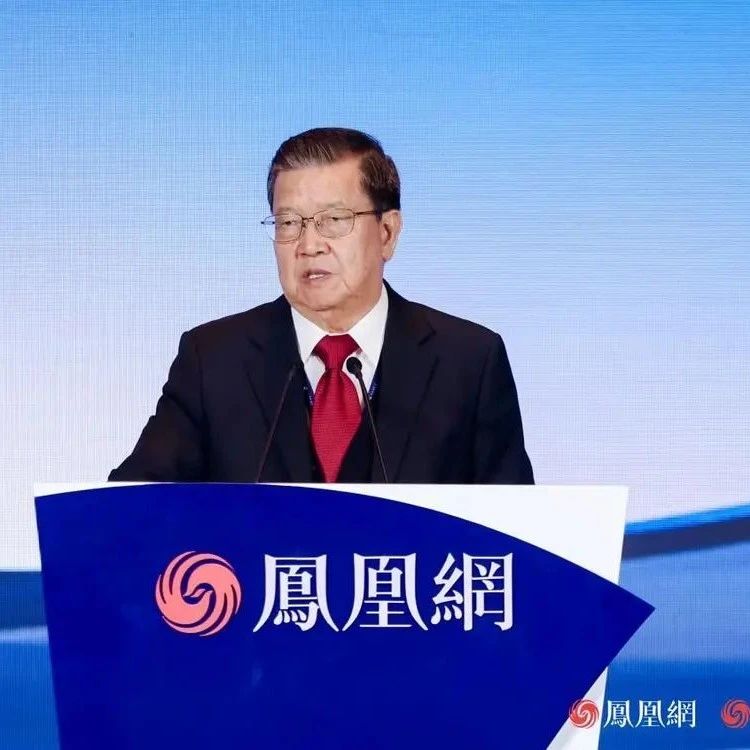
龙永图:美国现在已经看出来称霸全球代价高昂
凤凰网财经· 2025-07-02 13:50
Core Viewpoint - The forum aims to provide a high-end platform for Chinese enterprises to tackle challenges in globalization and explore paths for ecological win-win transformation amidst the deep restructuring of global industrial chains [1]. Group 1: Global Economic Leadership - Many countries hope China will step up to lead economic globalization and establish new trade rules, especially as the global trade system faces difficulties [5][7]. - The former Vice Minister of Foreign Trade and Economic Cooperation, Long Yongtu, emphasized that the U.S. has realized the costs of its hegemonic policies and may gradually abandon its unilateral dominance to build constructive relationships with China and other nations, leading to a multipolar world [6][7]. - Long noted that the U.S. tariffs target not only China but also other countries, undermining the global tariff system established by the World Trade Organization (WTO). Approximately 70 countries are currently negotiating with the U.S. on reciprocal tariffs, rejecting hegemonic practices [7]. Group 2: Cross-Border E-commerce and Trade Rules - Long highlighted that the U.S. recognizes the limitations of relying solely on the financial sector and is strengthening its manufacturing and real economy due to concerns over economic hollowing [8]. - Chinese enterprises can leverage their strong manufacturing capabilities, particularly in integrating new technologies like artificial intelligence, to enhance their global presence [8]. - China has become the largest player in the global cross-border e-commerce sector, accumulating valuable experience and successful cases that could help establish new trade rules through the WTO or other mechanisms [8].

外交部:从“中国制造”到“中国品牌”,是高质量发展的必然
news flash· 2025-07-02 07:49
Core Viewpoint - The transition from "Made in China" to "Chinese Brands" is an inevitable outcome of high-quality development, supported by China's complete industrial system, fair and open market environment, and long-term innovation and research and development [1] Group 1 - Chinese brands are gaining increasing recognition among overseas consumers due to their technological content, cultural heritage, design inspiration, and emotional value that bridges cultures [1] - The global presence of Chinese brands provides consumers with richer choices, while also welcoming more high-quality foreign brands to enter the Chinese market for mutual learning and development [1]
中国消费市场向世界展示开放姿态(国际论坛)
Ren Min Ri Bao· 2025-06-27 21:47
Group 1 - China is the world's second-largest consumer market with the largest middle-income group, indicating significant investment and consumption potential [1] - The "Global Brand China Online 500" list, based on consumption data from China's largest e-commerce platform, reflects the preferences of nearly 1 billion Chinese consumers, featuring 156 international brands from 17 countries [1][2] - The presence of 57 American brands, 53 European brands, and 28 Japanese brands on the list demonstrates China's attractiveness to major global economies [1][2] Group 2 - International and domestic brands are showing a trend of collaborative development and mutual benefits, particularly in sectors like beauty and sports, where international brands dominate due to their technological advantages [2] - Domestic brands are innovating based on local market needs, moving up the value chain, and gaining popularity both domestically and internationally [2] - The digital economy platform facilitates the deep integration of international and domestic brands in China, enhancing interaction with consumers and accelerating localization [2] Group 3 - International brands that seize opportunities in China's vast market can share in the economic development benefits, as seen with Adidas empowering its local team for product design and manufacturing [3] - Embracing the Chinese market is essential for international brands to gain a competitive edge globally, as the market offers significant consumer power with over 400 million middle-income individuals [3] - China's commitment to high-level openness and consumption upgrades is crucial for both its economic quality and global economic recovery [3]
天津达沃斯发出“强”国之音,释放开放、合作积极信号|问计达沃斯
Hua Xia Shi Bao· 2025-06-26 23:45
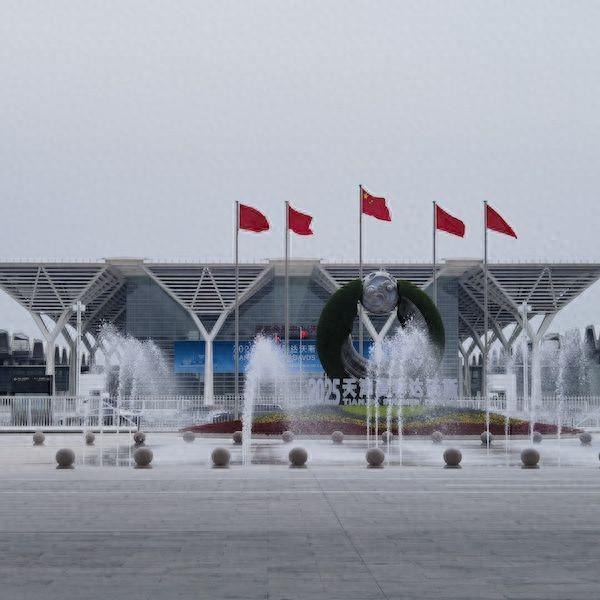
本报(chinatimes.net.cn)记者张智 天津摄影报道 2008年夏天,达沃斯论坛从阿尔卑斯山的雪山之巅,首次到达太平洋西岸的渤海之滨。彼时,正值国际 金融危机,世界经济遭受严重冲击,各国对世界经济能不能走出困境、将走向何方普遍感到迷茫和焦 虑。在那一年,无数的声音从天津发出,为世界经济建言献策。 2025年,当命运的齿轮再次将世界经济和国际经贸合作推向新的困难和挑战时,各国领导人再次聚首天 津。 6月25日下午,李强在天津出席2025年夏季达沃斯论坛工商界代表座谈会时表示,中国经济保持稳定增 长态势,不仅在于稳中向好的基本面和积极有为的宏观政策,还在于高度重视发挥市场的力量、发挥企 业的力量,这其中广大外资企业作出了重要贡献。同时,中国也为外资企业的发展提供了广阔天地。 他表示,这次论坛以"新时代企业家精神"为主题,具有重要现实意义。新时代需要企业家们发挥更大作 用、展现更大作为。 "企业家精神是科技创新与产业应用的内在驱动力。企业家在推动经济增长和创新发展、促进就业和服 务社会等方面发挥着不可替代的作用。尽管全球经济面临诸多不确定性挑战,中国经济依然展现出强大 的内生动力和适应力,这离不开企业家 ...
与世界经济深度联动中创造共赢故事(和音)
Ren Min Ri Bao· 2025-06-26 21:54
参与论坛的工商界代表表示,在华外资企业多年来见证了中国经济持续增长,中国的政策稳定性和规划 长期性在当前不确定性上升的全球形势下尤为珍贵。近段时间以来,伴随着稳增长政策的落地,中国经 济展现出巨大韧性,摩根士丹利、德意志银行、高盛等多家外资机构纷纷上调对于中国经济增长的预 期。事实一再证明,得益于明确的发展目标、连贯的规划引领、坚定的改革举措、务实的宏观政策,即 使外部冲击加大,中国依然有信心、有能力保持经济较快增长。世界经济论坛总裁博尔格·布伦德认 为,中国接连推出一系列政策举措,确保必要的结构性改革扎实推进,不仅有助于实现今年5%左右的 经济增长目标,还将为未来10年打下基础、做好铺垫。 "在世界经济形势严峻复杂背景下,中国经济展现出强劲韧性""中国的创新与开放有助于增强自由贸易 和多边体制的韧性""中国持续为全球发展注入强劲动力,仍是国际投资与合作的热土和沃土"……日前 在天津举行的第十六届夏季达沃斯论坛上,与会人士触摸中国经济发展脉动,共商世界经济复苏之策, 对中国经济前景和开放合作充满信心。 中国不断扩大开放,在与世界经济的深度联动中持续创造着共赢故事。作为全球第二大消费市场和进口 市场,中国有近5 ...
瑞达期货集运指数(欧线)期货日报-20250626
Rui Da Qi Huo· 2025-06-26 08:56
| 集运指数(欧线)期货日报 | | | | | | 2025/6/26 | | --- | --- | --- | --- | --- | --- | --- | | 项目类别 数据指标 环比 | 数据指标 | 最新 | | 最新 | | 环比 | | EC主力收盘价 | | 1759.900 | 21.6↑ EC次主力收盘价 | | 1325.6 | +37.10↑ | | 期货盘面 EC2508-EC2510价差 | -13.10↓ EC2508-EC2512价差 | 434.30 | | | 270.80 | -33.70↓ | | EC合约基差 | -19.70↓ | 177.24 | | | | | | 期货持仓头寸(手) EC主力持仓量 | -2043↓ | 41485 | | | | | | SCFIS(欧线)(周) | 239.51↑ SCFIS(美西线)(周) | 1937.14 | | | 2,083.46 | -825.22↓ | | SCFI(综合指数)(周) | -218.65↓ 集装箱船运力(万标准箱) | 1869.59 | | | 1,227.97 | -0.10↓ | | ...

东兴晨报-20250626
Dongxing Securities· 2025-06-26 08:44
Economic News - The Chinese government is focusing on maintaining international economic cooperation and promoting high-quality development through multilateral organizations such as APEC and BRICS [1] - In May, national lottery sales reached 57.036 billion yuan, a year-on-year increase of 19.8%, driven by increased sports events [1] - The People's Bank of China conducted a 300 billion yuan MLF operation to maintain liquidity in the banking system, resulting in a net injection of 118 billion yuan for June [1] - The Ministry of Commerce announced that foreign investment enterprises must report their domestic investment information, with pilot regions including Jiangsu and Shanghai [1] Company Insights - China Construction Bank issued 11.589 billion shares to raise 105 billion yuan [5] - Guoxuan High-Tech's all-solid-state battery is in the trial production stage, with samples sent to customers for testing [5] - Changchun Technology expects a net profit growth of 67.54% to 95.46% in the first half of 2025 [5] - Nanjing Commercial Travel plans to acquire 100% equity of Nanjing Huangpu Hotel through share issuance and cash payment [5] - Tianji Co., Ltd. is progressing with research and testing related to lithium sulfide [5] Industry Analysis Food and Beverage Sector - The food and beverage sector is experiencing a price-driven asset pricing model, with demand-side changes significantly impacting pricing and profitability [6] - The overall market sentiment is expected to improve in the second half of the year, with a focus on cyclical sectors like liquor and new consumption trends [7] - Key recommendations include companies like Kweichow Moutai, Yili, and Jin Zai Foods, which are expected to benefit from channel advantages and performance reversals [7] Home Furnishing Sector - The home furnishing market is supported by national subsidies, although real estate sales are declining [8] - The home furnishing retail sales grew by 25.6% in May, driven by subsidies, while exports are under pressure [8] - Recommended companies include Gujia Home, Sophia, and Zhibang Home, which have strong dividend yields and brand advantages [8] Textile and Apparel Sector - The textile and apparel industry is seeing a slow recovery in domestic sales, with a 6.4% year-on-year increase in retail sales in May [9] - Investment focus should be on quality brands like Hailan Home and Fuanna, as well as sports brands like Anta, which are expanding internationally [9] - Textile exports showed a slight increase of 2.5% in the first five months, while apparel exports decreased by 0.5% [9]



光大期货金融期货日报-20250626
Guang Da Qi Huo· 2025-06-26 06:32
光大期货金融期货日报 光大期货金融期货日报(2025 年 06 月 26 日) 一、研究观点 | 品种 | 点评 | 观点 | | --- | --- | --- | | 股指 | 国内基本面来看,5 月 PPI 同比-3.3%,较 4 月环比下滑;新增人民币贷款 | 震荡 | | | 6200 亿元人民币,比上年同期少增 3300 亿元。化债背景下信用收缩、需求 | | | | 不足仍是当前主要矛盾,指数很难突破中枢大幅上涨。另一方面,2025 年上 | | | | 半年企业盈利情况较 2024 年有明显改善,在配置型资金托底的背景下,A 股 | | | | 指数短期同样不会出现大幅下跌的走势。预期未来指数仍以震荡为主。 | | | | 国债期货收盘,30 年期主力合约跌 0.22%,10 年期主力合约跌 0.04%,2 年 | | | | 期主力合约涨 0.01%,5 年期主力合约基本持稳。中国央行开展 3653 亿元 7 | | | | 天期逆回购操作,利率持稳于 1.4%。公开市场有 1563 亿元逆回购到期,净 | | | | 投放 2090 亿元。2025 年 6 月 25 日中国人民银行将以固定 ...
稳定币是机遇也是挑战:申万期货早间评论-20250626
申银万国期货研究· 2025-06-26 00:48
首席点评:稳定币是机遇也是挑战 国际货币基金组织( IMF)副总裁李波在2025年夏季达沃斯论坛上表示,稳定币的发展既存在机遇, 也存在挑战,核心挑战在于,如何对稳定币实施有效的监管,需要在全球范围内达成更多共识。欧洲央 行担忧,稳定币可能威胁金融稳定并影响数字欧元推行,但欧盟委员会认为风险可控。伊朗议会通过一 项法案,暂停伊朗与联合国核监督机构的合作。美国总统特朗普表示,美方将于下周与伊朗就一项潜在 的核协议展开会谈。美联储主席鲍威尔表示,目前经济形势存在高度不确定性,希望以实际数据为依 据,而不是过于自信地做出预测,某个时候美联储将会恢复降息。国务院总理表示当前国际经贸格局正 在发生深刻变化,我们应当坚定不移拥抱普惠包容的经济全球化,维护自由贸易和多边主义,促进世界 经济稳定发展。海外美股涨跌不一,美债收益率回落,原油止跌,国内夜盘能化、农产品、黑色板块多 数上涨。 重点品种:贵金属、股指、橡胶 贵金属:金银小幅反弹。以色列和伊朗同意全面停火,美国总统特朗普表示,美方将于下周与伊朗就一 项潜在的核协议展开会谈,但他多次强调自己并不认为这类协议 "有多必要"。美联储主席鲍威尔在国 会证词中表示,美联储目前处 ...

推动普惠包容的经济全球化
Jing Ji Ri Bao· 2025-06-25 21:55
Group 1 - The rise of unilateralism and protectionism poses significant challenges to economic globalization, with trade uncertainties being a key factor affecting global economic development [1][2] - Despite geopolitical tensions and trade protection policies, there is a prevailing optimism about future development, emphasizing that no enterprise can benefit from tariffs in the long term [1][2] - Economic globalization is seen as an inevitable trend, requiring a collective effort to promote open, inclusive, and balanced development to ensure prosperity and stability for the world [1][3] Group 2 - Economic globalization is a necessary outcome of social productivity development and an objective requirement for optimizing global resource allocation, leading to deeper international division of labor and expanded global markets [2][3] - The emergence of new technologies, particularly in artificial intelligence, injects new momentum into economic globalization, while the rising influence of emerging markets and developing economies enhances their role in global governance [2][3] - Challenges such as insufficient growth momentum, governance lag, and imbalanced development highlight the need for a consensus on promoting economic globalization, addressing the uneven benefits across different countries and groups [2][3]