
囚徒困境

Search documents
银行业的“内卷”与“反内卷”|银行与保险
清华金融评论· 2025-08-13 08:55
Core Viewpoint - The phenomenon of "involution" is spreading in the financial sector, leading to excessive competition among banks, which has prompted regulatory actions to restore a healthy market order [3][10]. Group 1: Definition and Characteristics of Involution - Involution refers to a situation where individual entities continuously invest resources without achieving systemic efficiency improvements, resulting in diminishing returns and overall inefficiency [5]. - In the banking sector, involution manifests as irrational market behaviors, including price wars, homogenized business models, and ineffective assessment systems [7]. Group 2: Causes of Banking Involution - The mismatch between supply and demand, along with the deepening of interest rate marketization, contributes to banking involution. There is a structural contrast between accumulating deposits and shrinking credit demand [8]. - The Loan Market Quotation Rate (LPR) mechanism has led to a market-driven pricing system, but the simultaneous decline in credit demand and LPR has pressured banks' net interest margins, pushing them into irrational price competition [8]. Group 3: Consequences of Involution - Involution is eroding the operational safety margins of banks, compressing interest margin revenues, and potentially weakening the ability to accumulate capital internally. The average net interest margin of commercial banks fell to 1.43% in Q1 2025, down 75 basis points from historical highs [9]. - The intensification of scale-driven competition has led to a relaxation of risk management standards, increasing the likelihood of asset quality deterioration and higher non-performing loan rates [9]. Group 4: Responses to Involution - Following the central government's call to regulate irrational price competition, various banking associations have implemented measures to curb involution, such as establishing governance frameworks and self-regulatory agreements [11]. - Banks are encouraged to adopt differentiated operational strategies and enhance service value to regain competitive advantages, focusing on product innovation and customized solutions [13]. Group 5: Future Directions - Strengthening the legal and regulatory framework is essential to address irrational competition, with a focus on enhancing enforcement and establishing rapid response mechanisms for competitive misconduct [13]. - Optimizing internal assessment mechanisms and fostering innovation talent are crucial for banks to transition from scale-based evaluations to multidimensional performance metrics, thereby enhancing service quality and customer satisfaction [14].


【有本好书送给你】从超市排队到核战争:看懂这场叫‘人生’的无限博弈
重阳投资· 2025-08-13 07:32
Core Viewpoint - The article emphasizes the importance of reading and its role in personal growth and understanding complex concepts, particularly in economics [1][2][6]. Group 1: Reading and Engagement - The publication encourages readers to maintain a habit of reading and offers a platform for discussion through comments [2][4]. - Each issue will feature a book review, book list, or excerpts, fostering a community of readers [3]. Group 2: Featured Book - The highlighted book is "Unexpected Economics" by Timothy Taylor, which explores how economics applies to everyday life and decision-making [8]. - An interactive topic invites readers to share their experiences related to the book's theme, specifically the practical applications of economics in daily life [8]. Group 3: Economic Concepts - The article discusses various economic scenarios, such as queueing at supermarkets and airline overbooking, illustrating how these situations reflect human decision-making and economic principles [9][12]. - It introduces the concept of the "prisoner's dilemma" to explain how individual rational choices can lead to collective disadvantages [13][15]. Group 4: Solutions to Economic Dilemmas - The article outlines strategies to overcome the prisoner's dilemma, including repeated interactions, punishment mechanisms, institutional design, and signaling to reduce misjudgments [18][20][22][23]. - It emphasizes that competition can be a form of cooperation, highlighting the interconnectedness of market dynamics [24][27]. Group 5: The Essence of Economics - The article argues that economics is not merely about greed but involves understanding human behavior and decision-making under constraints [29][30]. - It stresses the importance of designing choice frameworks that respect individual decisions while promoting collective welfare [30].

苦电鸡久矣的路人,正在悄悄给电动车放气
3 6 Ke· 2025-08-13 01:09
Core Viewpoint - The article discusses the challenges and societal implications of electric scooters (referred to as "电鸡") in urban environments, highlighting the conflict between pedestrians and scooter riders, and the need for better urban planning and regulations to address these issues [1][4][72]. Group 1: Electric Scooter Prevalence - As of the end of 2024, the number of electric scooters in China is approximately 425 million, surpassing the number of cars at 353 million, making them the most common short-distance transportation tool [58][60]. - In 2023, China accounted for nearly 6 million electric scooter sales, representing 78% of global sales, establishing it as the largest market for electric scooters [60][62]. - The urban structure in China, characterized by low-density suburbs and industrial areas, has created a significant demand for short-distance commuting solutions, which electric scooters fulfill [61][67]. Group 2: Urban Planning and Policy Impact - The ban on motorcycles in cities has led to a policy vacuum, where electric scooters have filled the gap, despite lacking dedicated lanes, resulting in increased congestion and safety issues [62][74]. - Guangzhou has a low non-motorized vehicle lane rate of only 32%, compared to 95% in Beijing and 90% in Shanghai, contributing to the difficulties faced by electric scooter riders [64][67]. - The approach to motorcycle bans in cities like Guangzhou has created a mismatch between road design and commuting needs, leading to chaotic traffic conditions [71][74]. Group 3: Safety and Social Dynamics - Electric scooters are involved in a significant percentage of traffic accidents, with data indicating they account for 60%-80% of trauma cases in major hospitals [72]. - The societal perception of electric scooters is polarized, with some advocating for their ban while others argue they are essential for urban mobility [78]. - The article highlights a growing resentment between pedestrians and scooter riders, leading to a cycle of mutual disdain and conflict [45][83]. Group 4: Solutions and Future Directions - The article suggests that simply banning electric scooters will not resolve the underlying issues, as demand for efficient transportation will persist [77][81]. - Recommendations include optimizing road design, managing delivery services, and enhancing enforcement and public education to create a more harmonious coexistence between different road users [81][83].
杭州硕丰自有资金投资有限公司:外卖大战降温,专家吁多管齐下破内卷
Sou Hu Cai Jing· 2025-08-10 17:46
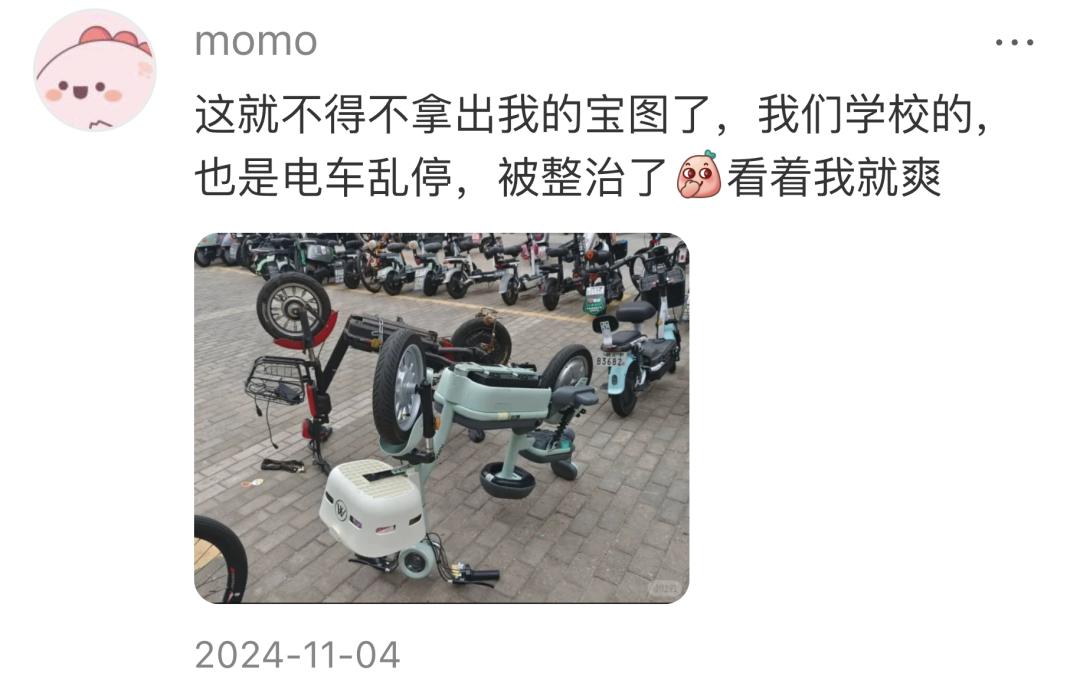
Group 1 - The competition among food delivery platforms in China has intensified, leading to a "subsidy war" characterized by extremely low prices, such as 0 RMB milk tea and 1 RMB hamburgers, but recent regulatory actions have started to cool this competition [1][3] - Delivery riders and merchants are experiencing increased pressure; while order volumes and incomes have surged temporarily, the intense workload is causing physical strain, and the exit of subsidies may lead to challenges for new riders [3] - A medium-tier fast food company's management reported a 12%-15% decline in dine-in customer traffic due to delivery subsidies, with delivery orders increasing from 15% to 22% of total sales, resulting in losses of approximately 8 RMB per order [3] Group 2 - The phenomenon of "involution" in platform economics is twofold: platforms compete for user traffic through substantial subsidies, while merchants are compelled to offer discounts to gain visibility on these platforms [4] - Experts emphasize the need for regulatory measures to prevent "involution" in competition, suggesting that the government should utilize existing laws to regulate predatory pricing and promote fair competition [4] - Recommendations for companies include avoiding short-sighted subsidy wars and instead focusing on differentiated development through improved service quality and technological innovation to gain competitive advantages [4]
Token成本下降,订阅费却飞涨,AI公司怎么了?
机器之心· 2025-08-06 04:31
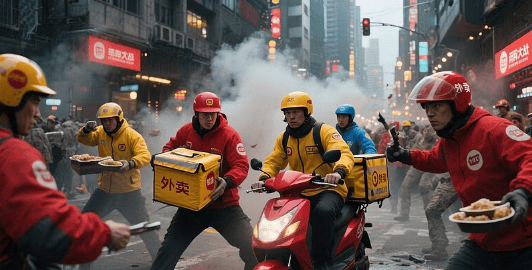
Core Viewpoint - The article discusses the challenges faced by AI companies in balancing subscription pricing and operational costs, highlighting a potential "prisoner's dilemma" where companies struggle between offering unlimited subscriptions and usage-based pricing, leading to unsustainable business models [3][45][46]. Group 1 - DeepSeek's emergence in the AI space was marked by its impressive training cost of over $5 million, which contributed to its popularity [1]. - The training costs for AI models have decreased significantly, with Deep Cogito reportedly achieving a competitive model for under $3.5 million [2]. - Despite the decreasing training costs, operational costs, particularly for inference, are rising sharply, creating a dilemma for AI companies [3][15]. Group 2 - Companies are adopting low-cost subscription models, such as $20 per month, to attract users, banking on future cost reductions in model training [7][12]. - The expectation that model costs will decrease by tenfold does not alleviate the pressure on subscription services, as operational costs continue to rise [5][13]. - The reality is that even with cheaper models, profit margins are declining, as evidenced by the experiences of companies like Windsurf and Claude Code [14][15]. Group 3 - Users are increasingly demanding the latest and most powerful models, leading to a rapid shift in demand towards new releases, regardless of previous models' cost reductions [17][21]. - The pricing history of leading models shows that while initial costs may drop, the demand for the latest technology keeps prices stable [20][22]. - The consumption of tokens has increased dramatically, with the number of tokens used per task doubling every six months, leading to unexpected cost increases [28][29]. Group 4 - Companies like Anthropic have attempted to address cost pressures by implementing strategies such as increasing subscription prices and optimizing model usage based on load [38][40]. - Despite these efforts, the consumption of tokens continues to rise exponentially, making it difficult to maintain sustainable pricing models [41][44]. - The article suggests that a fixed subscription model is no longer viable in the current landscape, as companies face a fundamental shift in pricing dynamics [44][60]. Group 5 - The article outlines three potential strategies for AI companies to navigate the cost pressures: adopting usage-based pricing from the start, targeting high-margin enterprise clients, and vertically integrating to capture value across the tech stack [51][52][57]. - Companies that continue to rely on fixed-rate subscription models are likely to face significant challenges and potential failure [60][62]. - The expectation that future model costs will decrease significantly may not align with the increasing user expectations for performance and capabilities [61][64].

AI 的「成本」,正在把所有人都拖下水
AI科技大本营· 2025-08-05 08:49
Core Viewpoint - The expectation that the cost of large models will decrease by tenfold annually does not guarantee profitability for AI subscription services, as user demand and consumption patterns are evolving in ways that challenge traditional pricing models [1][4][51]. Group 1: Cost Dynamics - The cost of large models has indeed decreased significantly, with GPT-3.5's price dropping to one-tenth of its original cost, yet companies are still facing negative profit margins [7][15]. - The consumption of computational resources (tokens) has increased dramatically, with tasks that previously required fewer tokens now consuming exponentially more due to the models' enhanced capabilities [18][21]. Group 2: Market Demand and User Expectations - Users are primarily attracted to the latest and most powerful models, leading to a situation where even if older models become cheaper, the demand shifts to the newest offerings, which maintain high price points [10][15]. - The expectation from users is that as model costs decrease, the quality and capabilities will also improve, leading to a demand for higher performance that outpaces the cost reductions [46][47]. Group 3: Subscription Models and Business Challenges - Fixed monthly subscription models are becoming unsustainable as they cannot accommodate the increasing computational demands of users, leading to a "cost trap" for companies [22][30]. - Companies are caught in a "prisoner's dilemma," where they must choose between competitive pricing strategies that could lead to unsustainable losses or risk losing customers to competitors offering unlimited usage at lower prices [32][34]. Group 4: Potential Solutions - Companies may need to adopt usage-based pricing from the outset to create a sustainable economic model, although this approach may deter consumer adoption due to a preference for fixed-rate subscriptions [36]. - High switching costs can be leveraged to lock in customers and ensure profitability, as once integrated into a client's operations, the cost sensitivity decreases significantly [39]. - Vertical integration, where companies bundle AI services with other offerings, can provide a pathway to profitability despite losses on token consumption [40][42].
以“短期让利”换“行业话语权”式价格战 本质是低效消耗战
Nan Fang Du Shi Bao· 2025-08-04 23:17
Core Viewpoint - The article discusses the rise of "involutionary competition" in various industries, emphasizing the need for regulatory measures to address the inefficiencies and negative impacts of price wars, particularly in the platform economy [5][6][23]. Group 1: Definition and Characteristics of Involutionary Competition - "Involutionary competition" is characterized by low-price strategies leading to a race to the bottom, resulting in decreased profit margins and stagnation in industry development [8][9]. - This form of competition is marked by low-quality homogenization, price wars, and short-term behavior, ultimately harming the overall value of the industry [8][9]. Group 2: Price Wars and Their Implications - Price wars, while appearing beneficial in the short term, can create a "bubble market" through capital subsidies, leading to unsustainable competition [10][12]. - The phenomenon of sacrificing profits for market survival is driven by market pressures, strategic goals, and the allure of short-term gains [9][10]. Group 3: Regulatory Framework and Legal Measures - New regulations, including amendments to the Anti-Unfair Competition Law and the Price Law, aim to provide tools for comprehensive governance of involutionary competition [11][14]. - The revised laws will prohibit platforms from forcing merchants to sell below cost, thereby preventing market disruption and protecting fair competition [12][14]. Group 4: Transition from Price Competition to Value Competition - The article advocates for a shift from price wars to value-based competition, emphasizing the need for a collaborative approach involving government policy, industry self-regulation, and corporate innovation [20][21]. - This transition is seen as essential for breaking the cycle of low-price, low-quality competition and fostering a healthier market environment [21][23].

从50天减至10天!特朗普确定对俄罗斯最后通牒新期限 原油盘中大涨超4%
Hua Er Jie Jian Wen· 2025-07-29 21:04
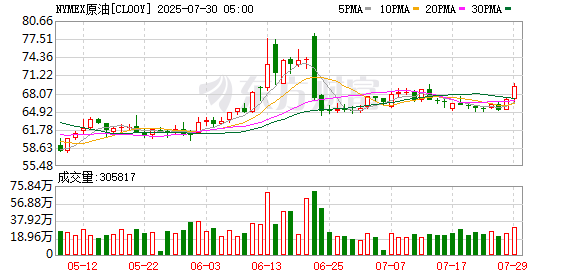
Group 1 - President Trump has set a new 10-day ultimatum for Russia to reach a ceasefire agreement regarding the Ukraine conflict, significantly shortening the previous 50-day deadline to August 8 [1][2] - The announcement has led to a substantial increase in international crude oil prices, with WTI crude rising to $69.76, a nearly 4.6% increase, and Brent crude reaching $73.08, up over 4.3%, marking the largest intraday gains since June 17 [5] - Analysts express concern that if the ultimatum is enforced, it could tighten the supply of Russian oil and fuel in the global market, especially as the EU has recently announced new sanctions against Russia [8] Group 2 - The potential for secondary sanctions against countries purchasing Russian oil could impact major buyers like India, as the U.S. views such purchases as tacit support for Russia [9][10] - Trump's administration is currently negotiating with countries like India regarding trade agreements, raising questions about the likelihood of imposing sanctions on these trading partners [9][10] - Political analysts suggest that India and other major oil importers may reduce their imports of Russian energy, either voluntarily or due to tariff pressures, which could financially impact the Russian government [9][11] Group 3 - The Kremlin has responded to Trump's ultimatum by indicating that President Putin is unlikely to change his stance, despite the pressure from the U.S. [13] - Recent escalations in Russian missile and drone attacks on Ukraine suggest that diplomatic efforts have not yielded progress, as indicated by the lack of response from Russia to Trump's ultimatum [12][13] - The situation reflects a complex strategic calculation for both the U.S. and Russia, with potential implications for global oil markets and geopolitical dynamics [11][13]
山西焦煤20250728
2025-07-29 02:10
Summary of Shanxi Coking Coal Conference Call Industry Overview - The coking coal price dropped to 1,100 RMB/ton in June 2025, with short-term rebounds driven by national policies, but long-term trends depend on the health of the industry chain, production capacity, steel demand, and Mongolian coal imports [2][3] - Current social inventory of coking coal is significantly lower than a decade ago, with on-site inventory only lasting 3-5 days, leading to upstream production cuts due to high inventory levels at the end of June [2][5] - The production cost of coking coal in Shanxi varies widely, with some mines costing 750-800 RMB/ton and others nearing 900-1,000 RMB/ton. The third quarter prices are below the cost line, causing losses for some companies, especially smaller mines [2][6] Key Points on Coking Coal Prices - Long-term price sustainability is contingent on the steel industry's ability to absorb costs, with current steel profits around 200 RMB/ton [9][10] - The recent rapid increase in coking coal prices is seen as a rebound from previous declines, occurring during a traditional off-season, which raises concerns about market stability [9][10] - Factors influencing future price movements include production capacity changes, downstream steel demand, export conditions, and Mongolian coal import volumes [3][9] Company Performance and Strategy - The company plans to increase production to 46 million tons in 2025, reflecting significant growth in the first half of the year [4][14] - Cost control measures include reducing management expenses by 10%, improving capital efficiency, and restructuring debt to maintain competitiveness amid falling coal prices [16] - The closure of Xishan Thermal Power is expected to positively impact profitability, as it had been operating at a loss [17] Production and Market Dynamics - Coal companies face a "prisoner's dilemma," making it difficult to reduce or halt production due to social responsibilities and high operational costs [7][8] - The production capacity in Shanxi is expected to remain stable at 1.3 billion tons for 2025, with no significant changes anticipated despite market fluctuations [13] Technological Advancements - The national push for mine automation is ongoing, focusing on unmanned operations and visual monitoring, although full automation remains impractical due to safety concerns [19] - Some mines are beginning to implement advanced technologies for remote operations, but this is limited to those with favorable geological conditions [20] Financial Outlook - The company anticipates a decrease in total dividends due to lower profit levels, but maintains a commitment to high dividend payouts, historically around 40% [22] - Future projects, such as an 8 million ton capacity expansion, are expected to generate long-term profits despite short-term financial pressures [21] Conclusion - The coking coal industry is currently experiencing volatility influenced by various market and policy factors, with companies like Shanxi Coking Coal adapting through strategic production and cost management initiatives. The interplay between steel demand and coal pricing will be crucial for future profitability and market stability [2][9][10]

外卖价格战陷多输困局,监管宜适时介入
Nan Fang Du Shi Bao· 2025-07-17 15:26
Core Viewpoint - The recent competition in the food delivery market has escalated into a fierce price war, prompting industry associations to call for an end to "involutionary" competition, which is seen as detrimental to all parties involved [1][3]. Group 1: Industry Response - The Shenzhen Culinary Association has issued a statement urging food delivery platforms to cease their "involutionary" competition, which has led to systemic risks in the restaurant industry [1]. - The Guizhou Zunyi Honghuagang District Catering Industry Association has also called for an end to excessive subsidies and unfair competition among delivery platforms [1]. Group 2: Impact on Stakeholders - The current "involutionary" competition has created a "lose-lose" situation for platforms, merchants, and consumers, with merchants facing rising operational costs and squeezed profit margins, platforms straying from sustainable business models, and consumers potentially experiencing declines in service quality and food safety [1]. - A restaurant chain representative noted that not participating in subsidy activities results in a significant drop in visibility on platforms, perpetuating a cycle of "subsidy-traffic-greater subsidy" [5]. Group 3: Market Dynamics - Despite awareness of the negative consequences of this competition, participants feel compelled to engage due to the need for market presence, creating a classic prisoner's dilemma scenario [4]. - The reliance on user growth for valuation in internet companies leads to a dependency on subsidies to maintain growth illusions, especially as market penetration reaches saturation [5]. Group 4: Regulatory Considerations - Given the severe disruption caused by the ongoing price war, it is suggested that regulatory authorities should intervene to halt the escalating competition, referencing the newly revised Anti-Unfair Competition Law which prohibits platforms from forcing merchants to sell below cost [5].