国潮消费

Search documents
化妆品医美行业周报:11月抖音表现符合预期,双12国货积极备战-20251207
Shenwan Hongyuan Securities· 2025-12-07 15:21
Investment Rating - The report maintains a "Positive" outlook on the cosmetics and medical beauty industry, despite recent underperformance compared to the market [4][5]. Core Insights - The cosmetics and medical beauty sector has shown weaker performance, with the Shenwan Beauty Care Index declining by 2.0% from November 28 to December 5, 2025, underperforming the market [4][5]. - Douyin's performance in November met expectations, with domestic brands preparing actively for the upcoming Double 12 sales event, indicating a strong competitive landscape for domestic products [4][10]. - The report highlights the leading market share of Minoxidil products, particularly from Mandi International, which has established itself as a top brand in the hair growth sector [11][12]. Summary by Sections Industry Performance - The Shenwan Cosmetics Index fell by 2.2%, while the Shenwan Personal Care Index also dropped by 2.0%, both underperforming against the Shenwan A Index [4][5]. - The top-performing stocks in the sector included Juzhibio (+5.9%) and Hongmian Co. (+3.5%), while the worst performers were Kelao Co. (-7.6%) and Baiya Co. (-4.8%) [6]. Key Market Developments - Mandi International has dominated the Minoxidil market, achieving a revenue growth from 982 million yuan in 2022 to approximately 1.455 billion yuan in 2024, with a CAGR of 21.7% [12][13]. - The company has maintained a leading position in the market for ten consecutive years, with a market share of about 57% in the hair loss treatment sector and 71% in the Minoxidil product market as of 2024 [12][14]. E-commerce Insights - In November 2025, Douyin's domestic brand GMV showed significant growth, with brands like Han Shu and New Page experiencing double-digit increases [15][18]. - The overall retail sales of cosmetics in October 2025 grew by 9.6%, driven by the Double 11 shopping festival, indicating a robust recovery in consumer spending [18][20]. Company Announcements - Lin Qingxuan updated its IPO prospectus for the Hong Kong market, reporting a revenue of 1.052 billion yuan in the first half of 2025, a year-on-year increase of 98.3% [22][19]. - The company plans to expand its research and development team and explore international markets in Southeast Asia [22][19]. Market Trends - The Chinese consumer healthcare market is projected to grow from 9.313 billion yuan in 2018 to 16.420 billion yuan in 2024, with a CAGR of 9.9% [13]. - The report emphasizes the increasing market share of domestic brands in the skincare sector, with a notable rise in the competitive landscape against international brands [24].



央广财评|增强供需适配性 打开万亿级消费新蓝海
Yang Guang Wang· 2025-12-01 08:55
Core Viewpoint - The Chinese government has introduced a significant policy aimed at enhancing consumer demand and supply adaptability, focusing on 19 key tasks to promote a robust economic cycle and improve the consumption landscape [1][2] Group 1: Policy Implementation - The Ministry of Industry and Information Technology and the National Development and Reform Commission, among other departments, released an implementation plan to stimulate consumption [1] - The plan emphasizes expanding new consumption, tapping into existing markets, and optimizing the environment for consumption [1] Group 2: Market Potential - China is the world's second-largest consumer market, with the largest middle-income group, indicating substantial growth potential [1] - The application of new technologies like artificial intelligence and virtual reality is accelerating the rise of new consumption patterns [1] - The increasing income levels in rural areas and the vibrant county-level consumption market are contributing to overall consumption growth [1] Group 3: Demographic Insights - By the end of 2024, the elderly population in China is projected to reach 310 million, accounting for 22% of the total population, highlighting a significant market for elderly care products and services [2] - There are unmet demands across various demographic groups, including children, students, and young adults, representing potential multi-trillion yuan markets [2] Group 4: Supply-Side Structural Reform - The implementation plan aims to address structural mismatches in supply and demand, promoting high-quality consumer goods to meet the needs of the population [2] - The focus is on supply-side structural reform, brand leadership, standard upgrades, and the application of new technologies to enhance production quality [2]
增强供需适配性 打开万亿级消费新蓝海
Yang Guang Wang· 2025-12-01 05:51
Core Insights - The Chinese government has introduced a significant policy to boost consumption, focusing on enhancing the adaptability of supply and demand through a comprehensive implementation plan with 19 key tasks aimed at promoting a two-way economic cycle [1][2] Group 1: Policy Overview - The implementation plan was jointly released by six government departments, including the Ministry of Industry and Information Technology and the National Development and Reform Commission [1] - The plan emphasizes the importance of matching consumer demand with production, highlighting the need for quality products that meet market needs [1] Group 2: Market Potential - China is the world's second-largest consumer market, with the largest middle-income group, indicating substantial growth potential in consumption [1] - The rise of new technologies such as artificial intelligence and virtual reality is accelerating the emergence of new consumption patterns, creating opportunities for market expansion [1] Group 3: Demographic Insights - By the end of 2024, the elderly population in China is projected to reach 310 million, accounting for 22% of the total population, indicating a growing market for elderly care products and services [2] - There is a significant unmet demand across various demographic groups, including children, students, and young adults, suggesting potential for multi-trillion market opportunities [2] Group 4: Supply-Side Structural Reform - The implementation plan aims to address structural mismatches in supply and demand, promoting the entry of high-quality consumer goods into everyday life [2] - The focus is on supply-side structural reform, encouraging brand leadership, standard upgrades, and the application of new technologies to enhance production quality [2]
从“买商品”到“享服务” 我国消费市场向“质”升级
Xiao Fei Ri Bao Wang· 2025-11-23 23:57
Group 1: Core Insights - The recent "Double 11" shopping festival highlights a clear path for the upgrade of China's consumer market towards quality, driven by the popularity of smart technology products and service consumption [1][2][4] Group 2: Smart Technology Consumption - Smart technology products have significantly influenced consumer behavior, with over 50% of shopping carts containing such items during the festival [3] - Policies aimed at boosting consumption have led to an 18.2% year-on-year increase in sales of digital electronic products in the first three quarters of the year [3] - The average consumer purchased 4.9 categories of goods, with a notable rise in demand for quality products like digital devices and smart home appliances [4] Group 3: Service Consumption Growth - Service consumption emerged as a new highlight during "Double 11," with hotel orders increasing nearly 8 times and flight bookings up 6.3 times year-on-year [5] - The shift towards a balanced consumption structure between goods and services is evident, with service retail sales growing by 5.2% in the first nine months of the year, outpacing goods retail sales [6][7] Group 4: Emotional and Cultural Consumption - Emotional connection and cultural identity are becoming key drivers of new consumption scenarios, expanding the domestic demand space [8] - The popularity of emotional consumption is reflected in the significant growth of products related to emotional engagement, such as blind boxes and game peripherals, with some categories seeing over 100% week-on-week growth [9] - The integration of traditional aesthetics with modern design is enhancing product competitiveness, as seen in brands that incorporate traditional craftsmanship into contemporary offerings [10]
太湖雪:数据赋能丝绸国潮 传统产业焕新增长动能
Zhong Zheng Wang· 2025-11-17 00:55
Core Insights - Suzhou Taihu Snow Silk Co., Ltd. is leveraging data to revitalize its century-old silk patterns and create new national trend products, exemplifying digital transformation in traditional manufacturing [1][2][3] Group 1: Company Transformation - Taihu Snow faced common challenges in the traditional silk industry, including an aging customer base and severe product homogenization [1] - The company has shifted its focus to cultural data resources, acquiring over 20 sets of century-old pattern data from the Suzhou Silk Museum, which includes structured data on color parameters, pattern structures, and cultural meanings [1][2] - The introduction of data has revitalized the design process, leading to the creation of nearly 10 new national trend products each month, with the proportion of young customers increasing from less than 20% to over 45% [2] Group 2: Data Integration and Market Response - Taihu Snow's approach emphasizes the integration of cultural and consumer data, distinguishing it from other industries that focus on technical data needs [2] - The recent data industry supply and demand conference facilitated 90 data transactions totaling over 900 million yuan, highlighting the willingness of companies to invest in quality data for more precise production and faster market response [2][3] - The company plans to build a data closed loop encompassing consumer profiling, product development, and flexible production, utilizing user purchase behavior data to optimize inventory and guide fabric procurement [3] Group 3: Future Directions and National Strategy - Taihu Snow's digital transformation aligns with national data strategies, as the government aims to accelerate the establishment of data property rights and enhance the supply of innovative application scenarios in the digital economy [3] - The company aims to continue developing its silk cultural data assets and explore collaborations with cultural tourism and creative industries, transforming traditional silk from a "daily necessity" into a data-driven consumer product that embodies cultural value [3]
今日正式启幕!镇海这里人气爆棚!活动持续至……
Sou Hu Cai Jing· 2025-11-15 04:12
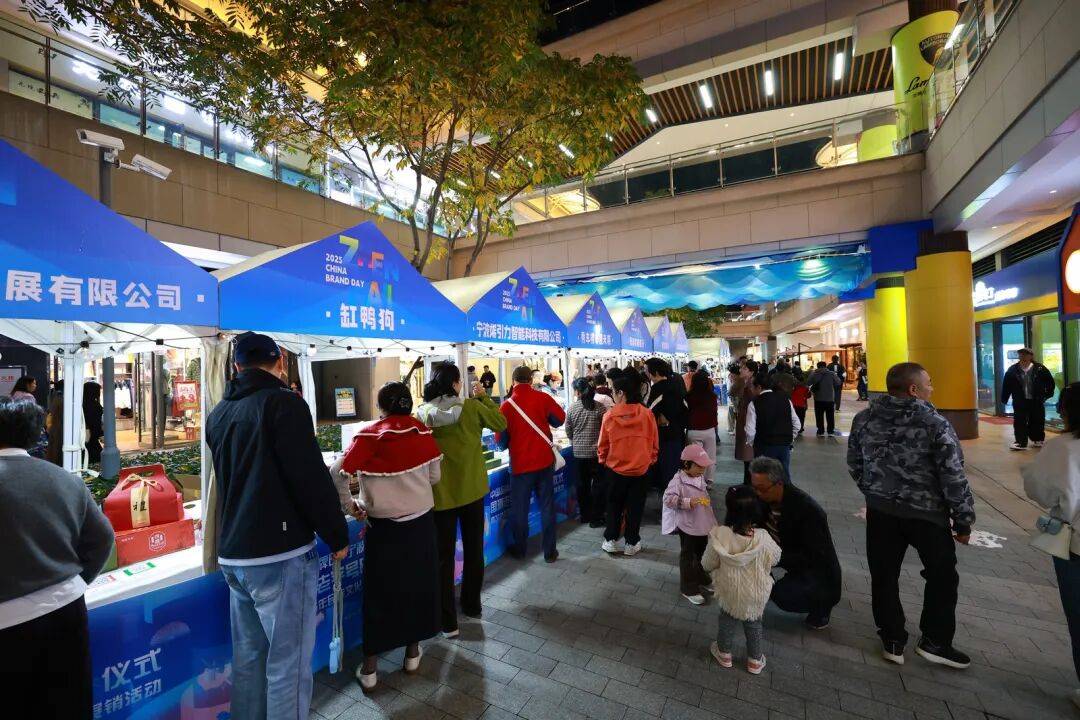
Core Points - The event "China Brand Day · Ningbo (Zhenhai) National Trend Old Brand Premiere" was launched on November 14, featuring a three-day celebration of national culture and consumer experience [1][10] - The theme "New Consumption of Trendy Products, National Charm in Zhenhai" emphasizes the integration of old brands and cultural exhibitions to enhance consumer engagement [1][10] Group 1: Event Highlights - The opening ceremony included a performance that showcased the richness of national culture and emotional resonance among the Chinese people [1][3] - Notable old brands such as Dongshengyang, Hongchangyuan, and Fenghengda were featured, highlighting the collective strength of domestic products [3] - The event included interactive experiences, such as traditional games and crafts, engaging both local citizens and international students [6][7] Group 2: Economic Impact - Local brand leaders discussed how national trends empower consumption and boost the economy, sharing experiences from various sectors including traditional crafts and modern technology [4] - The initiative aims to enhance the local economy by promoting old brands and creating new consumption landmarks, with a focus on sustainable development [9][10] - The event is part of a broader strategy to elevate the "Most Zhenhai, Waiting for You" cultural tourism brand and the "Zhenhai Shopping" consumption brand [9][10] Group 3: Future Developments - The "One Street, One Circle, One Area" initiative aims to create hubs for old brands and new consumption, with several projects signed to enhance economic vitality [10] - The event will continue until November 16, with plans to enrich interactive content and optimize consumer experiences, further promoting the visibility of national brands [10]

财经聚焦|“双十一”购物车,透出国潮消费新趋势
Sou Hu Cai Jing· 2025-11-13 03:02
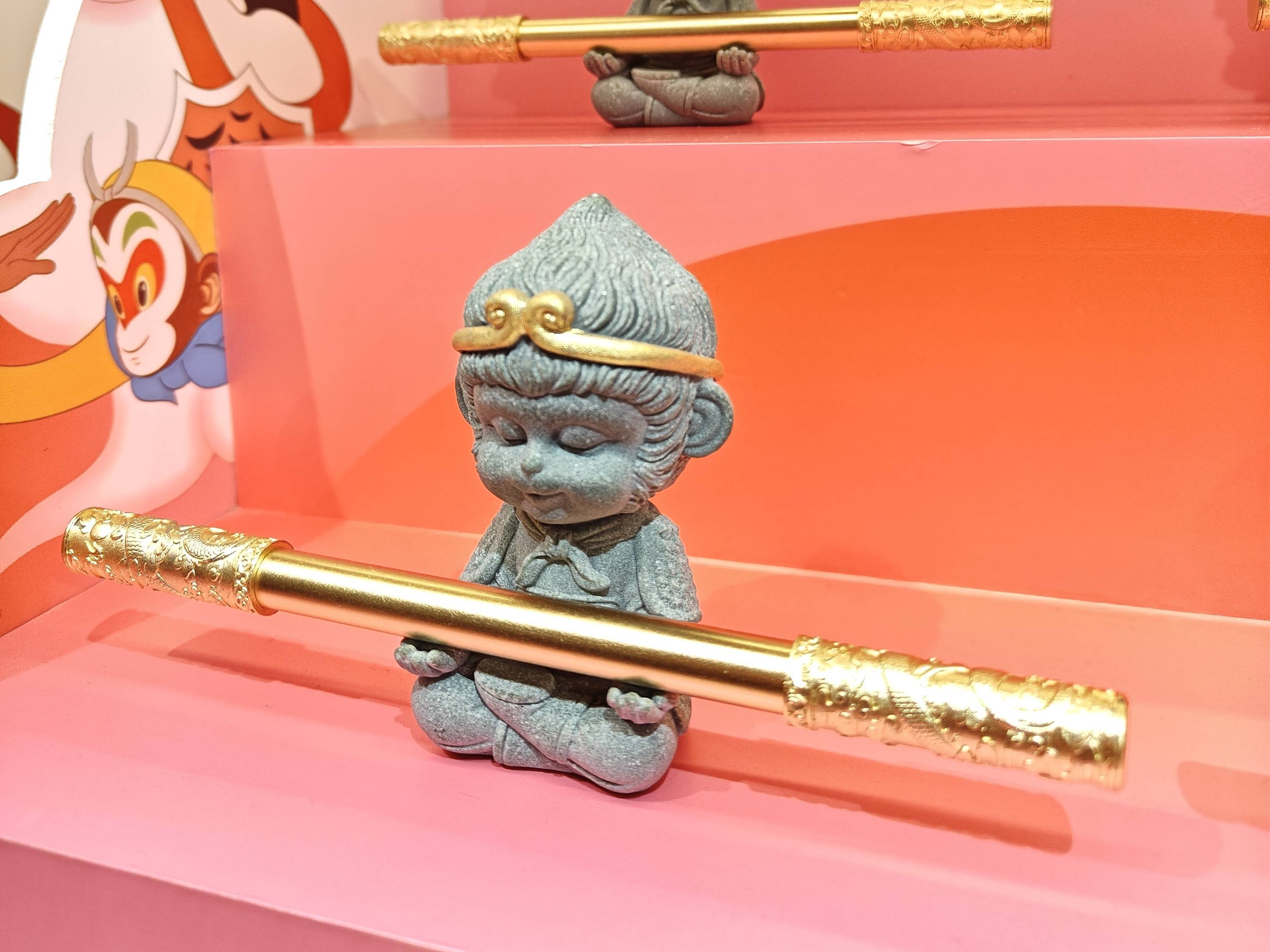
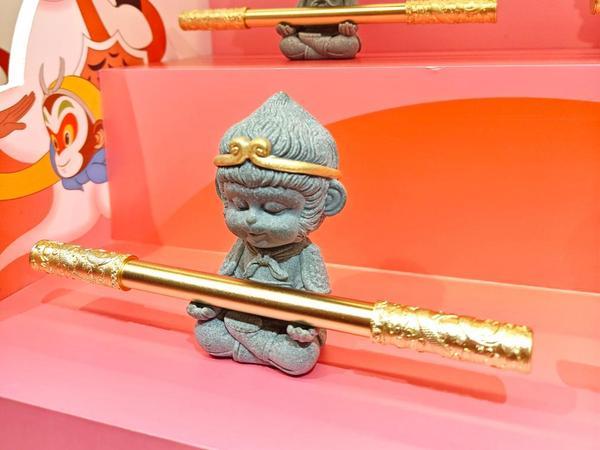
Core Insights - The "Double Eleven" shopping festival showcases the rising trend of domestic brands, with significant sales growth in national潮 products across various categories [1][2][5] Group 1: National潮 Consumption Trends - Domestic brands dominate the sales rankings on platforms like Tmall and JD, with brands like Proya and Bosideng leading the way [1] - The sales of traditional craftsmanship products, such as the non-heritage cast iron pots, have seen a remarkable increase, with a 127.9% year-on-year growth on Douyin [1] - Consumers are increasingly favoring domestic products, reflecting a shift towards quality and cultural significance in their purchasing decisions [1][5] Group 2: Cultural and Market Dynamics - The integration of traditional craftsmanship with modern design is driving the popularity of national潮 products, as seen in the success of items like the "Wukong Ruyi Golden Cudgel Pen" [2][9] - Cultural confidence and identity are key drivers behind the national潮 trend, influencing consumer behavior and preferences [8][10] - The emergence of new consumption scenarios, such as visiting cultural heritage sites and experiencing traditional clothing, is becoming popular among younger consumers [8][12] Group 3: Industry Innovations and Challenges - The national潮 movement is characterized by a blend of cultural heritage and modern innovation, with a focus on high-quality craftsmanship and cultural meaning [9][10] - The industry is witnessing a transformation, with traditional brands revitalizing and new brands emerging, supported by policies aimed at enhancing cultural industry development [11][12] - Challenges such as product homogenization and lack of innovation need to be addressed through improved intellectual property protection and industry standards [13]
“双十一”购物车,透出国潮消费新趋势
Xin Hua Wang· 2025-11-12 23:26
Core Insights - The "Double Eleven" shopping festival serves as a significant window to observe new consumer trends, particularly highlighting the rise of domestic brands and cultural products in the e-commerce space [1][2]. Group 1: Domestic Brand Performance - On Tmall, the beauty brand Proya ranked first in sales, with domestic brands occupying 9 out of the top 10 spots in clothing sales, showcasing strong performance from brands like Bosideng and Xuezhongfei [2]. - On JD.com, the original Chinese brand Sanjihei's sales increased by over 10 times, while the Hanfu brand Chixia saw a 300% year-on-year growth in sales during the festival [2]. Group 2: Cultural and Traditional Products - The sales of cast iron pots that incorporate intangible cultural heritage techniques grew by 127.9% on Douyin, indicating a strong consumer interest in traditional craftsmanship [2]. - Tmall reported that the traditional gold shop's sales reached 2.9 billion yuan, with products like diamond butterfly chains and Vajra pestle rings becoming bestsellers [2]. Group 3: Consumer Preferences and Trends - Consumers are increasingly valuing craftsmanship, materials, and cultural significance, with domestic products becoming a preferred choice for quality [4]. - The rise of cultural confidence and identity among consumers is driving the popularity of domestic products, which blend traditional culture with modern design [5][8]. Group 4: Industry Innovation and Cross-Industry Integration - The growth of domestic consumption is supported by industry innovation and cross-industry collaboration, with cultural industries increasingly integrating with technology and ecology [9]. - The digital strategy for cultural industries is guiding traditional cultural innovation, leading to a more mature consumer understanding of domestic products [8]. Group 5: Global Expansion and Cultural Exchange - The continuous rise of domestic consumption is also linked to the development of new cultural formats, with significant exports of holiday goods and toys exceeding 50 billion yuan to over 200 countries [9]. - Domestic cultural products are not only being exported but also serving as vehicles for cultural exchange and identity construction on a global scale [9]. Group 6: Challenges and Recommendations - Despite the growth, challenges such as product homogeneity and lack of innovation persist, necessitating a robust industry and policy ecosystem to support sustainable development [10]. - Experts suggest enhancing intellectual property protection and establishing industry standards to promote healthy and orderly growth in the domestic market [10].

财经聚焦|“双十一”购物车 透出国潮消费新趋势
Xin Hua She· 2025-11-12 13:43
Core Insights - The "Double Eleven" shopping festival serves as a significant indicator of new consumption trends in China, highlighting the rise of domestic brands and cultural products [1][2]. Group 1: Domestic Brand Performance - On Tmall, the beauty brand Proya ranked first in sales, with 9 out of the top 10 clothing brands being domestic [2] - On JD.com, the original Chinese brand Sanji Black Flower saw a sales increase of over 10 times, while the Hanfu brand Chixia's sales grew by 300% year-on-year [2] - The popularity of domestic products is reflected in consumer reviews, with terms like "high quality" and "national pride" frequently mentioned [2]. Group 2: Cultural and Traditional Products - The sales of cast iron pots that incorporate intangible cultural heritage techniques increased by 127.9% on Douyin during the festival [2] - Tmall reported that the traditional gold shop's sales reached 2.9 billion yuan, with products like diamond butterfly chains and Vajra pestle rings becoming bestsellers [2]. - The integration of traditional craftsmanship with modern design is driving consumer interest in high-quality cultural products [3]. Group 3: Consumer Behavior and Trends - Consumers are increasingly focused on craftsmanship, materials, and cultural significance, making national trends a vital part of high-quality living [3]. - The rise of cultural confidence and identity among consumers is reshaping consumption patterns, with a growing preference for products that reflect traditional culture [5][6]. Group 4: Industry Innovation and Cross-Industry Integration - National trends are evolving beyond mere representation of Chinese elements, becoming a blend of modern design, industrial manufacturing, and cultural expression [6]. - The digital strategy in cultural industries is guiding traditional cultural innovation, with consumers willing to pay for products that combine craftsmanship, culture, and practicality [6]. - The emergence of new Chinese brands and the revitalization of old brands are indicative of a cultural awakening in the industry [6]. Group 5: Global Expansion and Cultural Exchange - The growth of national trends is supported by new cultural business models, with exports of holiday goods and toys exceeding 50 billion yuan, reaching over 200 countries [7]. - The success of domestic games and films on global platforms highlights the international appeal of Chinese culture [7]. - National trends are not just about product export but also about the dissemination of cultural values and identity [7]. Group 6: Challenges and Recommendations - There are concerns regarding product homogenization, aesthetic convergence, and a lack of innovation within the national trend market [8]. - Experts suggest the need for a robust intellectual property protection system and industry standards to foster healthy development [8]. - Collaboration between leading brands, design institutions, and cultural research organizations is recommended to enhance innovation and cultural recognition [8].
财经聚焦丨“双十一”购物车,透出国潮消费新趋势
Xin Hua Wang· 2025-11-12 13:38
Core Insights - The "Double Eleven" shopping festival serves as a significant indicator of new consumer trends, particularly highlighting the rise of domestic brands and cultural confidence in China [1][2]. Group 1: Domestic Brand Performance - On Tmall, the beauty brand Proya ranked first in sales, with domestic brands occupying 9 out of the top 10 spots in clothing sales, including notable brands like Bosideng and Xuezhongfei [2]. - On JD.com, the original domestic brand Sanji Black Flower saw its transaction volume increase by over 10 times, while the Hanfu brand Chixia experienced a 300% increase in sales [2]. Group 2: Consumer Preferences and Trends - Consumers are increasingly favoring domestic brands, with comments highlighting quality and craftsmanship, indicating a shift towards "quality first" in purchasing decisions [3]. - Products that integrate traditional craftsmanship, such as the non-coated cast iron pots, saw a 127.9% increase in sales on Douyin during the festival [3]. Group 3: Cultural and Market Dynamics - The rise of domestic consumption is driven by cultural recognition and confidence, with products reflecting both traditional culture and modern design becoming popular [8][9]. - The integration of traditional cultural elements with modern industrial design is reshaping consumer preferences, leading to a willingness to pay for products that combine craftsmanship, culture, and practicality [9]. Group 4: Industry Innovations and Challenges - The cultural industry is undergoing a digital transformation, enhancing the innovation of traditional culture and creating a dual cycle of cultural empowerment and product dissemination [9][11]. - Despite the growth, challenges such as product homogenization and lack of innovation remain, necessitating a robust ecosystem for industry and policy development to support sustainable growth [12].