微醺经济

Search documents
2025啤酒行业趋势洞察报告
Sou Hu Cai Jing· 2025-10-08 07:42
Core Insights - The Chinese beer industry is experiencing structural transformation and high-quality development, driven by consumption upgrades and the young demographic becoming the core market engine [1][6] - The industry has moved past a period of declining production, showing a clear trend of "stable volume and improved quality" [1][6] Market Overview - In the first ten months of 2024, retail sales of tobacco and alcohol grew by 6.1%, outpacing the overall growth of consumer goods [1][15] - Beer production has rebounded since hitting a low in 2021, maintaining steady growth for four consecutive years, with 2023 seeing low inventory levels and strong confidence among distributors [1][16] - The top five brands (China Resources, Tsingtao, Yanjing, Chongqing, and Zhujiang) control over 70% of the market share, with positive growth in sales, revenue, and net profit in 2023 [1][22] Consumer Demand Trends - The beer market is evolving from a simple alcoholic beverage to a social medium for young consumers, with a significant increase in social media engagement around beer [2] - The "micro-drunk economy" is gaining traction, with beer consumption becoming more about experience rather than just drinking [2] - Flavor innovation and health consciousness are driving product diversification, with traditional yellow beer still dominant but white beer and fruit-flavored beers gaining popularity [2][3] Health and Wellness Trends - The demand for low-alcohol and non-alcoholic beers is rising, with the global market for these products valued at 94.07 billion yuan in 2023, expected to grow by 4% by 2027 [3] - Non-alcoholic beers like Qingdao's non-alcoholic white beer are catering to health-conscious consumers and those with alcohol sensitivities [3] Marketing and Distribution Innovations - Digital marketing and scenario-based innovations are prominent, with platforms like Douyin and Xiaohongshu becoming key for brand promotion [4] - Instant retail is reshaping beer consumption, with brands like Snow Beer and Tsingtao enhancing delivery services to meet consumer demand for immediate access [5] - The rise of experiential marketing through beer festivals and music events is strengthening brand engagement with younger audiences [5] Future Outlook - The Chinese beer industry is shifting from "scale-driven" to "value-driven," focusing on product innovation, channel transformation, and deepening consumer engagement [6] - The market is expected to continue evolving with a focus on personalized and diverse consumer needs, particularly among younger demographics [6]




奶茶加白酒,第一天就卖了近12万杯!要让年轻人喝酒,还是跨界最好用?
Mei Ri Jing Ji Xin Wen· 2025-09-23 12:49
Core Viewpoint - The return of the classic white liquor milk tea "Drunk Step on the Road" by the new tea drink brand Cha Baidao highlights the growing trend of cross-industry collaboration between liquor and tea drink brands, aiming to capture the expanding market of young consumers in the "micro-drunk economy" [1][9][10]. Group 1: Product Launch and Market Response - "Drunk Step on the Road" was first launched in 2020 as a collaboration between Cha Baidao and Luzhou Laojiao, and it has made a comeback after five years, achieving nearly 120,000 cups sold on its first day [1][2]. - The product has generated significant buzz on social media, with consumers expressing surprise at its taste, which combines milk and a subtle hint of white liquor [2][4]. - Sales of "Drunk Step on the Road" have been strong in various locations, particularly in settings like cinemas where consumers seek a light alcoholic beverage [4][5]. Group 2: Industry Trends and Consumer Behavior - The beverage market is increasingly leaning towards younger, lower-alcohol, and healthier options, with young consumers driving the "micro-drunk economy" [1][9]. - Reports indicate that over 60% of white liquor consumption is now attributed to young consumers aged 18-35, with the potential market size for young drinkers reaching 400 billion yuan [10][11]. - The trend of cross-industry collaborations is seen as a way for liquor brands to attract younger consumers, with various brands experimenting with new flavors and marketing strategies [11][12]. Group 3: Future Outlook and Challenges - Industry experts suggest that while the initial sales of "Drunk Step on the Road" are promising, long-term success will depend on the product's ability to encourage repeat purchases [8][15]. - The market for low-alcohol beverages is growing, with a reported market size of approximately 634.1 billion yuan in 2023, indicating a shift in consumer preferences towards lighter options [15]. - Experts caution that the novelty of liquor and tea drink collaborations may wear off, and brands need to focus on product quality and consumer engagement to sustain interest and sales [16].


年轻人成白酒消费主力,茶百道泸州老窖联名白酒奶茶“醉步上道”开售
Sou Hu Cai Jing· 2025-09-18 07:04
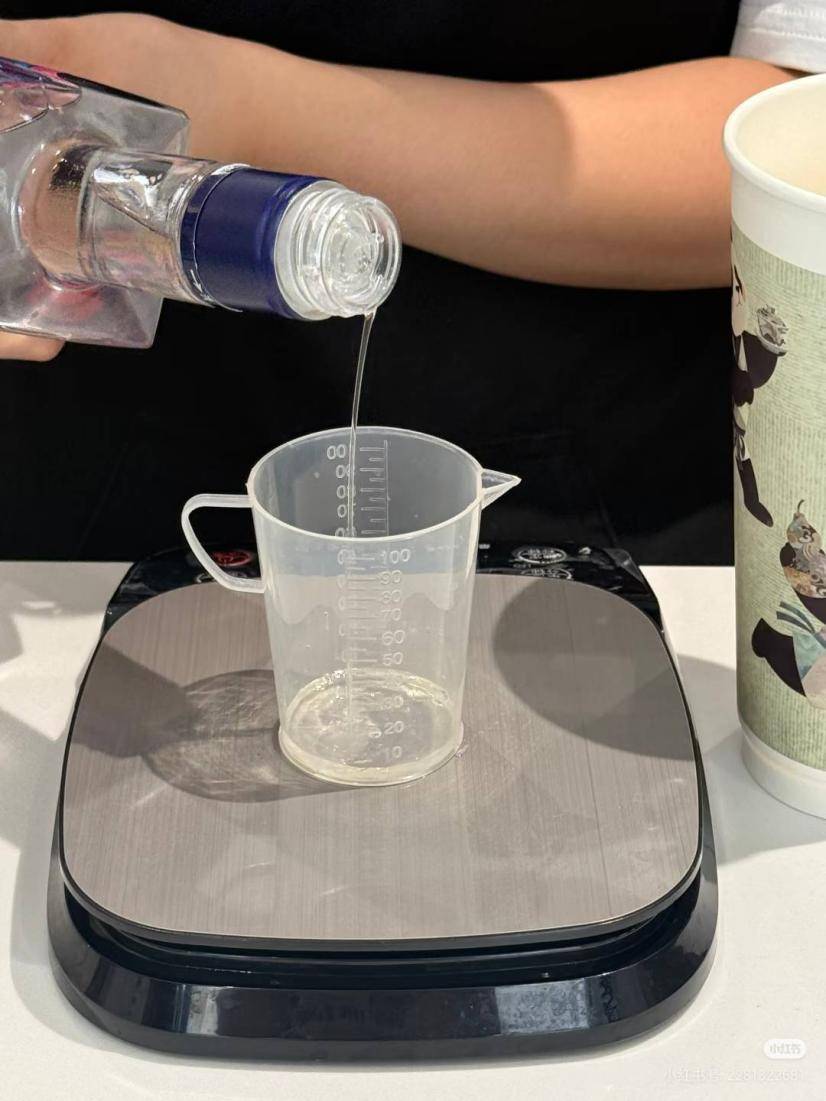
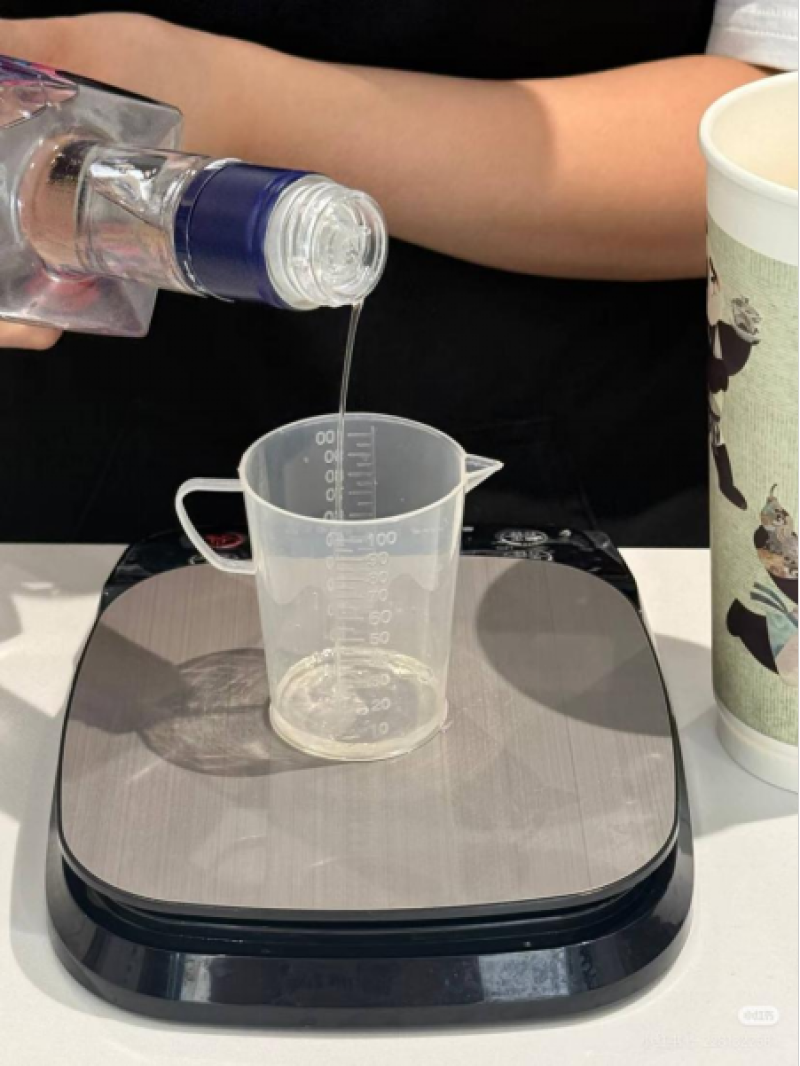
Core Viewpoint - The return of the classic drink "Drunk Step on the Road" by the tea brand Cha Baidao, in collaboration with Luzhou Laojiao, highlights the growing trend of combining traditional liquor with modern beverages, catering to the increasing demand from younger consumers for a "slightly tipsy" experience [1][3][5] Group 1: Product Launch and Features - "Drunk Step on the Road" achieved nearly 120,000 cups sold on its first day of re-launch [1] - The drink combines real Luzhou Laojiao liquor with milk tea, maintaining a focus on quality by using genuine liquor in each cup [3] - Each serving contains approximately 3 grams of white liquor, with a total caloric content of about 174 kilocalories, appealing to health-conscious consumers [3] Group 2: Market Trends and Consumer Insights - The Chinese liquor industry report indicates that over 60% of liquor consumption is now driven by the younger demographic, particularly those aged 18-35 [5] - The rise of the "slightly tipsy economy" reflects a shift in consumer preferences, with Cha Baidao's reintroduction of "Drunk Step on the Road" aligning with these market trends [5] - The management emphasizes the importance of effective new product launches and lifecycle management of classic products, leveraging supply chain advantages to balance quality and cost [5]
茶百道与泸州老窖联名推出白酒奶茶 首日热卖近12万杯
Zheng Quan Shi Bao Wang· 2025-09-17 12:56
Core Insights - The new tea beverage brand Cha Bai Dao (02555.HK) has relaunched its classic drink "Zui Bu Shang Dao," which combines white liquor and milk tea, achieving nearly 120,000 cups sold on its first day [1] - The drink uses real white liquor and is designed with consumer health in mind, containing approximately 174 kcal per serving, catering to the rising trend of "micro-drinking" among younger consumers [1] - The Chinese liquor market is seeing a shift, with over 60% of consumers now being young people aged 18-35, indicating a significant change in consumer preferences [1] Product Launch and Sales Performance - Cha Bai Dao has been actively launching new products this year, including the Oriental Plant Series and Fresh Pomegranate Series, which have received positive market feedback [2] - The newly launched "Fresh Pomegranate" series, featuring "Fresh Pomegranate Ice Tea" and "Fresh Pomegranate Guava," sold 200,000 cups on its first day [2] - In Q2, new product sales accounted for 28% of total sales, with daily average GMV per store increasing by approximately 15% compared to Q1, reaching the highest quarterly level in nearly a year [2]
“微醺经济”升温,白酒倒进奶茶杯?“醉步上道”首日热卖近12万杯
Yang Zi Wan Bao Wang· 2025-09-17 08:37
Core Insights - The new tea beverage brand Cha Bai Dao has re-launched its classic drink "Zui Bu Shang Dao," which combines white liquor and milk tea, achieving nearly 120,000 cups sold on its first day [1][4] - "Zui Bu Shang Dao" is a collaboration with Luzhou Laojiao and is the first innovative drink in China to combine white liquor with milk tea, originally launched in 2020 [1][3] - The drink has gained a loyal following over the past five years, with consumers frequently requesting its return on social media platforms [1] Product Details - Each cup of "Zui Bu Shang Dao" contains 3 grams of Luzhou Laojiao white liquor, emphasizing the use of genuine liquor in the drink [3][4] - The drink combines the flavors of aged Pu'er tea and fresh milk, with a calorie count of approximately 174 kcal for a medium-sized cup without added sugar [4] - The product is designed to cater to health-conscious consumers while providing a fresh and mild intoxication experience [4] Market Trends - According to the China Alcohol Industry Association, over 60% of white liquor consumers are now young people, with a significant increase in the 18-35 age group [4] - The rise of the "mild intoxication economy" has led to a growing demand among young consumers for products that offer a light drinking experience [4] - Cha Bai Dao's decision to reintroduce "Zui Bu Shang Dao" reflects its sensitivity to consumer demand and market trends [4] Company Strategy - Cha Bai Dao's management emphasizes the importance of effective new product launches and lifecycle management for classic products [4] - The company aims to balance quality and cost-effectiveness through supply chain advantages [4]
低度白酒能否抢占年轻人的“酒饮钱包”?
Sou Hu Cai Jing· 2025-09-17 04:02
Core Insights - The younger generation is increasingly distancing itself from traditional high-alcohol liquor, leading to a rise in demand for low-alcohol beverages, which are perceived as more suitable for their lifestyle [2][5][13] - Major liquor companies are investing heavily in the development of low-alcohol products to cater to this demographic shift, aiming to retain the essence of traditional liquor while adapting to modern tastes [2][10][14] - The low-alcohol liquor market in China has seen explosive growth, reaching 57 billion yuan, contrasting sharply with the stagnation of traditional liquor sales [5][13] Market Trends - The low-alcohol segment is thriving due to its alignment with light social interactions and personal consumption scenarios, emphasizing a "micro-drunk" experience that appeals to younger consumers [5][13] - Female consumers represent a significant portion of the low-alcohol market, accounting for 65% of the market share in 2021, highlighting the importance of targeting this demographic [5][13] Consumer Behavior - Young professionals are seeking low-alcohol options that provide a pleasant drinking experience without the harshness of traditional liquor, often prioritizing aesthetics and flavor over brand prestige [4][5][13] - Traditional liquor consumers express skepticism towards low-alcohol products, associating them with lower quality and questioning their authenticity as "liquor" [6][8][9] Industry Challenges - The transition to low-alcohol products poses significant challenges for traditional liquor brands, including maintaining flavor integrity and overcoming negative consumer perceptions [9][10][18] - New entrants in the low-alcohol market face intense competition from established brands and other beverage categories, making it difficult to build a loyal customer base [14][18] Strategic Responses - Established liquor companies are adopting a defensive strategy by launching low-alcohol products to protect their market share from emerging brands [10][14] - New brands are leveraging direct-to-consumer models and social media marketing to connect with younger consumers, but many struggle to achieve sustainable growth amid fierce competition [14][18] Future Outlook - The Chinese liquor market is expected to evolve into a dual-track system, with traditional high-alcohol liquor maintaining its role in formal settings while low-alcohol products gain traction in everyday life [17][18] - Success in the low-alcohol segment will depend on addressing quality concerns and integrating products into various lifestyle contexts, requiring brands to adapt to the diverse needs of younger consumers [18]
ESG评级稳居黄酒行业领跑地位 古越龙山以责任匠心焕活千年黄酒复兴路
Quan Jing Wang· 2025-08-28 06:10
Core Viewpoint - Companies with high ESG ratings are increasingly becoming preferred partners in the supply chain and a focus of capital market attention, with Guyue Longshan being a benchmark in the yellow wine industry, achieving a BBB ESG rating and ranking first among other alcoholic beverage industries [1][2] ESG Commitment and Achievements - Guyue Longshan released its first ESG report in 2025, demonstrating its commitment to high-quality development through environmental friendliness, product service, talent cultivation, public welfare, and cultural advocacy [2] - The company has been recognized for its sustainable practices, including green brewing processes and community engagement, which reflect its dedication to sustainable development [1][2] Quality Control and Food Safety - Guyue Longshan has established a comprehensive quality control system from raw material sourcing to production, achieving a 100% compliance rate in various quality metrics and zero major food safety incidents in the year [3] - The company has implemented strict environmental management standards for its raw material production bases, ensuring compliance with pesticide and heavy metal regulations [4] Innovation and Technology - The company combines traditional brewing techniques with technological innovation, maintaining a lineage of over 362 generations of brewing skills, and has a strong talent pool including national-level artisans and masters [5][6] - In 2024, Guyue Longshan invested 30.2 million yuan in R&D, a 7.03% increase year-on-year, focusing on projects that enhance the quality and safety of yellow wine [6] Market Adaptation and Consumer Engagement - Guyue Longshan is actively pursuing a strategy to attract younger consumers, with its new business division and online channels seeing revenue growth of 22.64% and 15.31% respectively in the first half of 2025 [8] - The company has launched innovative products like coffee yellow wine and bubble yellow wine, achieving significant sales growth and appealing to modern consumer preferences [9] Digital Transformation and Sustainability - Guyue Longshan's intelligent factory was recognized as an advanced-level smart factory in Zhejiang Province, showcasing its commitment to digital transformation and sustainable practices [10] - The company is investing 2.3 billion yuan in a new industrial park, which aims to achieve smart brewing and green production [10] Shareholder Engagement and Financial Performance - The company has a history of returning value to investors, with a total dividend payout of 1.415 billion yuan since its listing, and a cash dividend of 273 million yuan in the last three years [12] - In 2025, Guyue Longshan announced a share buyback plan of 200-300 million yuan to enhance investor confidence and align interests among shareholders, investors, and employees [11] Social Responsibility and Community Engagement - Guyue Longshan is committed to social responsibility, engaging in rural revitalization and community development projects, including the establishment of a co-prosperity base for plum cultivation [13] - The company has signed contracts for the cultivation of 6,400 acres of rice, providing employment opportunities and increasing income for local farmers [13]

携起手爱苏州 唱响仲夏夜 金鸡湖景区客流同比增13.09%
Su Zhou Ri Bao· 2025-08-24 00:31
Group 1 - The "Right Bank Midsummer Night" event successfully attracted a large audience, featuring popular music performances that created a vibrant atmosphere and engaged the crowd [1] - The event has contributed to the enhancement of the night economy around Jinji Lake, with innovative models that integrate cultural tourism, space operation, and business synergy [1] - On the event day, sales at various stalls reached 5 to 8 times the usual daily revenue, indicating a significant boost in consumer spending [1] Group 2 - Surrounding areas like Times Square and Moonlight Wharf have launched various events that significantly increased overall foot traffic and boosted sales for local night economy brands by over 20% [2] - Jinji Lake received 2.876 million visitors last month, reflecting a year-on-year increase of 13.09% [2] - Future developments, including the Suzhou Contemporary Art Museum and Central Plaza, are expected to further enhance the Right Bank area as a hub for business, tourism, and entertainment, promoting a comprehensive consumer experience [2]
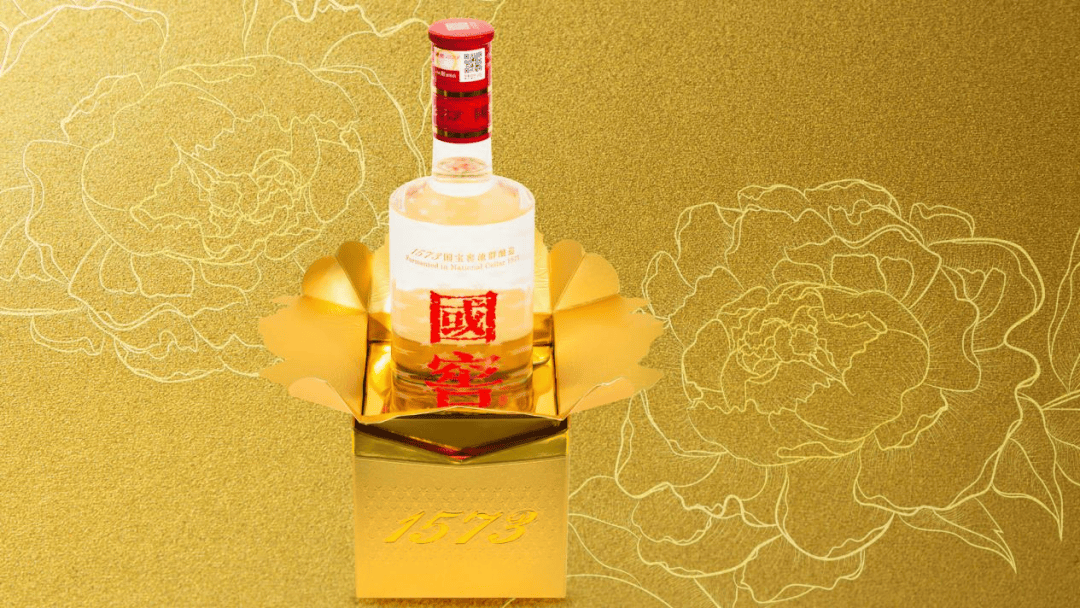
为什么卖得好的低度酒来自泸州老窖
Xin Jing Bao· 2025-08-13 01:46
Core Viewpoint - Luzhou Laojiao's sales of the Guojiao 1573 series have reached 20 billion yuan, with the 38-degree Guojiao 1573 accounting for approximately 50% of this, positioning it as a significant contributor to the company's performance and potentially the first low-alcohol liquor product to exceed 10 billion yuan in sales [1] Group 1: Company Performance and Strategy - Luzhou Laojiao is increasing its R&D investment to develop lower-alcohol products, such as the newly developed 28-degree Guojiao 1573, to diversify its product line and meet varying consumer demands [1] - The company has successfully overcome technical challenges in producing high-quality low-alcohol liquor, showcasing its innovation and craftsmanship in the industry [3][4] - Luzhou Laojiao's long-standing use of ancient fermentation pits, some over 450 years old, contributes to the unique microbial ecosystem that enhances the quality of its low-alcohol products [4] Group 2: Industry Trends and Market Dynamics - The low-alcohol liquor market is experiencing rapid growth, with market size projected to increase from 20 billion yuan in 2020 to 57 billion yuan by 2024, reflecting a compound annual growth rate of 25% [5] - Young consumers, aged 18-35, now represent over 60% of the liquor market, favoring low-alcohol options for a lighter drinking experience and social interactions [6] - The acceptance of low-alcohol products varies by region, with the 38-degree Guojiao 1573 showing strong sales performance in key markets such as Hebei, Shandong, Jiangsu, and Northern Zhejiang [6] Group 3: Competitive Landscape - The increasing focus on low-alcohol products by major liquor companies, including Luzhou Laojiao and Wuliangye, is intensifying competition in the market, driving improvements in product quality and service [1][7] - The shift towards low-alcohol options is not merely a trend but a response to changing consumer preferences, indicating a significant transformation in the liquor consumption landscape [6][7]
打造百亿级现象单品,泸州老窖推动行业进入“高低度并行”新时代
Sou Hu Cai Jing· 2025-08-12 10:58
Core Viewpoint - The white liquor market in China is transitioning from a focus on quantity and showmanship to an emphasis on experience and comfort, driven by rising health awareness among consumers and the emergence of the "tipsy economy" [1] Industry Trends - The production share of low-alcohol liquor in China is expected to rise from approximately 15% in 2022 to over 25% by 2024 [1] - The market size for low-alcohol liquor is projected to exceed 74 billion yuan in 2023, with an annual growth rate of 25% [1] Company Strategy - Luzhou Laojiao has successfully positioned its low-alcohol product, "38-degree Guojiao 1573," as a phenomenon in the market, achieving a market share of over 100 billion yuan [1][6] - The company has been proactive in addressing consumer misconceptions about low-alcohol liquor, recognizing the demand for healthier and more comfortable drinking experiences [2][3] Technological Advancements - Luzhou Laojiao has invested decades into overcoming technical challenges associated with low-alcohol liquor production, ensuring that flavor quality is maintained despite reduced alcohol content [3][4] - The company has developed a unique three-part process involving segmented distillation, ceramic jar aging, and precise blending to maintain flavor integrity [3][9] Market Positioning - The "38-degree Guojiao 1573" has become a key driver of Luzhou Laojiao's low-alcohol strategy, with sales expected to surpass 20 billion yuan in 2024, accounting for 50% of the brand's total sales [8] - The product has redefined consumer perceptions of low-alcohol liquor, establishing it as a mainstream choice for high-end occasions such as business banquets and weddings [8][9] Future Outlook - Luzhou Laojiao plans to introduce a new 28-degree version of Guojiao 1573, further expanding its low-alcohol product line [9] - The company's success in the low-alcohol segment signifies a shift in the industry towards recognizing the value of low-alcohol products as high-quality and scalable options [9]