
技术性回调

Search documents
新火研究院:新年市场有望迎来流动性和情绪双修复
Sou Hu Cai Jing· 2026-01-08 22:27
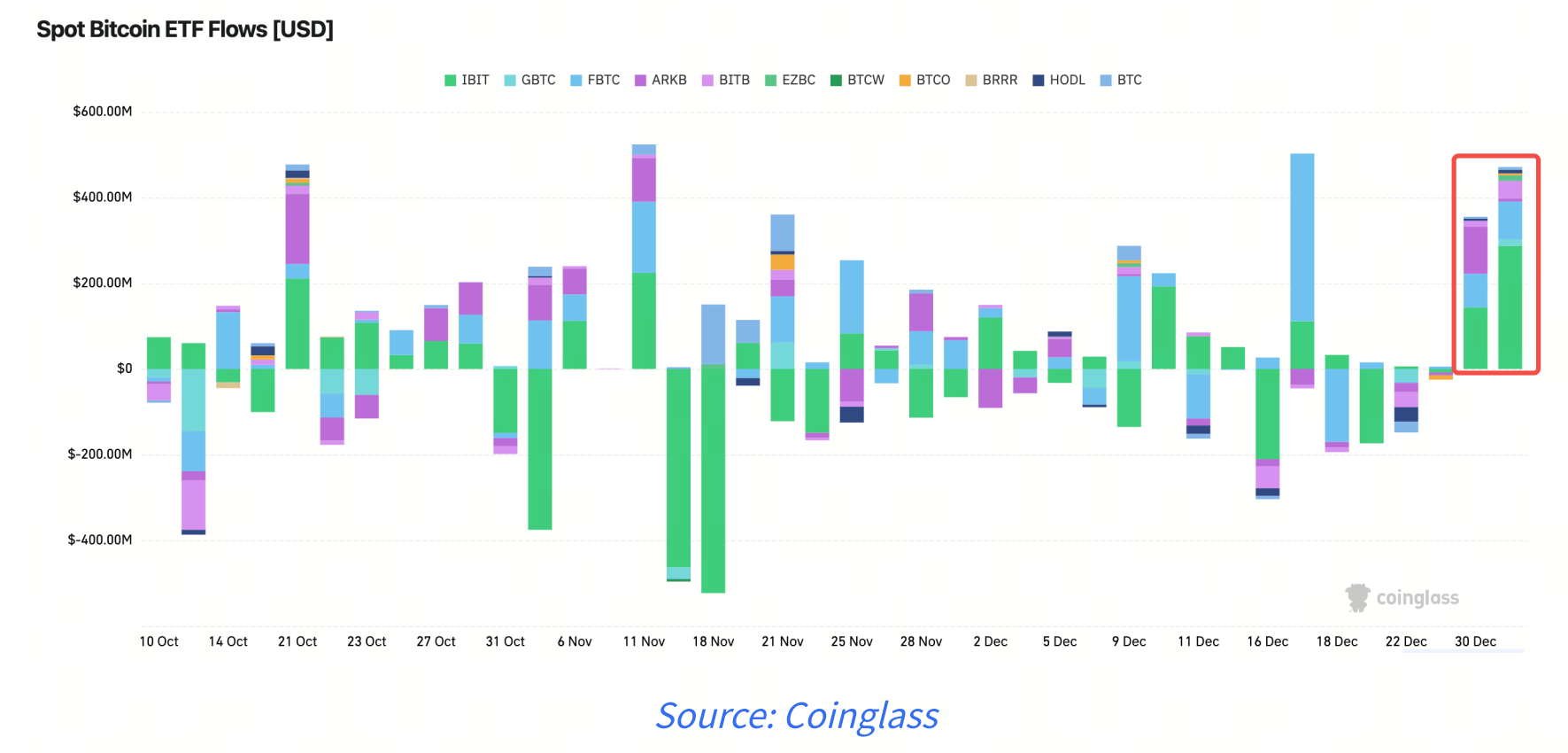
Group 1 - The cryptocurrency market is recovering from the liquidity vacuum and panic selling at the end of the previous year, with improved liquidity and investor sentiment observed in early 2026 [4][15] - Bitcoin is expected to challenge the $100,000 mark after the current adjustment, which is a significant resistance level and a bull-bear dividing line since the downturn began in October last year [2][15] - The market experienced a significant drop in Q4 2025, with Bitcoin reaching a historical high before a major crash, leading to a 33% decline in overall market capitalization, equating to a loss of over $1.4 trillion [2][3] Group 2 - The U.S. spot ETF recorded substantial net inflows in the first two trading days of the new year, attracting traditional institutional funds back into the market [8][14] - The Coinbase Bitcoin premium index turned positive, indicating a resurgence in buying demand from the U.S. market, which is a key sentiment indicator [11] - The "Fear and Greed Index" has rebounded from extreme fear to a neutral zone, reflecting a restoration of market confidence [14] Group 3 - The macroeconomic environment remains accommodative, with expectations of continued monetary easing from the Federal Reserve, which is favorable for risk assets [15] - The integration of Bitcoin into national strategic reserves by various countries is enhancing the credibility of crypto assets, elevating them from "alternative investments" to "strategic reserves" [15] - The recent increase in ETF approvals for Solana indicates growing recognition from traditional funds [15]

金价、银价下跌,金融圈人士直言:有人在出货
Mei Ri Jing Ji Xin Wen· 2025-12-31 08:01
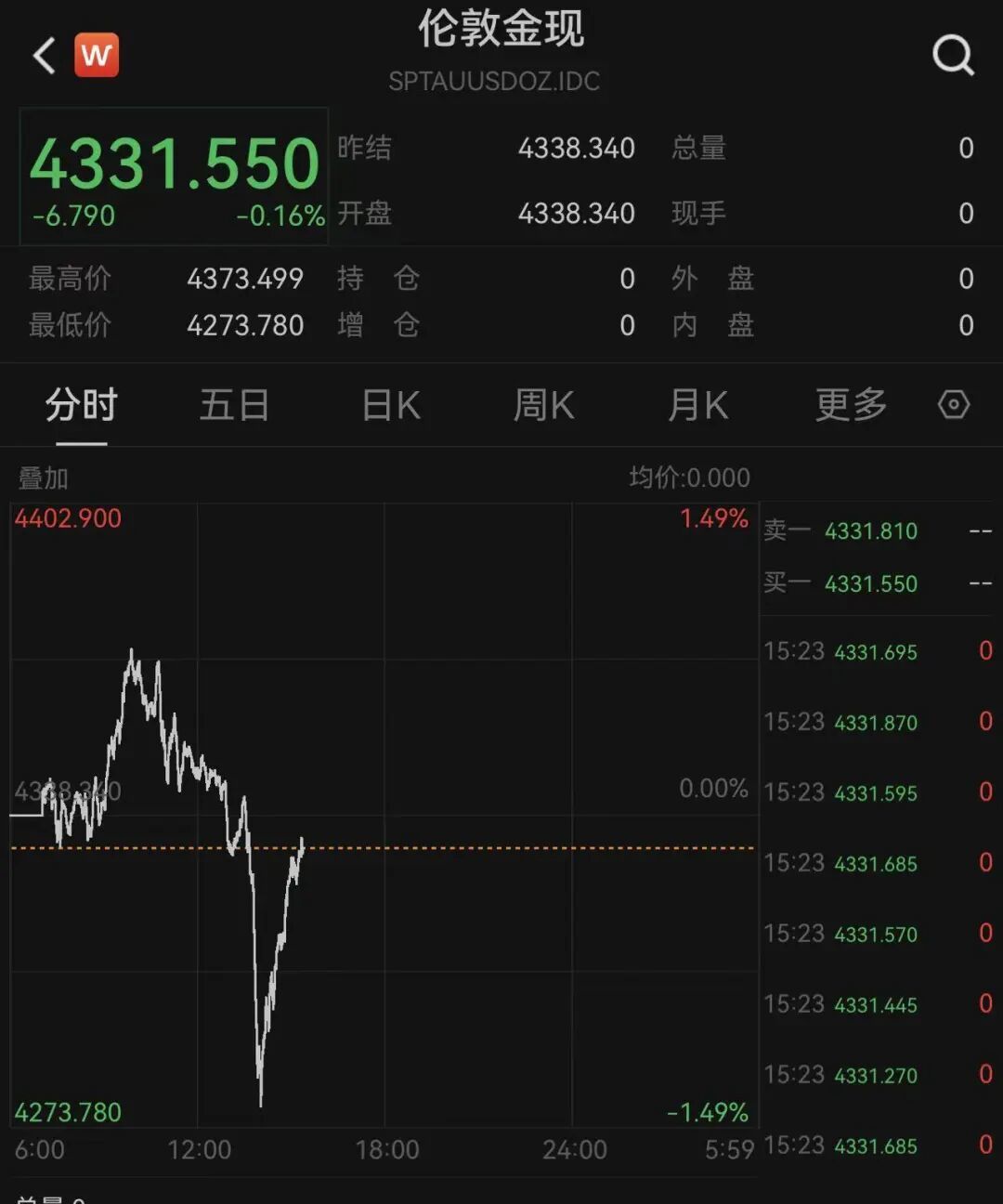
Core Viewpoint - The precious metals market is experiencing significant volatility, with gold, silver, and platinum prices declining sharply after a period of substantial gains, driven by profit-taking and reduced geopolitical risks [6][7][11]. Price Movements - Gold prices fell by 1.50%, dropping below $4300 per ounce, while silver saw a decline of over 7%, currently down by 5.02% [1][3]. - The main silver futures contract dropped over 5%, currently at 17074 yuan per kilogram, while platinum futures fell by 14%, now priced at 527.25 yuan per gram [3]. Market Dynamics - The recent surge in precious metal prices, particularly silver, saw it rise from around $50 to over $80 per ounce, with a monthly increase of approximately 150% [6]. - As of last week, gold had increased by about 70% for the year, while silver's rise exceeded 150%, with other metals like platinum and palladium also seeing gains over 100% [6]. Factors Influencing Price Changes - The decline in precious metal prices is attributed to profit-taking after previous gains, reduced geopolitical risks, and increased margin requirements by major exchanges [7][8]. - Financial institutions are under pressure to settle accounts as the year-end approaches, leading to selling at high prices, which has put downward pressure on prices [7]. Future Outlook - Short-term volatility in precious metals is expected to continue, with silver and platinum facing larger adjustments due to liquidity constraints [8]. - Long-term prospects remain positive, with expectations of continued demand from central banks and a potential shift to a "weak dollar" environment supporting prices [9][10]. Central Bank Activity - Central banks are projected to significantly increase gold purchases, with estimates suggesting an average monthly purchase of 70 tons by 2026, compared to 17 tons before 2022 [9]. - Emerging market central banks are strategically increasing their gold reserves, indicating a strong demand for gold [9]. Market Sentiment - The precious metals market is increasingly influenced by investor sentiment and liquidity, with emotional factors becoming critical in price determination [12]. - The market is experiencing a "bungee jump" effect, reflecting rapid price fluctuations that investors should be cautious of [11][12].
库存紧张+需求激增支撑 白银面临技术性回调
Jin Tou Wang· 2025-12-25 06:24
Core Viewpoint - Silver prices are expected to potentially exceed $100 per ounce by 2026, marking one of the largest price surges in history due to increased investment demand and tight short-term inventory [1] Group 1: Market Dynamics - In late December, silver futures and spot prices accelerated upward, driven by a surge in investment demand and tight short-term inventory [1] - Global silver ETF holdings have significantly increased since October, with institutions and high-net-worth individuals purchasing and hoarding physical silver, which has been a key factor in driving up spot prices [1] - December is a traditional delivery month, with COMEX silver futures deliveries expected to continue until the end of the month, and recent delivery volumes have exceeded seasonal averages [1] Group 2: Supply and Demand - The current tight supply situation is exacerbated by global silver inventories reaching near historical lows, making it difficult to quickly alleviate the supply constraints [1] - There is increased demand not only for near-month contracts but also for longer-dated contracts, indicating that the recent price strength reflects both short-term supply-demand imbalances and medium- to long-term price expectations [2] Group 3: Market Sentiment and Future Outlook - The market sentiment remains bullish, with silver bulls still in control, although there are signs of fatigue in the upward trend [3] - The next key upward target for silver prices is set at $75.00, while a pressure from bears could see a test of $66.75 as a critical observation point for buying interest [3] - Expectations regarding the Federal Reserve's monetary policy remain a key driving factor, with a greater than 70% probability that the Fed will cut rates by at least 50 basis points by 2026 [2]
供需格局预期较宽松 钯期货存技术性回调压力
Jin Tou Wang· 2025-12-25 06:07
Group 1 - The main contract for palladium futures fell to a limit down of 9.99%, closing at 515.65 yuan [1] - New Lake Futures advises against holding large positions in palladium futures due to ongoing supply shortages and geopolitical risks, particularly with Russia supplying over 40% of global palladium [2] - The low inventory levels and high supply concentration, combined with potential investment inflows, make palladium a high-volatility trading product [2] Group 2 - Ruida Futures indicates that the palladium market is shifting from a supply shortage to a potential oversupply, driven by the concentration of demand in automotive catalysts and the rise of electric vehicles [2] - Despite the bearish outlook, expectations of interest rate cuts may provide some support for palladium prices, which are currently at a low level [2] - The recent parabolic rise in platinum and palladium prices may increase the risk of a high-level correction, necessitating caution against technical pullback pressures [2]
张津镭:数据与政策双利好引爆金市 日内回踩低多为主
Xin Lang Cai Jing· 2025-12-12 05:29
Core Viewpoint - The recent surge in gold prices is attributed to a significant increase in U.S. unemployment claims, which has strengthened market expectations for the Federal Reserve to continue easing monetary policy. Additionally, the Fed's announcement to purchase short-term government bonds is interpreted as a form of quantitative easing, injecting substantial liquidity into the financial system, which is favorable for gold priced in dollars [1][5]. Market Performance - On December 12, gold exhibited a typical bottom-rebound pattern, initially rebounding slightly before falling back, with a low of $4203. After stabilizing, it saw a strong upward movement during the U.S. trading session, peaking at $4285 and closing at approximately $4278, marking three consecutive days of gains [1][5]. - The market sentiment has shifted to a more optimistic outlook, with short-term trends appearing strong. However, the price increase of over $80 in one day has pushed technical indicators into overbought territory, and gold is approaching a critical resistance level at $4300 [6][7]. Economic Indicators - The U.S. initial jobless claims rose by 44,000 to 236,000, the largest weekly increase since March 2020, which contrasts sharply with the low levels seen during the Thanksgiving period. This data supports the Fed's assessment of a cooling labor market [1][5]. - The Federal Reserve's decision to initiate a $40 billion purchase of short-term government bonds is aimed at managing market liquidity, contributing to a total of approximately $55 billion in liquidity injections, which has pressured the dollar and benefited gold [1][5]. Technical Analysis - The daily chart shows a solid bullish candlestick, with prices above the MA7/MA10 and close to the upper Bollinger Band, indicating bullish dominance. The four-hour chart maintains a golden cross, suggesting continued upward momentum after any short-term pullbacks [6]. - Key resistance levels to watch include the psychological $4300 mark, while support levels are identified around $4260 and $4220-4210 for potential short positions if the price breaks below [8]. Trading Recommendations - Suggested trading strategy includes going long on gold at $4268-4267 with a stop loss at $4259 and a target of $4295-4300. If the price drops below $4260, consider shorting on rebounds with targets set at $4220-4210 [3][8]. Upcoming Events - Key speeches from Federal Reserve officials are scheduled, which may influence market volatility, particularly if any hawkish comments are made [4][8].
美股迎来积极信号!曾精准抄底4月抛售潮,内部人士再度出手:买入自家股票速度创5月来最快
Zhi Tong Cai Jing· 2025-11-20 13:18
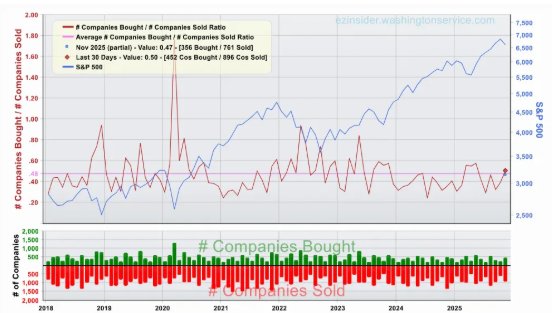
Core Insights - There has been a surge in stock purchases by corporate insiders following the most significant decline in U.S. stocks since April, indicating a potential bullish sentiment among long-term investors [1][3] - The insider buying activity has reached its fastest pace since May, with a buy-to-sell ratio rising to 0.5, providing some comfort to beleaguered bullish investors [1] - The S&P 500 index has experienced a 3.1% decline over the past week, heading towards its worst month since April, while insiders are actively buying shares [1][3] Group 1: Insider Buying Activity - Corporate insiders have been purchasing their own stocks at the fastest rate since May, with a notable increase in buying volume [1] - Jay Hatfield, CEO of Infrastructure Capital Advisors, noted that insiders are demonstrating their confidence in their companies by buying shares during market pullbacks [1] - The recent insider purchases are seen as a positive signal for the market, as they reflect confidence in the companies' long-term prospects [5] Group 2: Market Reactions and Predictions - Following a significant drop, the S&P 500 index saw a 0.4% increase, marking the first rise in four days, aided by strong revenue forecasts from Nvidia [3] - Advisors Asset Management's Matt Lloyd highlighted that third-quarter earnings have exceeded Wall Street expectations, contributing to investor confidence [3] - Despite the positive sentiment from insider buying, Northlight Asset Management's Chris Zaccarelli cautioned that insiders may not have a deep understanding of market timing, but net buying is still a positive market sentiment indicator [5]
黄金大跌17元/克!现在抄底是馅饼还是陷阱?专家揭秘三大投资痛点
Sou Hu Cai Jing· 2025-11-20 08:11
Group 1 - The recent volatility in the gold market is primarily driven by a combination of monetary policy expectations and market sentiment [1][4] - The World Gold Council's CEO for China highlighted three main challenges in gold investment: understanding the market, timing the investment, and holding onto the asset [2] - The decline in gold prices is seen as both a risk release and an opportunity, emphasizing that gold serves as a safety net rather than a quick profit generator [2] Group 2 - The Federal Reserve's shift towards a more hawkish stance has led to a stronger dollar, putting downward pressure on gold prices as it is a non-yielding asset [4] - A recovery in global risk appetite, due to easing geopolitical tensions, has resulted in funds moving away from gold to riskier assets like stocks and cryptocurrencies [4] - Technical selling pressure has emerged as many investors sought to lock in profits after a period of rising gold prices, contributing to the recent price drop [4] Group 3 - Since November, international gold prices have dropped over 5%, while domestic gold jewelry prices have decreased by approximately 20-30 yuan per gram, yet remain about 15% higher than at the beginning of the year [4] - Investors face difficulties in understanding the multitude of factors influencing gold prices, leading to impulsive buying and selling behaviors [4] - The average gold price increase over the past three years has been over 20%, but more than 60% of investors exited early, missing out on further gains [4] Group 4 - Different strategies are recommended for various types of investors: immediate buyers should consider current prices for planned purchases, long-term holders should adopt a dollar-cost averaging approach, and short-term speculators should be cautious due to market volatility [2][4] - It is crucial for all investors to choose reputable channels for purchasing gold and to be aware of buyback policies to ensure liquidity [4]
亚市早盘油价下跌 可能受技术性回调影响
Ge Long Hui A P P· 2025-11-17 01:28
Core Viewpoint - Oil prices in Asia experienced a decline, potentially influenced by technical corrections, following significant increases in West Texas Intermediate (WTI) and Brent crude oil prices on Friday [1] Group 1: Price Movements - Near-month WTI crude oil futures fell by 1.2% to $59.39 per barrel [1] - Near-month Brent crude oil futures decreased by 1.1% to $63.70 per barrel [1] Group 2: Market Focus - The market's attention may shift to the upcoming U.S. inventory data, especially in the absence of major news [1] - Barbara Lambrecht, a commodity analyst at Deutsche Bank, indicated that if U.S. crude oil inventories remain significantly below normal levels, oil prices could rebound [1]
晚间四大利空!中概股全线大跌,黄金下跌2%,小心第三个利空
Sou Hu Cai Jing· 2025-11-15 17:13
Market Overview - The market is experiencing a significant downturn, with the probability of a Federal Reserve rate cut in December dropping from 67% to below 50% in just one month [1][2] - The strong performance of the Nasdaq index contrasts sharply with the decline in Chinese concept stocks, indicating a split market sentiment [1] Impact on Chinese Concept Stocks - Chinese concept stocks are facing severe declines, with Alibaba down nearly 4%, JD down over 4%, and XPeng down more than 5% [1][4] - JD's recent earnings report revealed a 55% year-over-year drop in net profit, exacerbating concerns about the sustainability of growth in the e-commerce sector [4][5] - The competitive landscape in the electric vehicle market has shifted from a "blue ocean" to a "bloody battleground," leading to significant losses for companies like XPeng and NIO [5] Economic and Regulatory Concerns - The potential introduction of a property tax has raised concerns in the market, particularly as the real estate sector has not fully recovered [10] - Ongoing uncertainties regarding U.S.-China audit regulations continue to create a precarious environment for Chinese companies listed in the U.S., with some facing potential delisting [10] Gold Market Dynamics - Gold prices have seen a dramatic drop, with futures falling 2.62% in a single day, attributed to a new tax policy that increased costs for non-investment gold [3][12] - The recent easing of geopolitical tensions has diminished gold's appeal as a safe-haven asset, leading to significant outflows from gold ETFs [12] Investor Sentiment - Investors are divided on whether to buy into the current market downturn or to remain cautious, with some viewing the low valuations of Chinese concept stocks as a buying opportunity while others prefer to shift to defensive sectors [14]


国际金价“过山车”:暴跌8%后,未来是涨是跌?
Sou Hu Cai Jing· 2025-11-10 04:22
Core Viewpoint - The international gold price has experienced a significant drop of approximately 8% in just two days, resulting in a market value loss exceeding $2.5 trillion, following a period of record highs and profit-taking by investors [1] Group 1: Recent Gold Price Surge - Since September, international gold prices have seen a strong upward trend, with the December 2025 futures price surpassing $4,000 per ounce and reaching a historical high of $4,014.60 per ounce on October 7 [2] - By October 16, the price peaked near $4,390 per ounce, marking a nearly 60% increase year-to-date, making the gold market a focal point for investors [2] Group 2: Analysis of the Price Drop - Analysts attribute the recent drop in gold prices to a technical correction after months of rising prices and an overbought market condition [3] - Factors contributing to the previous price surge included increasing economic and geopolitical uncertainties, concerns over inflation, significant gold purchases by central banks, and expectations of interest rate cuts by the Federal Reserve [3] - The recent strengthening of the dollar, easing geopolitical tensions, and optimistic expectations regarding trade disputes have prompted investors to take profits [3] - The chairman of the New York Mercantile Exchange noted that the recent price drop is a typical "technical correction," indicating that the market had been overbought for some time [3] Group 3: Future Price Outlook - Market institutions have differing views on the future trajectory of gold prices, but most agree that prices are likely to remain high in the short term [4] - Citibank predicts that if the U.S. government shutdown is resolved and trade tensions ease, gold prices may enter a consolidation phase in the coming weeks [4] - Goldman Sachs believes the recent drop is a technical correction and that the long-term macroeconomic factors supporting gold prices remain unchanged [4] - Morgan Stanley shares a similar view, suggesting that the price drop is a short-term adjustment rather than the end of a bull market, with ongoing support from central bank purchases and geopolitical risks [4] - Standard Chartered has raised its average gold price forecast for 2026 from $3,875 to $4,488 per ounce, citing increasing global uncertainties and strong investment demand for gold [4]