
睡眠经济

Search documents
从“家具”到“健康睡眠科技”:喜临门更名背后的睡眠产业大变革
Quan Jing Wang· 2025-12-12 08:02
Core Insights - The mattress giant is rebranding to better reflect its strategic positioning and business development needs, indicating a significant brand renewal aimed at reshaping user perception and enhancing brand premium [3] - The transition from traditional mattress sales to health sleep technology solutions signifies a shift towards comprehensive sleep health management through smart monitoring and personalized adjustments [3][4] - The sleep economy in China has surpassed 400 billion yuan, with over 300 million people suffering from sleep disorders, highlighting a growing market demand for improved sleep quality [3] Group 1 - The rebranding effort is interpreted as a move to capture the future smart home ecosystem and to provide technology-driven sleep solutions rather than just physical products [3] - Consumer demand is evolving from merely "sleeping" to "sleeping well," indicating a shift towards personalized and proactive health management in sleep [3][4] - The integration of technology such as smart sleep monitoring and environmental controls is becoming standard in sleep products, reflecting a broader trend in the industry [3] Group 2 - The global competition in sleep technology is intensifying, with leading brands in the U.S. establishing technological advantages, prompting Chinese companies to build their own technological moats [4] - The proposed rebranding marks the entry of the Chinese sleep industry into a technology-driven phase, transforming the perception of sleep from a simple rest activity to a measurable and manageable health metric [4] - Future collaborations between sleep technology companies and healthcare institutions are anticipated, aiming to provide more professional sleep improvement solutions as part of the broader health strategy in China [4]


纺服行业2026年度策略:看好上游订单恢复,关注“应变求新”品牌
Soochow Securities· 2025-12-11 14:22
Core Insights - The report is optimistic about the recovery of upstream orders and emphasizes the importance of brands that can adapt and innovate in response to consumer needs [2][19]. Brand Apparel - The domestic brand apparel industry has entered a phase of stock competition, with limited growth opportunities. The performance of leading brands is increasingly reliant on their ability to attract consumers rather than on channel expansion [2][19]. - Three key areas for growth are identified: new home textiles, functional apparel, and strongly differentiated brands. Notable recommendations include: - New Home Textiles: Driven by the sleep economy and self-care consumption, brands like Mercury Home Textiles and Luolai Life are expected to perform well [2]. - Functional Apparel: Brands such as Anta Sports, Li Ning, and Bosideng are positioned to benefit from the growing health and outdoor lifestyle trends [2]. - Strongly Differentiated Brands: Companies like Cotton Era, focusing on 100% cotton products, are experiencing rapid growth [2]. - High dividend stocks recommended include Hailan Home, Luolai Life, and Semir Apparel [2]. Textile Manufacturing - The report notes a decrease in uncertainty regarding tariff policies, stabilization in European and American retail, and low inventory levels among international brands, suggesting a potential recovery in upstream orders [2][19]. - Recommendations for textile manufacturing companies include Shenzhou International, Weixing Co., and Huali Group, with a focus on high dividend stocks like Yuyuan Group and Jingyuan International [2]. Market Performance Review - The textile and apparel sector has seen a slight underperformance compared to the broader market, with a year-to-date increase of 12.45% as of December 9, 2025, compared to a 16.84% increase in the CSI 300 index [7][10]. - The apparel and home textile segments have shown similar performance, while the accessories segment has outperformed, with a 17.1% increase [13][14]. Consumer Environment - The domestic consumption environment remains weak, with apparel retail performance lagging behind overall retail growth. For instance, the cumulative year-on-year growth for apparel retail was only 2.9% from January to October 2025 [27][23]. - The consumer confidence index has shown a slight recovery but remains at historical low levels, indicating ongoing challenges in consumer spending [25][27]. Company Performance - The report highlights that many key apparel companies have experienced revenue declines, while a few have maintained growth. For example, companies like Anta, Li Ning, and Bosideng have shown consistent revenue expansion [30][32]. - The profitability of the brand apparel sector has been under pressure, with net profits not keeping pace with revenue growth in many cases [28][32].




AI生成的“末日安全屋”,每晚正陪着年轻人入睡
3 6 Ke· 2025-11-28 00:51
Core Concept - The concept of "doomsday safe houses" has recently gained popularity as a new aid for sleep, with people finding comfort in AI-generated videos depicting these scenarios during extreme weather conditions [5][13][23] Group 1: Doomsday Safe Houses - Doomsday safe houses are often depicted as single rooms with a soft bed, where the harsher the external environment, the more comfortable the interior feels [5][9] - The appeal of doomsday themes lies in the psychological comfort they provide, allowing individuals to fantasize about survival in a controlled environment amidst chaos [11][14] - The trend reflects a broader cultural fascination with apocalyptic scenarios, as seen in various literary and media works, and has led to practical preparations by some survivalists [11][14] Group 2: Sleep Economy - A significant portion of the adult population experiences sleep disturbances, with a reported 48.5% of adults facing such issues, particularly in urban areas [18] - The sleep economy in China is projected to exceed 650 billion yuan by 2027, indicating a growing market for sleep-related products and services [18] - Live streaming of sleep aid content, including doomsday safe houses, is becoming a popular method for providing companionship and relaxation, with a diverse range of creators contributing to this space [18][20] Group 3: Future of Sleep Aids - The integration of advanced technologies like VR and smart glasses may enhance the immersive experience of sleep aids, allowing users to feel fully present in comforting environments [20][21] - The shift from individual sleep products to creating comprehensive sleep environments represents a potential evolution in the sleep consumption ecosystem [21][23] - The emergence of doomsday safe houses as a sleep aid reflects a societal acceptance of external chaos, leading individuals to seek solace in imagined safe spaces [23]

家纺货源群电商群,家纺电商供应链
Sou Hu Cai Jing· 2025-11-27 02:39
Core Insights - The home textile e-commerce industry is undergoing a transformation from traditional durable goods to experience-driven fast-moving consumer goods, reshaping product forms and the entire value chain [4] - Consumer behavior is shifting towards emotional consumption, where purchases are driven by psychological satisfaction rather than just functional needs [5] - The sleep economy is entering a precise era, with smart bedding systems enhancing customer loyalty and significantly increasing average transaction values [6] Group 1: Industry Transformation - The home textile industry is evolving into an experience-oriented sector, moving away from the traditional durable goods model [4] - The introduction of smart materials and technologies is revolutionizing product offerings, allowing for dynamic adjustments rather than static protection [8] - The shift from standardized production to personalized customization is becoming a key trend, with flexible manufacturing processes gaining traction [10] Group 2: Consumer Behavior - Emotional consumption is becoming a dominant trend, with consumers seeking products that provide psychological comfort [5] - The integration of color psychology into product design is emerging, with specific color combinations shown to alleviate anxiety and improve sleep [9] - Subscription-based services for home textiles are gaining popularity, particularly among high-end users, with acceptance rates reaching 42% [24] Group 3: Technological Advancements - The adoption of digital printing technology has significantly reduced costs for small batch customizations, enabling quicker market validation [12] - AI algorithms are being utilized to predict regional consumer preferences, leading to tailored product strategies [14] - AR/VR technologies are enhancing the shopping experience by allowing consumers to visualize products in virtual settings, resulting in improved conversion rates [17] Group 4: Market Dynamics - The competitive landscape is shifting from product-based competition to ecosystem-based competition, where comprehensive solutions are prioritized [21] - Home textile products are becoming crucial data entry points in smart home ecosystems, linking sleep data with other smart devices [22] - Cross-industry collaborations are emerging, blurring the lines between home textiles and health or beauty sectors, creating new market opportunities [25] Group 5: Future Challenges - The industry faces challenges related to data privacy, necessitating the establishment of transparent data usage rules and security systems [27] - The demand for agile supply chains is increasing, with digital supply chain management becoming a core competitive advantage [28] - There is a significant shortage of professionals who possess both home textile expertise and digital operational skills, which could hinder industry growth [29] Conclusion - The home textile e-commerce sector is transitioning from a transactional model to a lifestyle solution model, driven by a user experience-centric revolution that is fundamentally altering the industry landscape [30]
未来10年,最挣钱的凭什么一定是这群人?
创业家· 2025-11-17 10:20
Core Insights - Amazon's report on global e-commerce trends highlights emerging consumer preferences and market opportunities driven by technology and emotional needs [1][2]. Group 1: AI-Driven Consumer Trends - Trend 1: AI Quality Space emphasizes the transformation of homes into emotionally interactive environments, with over 65% of consumers in Europe and the US willing to spend more on smart home products [3][4]. - Trend 2: The Sleep Economy is gaining traction, with 37% of American adults reporting decreased sleep quality in 2023, leading to increased demand for sleep-enhancing products and services [8][10][11]. - Trend 3: Happiness in the Workplace focuses on ergonomic office designs that enhance comfort and productivity, reflecting a shift in consumer expectations for workspaces [13][14]. Group 2: Lifestyle and Experience Trends - Trend 4: Technology's Subtle Integration highlights a consumer preference for seamless tech experiences that enhance quality of life without being intrusive [15]. - Trend 5: The Pet Economy is projected to grow by 45% over the next six years, with 55% of pet owners in Europe and Japan willing to invest more in pet healthcare and products, indicating a shift towards emotional spending [16][17][19]. - Trend 6: Outdoor Cooking reflects a growing interest in camping and outdoor culinary experiences, creating demand for specialized outdoor cooking equipment and supplies [20][21][22]. Group 3: Mobility and Youth Trends - Trend 7: The Mobile Treasure Chest describes vehicles evolving into multifunctional spaces, enhancing comfort and utility for consumers [23][24][27]. - Trend 8: The Z Generation is characterized by value-driven consumption, emphasizing sustainability, personalization, and experiential purchases [28][29][30]. - Trend 9: The Fitness Vanguard focuses on the increasing demand for personalized and efficient fitness solutions, supported by technological advancements in the health and fitness industry [31][34]. Group 4: Gaming and Cultural Trends - Trend 10: The Gaming Enthusiast market is rapidly expanding, particularly in emerging markets, with a strong demand for high-performance gaming equipment and immersive experiences [35][36][38]. - The report identifies three key drivers of these trends: accelerated technology, emotional shifts, and evolving lifestyles, reflecting the complex needs of contemporary consumers [39][40].

聚焦进博会|从一杯定制咖啡到一张手工床:进博会里的“中等消费者”争夺战
Di Yi Cai Jing· 2025-11-08 02:52
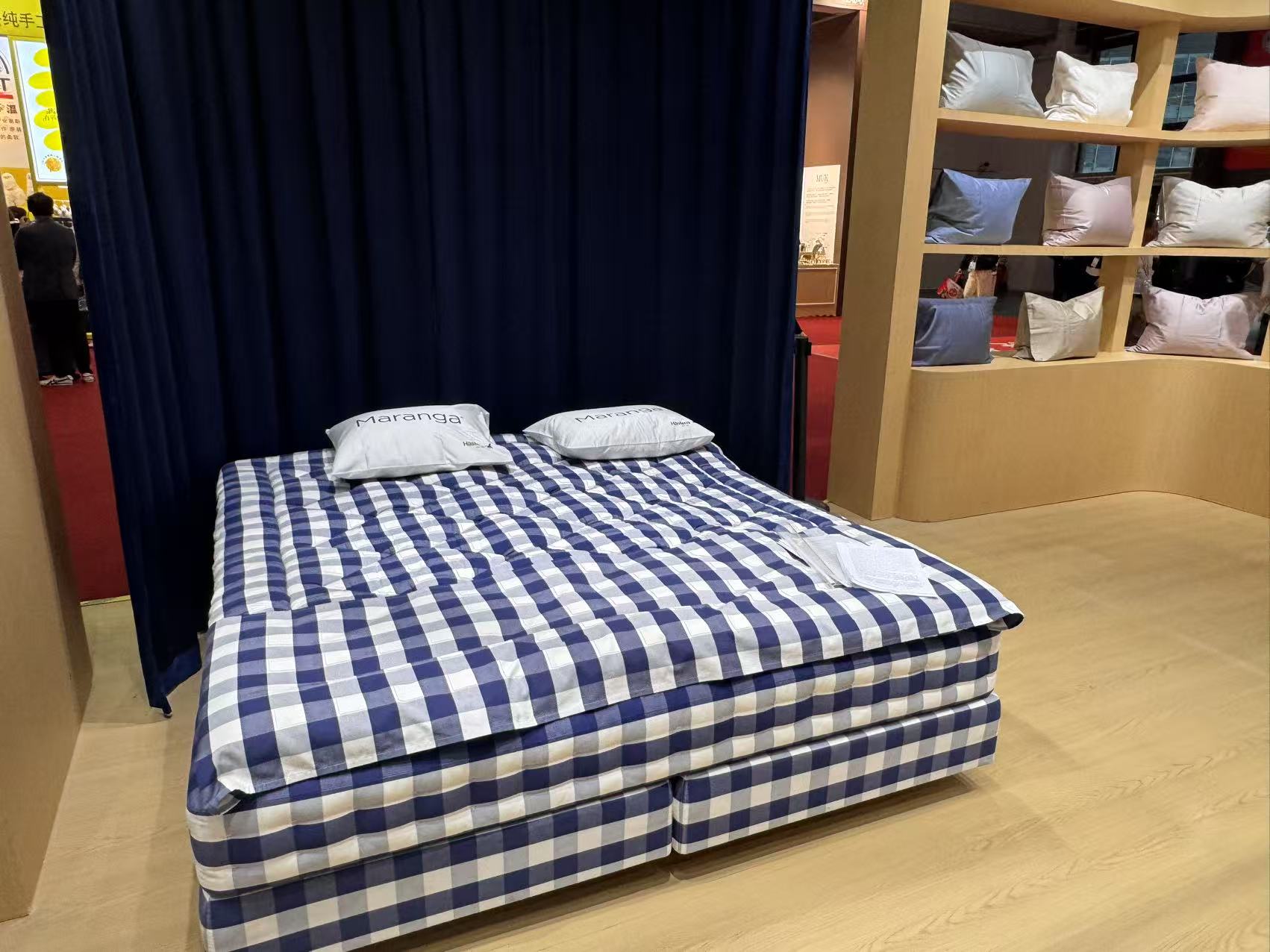
Group 1: Market Potential - The middle-income group in China is expected to exceed 800 million in the next decade, providing a significant market opportunity for global businesses [2] - The growth of the middle-income group will inject more certainty into the global market, transforming the supply of goods worldwide [2] Group 2: Company Strategies - LDC, a long-standing player in the Chinese market, plans to extend its focus beyond core commodity business to downstream industries, particularly in food [2] - LDC is customizing coffee products for Chinese consumers, reflecting the growing coffee market in China [2] - ADM is adapting its flavor business to meet the diverse tastes of Chinese consumers, emphasizing the rapid growth of citrus flavors in beverages [3] Group 3: Consumer Trends - Chinese middle-income consumers are increasingly prioritizing both health and taste in their food choices [3] - The sleep economy in China has seen substantial growth, with the market size increasing from 261.63 billion in 2016 to 495.58 billion in 2023, and projected to reach 658.68 billion by 2027 [4] - There is a rising demand for high-quality, handcrafted bedding products, indicating a shift in consumer preferences towards natural materials [6] Group 4: Localization Efforts - LDC has established a local R&D center in Shanghai to develop animal nutrition products tailored for the Chinese market, demonstrating a commitment to local needs [7] - ADM has built a localized flavor innovation system in China, with dedicated teams in Beijing and Shanghai to address regional market demands [8]
Presentation:洞察消费者变迁,挖掘结构性机会
Haitong Securities International· 2025-11-04 08:06
Group 1: Market Performance - The A+H apparel stocks have underperformed the market since the beginning of the year, with A-share textile and apparel sector rising by 11.1%, lagging behind the CSI 300 index by 8.8 percentage points [14][16]. - The Hong Kong textile and apparel sector has seen a significant increase of 59.9%, outperforming the Hang Seng Index, which rose by 29.1% [15][16]. - The performance of overseas apparel stocks has been mixed, with luxury brands leading the market [17]. Group 2: Industry Analysis - From January to September 2025, the retail sales growth of clothing, shoes, and textiles in China was 3.1%, below the overall retail sales growth of 4.5% [22][23]. - The export growth of textiles and apparel from China was 2.1% and -2.5% respectively, while Vietnam's textile and footwear exports grew by 12.0% and 7.4% [25][27]. - Cotton prices have remained stable, while wool prices have surged since July, and goose down prices have fluctuated [28][31]. Group 3: Company Fundamentals - In Q3 2025, A-share brands showed a sequential improvement in performance, particularly in the home textile sector, with companies like Luolai Life and Mercury Home Textiles performing well [42][48]. - The Hong Kong sports brands faced pressure in Q3, but niche outdoor segments maintained high growth rates [45][47]. - The net profit consensus for most brands has been revised downward, with home textiles and outdoor sports experiencing relatively smaller adjustments [48][49]. Group 4: Trend Outlook - The textile manufacturing sector is expected to recover in 2026 due to tariff reductions, improved visibility, and enhanced operational efficiency [4]. - The Chinese sports market is viewed positively, particularly for growth brands in niche segments, while the luxury sector is expected to benefit from changes in customer demographics and innovative mid-range brands [4][48]. - The sleep economy presents significant growth potential, with leading home textile brands leveraging technology to drive growth [4].
慕思股份(001323):公司点评:锚定AI战略与出海布局,筑牢品牌核心竞争力
SINOLINK SECURITIES· 2025-10-30 11:52
Investment Rating - The report maintains a "Buy" rating for the company, anticipating a price increase of over 15% in the next 6-12 months [6][15]. Core Insights - The company reported a revenue of 3.761 billion yuan for the first three quarters of 2025, a year-on-year decrease of 3.01%, with a net profit attributable to shareholders of 467 million yuan, down 10.61% year-on-year [2]. - In Q3 2025, the company achieved a revenue of 1.284 billion yuan, marking a year-on-year increase of 2.79%, although the net profit for the same quarter fell by 26.80% to 109 million yuan [2]. - The company has successfully expanded its e-commerce channels and AI mattress revenue, contributing to the positive growth in Q3 [3]. - The gross margin for the first three quarters of 2025 was 52.34%, an increase of 1.54 percentage points year-on-year, with Q3 gross margin at 53.18%, up 1.23 percentage points [4]. - The company has initiated a cash dividend distribution plan, distributing 4.50 yuan per 10 shares, with a dividend payout ratio of 55% for H1 2025, indicating a commitment to maintaining a steady dividend policy [3]. Financial Performance Summary - The projected net profits for 2025, 2026, and 2027 are 696 million yuan, 720 million yuan, and 821 million yuan, respectively, reflecting a year-on-year decrease of 9.34% in 2025, followed by increases of 3.57% and 13.89% in the subsequent years [6]. - The company’s revenue growth rates are projected to be -4.03% in 2023, 0.43% in 2024, 1.11% in 2025, 9.20% in 2026, and 20.11% in 2027 [11]. - The company has signed strategic cooperation agreements with leading enterprises in Malaysia, Vietnam, Saudi Arabia, and Indonesia to expand its overseas business [4]. Market Position and Strategy - The company is leveraging its partnership with Huawei to enhance its AI mattress offerings, aiming to penetrate a broader customer base while maintaining a premium brand positioning [5]. - The company’s strategic initiatives include expanding its presence in e-commerce platforms and promoting AI mattresses through flagship stores and specialized retail outlets [4].
2025年中国智能床垫行业:AI赋能,床垫智能化大势所趋(精华版)
Tou Bao Yan Jiu Yuan· 2025-10-28 14:18
Investment Rating - The report indicates a positive investment outlook for the smart mattress industry in China, driven by consumer upgrades and advancements in AI technology [2]. Core Insights - The Chinese smart mattress industry is experiencing rapid growth due to rising health awareness, the emergence of the sleep economy, and the deep integration of AI in home settings. Smart mattresses are transitioning from niche products to mainstream consumer goods, with increasing market penetration [2]. - The industry is characterized by strong resilience and significant pricing power, with a current market penetration rate of 60% for mattresses and only 0.2% for smart mattresses, indicating substantial growth potential [4][5]. - The AI mattress market is projected to grow from 7.5 billion yuan in 2021 to 43.9 billion yuan by 2030, with a penetration rate increasing from 1.7% to 14.0% [5][50]. Summary by Sections Industry Overview - The smart mattress industry is propelled by consumer demand for health and wellness products, with a notable focus on sleep quality. The market is evolving with the integration of technologies such as 5G, IoT, and big data [2][3]. Consumer Behavior - Sleep issues are prevalent across generations, with younger individuals tending to stay up late and older adults experiencing frequent awakenings. The demand for home hardware, particularly smart mattresses, is growing as consumers seek solutions to improve sleep quality [3][16]. Market Dynamics - The mattress industry shows strong resilience during economic downturns, maintaining positive growth even when the real estate market is under pressure. The market is currently fragmented, with leading brands like Mousse and Xilinmen competing in a diverse landscape [4][35]. Technological Evolution - The development of AI mattresses has progressed through three stages: foundational sensing, data insights, and AI-driven sleep management. The focus is now on personalized solutions that adapt to individual sleep patterns [38][40]. Competitive Landscape - The Chinese mattress market remains relatively fragmented compared to the U.S., where a few brands dominate. The concentration ratio (CR5) in China is gradually increasing, indicating potential for further market consolidation [35][37].
研报掘金丨浙商证券:博实结业绩表现亮眼,维持“买入”评级
Ge Long Hui A P P· 2025-10-27 05:39
Core Viewpoint - The report from Zhejiang Merchants Securities highlights that Boshi achieved a net profit attributable to shareholders of 180 million yuan in the first three quarters of 2025, marking a year-on-year increase of 33.95% [1]. Financial Performance - In Q3 alone, the company reported a net profit of 73 million yuan, reflecting a year-on-year growth of 64.42% and a quarter-on-quarter increase of 7.72% [1]. - The overall performance is driven by the growth in overseas markets and AIoT product launches [1]. Business Strategy - The company has improved its business profitability through optimizing product structure, enhancing operational efficiency, and deepening cost control measures [1]. - As scale effects are released, the gross profit margin is gradually recovering [1]. Emerging Opportunities - The rise of the "sleep economy" has prompted the company to actively incubate new AIoT products related to smart sleep terminals, which are expected to generate nearly 200 million yuan in revenue in 2024, accounting for 14.2% of total revenue [1]. - The smart vehicle terminal, which is the company's foundational business, is accelerating its expansion into overseas markets [1]. Key Partnerships - The company has established deep ties with leading clients such as Qinjun, Hello Chuxing, and Meituan Bikes, and is also a significant supplier for the smart two-wheeled electric vehicle brand Ninebot [1]. Investment Rating - The report maintains a "Buy" rating for the company's stock [1].
