科技股

Search documents
港股小幅高开 均胜电子纳入港股通标的
Mei Ri Jing Ji Xin Wen· 2025-12-04 02:46
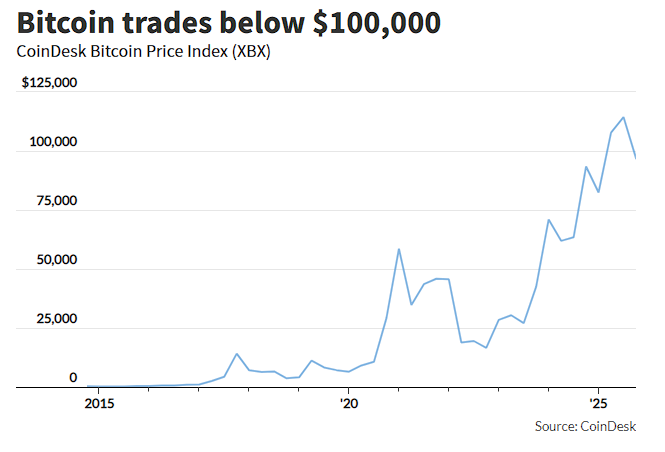
Market Overview - The Hong Kong stock market opened slightly higher on December 4, with the Hang Seng Index at 25,804.01 points, up 43.28 points, a gain of 0.17% [10] - The Hang Seng Tech Index reported 5,552.43 points, increasing by 17.51 points, a rise of 0.32% [12] Company News - Junsheng Electronics (HK00699) has been included in the Hong Kong Stock Connect list, effective December 4, 2025, following the end of its price stabilization period in the Hong Kong market and after being listed for 10 trading days [5][14] - Junsheng Electronics' H-shares were listed on November 6 at an issue price of HKD 22, but fell to a low of HKD 14.28 before recovering to HKD 18.22 at the time of reporting [5][14] Sector Performance - The technology sector showed mixed results, with Meituan rising over 1% and Alibaba declining by 0.33% [7][15] - The innovative drug sector opened higher, with Gilead Sciences rising over 5% [7][15] - The non-ferrous metals sector saw most stocks increase, with Chalco International up over 7%, Zijin Mining and Minmetals Resources up over 4%, and Jiangxi Copper up over 3% [7][15] Market Outlook - Brokerage firms remain optimistic about the medium to long-term prospects of the Hong Kong stock market despite short-term volatility [8][15] - Short-term opportunities are seen in high dividend defensive sectors and areas supported by policy expectations [8][15] - Long-term investments are recommended in reasonably valued and fundamentally sound technology stocks, as well as potentially undervalued consumer and pharmaceutical sectors [8][15] - Positive signals to watch for include expectations of interest rate cuts by the Federal Reserve, which may improve market liquidity, along with continued inflows of southbound capital providing support [8][15]


浙商证券李超:大家要对市场有信心 看好科技与红利
Xin Lang Zheng Quan· 2025-12-01 05:37
Core Viewpoint - The 2025 Analyst Conference and the 7th Sina Finance "Golden Unicorn" Best Analyst Awards highlighted a positive outlook for China's economy and capital markets in 2026, driven by high-quality development and structural transformation [1][3]. Economic Analysis Framework - The four-tier analysis framework proposed by Li Chao emphasizes understanding China's economic fundamentals, identifying four key decision variables: US-China relations, social stability, structural transformation, and economic growth, with a clear prioritization [3]. - The framework indicates that 2026 will focus on high-quality development leading structural transformation, which is expected to proceed steadily while maintaining growth resilience [3]. Market Dynamics - The core driver of the market is identified as the decline in interest rates, which has facilitated the transmission of liquidity to capital markets since 2025, with expectations for continued confidence recovery into 2026 [4]. - Historical examples from the US and Japan demonstrate that a declining interest rate environment can support both stock and bond markets, suggesting that China is in a position to replicate this trend [5]. Investment Directions - Li Chao identifies two primary investment categories benefiting from declining interest rates: technology stocks and dividend stocks, each appealing to different risk appetites influenced by US-China relations [6]. - Technology stocks are expected to see long-term valuation re-pricing due to lower discount rates on future cash flows, supported by a 9.6% year-on-year increase in high-tech manufacturing value added [6]. - Dividend stocks offer relative yield advantages in a low interest rate environment, making them a stable choice for asset allocation, with significant valuation recovery potential in the A-share market [6]. Strategic Allocation - A clear allocation strategy is proposed: focus on dividend stocks during heightened US-China tensions and lower risk appetite, while shifting to technology stocks when relations improve and risk appetite increases [7].


股指期货11月报-20251128
Yin He Qi Huo· 2025-11-28 07:31
| 第二部分 月行情复盘 | 11 | 3 | | | | --- | --- | --- | --- | --- | | 一、股票市场——先抑后扬,再创新高 | | | 3 | | | 二、股指期货——贴水周期性扩大,成交持仓下降 | | | 4 | | | 第三部分 后市展望及投资策略 | | 7 | | | | 一、科技股将再成焦点 | | 7 | | | | 二、日历效应与年末资金 | | 9 | | | | 三、后市策略 | | 10 | | | | 免责声明 | | | | 11 | 股指期货研发报告 股指期货 11 月报 2025 年 11 月 28 日 四千关口需要整固 第一部分 前言概要 【行情回顾】 1.单边:高位震荡,波动操作。 2.套利:多 IM\IC 主力合约+空 ETF。 3.期权:双买策略。 风险提示:经济复苏不及预期、美股人工智能泡沫破灭,资金面变化。 交易咨询业务资格: 证监许可[2011]1428 号 研究员:孙锋 电 话:021-65789277 邮 箱: sunfeng@chinastock.com.cn 期货从业资格证号:F0211891 投资咨询资格证号:F0000 ...
市场主流观点汇总-20251126
Guo Tou Qi Huo· 2025-11-26 13:14
Report Summary 1. Report Purpose - The report objectively reflects the research views of futures and securities companies on various commodity varieties, tracks hot varieties, analyzes market investment sentiment, and summarizes investment driving logic. It is for internal company use only and does not constitute personal investment advice [1]. 2. Market Data 2.1. Commodity Prices and Weekly Changes | Asset Class | Sub - variety | Closing Price (2025/11/21) | Weekly Change (11/17 - 11/21) | | --- | --- | --- | --- | | Commodities | Iron ore | 785.50 | 1.68% | | | Corn | 2195.00 | 0.46% | | | Rebar | 3057.00 | 0.13% | | | PTA | 4666.00 | - 0.72% | | | Palm oil | 8550.00 | - 1.09% | | | Polysilicon | 53360.00 | - 1.27% | | | Copper | 85660.00 | - 1.43% | | | Crude oil | 447.40 | - 2.19% | | | Aluminum | 21340.00 | - 2.29% | | | Methanol | 2004.00 | - 2.48% | | | Soybean meal | 3012.00 | - 2.59% | | | Gold | 926.94 | - 2.75% | | | Ethylene glycol | 3808.00 | - 2.91% | | | PVC | 4456.00 | - 3.30% | | | Live pigs | 11350.00 | - 3.61% | | | Glass | 987.00 | - 4.36% | | | Silver | 11680.00 | - 5.62% | | | Coking coal | 1103.00 | - 7.47% | 2.2. Stock Indexes and Weekly Changes | Stock Index | Closing Price (2025/11/21) | Weekly Change (11/17 - 11/21) | | --- | --- | --- | | Shanghai 50 | 2955.85 | - 2.72% | | CSI 300 | 4453.61 | - 3.77% | | CSI 500 | 6817.41 | - 5.78% | | FTSE 100 | 9539.71 | - 1.64% | | S&P 500 | 6602.99 | - 1.95% | | France CAC40 | 7982.65 | - 2.29% | | NASDAQ Index | 22273.08 | - 2.74% | | Nikkei 225 | 48625.88 | - 3.48% | | Hang Seng Index | 25220.02 | - 5.09% | 2.3. Bonds and Weekly Changes | Bond | Closing Price (2025/11/21) | Weekly Change (11/17 - 11/21) | | --- | --- | --- | | 5 - year Chinese Treasury bond | 1.59 | + 0.62bp | | 10 - year Chinese Treasury bond | 1.82 | + 0.14bp | | 2 - year Chinese Treasury bond | 1.43 | - 0.45bp | 2.4. Foreign Exchange and Weekly Changes | Foreign Exchange | Closing Price (2025/11/21) | Weekly Change (11/17 - 11/21) | | --- | --- | --- | | US Dollar Index | 100.15 | + 0.87% | | US Dollar Intermediate Price | 7.09 | + 0.07% | | Euro - US Dollar | 1.15 | - 0.93% | [2] 3. Commodity Views 3.1. Macro - Financial Sector - **Stock Index Futures** - Strategy View: 3 out of 8 institutions are bullish, 0 are bearish, and 5 expect a sideways trend. - Bullish Logic: Nvidia's better - than - expected performance eases AI bubble concerns; Fed officials' remarks boost rate - cut expectations; loose expectations remain, and the stock index may stage a phased recovery; significant short - term decline with strong downside support. - Bearish Logic: Fed's hawkish stance causes liquidity expectations to fluctuate; rising US Dollar Index suppresses global risk appetite; AI bubble controversy affects tech stocks; fading speculative sentiment leads to reduced trading volume [4]. - **Treasury Bond Futures** - Strategy View: 1 out of 7 institutions is bullish, 0 are bearish, and 6 expect a sideways trend. - Bullish Logic: Weak fundamental data and insufficient domestic demand support loose expectations; central bank's restart of Treasury bond trading signals policy support; medium - to - long - term allocation demand pulls interest rates down; limited incremental policies at the end of the year. - Bearish Logic: Low expectation of further rate cuts, lack of upward momentum; tight external market liquidity affects the bond market; new redemption rules suppress the bond market, especially 30 - year bonds [4]. 3.2. Energy Sector - **Crude Oil** - Strategy View: 0 out of 8 institutions are bullish, 4 are bearish, and 4 expect a sideways trend. - Bullish Logic: OPEC + suspends production increase, tightening supply expectations; northern hemisphere's heating season boosts demand; geopolitical risks in South America remain; short - term disruption of Libyan exports; Fed officials' calming remarks boost rate - cut expectations; potential stabilization after short - term oversold. - Bearish Logic: Persistent global supply surplus and inventory accumulation; fluctuating Fed rate - cut expectations and tight liquidity; overall slowdown in fourth - quarter demand; significant decline in geopolitical risks [5]. 3.3. Agricultural Products Sector - **Palm Oil** - Strategy View: 0 out of 7 institutions are bullish, 3 are bearish, and 4 expect a sideways trend. - Bullish Logic: Malaysia enters the production - reduction season, easing supply pressure; India's import profit recovery may increase procurement; Indonesia's B50 policy boosts long - term biodiesel demand; widening international soybean - palm oil price difference makes palm oil more cost - effective. - Bearish Logic: US cancellation of relevant energy offices is negative for biodiesel policies; weak Malaysian palm oil exports in November; large domestic inventory accumulation; winter consumption off - season and expected inventory build - up [5]. 3.4. Non - Ferrous Metals Sector - **Aluminum** - Strategy View: 0 out of 7 institutions are bullish, 2 are bearish, and 5 expect a sideways trend. - Bullish Logic: Low inventory provides price support; limited supply increase expected in 2026, maintaining a tight supply - demand balance; emerging sectors like energy storage drive long - term aluminum consumption. - Bearish Logic: AI bubble concerns affect metal performance; cooling Fed rate - cut expectations pressure metal prices; potential decline in photovoltaic production may suppress aluminum consumption; high prices squeeze processing profits; industry off - season affects demand and开工 [6]. 3.5. Chemical Sector - **Methanol** - Strategy View: 0 out of 7 institutions are bullish, 3 are bearish, and 4 expect a sideways trend. - Bullish Logic: Potential winter maintenance in Iran may reduce imports; attention to year - end maintenance of southwest gas - based producers; increased losses in coal - to - methanol production may force a reduction in operating loads; low valuation limits downside space. - Bearish Logic: Weakening macro - drivers lead to trading of weak fundamentals; high import arrivals and expected port inventory build - up; compressed MTO profits reduce methanol procurement; weakening coal - based cost support [6]. 3.6. Precious Metals Sector - **Gold** - Strategy View: 2 out of 8 institutions are bullish, 2 are bearish, and 4 expect a sideways trend. - Bullish Logic: Fed officials' dovish signals boost rate - cut expectations; geopolitical and policy uncertainties increase gold's safe - haven appeal; US debt credit issues weaken long - term US dollar confidence; global central banks' continuous gold purchases support long - term demand. - Bearish Logic: Large internal differences within the Fed lead to unclear policy guidance; better - than - expected non - farm payrolls strengthen the hawkish stance; improving US dollar liquidity may increase market risk appetite [7]. 3.7. Black Metals Sector - **Coking Coal** - Strategy View: 0 out of 7 institutions are bullish, 3 are bearish, and 4 expect a sideways trend. - Bullish Logic: Tight supply expectations of Australian coal may support import costs; potential decline in production after year - end production targets are met; increased demand from winter heating. - Bearish Logic: Supply - guarantee policies make the market cautious; increased steel mill losses lead to reduced hot metal production; significant increase in Mongolian coal customs clearance; more online auction failures indicate weak demand; high coking coal inventory in coke enterprises reduces restocking willingness [7].
盘前必读丨美股全线收高英伟达跌超2%;国家商业航天发展基金来了
Di Yi Cai Jing· 2025-11-25 23:19
Market Overview - The market is expected to experience a narrow range of fluctuations and upward movement in December, as the recent short-term adjustments have been deemed excessive and require time for recovery [1][9]. U.S. Stock Market Performance - On the previous trading day, all three major U.S. stock indices closed higher, with the Dow Jones Industrial Average rising by 1.43%, the S&P 500 increasing by 0.91%, and the Nasdaq Composite gaining 0.67% [3]. - Notable movements in large tech stocks included Meta rising by 3.78%, Microsoft by 0.63%, Amazon by 1.50%, Apple by 0.38%, and Tesla by 0.39%, while Nvidia fell by 2.59% [3]. - The retail sector showed strong performance, with Kohl's surging by 42.53% and Abercrombie & Fitch soaring by 37.54% due to raised full-year profit forecasts [3]. Commodity Market - International oil prices declined, with light crude oil futures for January delivery falling by $0.89 to settle at $57.95 per barrel, a decrease of 1.51% [3]. - Spot gold prices slightly decreased by 0.14%, trading at $4130.59 per ounce, while COMEX gold futures rose by 0.81% to $4127.20 per ounce [4]. Corporate Developments - Alibaba reported a revenue of 247.8 billion yuan for Q2 of fiscal year 2026, reflecting a year-on-year growth of 4.8% [8]. - NIO's third-quarter losses narrowed to 3.48 billion yuan [8]. - Century Huatong secured a commitment letter for a stock repurchase loan from China Merchants Bank, not exceeding 900 million yuan [8]. - Huayou Cobalt signed a supply agreement for ultra-high nickel ternary cathode materials with EVE Energy [8]. Technology and Innovation - The National Space Administration of China released an action plan for the high-quality and safe development of the commercial space industry from 2025 to 2027, aiming for significant growth and enhanced innovation capabilities [5]. - The Ministry of Science and Technology emphasized the need for high-quality technological supply to lead the construction of a modern industrial system, focusing on key core technology breakthroughs [6]. - The U.S. White House announced the "Genesis Project," a new national initiative aimed at transforming scientific research through artificial intelligence [7].






德意志银行:科技股引发股市全线下跌的可能性不大
Sou Hu Cai Jing· 2025-11-25 09:32
Core Viewpoint - Concerns about an AI bubble are unlikely to lead to a broad market decline, with recent pullbacks seen as a result of "extreme position unwinding" [1] Group 1: Market Sentiment - The report by Deutsche Bank strategists, including Maximilian Uleer and Carolin Raab, indicates that worries regarding investment cycles and AI monetization will persist but are not seen as urgent [1] - The adjustment of earnings expectations for the seven major tech stocks is viewed positively, suggesting resilience in their financial outlook [1] Group 2: Economic Outlook - Should the economic outlook worsen, these tech giants have the capacity to adjust their capital expenditures accordingly [1] - If concerns about a bubble continue, the Federal Reserve retains the option for further interest rate cuts [1]

Tech Stocks That Are Down Today: AMD, Palo Alto Networks, DataDog and Micron Technology
247Wallst· 2025-11-21 15:43
Core Insights - Approximately $1 trillion in market capitalization was erased from the stock market, indicating significant volatility and potential distress in the market [1] - Some technology stocks are actively seeking a bottom, suggesting ongoing challenges and opportunities for recovery within the sector [1] Market Impact - The loss of $1 trillion in market capitalization reflects a broader trend of market instability, particularly affecting technology stocks [1] - The search for a bottom among technology stocks indicates that investors are looking for entry points amidst the current downturn [1]


逆势上涨,风格再次切换
Ge Long Hui· 2025-11-19 14:16
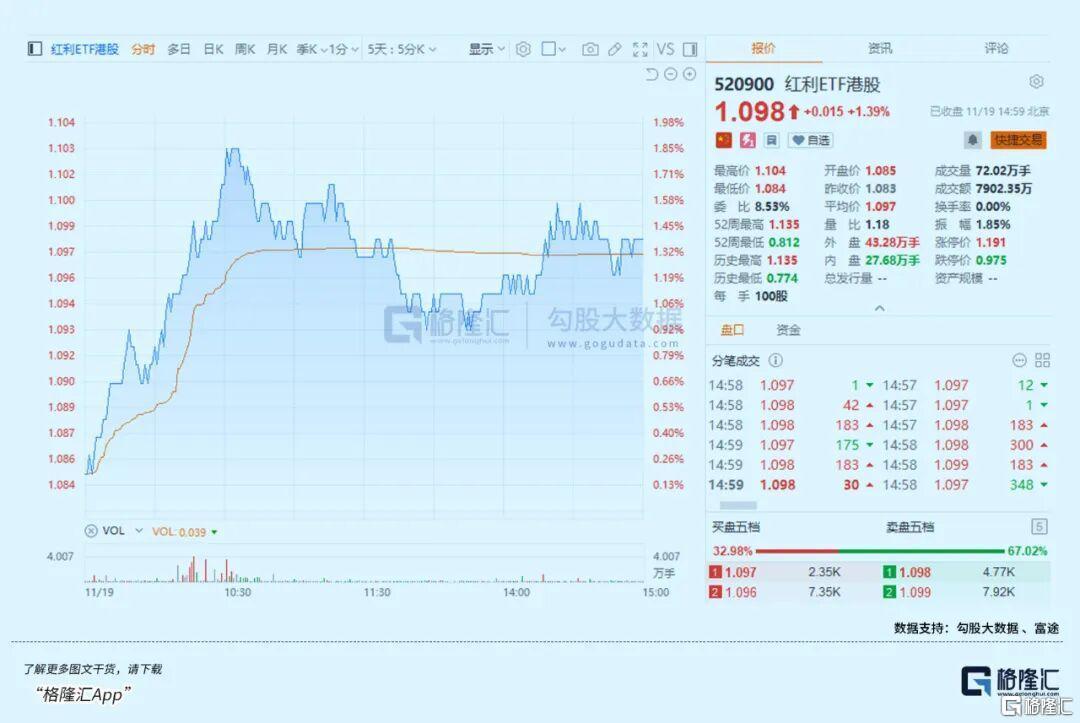
Group 1 - Energy metals lead the market, with traditional dividend assets like oil, chemicals, and banks showing strength, particularly the "three oil giants" which have boosted the Hong Kong stock market's dividend ETF, Guangfa (520900), by 1.39% [1] - Since the fourth quarter, technology stocks have entered a valuation adjustment phase, while market funds have shifted towards dividend assets, indicating a style switch [3] - The "technology" and "dividend" sectors have alternated in performance, highlighting the importance for investors to understand and adapt to these style changes rather than betting on a single style [4] Group 2 - A stable asset allocation strategy is crucial for investment safety, with successful investors often choosing robust leaders as a ballast in their portfolios [5] - In China, key sectors such as energy, utilities, communications, and finance have benefited significantly from the country's rapid economic growth since 2000, with state-owned enterprises playing a vital role [6] - China Petroleum and Chemical Corporation (Sinopec) has seen its revenue grow from 360 billion yuan in 2000 to over 3 trillion yuan in 2024, a 7.5-fold increase, while maintaining stable net profits [6] Group 3 - Sinopec has distributed over 650 billion yuan in cash dividends since its listing in 2001, with a dividend yield consistently above 5% for the past decade [7] - China National Petroleum Corporation (CNPC) has also performed well, distributing 320 billion yuan in dividends from 2020 to 2024 while maintaining over 50% of domestic crude oil supply [7] - China Shenhua Energy, a leading coal enterprise, has seen its revenue grow nearly tenfold since its listing in 2007, with cumulative dividends exceeding 700 billion yuan and a dividend yield reaching 6.8% in 2024 [8] Group 4 - The trend of style switching in the A-share market is becoming more evident, with both "technology" and "dividend" sectors coexisting as viable investment options [9] - The performance of high-dividend indices has shown resilience during market downturns, with the Smart High Dividend Index demonstrating significant cumulative gains since 2017 [12] - The National Hong Kong Stock Connect Central Enterprise Dividend Index has also shown strong performance, with a cumulative increase of 119% since its inception [19] Group 5 - The high dividend ETF (159207) has consistently achieved positive returns from 2020 to 2024, with a cumulative increase of 111.54% over the past five years [15][17] - Hong Kong stocks often exhibit higher dividend yields compared to their A-share counterparts, making them attractive for investors seeking high-yield assets [17] - The top sectors in the National Hong Kong Stock Connect Central Enterprise Dividend Index include oil and petrochemicals, telecommunications, and transportation, with significant weight in leading state-owned enterprises [18] Group 6 - The cyclical nature of technology and high-dividend assets is a consistent pattern, with both sectors expected to grow in the context of China's stable economic growth and technological advancements [21] - Finding a balance in investment strategies across different market environments is essential for achieving long-term stable returns [21]
大跌原因找到了,大佬好一招深藏不露!
Sou Hu Cai Jing· 2025-11-17 01:48
Group 1 - The core viewpoint of the article highlights the significant impact of the Federal Reserve's recent decisions on global markets, leading to a negative market reaction [1] - The U.S. government's decision to end the shutdown is perceived as positive; however, the announcement of withholding economic data for October has caused unease among investors [3] - Several Federal Reserve officials have expressed concerns about high inflation, with market expectations for a rate cut in December being less than 50% [3] Group 2 - The current market trend is driven by liquidity, and the Federal Reserve's intention not to cut rates could lead to market corrections, as the U.S. economy is heavily reliant on financial bubbles [5] - In the A-share market, the influx of overseas funds and capital from the real estate sector is providing support, despite a 14.7% decline in real estate investment from January to October [8] - The A-share market showed resilience, with most stocks rising before a late sell-off, indicating that the market's core strength remains intact despite external pressures [10][14] Group 3 - The market's recent high was accompanied by increased profit-taking behavior, suggesting that short-term trading dynamics are dominating the market [11] - Although 70% of stocks declined today, the short-selling pressure was not dominant, indicating that the drop may not reflect underlying market weakness [12] - Institutional investors remain optimistic about future market conditions, which is a key factor supporting the A-share market [16][19] Group 4 - Despite the market's inability to maintain its strength, there are still active hotspots, with a similar number of stocks hitting the daily limit as in previous days, reflecting high participation from funds [19] - The article discusses the phenomenon of "institutional shaking" where large funds manage to stabilize their positions through strategic trading, which is crucial for maintaining market momentum [23] - Understanding the behavior of funds is emphasized as a valuable insight for investors, as it can provide clarity on market movements and potential opportunities [25]

黄金、科技股都有人抄底,只有比特币“一蹶不振”
Hua Er Jie Jian Wen· 2025-11-15 03:48
Core Insights - The cryptocurrency market, particularly Bitcoin, is experiencing significant declines, contrasting sharply with the recovery of tech stocks in the U.S. market [1][5][10] - Bitcoin has seen its third consecutive week of decline, with a total market cap loss exceeding $1 trillion since October 10 [4][9] - The fear and greed index for the cryptocurrency market has dropped to its lowest level since February, indicating extreme pessimism among investors [17][20] Group 1: Market Performance - On November 14, U.S. stock markets rebounded dramatically after initial panic selling, with the Nasdaq and S&P 500 indices recovering after hitting key technical support levels [1][5] - Bitcoin, however, fell by 5% on the same day, reaching a six-month low of approximately $94,519, marking a total decline of about 25% since its peak on October 5 [9][21] - The disparity in performance is highlighted by Bitcoin's high correlation (0.8) with the Nasdaq 100 index, yet it exhibits a pattern of larger declines and weaker recoveries compared to traditional stocks [12][15] Group 2: Investor Sentiment - The cryptocurrency market is currently characterized by extreme fear, with the fear and greed index dropping to 15 points, the lowest level this year [17][20] - Negative discussions surrounding major cryptocurrencies like Bitcoin, Ethereum, and XRP have surged, indicating a prevailing negative sentiment among investors [20] - Historical patterns suggest that such extreme negative sentiment often occurs when prices are near a bottom, yet no clear reversal signals have emerged [20] Group 3: Selling Pressure - Long-term Bitcoin holders have sold approximately 815,000 Bitcoins in the past 30 days, the highest level of selling activity since early 2024 [21] - The selling trend is particularly pronounced among "whales," or large holders of Bitcoin, who are reportedly offloading their assets at a rate exceeding 1,000 Bitcoins per hour [21] - The outflow of funds from Bitcoin ETFs has reached $311.3 million this week, marking the fifth consecutive week of net outflows, indicating weak demand [22] Group 4: Broader Implications - The Trump family's investments in cryptocurrencies have also suffered, with their holdings in related stocks and tokens dropping approximately 30% since Bitcoin's peak [24][25] - Despite previous efforts by the Trump administration to support the cryptocurrency market, these measures have not prevented the significant downturn [25]