资本市场稳定

Search documents
财经聚焦丨落地逾7个月,支持资本市场的两项新工具有何进展?
Xin Hua Wang· 2025-08-12 05:54
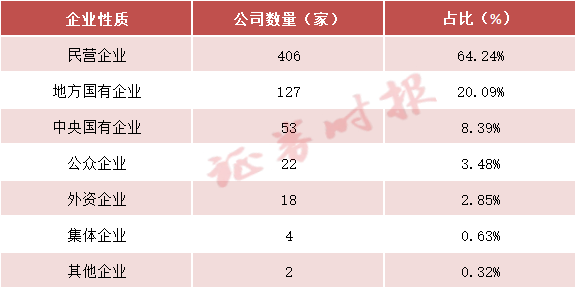
Core Insights - The two new tools aimed at supporting the capital market have been operational for over seven months, showing positive market responses and significant progress in their implementation [1][2]. Group 1: Swap Convenience Operations - The swap convenience has been conducted twice since its establishment, with a total amount of 105 billion yuan, reflecting a positive market response [1]. - The first operation involved 20 securities and fund companies with an amount of 50 billion yuan, completed smoothly with over 90% of the funds directed into the A-share market [1][2]. - The second operation on January 2 involved 55 billion yuan, with a reduced bidding rate from 20 basis points to 10 basis points, indicating an improvement in the operational mechanism [2]. Group 2: Stock Buyback and Increase Loans - The stock buyback and increase loan tool aims to encourage financial institutions to provide loans to eligible listed companies and major shareholders for stock repurchase and increase [3]. - As of May 15, 590 listed companies have disclosed 629 loan buyback and increase announcements, with a total loan limit of 131.9 billion yuan [3][4]. - Over 40% of the companies utilizing these loans have a market value exceeding 10 billion yuan, indicating a significant focus on larger firms [3]. Group 3: Overall Impact of New Tools - The establishment of the new loan tool has significantly stimulated overall growth in stock buybacks, with a monthly average increase of 64% in buyback plans since the tool's introduction [5]. - The total amount of stock buyback and increase loan applications is expected to reach 311.9 billion yuan, surpassing the initial loan limit of 300 billion yuan [4][5]. - The People's Bank of China announced the merging of the swap convenience and stock buyback loan tools, increasing the total available amount to 800 billion yuan, enhancing the flexibility and efficiency of these tools [6].
政治局会议,怎么看、怎么办?
2025-08-05 03:20
Summary of Key Points from the Conference Call Industry or Company Involved - The conference call primarily discusses the Chinese economy, focusing on macroeconomic policies, real estate, capital markets, and consumer spending. Core Points and Arguments 1. **Economic Growth Targets**: The GDP growth for the first half of the year was 5.3%, with a target of 4.6% to 4.7% for the second half to meet the annual goal. The government is willing to accept some economic downturn in the short term, with policies to be adjusted accordingly [1][3][4]. 2. **Anti-Competition Measures**: The recent meeting emphasized a more rational approach to market competition, removing the term "low price" from discussions, indicating a shift towards respecting market rules rather than imposing strict regulations [1][5]. 3. **Real Estate Policy**: The government aims to stabilize core city housing prices and is expected to introduce new policies to ease restrictions in major cities like Beijing, Shanghai, Guangzhou, and Shenzhen [1][8]. 4. **Capital Market Stability**: The government is committed to maintaining a stable and active capital market, viewing any market adjustments as investment opportunities. There is a focus on enhancing the attractiveness and inclusivity of the domestic capital market [2][9]. 5. **Monetary Policy Outlook**: There is no immediate expectation for interest rate cuts, with a focus on reducing overall financing costs through structural monetary policy tools. A potential rate cut may occur if economic data shows significant downturns [3][10]. 6. **Consumer Spending Trends**: The focus has shifted to fostering service consumption, such as dining and tourism, as new growth points. A decline in consumer spending growth is anticipated, which could impact GDP [3][11]. 7. **Trade Relations Impact**: Ongoing trade negotiations with the U.S. are expected to maintain high tariff levels, leading to increased pressure on Chinese exports in the coming months [12]. 8. **Future Economic Planning**: The upcoming policies will align with the "14th Five-Year Plan" and set the stage for the "15th Five-Year Plan," aiming for GDP growth between 4.5% and 5% from 2026 to 2030 [13]. 9. **Market Predictions**: The capital market outlook for the second half of the year is cautiously optimistic, with potential adjustments in the A-share market viewed as buying opportunities. The bond market may see a decline in yields, providing favorable conditions for investors [14][15]. 10. **Macro Risks and Opportunities**: Potential risks include limited new policy measures and constrained credit expansion, while opportunities arise from favorable bond yields and government support for capital market stability [15]. Other Important but Possibly Overlooked Content - The government is expected to focus on service consumption as a new growth area, indicating a shift in economic strategy [3][11]. - The emphasis on urban renewal rather than large-scale real estate development suggests a long-term strategy for sustainable urban growth [6][8]. - The anticipated changes in fiscal policy may not materialize until later in the year, indicating a cautious approach to economic stimulus [10].
聚合力、夯根基、建机制!筑牢韧性根基,打造资本市场“稳”字标签
Zheng Quan Shi Bao Wang· 2025-07-30 05:53
Group 1 - The Chinese stock market has shown resilience and vitality, with the total market capitalization of A-shares surpassing 100 trillion yuan and the Shanghai Composite Index maintaining an upward trend, indicating a stable recovery [1][2] - The China Securities Regulatory Commission (CSRC) emphasized the importance of stabilizing and activating the capital market, focusing on structural efficiency and deepening reforms to unleash market potential [1][3] - A series of policies have been implemented to stabilize the market, including the introduction of new measures to boost investor confidence and enhance market stability, despite external uncertainties [2][3] Group 2 - The current stability in the capital market is supported by both regulatory guidance and direct market actions, with a focus on proactive management and macro policy consistency [3][4] - The influx of various funds, including long-term capital from social security and insurance, has created a positive cycle of returns, investments, and market stability [4][5] - The establishment of long-term assessment mechanisms for public funds is expected to improve the investment behavior of fund managers, leading to a focus on long-term returns and quality assets [5][6] Group 3 - The CSRC's mid-year meeting highlighted the need for enhanced market monitoring and risk response capabilities, indicating a commitment to maintaining a stable market environment [6][7] - There is a strong belief that the internal and external conditions for the capital market remain complex, but the certainty of high-quality economic development and asset valuation recovery provides a foundation for stability [6][7] - The policy tools for stabilizing the market are well-prepared, with a combination of short-term liquidity support and long-term reform benefits to sustain market stability [7]
聚合力、夯根基、建机制!筑牢韧性根基,打造资本市场“稳”字标签
证券时报· 2025-07-30 00:08
Core Viewpoint - The Chinese stock market has shown resilience and stability, with the total market capitalization of A-shares surpassing 100 trillion yuan and the Shanghai Composite Index experiencing a steady upward trend, indicating a positive outlook for the capital market in the first half of 2025 [1][3]. Group 1: Market Stability - The theme of "stabilizing the market" has been prominent, with various policies introduced to enhance investor confidence and stabilize the capital market [3][4]. - The central government has implemented a series of measures, including the "National Nine Articles" and the "1+N" policy framework, aimed at stabilizing funds, leverage, and expectations, contributing to a positive market recovery [3][4]. - Despite external uncertainties, domestic policy measures and investor confidence have led to a notable increase in asset prices, with significant inflows from various institutional investors [3][4][7]. Group 2: Policy Measures and Economic Indicators - The combination of regulatory guidance and direct market actions has shifted the capital market's stability mechanism from passive to proactive management, focusing on macro policy consistency [4][6]. - In the first quarter of 2025, approximately 75% of A-share listed companies reported profits, with notable growth in sectors like semiconductors and consumer electronics, reflecting the effectiveness of stabilization efforts [4][6]. - The influx of medium- and long-term funds has been significant, with over 200 billion yuan net purchases of A-shares by social security, insurance, and pension funds by June 2023, creating a virtuous cycle of returns and market stability [7][8]. Group 3: Future Outlook and Mechanisms - The China Securities Regulatory Commission (CSRC) has emphasized the need for enhanced market monitoring and risk response mechanisms to maintain stability amid complex external and internal challenges [10][11]. - There is a strong belief that the current policy tools for stabilizing the market are sufficient, with a focus on increasing the scale and proportion of medium- and long-term funds entering the market [11]. - The ongoing reforms aim to improve the quality of listed companies and enhance investor returns, which are crucial for sustaining market stability and growth [11].


解读证监会年中工作会议丨筑牢韧性根基 打造资本市场“稳”字标签
Zheng Quan Shi Bao Wang· 2025-07-29 23:11
Group 1 - The core viewpoint of the articles emphasizes the resilience and stability of China's capital market, with a focus on the "steady" label characterizing the market's performance in the first half of 2025 [1][3][6] - The China Securities Regulatory Commission (CSRC) has highlighted the importance of maintaining a stable and active capital market, shifting policy focus towards structural efficiency and reform to enhance market dynamics [1][3][6] - The combination of regulatory measures and market actions has led to a significant increase in investor confidence, with various stakeholders, including state-owned funds and private investors, actively participating in stabilizing stock prices [2][4][5] Group 2 - The capital market has shown a positive trend, with a notable increase in the total market value exceeding 100 trillion yuan and the Shanghai Composite Index experiencing upward movement [1][2] - A series of policies aimed at stabilizing the market have been implemented, including the introduction of new measures to support funding, leverage, and expectations, which have collectively contributed to market recovery [2][3][6] - The influx of medium- and long-term funds has been significant, with over 200 billion yuan net purchases of A-shares by social security, insurance, and pension funds in the first half of the year, creating a virtuous cycle of returns and market stability [5][6][7] Group 3 - The articles indicate that the current market stability is supported by a combination of regulatory guidance, direct market actions, and a focus on long-term investment strategies by institutional investors [3][5][6] - The CSRC's emphasis on enhancing market monitoring and risk response capabilities is seen as crucial for maintaining a stable market environment amid ongoing external uncertainties [6][7] - The need for further reforms to facilitate the entry of long-term capital into the market is highlighted, with calls for improved governance and performance of listed companies to attract more investment [7]
筑牢韧性根基 打造资本市场“稳”字标签
Zheng Quan Shi Bao· 2025-07-29 18:46
Core Viewpoint - The Chinese stock market is showing resilience and stability, with the total market capitalization of A-shares surpassing 100 trillion yuan and the Shanghai Composite Index trending upwards, indicating a recovery and positive outlook for the first half of 2025 [1][3]. Market Stability - The focus on stabilizing the market has been a key theme, with regulatory bodies emphasizing the importance of maintaining a stable and active capital market to boost investor confidence and expectations [2][3]. - A series of policies have been implemented to support market stability, including measures to enhance liquidity and encourage long-term investments, despite external uncertainties such as U.S. tariff policies [2][4]. Policy Measures - The central government has introduced a comprehensive set of policies aimed at stabilizing the capital market, including the "New National Nine Articles" and the "1+N" policy framework, which focus on maintaining funding stability and investor confidence [2][6]. - Regulatory bodies are actively working to improve the mechanisms for market stability, with a focus on proactive management and consistent macroeconomic policy orientation [3][6]. Investment Trends - There has been a significant influx of medium- and long-term funds into the market, with over 200 billion yuan net purchases of A-shares by social security, insurance, and pension funds in the first half of the year [4][5]. - The introduction of long-term performance evaluation mechanisms for public funds is expected to enhance the stability of investment behaviors and improve the overall quality of the capital market [5][6]. Future Outlook - The market is expected to face complex internal and external challenges, but the certainty of high-quality economic development and the recovery of asset valuations provide a solid foundation for maintaining market stability [6][7]. - There is a call for further reforms to enhance the entry of long-term funds into the market and to improve corporate governance and performance, which will ultimately support market vitality and investor returns [7][8].
中央汇金大手笔增持宽基ETF
Zhong Guo Zheng Quan Bao· 2025-07-21 20:16
Central Huijin's Role in the Market - Central Huijin has played a significant role as a "stabilizer" in the capital market by increasing its holdings in major ETFs, with an estimated increase of over 200 billion yuan in Q2 [1][2][3] - The company has emphasized its commitment to maintaining market stability and will continue to act decisively when necessary [1][3] ETF Holdings and Increases - In Q2, Central Huijin Asset Management increased its holdings in various ETFs, including 84.29 million shares of E Fund CSI 300 ETF and 92.88 million shares of Huaxia CSI 300 ETF, among others [2][3] - The total scale of Central Huijin's holdings in the ten major ETFs rose from over 360 billion yuan at the end of last year to over 580 billion yuan in the first half of this year [3] Market Response and Confidence - Following external disturbances that affected the A-share market, Central Huijin and other state-owned entities announced their intention to increase ETF holdings, which significantly boosted market confidence [3][4] - On April 8, a record net inflow of nearly 100 billion yuan was observed in several ETFs, indicating strong market support [4] Asset Management Adjustments - Central Huijin has shown signs of portfolio adjustments in its asset management plans, with significant holdings in various ETFs [5][6] - The company has been actively managing its investments, including reducing holdings in certain ETFs while increasing others [5][6]
量化交易新规7月7日实施;证监会:始终把维护市场稳定作为监管工作首要任务|每周金融评论(2025.6.30-2025.7.7)
清华金融评论· 2025-07-07 11:37
Core Viewpoint - The article emphasizes the importance of maintaining market stability as a primary regulatory task, highlighting the need for a balanced approach between efficiency and fairness in capital market operations [8][9]. Group 1: Regulatory Developments - The China Securities Regulatory Commission (CSRC) held a meeting on July 2, 2025, stressing the need for a stable market environment and the implementation of mechanisms to prevent risks in areas such as bond defaults and private equity funds [8]. - The CSRC aims to optimize capital market mechanisms, including stock and bond financing and mergers and acquisitions, to support technological and industrial innovation [8][9]. Group 2: Cross-Border Payment System - The People's Bank of China (PBOC) released a draft for public consultation regarding the rules for the Renminbi Cross-Border Payment System, indicating a move to adapt to the evolving needs of cross-border payment systems [6][7]. Group 3: Quantitative Trading Regulations - New regulations for quantitative trading came into effect on July 7, 2025, tightening the supervision of high-frequency trading, which could lead to increased costs and a shift in trading strategies [12]. - The new rules may result in a short-term decrease in market liquidity, with daily trading volumes potentially dropping by approximately 100 billion yuan due to high-frequency trading accounting for 20%-30% of A-share trading [12]. Group 4: Hong Kong IPO Market - In the first half of 2025, Hong Kong's IPO market raised over 107 billion HKD, ranking first globally, with a 22% increase compared to the previous year [13]. - The rise in IPOs reflects Hong Kong's strengthened position as an international financial center, driven by regulatory innovations and improved market conditions [13].

央行开启“限购”,黄金会是下一个房子吗?
Sou Hu Cai Jing· 2025-07-02 23:57
Group 1 - The core viewpoint emphasizes that maintaining market stability has become the primary task of regulatory work, indicating that market stability is prioritized over financing, which is a shift from previous statements [1] - The focus on establishing a normalized market stabilization mechanism suggests that market stability efforts will not only occur during significant downturns but will involve proactive monitoring and intervention to prevent major fluctuations, laying the groundwork for a slow bull market [1] - The upcoming months of July, August, and September are seen as critical for maintaining market stability, with the expectation that the market will remain safe for investment during this period [1] Group 2 - The central bank's new regulation requires reporting cash purchases of gold exceeding 100,000 yuan, aimed at preventing money laundering, indicating a response to previous trends [3] - There is speculation about whether this regulation signals a limitation on personal gold purchases, drawing parallels to past housing market restrictions, although the likelihood of gold experiencing similar market dynamics is considered low [3] - The distinction between gold and real estate is highlighted, noting that gold possesses both value retention and hedging properties, while real estate's value retention is comparatively weaker, suggesting that even with current restrictions, gold is unlikely to mirror the housing market's trajectory [3]

A股回购增持贷款规模突破1300亿元!民企占比超六成
Zheng Quan Shi Bao Wang· 2025-06-30 12:24
Core Viewpoint - The stock repurchase and increase loan tool, established in October 2024, has shown positive effects in stabilizing the market and boosting investor confidence, with over 630 listed companies receiving support totaling more than 130 billion yuan by June 30, 2024 [1][2]. Summary by Relevant Sections Policy and Implementation - The People's Bank of China, along with financial regulatory bodies, announced the establishment of the stock repurchase and increase loan tool, with an initial quota of 300 billion yuan at an interest rate of 1.75% for one year, extendable based on circumstances [2]. - By June 30, 2024, 632 companies or major shareholders had received repurchase and increase loans, amounting to 134.26 billion yuan, with 412 companies receiving 84.98 billion yuan in the first half of the year [2]. Market Impact - The repurchase and increase loans reflect confidence in the company's future and recognition of its value, providing low-cost financing channels for listed companies and major shareholders, thus enhancing market liquidity and stability [2][3]. - The tool has created a stabilizing mechanism, allowing major shareholders to utilize low-cost funds for stock repurchases when market valuations are low, effectively curbing negative market cycles [3]. Company Types and Participation - Among the companies receiving loans, 406 are private enterprises, accounting for 64.24%, while state-owned enterprises make up 28.48% with 180 companies [4][5]. - The highest loan amounts were granted to companies like Dongfang Shenghong, which received a total of 3.8 billion yuan, and other notable companies include Muyuan Foods and Rongsheng Petrochemical, with loan amounts of 2.5 billion yuan and 1.8 billion yuan respectively [5][6]. Future Outlook - The stock repurchase and increase loan tool is expected to continue expanding, enhancing the market's ability to withstand external risks and promoting long-term corporate governance and development [9][10]. - The policy is seen as a transformative shift in market value management, initiating a cycle of low-cost financing, value management, and valuation recovery, which is anticipated to stabilize the capital market [10].