轨道数据中心

Search documents
太空光伏与“轨道数据中心”:为什么下一代能源与算力的战场,会在800km的高空?
华尔街见闻· 2026-01-11 12:21
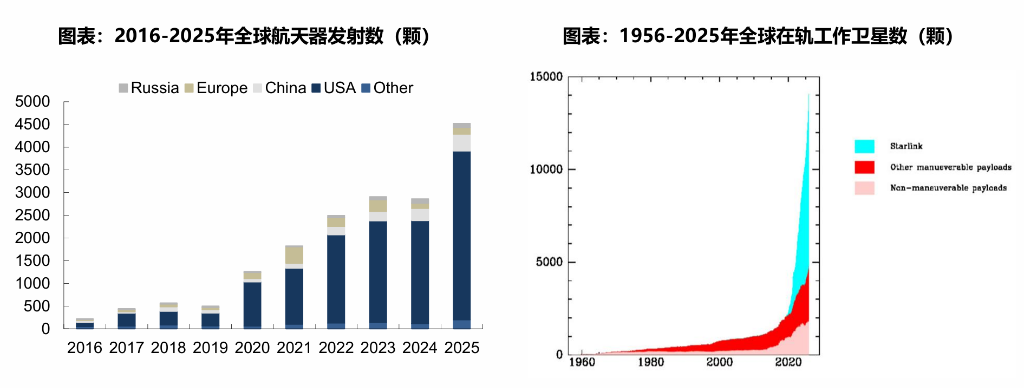
Core Viewpoint - Space photovoltaic technology is evolving from merely being "solar panels on satellites" to becoming a crucial pathway for the next generation of computing forms, specifically space computing and orbital data centers [1][4]. Group 1: Market Dynamics - The approval of SpaceX to deploy an additional 7,500 second-generation Starlink satellites, bringing the total to 15,000, is reshaping the supply-demand landscape of the space industry [2]. - The cost of deploying a data center in space is significantly lower than on the ground, with a projected total cost of approximately $8.2 million for a 40MW data center in space compared to about $167 million on the ground over ten years [3][16]. - The demand for solar wings is becoming rigid and preemptive due to the increasing number of satellites, which are expected to grow from 237 launches in 2016 to over 4,300 by 2025, reflecting a compound annual growth rate of about 34% [5][7]. Group 2: Technological Advancements - The energy and cooling requirements for satellites are being redefined, with solar wings becoming essential for long-term power supply, accounting for 20%-30% of the total manufacturing cost of satellites [5][8]. - The area of solar wings for Starlink satellites has increased dramatically, from 22.68 square meters in version 1.5 to 256.94 square meters in version 3, indicating a significant upgrade in power consumption [9]. - The market for solar wings is projected to grow significantly, with estimates suggesting a market space of approximately 200 billion yuan if annual launches reach 10,000 satellites [10][11]. Group 3: Cost Structure and Competitive Landscape - The core business logic for space computing is to convert the largest long-term cost items (energy and cooling) from ongoing expenses to one-time investments, leveraging the favorable conditions in space [17][18]. - The cost of energy systems in satellites can account for up to 22% of the overall economic viability, emphasizing the importance of developing lighter, cheaper, and scalable solar wings [14][15]. - The competition in the space computing sector will increasingly focus on the energy system's power-to-weight ratio, which will become a key competitive advantage [21]. Group 4: Future Outlook and Strategic Considerations - The optimal orbit for deploying satellites, particularly the Sun-Synchronous Orbit (SSO), is limited, which will drive competition towards larger platform motherships or multi-satellite clusters [20]. - The transition from gallium arsenide to silicon-based technologies, particularly HJT (Heterojunction Technology), is anticipated due to its advantages in energy, weight, and cost efficiency [22][29]. - The growth of space photovoltaic technology is not just an industry story but a resonance of a comprehensive system involving energy, transport, orbit, and computing [33].

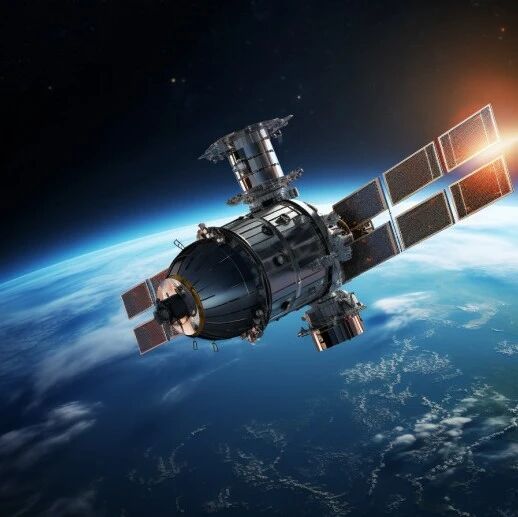
太空光伏与“轨道数据中心”:为什么下一代能源与算力的战场,会在800km的高空?
Hua Er Jie Jian Wen· 2026-01-11 04:46
Core Viewpoint - Space photovoltaic technology is evolving from a supporting system for spacecraft to a core energy solution for next-generation space infrastructure, driven by the acceleration of global satellite deployment and the rising demand for space computing power [1] Group 1: Satellite Deployment and Market Dynamics - China applied for frequency resources for over 200,000 satellites by December 2025, with 190,000 from the newly established "national team" [1] - The U.S. FCC approved SpaceX to deploy an additional 7,500 second-generation Starlink satellites, bringing the total approved to 15,000 [1] - The global spacecraft launch volume has maintained a compound annual growth rate (CAGR) of 34% over the past decade, with an expected launch number exceeding 4,300 by 2025, representing a year-on-year growth of over 50% [3][1] Group 2: Space Computing Centers and Energy Requirements - The rise of space computing centers is opening new possibilities, with projects like China's "Trisolaris Computing Constellation" and SpaceX's Starcloud targeting space data center construction [2] - A potential 10GW space computing system could lead to a solar wing market size of several trillion yuan [2] - The evolution of satellite functions is reshaping energy system requirements, with significant increases in single-satellite power demands [10][12] Group 3: Energy Supply and Technological Developments - The space photovoltaic industry is experiencing a "volume and price increase" scenario, driven by the surge in satellite numbers and the rising power density of individual satellites [14] - Photovoltaic technology is the only efficient and stable energy form for satellites in space, with the need for larger solar wings leading to concerns about weight and cost [12] - The technology route for space photovoltaics is diversifying, with gallium arsenide (GaAs) batteries dominating the high-end market due to their efficiency, while silicon-based heterojunction (HJT) and perovskite technologies are gaining traction for large-scale applications [19][22] Group 4: Economic Considerations and Future Outlook - The explosion of space photovoltaics is reshaping the value logic of the photovoltaic industry, transitioning from a closed military aerospace system to commercial photovoltaic enterprises with large-scale manufacturing capabilities [25] - SpaceX's low launch costs encourage the use of lower-cost silicon-based batteries, while China's higher launch costs still favor the use of expensive GaAs batteries, although a shift towards silicon-based technologies is anticipated [26] - The low Earth orbit (LEO) satellite market could generate nearly 200 billion yuan in solar wing market space with the launch of 10,000 satellites, and the construction of a future 10GW space computing system could expand the market size to several trillion yuan [30]
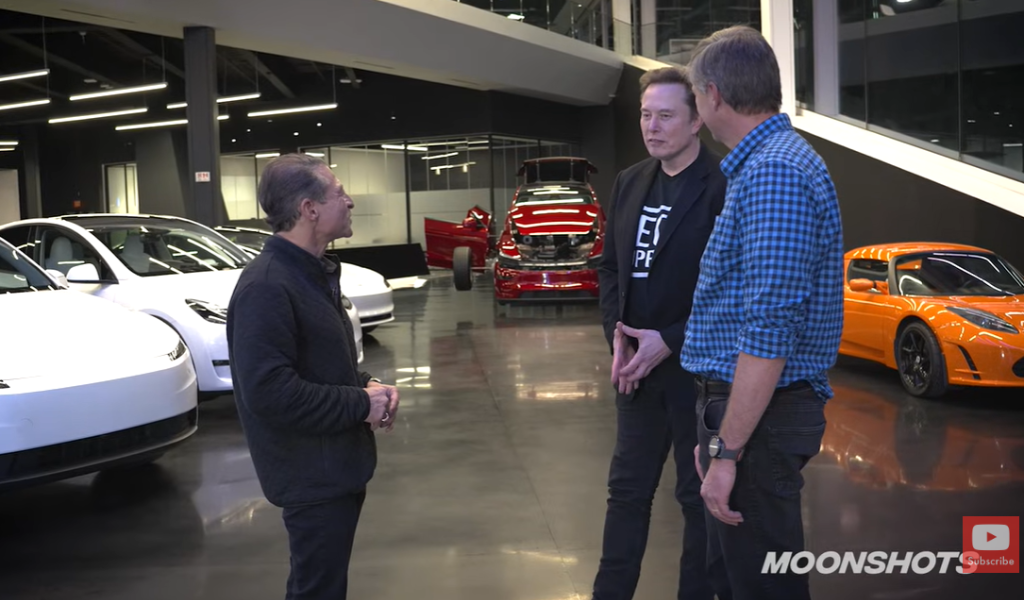
马斯克的2026愿景:我们已处于“技术奇点”,AI和机器人不可阻挡,短期是动荡和挑战,长期是丰盛时代
Hua Er Jie Jian Wen· 2026-01-07 04:10
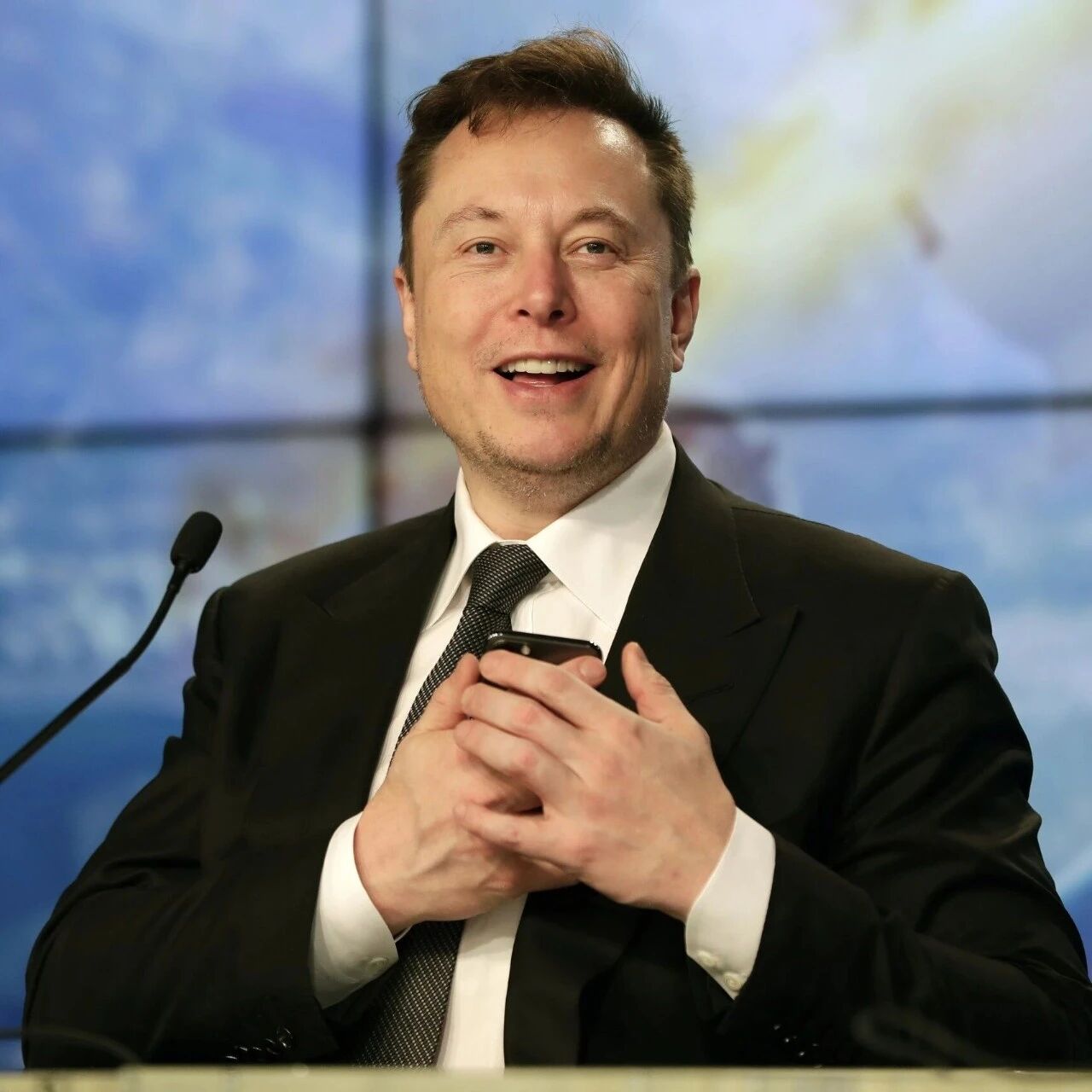
Core Insights - Humanity is in the "biological bootloader" phase of digital superintelligence, with a transformative wave of change that cannot be halted [1] - Elon Musk predicts that Artificial General Intelligence (AGI) will be achieved by 2026, with AI intelligence surpassing that of all humans combined by 2030 [1][4] Group 1: Technological Transformation - Musk describes AI and robotics as a "supersonic tsunami," indicating that humanity is already in a technological singularity [4][5] - The transition period leading to AGI is expected to be "bumpy," particularly affecting white-collar jobs that involve information processing [5] - Musk anticipates that robots will outperform top human surgeons within 3-5 years, highlighting the precision and shared experience of AI in medical applications [5] Group 2: Economic Predictions - Musk introduces the concept of Universal High Income (UHI), suggesting that the future will bring unprecedented abundance, where prices will drop to the cost of materials and energy [6][8] - He warns that this abundance will coincide with significant social unrest, as society grapples with the implications of a world where work is no longer a measure of value [6] Group 3: Energy Competition - Musk praises China's efficiency in solar energy deployment, stating that China will have three times the electrical output of the U.S. by 2026 [8] - He emphasizes that the future currency will be "wattage," and that the ability to generate and manage energy will be crucial in the AI race [8] Group 4: Space and AI Infrastructure - Musk plans to move computational centers to space, leveraging the low cost of launching payloads with Starship, aiming for under $100 per kilogram [10] - He envisions a "Dyson Swarm" of solar-powered AI satellites in orbit, which would provide continuous energy and computational resources [10] Group 5: AI Safety Principles - Musk outlines three core principles for AI safety: truth, curiosity, and beauty, arguing that these will help prevent AI from becoming a threat to humanity [11]


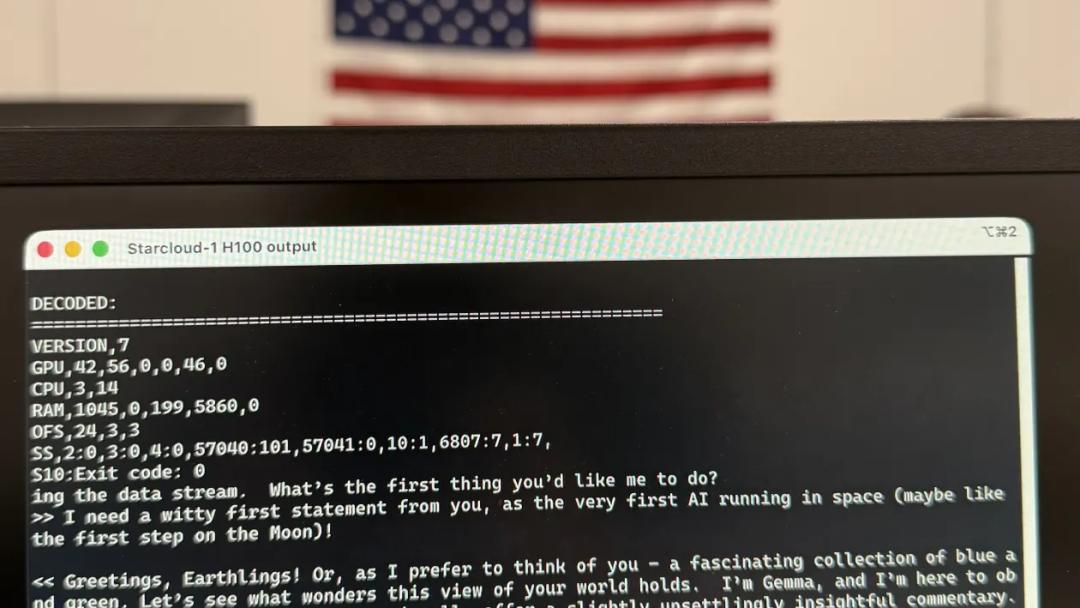
全球首个太空AI诞生,H100在轨炼出,马斯克爆赞
3 6 Ke· 2025-12-11 03:46
Core Insights - The first AI model trained in space using NVIDIA's H100 GPU has been successfully developed, marking a significant milestone in technology [1][3][9] - Google's Gemma model has also successfully operated in space, sending its first greeting message to Earth [1][11] Group 1: Space AI Development - The Starcloud-1 satellite, equipped with an H100 GPU, achieved a computational power 100 times stronger than any previous GPU sent to space [9] - The AI model trained in space is based on Karpathy's nanoGPT and utilizes Shakespearean texts for its training, allowing it to converse in a Renaissance language style [12][4] - The satellite has demonstrated real-time intelligence analysis capabilities, such as identifying wildfire signals and providing situational updates [16] Group 2: Industry Implications - Starcloud aims to establish space as a viable location for data centers, addressing the increasing pressure on Earth's data infrastructure [17][19] - The company plans to leverage solar energy to significantly reduce operational costs, projecting costs to be one-tenth of terrestrial data centers [20] - Starcloud's long-term vision includes creating a 5GW orbital data center with extensive solar panels and cooling systems [20][22] Group 3: Competitive Landscape - The space computing race is intensifying, with major players like Google, SpaceX, and Blue Origin entering the field [25][26] - Google's Project Suncatcher aims to deploy solar-powered GPU satellites, with plans for early testing by 2027 [26] - Musk's Starlink V3 satellites are expected to form a backbone for orbital computing infrastructure, potentially exceeding the average U.S. electricity consumption within two years [30]


OpenAI首席执行官欲造火箭,硬刚马斯克?
Sou Hu Cai Jing· 2025-12-10 15:00
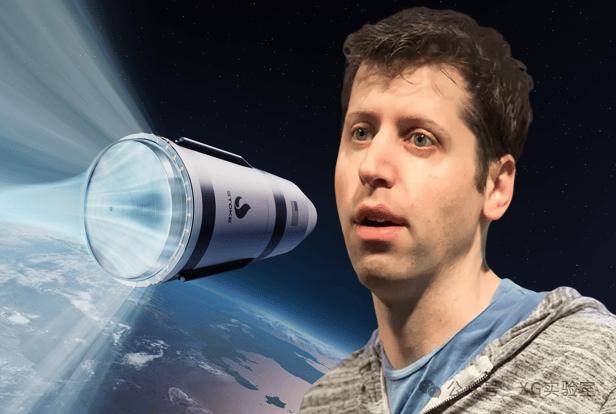
Core Insights - The article discusses OpenAI CEO Sam Altman's exploration of raising funds to acquire or invest in a rocket company, specifically Stoke Space, to compete with Elon Musk's SpaceX [2][3][18] - The negotiations have paused, but Altman's vision for AI's future includes the concept of orbital data centers as a sustainable energy solution [2][10][11] Group 1: Negotiation Details - Altman's target for investment is Stoke Space, recognized as a potential challenger to SpaceX [3] - Initial contact with Stoke Space occurred in the summer, with negotiations intensifying in the fall [4] - The proposed investment could reach several billion dollars over time [6] Group 2: Strategic Rationale - Altman's interest in space is driven by the increasing demand for computational power and energy, with a long-term view on orbital data centers [10] - The environmental consequences of ground-based energy demands may make space a more viable option for energy sourcing [11] - Altman has suggested ambitious ideas like constructing a Dyson sphere around the solar system to harness solar energy [12] Group 3: Current Challenges - OpenAI is facing significant market headwinds, prompting Altman to focus on immediate operational challenges [13] - The company announced a "Code Red" due to competition from Google's Gemini chatbot, delaying other product launches [14] - OpenAI has committed nearly $600 billion in computing resources without clear funding strategies [16] Group 4: Competitive Landscape - A successful rocket investment would escalate the rivalry between Altman and Musk across multiple technology sectors, including rockets, AI, brain-machine interfaces, and social media [18][20] - OpenAI is also developing a social network that could compete with X (formerly Twitter) [21]
SpaceX+空中数据中心,马斯克AI的下一个宏大叙事?
美股研究社· 2025-12-10 12:06
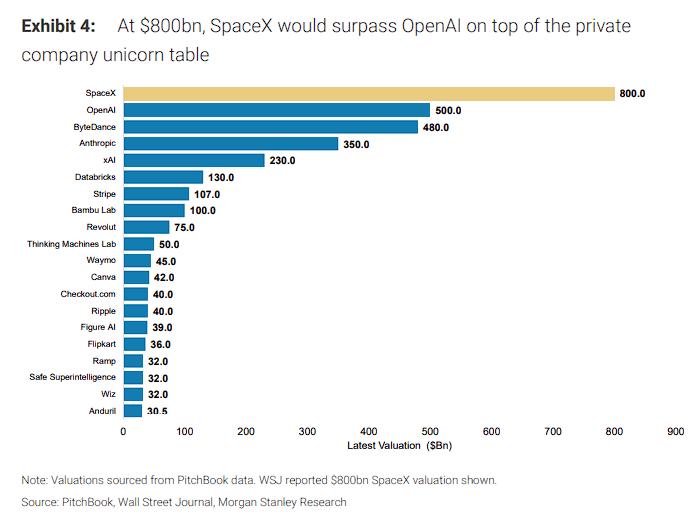
Core Viewpoint - The article discusses the potential of SpaceX's valuation reaching $800 billion, driven by the concept of "orbital data centers" as a new AI infrastructure narrative, which could significantly enhance its market position and capabilities [5][7][11]. Group 1: SpaceX Valuation and Market Position - SpaceX is reportedly initiating a secondary stock sale with a valuation of $800 billion, doubling its previous valuation of $400 billion from July [7]. - This valuation would position SpaceX as the highest-valued private unicorn, surpassing OpenAI, and would rank it 13th in the S&P 500 index, between JPMorgan and Oracle [7]. - The valuation of SpaceX alone exceeds the combined market capitalization of the six largest U.S. defense contractors [9]. Group 2: Orbital Data Center Concept - Elon Musk is promoting the idea of SpaceX entering the orbital data center market, which aims to address physical limitations on Earth [13]. - Key advantages of moving data centers to space include extreme cooling capabilities, unlimited energy from solar sources, and zero operational costs [14]. - Musk envisions launching 1 million tons of payload annually to deploy a satellite constellation capable of providing 100 GW of AI computing power [14]. Group 3: Competitive Landscape - Despite SpaceX's leading position, other companies are also actively pursuing the orbital data center space [16]. - Starcloud, a startup from Redmond, Washington, has raised over $20 million to develop orbital data centers utilizing solar energy and passive cooling [16]. - Axiom Space is developing an orbital data center product line, planning to launch two nodes by the end of 2025, with over $700 million raised [16]. - Google is advancing Project Suncatcher, aiming to build a satellite constellation with custom TPU hardware for space-based AI and computing [16].
SpaceX+空中数据中心,马斯克AI的下一个宏大叙事?
3 6 Ke· 2025-12-09 23:19
Core Insights - The concept of "orbital data centers" is driving a significant increase in SpaceX's valuation, which is reported to be $800 billion, doubling its previous valuation of $400 billion [1][3] - Analysts highlight that SpaceX's valuation growth is attributed to the expansion of its business boundaries and the potential of orbital data centers to address physical limitations on Earth [8][9] - Despite SpaceX's leading position, major tech companies like Google are also actively entering the orbital data center space [10] Group 1: SpaceX Valuation and Market Position - SpaceX is initiating a secondary stock sale with a valuation of $800 billion, which would make it the highest-valued private unicorn, surpassing OpenAI [3] - If included in the S&P 500, SpaceX's $800 billion valuation would rank it 13th, between JPMorgan and Oracle [3] - SpaceX's valuation is projected to exceed the combined market value of the top six U.S. defense contractors [5] Group 2: Orbital Data Center Concept - The orbital data center concept aims to solve physical bottlenecks on Earth, such as power shortages and operational costs [8] - Musk envisions launching 1 million tons of payload annually to deploy satellites capable of providing 100 GW of AI computing power [8] - The facilities are expected to have zero operational costs and will connect to the Starlink constellation via high-bandwidth laser links [8] Group 3: Advantages of Space-Based Data Centers - Space-based data centers benefit from extreme cooling capabilities, as space temperatures are around 2.7 Kelvin, significantly reducing energy costs associated with cooling on Earth [9] - They can harness nearly complete solar energy, providing reliable power 24/7 without atmospheric interference [9] - SpaceX currently holds 90% of the global launch capacity, which will facilitate large-scale modular deployment of these data centers [9] Group 4: Competitive Landscape - The orbital data center market is not exclusive to SpaceX; several companies are also making strides in this area [10] - Starcloud, a startup, has raised over $20 million to develop orbital data centers utilizing solar energy and passive cooling [10] - Axiom Space plans to launch two free-flying orbital data center nodes by the end of 2025, targeting commercial and national security clients [10] - Google is advancing its Project Suncatcher to build solar-powered satellites for space-based AI and computing [10][11] - NVIDIA is also involved, providing high-performance GPUs for space data centers and testing their feasibility in orbit [11]
SpaceX+空中数据中心,马斯克AI的下一个宏大叙事?
硬AI· 2025-12-09 14:56
Core Viewpoint - The article discusses the significant increase in SpaceX's valuation, driven by the narrative of a new AI infrastructure centered around "orbital data centers" proposed by Elon Musk, which is seen as a solution to Earth's power shortages and a means to rapidly expand computational capacity in the next four years [2][16]. Group 1: SpaceX Valuation and Market Position - SpaceX is reportedly initiating a secondary market stock sale with a valuation of $800 billion, which is double its previous valuation of $400 billion from July [9]. - If included in the S&P 500, SpaceX's $800 billion valuation would rank it 13th, between JPMorgan and Oracle [10]. - The valuation of SpaceX would surpass the combined market capitalization of the six largest U.S. defense contractors [12]. Group 2: Orbital Data Center Concept - Musk envisions orbital data centers as the fastest way to expand computational power, addressing the physical limitations of power shortages on Earth [16]. - The concept includes launching 1 million tons of payload annually to deploy satellite constellations capable of providing an additional 100 GW of AI computational power [17]. - These facilities are expected to have zero operational costs and will connect to the Starlink constellation via high-bandwidth laser links [18]. Group 3: Advantages of Space-Based Data Centers - The article outlines four key advantages of moving data centers to space: 1. Extreme cooling capabilities due to the cold environment of space, which can significantly reduce energy consumption compared to ground data centers [20]. 2. Unlimited energy availability from solar power, providing reliable energy without atmospheric interference [20]. 3. Global edge connectivity that reduces latency for distributed users by placing computational resources in low Earth orbit [20]. 4. Scalability, as SpaceX currently holds 90% of the global launch capacity, allowing for cost-effective deployment of large-scale modular systems [20]. Group 4: Competitive Landscape - Despite SpaceX's leading position, the market for orbital data centers is not exclusive to them, with several companies actively pursuing this space [22]. - Starcloud, a startup, aims to deploy orbital data centers using solar energy and passive cooling, having raised over $20 million in seed funding [22]. - Axiom Space is developing an orbital data center product line, planning to launch two nodes by the end of 2025, with over $700 million raised [22]. - Google is advancing Project Suncatcher, which involves building solar-powered satellites for AI and computational workloads, with prototype launches planned for early 2027 [23]. - NVIDIA is also involved in the space data center frontier, providing high-performance GPUs and testing their hardware in space [24].