
可持续发展

Search documents
2026年迪拜未来金融周即将举办
Shang Wu Bu Wang Zhan· 2026-01-19 06:22
Core Viewpoint - The inaugural Dubai Future Finance Week is scheduled to take place from May 11 to May 15, 2026, aiming to gather leaders from global finance, policy, technology, and investment sectors to discuss key issues in the context of structural adjustments in the global financial system [1] Group 1 - The event will feature multiple high-level forums to facilitate forward-looking dialogues [1] - Key topics of discussion will include capital markets, innovative finance, and sustainable development [1] - The initiative aims to highlight Dubai's pivotal role in global financial governance [1]
印尼莫罗瓦利工业园区启动可持续发展合作项目
Xin Hua Cai Jing· 2026-01-19 06:13
Core Viewpoint - The launch of the United Nations Sustainable Development Industrial Park Cooperation Project in Indonesia marks a significant step in implementing the "Sustainable Development Declaration for the Nickel Industry Chain" [1] Group 1: Project Overview - The project is a collaboration between the United Nations Industrial Development Organization (UNIDO) and the Morowali Industrial Park in Indonesia, focusing on sustainable industrial development [1] - The partnership aims to develop an ecological industrial park, a green mineral supply chain, community development, and industrial skills enhancement over the next three years [1] Group 2: Goals and Expectations - The Morowali Industrial Park will work under UNIDO's guidance to create a replicable model for sustainable industrial parks, contributing to the United Nations' sustainable development goals and Indonesia's "Golden Indonesia 2045" vision [1] - The project is expected to provide a beneficial demonstration for global sustainable industrial park construction [2] Group 3: Achievements and Future Plans - The Morowali Industrial Park has been recognized for its rapid development and efforts in social responsibility and community development [2] - Future initiatives will focus on green low-carbon transformation, governance capacity building, and improving community infrastructure and public services [2]
一周要闻·阿联酋&卡塔尔|伏泰科技道路清洁机器人亮相阿布扎比/卡塔尔规范初始不动产登记制度
3 6 Ke· 2026-01-19 04:27
Group 1 - Vortexinfo showcased an autonomous road cleaning robot at the Abu Dhabi Sustainability Week, highlighting its application in smart city technology. The L4 level robot utilizes AI and advanced sensors, supports remote operation, and is designed to operate in high-temperature environments while adhering to safety standards [2] - The UAE startup ecosystem solidified its position as the most mature hub in the Gulf region, completing 231 venture capital deals in a year, with fintech leading the market through 152 deals raising $1.04 billion, a 164% year-on-year increase [2] - The UAE construction and real estate sector is expected to enter a new phase focused on efficiency, transparency, and sustainability by 2026, with the market projected to reach $759 billion by 2029 [3] Group 2 - The Dubai Roads and Transport Authority signed an agreement with Emaar Properties to expand the Burj Khalifa/Dubai Mall metro station, increasing its area from 6,700 square meters to 8,500 square meters, which will enhance its capacity to handle 12320 passengers per hour, a 65% increase [3] - Qatar's Free Zones Authority launched a maritime service facility in Umm Alhoul Free Zone, covering approximately 26,700 square meters, aimed at supporting offshore oil and gas activities [4] - Qatar's real estate regulatory authority introduced a new initial property registration system to enhance investment attractiveness and market transparency, aligning with the national vision for 2030 [4] Group 3 - Analysts noted that Qatar's energy sector provides a strategic buffer against global commodity price fluctuations, with stable performance in natural gas and petrochemical exports supporting export revenues [5] - The Qatar 3D printing market is projected to grow from 78 million Qatari riyals in 2023 to 182 million Qatari riyals by 2028, reflecting a compound annual growth rate of 18.4% [5] - Qatar's natural gas contract value is expected to double to $12.3 billion in 2025, accounting for 53.2% of total contracts, driven by the North Field sustainable production project [5]



高盛-可持续研究-2026年展望-AI创新与能源会议要点
Goldman Sachs· 2026-01-19 02:29
Investment Rating - The report emphasizes a focus on reliability and essential services as core themes for investment, indicating a positive outlook for sectors that address these needs [2][3]. Core Insights - The report identifies a shift in sustainable investment towards risk mitigation and long-term returns, highlighting the importance of reliability, affordability, and security in the current investment landscape [2][3]. - There is a significant increase in electricity demand, reaching levels not seen since the 1990s, driven by aging infrastructure and the need for reliable energy sources [1][3]. - The report anticipates a substantial growth in data center electricity demand, projected to increase by approximately 175% by 2030 compared to 2023, necessitating significant infrastructure investments [6][9]. - The energy sector is expected to see a diversification in electricity procurement strategies, focusing on natural gas, nuclear energy, and renewable sources to ensure reliability and cost-effectiveness [9][12]. Summary by Sections Sustainable Development and Investment - Sustainable investment is increasingly centered on risk mitigation and long-term profitability, with a focus on identifying risk drivers and companies that can benefit from risk mitigation investments [2][3]. - The narrowing global trust circle has heightened the priority of reliability, affordability, and security, leading to a renewed focus on traditional sustainable development themes beyond just climate and decarbonization [2][3]. Energy Policy and Market Trends - The U.S. Energy Secretary emphasized the need to utilize domestic resources to maintain pricing advantages in natural gas and electricity, while cautioning against over-reliance on intermittent power sources [4][5]. - Despite challenges, renewable energy capacity is expected to grow healthily, supported by government incentives, although concerns remain regarding its reliability in achieving decarbonization goals [5][12]. Artificial Intelligence and Infrastructure - The development of AI is still in a phase of evaluation, with significant infrastructure investments required to support its growth and address increasing data processing demands [6][7]. - The report highlights that efficiency improvements in AI technologies have not negatively impacted overall R&D budgets, indicating continued investment in this area [7][11]. Supply Chain and Resource Management - The concentration of critical mineral supply chains poses significant risks, with China dominating the refining capacity for many strategic materials, prompting a push for diversification in supply sources [13][14]. - The report notes that the need for supply chain diversification is driving investments in local production capabilities, particularly in the U.S. and Europe [13][14]. Labor Market and Demographic Changes - The aging population and advancements in AI are expected to create labor market mismatches, with potential solutions including increased female workforce participation and skills retraining initiatives [14][15]. - Investment opportunities are identified in sectors addressing the needs of an aging population, including healthcare and education [14][15].
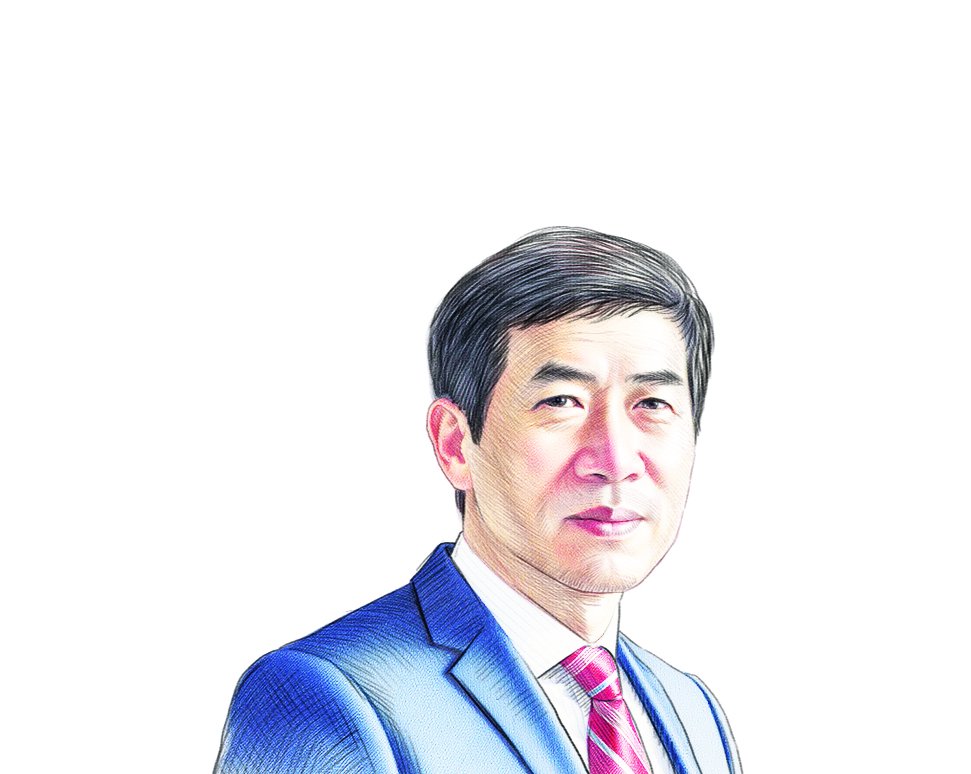
联合国副秘书长徐浩良:破解全球发展困局需加强多边合作
Xin Lang Cai Jing· 2026-01-19 01:59
Group 1 - The core discussion revolves around the theme of "uncertainty" in global governance, highlighting issues such as debt pressure in developing countries, funding gaps in climate governance, and geopolitical tensions [1][15] - China proposed a global governance initiative during the UN General Assembly in September 2025, aiming to establish a Global Sustainable Development Center in Shanghai to share experiences in green transition, digitalization, and trade with developing countries [1][15] Group 2 - Xu Haoliang, a senior UN official, emphasized that the world is facing multiple overlapping risks, including a widening development financing gap and insufficient funding for climate and energy transitions [2][16] - He stressed the importance of restoring the effectiveness of multilateral cooperation and maintaining pragmatic collaboration space among key economies like China and the US [2][16] Group 3 - The global economic landscape is characterized by challenges such as economic slowdown, geopolitical conflicts, and climate crises, necessitating a renewed confidence in multilateral cooperation [4][18] - Developing countries are projected to have an economic growth rate of approximately 3.2% by 2025, which is insufficient to meet the expectations of their populations [5][18] Group 4 - There is a significant annual funding gap of approximately $430 billion for developing countries to meet sustainable development goals, while global official development assistance totals around $200 billion [6][20] - The reliance on government revenue, which is often below 15% of GDP in developing countries compared to over 30% in developed countries, limits their ability to invest in infrastructure and social services [5][19] Group 5 - The UNDP is working to improve the financing capabilities of developing countries by leveraging private capital and creating investment maps to guide potential investors [7][21] - The organization is involved in analyzing key sectors for sustainable development, such as urban wastewater treatment, to identify opportunities for private sector participation [7][21] Group 6 - Achieving sustainable development goals does not have to conflict with economic growth; investments in renewable energy and green technologies can drive both objectives [8][22] - The integration of sustainable development principles into investment decisions is crucial for long-term viability and environmental protection [8][22] Group 7 - China’s experience in sustainable development, characterized by clear long-term goals and effective governance, serves as a valuable reference for other developing countries [12][27] - Key factors for success include strong financing capabilities, a stable policy environment, and effective governance mechanisms [12][26]
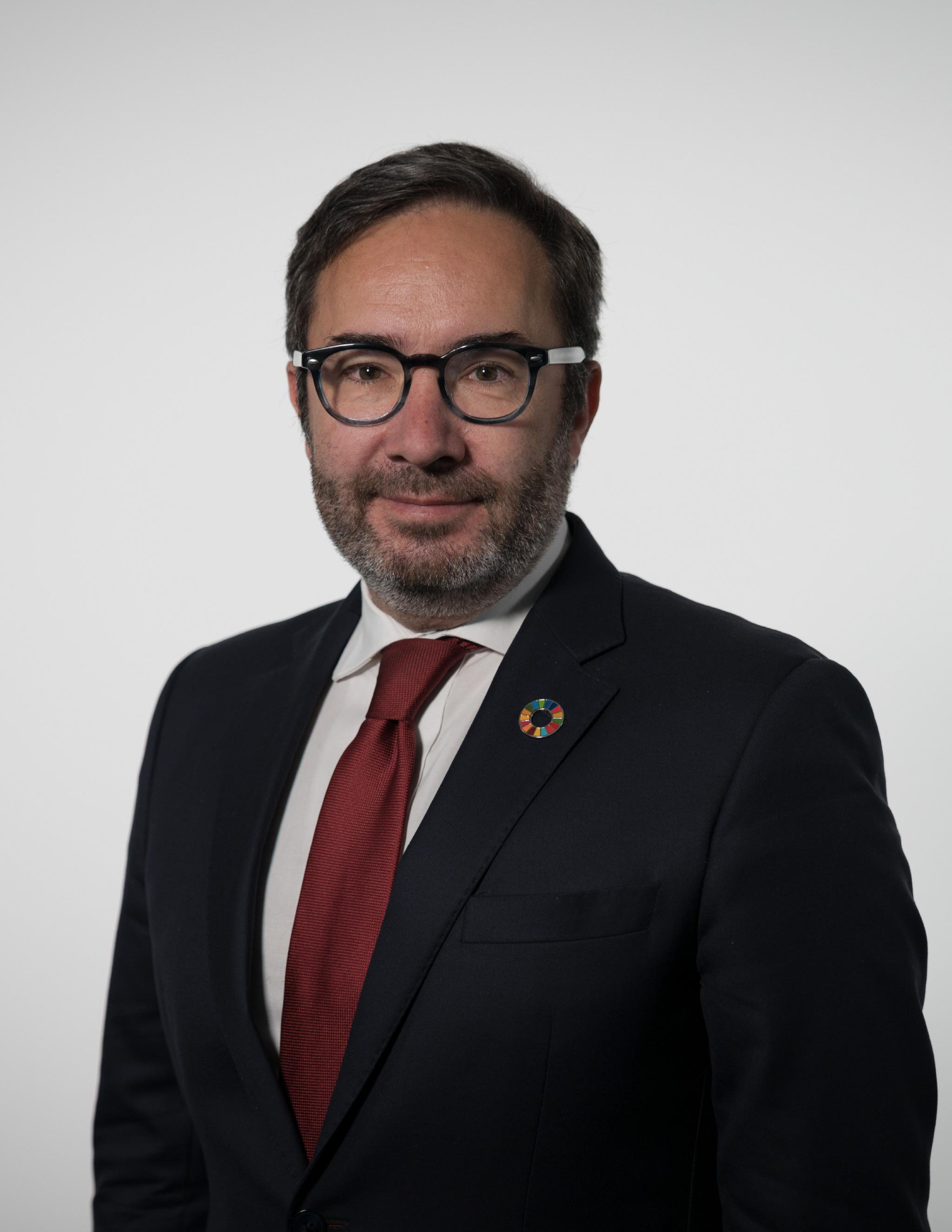
联合国副秘书长:基础设施、技术治理与全球合作如何重塑可持续发展
Xin Lang Cai Jing· 2026-01-19 01:48
Core Insights - The article emphasizes the urgent need for systemic transformation to drive global progress towards a green, resilient, and inclusive future in the context of climate change and sustainable development challenges [1][11] Group 1: Infrastructure and Climate Goals - Infrastructure is responsible for approximately 79% of greenhouse gas emissions and consumes 88% of climate adaptation funds, while influencing the achievement of 92% of the UN Sustainable Development Goals [4][15] - Immediate fundamental changes in the planning, delivery, and management of infrastructure are necessary to meet the Paris Agreement and sustainable development goals [4][15] - There is a unique opportunity to align infrastructure decisions with global and national climate goals, incorporating inclusive, rights-based climate actions [4][15] Group 2: Clean Energy Transition - Infrastructure is critical for the clean energy transition, and there is a need to significantly reduce its carbon footprint while supporting decarbonization in energy, transportation, and construction sectors [5][16] - The UNOPS is committed to ensuring access to affordable sustainable energy for all and supporting a just transition away from fossil fuels [5][16] Group 3: AI and Governance - The rise of AI is closely linked to the clean energy transition, with significant energy demands from global data centers, but it also presents opportunities to lower costs and emissions [6][17] - There is a stark inequality among countries in leveraging AI benefits and managing risks, particularly in the Asia-Pacific region, which is central to this transition [6][17] - Ethical and inclusive governance is essential to prevent AI from exacerbating global inequalities [6][17] Group 4: Global Governance Gaps - Policy and funding gaps hinder the progress of sustainable development goals, but the implementation gap is often overlooked [7][18] - The international financial order is fragmented and inequitable, making it difficult to address today's complex challenges [7][18] - Many developing countries facing climate crises are trapped in debt-driven development crises, necessitating reforms in the global financial order [7][18] Group 5: UNOPS Commitment - UNOPS focuses on the implementation phase, helping countries design and deliver resilient, sustainable, and inclusive infrastructure [8][19] - The organization aims to create conditions for sustainable development through effective project management and transparent procurement systems [8][19] - A call for "risk-driven resilience" emphasizes the need for infrastructure and systems to withstand shocks and pressures [8][19] Group 6: China's Role in Climate Action - The urgency of global cooperation in addressing climate change and promoting sustainable development is highlighted, with China's role being crucial [9][20] - UNOPS aims to support inclusive development and climate resilience, with China as a key development partner in South-South cooperation [9][20]
聚力绿色金融 夯实可持续发展战略根基
Xin Lang Cai Jing· 2026-01-18 21:31
Core Viewpoint - The article emphasizes the importance of green finance in promoting comprehensive green transformation and sustainable development in China, as outlined in the Central Economic Work Conference held in December 2025 [1]. Group 1: Green Finance Framework - A sustainable development-oriented green finance policy framework needs to be established, focusing on resource allocation and promoting green transformation [1]. - The top-level design of green finance should be improved, aligning with national sustainable development strategies and setting phased goals for key areas such as green industries and climate governance [1]. - A multi-tiered sustainable standard system should be constructed to enhance the scientific and operational standards for green finance tools like green credit and green bonds [1]. Group 2: Diversified Green Finance Tools - There is a need to innovate and diversify green finance tools to meet various financing demands for sustainable development [2]. - Traditional debt financing tools like green credit and green bonds should be enriched, and new varieties such as sustainable development-linked bonds should be introduced [2]. - Equity financing channels should be expanded through the establishment of green development funds and carbon neutrality-themed funds to attract social capital into green industries [2]. Group 3: Targeted Green Finance Services - Green finance should focus on key areas and weak links in sustainable development, providing precise support for industrial green transformation [3]. - Financial support for ecological protection should be strengthened, with innovative financial models for ecological compensation and value realization [3]. - Green technology innovation should be promoted through the establishment of green technology venture capital funds and improved financing mechanisms for green intellectual property [3]. Group 4: Digital Economy and Green Finance Innovation - The integration of digital technology with green finance is essential, requiring the construction of digital infrastructure for green finance [4]. - Innovative digital green finance products should be developed, utilizing technologies like IoT and AI for environmental benefit monitoring and risk assessment [4]. - Collaboration between financial institutions and technology companies should be encouraged to foster green finance technology innovation [5]. Group 5: Collaborative Green Finance System - A value co-existence system should be established to align economic growth with ecological protection, promoting a sustainable development model [5]. - Green finance tools should guide funding towards circular economy sectors, supporting energy-saving and carbon-reducing technology upgrades [5]. - Financial products should be developed to broaden the benefits of sustainable development, particularly for small and micro green enterprises and rural green industries [5].
超100辆新能源牵引车交付 谁家车?
第一商用车网· 2026-01-18 13:06
Core Viewpoint - The recent delivery of 103 Dongfeng Liuzhou Motor's ChaoLong new energy electric tractors in Ordos marks a significant step towards large-scale application in the regional market, showcasing the product strength and market recognition of ChaoLong trucks [1][3]. Group 1 - The new energy electric tractors will be widely used in key scenarios such as bulk commodity cross-regional transportation and long-distance logistics, contributing to the national "dual carbon" strategy with zero emissions and high efficiency [3][5]. - The delivery reflects the market's high recognition of ChaoLong products in terms of reliability, economy, and environmental protection, emphasizing the company's commitment to customer-centric innovation and quality [5][9]. - Customer representatives praised the comprehensive performance of the ChaoLong electric tractors, highlighting their alignment with the core needs of long-distance logistics in terms of power output, range, and safety features [7][9]. Group 2 - The successful delivery is a result of collaborative efforts, with ChaoLong's stable product quality and professional service system being the foundation for deepening partnerships [9]. - As the logistics industry transitions towards greener, smarter, and more efficient operations, this batch delivery serves as a direct recognition and trust from the market towards ChaoLong trucks [9].

IIGF观点 | 邓洁琳:数字经济投资转向下的全球可持续挑战与中国“走出去”ESG实践路径
Mei Ri Jing Ji Xin Wen· 2026-01-18 10:21
Group 1: International Investment Trends - Global foreign direct investment (FDI) is experiencing a downward trend for two consecutive years, with a 3% decrease compared to the same period in 2024, and a significant 7% decline in developed economies [2] - Developing economies are showing stable growth, with Asia expanding by 7% and Latin America and the Caribbean increasing by 12%, alongside a notable 254% rise in merger and acquisition activities [2] - Investment focus is shifting from sustainable infrastructure projects to the digital economy, with a 10% decrease in the number of sustainable development-related projects in developing countries and a 7% drop in investment amounts [3] Group 2: Digital Economy Investment Trends - Investment in the digital economy has seen significant growth, with greenfield investments nearly doubling since 2020, reaching $360 billion, and attracting an average of 8.3% of global FDI annually from 2021 to 2023 [3] - Despite a 10% decline in sustainable development-related projects in early 2025, the digital economy continues to attract foreign direct investment, with developing economies seeing nearly a doubling of annual inflows [3] Group 3: Global Sustainable Development Challenges - The digital divide is widening due to increased demands for physical infrastructure and digital literacy, exacerbated by a slowdown in sustainable infrastructure investment [4] - Inequitable distribution of benefits and costs in the digital economy, where developed countries capture most value while developing nations bear the costs, is a significant challenge [5] - The environmental footprint and resource consumption associated with the digital economy are rising, with projections indicating a 500% increase in demand for minerals like graphite, lithium, and cobalt by 2050 [6] Group 4: China's Foreign Investment and Sustainable Development - China ranks among the top three globally in foreign investment, with a 7.5% year-on-year increase in direct investment amounting to approximately $158.2 billion in 2025 [8] - The investment landscape is diversifying, with over 80% directed towards five major sectors, and significant growth in information technology services and construction [9] - China's investments in ASEAN countries have surged, with a 61% increase from 2022 to 2023, highlighting the role of Chinese firms in supporting local economic and technological development [11] Group 5: Implementation of Global Initiatives - The "Four Global Initiatives" framework emphasizes China's commitment to sustainable development and corporate social responsibility in international investments [13] - The guidelines for corporate social responsibility abroad stress the importance of integrating ESG principles into business strategies to enhance sustainable development in host countries [14] - The focus on supporting local economic development through technology and investment aligns with global trends in digital transformation and sustainable practices [14]
达能中国连续九年荣膺 “中国杰出雇主” 稳居榜单前十
Xin Lang Cai Jing· 2026-01-18 08:11
Core Insights - Danone China has been recognized as a "Top Employer" in China for the ninth consecutive year, reflecting its excellence in talent development, employee benefits, and corporate social responsibility [1][2] - The company emphasizes a dual commitment to "business success and social progress," focusing on three core areas: early life nutrition, adult medical nutrition, and beverages [1] - Danone's mission is to bring health to as many people as possible through food, with a commitment to business growth, talent development, and sustainable practices [1] Talent Development - Danone China prioritizes long-term career growth for employees by establishing a comprehensive talent development system and training ecosystem that breaks down barriers across regions, functions, and business units [1] - The company continuously enhances employee benefits, focusing on physical and mental health, and aims to create a warm, inclusive workplace environment that fosters a sense of belonging [1] Sustainable Development - As a globally certified B Corporation, Danone integrates "employees and communities" into its core sustainable development strategy, promoting the alignment of social value with business growth [2] - The recognition as a distinguished employer is a testament to Danone's leading position in talent development and sustainable practices within the industry [2]
