
失业率

Search documents
就业数据低于预期 澳元失守0.6500关口
Jin Tou Wang· 2025-10-16 04:39
Group 1 - The Australian dollar (AUD) has fallen below the 0.6500 mark against the US dollar, currently at 0.6489, reflecting a decline of 0.30% [1] - Australia's unemployment rate rose to 4.5% in September, igniting expectations for a potential interest rate cut by the Reserve Bank of Australia (RBA) [1] - Employment data showed an increase of 14,900 jobs in September, which was below the market expectation of 20,000, while the previous month's job loss was revised to a decrease of 11,800 from 54,000 [1] Group 2 - RBA Assistant Governor Sarah Hunter's cautious remarks provided some support for the AUD, noting that recent data was slightly better than expected and that third-quarter inflation might exceed forecasts [1] - The RBA's September monetary policy meeting minutes indicated that board members believe the current policy is still somewhat restrictive, but the extent is difficult to determine [1] - Economic risks remain, with weak employment and wage growth contributing to subdued consumer spending [1] Group 3 - Technical analysis indicates that the AUD/USD remains in a downward channel, with bearish sentiment persisting [2] - The potential downside target for the AUD/USD is around 0.6440, and a break below this support could lead to testing the four-month low of 0.6414 and the five-month low of 0.6372 [2] - On the upside, initial resistance is at the 9-day exponential moving average of 0.6527, followed by the 50-day moving average at 0.6551, with a breakthrough potentially improving short- and medium-term price momentum [2]
澳大利亚9月失业率升至四年来新高!就业市场放缓或致澳洲联储恢复降息
智通财经网· 2025-10-16 03:46
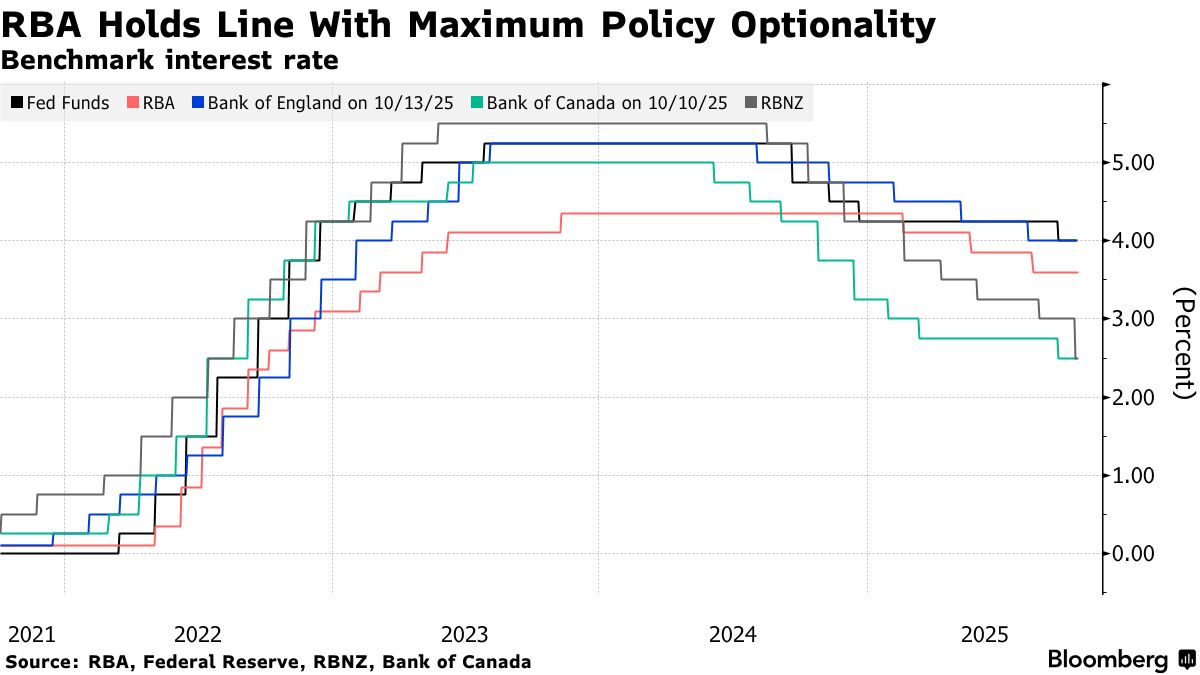
Group 1 - Australia's unemployment rate rose to 4.5% in September, the highest level in four years, due to a decrease in new job positions and an increase in job seekers, indicating a slowdown in the labor market [1] - The number of new jobs added in September was only 14,900, below the market expectation of 20,000, while the labor force participation rate increased to 67% [1] - The latest employment data has led to a significant drop in Australian government bond yields, falling by up to 13 basis points, the largest single-day decline since May, and the Australian dollar decreased by up to 0.5% [1] Group 2 - The widespread application of artificial intelligence (AI) tools is subtly driving job losses, with economists warning that the impact of AI on the global labor market is expanding [2] - HSBC's global economist noted that AI seems to be exerting downward pressure on hiring activities, and during economic slowdowns, companies may accelerate cost-cutting measures, which could lead to a broader impact on the labor market [2] - KPMG's chief economist suggested that the Reserve Bank of Australia should consider lowering cash rates to stimulate investment and household spending, thereby supporting the labor market [2] Group 3 - The Reserve Bank of Australia aims to maintain the unemployment rate around 4% while controlling inflation, with the current monetary policy described as "slightly tight" [4] - The upcoming consumer price index (CPI) data for the third quarter will be crucial for the monetary policy decision in November, with traders expecting a probability of over 70% for a rate cut next month [4] - Most economists surveyed predict that the Reserve Bank of Australia will lower the benchmark interest rate to 3.35% [4]

失业率上升意外超预期 澳元短线承压走低
Jin Tou Wang· 2025-10-16 02:48
Group 1 - The Australian dollar (AUD) depreciated against the US dollar (USD) due to disappointing employment data, with the latest exchange rate at 0.6496, reflecting a decline of 0.20% [1] - Australia's unemployment rate rose to 4.5% in September, the highest since November 2021, exceeding expectations of 4.3%, indicating a loosening labor market [1] - The number of employed persons increased by 14,900 in September, which was below the forecasted increase of 20,000 [1] Group 2 - The three-year government bond yields, sensitive to policy changes, fell by 9 basis points following the employment data release [1] - The AUD/USD exchange rate experienced a drop of up to 0.49% during the day, reaching 0.6479 [1] - The Reserve Bank of Australia (RBA) is expected to consider interest rate cuts as a response to the labor market data [1] Group 3 - Technical analysis indicates that the AUD/USD has broken below the lower Bollinger Band, suggesting a short-term oversold condition [2] - Support levels for the AUD are identified at 0.6440 and 0.6415, while resistance levels are at 0.6520 and 0.6530 [2]
【环球财经】9月澳大利亚失业率升至4.5%
Xin Hua Cai Jing· 2025-10-16 02:09
Core Viewpoint - Australia's unemployment rate increased to 4.5% in September 2025, the highest level since November 2021, indicating a potential shift in the labor market dynamics [1] Employment Data Summary - The seasonally adjusted employment number rose by 0.1% month-on-month and approximately 1.3% year-on-year, reaching 14.64 million [1] - The number of unemployed individuals increased by about 5.2% month-on-month and 12.6% year-on-year, totaling 684,000 [1] - Monthly working hours increased by 0.5%, while the underemployment rate rose by 0.2 percentage points to 5.9% [1] Trend Data Summary - The trend data shows the unemployment rate remained stable at 4.3%, with employment numbers growing by approximately 0.1% month-on-month and 1.5% year-on-year, totaling 14.647 million [1] - The number of unemployed individuals increased by about 0.6% month-on-month and 8.2% year-on-year, amounting to 661,500 [1] - Monthly working hours saw a 0.1% increase, with the underemployment rate remaining unchanged at 5.9% [1] Labor Participation Insights - The labor participation rate rose by 0.1 percentage points to 67%, slightly below the historical high of 67.2% recorded at the beginning of the year [1]
澳大利亚9月份失业率4.5%
Mei Ri Jing Ji Xin Wen· 2025-10-16 00:40
Core Viewpoint - Australia's unemployment rate for September stands at 4.5% [1] Group 1 - The unemployment rate reflects the current labor market conditions in Australia [1]
美联储降息大消息!鲍威尔发声
Sou Hu Cai Jing· 2025-10-15 02:22
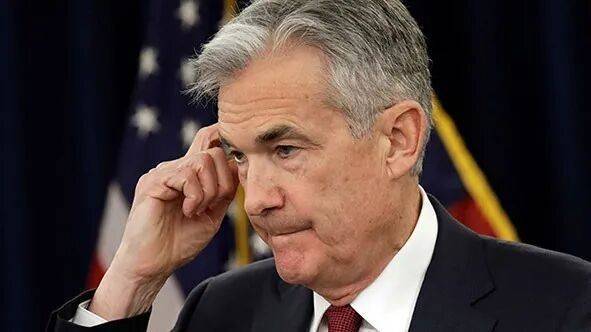
Core Viewpoint - Federal Reserve Chairman Jerome Powell indicated that the U.S. economic outlook remains largely unchanged since the September meeting, with a delicate balance between persistent inflation pressures and a weakening labor market. The market widely anticipates another rate cut at the upcoming meeting at the end of October [2][3]. Economic Outlook - Powell highlighted the current phase of "low hiring, low layoffs" in the labor market, suggesting that the decline in job vacancies may soon be reflected in rising unemployment rates. The unemployment rate rose to 4.3% in August, the highest in a year, and the delay in the September non-farm payroll report due to the government shutdown adds uncertainty to labor market assessments [3][6]. - Economists are increasingly concerned about the risks to employment, with expectations for a rate cut in October being nearly certain. The focus is shifting from prioritizing anti-inflation measures to balancing growth and employment [3][6]. Monetary Policy - Powell emphasized that inflation risks have not been fully resolved, with the core Personal Consumption Expenditures (PCE) price index rising 2.9% year-over-year, still above the Fed's 2% target. He indicated that the Fed's balance sheet reduction process may be nearing its end, suggesting a potential slowdown in the pace of quantitative tightening to maintain market liquidity [5][6]. - The market expects the Fed to maintain a moderate easing stance in the coming months, with projections indicating a cumulative rate cut of about 50 basis points by the end of the year [6]. Decision-Making Challenges - The government shutdown has disrupted the release of key economic data, complicating the Fed's decision-making process. Powell acknowledged the challenges posed by the lack of data, particularly for October, and stated that the Fed would rely on available public and private sector data to inform its decisions [6][7]. - Analysts suggest that the Fed may be entering a "policy tolerance period," allowing inflation to exceed its target slightly in exchange for a more stable employment environment [7].
鲍威尔敞开降息大门,或接近停止缩表(附讲稿)
华尔街见闻· 2025-10-14 23:44
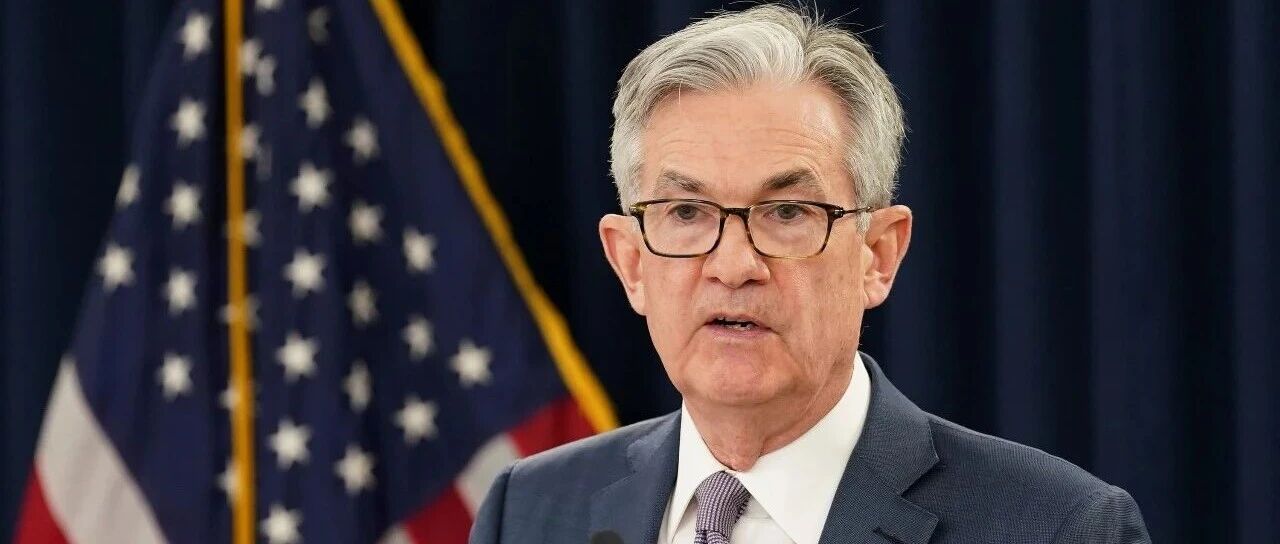
Core Views - The Federal Reserve Chairman Jerome Powell indicated a potential interest rate cut this month due to a deteriorating labor market, despite the impact of the government shutdown on economic assessments [1][2][3] - Powell suggested that the Fed may halt its balance sheet reduction in the coming months, as the economic growth trajectory appears slightly stronger than expected [2][6][7] Labor Market and Employment - The labor market shows increasing downside risks, with Powell noting that the balance of risks regarding employment and inflation has shifted, leading to the decision to cut rates in September [3][5][46] - Despite a low unemployment rate in August, wage growth has significantly slowed, partly due to a decrease in immigration and labor force participation [2][46] - Job openings have declined, which may reflect an impending rise in the unemployment rate [5][46][47] Inflation and Economic Indicators - Current data suggests that rising commodity prices are primarily due to tariffs rather than broader inflationary pressures [4][48] - The core Personal Consumption Expenditures (PCE) inflation rate was 2.9% over the past 12 months, slightly up from earlier in the year, with short-term inflation expectations rising while long-term expectations remain aligned with the 2% target [48] Monetary Policy and Balance Sheet Management - Powell emphasized the importance of balancing the dual mandate of employment and inflation, stating that there is no risk-free policy path [5][48] - The Fed's balance sheet, which stood at $6.5 trillion as of October 8, consists mainly of $2.4 trillion in Federal Reserve notes and $3 trillion in reserves [21][22] - The Fed plans to stop reducing its balance sheet when reserves are slightly above what is deemed sufficient, with indications that liquidity is tightening [7][40] Market Stability and Future Outlook - Powell highlighted the need for careful management to avoid a repeat of the 2019 repo market crisis, indicating that the Fed will take cautious measures to maintain market stability [8][10][40] - The Fed's framework for sufficient reserves has proven effective in controlling policy rates and supporting financial stability [38][44] - The Fed is closely monitoring various indicators to inform its decisions regarding the balance sheet and interest rates in light of evolving economic conditions [40][45]
【环球财经】国际货币基金组织下调俄罗斯2025年GDP增长预测至0.6%
Xin Hua Cai Jing· 2025-10-14 22:45
Group 1 - The International Monetary Fund (IMF) has revised Russia's GDP growth forecast for 2025 down to 0.6%, while maintaining a 1% growth forecast for 2026 [1] - Compared to the IMF's July forecast, the GDP growth prediction for Russia this year has been lowered by 0.3 percentage points [1] - Russia's economic growth was 4.3% last year, and the IMF had previously estimated a 4.1% growth rate for this year in April [1] Group 2 - The adjustment in the GDP growth forecast for this year is attributed to recent data indicating that Russian budget expenditures are concentrated in the fourth quarter of 2024, leading to an increase in the 2024 GDP growth forecast from 4.1% to 4.3% [1] - The IMF predicts that the inflation rate in Russia will reach 9% in 2025, decreasing to 5.2% by 2026 [1] - The unemployment rate in Russia was estimated at 2.5% last year, expected to decrease to 2.4% this year, and is projected to rise to 3.1% in the future [1] Group 3 - The Russian Ministry of Economic Development has also revised its GDP growth forecast for 2025 down from 2.5% to 1%, and for 2026 from 2.4% to 1.3% [2]
英国9月失业率为4.41%,前值为4.40%
Mei Ri Jing Ji Xin Wen· 2025-10-14 06:11
每经AI快讯,10月14日,英国9月失业率为4.41%,前值为4.40%。 ...
又一报告拉响警报:美国经济恐陷“高GDP、低就业”怪圈!
Jin Shi Shu Ju· 2025-10-13 10:02
Economic Outlook - The NABE survey indicates a surge in business investment is expected to offset weak consumer spending and global trade growth, keeping the US economic growth near trend levels [2] - Economists predict a 1.8% growth for the US economy in 2025, an increase from the previous forecast of 1.3% [2] - Inflation, measured by the PCE price index, is expected to reach 3% by the end of this year, slightly lower than the previous estimate of 3.1% [2] Employment and Unemployment - The unemployment rate is projected to rise to 4.5% next year, a decrease from the earlier forecast of 4.7% [3] - Average monthly job growth is expected to be only 29,000 for the remainder of this year, with a gradual recovery to about 75,000 next year, lower than the previous estimate of 97,000 [3] Business Investment - Business investment is anticipated to grow significantly, with a forecasted increase of 3.8% this year, up from the previous estimate of 1.6% [3] - Investment growth is expected to continue at a rate of 1.7% next year, higher than the earlier prediction of 0.9% [3] Real Estate Market - The real estate market remains sluggish, with residential investment expected to decline by 1.6% this year, contrasting with the earlier forecast of a 0.5% growth [3] - Next year's residential investment growth is projected to be less than 1% [3]