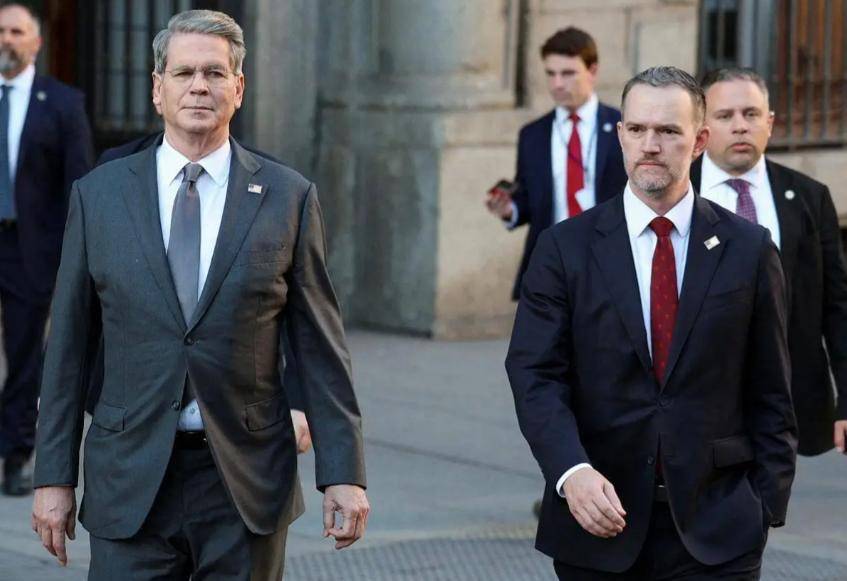
贸易战

Search documents
中国的预判没错:坏消息一个接一个,特朗普终于对中国说了大实话
Sou Hu Cai Jing· 2025-10-28 13:11
Group 1: US-China Trade Relations - The US-China trade tensions have escalated since Trump's presidency, with high tariffs causing disruptions in global supply chains [1] - Recent comments from Trump indicate that the high tariffs are unsustainable, leading to a rebound in the US stock market [1][16] - The Australian government has resisted US pressure to decouple from China, emphasizing the economic importance of China as its largest trading partner [3] Group 2: Rare Earth Elements - The US Treasury Secretary criticized China's export controls on rare earth elements, labeling it as "against the world," while G7 discussions on a united response have stalled [4][9] - China controls over 80% of the global rare earth processing chain, making it a critical player in high-tech and military applications [7] - The US's attempts to rally allies against China have been met with hesitance, as countries weigh their own economic dependencies [5][9] Group 3: Shipping and Logistics - The US has imposed additional port fees on Chinese shipping, which China has retaliated against with similar fees on US vessels [10][12] - This tit-for-tat in shipping fees is disrupting logistics and increasing costs for US importers [10][12] Group 4: Technology Sector - Nvidia's market share in China has plummeted from 95% to 0% due to US export controls, highlighting the unintended consequences of such policies [14] - The US's restrictions on technology exports are pushing Chinese companies to innovate and fill the gap left by American firms [14][17] Group 5: Domestic US Issues - The US government shutdown has further complicated trade negotiations, as it hampers the government's operational capacity [16][17] - Trump's acknowledgment that high tariffs are not sustainable reflects the growing pressure from both domestic and international fronts [16][17]


100%关税又不加了?美国有事急求中国,中方开始掌握谈判主动
Sou Hu Cai Jing· 2025-10-28 10:49
Core Viewpoint - The news highlights the contrasting strategic considerations of the U.S. and China in the context of their economic negotiations, with the U.S. focusing on short-term gains while China aims for long-term development [2][21]. Group 1: U.S. Strategic Interests - U.S. Treasury Secretary Mnuchin emphasized the favorable aspects of the agreement for the U.S., particularly regarding tariffs, which were initially set to increase by 100% on Chinese goods but are now temporarily shelved due to domestic economic pressures [4][18]. - The U.S. is heavily reliant on Chinese rare earth materials for its high-tech and military industries, necessitating negotiations for a delay in export controls imposed by China [6][18]. - The U.S. agricultural sector, particularly soybean farmers, is under pressure due to a significant drop in Chinese purchases, prompting the U.S. to seek increased soybean exports to stabilize domestic support [6][10]. Group 2: China's Strategic Interests - China is focused on reducing tariffs, aiming to lower the average tariff rate to below 25%, which is essential for the survival and growth of its export enterprises [10][21]. - China seeks the removal of sanctions on over 700 Chinese companies, advocating for a verification process instead of outright bans to facilitate international business expansion [12][21]. - In the high-tech sector, China aims to secure the continued operation of existing equipment, such as lithography machines, while it develops domestic alternatives, indicating a long-term vision for self-sufficiency [12][21]. Group 3: Negotiation Dynamics - The negotiations represent a time-based game, with China demonstrating greater resilience and a long-term strategy compared to the U.S.'s short-term focus, which is increasingly leading to domestic pressures [16][19]. - The U.S. is facing rising inflation, supply chain instability, and dissatisfaction among agricultural states, which could hinder its ability to engage in prolonged negotiations [18][21]. - China's approach appears more methodical, allowing it to maintain strategic stability while the U.S. may make hasty decisions driven by immediate concerns [19][21].

特朗普赚大了,中美刚谈完,巴西、印度传来大消息,有望达成协议
Sou Hu Cai Jing· 2025-10-28 09:39
Core Insights - The latest round of US-China trade talks in Kuala Lumpur concluded early with a "substantial framework agreement," and the US announced it would no longer consider imposing a 100% tariff on Chinese goods [1][3][20] Group 1: US-China Trade Negotiations - The negotiations, initially planned for three days, wrapped up in two, indicating a significant breakthrough in discussions [1] - Key topics included rare earth exports, agricultural tariffs, and fentanyl control, with China maintaining a firm stance during the talks [3][5] - The US Treasury Secretary's announcement to abandon the 100% tariff plan reflects a retreat in response to China's strong position [3][16] Group 2: Impact on Commodities - Rare earth elements and soybeans emerged as critical issues, with China controlling over 90% of global rare earth processing capabilities, leading to soaring prices for US metals [5][6] - The US soybean market faced severe disruptions, with imports from China plummeting by 97% in a week, causing protests among American farmers [6][12] Group 3: Broader Geopolitical Implications - Following the US-China talks, India announced it would cease purchasing oil from sanctioned Russian companies, signaling a shift towards the US [8] - Brazil's President Lula met with Trump to initiate tariff negotiations, aiming to resolve trade tensions that have cost Brazil over $1 billion annually due to high tariffs on key exports [10][12] - The interconnected nature of these negotiations suggests a ripple effect, with each country's actions influencing the others, highlighting the complexity of global trade dynamics [20]
5 Things Worth Knowing About Trade Before Fed Votes On Interest Rates
Forbes· 2025-10-28 09:10
Core Points - The Federal Reserve is facing a dilemma between a weakening job market that supports lower interest rates and rising inflation that suggests maintaining or increasing rates [3][19] - The upcoming decision on interest rates will be influenced by missing data due to the U.S. government shutdown, particularly merchandise trade data from the U.S. Census Bureau [4][19] - The value of tariffs collected by the Treasury has quadrupled as a percentage of total imports within four months, indicating significant changes in trade dynamics [5][16] Trade Data Impact - The impact of new tariffs that went into effect in August is unknown due to the lack of released data, which is critical for understanding their immediate effects on trade [6][10] - Countries accounting for 18.61% of U.S. trade are subject to these new tariffs, and their effects on trade patterns remain to be seen [7][10] - The end of the de minimis exemption, allowing tariff-free imports valued under $800, has led to a surge in low-value shipments, particularly from China, totaling $16 billion in July [11][10] Trade Deficit Concerns - The U.S. trade deficit may have exceeded $100 billion for the fifth time in the first eight months of the year, raising questions about the effectiveness of tariffs [12][13] - A sudden drop in the trade deficit could provide comfort to the Fed, while another month above $100 billion could influence their decision-making [13][19] - The Supreme Court's expedited decision on the constitutionality of tariffs may impact the Fed's economic decisions, as they lack critical data [14][19] Import Anomalies - Three primary import anomalies contributing to the large U.S. trade deficit include gold, computer servers, and pharmaceuticals, which could change and affect the economy [15] - The tariff revenue as a percentage of total imports has increased from 2.3% to over 10%, indicating a significant rise in trade costs [16][17] - The August data will not include most tariffs against major trade partners, which represent nearly 40% of U.S. trade, complicating the Fed's analysis [18][19]
金荣中国:白银亚盘小幅低位反弹,关注支撑位多单布局方案
Sou Hu Cai Jing· 2025-10-28 08:48
Fundamental Analysis - The U.S. Treasury Secretary has indicated a preliminary consensus on pausing higher tariffs, boosting market confidence and leading to record highs in major Wall Street indices, with the S&P 500 surpassing 6800 points and the Nasdaq rising by 1.86% [1] - The VIX index, a measure of market volatility, has dropped to a near one-month low, reflecting a decrease in concerns over the trade war [1] Federal Reserve Interest Rate Expectations - The market is focused on the Federal Reserve's upcoming interest rate decision, with a 98% probability of a 25 basis point cut being priced in [3] - Despite the expected rate cut, the direct support for gold prices may be limited due to the market already pricing in this expectation [3] - The uncertainty surrounding future interest rate paths is increasing, particularly due to a lack of key economic data, complicating the Fed's decision-making process [3] U.S. Treasury Yield and Dollar Dynamics - The U.S. 10-year Treasury yield is reported at 3.997%, showing a slight upward trend, influenced by increased risk appetite due to hopes for a U.S.-China trade agreement [4] - The two-year and five-year Treasury yields have also risen, reflecting a growing preference for risk assets among investors [4] - The dollar index is currently experiencing a volatile rebound [4] Silver Market Trends - The silver market is currently in an upward price trend, with support levels identified around 45.99 [7] - The MACD indicator shows a bullish trend, although market activity is decreasing, suggesting a cautious trading approach [7] - Suggested trading strategy includes placing long positions near the support level of 45.99 with a stop loss at 45.50 and a target range of 50.00 to 50.50 [7]

突发特讯!美财长贝森特通告全球:美方不再考虑对华加征100%关税!罕见措辞引爆国际舆论
Sou Hu Cai Jing· 2025-10-28 08:43
Group 1 - The core message of the recent US-China trade talks is a potential easing of tensions, highlighted by US Treasury Secretary's statement of "no longer considering" a 100% tariff increase on China, indicating a strategic adjustment in the US approach to the trade war [1][2] - The phrase "no longer considering" reflects a tactical retreat rather than a fundamental change in strategy, as it suggests that the option for tariffs remains if negotiations do not proceed as expected [2][7] - The negotiations covered sensitive topics such as maritime logistics, fentanyl control, and agricultural trade, with a focus on extending the current tariff suspension period, which is set to expire on November 10 [2][4] Group 2 - The US is particularly concerned about rare earth elements, indicating a heightened focus on supply chain security, with China's dominance in this area becoming a significant bargaining chip [3][4] - Although both sides claim to have reached a "preliminary consensus," the lack of detailed disclosures suggests that the outcome is more about pragmatic exchanges rather than resolving fundamental conflicts [4] - The timing of the talks, just before the APEC meeting, indicates a mutual interest in creating a favorable atmosphere for upcoming leader discussions, with the US needing to show a controlled approach to China and China aiming to stabilize relations to focus on economic development [4][6] Group 3 - The global market's keen interest in the US-China talks underscores the reality that US-China relations have worldwide implications, affecting Southeast Asian countries, European businesses, and emerging markets [6][7] - Southeast Asian nations are particularly concerned about the impact of the trade war on regional supply chains and welcome any signs of easing tensions [6] - The ongoing competition between the US and China, especially in technology and geopolitics, suggests that while there may be a temporary easing, the underlying rivalry will continue [7][8]
美国最终服软,贸易战告一段落,5千亿外资涌入,中方成最大赢家
Sou Hu Cai Jing· 2025-10-28 08:43
Group 1 - The core point of the article is the significant easing of the US-China trade tensions, marked by the cancellation of the planned 100% tariffs on China by the US Treasury Secretary [1][3] - The global capital markets reacted positively to this policy shift, with stock markets rising and exchange rates stabilizing, indicating a sense of relief among investors [3] - The trade war, which has lasted nearly seven years, has shown signs of substantial de-escalation, with China emerging as a winner by maintaining its position in global supply chains [4][6] Group 2 - The US's decision to retreat from imposing higher tariffs is seen as a recognition of reality rather than a sign of weakness, as continued conflict could lead to faster economic deterioration for the US [7] - China's foreign investment data has improved significantly, with actual foreign investment exceeding 570 billion RMB in the first three quarters, and a year-on-year increase of over 11% in September [7][9] - Foreign investments are increasingly directed towards high-end manufacturing, new energy, and digital economy sectors, indicating a shift from low-end production to more advanced industries [7][9] Group 3 - Although the tariff issue has been postponed, other contentious topics such as technology and intellectual property rights remain unresolved, suggesting that future negotiations are likely [11] - China has evolved from a passive participant to a more assertive player in the global arena, actively addressing its technological shortcomings in areas like semiconductors and artificial intelligence [11][13] - The US's concessions are viewed as an indirect acknowledgment of China's strategic resilience, with the current situation reflecting a shift in power dynamics [13]
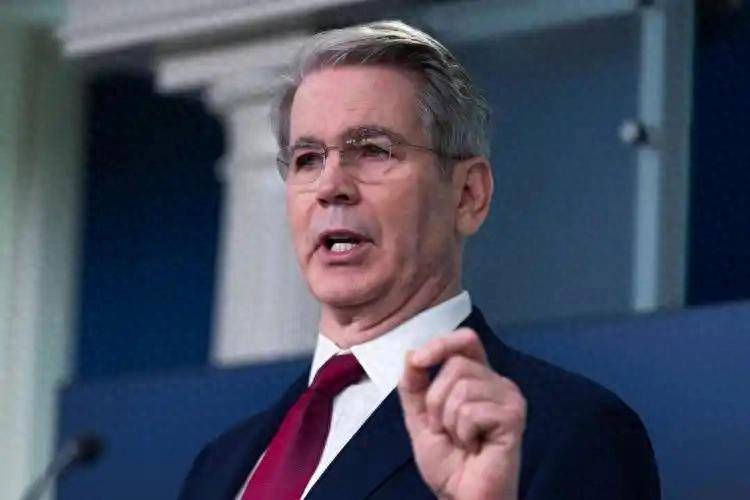
对华关税升至130%,特朗普不惜再打贸易战,通知3亿美国人做准备
Sou Hu Cai Jing· 2025-10-28 07:09
Core Points - Trump announced a 100% increase in tariffs on China, raising total tariffs to 130%, and called for American citizens to prepare for a trade war with China [1][3] - Trump's approval ratings have dropped to historic lows, indicating a potential lack of support for his aggressive trade policies [3] - The U.S. consumer is the biggest victim of the tariff increases, as the costs will ultimately be passed on to them, leading to higher living expenses [6] Group 1: Tariff Strategy - Trump's "America First" policy emphasizes tariffs as a means to protect U.S. interests by making Chinese goods more expensive and boosting domestic product competitiveness [4] - The U.S. has not seen reciprocal tariff increases from China, which raises concerns about the fairness of the trade measures being implemented [4] Group 2: China's Response - China has taken decisive countermeasures, including export controls on critical materials like rare earths and lithium batteries, directly targeting U.S. interests [8][10] - The potential restriction of rare earth exports could disrupt supply chains for U.S. high-tech companies, complicating the situation for the Trump administration [10] Group 3: Public Sentiment and Economic Impact - Surveys indicate that approximately 50% of Americans believe the trade war negatively affects their daily lives, while less than 20% see any benefits from it [14] - The trade policies have led to dissatisfaction among U.S. businesses, with many companies reporting increased costs and reduced consumer spending [14][16] - The U.S. economy faces challenges from global market weakness and supply chain disruptions, complicating the implementation of Trump's policies [16] Group 4: Future Outlook - The current trade conflict suggests that Trump's options are dwindling, and a rational dialogue is needed to resolve underlying issues rather than escalating tariffs [18] - The sentiment among the American public and the challenges faced by the government indicate a potential failure for the U.S. in this trade war [18]
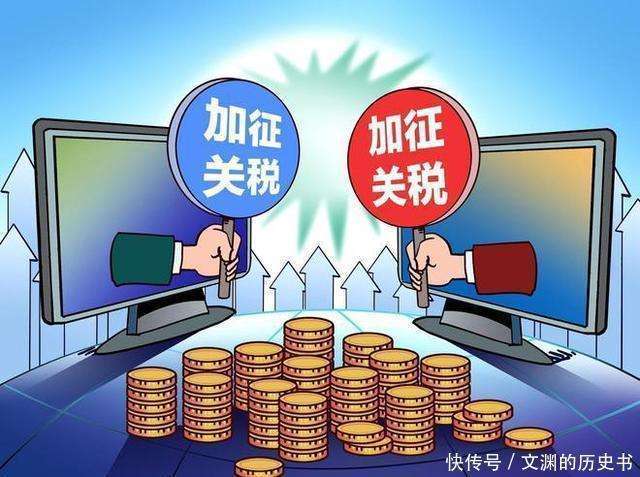
中方切断了贝森特财路,USCBC:若特朗普做到一事,将获得极好的协议
Sou Hu Cai Jing· 2025-10-28 06:18
Core Viewpoint - The article highlights the complexities of U.S.-China trade relations, particularly focusing on the soybean market, where U.S. farmers face significant challenges due to China's refusal to purchase American soybeans, which has become a focal point in trade negotiations [1][3]. Group 1: U.S. Soybean Market Dynamics - The U.S. agricultural sector, particularly soybean production, has seen a bumper harvest this year, yet China, the largest buyer in previous years, has ceased purchases, causing distress among U.S. farmers and the government [1]. - U.S. Treasury Secretary Mnuchin, who is also a soybean farmer, expressed personal financial distress due to China's refusal to buy U.S. soybeans, highlighting the direct impact of trade policies on individual farmers [3]. Group 2: Trade Negotiation Challenges - The ongoing trade negotiations between the U.S. and China have reached a "substantial framework," but significant compromises and further dialogue are necessary to resolve the long-standing trade war [4]. - The U.S. must make concessions on key issues, such as Taiwan and the South China Sea, to alter the current passive stance in negotiations, as continued hardline approaches may lead to further isolation [6]. Group 3: Future Outlook and Diplomatic Strategies - The article suggests that reasonable dialogue and compromise are essential for resolving conflicts, as the trade war cannot be a long-term solution in an increasingly globalized economy [6][8]. - There is hope for a balanced solution that meets the needs of U.S. soybean farmers while addressing China's concerns, but timely and substantive progress is crucial to avoid further harm [6][8].
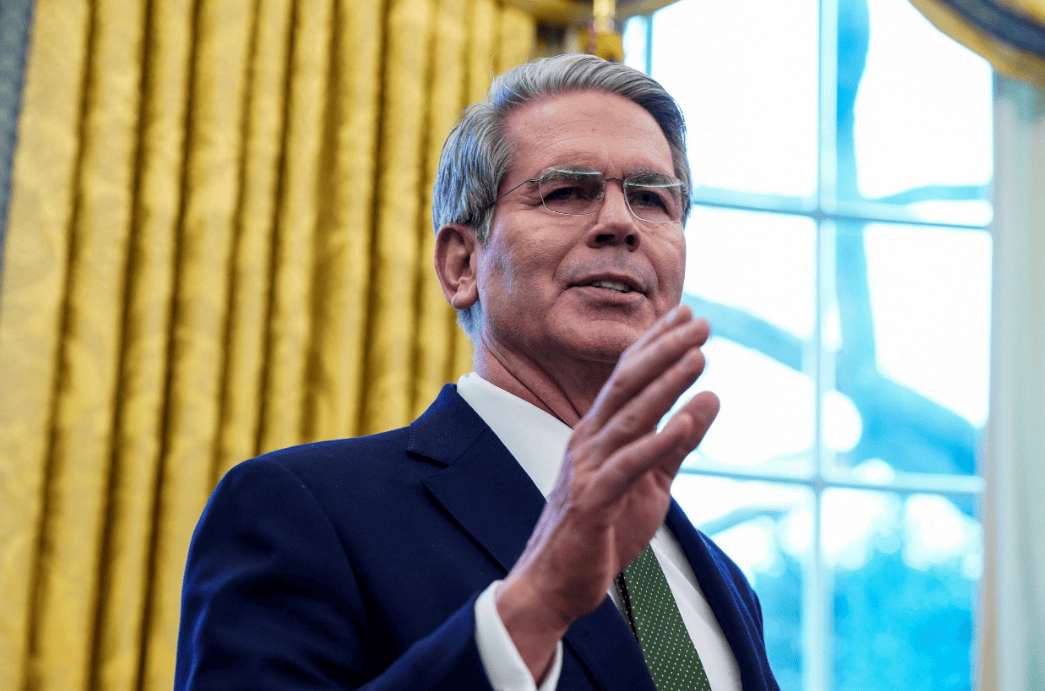
美财长贝森特通告全球:美方不再考虑对我们加征100%关税!少见措辞引发国际舆论
Sou Hu Cai Jing· 2025-10-28 05:51
Group 1 - The core message of the recent US-China trade talks in Kuala Lumpur is a significant softening of rhetoric from the US, indicated by Treasury Secretary Bessent's statement of "no longer considering" a 100% tariff increase on Chinese goods, which is seen as a key signal for easing trade tensions [1][3] - The shift from "considering" to "no longer considering" tariffs reflects a strategic reassessment by the US regarding the costs of the trade war, particularly in light of ongoing inflation pressures and the upcoming 2024 elections [3][10] - The negotiations covered sensitive topics such as maritime logistics, fentanyl regulation, and agricultural trade, with both sides focusing on pragmatic exchanges rather than resolving fundamental conflicts [5][6] Group 2 - The current suspension period for tariffs is set to expire on November 10, and extending this suspension is a priority, with the US seeking cooperation from China on fentanyl regulation in exchange for tariff pauses [6] - The US's emphasis on rare earths during the talks highlights its concerns over supply chain security, while China's bargaining power in this area has become a crucial leverage point in negotiations [6][8] - The timing of the talks, just before the APEC meeting, suggests both parties aim to create a favorable atmosphere for upcoming leadership discussions, with the US needing to project a tough stance on China while China seeks to stabilize relations to focus on economic development [8][10] Group 3 - The outcome of the talks is being closely monitored by global markets, reflecting the reality that US-China relations significantly impact the world, with Southeast Asian countries concerned about supply chain disruptions and European businesses hoping for stability to avoid choosing sides [8][10] - The expectation of avoiding a "new cold war" is a common hope among the international community, as both sides recognize that mutual harm from continued conflict is becoming a shared understanding [10]