雪球三分法

Search documents
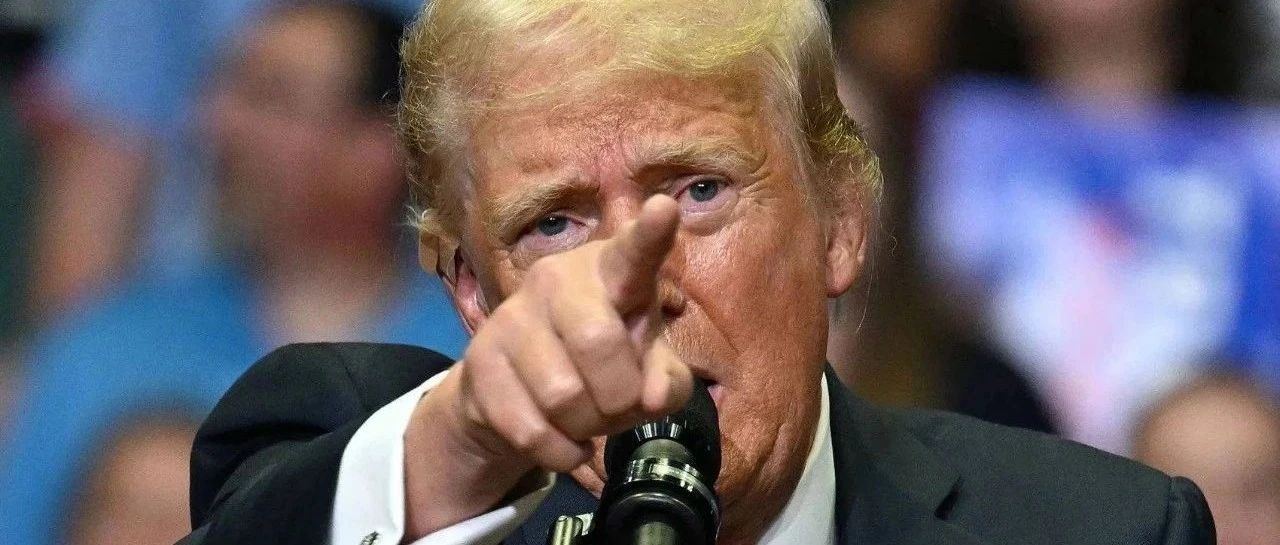
一天三次点名炮轰鲍威尔!特朗普放狠话:鲍威尔早该被解雇了!假如美联储主席被罢免,对市场影响几何?
雪球· 2025-04-20 03:57
长按即可参与 4月17日,美国总统特朗普在社交媒体上连续三次猛烈抨击美联储主席鲍威尔,措辞之严厉前所 未有。他指责鲍威尔"又迟又错",并直言"鲍威尔早该被解雇了"。 周末,消息还在持续发酵,据媒体最新,当地时间4月18日,白宫国家经济委员会主任凯文·哈塞 特证实,美国总统特朗普及其团队正在继续研究能否解雇美联储主席鲍威尔。 01 特朗普"火力全开":一天三次点名炮轰鲍威尔 4月17日,美国总统特朗普在其社交媒体平台"真实社交"上连续发布三条针对美联储主席鲍威尔 的尖锐批评,将两人长期积累的矛盾彻底公开化。 特朗普在第一条帖子中写道:"鲍威尔16日发布的报告又是一团糟。他早就应该像欧洲央行一样 降低利率,然而他总是太迟又犯错。"第二条则更加直接:"鲍威尔应该尽早下台。"第三条甚至威 胁道:"如果我想让他离开,他很快就会离开的。我对他不满意。" 这也并非特朗普首次公开批评鲍威尔,自2018年以来,特朗普就因利率政策与鲍威尔多次发生冲 突。在第一个任期内,特朗普曾私下讨论解雇鲍威尔的可能性,并公开称美联储疯了。如今,随 着2024年大选周期的临近,特朗普对美联储的施压明显升级。 目前看,相关法律条文存在模糊地带。《 ...

一次横评四类30个红利指数,谁最好?
雪球· 2025-04-19 04:01
Core Viewpoint - In the current market environment characterized by high inflation and low interest rates, stable cash flow has become a consensus among investors. The "Dividend Index" has emerged as a star player in portfolio allocation due to its continuous dividends and relatively low volatility. However, with an increasing number of dividend indices claiming superiority, it is essential to evaluate which index strikes the best balance between "rich returns" and "controllable risks" [3][4]. Analysis and Discussion What Constitutes a Good Dividend Index? - A good dividend index must meet five criteria: 1. **Authenticity**: Trust in real cash dividends rather than inflated claims [5]. 2. **Clear Standards**: A transparent selection and weighting methodology for constituent stocks [5]. 3. **Diversification**: A well-diversified index to avoid concentration in a few companies or industries [5]. 4. **Stable Returns**: The ability to maintain dividends during market fluctuations, avoiding "pseudo-dividends" that drop sharply after initial high payouts [5]. 5. **High Dividend Yield**: A historically high and sustainable dividend yield that outperforms the industry average [5]. Comparison and Analysis of Dividend Indices - The analysis includes 30 dividend indices categorized into four types: 1. **Ordinary Dividends**: Focused primarily on dividend yield, such as the CSI Dividend and SSE Dividend. 2. **State-Owned Enterprise Dividends**: High dividend stocks selected from state-owned enterprises. 3. **Low Volatility Dividends**: Stocks with low volatility combined with dividends. 4. **Other Dividends**: Unique indices that combine dividends with other factors like quality and value [7][8]. Ratings of Dividend Indices - The ratings of the 30 dividend indices are as follows: - **5 Stars**: 2 indices (CSI Dividend, Low Volatility 100) - **4 Stars**: 4 indices (SSE Dividend, State-Owned Enterprise Dividend, 300 Low Volatility) - **1 Star**: 5 indices (Shenzhen Dividend, Hong Kong Stock Connect Low Volatility, Consumer Dividend, Dividend Quality, Dividend Potential) [18]. Basic Data Comparison of Dividend Indices - Key metrics for the indices include dividend yield, PE ratio, annualized returns over five years, volatility, and Sharpe ratio. For instance, the CSI Dividend has a dividend yield of 6.5% and a PE ratio of 7.9, indicating a favorable position compared to others [20][21]. Fund Representation and Scale - The number of passive funds tracking these indices varies significantly. The CSI Dividend and Low Volatility 100 are highlighted as having a higher number of tracking funds, which may indicate better management and competition [23][26]. Conclusion - The analysis provides insights into the performance and characteristics of various dividend indices, helping investors make informed decisions based on their risk preferences and investment goals [3][5][7].

美债忽然崩盘背后的秘密
雪球· 2025-04-14 03:45
以下文章来源于兵哥事务所 ,作者Slumdog Millionaire 兵哥事务所 . 尤其是美国还是蓝星上的霸主 , 就特别离谱 。 股票进攻,指数基金平衡,保险防守,深度剖析金融本质,为您的家庭财富配置保驾护航。 长按即可参与 风险提示:本文所提到的观点仅代表个人的意见,所涉及标的不作推荐,据此买卖,风险自负。 作者:贫民窟的大富翁 来源:雪球 特朗普是世界历史上第一个靠一己之力把自己国家搞出股债汇三杀危机的 ! 美国人过幸福生活根本原因是有着 " 无中生有 " 的金融本事 , 靠着空气+信用就可以从全球其 他国家换取真正的商品和服务 。 这里最重要的就是美国国债 , 我们简称美债 。 截至2025年3月 , 美国国债总额约36.6万亿美元 , 其中约40%是2020-2021年疫情期间发行 的低利率债券 。 这些债券的利率普遍在0.5%-1.5%之间 , 例如 : 2020年4月发行的10年期国债利率为0.66% 。 2021年1月发行的30年期国债利率为1.2% 。 疫情期间美国为了刺激经济增长 , 把十年期国债收益率打到了0.66% , 美国政府开启政府消费 大时代 , 向全世界借钱 , 在国内直升 ...

两个王级红利基金的PK
雪球· 2025-04-14 03:45
Core Viewpoint - The article compares two unique indices: the CSI All Share Dividend Quality Index and the CSI Dividend Low Volatility Index, highlighting their performance and distinctive compilation rules [2][5]. Performance Data - The CSI Dividend Quality Index has shown a cumulative return of 13.49% over the past ten years, while the CSI Dividend Low Volatility Index has a cumulative return of 13.73% during the same period, indicating that both indices have performed well historically [3]. - The annualized volatility for the CSI Dividend Quality Index over the past three years is 18.08%, while the CSI Dividend Low Volatility Index has a lower annualized volatility of 16.58%, suggesting that the latter may offer a more stable investment option [3]. Compilation Rules - The CSI Dividend Low Volatility Index focuses on selecting stocks with a high dividend yield and low volatility, incorporating growth factors by excluding stocks with negative dividend growth rates and those with excessively high payout ratios [6][10]. - The CSI Dividend Quality Index emphasizes companies with consistent cash dividends over the past three years and a moderate payout ratio, ensuring that selected companies have sustainable dividend policies [11][12]. - Both indices utilize a combination of dividend yield, growth potential, and competitive advantage in their selection criteria, with the Dividend Low Volatility Index adding a low volatility factor and the Dividend Quality Index focusing on the quality of earnings [20]. Conclusion - Both indices emphasize high dividends and growth potential, with a significant overlap in their selection criteria. The main difference lies in the additional focus on low volatility in the Dividend Low Volatility Index and the emphasis on competitive advantage in the Dividend Quality Index [20].

疯王与关税
雪球· 2025-04-13 04:07
Group 1 - The article discusses the basic principles of trade, emphasizing that trade surplus is a means while trade deficit is an end goal, ultimately for spending money [2] - It highlights that in international trade, the U.S. has maintained a trade deficit for decades, which is unsustainable in the long run [7][10] - The article points out that the U.S. dollar's status as the world's reserve currency allows the country to print money and maintain a trade deficit, but this creates a looming risk if the dollar's credibility is questioned [8][10] Group 2 - The article argues that the U.S. faces two major problems: the credibility of the dollar is under scrutiny, and the manufacturing sector is being pressured by global competition, particularly from China [10][13] - It suggests that the current administration's contradictory policies aim to maintain the dollar's international status while also seeking a trade surplus, which is inherently impossible [15] - The article emphasizes that high tariffs may increase trade friction costs but will not necessarily lead to the intended outcomes due to issues like transshipment and smuggling [18][19] Group 3 - The article discusses the implications of rising U.S. Treasury yields, noting that a sudden increase could lead to higher borrowing costs for companies and potentially trigger widespread bankruptcies [26][27] - It warns that a significant drop in Treasury prices could undermine the dollar's credibility, leading to a feedback loop where countries start selling off U.S. debt [29][30] - The article concludes that investors should focus on valuation rather than being swayed by political rhetoric, as the complexities of the global economy are far more significant than any single political figure [20][21]

紫金矿业最近几年的动作和收获
雪球· 2025-04-13 04:07
Core Viewpoint - The investment capability of Zijin Mining has become the most important driving factor for its development, combining technology, management, and investment ability, enhanced by its private mechanism and state-owned enterprise credibility [3]. Group 1: Acquisitions Overview - Since 2020, Zijin Mining has made significant acquisitions in the mining sector, including: - In 2020, Zijin acquired 100% of Guyana Goldfields for CAD 323 million (approximately RMB 1.699 billion), with a resource reserve of about 178 tons of gold [5]. - In 2020, Zijin acquired 50.1% of Jilong Copper for approximately RMB 3.883 billion, with a recorded copper metal amount of 10.72 million tons [5]. - In 2021, Zijin acquired Canadian Lithium Company for CAD 960 million, focusing on the 3Q salt lake project in Argentina [6]. - In 2022, Zijin invested RMB 4 billion to acquire 30% of Ruihai Mining, which holds 100% of the Haiyu Gold Mine, the largest single gold mine in China [7]. - In 2023, Zijin completed the acquisition of the Rosebel Gold Mine, one of the largest and most cost-effective gold mines globally [11]. Group 2: Future Investment Plans - For 2024, Zijin plans to invest USD 1 billion (approximately RMB 707.1 million) to acquire 100% of the Akyem Gold Mine in Ghana, which has a gold resource of 54.4 tons [13]. - Zijin also plans to acquire 100% of La Arena Copper Mine in Peru for USD 245 million, with additional payments contingent on future production [13]. - In 2025, Zijin intends to acquire control of Zangge Mining for RMB 13.7 billion, enhancing its domestic mineral resource portfolio [14]. Group 3: Capital Raising Activities - In 2024, Zijin's subsidiary signed a share subscription agreement to invest approximately CAD 129.6 million (about RMB 690 million) in Solaris Resources, becoming the second-largest shareholder [15]. - Zijin also participated in private placements, including an investment of CAD 57.3 million (approximately RMB 300 million) in Montage Gold, acquiring 9.9% of the company [15]. - In September 2024, Zijin agreed to subscribe for shares in Wan Guo Gold Group for a total consideration of HKD 1.3794 billion (approximately RMB 1.249 billion) [16].


关税战后为什么投医药
雪球· 2025-04-11 07:56
Core Viewpoint - The pharmaceutical industry, particularly innovative drugs, is positioned as a key strategic investment direction for China's rise in the context of global supply chain restructuring and geopolitical tensions [1][2]. Group 1: Policy and Market Dynamics - The "Healthy China 2030" initiative aims for the health service industry to reach a total scale of 16 trillion yuan by 2030, with R&D investment intensity surpassing that of developed countries [1]. - The 2024 government work report emphasizes accelerating the development of new productive forces, with biomedicine identified as a key area for increased fiscal support [1]. - The "14th Five-Year" plan for biomedicine aims for the biomedicine sector to account for over 40% of a projected 22 trillion yuan bioeconomy by 2025 [1][2]. Group 2: Innovation and Approval Processes - The average approval cycle for domestic innovative drugs has been reduced to 6.2 years in 2023, a decrease of 3 years since 2018 [2]. - The dynamic adjustment mechanism for medical insurance negotiations will include 7 new anti-cancer drugs in 2024, with price reductions limited to 40%, thereby protecting innovation returns [2]. Group 3: Market Growth and Demographics - The proportion of the population aged 60 and above in China is expected to exceed 21% in 2024 and reach 30% by 2035, driving demand for chronic disease medications, cancer drugs, and rehabilitation equipment [2]. - Per capita medical expenditure in 2023 is 6,200 yuan, only one-sixth of that in the United States, with expectations to exceed 8,000 yuan by 2025 [2]. Group 4: Internationalization and R&D Efficiency - In 2023, the overseas licensing transaction volume for Chinese innovative drugs exceeded 40 billion USD, up from 15 billion USD in 2021, with projections to surpass 50 billion USD in 2024 [3]. - The cost of clinical trials in China is only 30%-50% of that in the United States, significantly shortening the R&D cycle for local pharmaceutical companies [3][4]. - The proportion of innovative drugs in China's pharmaceutical market is projected to increase from 25% in 2023 to 40% by 2025 [2][4]. Group 5: Industry Trends and Future Outlook - The revenue share from innovative drugs going abroad is expected to rise from 8% in 2023 to 20% by 2025, indicating a growing international presence [4]. - The number of global biotech companies with a market value exceeding 100 billion yuan is anticipated to increase, with 3-5 such companies expected to emerge in the coming years [4].



资产配置的第一课,是特朗普上的
雪球· 2025-04-10 04:37
Core Viewpoint - The article discusses the unprecedented market turmoil in early 2025 due to high tariffs imposed by Trump on major trade partners, leading to significant declines in global stock markets and highlighting the need for a robust investment strategy to navigate such volatility [1][2]. Group 1: Market Impact - Trump's announcement of new tariffs, reaching up to 60%, caused immediate panic in global markets, with the S&P 500 index dropping over 3% in a single day, erasing nearly $1.7 trillion in market value [1]. - Following China's retaliatory tariffs, the Asia-Pacific stock markets experienced severe declines, with the Nikkei index falling nearly 8% and triggering a market halt [1]. - The market turmoil affected various asset classes, leading to panic selling in equities, pressure on U.S. Treasury markets, and even impacting gold prices due to a stronger dollar [1]. Group 2: Investment Strategy - The article introduces Ray Dalio's All Weather Strategy, which aims to ensure that assets appreciate in any economic environment, providing a stable investment approach amidst market fluctuations [2][3]. - A simplified version of the All Weather Strategy is proposed using the "Snowball Three-Part Method," allowing domestic investors to replicate the strategy more easily [3]. Group 3: Asset Allocation - The proposed asset allocation includes 25% in equity assets, 50% in bond assets, and 25% in commodity assets, specifically highlighting the role of gold as a traditional safe haven during market uncertainty [5]. - The strategy leverages the low correlation between different asset classes to create a self-balancing portfolio, where bonds and gold can hedge against poor stock market performance [5]. Group 4: Performance Validation - Backtesting during the turbulent period in early 2025 showed that the All Weather replica portfolio achieved a cumulative return of 2.27%, while the Shanghai Composite Index fell by 3.42% and the S&P 500 dropped by approximately 15.8% [6]. - Over a longer period from 2022 to 2025, the All Weather strategy demonstrated a maximum drawdown of only 3.47% and an annualized return of 13.2% with a volatility of 5.51% [7]. Group 5: Conclusion - The article emphasizes the importance of asset allocation in 2025, advocating for a long-term strategy that protects wealth rather than seeking short-term gains [12]. - The All Weather strategy is presented as a means to achieve balance and diversification, which are crucial for managing uncertainty and building resilience against market shocks [12].

A股信心战,48小时全线出击!国家队下场、央行撑腰、险资、社保、地方国资全面响应!千亿级资金进场!
雪球· 2025-04-09 06:12
长按即可参与 A股 早盘行情还是很有韧劲的。三大 指数 低开高走,截至午盘, 沪指 涨0.24%,深成指涨0.56%,创业板指涨0.61%,北证50指数涨6.88%。全市场半日成 交额11217亿元,较上日放量786亿元。全市场超2600只个股上涨。 板块题材上,军工、农业、半导体板块涨幅居前;cro概念、旅游及酒店、电力板块跌幅居前。 01 央行!国家队!央国企!平准 基金! 社保基金多方天量资金护盘 在A股市场面临异常波动的关键时刻,中国金融决策层以"史上最快速度、最大规模、最多部门联动"打出了一套史诗级救市组合拳: 1. 央行+汇金,无限子弹注入强信心 中国人民银行和中央汇金公司重磅发声。 中央汇金明确了自己是资本市场上的"国家队",发挥着类"平准基金"作用。汇金公司有关负责人表示,将继续发挥好资本市场"稳定器"作用,有效 平抑市场异常波动,该出手时将果断出手;下一步,汇金公司将坚定增持各类市场风格的ETF,加大增持力度,均衡增持结构;汇金公司具有充分 信心、足够能力,坚决维护资本市场平稳运行 央行表示,必要时向中央汇金公司提供充足的再贷款支持。汇金负责投资,央行承诺给钱,中国版平准基金浮出水面,这有助 ...

2025年最好的投资机会,快到了!
雪球· 2025-04-07 04:03
Core Viewpoint - The article discusses the significant implications of tariff increases proposed by the Trump administration, suggesting that it could lead to a major economic event comparable to the abandonment of the gold standard in 1971 [3]. Group 1: Historical Context - The article references the Smoot-Hawley Tariff Act of 1930, which raised tariffs on over 20,000 imported goods, resulting in an average tariff increase of about 20% [3]. - The consequences of the 1930 tariff included a 66% decline in global trade from 1929 to 1934, leading to the Great Depression in the United States and economic crises worldwide [3]. Group 2: Current Economic Situation - The current U.S. national debt exceeds $36 trillion, which is 120% of the projected GDP for 2024, with annual interest payments surpassing $1 trillion against a fiscal revenue of $4.9 trillion [4]. - The proposed tariff increases could generate an additional $300 billion to $600 billion in revenue for the U.S. government annually, which is seen as a critical factor driving the tariff strategy [4]. Group 3: Global Trade Dynamics - The article argues that the U.S. is moving towards a trend of de-globalization, as it attempts to protect its manufacturing sector in response to China's significant market share in global manufacturing [5]. - The imposition of high tariffs may lead to retaliatory measures from other countries, echoing historical patterns where such actions resulted in broader economic downturns [5]. Group 4: Investment Strategy - The article advises investors to remain calm and avoid emotional decision-making, suggesting that the current market environment is volatile and unpredictable [7]. - It highlights the importance of focusing on dividend-paying ETFs and being cautious with sectors that have high energy weightings, indicating a strategic shift in investment focus [7][8]. Group 5: Future Outlook - The author expresses optimism about 2025 being a significant trading year, encouraging investors to maintain patience and excitement for potential investment opportunities [9].