
数字化

Search documents
矿产资源开发利用效率大幅提高
Jing Ji Ri Bao· 2025-12-03 00:33
Core Insights - The Ministry of Natural Resources has reported a significant increase in low-grade and associated mineral resources in China, with cobalt and rhenium seeing over 100% growth in newly added resources, and nickel and indium experiencing over 30% growth [1][2] - The construction of green mines is being actively promoted, enhancing resource conservation and utilization levels, with mining companies adopting strict standards for recovery rates and comprehensive utilization [1][2] Group 1: Resource Development - The increase in mineral resources is transforming previously unproductive mines into active ones, effectively extending the service life of mining operations [1] - Mining companies are leveraging advanced technologies such as 5G, IoT, and AI to develop digital and intelligent mining operations, significantly improving resource development efficiency [1] Group 2: Environmental and Regulatory Framework - China has established a green development model in mining, adhering to the principle of "mining while restoring," and implementing ecological restoration plans in phases [1][2] - The newly revised Mineral Resources Law, effective from July, emphasizes green and low-carbon transformation in the mining sector, providing a legal basis for the construction of green mines [2]
Outfront Media (NYSE:OUT) 2025 Conference Transcript
2025-12-02 22:12
Outfront Media (NYSE:OUT) 2025 Conference Summary Company Overview - **Company**: Outfront Media - **Industry**: Out-of-home advertising Key Points Advertising Environment - Confidence in advertising strength carrying into 2026 due to a strong third quarter, particularly in the transit business [3] - Fourth quarter growth rate expected to be higher than the third quarter [3] - Improved visibility into 2026 compared to the previous year [3] - Price growth in the perm business is up from last year, indicating improved sales metrics [3] Local Market Performance - Outfront Media has a significant local business that is less volatile compared to national ads [4] - Local business is expected to benefit from increased marketing efforts [4] - Key categories driving local momentum include the legal profession and retail resurgence [5] Impact of Major Events - Major events like the World Cup and Olympics are seen as tailwinds for revenue growth [7] - Opportunities for short-term permitting and innovative advertising experiences during these events [7][8] Digital Revenue Growth - Digital revenue currently accounts for 35% of total revenue, with a target to reach 50% [9] - Digital penetration is growing at approximately 1% per quarter, expected to reach around 40% by the end of next year [9] - Programmatic revenue is growing faster than regular digital revenue [9] Transit Business Performance - Transit revenue increased by 24% in Q3, with New York MTA up 37% [15] - MTA performance is attributed to focus, execution, and portfolio management [15][16] - Expectations for continued growth in the high teens for MTA in Q4 [16] Margin Optimization - Billboard margins improved to 39.5%, with expectations for further increases [28] - Focus on managing the portfolio and negotiating tougher lease agreements to optimize margins [28][29] Capital Structure and Debt Management - Current leverage is 4.7 times, with a goal to reduce it closer to four times [32] - Next debt maturity is in summer 2027, with plans to maintain financial flexibility [32] - Strong liquidity position allows for potential M&A opportunities [35] M&A Strategy - Focus on acquiring footprint rather than just digital capabilities [36] - Potential for strategic changes in the industry, with Outfront Media positioned to participate [35] Future Outlook - AFFO growth expected to be in the high single digits for 2025, with similar trends anticipated for 2026 [39] - Continued emphasis on digital and programmatic advertising to drive revenue growth [47][48] Capital Expenditures - Expected CapEx to remain similar to the current year, around $90 million [45] - Increased maintenance CapEx to proactively replace aging digital screens [45] Conclusion - Outfront Media is optimistic about its growth trajectory, particularly in digital and local markets, while managing its capital structure and focusing on margin optimization. The company is well-positioned to leverage upcoming major events and continue its strategic initiatives in the out-of-home advertising space.

零售业上市公司积极构建差异化竞争优势
Zheng Quan Ri Bao· 2025-12-02 16:15
Core Insights - Retail companies are actively adapting to consumer upgrade trends and focusing on building differentiated competitive advantages [1] Group 1: Digital Transformation - Digitalization is a key focus for most retail companies, with gradual improvements in store operations, reducing display workload, and significantly lowering stockout rates [2] - Chongqing Department Store is integrating digitalization with instant retail, aiming for a "store + warehouse" model to enhance regional penetration and provide fast delivery services [2] Group 2: Consumer Technology - Consumer technology is a closely monitored area for retail companies, with a focus on projects that have strong market validation and commercialization capabilities [3] - Companies are leveraging high-end member resources and regional advantages to invest in sectors like pet care and specialized medical chains [3] Group 3: Supply Chain Transformation - The retail industry is undergoing supply chain changes to enhance operational efficiency and product competitiveness, with a consumer-centric approach [4]


Mettler-Toledo International (NYSE:MTD) FY Conference Transcript
2025-12-02 15:12
Mettler-Toledo International (NYSE:MTD) FY Conference Summary Company Overview - **Company**: Mettler-Toledo International - **Industry**: Life Sciences and Meta Devices - **Key Products**: Laboratory balances, analytical instruments, liquid handling equipment, automated chemistry equipment, process analytics, and software solutions Core Insights - **Execution and Pricing**: Mettler-Toledo has a consistent pricing strategy with a 1-2% increase, which is at the higher end of the industry. The company attributes this to its strong execution and innovation capabilities [3][4] - **Market Leadership**: Mettler-Toledo holds a global market leadership position in approximately 75-80% of its niche markets, with an average market share of around 25% across 25 product categories [5] - **End Markets**: The company serves attractive end markets, with 40% of sales to pharma/bio-pharma, 20% to food manufacturing, and 10-15% to specialty chemicals. These markets are expected to grow due to increasing investments in automation and digitalization [8][9] - **Sales Strategy**: The Spinnaker program focuses on operational excellence in sales and marketing, utilizing a dedicated sales force of about 3,000 application experts to target the most profitable market segments [6] Financial Performance - **Revenue Breakdown**: 55% of Mettler-Toledo's business comes from laboratory products, with laboratory balances being the largest category. The industrial business accounts for 40% of total revenue, split between core industrial (25%) and product inspection (15%) [13][21] - **Growth Trends**: The company experienced strong growth in process analytics, particularly in bioprocessing and semiconductor applications. However, the research side of the lab business has faced challenges due to funding issues in biotech and academia [59][60] Macro Environment - **Economic Sentiment**: The company remains cautious about the macroeconomic environment, citing trade disputes and governmental policies affecting core markets. However, there is optimism for future investment as conditions improve [25][26] - **Impact of Shutdown**: Minimal impact from government shutdowns was noted, primarily affecting the liquid handling business, which is a small part of overall sales [28] Onshoring and Replacement Cycle - **Onshoring Opportunities**: Mettler-Toledo is well-positioned to benefit from onshoring trends, with customers expressing interest in relocating operations. The company anticipates a shift from replacement business to new opportunities in the coming years [34][35] - **Replacement Cycle**: The average product lifecycle is estimated at seven years, with the current install base being older than usual, indicating potential for future sales growth as customers begin to replace aging equipment [36] Digitalization and AI Initiatives - **Digital Transformation**: Mettler-Toledo has been investing in digitalization for over 15 years, focusing on harmonizing processes and enhancing customer interactions through AI and automation [39][41] - **AI Applications**: The company is developing AI-driven tools for internal processes, customer interactions, and product enhancements, which are expected to provide significant competitive advantages [44][48] Future Outlook - **Guidance for 2026**: The company anticipates mid to high single-digit growth in services and overall cautious optimism for the industrial and product inspection segments, with expectations of low to mid-single-digit growth in these areas [69][57] - **Investment in R&D**: Mettler-Toledo has increased R&D spending to drive innovation and product development, aiming to emerge stronger from current market challenges [38] Conclusion Mettler-Toledo International is positioned for growth through its strong market leadership, innovative product offerings, and strategic focus on digitalization and automation. The company remains cautious yet optimistic about future economic conditions and market opportunities.

千万只鹅“出走”六安,带飞百亿羽球羽绒产业
Di Yi Cai Jing· 2025-12-02 13:26
Core Insights - The unique environment and industrial policies in Lu'an, Anhui, have fostered the continuous development of the "three feather" industries, which include feather, down, and badminton production [1][3]. Industry Overview - Lu'an is recognized as a major production hub for feathers, down, and badminton equipment, benefiting from the local breeding of the Anhui West White Goose, which is known for its high-quality down and feathers [3][12]. - The city has seen significant growth in goose farming, with an expected breeding volume of over 18 million geese by 2024, marking an increase of nearly 50% during the 14th Five-Year Plan period [3][12]. Production and Technology - The production process for badminton shuttlecocks has been streamlined from approximately 50 steps to about 10, thanks to advancements in technology and manufacturing processes [4][5]. - The integration of smart and digital technologies in production has improved efficiency, reducing labor costs by two-thirds and enhancing the stability of feather quality [5][10]. Supply Chain and Raw Materials - The local supply of goose feathers is limited, with only about 5% sourced from local Anhui West White Geese, necessitating imports from other regions [5][6]. - The price of raw goose feathers has increased significantly, from over 300,000 CNY per ton last year to over 500,000 CNY this year, indicating rising costs in the supply chain [6][12]. Market Dynamics - The local down and feather industry is projected to generate a comprehensive output value exceeding 189 billion CNY by 2024, with a significant portion of production now focused on domestic sales rather than exports [3][6]. - The proportion of domestic sales has shifted to 70%, with online sales through platforms like Douyin accounting for over 60% of total sales this year [6][12]. Innovation and R&D - Companies are investing in R&D to enhance product quality and functionality, with annual R&D expenditures exceeding 1 million CNY for projects related to down quality testing and functional improvements [7][12]. - The establishment of innovation centers and partnerships with universities aims to address challenges in breeding and disease management for goose farming [9][12]. Future Outlook - The local government has introduced several initiatives to promote the goose industry, aiming for a breeding volume of over 30 million geese and a combined output value of over 300 billion CNY by 2027 [13][14]. - There is a recognized need for brand development and product diversification within the local industry, moving beyond traditional OEM models to create more recognizable local brands [13][14].


江山如画|从传统农耕到未来乡村,传统村落何以跃迁
Zhong Guo Xin Wen Wang· 2025-12-02 12:33
Core Viewpoint - The article highlights the transformation of rural areas in China, particularly focusing on Tieniu Village in Sichuan Province, as a successful example of the country's rural revitalization strategy, moving from traditional agriculture to modern, digital, and green development [1] Group 1: Rural Transformation - The rural revitalization strategy in China is leading to a profound transformation from traditional agriculture to a more modern and sustainable approach [1] - Tieniu Village has undergone significant changes, evolving from a traditional agricultural village to a model for national rural revitalization [1] Group 2: Practices and Innovations - The transformation in Tieniu Village is attributed to ecological organic farming, talent introduction, and industrial innovation [1] - The village is making steady progress towards becoming a national-level rural revitalization demonstration village, providing replicable and scalable experiences for other traditional villages in China [1]
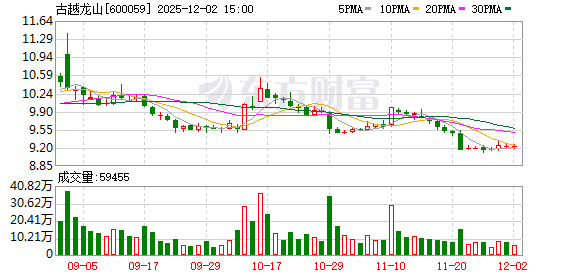
古越龙山:一坛黄酒酿造产业复兴之道
Shang Hai Zheng Quan Bao· 2025-12-02 09:27
Core Viewpoint - The company Gu Yue Long Shan is committed to the revival of Huangjiu (yellow wine) as both a cultural heritage and a business, focusing on high-end, youthful, global, and digital strategies to expand the market and promote Huangjiu culture [2][6]. Group 1: Business Strategy - Gu Yue Long Shan views its competition not as other Huangjiu brands but as a challenge to promote the category and culture of Huangjiu to a broader audience [2]. - The company has seen significant growth in new business formats, with a 22.64% year-on-year increase in new business sales and a 15.31% increase in online sales [2]. - The introduction of innovative products, such as the "Wu Gao Di" targeting younger consumers, has resulted in over 330,000 bottles sold in its first year, with more than 70% of orders coming from the younger demographic [6]. Group 2: Technological Innovation - Gu Yue Long Shan is investing in smart manufacturing, with a 22 billion yuan project set to be completed by the end of 2024, which will enhance automation and efficiency in production [3]. - The company has maintained the largest capacity for hand-crafted Huangjiu production while addressing challenges such as high costs and low efficiency through technological upgrades [3][4]. - Research and development expenditures reached 17.46 million yuan in the first half of the year, marking a 33.61% increase year-on-year, reflecting the company's commitment to innovation [4]. Group 3: Market Expansion - The company has opened 66 tasting and slow wine bars across the country, with revenue from markets outside Jiangsu, Zhejiang, and Shanghai reaching 40.74% in 2024 [7]. - Gu Yue Long Shan is actively expanding its market presence through initiatives like "Bai Cheng Gong Pin," aiming to enhance brand visibility and consumer engagement nationwide [8]. - The company is also exploring cross-industry collaborations, such as a partnership with China Resources Beer to create a new product that combines Huangjiu and beer [6]. Group 4: Cultural Significance - Gu Yue Long Shan emphasizes the cultural heritage of Huangjiu, viewing it as a living cultural legacy and a historical narrative rather than just a commodity [8]. - The company has a significant inventory of over 11 million jars, approximately 260,000 tons of original wine, which it considers a valuable asset [8]. - The company aims to contribute to the broader Huangjiu industry, with a goal of achieving 10 billion yuan in annual sales by 2027 and capturing over 50% of the national market share [8].

后降费时代的公募业将走向何方?申万菱信基金陈晓升:四大变化定义2026行业新生态
Xin Lang Cai Jing· 2025-12-02 07:21
Core Viewpoint - The public fund industry is undergoing profound changes, with expectations for a more diversified asset class, varied performance benchmarks, digitalized service forms, and a more balanced funding structure by 2026 [1][6]. Group 1: Asset Class Diversification - Multi-asset investments are gaining importance, with equity funds expected to see new growth opportunities as the equity market rises [1][6]. - Passive investment strategies, including thematic and strategy-based ETFs, are likely to outpace the growth of broad-based indices [1][6]. - Fixed-income assets may expand due to the trend of "savings migration," despite potential fluctuations in yield levels [1][6]. Group 2: Performance Benchmark Guidance - The introduction of performance benchmark guidelines by the China Securities Regulatory Commission aims to diversify fund products from "all-purpose" to "functional" types [2][7]. - Active equity funds will adopt more diverse performance benchmarks, while thematic and sector-specific ETFs are expected to become growth drivers [2][7]. - New products like Smart Beta, floating rate funds, and public REITs will continue to expand, focusing on risk-return matching and investor interest alignment [2][7]. Group 3: Digital Transformation in Fund Management - The digitalization of investment management platforms and the application of intelligent tools in research and risk management are becoming industry standards [3][8]. - The integration of digital and intelligent upgrades across all operational aspects, including compliance and customer service, is anticipated [3][8]. - The penetration of customized portfolios through smart advisory services is expected to increase, with technology investment becoming a key competitive differentiator for fund companies [3][8]. Group 4: Changes in Client Behavior and Funding Sources - Initiatives to attract long-term funds are expected to increase the equity holdings of insurance and pension funds [4][9]. - The trend of "savings migration" will lead to a balanced inflow into bank wealth management, fixed-income, and multi-asset products [4][9]. - The new regulatory framework for securities and fund investment consulting is likely to enhance the wealth management capabilities of brokerages, particularly in the ETF market [4][9].
(经济观察)长三角托起中国民营经济关键一极
Zhong Guo Xin Wen Wang· 2025-12-02 07:08
Core Viewpoint - In 2024, 27 cities in China are expected to have a GDP exceeding 1 trillion yuan, with the Yangtze River Delta region accounting for one-third of these cities, highlighting the region's significance in supporting China's private economy [1] Group 1: Economic Performance - Wenzhou is projected to achieve a GDP of over 1 trillion yuan this year, potentially increasing the number of "trillion-yuan cities" in the Yangtze River Delta to 10 [1] - In the first three quarters of this year, the industrial output value of private enterprises in Shanghai grew by 9.8%, outpacing the city's overall industrial output growth by 4.1 percentage points [1] - Jiangsu's private industrial enterprises saw an 8.0% increase in added value, exceeding the provincial average by 1.2 percentage points [1] - Zhejiang's private industrial enterprises contributed to a 7.4% increase in added value, accounting for 76.2% of the growth in overall industrial added value [1] - Anhui's private enterprises experienced an 18.0% growth in imports and exports, making up 51.2% of the total import and export volume [1] Group 2: Technological Advancements - The Yangtze River Delta's private economy is extending into new industries, with a notable rise in technology startups, exemplified by the "Hangzhou Six Little Dragons" [3] - Black Lake Technology in Shanghai has developed a production management program that significantly improved order delivery rates and production efficiency for small and micro enterprises [3] - Alibaba is investing 380 billion yuan over the next three years in cloud and artificial intelligence hardware infrastructure, collaborating with major telecom companies [3] Group 3: Future Potential - The Yangtze River Delta's private enterprises are transitioning from traditional development paths to innovative and high-end industries, focusing on technology and talent development [4] - Future opportunities in areas such as space energy, advanced materials, artificial intelligence, green development, digital healthcare, and integrated trade are anticipated for private enterprises in the region [4]

欣天科技拟定增募资不超2.91亿元 投资华南精密制造基地等项目
Zheng Quan Shi Bao Wang· 2025-12-01 13:55
Core Viewpoint - Xintian Technology plans to raise no more than 291 million yuan through a private placement to invest in its South China precision manufacturing base, R&D center, and to supplement working capital [1][2] Group 1: Investment Projects - The South China precision manufacturing base project has a total investment of 269 million yuan and a construction period of 2 years, aiming to build new factories, warehouses, and office spaces, as well as purchase advanced production and inspection equipment [1] - The R&D center project in South China has a total investment of 41.46 million yuan and a construction period of 3 years, focusing on the research of precision electronic connectors and fluid connection components for data centers [2] Group 2: Operational Needs - The existing capacity at the Shenzhen base is insufficient to meet the order demands from high-quality clients in the new energy, data center, and medical device sectors, necessitating the relocation and expansion of production capacity [2] - The company aims to reduce operational costs, ensure stable production, and optimize capacity layout through the new projects, while also facilitating digital and intelligent upgrades [2] Group 3: Market Context - The company operates primarily in South China, where the demand for precision electronic connectors, liquid cooling connectors, and medical structural components is growing due to the booming downstream sectors [1]
