
数智化转型

Search documents
1天办结6800余万元 渤海银行供应链金融跑出小微服务“加速度”
Zhong Zheng Wang· 2025-11-19 10:19
Group 1 - The core point of the article highlights that Bohai Bank's Fuzhou branch successfully facilitated financing for 21 upstream suppliers of a well-known sports brand through a supply chain finance model, with a total investment exceeding 68 million yuan in just one day [1] - The service not only alleviates financial pressure for small and medium-sized enterprises but also enhances the stability and competitiveness of the entire supply chain by leveraging the credit of core enterprises [1] - Bohai Bank has focused on addressing the financing challenges faced by small and micro enterprises in the supply chain, positioning supply chain finance as a key driver for inclusive financial development [1] Group 2 - The bank's online business process allows upstream suppliers to complete financing applications and related operations without offline efforts, achieving the fastest "same-day completion" from application to fund disbursement [2] - Utilizing big data risk control models and cross-verification of transaction data, the bank enhances the efficiency of the approval process [2] - Currently, Bohai Bank's customer acquisition ratio through core enterprises is as high as 1:10, with over 90% of new inclusive customers being driven by this model [2]
南方基金亮相第十九届金博会 以金融赋能书写公募新篇章
第一财经· 2025-11-19 07:37
Core Viewpoint - The article highlights the participation of Southern Fund at the 19th Shenzhen International Financial Expo, emphasizing its commitment to various financial sectors including pension finance, technology finance, green finance, inclusive finance, and digital finance, showcasing its comprehensive asset management capabilities and responsibilities in supporting national strategies and economic growth [1][2]. Group 1: Technology Finance - Southern Fund enhances its "platform-based, integrated, multi-strategy" research and investment system, increasing allocation to strategic emerging industries to support the development of new productive forces [2]. Group 2: Green Finance - The company integrates ESG principles into its long-term strategy and daily operations, continuously improving its ESG rating system and expanding its green financial product offerings, aiming to be a leader in ESG investments [2]. Group 3: Inclusive Finance - Southern Fund is advancing its buy-side advisory transformation by creating the "Sinan Advisory" service platform, launching unique products that promote shared benefits and risk-sharing between investors and managers [2]. Group 4: Pension Finance - In response to national pension strategies, Southern Fund showcases a comprehensive pension finance system covering all three pillars, with a focus on innovating third-pillar personal pension products, having launched various types of pension products that span from 2030 to 2060 [3]. Group 5: Digital Finance - The company is driving digital transformation using cloud-native technology to enhance its research and investment capabilities and service efficiency, aiming to become a "smart asset management company" [2]. Group 6: Customer-Centric Approach - The immersive and interactive experience at the expo reflects Southern Fund's customer-centric philosophy, demonstrating its commitment to "finance for the people" and enhancing financial literacy among investors through engaging activities [4]. Group 7: Future Outlook - Southern Fund plans to continue leveraging investment opportunities in the Guangdong-Hong Kong-Macao Greater Bay Area, focusing on the "five major articles" to guide financial resources into the real economy, promoting high-quality development in the public fund industry [4].

科技筑链连万企 普惠深耕汇千司 渤海银行供应链产品赋能普惠金融大文章
Zhong Jin Zai Xian· 2025-11-19 06:10
Core Insights - Bohai Bank's Fuzhou branch has successfully utilized supply chain finance to provide rapid financing solutions for a well-known sports brand's upstream suppliers, completing 24 transactions totaling over 68 million yuan in just one day, showcasing efficiency in serving small and micro enterprises [1] - The bank's approach leverages the credit of core enterprises to enhance the financing capabilities of upstream suppliers, effectively addressing the challenges of traditional financing methods that rely heavily on collateral [1][2] - Bohai Bank is committed to digital transformation, enhancing the efficiency and customer experience of its inclusive finance services through a fully online process, allowing suppliers to complete financing applications and receive funds without the need for offline interactions [2] Business Strategy - As a rising force among state-owned financial institutions, Bohai Bank focuses on the development strategy of "doing true, doing small, doing well," emphasizing the importance of core enterprise supply chains and ecosystem scenarios [3] - The bank aims to strengthen technological empowerment and promote digital inclusive finance, thereby increasing service efficiency and expanding the coverage and accessibility of inclusive financial services [3] - The bank's efforts have resulted in a high customer acquisition ratio of 1:10 through core enterprises, with over 90% of new inclusive customers being driven by this model [2]
南方基金亮相第十九届金博会 以金融赋能书写公募新篇章
Zhong Guo Jing Ji Wang· 2025-11-19 02:53
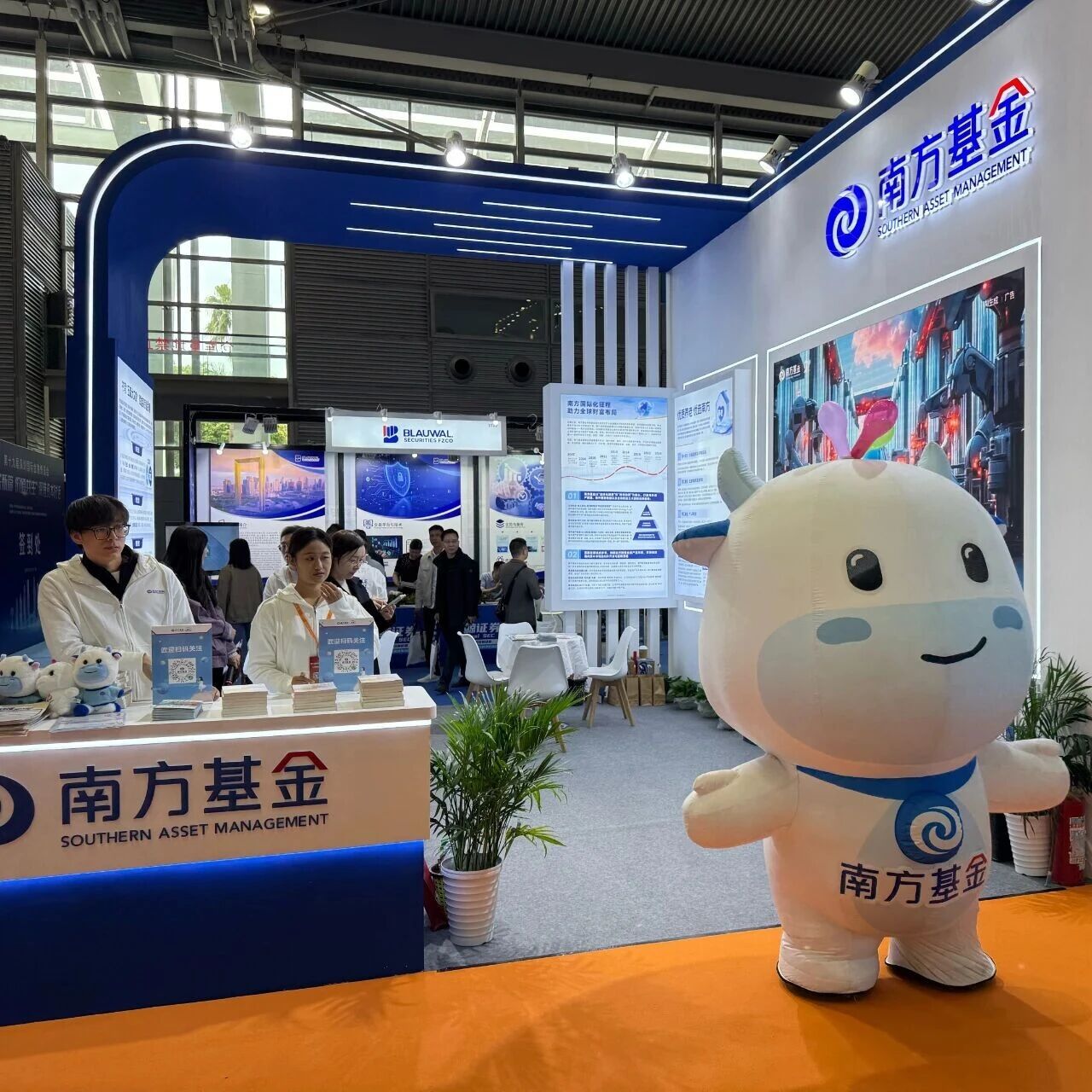
本届金博会恰逢个人养老金制度实施三周年,南方基金重点展出了覆盖一二三支柱的完备养老金融体系 以及推动第三支柱个人养老金产品创新的具体实践。在个人养老金方面,南方基金已推出涵盖养老目标 日期型、养老目标风险型、养老指数型等多种类型的个人养老金产品矩阵,覆盖2030年到2060年等主要 日期的一系列产品。同时,南方基金作为首批通过中国结算个人养老系统验收测试和首批上线个人养老 金业务的基金管理人,至今已有十余只产品纳入个人养老金产品名录,以技术、产品与服务驱动推动养 老三支柱建设走深走实。 展会现场,南方基金以"专业+趣味"的沉浸式体验,让金融服务更具温度。全运会"大湾鸡"周边、智能 互动机器人与"阿梦"人形玩偶成为展区焦点,吸引众多观众驻足。南方基金通过多媒体展示与专业顾问 讲解,帮助观众直观理解基金产品的特点。此外,展区还设有趣味互动游戏,在轻松氛围中向投资者传 递长期投资、价值投资理念,助力提升投资者金融素养,让金融服务更贴近大众需求。 11月19日,以"产业金融新高地,科创赋能向未来"为主题的第十九届深圳国际金融博览会在深圳会展中 心盛大启幕。作为国内首批规范的基金管理公司,南方基金精彩亮相本次金博会,围 ...
AI时代,气体企业如何构建数智领导力
Zhong Guo Hua Gong Bao· 2025-11-19 02:20
Core Insights - The industrial gas industry is undergoing a digital transformation driven by artificial intelligence (AI), which is seen as a core variable in reshaping industry dynamics and organizational structures [1][2] - The integration of AI into the manufacturing sector is an irreversible trend, necessitating a balance between technology application and industry development [2] - The gas industry faces new challenges in cost reduction and efficiency improvement, making digital transformation a mandatory requirement rather than an option [3] Group 1: Digital Transformation and AI Integration - AI is expected to enhance productivity significantly compared to traditional tools, moving from single-modal to multi-modal applications for intelligent decision-making [2] - The concept of "digital leadership" is emerging, focusing on value, scenario, capability, organization, and transformation as essential components for successful digital transformation [2] - The current low domestic operating system penetration in the gas industry highlights the need for deeper integration of AI with operational systems [2] Group 2: Industry Standards and Guidelines - The China Industrial Gas Industry Association is developing a series of digital AI standards for the gas industry, prioritizing urgent needs and establishing frameworks for terminology, data resources, and operational management [4] - The standards will be validated through pilot projects with leading enterprises to ensure their scientific validity and feasibility [4] Group 3: Practical Applications of AI - AI applications in the gas industry have already been implemented in various companies, improving operational management and safety monitoring [5] - Companies like Qinfeng Gas are building a comprehensive digital ecosystem based on real-time monitoring and simulation platforms to optimize operations and enhance training [6] - The use of AI for real-time monitoring and predictive maintenance is being adopted to improve safety and operational efficiency in gas production [6]


广发证券(000776) - 2025年11月18日投资者关系活动记录表
2025-11-18 13:00
Group 1: Wealth Management Business - The company focuses on high-quality development and digital transformation in wealth management, emphasizing high-quality client groups and efficient online operations [2] - It aims to enhance multi-asset allocation capabilities and improve the comprehensive service system for institutional clients [2] - The company is committed to building AI service functions and promoting the application of wealth management AI models [2] - Compliance is a priority, with a strict adherence to regulatory standards [2] Group 2: Investment Banking Business - The company serves the real economy's high-quality development and acts as a "gatekeeper" for capital markets [3] - It strengthens industry resources and professional capabilities, focusing on industrial and technology investment banking [3] - The company is enhancing its cross-border collaboration and talent development to support Chinese enterprises' overseas expansion [3] - Digital transformation and risk management are key areas of focus for improving operational efficiency [3] Group 3: Derivatives Business - As a primary dealer in over-the-counter derivatives, the company leverages its pricing and trading expertise to enhance product offerings [3] - It aims to provide asset allocation and risk management solutions for institutional clients through innovative strategies [3] Group 4: Investment Management Business - The investment management segment includes asset management, public fund management, and private fund management [3] - The company is building a diverse product supply system and enhancing its brand in asset management [3] - As of September 2025, the public fund management scale of Guangfa Fund and E Fund ranks third and first in the industry, respectively, excluding money market funds [4] Group 5: Compliance and Communication - The company ensures accurate and timely information disclosure, adhering to regulatory requirements [4] - There were no incidents of undisclosed significant information leaks during the investor communication process [4]

破解石油石化数智化转型难题,海光信息给出中国“芯”答案
Zhong Guo Neng Yuan Wang· 2025-11-18 01:00
Core Insights - The energy sector is accelerating its digital transformation from "point breakthroughs" to "system reconstruction" and from "technology application" to "ecosystem co-construction" under the guidance of multiple strategies like "Artificial Intelligence+" [1] Group 1: Industry Trends - The oil and petrochemical industry, as a pillar of the national economy, is becoming a core area for digital transformation due to its rich AI application scenarios [2] - A heterogeneous computing system composed of various chips has become mainstream, but insufficient interconnect efficiency is hindering deeper intelligence development in the industry [2] - The industry consensus is that addressing the bottleneck of efficient collaboration between heterogeneous chips is a key challenge [2] Group 2: Company Solutions - Haiguang Information showcased its "CPU+DCU" heterogeneous computing architecture solution, which significantly enhances processing efficiency by providing bandwidth far exceeding PCIe and lower latency [2] - The "CPU+DCU" solution, powered by the DeepAI intelligent engine, enables full-chain optimization from basic operators to upper-layer applications, lowering the AI application threshold with over 100 scenario modules and 300 fine-tuned models [2] - Haiguang's solutions have accumulated rich practical experience in the petrochemical industry [2] Group 3: Case Studies - Sinopec has adopted Haiguang's "CPU+DCU" liquid cooling computing cluster to support over 200 AI scenarios across nine categories, significantly improving exploration success rates, production efficiency, and reducing safety incident rates [3] Group 4: Security Challenges - The collaboration between CPU and GPU in the oil and petrochemical industry faces security challenges, including tightly coupled security and business functions and a lack of unified security standards [4] - Haiguang's CSV3.0 technology establishes a hardware-level secure data transmission channel between CPU and DCU, effectively defending against side-channel attacks and ensuring data is "available but not visible" throughout processing [4] - The company aims to solve issues like scattered application scenarios and data silos by building a comprehensive technology ecosystem with over 6,000 partners [4]

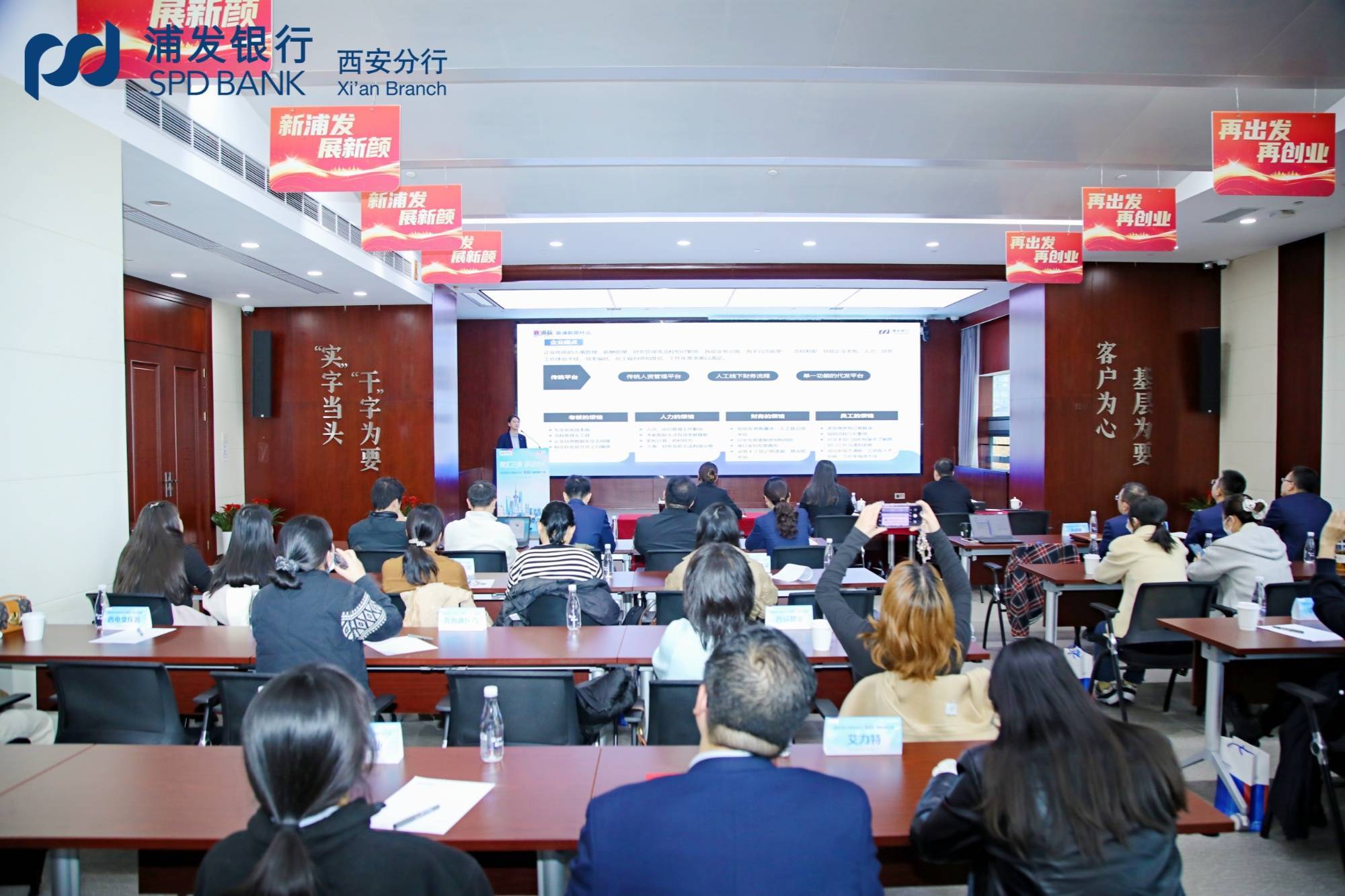
浦发银行西安分行举办“智汇三秦·薪动未来”靠浦薪代发超级系统焕新推介会
Sou Hu Cai Jing· 2025-11-18 00:12
Core Insights - The event "Intelligent Gathering in Sanqin: Future of Salary Distribution" was held by SPD Bank Xi'an Branch, focusing on the new paths for digital transformation in enterprises through bank-enterprise collaboration [1][4] - SPD Bank launched a comprehensive one-stop human resources salary service platform called "KaoPuXin," marking a significant shift in its customer service model and establishing itself as a strategic benchmark for digital transformation in banking [1][4] Summary by Sections Product Features - "KaoPuXin" addresses complex payroll processes and information security concerns by focusing on customer needs, offering modules for salary distribution, human resource management, financial cost control, and comprehensive financial support for employees [4][5] - The system streamlines the entire employee lifecycle management, including onboarding, electronic contracts, position changes, and salary calculations, enhancing efficiency and reducing manual errors [5][6] Strategic Value - The intelligent salary distribution feature of "KaoPuXin" not only simplifies processes but also provides management value through data-driven insights, improving payroll efficiency and security [6][7] - The system integrates various functions such as salary calculation, payment, and card issuance, allowing for a seamless payroll experience and reducing preparation time for managers [6][7] User Experience and Ecosystem - "KaoPuXin" emphasizes user experience by creating a collaborative financial ecosystem that addresses the needs of personnel, finance, and operations, enhancing overall efficiency [7] - SPD Bank is focusing on building a "super platform, super products, and super systems" as part of its digital strategy, aiming to enhance market competitiveness and brand influence in the Sanqin region [7]

一线调研 “现代化产业体系”怎么建
Zhong Guo Qing Nian Bao· 2025-11-17 23:04
Group 1 - The core focus of the article is on the development of a modern industrial system in China during the "14th Five-Year Plan" period, emphasizing the integration of technological and industrial innovation to strengthen the real economy [9][10][12] - The article highlights the importance of traditional industries, such as steel and pharmaceuticals, in driving economic growth and their ongoing transformation through digitalization and automation [12][13][14] - The article mentions that since 2016, companies like Hunan Huazhong Steel have been implementing smart manufacturing solutions, resulting in significant efficiency improvements, such as reducing the steel slab rotation time from 6.7 seconds to 3.93 seconds [12][13] Group 2 - The article discusses the emergence of new and future industries, particularly in sectors like renewable energy, aerospace, and low-altitude economy, as part of the strategic focus for the "14th Five-Year Plan" [15][16] - Companies like Hidi Intelligent Driving Technology are capitalizing on market demands for automation in hazardous environments, such as mining, with significant policy support driving growth in this sector [16][18] - The article notes that the humanoid robot market in China is expected to reach approximately 870 billion yuan by 2030, indicating rapid growth in the robotics sector [17] Group 3 - The article emphasizes the need for collaborative innovation among government, enterprises, and research institutions to create a conducive environment for the development of a modern industrial system [19][20] - It highlights the establishment of over 230 excellent smart factories and 1,260 5G factories in China since the beginning of the "14th Five-Year Plan," showcasing the country's commitment to advancing its manufacturing capabilities [13][19] - The article points out that the value added by the "new economy" is projected to exceed 18% of GDP by 2024, indicating a significant shift towards new industries and business models [18][22]




纺织用“巧手” 火箭有“慧心”(迈向“十五五”的创新图景)
Ren Min Ri Bao· 2025-11-17 22:01
Group 1 - The core viewpoint emphasizes the necessity of technological transformation and digitalization in traditional industries to enhance competitiveness and efficiency [2][3] - The company Wuxi Cotton Textile Group has implemented intelligent inspection and connection robots to address production challenges, improving efficiency and product quality [2][3] - The digital transformation has led to a reduction in labor intensity by 30%, a decrease in production costs by 11%, and an increase in production efficiency by 15% [3] Group 2 - The high-end textile industry cluster in Wuxi has surpassed a scale of 200 billion yuan, driven by intelligent, green, and integrated development [3] - The aerospace sector, represented by Deep Blue Aerospace, is utilizing 3D printing technology for manufacturing rocket engines, significantly reducing costs and delivery times [3] - The upcoming attempt for in-orbit recovery of rockets could lower launch costs by over 70%, with the potential for the Wuxi base to produce 10 liquid launch vehicles and 100 rocket engines annually, generating over 3 billion yuan in revenue [4]