情绪价值

Search documents
亲爱的你需要哭出来,为什么说男性更需要情绪价值
Hu Xiu· 2025-07-11 07:39
Core Viewpoint - The article discusses the emotional value and its significance in relationships, particularly focusing on the male perspective and the societal expectations that discourage emotional expression [1][15][21]. Group 1: Emotional Value in Relationships - Emotional value is often overlooked by men, who may not see the worth in providing emotional support or connection [10][12]. - The article suggests that men tend to avoid expressing their emotional needs due to societal pressures that equate vulnerability with weakness [13][15]. - Women, in contrast, are portrayed as more adept at expressing their emotional needs and seeking support from friends and family, which contributes to their overall well-being [17][18]. Group 2: Consequences of Ignoring Emotional Needs - Ignoring emotional needs can lead to various physical and mental health issues, such as sleep disorders and emotional numbness [21][24]. - The article highlights that a lack of emotional connection can result in a "robotic" existence, where individuals function without genuine emotional engagement [25][26]. - The importance of maintaining emotional connections is emphasized, as it contributes to a fulfilling life and better relationships with others [27][28].
Z 世代妈妈消费观:为情绪价值买单
Sou Hu Cai Jing· 2025-07-11 05:26
Group 1 - The core viewpoint is that Generation Z mothers prioritize self-care alongside parenting, breaking traditional norms of self-sacrifice in motherhood [3][12][13] - Generation Z mothers are characterized by a strong individual consciousness, emphasizing the balance between caring for their children and themselves [3][11] - Emotional value is a significant factor in their consumption decisions, with a focus on products that enhance their quality of life and provide emotional satisfaction [4][12][13] Group 2 - Skincare and makeup have become essential parts of daily consumption for Generation Z mothers, with a preference for natural and safe products [4] - When selecting products for their children, these mothers exhibit a detailed approach, prioritizing health and ergonomic designs, such as lightweight backpacks that support spinal health [4][12] - The rise of social media platforms has transformed how Generation Z mothers seek parenting information and share experiences, creating a community for emotional support and product recommendations [11][12] Group 3 - Generation Z mothers are rational consumers who emphasize quality and safety over brand loyalty, often conducting thorough research before making purchases [12][13] - Over 70% of consumers prioritize safety and quality in their purchasing decisions, with significant attention given to product performance and reputation [12] - This unique consumer behavior is influencing the development trends in the maternal and infant market, prompting businesses to innovate and cater to the diverse needs of these mothers [13]


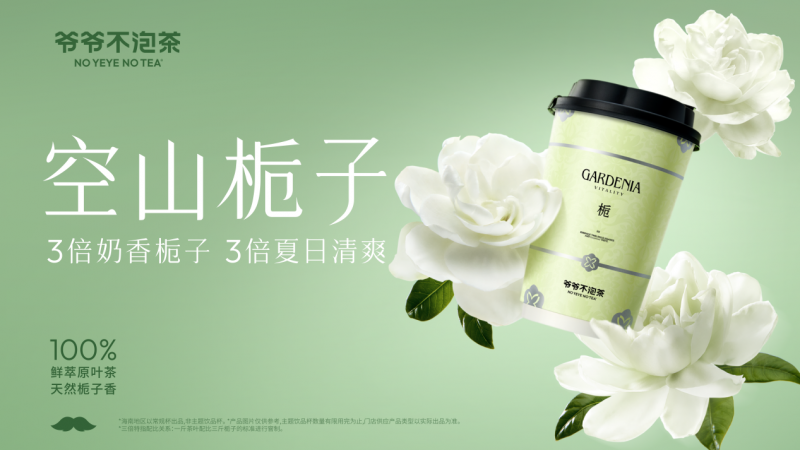
行业增速第一!爷爷不泡茶为啥受奶茶创业者青睐
Cai Fu Zai Xian· 2025-07-11 03:08
Core Insights - The "light entrepreneurship" model, exemplified by opening milk tea shops, is increasingly popular among young people, particularly those born in the 1990s and 2000s, due to their deep understanding of consumer preferences in this sector [1][3] - Young entrepreneurs often lack mature business experience, leading many to choose to franchise established milk tea brands, which can provide a more structured path to success [1][3] Industry Trends - The best franchise opportunities are not necessarily with the current market leaders but with brands that have significant future growth potential, allowing young franchisees to grow alongside the brand [3][4] - "爷爷不泡茶" (Grandpa Doesn't Brew Tea), a brand from Wuhan, is projected to be the fastest-growing milk tea brand in 2024, with plans to open over 1,000 new stores, representing an 8-fold increase in scale [3][4] Brand Development - Successful milk tea brands typically undergo three major tests: opening franchises, surpassing 1,000 stores, and achieving an annual franchise increase of over 1,000 stores, indicating a strong growth trajectory [4] - "爷爷不泡茶" has already surpassed 2,500 stores by mid-2025, with a significant increase in new store openings, confirming its rapid expansion [4] Marketing and Consumer Engagement - Brands with a "viral" effect can attract attention, but the key to sustained growth lies in the differentiation of their flagship products [6][9] - "爷爷不泡茶" combines traditional tea culture with innovative products, such as the "Lychee Ice Brew," which has become a top seller, demonstrating the importance of product uniqueness in maintaining market interest [6][9] Target Audience Understanding - Effective marketing strategies that resonate with young consumers are crucial for success in the competitive tea market [8][9] - "爷爷不泡茶" has successfully engaged with young consumers through targeted marketing campaigns, such as a recent initiative that provided free drinks to graduates, which resonated well with the target demographic [8][9]

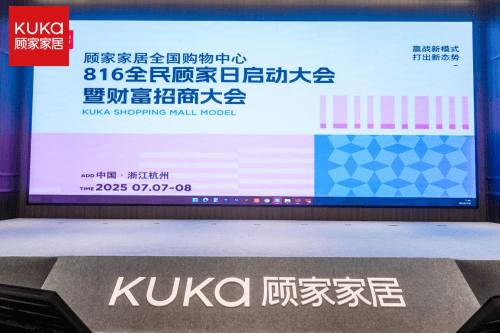
顾家家居全国购物中心816启动大会暨财富招商大会启幕
Sou Hu Cai Jing· 2025-07-11 00:59
Core Insights - The conference focused on the strategic transformation of shopping center channels in the home furnishing industry, emphasizing growth paths through trend insights, product innovation, model validation, and ecological empowerment [1][3] - The home furnishing industry is undergoing significant restructuring, with shopping centers emerging as a key entry point for new growth due to their unique advantages [3][4] - The theme of the conference was "Winning New Models, Creating New Situations," gathering over 200 dealer representatives to explore replicable business models and differentiated product matrices [3][4] Trend Analysis - The conference highlighted the shift in consumer behavior towards quality and emotional value, with emotional value driving 77.8% of consumer decisions, indicating a move from problem-oriented to meaning-oriented consumption [4][6] - The offline retail sector is rapidly transitioning towards an experience economy, with consumers favoring immersive shopping experiences over traditional display models [6][7] - The demand for "healing bedrooms" and "social living rooms" is increasing, particularly among younger female consumers [9][11] Product Strategy - The shopping center is redefining its role as a "lifestyle proposal officer," focusing on emotional needs rather than just product sales [13][14] - The product strategy emphasizes three dimensions: product strength, scene strength, and story strength, aiming to create immersive living situations [14][16] - New product launches are centered around lifestyle proposals, with specific designs catering to consumer preferences for comfort and aesthetics [16][18] Operational Model - The shopping center model is characterized by "light investment and light operation," allowing for high profitability and growth potential [18][20] - The operational strategy includes leveraging community engagement and multi-store layouts to maximize customer flow and sales [22][23] - The integration of home furnishings and appliances in shopping centers is seen as a key to achieving high customer traffic and sales [23] Ecological Reconstruction - The company is focusing on integrating resources from various sectors to enhance its competitive edge in shopping centers [24][26] - A digital transformation strategy is being implemented to improve retail efficiency and customer engagement through online and offline resource integration [26] - The conference underscored the shift from single product sales to lifestyle operation, indicating a broader trend in the home furnishing industry towards user-centric growth strategies [26]

护肤行业的“功效叙事”,隐忧渐显
Hu Xiu· 2025-07-10 02:09
Core Insights - The skincare industry is experiencing intense competition in technology, with numerous suppliers showcasing unique ingredients and certifications at a recent cosmetics trade show [1][2][3] - The trend of emphasizing active ingredients and technical claims on product packaging is prevalent, as brands seek to carve out market positions by replicating successful commercial models [4][5] - The lack of authoritative industry standards and clarity on ingredient efficacy is causing confusion and skepticism among consumers [6][7][8] Group 1: Active Ingredients and Technology Trends - Active proteins and plant extracts remain core competitive areas in the skincare industry, with leading brands continuing to invest heavily in research and development [10][11] - The popularity of active proteins is driven by their previous applications in medical and aesthetic fields, which lend credibility to their use in consumer products [15][20] - New technologies in plant extraction are emerging, aiming to address traditional challenges such as stability and absorption rates [18][19] Group 2: Marketing and Industry Challenges - The rapid iteration of core ingredients in domestic beauty brands has outpaced normal industry evolution, leading to communication gaps between technology, products, and consumers [22][23] - The absence of unified national standards for new ingredients has resulted in market confusion and potential harm to consumers [24][26] - Overemphasis on marketing claims has led to exaggerated efficacy narratives, causing consumer dissatisfaction and adverse reactions [30][31][33] Group 3: Future Directions and Brand Strategies - The skincare industry is entering a period of deep adjustment, with competition shifting from ingredient-based to ecosystem-building capabilities [37][39] - Brands must find new competitive advantages beyond ingredient efficacy, such as emotional value and consumer experience [41][42] - The rise of niche markets, including male skincare and elderly care, presents new opportunities for growth and diversification [48][49]


八成受访消费企业今年拟引入或加大AI技术应用
Nan Fang Du Shi Bao· 2025-07-09 23:10
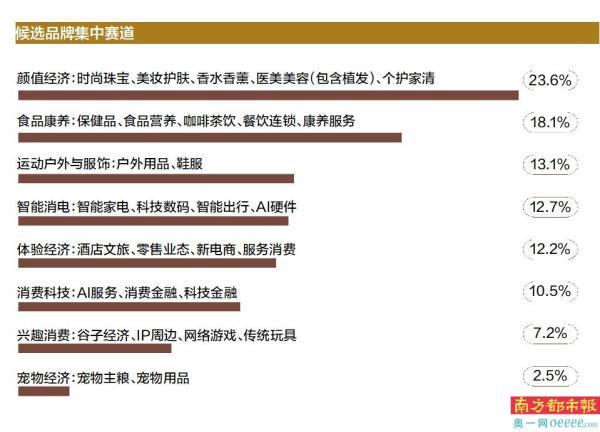
Core Insights - The "2025 High-Quality Consumption Brand TOP 100" list is being unveiled, highlighting trends in consumer behavior and brand innovation across various sectors [9] - The report identifies four major trends: health consciousness driving wellness and sports consumption, AI enhancing product and service upgrades, novel experiences igniting consumer enthusiasm, and emotional value unlocking new consumption scenarios [9] Group 1: Candidate Brands and Market Trends - Candidate brands are concentrated in nine primary sectors, including beauty economy, health food, outdoor sports, smart electronics, experience economy, consumer technology, interest consumption, and pet economy [10] - The health and wellness sector is seeing significant growth, with brands focusing on outdoor sports and health products, driven by a national initiative promoting weight management [11] - AI technology is becoming a core competitive advantage in high-end home appliances, with brands integrating AI features into their products [11] Group 2: Brand Age and Distribution - Over 70% of candidate brands were established within the last 30 years, with nearly 40% founded within the last 10 years, indicating a trend towards newer brands [13] - Shanghai has the highest concentration of candidate brands, with a significant presence of foreign brands, while Beijing is recognized for its consumer technology brands [14][15] Group 3: Emerging Consumption Trends - The demand for functional skincare products is rising, with brands focusing on specific skin issues and leveraging e-commerce for sales growth [16][17] - Outdoor sports consumption is becoming more segmented, with traditional apparel brands entering the market to capture this growing trend [18] - The concept of "new Chinese wellness" is gaining traction, with brands emphasizing health and wellness in their product offerings [20] Group 4: Cultural and Global Expansion - Companies are increasingly looking to expand internationally, with a focus on brand, culture, and service exports, adapting to global market demands [25][26] - The "AI + consumption" trend is reshaping the consumer landscape, with businesses planning to integrate AI technologies into various aspects of their operations [27][28]
具身智能最先跑出的“杀手级产品”或许是陪伴机器人
3 6 Ke· 2025-07-09 08:34
Core Insights - The core value of companion robots lies in their ability to understand emotional needs and provide emotional value, which is essential for consumer engagement and market penetration [2][3][10] - The market for AI companion robots is expected to grow significantly, with projections indicating an increase from $28.19 billion in 2024 to $140.75 billion by 2030, reflecting a compound annual growth rate of 30.8% [12] - The industry is currently in its early stages, with a lack of consensus on what constitutes an excellent companion robot, highlighting the need for a benchmark company to set standards [3][11] Market Dynamics - There is a strong demand for companion robots, driven by emotional value, with companies like Fuzozo achieving significant sales milestones, such as over 1,000 orders in just 10 minutes during a pre-sale event [2][3] - The competitive landscape is intensifying, with various players, including established tech companies and startups, entering the market to capture the emerging opportunities [2][6][18] - The target demographic for companion robots primarily includes young women and children, with a focus on emotional engagement rather than purely functional attributes [4][9][10] Product Development - Companion robots are evolving to prioritize emotional intelligence over technical capabilities, with features like active interaction and personality development becoming key selling points [21][23] - Companies are exploring the integration of companion robots into broader consumer ecosystems, enhancing their value through social engagement and subscription models [26] - The challenge remains in aligning product features with genuine user needs, as emotional companionship is a nuanced and often intangible requirement [16][25] Future Outlook - The industry is awaiting a transformative player, akin to "Yuzhu Technology," to redefine consumer perceptions and establish a clear market leader [18] - As the market matures, the competition will shift from basic functionality to a deeper understanding of emotional value, determining the success of companion robots [26][27] - The potential for companion robots to serve as central hubs in smart home ecosystems is being recognized, indicating a shift towards multifunctional roles in consumer technology [26]


年轻人买房,只买“树景房”
Sou Hu Cai Jing· 2025-07-07 14:06
Core Viewpoint - The trend of "tree view houses" is gaining popularity among young buyers as they prioritize emotional value and living experience over traditional investment considerations in the current real estate market downturn [1][21]. Group 1: Market Trends - The decline in housing prices has shifted the perception of home buying from an investment to a consumption choice, leading to increased interest in tree view houses [1][21]. - Young buyers are increasingly drawn to tree view houses, which are typically located on lower floors and offer a connection to nature, despite potential drawbacks like poor lighting and noise [6][15]. - The concept of tree view houses has emerged in recent years, contrasting with previous preferences for high-rise buildings, indicating a shift in buyer priorities [12][14]. Group 2: Buyer Behavior - Buyers like Su Na and Jiang Lan have made emotional decisions based on the aesthetic appeal of tree view houses, often overlooking traditional factors such as orientation and ventilation [2][7][19]. - Many young buyers express a strong emotional connection to their homes, often describing the moment they decided to purchase as being "struck" by the view [6][19]. - The desire for a natural environment is reflected in the choices of buyers, who are willing to compromise on other factors to secure a home with a pleasing view [15][22]. Group 3: Market Perception - Despite the appeal of tree view houses, their market value remains ambiguous, with many buyers acknowledging that they are paying a premium for the emotional experience rather than tangible investment returns [11][19]. - Real estate agents note that while there is a growing interest in tree view houses, they do not command the same price premiums as more traditional desirable properties like school district or waterfront homes [11][12]. - The emotional value associated with tree view houses is becoming a significant factor in purchasing decisions, reflecting a broader cultural shift towards valuing lifestyle and well-being [17][22].

为什么日本女性宁愿负债也要找牛郎?
虎嗅APP· 2025-07-06 13:23
Core Viewpoint - The article discusses the plight of young women in Japan, focusing on how their choices are being restricted and how they are increasingly drawn into cycles of debt and emotional dependency through consumerism and entertainment [4][12][22]. Group 1: Social Issues and Trends - A notable increase in young women engaging in illegal activities, such as sex work, is linked to their emotional needs and desires for entertainment rather than just poverty [4][9]. - The phenomenon of "Higashi-Yoko Children" in Tokyo highlights the loneliness and social isolation faced by many young people, leading them to seek solace in shared interests, which can sometimes lead to harmful behaviors [9][10]. - The rise of "Oni-Kan" (male hosts) in nightlife has created a toxic environment where women are encouraged to spend beyond their means, often leading to debt and exploitation [12][13]. Group 2: Economic and Cultural Context - The economic stagnation in Japan has resulted in a shrinking consumer base of financially stable women, while the number of men seeking quick money through nightlife has increased, leading to fierce competition among male hosts [12][14]. - The traditional gender roles in Japan continue to persist, with women often being socialized to prioritize family over career, which limits their economic independence [17][22]. - The entertainment industry has capitalized on the emotional needs of women, creating a culture where they are encouraged to indulge in fantasies and consumerism, often at the expense of their financial stability [20][22]. Group 3: Psychological and Emotional Impacts - The article emphasizes that the emotional value derived from entertainment and consumerism can lead to addiction-like behaviors, where the initial joy diminishes over time, resulting in a cycle of dependency [4][28]. - Young women are often caught between conservative societal expectations and progressive ideals, leading to confusion about their roles and desires, which can exacerbate their struggles [25][26]. - The lack of attention to the mental and emotional well-being of lower-class women in Japan reflects a broader societal neglect, leaving them vulnerable to exploitation [18][19].

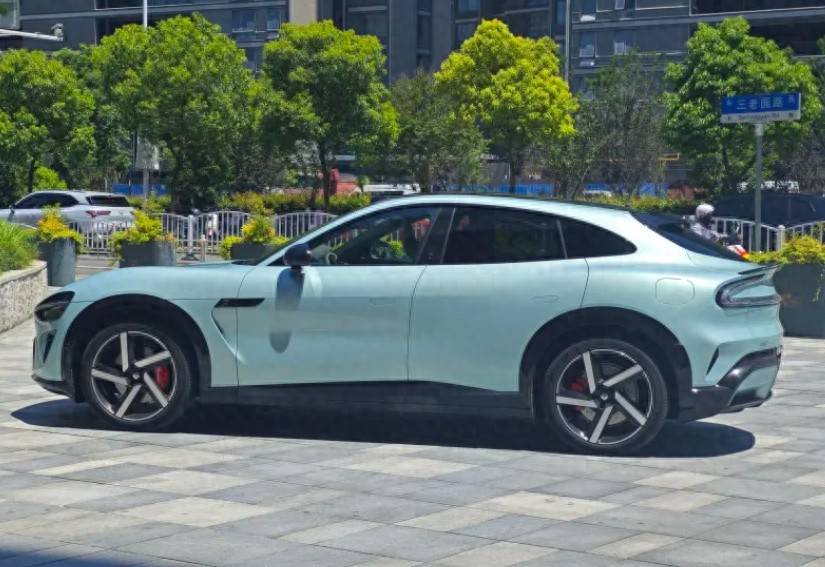
建议车企CEO,别忙着找小米汽车的茬,先看100遍雷军YU7发布会
Sou Hu Cai Jing· 2025-07-06 03:12
自从小米YU7爆单后,关于小米的各种舆论风暴就这么猝不及防地来了。比如什么车规级纸巾盒,消费级芯片,还有零重力座椅卡腿等等,反正完美的 诠释了什么叫做"人红是非多"。 我相信,后续肯定还会有各种黑料出来的,商战嘛,从来就是这么朴实无华,不过就是找对方茬嘛,找到一个算一个,没找到就创造几个嘛。 不过,要我说,建议车企CEO们,先别忙着找小米汽车的茬,先看100遍雷军的YU7发布会,我觉得这个比找茬有意义多了。 大家首先要搞明白的,YU7为什么会这么火,大家要寻找YU7的优点,而不是放大YU7的缺点。 没有任何一款车是完美的,别管你是几千万的劳斯莱斯,还是几百万的宾利,保时捷,都是这样的,所以说YU7没有缺点是不可能的,消费者当然也清 楚YU7的缺点,那为何还愿意买呢? 事实上,对于一款20-30万的车,本身的优点已经是非常多了,并且各大竞品在一些关键参数等上面,也是大差不差的,不会有太多的区别,什么充电、 续航、加速,甚至智驾,这些很重要,但并不能拉开真正的大差距。 区别就在于那些关乎日常舒适性和便利性的细节,比如全车8个磁吸点、比如带电的螺丝接口,比如更大带美颜的化妆镜,比如座椅下的小抽屉,比如可 变色的天幕 ...