
价格战

Search documents
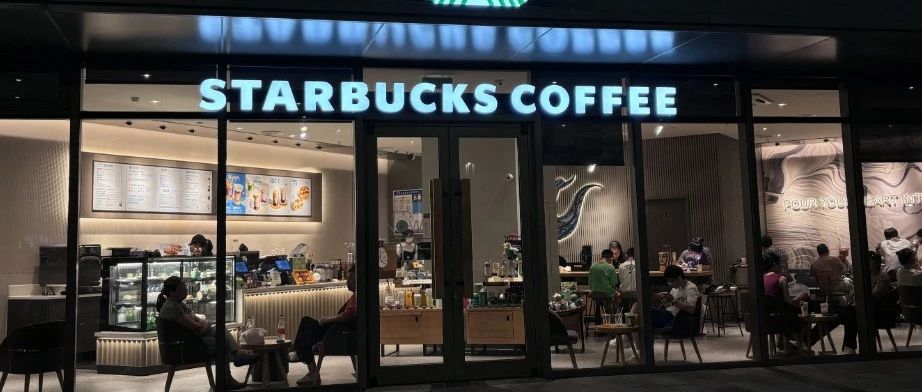
星巴克的腰,终于被“穷鬼年轻人”压弯了
商业洞察· 2025-06-20 09:24
Core Viewpoint - Starbucks China has announced its first large-scale price reduction in over 20 years, aiming to enhance its competitiveness in the non-coffee beverage market while facing increasing pressure from local competitors [4][5][12]. Group 1: Price Reduction Strategy - Starting June 10, Starbucks will reduce prices on several key products, including Frappuccinos, iced teas, and tea lattes, with an average price drop of around 5 yuan [5][20]. - Despite the price cuts, the response from consumers has been lukewarm, with many expressing disappointment and feeling that the reductions were insufficient [9][12]. - The price reduction comes after Starbucks has experienced ten consecutive quarters of declining sales, indicating that pricing has become a significant weakness for the brand [12][13]. Group 2: Competitive Landscape - The coffee market in first and second-tier cities is nearing saturation, while third and fourth-tier cities are seeing significant growth, with coffee orders in these areas increasing by over 250% year-on-year [26][29]. - Competitors like Kudi Coffee and Luckin Coffee are aggressively pursuing market share with low-price strategies, further pressuring Starbucks to adapt [23][30]. - The emergence of brands like Bawang Chaji, which has successfully positioned itself as a competitor to Starbucks, highlights the increasing competition in the beverage market [30][32]. Group 3: Market Positioning and Consumer Behavior - Bawang Chaji has adopted a strategy that closely mirrors Starbucks, targeting prime locations and offering a similar customer experience, but at lower prices [44][56]. - The brand has achieved impressive sales figures, with a single product generating over 10 billion yuan in revenue, showcasing its rapid growth and market acceptance [50][59]. - Starbucks faces challenges in maintaining its "third space" concept as local brands offer similar amenities at more affordable prices, leading to a shift in consumer preferences [77][81]. Group 4: Future Strategies - To regain market share, Starbucks must rethink its approach beyond mere price reductions and consider strategic partnerships, similar to competitors who have successfully leveraged alliances for growth [66][72]. - The company needs to enhance its value proposition and customer experience to compete effectively in a market that has become increasingly price-sensitive and competitive [81][83].


某头部电池厂电池箔加工费大幅下降?
鑫椤锂电· 2025-06-20 09:01
Core Viewpoint - The battery foil market is experiencing significant changes due to price reductions driven by suppliers and competitive pressures from emerging players [3][4][5]. Group 1: Price Changes and Market Dynamics - A major battery manufacturer has implemented a price reduction of 600-800 RMB per ton for battery foil processing fees, contrary to earlier rumors of a larger decrease [3]. - The price war initiated by the battery manufacturer has led to a rapid recovery in orders for the traditional supplier, with production rates increasing significantly in June [5]. - The market is characterized by high customer concentration, leading to continuous cost-cutting demands and a downward trend in processing fees [10]. Group 2: Supply Chain and Capacity Utilization - As of Q1 2025, the overall market capacity utilization rate was 63%, with an expected increase of 9 percentage points to 72% in Q2 [7]. - Despite a loose supply-demand balance, total capacity is projected to grow each quarter throughout 2025, indicating ongoing investment in the battery foil market [9]. - The market remains dominated by a few strong players, with Ding Sheng New Materials holding nearly 30% of the capacity as of Q1 2025 [5]. Group 3: Competitive Landscape - Some suppliers are using price cuts as a strategy to gain market share and push competitors out, but the substantial profits accumulated during the market boom from 2021 to 2023 provide resilience against exit [12].

苹果“背水一战”,iPhone成618手机销量王
3 6 Ke· 2025-06-19 12:49
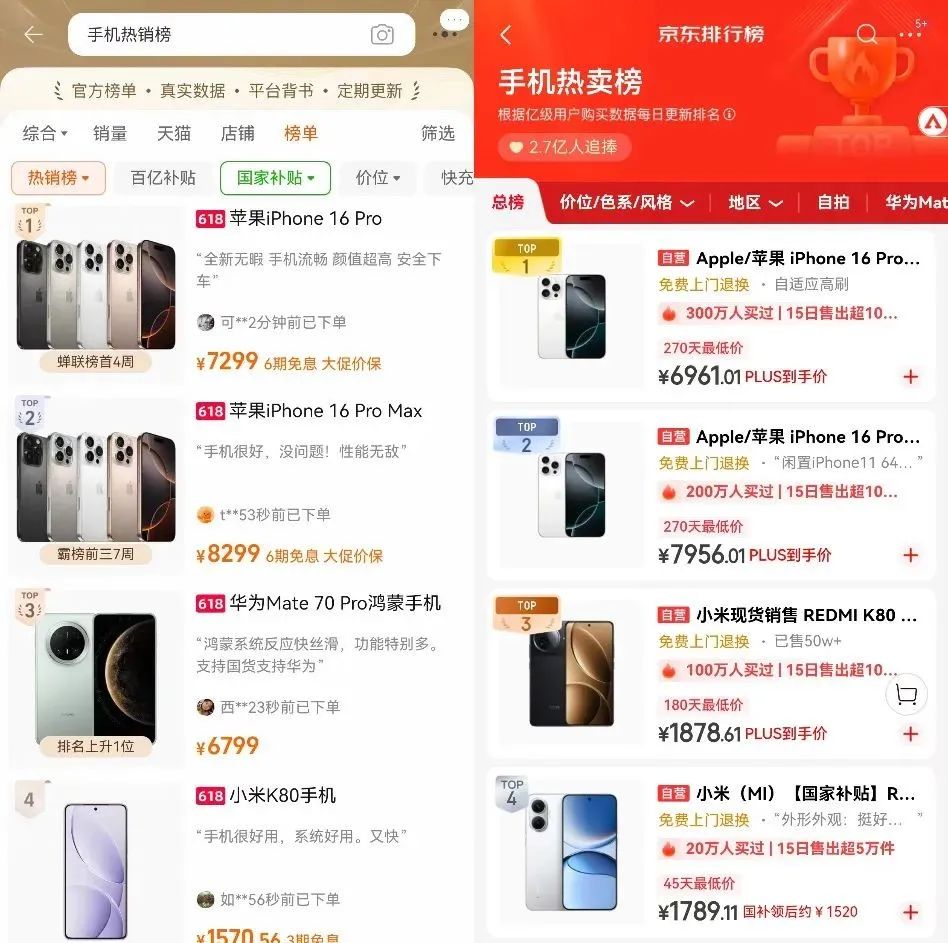
Core Insights - The iPhone 16 Pro and iPhone 16 Pro Max topped the sales charts on major platforms like JD and Tmall during the 618 shopping festival, indicating strong consumer demand despite previous sales challenges in China [1][4]. Sales Performance - Apple regained the top spot in smartphone sales in China as of May, with a global sales increase of 15% year-over-year in April and May, primarily driven by recovery in its largest markets, China and the U.S. [3] - In the Greater China region, Apple reported a revenue of $15.033 billion for Q4 FY2024, a slight decline of 0.34% year-over-year, and an annual revenue of $66.952 billion, down 7.73%, marking it as the only region with negative growth [3]. Pricing Strategy - Apple implemented significant price reductions for the iPhone 16 series, with discounts exceeding 2,600 yuan on various models, aimed at boosting sales during the 618 event [6][10]. - The pricing strategies varied across platforms, with Tmall offering the most competitive prices, such as the iPhone 16 Pro Max 256GB at an estimated price of 7,408 yuan after discounts [6][8]. Market Dynamics - The aggressive pricing strategy is seen as a move to clear inventory and restore consumer confidence, with Apple having previously adjusted prices ahead of major sales events [10]. - Morgan Stanley maintained an "overweight" rating on Apple, projecting a revenue increase of up to $4 billion in Q2 due to strong sales during the 618 festival and government subsidies [11]. Production and Future Outlook - iPhone production is expected to reach 46.5 million units in Q2, a 19% increase year-over-year, with iPad production also showing significant growth [11]. - Despite the strong demand in Q2, there are concerns that sales growth may slow down post-618, and Apple's production in India is projected to increase significantly by 2025 [13]. Competitive Landscape - Apple faces challenges from domestic brands in areas such as AI photography and system integration, which may impact its market position [14]. - The company appears to be adopting a more pragmatic approach in the Chinese market, balancing promotional strategies with the need for innovation [14].

影石的三大追问
雷峰网· 2025-06-19 12:08
Core Viewpoint - The article discusses the competitive landscape between Insta360 and DJI, highlighting the challenges Insta360 faces post-IPO and the strategies it employs to maintain its market position against DJI's aggressive tactics [2][3][14]. Group 1: Company Overview and Market Position - Insta360's market capitalization surged to nearly 80 billion yuan after its IPO, reflecting investor optimism despite the competitive pressures from DJI and other rivals [2]. - The company has undergone significant organizational restructuring to adapt to its growth and the competitive landscape, particularly in the panoramic camera segment [2][3]. - Insta360's current market share in the panoramic camera segment is projected to be 81.7% in 2024, with DJI expected to capture around 20% [16]. Group 2: Competitive Strategies - Insta360 has adopted a proactive approach by launching the Insta360 X5 ahead of schedule, reducing the product cycle from two years to one year [5]. - The company has significantly increased its marketing budget for the X5, utilizing various channels and KOLs to enhance brand recognition and consumer awareness [6][11]. - In contrast, DJI has historically been hesitant to invest heavily in marketing but has recently ramped up its efforts in response to the competitive threat posed by Insta360 [10][12]. Group 3: Product Development and Innovation - The Insta360 X5 features an upgraded 1/1.28-inch CMOS sensor, improving low-light performance and addressing issues seen in previous models [11][12]. - DJI's upcoming Osmo 360 is expected to face challenges in matching the performance of the X5 due to its current sensor specifications [12][13]. - Insta360's strategy focuses on continuous product innovation rather than engaging in price wars, which is seen as a more sustainable approach in the long term [26][27]. Group 4: Financial Valuation and Market Expectations - The current price-to-earnings (PE) ratio of 70 for Insta360 is considered excessive by some investors, with a more reasonable range suggested to be between 20-30 [15]. - Despite the high PE ratio, it reflects market confidence in Insta360's potential to navigate the competitive landscape effectively [15]. - The financial disparity between DJI and Insta360 is significant, with DJI's annual profits exceeding 10 billion yuan compared to Insta360's approximately 1 billion yuan [17][25]. Group 5: Management Perspective and Future Outlook - Insta360's management emphasizes the importance of product quality and innovation over price competition, aiming to avoid the pitfalls of a price war [26][27]. - The company is focused on expanding its product lines and enhancing its organizational structure to better compete in a rapidly evolving market [28]. - The entry of DJI into the panoramic camera market is viewed as a double-edged sword, potentially expanding the overall market while also intensifying competition [22].

大摩周期闭门会议:金融,汽车,房地产,航运行业更新
2025-06-19 09:47
Summary of Conference Call Notes Industry or Company Involved - **Shipping Industry** [19] - **Automotive Industry** [7] - **Real Estate Industry** [28] Core Points and Arguments Shipping Industry Insights - Recent geopolitical tensions in the Middle East have led to significant fluctuations in oil prices, impacting the shipping industry [19] - Three scenarios for oil prices were discussed: 1. Return to $60 per barrel if production stabilizes 2. A significant drop in Iranian oil production could push prices to $75-$80 per barrel 3. A low-probability event of the closure of the Strait of Hormuz [20] - The shipping industry is expected to benefit from a reduction in the transportation of sanctioned oil, which has previously depressed compliant shipping demand [22] - The outlook for oil shipping remains positive due to OPEC's increasing production plans, which will support transportation demand [23] - Recent increases in oil shipping rates were noted, with VLCC rates from the Middle East to East Asia rising from over $20,000 to $50,000 [24] Automotive Industry Developments - In May, the automotive industry saw a 6% month-over-month growth, with a total of approximately 1 million vehicles sold [8] - New energy vehicles (NEVs) experienced over 40% growth, with cumulative sales reaching 5.3 million units [9] - The market is cautious about the upcoming months, with expectations of a potential decline in sales during the traditional off-peak season [10] - A recent meeting among government officials and car manufacturers aimed to address aggressive price competition in the market [12] - Concerns about a 60-day payment term for suppliers could impact cash flow and financing needs for car manufacturers [16] Real Estate Industry Analysis - The company "华人之地" has received positive feedback on its report regarding commercial asset separation and capital recycling to support profit growth [28] - The company has outperformed peers in market share growth despite macroeconomic challenges, achieving a 5% growth in market share last year [29] - Concerns were raised about the impact of the real estate downturn on development profits, with predictions of a 10-15% decline in development profit margins for 2025 and 2026 [30] - The company is positioned to benefit from the gradual stabilization of housing prices in major cities, which could improve profit margins [31] - The potential for value re-evaluation is expected in three phases, with the first phase already showing an increase in stock price and forward P/E ratio [32][33] Other Important but Possibly Overlooked Content - The shipping industry is facing a cautious outlook for container shipping due to supply overhang and trade disputes, with only a 3% impact from Middle Eastern tensions [25][26] - The automotive sector is experiencing a competitive pricing environment, with manufacturers needing to balance sales targets and inventory management [14][15] - The real estate sector's transition to asset management is seen as a long-term strategy, with expectations for increased dividend payout ratios and operational profit contributions [34][35]
20万的BBA,不能再降了
创业邦· 2025-06-19 03:16
Core Viewpoint - The article discusses the significant price reductions of the "34C" models (BMW 3 Series, Audi A4L, and Mercedes-Benz C-Class) amidst a price war in the automotive industry, highlighting the challenges and implications for luxury brands in maintaining their market position and brand value [3][29]. Group 1: Price Reductions and Market Dynamics - The "34C" models have seen their prices drop below 200,000 yuan, with some models like the Mercedes-Benz C200L being quoted as low as 167,400 yuan in Beijing [8][4]. - The price cuts are most pronounced for the Mercedes-Benz C-Class, which has seen its prices nearly halved compared to the original MSRP [7][8]. - Audi A4L's entry-level model has also dropped below 200,000 yuan, with some regions reporting prices as low as 180,000 yuan, although high-end models remain above 230,000 yuan [14][15]. - BMW is facing challenges with sales despite price reductions, as consumers prefer higher-powered models like the 330Li over the lower-priced 325Li [19][21]. Group 2: Sales Performance and Dealer Challenges - Sales figures for 2024 show a significant decline for the "34C" models, with Mercedes-Benz C-Class sales dropping by 16% and Audi A4L by 27% in 2025 [31]. - A majority of luxury car dealerships are struggling to meet sales targets, with 64.9% failing to achieve their goals in the first half of the year [32]. - The financial pressure on dealers has led to reports of dealership closures and ownership changes, indicating a challenging market environment [31][32]. Group 3: Brand Value and Consumer Perception - The aggressive price cuts risk diluting the brand value of BBA (BMW, Benz, Audi), as consumers may no longer perceive these brands as luxury options if prices continue to fall [30][29]. - The article notes that while consumers may enjoy lower prices, the long-term impact on brand perception could lead to decreased interest in high-end models [30][29]. - The shift in consumer preferences towards more technologically advanced and identity-affirming vehicles at similar price points poses a threat to BBA's market share [30][29]. Group 4: Strategic Responses and Future Outlook - In response to market pressures, BBA is focusing on reducing low-end product lines and enhancing their offerings with new models and technology [43][46]. - Audi is launching several new models in 2025, including the A5L and electric vehicles, to regain market traction [47][48]. - BMW and Mercedes are also collaborating with tech companies to improve their digital services and vehicle technology, aiming to enhance their competitive edge in the evolving market [49][51].
【新华财经调查】餐饮业“内卷”竞争如何破局?
Xin Hua Cai Jing· 2025-06-18 23:19
Core Viewpoint - The restaurant industry is experiencing intensified price wars, with many companies resorting to low-cost strategies to attract customers, leading to concerns about long-term profitability and sustainability [1][2][3]. Group 1: Price Wars and Market Dynamics - Many restaurant chains have engaged in a "9.9 yuan" price war, with various brands offering discounted items and meal sets to draw in customers [2][4]. - The competition has been exacerbated by a surge in new entrants to the restaurant sector, driven by low barriers to entry, resulting in oversupply and increased rivalry [4][5]. - Data indicates that the average dining order price has decreased by 10.2% while the number of orders has increased by 15.4% year-on-year [4]. Group 2: Financial Performance and Concerns - Companies like Xiaobububao have reported significant losses, with a 100.8% year-on-year increase in losses to 401 million yuan, alongside the closure of numerous outlets [3]. - The financial health of many listed companies is under scrutiny, as some rely heavily on franchise fees and product sales, with reports of declining customer traffic and revenue among franchisees [3][4]. Group 3: Consumer Trends and Competitive Strategies - There is a notable shift in consumer behavior, particularly in first-tier cities, where price sensitivity and value-for-money are becoming more prominent [6]. - The rise of food delivery platforms has intensified competition, leading to extreme price reductions, with some products being sold at unsustainable prices [6][7]. - Companies are encouraged to innovate and differentiate their offerings rather than engage in price competition, as this could harm brand image and profitability in the long run [7][8]. Group 4: Innovation and Differentiation - Some companies are exploring innovative strategies, such as collaborations with well-known brands and creating unique dining experiences to attract customers [8][9]. - Emphasis is placed on enhancing service quality and utilizing technology to improve operational efficiency and customer experience [9].
特斯拉下乡,宝马狂降18万,防晒衣不防晒,618你消费了啥?
Sou Hu Cai Jing· 2025-06-18 13:18
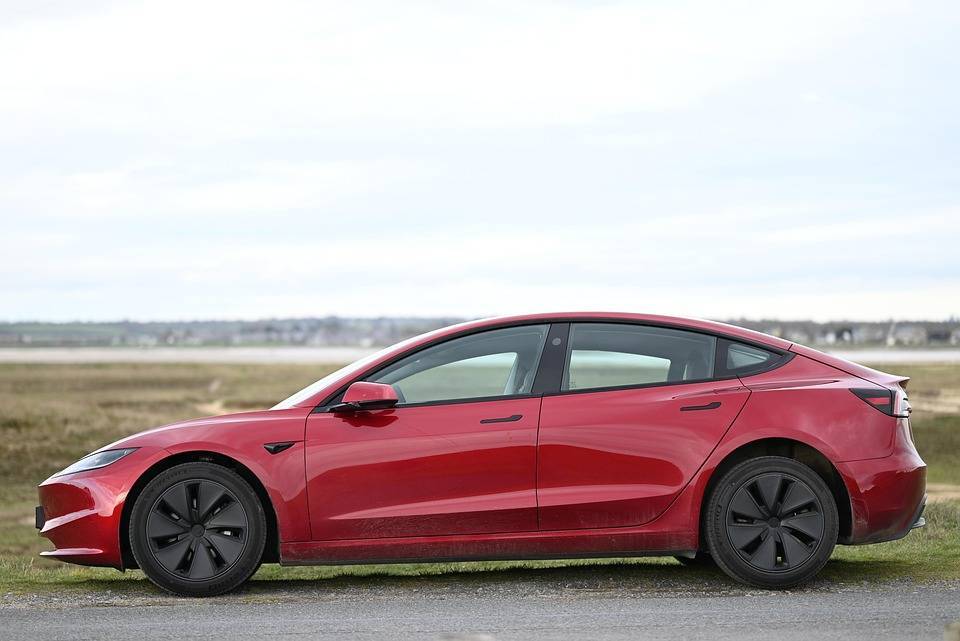
Group 1: Tesla and New Energy Vehicles - The Ministry of Industry and Information Technology, along with other government bodies, has launched a campaign for new energy vehicles to enter rural markets, with 124 models including Tesla's Model 3 and Model Y being selected [1] - Tesla's entry into the rural market is driven by increasing demand for quality, performance, and environmental attributes among rural consumers, supported by improved infrastructure and stable electricity coverage [1] - Tesla's pricing strategy aligns well with the needs of rural consumers, providing an attractive purchasing option and enhancing its competitive edge in this market [2] Group 2: Luxury Car Market Dynamics - The automotive industry is experiencing a price war, with traditional luxury brands like Mercedes-Benz and BMW facing declining sales, prompting them to seek partnerships with local Chinese companies [4][5] - In 2024, the combined global investment of luxury brands (BBA) is projected to exceed €35 billion (approximately ¥270 billion), indicating their commitment to maintaining competitiveness in the Chinese market [4] - The ongoing price reductions by luxury brands create challenges for new entrants in the automotive market, suggesting that the competition is far from over [5] Group 3: Consumer Trends and Product Categories - During the 618 shopping festival, sunscreen clothing emerged as a hot-selling category, with various subcategories being highlighted on e-commerce platforms [7] - The UPF (Ultraviolet Protection Factor) is a critical factor for consumers when purchasing sunscreen clothing, but the increasing number of small and unregulated manufacturers has led to inconsistent UPF labeling [7][8] - The high-end ice cream market in China is becoming increasingly competitive, with Häagen-Dazs facing challenges from brands like DQ, which offers lower prices and a larger number of stores [10] Group 4: Digital Transformation in E-commerce - Digital influencers have transitioned from being supplementary to primary figures in live-streaming sales, with a penetration rate exceeding 60% in the market [13] - JD.com's digital influencers have shown a significant impact on sales, with an average conversion rate increase of 30% during the 618 shopping festival [14] - The ability of digital influencers to operate continuously without downtime provides a competitive advantage in the e-commerce landscape [14] Group 5: Consumer Behavior and Market Impact - The national subsidy program has stimulated consumer spending in various categories, but its recent tapering has led to a split in consumer behavior, with some rushing to purchase before the subsidy ends [16][17] - The subsidy program has primarily benefited larger brands and distributors, exacerbating the market divide and impacting smaller players negatively [17] - The emotional consumption trend among younger consumers is driving significant market growth, with the emotional consumption market projected to reach ¥1.2 trillion this year [19]
调料生产日期“穿越”到未来,海底捞免罚?
Guan Cha Zhe Wang· 2025-06-17 11:46
Core Viewpoint - A consumer reported a food safety issue with Haidilao's product, leading to a complaint about false labeling of production dates, which has raised concerns about regulatory enforcement and food safety standards in the industry [1][3][4]. Group 1: Incident Overview - A consumer in Taiyuan purchased a Haidilao meal and found the packaging date of a condiment was later than the purchase date, leading to health issues [1][3]. - The local market regulatory authority stated that the incident fell under a "first violation no penalty" policy, which has been contested by the consumer [3][4]. Group 2: Regulatory Context - The Chinese Food Safety Law mandates that food labels must be truthful and accurate, with penalties for false labeling ranging from 50,000 to 100,000 yuan for violations involving products valued under 10,000 yuan [4]. - The regulatory authority's initial response indicated that the investigation was ongoing, and the final penalty results would be made public later [3][4]. Group 3: Company Response and New Initiatives - Haidilao claimed that the labeling error was due to a keyboard mistake and that the product's quality and storage conditions were compliant with regulations [4]. - In June 2023, Haidilao launched a new product line called "Xiafan Hot Pot Dishes" aimed at the single-serving market, with prices typically ranging from 30 to 40 yuan [4][5]. - The company is also expanding its service offerings with customized banquet services priced above 2,000 yuan, targeting various dining occasions [5]. Group 4: Market Dynamics - Haidilao's new product line is positioned to capture a significant market space, estimated to be between 5 billion to 10 billion yuan [5]. - The competitive landscape is intensifying, with other hot pot brands engaging in price wars, offering similar low-cost delivery options [5].


一线调查 | 多地暂停置换补贴 消费者抢搭“末班车”!车市“福利”缩水 车企年中冲量承压
Mei Ri Jing Ji Xin Wen· 2025-06-17 11:37
Core Viewpoint - The automotive replacement subsidy policy in several regions, including Zhengzhou and Luoyang, has been suspended, impacting consumer purchasing behavior and creating challenges for car manufacturers in achieving sales targets [1][2][3]. Group 1: Policy Changes - Zhengzhou and Luoyang have announced the suspension of the 2025 automotive replacement subsidy application, with the highest subsidy amount being 15,000 yuan for eligible users [1][2]. - The suspension is attributed to the depletion of subsidy funds, with the announcement indicating a pause rather than a termination of the program [2][3]. - Other regions, such as Chongqing and Shenyang, are also planning to suspend their automotive replacement subsidy applications, indicating a broader trend [3]. Group 2: Market Impact - The suspension of subsidies is expected to lead to increased consumer hesitation and a potential decline in vehicle sales, particularly affecting budget-conscious buyers [3]. - The "National Subsidy" program remains available, but its impact may not significantly differ from local subsidies [3]. - Data shows that as of May 31, 4.12 million applications for the "National Subsidy" were submitted, with a notable increase in applications in May compared to April [3]. Group 3: Industry Challenges - The automotive industry is facing pressure to maintain sales amid a competitive environment, with companies like BYD and Geely engaging in price promotions to boost sales [4][5]. - The China Automotive Industry Association has issued a warning against excessive price competition, emphasizing the need for fair market practices [5][6]. - Major automakers are still striving to meet their annual sales targets, with BYD leading with 1.76 million units sold in the first five months of the year [6]. Group 4: Future Outlook - Experts suggest that the automotive market will continue to evolve, with companies needing to focus on product differentiation and innovation to thrive in a post-subsidy environment [7]. - The market is expected to stabilize as companies adapt to the changing landscape and seek new growth drivers beyond government incentives [7].


