
智能化

Search documents
湖南祁阳:无水印染、数智化改造 传统纺织企业焕发产业新活力
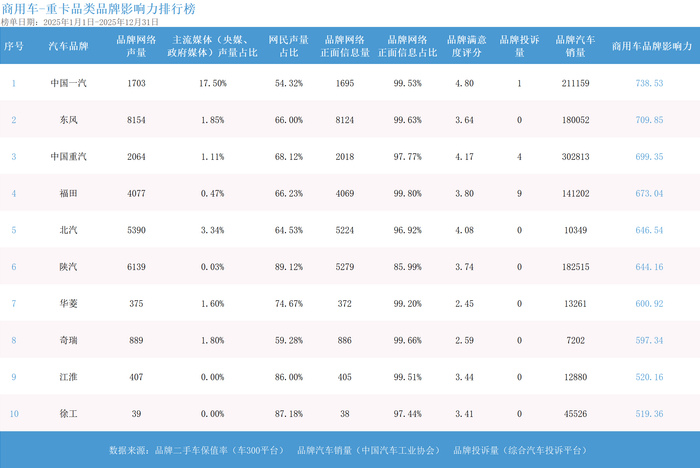
Yang Shi Xin Wen Ke Hu Duan· 2026-01-26 01:20
Core Viewpoint - The traditional textile industry is undergoing a transformation towards "intelligent, green, and integrated" upgrades, driven by technological innovation and collaboration within the industry ecosystem [1][4]. Group 1: Industry Transformation - In Hunan Qiyang, a textile company has implemented smart production with 4,800 high-speed water-jet looms, producing 2 out of every 3 umbrella fabrics in China [2]. - The company faced a 40% drop in orders from European and American clients due to tariff impacts, prompting a shift towards technological innovation [2]. - The introduction of a waterless dyeing technology has significantly improved production efficiency by 5 times and reduced costs by 30%, achieving zero wastewater discharge [2]. Group 2: Digitalization and Management - Another textile company in Qiyang adopted a self-developed management system to enhance production visibility and flexibility, resulting in a doubling of production capacity and a reduction in order delivery time from 45 days to 15 days [3]. - The minimum order quantity was lowered to 200 pieces, and the success rate of production increased by 15%, leading to a surge in high-end orders [3]. Group 3: Industry Challenges and Opportunities - Qiyang has become the largest chemical fiber textile industry cluster in Hunan, with plans to be recognized as a national-level characteristic industrial cluster by 2025 [4]. - In the first 11 months of 2025, the industrial added value of China's textile industry increased by 1.7%, with retail sales of clothing and textile products exceeding 1.3 trillion yuan, a growth of 3.5% [4]. - Despite positive growth, the textile industry still faces challenges in achieving high-end, intelligent, and green transformations, particularly in smart manufacturing and data integration [5].
广西全力打造十大千亿元级支柱产业
Xin Lang Cai Jing· 2026-01-25 19:17
Core Insights - The Guangxi Industrial and Information Technology Work Conference outlined plans to develop ten modern pillar industries, focusing on intelligent, green, and integrated directions, with artificial intelligence leading the way for high-quality industrial development [1][2] Group 1: Industry Development Plans - Guangxi aims to establish ten modern pillar industries, including non-ferrous metals, advanced steel materials, modern green chemicals, artificial intelligence, high-end equipment manufacturing, new energy vehicles and batteries, food processing, forestry and paper industry, biomedicine and health, and green building materials [1] - The industrial economy in Guangxi is expected to achieve significant growth during the 14th Five-Year Plan, with an estimated industrial output value of 2.7 trillion yuan by 2025, an increase of 900 billion yuan over five years [1] - The industrial added value is projected to account for over 27% of the regional GDP, marking an increase of nearly 4 percentage points over five years, positioning the industrial sector as a "ballast stone" for economic development [1] Group 2: Investment and Project Implementation - To effectively promote the development of the ten pillar industries, Guangxi will focus on project execution, investment expansion, transformation promotion, and cluster development [2] - A "Five Ones" work promotion mechanism will be established, including one responsible leader, one working team, one action plan, one industrial fund, and one group of leading enterprises to ensure dedicated management and policy support for each industry [2] - Guangxi will implement a traditional industry renewal action plan, advancing manufacturing technology upgrades and providing tailored diagnostic services to enterprises, while leveraging policies to plan and execute projects for upgrading old facilities and enhancing automation, intelligence, and greenness [2]
上海集装箱:追“智”逐“绿”向全球
Zheng Quan Ri Bao· 2026-01-25 17:11
Core Insights - The Chilean cherries have become a hot commodity in Shanghai's supermarkets during the winter season, coinciding with major Chinese holidays, highlighting the importance of the container industry in global logistics [1] - The container industry is advancing towards "green" and "intelligent" transformations, with Shanghai leading the way in establishing a comprehensive container industry ecosystem [1][4] Container Industry Performance - Shanghai Port is the busiest container port globally, with approximately 15,600 container ships docking in 2024 and a container throughput of 55.06 million TEUs in 2025, marking a 6.9% year-on-year increase [2] - The continuous growth in Shanghai's container throughput reflects the city's strong container industry capabilities, with leading enterprises across various segments of the container supply chain [2][3] Key Enterprises and Innovations - Major companies in Shanghai include Baosteel, which has achieved breakthroughs in domestically produced weather-resistant steel for containers, and Meiga Xincai, a leader in container coatings [2][3] - China Merchants Heavy Industry is advancing in the production of large and green-powered container ships, while Xijing Technology is gaining attention for its intelligent and new energy products [3][4] Green and Intelligent Transformation - The "green" transformation is being driven by initiatives such as the partnership between Baosteel and CIMC to develop low-carbon container products, aiming for a 30% reduction in carbon emissions [4][5] - Companies like China Merchants Heavy Industry are adopting eco-friendly materials and optimizing production processes to reduce carbon emissions, while also creating a carbon footprint platform to foster an industry-wide decarbonization ecosystem [5] Smart Manufacturing and Logistics - China Merchants Heavy Industry is implementing a data-driven approach to build a smart manufacturing system, utilizing AI and robotics to enhance production efficiency [6] - The use of autonomous vehicles in logistics, such as those developed by Xijing Technology, is improving operational efficiency at ports, with significant international deployment [6][7] Policy Support and Industry Ecosystem - The Chinese container industry is experiencing rapid growth, with a projected production of 8.1 million TEUs in 2024, a 268.2% increase from 2023, primarily concentrated in the Yangtze River Delta and Pearl River Delta regions [8] - Shanghai's government is introducing policies to optimize the industrial ecosystem, including the launch of an international container transport service platform to enhance efficiency [8] Future Outlook - The container industry is expected to achieve steady growth, with Shanghai positioned as a core anchor point due to its comprehensive industry chain advantages and proactive strategies [9] - Factors such as emerging market trade expansion and policy support are anticipated to drive the development of the container manufacturing sector, with Shanghai's special container market expected to lead nationally [9]
2025年度商用车品牌影响力指数发布:龙头格局稳健 电动化转型开启新征程
Zheng Quan Ri Bao Zhi Sheng· 2026-01-25 13:35
Core Insights - The 2025 China Commercial Vehicle Brand Influence Index Report highlights a stable structure in the commercial vehicle market, led by traditional giants like FAW, Dongfeng, and JMC, which have established strong competitive barriers through product reliability and brand trust [1][2] - The report indicates a significant acceleration in the electrification, intelligence, and efficiency transformation of commercial vehicles, driven by the dual goals of the national "dual carbon" strategy and the logistics industry's need for cost reduction and efficiency [1][10] Group 1: Heavy Truck Market - The heavy truck market is characterized by a triad of leading companies, with FAW achieving the highest influence score of 738.53, supported by a media presence of 17.50% and a user satisfaction score of 4.80 [2][3] - Dongfeng and China National Heavy Duty Truck Group follow with scores of 709.85 and 699.35, respectively, showcasing their strong market presence and quality control [3][4] Group 2: Other Commercial Vehicle Segments - In the pickup truck segment, Great Wall Motors leads with a score of 714.11, demonstrating a robust market presence with over 181,000 units sold and a strong brand reputation built over 28 years [6][7] - Dongfeng tops the light truck segment with a score of 702.67, focusing on high-end logistics solutions, while Foton and JMC maintain their positions through extensive distribution networks and proven product durability [8][9] Group 3: Electrification and New Entrants - The year 2025 marks a pivotal shift towards market-driven electrification in commercial vehicles, with new entrants like Radar Automotive gaining attention in the pickup segment [10][11] - Traditional brands are responding to new competitors by launching dedicated electric platforms and comprehensive logistics solutions, aiming to transition from vehicle manufacturers to integrated smart logistics providers [10][11]



2025增速行业第一! 玉柴2026携重磅新品冲刺70万台目标 | 头条
第一商用车网· 2026-01-25 11:31
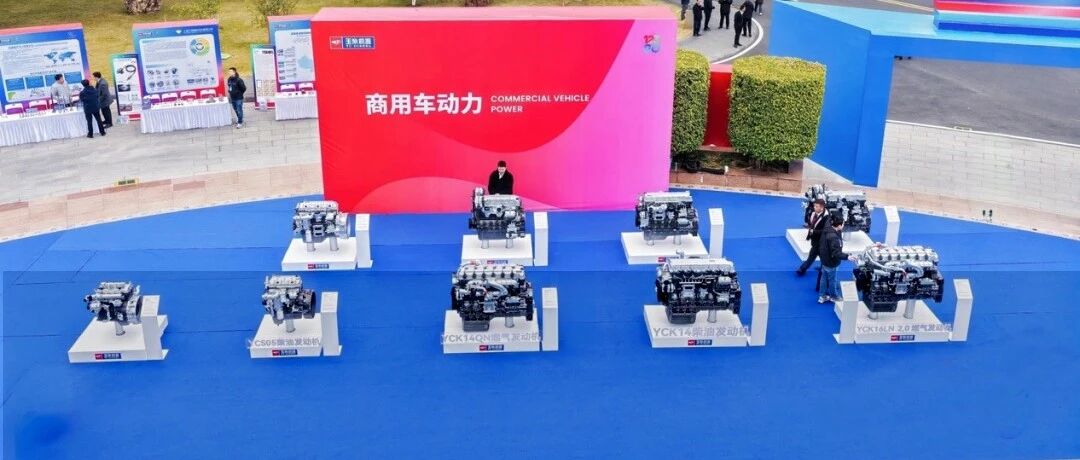
Core Viewpoint - Yuchai Group is positioning itself for growth and innovation in the face of global industry transformation, emphasizing its upgraded "1335" strategy to enhance its competitive edge in traditional, new energy, and intelligent equipment sectors [3][4]. Group 1: 2025 Performance - In 2025, Yuchai achieved record highs in sales revenue, total profit, and engine sales, demonstrating strong operational resilience and growth momentum [3]. - Engine sales exceeded 600,000 units, marking a 30% year-on-year increase, significantly outpacing the industry average growth rate [6]. - The company set ambitious targets for 2026, aiming for total sales of 700,000 units, a 17% increase, with specific goals for traditional and new energy segments [6]. Group 2: Strategic Initiatives - Yuchai's "1335" strategy focuses on three collaborative development tracks: traditional power, new energy power, and intelligent equipment [4]. - The company launched the "Yuchai Flywheel Range Extender System," transitioning commercial power systems into a new era of integrated design, enhancing efficiency and reliability [8][10]. Group 3: Product Innovations - At the partner conference, Yuchai unveiled eight new commercial vehicle power products, covering a range of technologies including diesel, gas, and new energy [14]. - The upgraded K14QN and K16LN 2.0 gas engines feature significant improvements in weight reduction and fuel efficiency, with the K16LN 2.0 achieving a maximum power of 660 horsepower [16][18]. - The new Yuchai S05 engine for the medium engine market integrates intelligent combustion control technology, promising lower fuel consumption compared to competitors [20]. Group 4: Customer Feedback and Market Position - Positive customer feedback highlights Yuchai's commitment to providing advanced power systems and supporting customer success, reinforcing its market position [24][26].
关于把握数字化智能化发展浪潮提升中央银行履职能力的若干思考|金融与科技
清华金融评论· 2026-01-25 09:20
Core Viewpoint - The article emphasizes the importance of building a strong central bank through digital central bank construction, aiming to enhance the central bank's capabilities using digital and intelligent means, contributing to a modern financial system with high adaptability, competitiveness, and inclusiveness in China [3]. Group 1: Financial Digitalization and Intelligence - The financial industry is characterized as technology-intensive and innovation-driven, with a historical evolution of integrating finance and technology since the reform and opening up [5]. - China's financial informationization has progressed through electronic and network stages, establishing a solid foundation for the current digital and intelligent phase [5]. - Recent advancements in technologies such as artificial intelligence, big data, cloud computing, and blockchain are reshaping the global innovation landscape and financial service models, marking a significant transition to digital and intelligent finance [6]. Group 2: Impact on Financial Demand - The digital and intelligent transformation of the economy is creating new forms of economic activities, leading to new financial demands that align with the development of the smart economy and society [9]. - Financial demand is evolving from "embedding" to "integrating," where users expect seamless access to financial services in various life and production scenarios, facilitated by data sharing and advanced technologies [9]. - There is a shift in financial service expectations from "customization" to "adaptation," with users desiring services that can learn and adjust in real-time based on their behaviors and market conditions [10]. - Security concerns are transitioning from "perceptible" to "imperceptible," where users expect robust security measures to be integrated into financial services without compromising user experience [11].

勾勒行业决战之年新图景 中国汽车创新盛典在北京举办
Zhong Zheng Wang· 2026-01-25 09:13
Group 1 - The event "Auto-First Annual Gala and 2025-2026 China Automotive Innovation Ceremony" highlights the automotive industry's critical years ahead, emphasizing the importance of scale advantages for leading companies and the irreversible trend of smart technology in vehicles [1] - SAIC Motor Corporation was awarded "Annual Automotive Enterprise," while the "Annual Car" award went to the AITO M9, showcasing the recognition of significant players in the industry [1] - The awards reflect the upward vitality and international strength of Chinese brands, with Geely Galaxy recognized as "Annual Brand" and BYD and Chery as "Annual Export Brands" [1] Group 2 - The awards also illustrate a diverse market ecosystem, with models like XPeng G7 and SAIC Volkswagen Lavida Pro winning in various segments, indicating the success of traditional brands in the electric and smart vehicle transformation [2] - Data shows that by 2025, the penetration rate of new energy vehicles in China will exceed 54%, with multiple technology routes such as hybrid, range-extended, and pure electric advancing simultaneously [2] - The competition in the automotive market is expected to focus on technology, cost, and channel strength, testing companies' strategic determination and adaptability as the industry shifts from scale to strength [2]





2026新能源汽车后市场新生态大会在重庆万州举办
Zhong Guo Qi Che Bao Wang· 2026-01-25 05:22
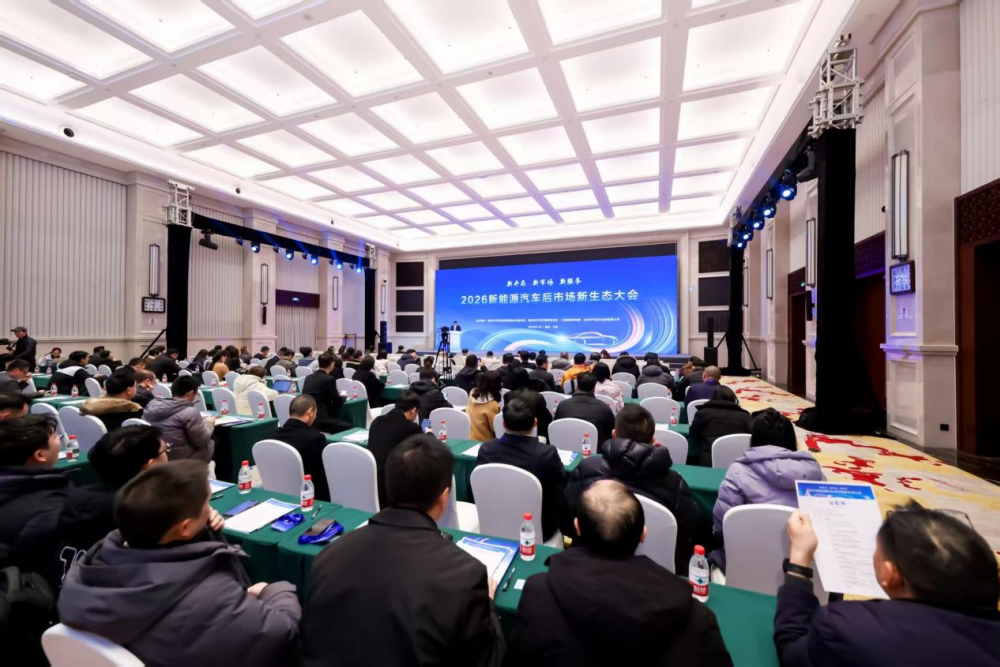
Core Insights - The 2026 New Energy Vehicle Aftermarket New Ecology Conference was held in Wanzhou, Chongqing, focusing on "new beginnings, new markets, and new services" to promote a safe, efficient, and green aftermarket ecosystem [1][3]. Group 1: Conference Overview - The conference was organized by various governmental and industry bodies, including the Chongqing Municipal Economic and Information Commission and the China Automotive Engineering Research Institute [1][3]. - Key figures from the Ministry of Industry and Information Technology and various industry organizations attended, emphasizing the importance of the new energy vehicle industry as a driver for high-quality manufacturing development [3][6]. Group 2: Industry Development Goals - The Chongqing government aims to enhance the automotive aftermarket system, focusing on smart connected new energy vehicles and establishing a globally influential hub for this sector [8][10]. - Key initiatives include improving vehicle inspection and maintenance capabilities, financial and insurance services, and fostering the battery recycling and automotive modification industries [8][10]. Group 3: Market Trends and Innovations - During the conference, it was noted that during the 14th Five-Year Plan, China's new energy vehicle sales and penetration rates were among the highest globally, driven by policy support and innovation [11]. - The industry is expected to continue evolving with a focus on quality improvement, internationalization, and the integration of services and products [11][14]. Group 4: Future Directions - The automotive aftermarket is anticipated to undergo significant changes, with trends towards openness, digitalization, and lifecycle services becoming prominent [17][20]. - Companies are encouraged to leverage AI technology for improved diagnostics and repair efficiency, and to establish standardized supply chains for new energy vehicle components [25][29]. Group 5: Recycling and Sustainability - The recycling of retired lithium batteries is highlighted as a critical national resource strategy, with significant market potential [34][36]. - Companies are urged to develop efficient recycling technologies and localized closed-loop networks to meet international regulatory requirements and support global carbon neutrality goals [37][39]. Group 6: Collaborative Efforts - The conference featured discussions on policy guidance, ecological collaboration, and innovative business models, showcasing the vibrant development of China's new energy vehicle aftermarket [40]. - The insights and consensus reached during the conference are expected to strengthen capabilities, enhance quality, and foster resource connections within the industry [40].
高端纺织,沭阳何以“异军突起”
Xin Hua Ri Bao· 2026-01-24 21:04
Core Insights - The article highlights the rapid growth and technological advancements of Jiangsu Songhe Song Intelligent Technology Co., Ltd., a leader in the electronic jacquard machine industry, which has become a global frontrunner in production efficiency and innovation [1][2]. Company Overview - Jiangsu Songhe Song has developed world-first technologies in crank direct drive chain transmission electronic jacquard machines and comb-type air-jet towel weaving machines, holding over 100 intellectual property rights, including more than 20 invention patents [2]. - The company has a monthly production capacity of 500 electronic jacquard machines and 300,000 components, making it the most competitive brand in the international market [2]. Industry Development - The high-end textile industry in Shuyang has emerged significantly, with a focus on mechanical equipment, spinning, and weaving, achieving technological breakthroughs in various segments [3]. - The county's high-end textile industry has formed a complete industrial chain, supported by major investments, such as the 15 billion yuan project by Tongkun Group, which is the largest investment in Shuyang's history [2][3]. Economic Impact - In 2024, the output value of Shuyang's high-end textile enterprises reached 34.02 billion yuan, accounting for 33.41% of the city's total, marking a significant milestone in the industry [2]. - From January to November 2025, the output value was 33.796 billion yuan, reflecting a year-on-year growth of 8% [2]. Strategic Initiatives - The region is focusing on "strong chain and cluster" strategies, establishing the first national "smart knitting industrial park" to enhance resource allocation and collaboration among textile projects [4]. - The park has attracted 12 high-end textile projects with a total investment of 4 billion yuan, creating a textile industry cluster that enhances regional competitiveness [4]. Future Plans - Shuyang aims to become the first county-level high-end textile industry cluster in Northern Jiangsu with a target of 100 billion yuan [6]. - The development strategy includes enhancing the entire industrial chain from spinning to garment production, focusing on high-quality, intelligent, and green development [6].

九号公司CEO王野:电动两轮车目标是要超越燃油机
Zhong Guo Zheng Quan Bao· 2026-01-24 09:53
Group 1 - The core objective of the company is to surpass internal combustion engine (ICE) vehicles rather than competing with domestic rivals in the electric two-wheeler market [1] - The company has announced a strategic upgrade focusing on "dual brands, globalization, and electric over oil," with plans to operate under the "Ninebot" and "Segway" brands for global market expansion [1] - The cumulative global shipment of the company's smart electric two-wheelers has exceeded 10 million units, with a vision to make smart electric vehicles the mainstream in the motorcycle industry within the next decade [1] Group 2 - The company is launching a global expansion plan supported by the dual brands of Ninebot and Segway, recognizing the imminent electric revolution in the two-wheeler market [2] - The electric two-wheeler penetration rate in Southeast Asia is only about 5%, indicating significant market potential as it offers a price advantage over traditional ICE vehicles [2] - European consumers are increasingly embracing green energy and smart mobility solutions, while the Latin American market is seeking more economical and energy-efficient transportation options [2]