科技赋能

Search documents
“空中焊将”“飞檐走壁”……科技赋能 “本领高强”提效率
Yang Shi Wang· 2025-09-07 22:19
Core Viewpoint - The article highlights the advancement of high-altitude welding technology in China, showcasing a domestically developed robot that can perform welding tasks in hazardous environments, replacing traditional manual methods. Group 1 - Traditional high-altitude welding required workers to wear heavy protective gear and take frequent breaks due to the demanding nature of the job [1] - The newly developed high-altitude welding robot operates in dangerous conditions, enhancing safety and efficiency in welding operations [1] - The robot is described as an all-around "aerial welder," indicating its versatility and capability in performing complex tasks [1]
财险业加速构建多元化保障体系
Jing Ji Ri Bao· 2025-09-07 21:54
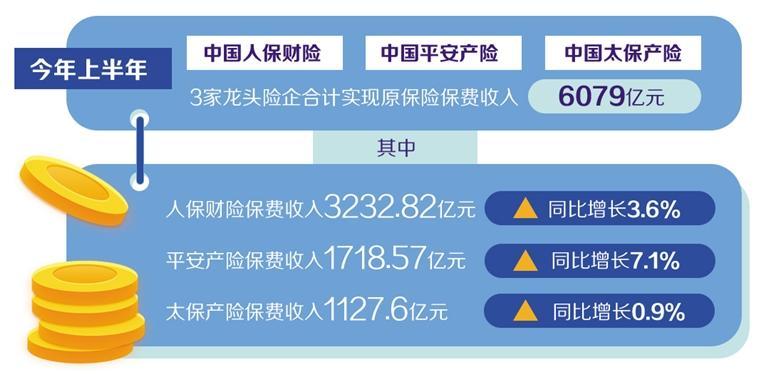
Core Viewpoint - The property insurance industry in China is transitioning from scale-driven growth to value-driven development, taking on greater responsibilities in serving national strategies and social welfare [2]. Industry Performance - In the first half of 2025, the property insurance industry showed steady performance with improved underwriting efficiency, with major players like China Life Property, Ping An Property, and China Pacific Property collectively generating original insurance premium income of 607.9 billion yuan, accounting for approximately 63% of the market share [3]. - China Life Property reported premium income of 323.28 billion yuan, a year-on-year increase of 3.6%; Ping An Property achieved 171.86 billion yuan, up 7.1%; and China Pacific Property reached 112.76 billion yuan, growing by 0.9% [3]. - The comprehensive cost ratios for these companies improved, with China Life at 95.3%, Ping An at 95.2%, and China Pacific at 96.3%, indicating enhanced underwriting profitability [3]. Cost Management and Profitability - The decline in comprehensive cost ratios is attributed to collaborative efforts in expense management, risk pricing, and claims control [3]. - China Life's president noted a 3.2 percentage point decrease in the comprehensive cost ratio due to refined expense management and the application of digital pricing models [3]. - The "reporting and operation unity" reform has standardized non-auto insurance pricing, laying a foundation for improved profitability [3]. Key Segments and Innovations - The auto insurance sector remains a core area, with significant improvements in the profitability of new energy vehicle insurance, which had previously struggled with high claims and repair costs [5]. - China Pacific Property reported new energy vehicle insurance premium income of 10.596 billion yuan, with a profitability milestone achieved for the first time [6]. - Ping An Property's new energy vehicle insurance premiums grew by 46%, contributing to positive underwriting profits through technological innovations in underwriting and claims processes [6]. Non-Auto Insurance Growth - Non-auto insurance premiums are increasing, with China Life reporting 179.22 billion yuan in non-auto premiums, a 3.8% year-on-year growth [7]. - The comprehensive cost ratios for agricultural insurance and liability insurance improved, while health insurance costs rose to 101.8% [7]. - The implementation of the "reporting and operation unity" policy for non-auto insurance is expected to enhance industry standards and profitability [7]. Technological Advancements - Technology is a key driver for high-quality development in the property insurance sector, with the adoption of AI, IoT, and big data enhancing efficiency and customer experience [8]. - Companies are utilizing smart claims processing and real-time data collection for agricultural insurance, improving risk monitoring and response [8]. Catastrophe Insurance and Risk Management - Catastrophe insurance is increasingly recognized as a market necessity and a service to national strategy, with companies focusing on developing catastrophe models and risk management technologies [9]. - The industry is moving towards a risk reduction model that emphasizes prevention, emergency response, and post-disaster compensation, showcasing the social value of insurance [9].


入职“深度游”激发人才活力
Jing Ji Ri Bao· 2025-09-06 21:58
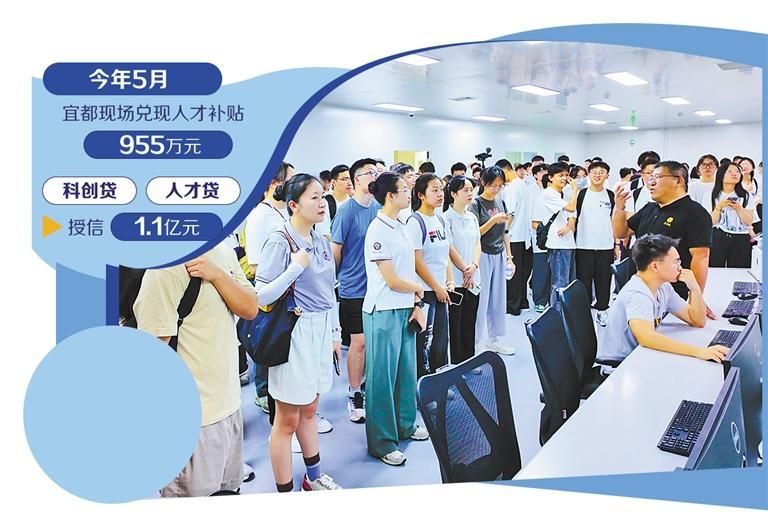
Group 1 - The core activity organized by Yidu's Human Resources Bureau is an immersive experience for newly recruited college graduates to understand the local industry and culture [2][3] - Yidu is recognized as one of the top 100 county economies in China, with significant industrial development, including a modern industrial cluster in the Yidu High-tech Zone and two trillion-yuan industry clusters in new energy materials and health [3] - The city has implemented substantial talent policies, including a talent subsidy of 9.55 million yuan and credit lines of 110 million yuan for innovation and talent retention [3][4] Group 2 - The immersive experience included visits to various local attractions and industries, such as a winter worm summer grass production facility, which produces 60 tons annually with a market value close to 10 billion yuan [2] - The event aimed to provide a comprehensive view of Yidu, enhancing the graduates' understanding of the city's industrial prospects and living conditions [4] - The unique approach of allowing graduates to experience the city's charm firsthand is seen as a strategy to attract and retain talent [4]
金融赋能助力现代农业产业园蓬勃发展
Zheng Quan Ri Bao· 2025-09-06 15:36
Group 1 - The importance of banks as a key financial support in the construction of modern agricultural industrial parks is emphasized, highlighting their role in driving rural revitalization through precise positioning and multi-dimensional efforts in mechanisms, models, products, and technology [1][3] - Banks should establish a dedicated service system that aligns with the development of modern agricultural industrial parks, including forming special working groups and appointing service specialists to provide comprehensive professional services [1][2] - Innovative financing models are crucial to solving the financing difficulties faced by modern agricultural industrial parks, with a focus on promoting supply chain finance models that extend the credit of core enterprises to upstream and downstream participants [1][2] Group 2 - Customization and development of credit products should closely align with the diverse needs of modern agricultural industrial parks, moving away from a one-size-fits-all approach to create specialized credit product systems [2] - The application of financial technology is essential for enhancing service efficiency, enabling online platforms for loan applications, and utilizing big data and IoT to build more accurate agricultural credit risk control models [2] - Continuous and stable financial support is necessary for the construction of modern agricultural industrial parks, with banks needing to optimize services, innovate products, and improve efficiency to allocate financial resources effectively [3]
从反复投诉到送上锦旗,河南内黄化解环境信访难题的做法值得借鉴
Zhong Guo Huan Jing Bao· 2025-09-05 03:20
Group 1 - The article highlights the successful resolution of a complex environmental complaint case by the Environmental Protection Bureau of Anyang City, which reflects the public's expectation for a robust environmental complaint mechanism [1] - The bureau utilized various methods such as day-and-night inspections, surprise checks, and drone tracing to confirm the absence of illegal wastewater discharge, demonstrating a proactive approach to environmental governance [1][2] - The case emphasizes the importance of public participation in the verification process, as the bureau allowed the complainant to witness the excavation of disputed pipelines, thereby enhancing transparency and trust [1][3] Group 2 - The article identifies several challenges faced by local authorities in handling environmental complaints, including insufficient technical means, lack of transparency in the investigation process, and inadequate recognition of external supervision [2] - It suggests that many local units tend to focus solely on surface-level environmental issues without addressing deeper conflicts such as neighborhood disputes or economic interests, which can lead to recurring complaints [2][4] - The article advocates for the integration of modern technology in complaint investigations, such as drone surveillance and online monitoring, to establish a solid factual basis for resolving issues [3][4] Group 3 - The article calls for a people-centered approach in enhancing the effectiveness of environmental complaint handling, emphasizing the need for public engagement and transparent communication [3] - It proposes the establishment of a "deep investigation" mechanism to understand the underlying social and economic factors contributing to environmental complaints, promoting collaboration among various local organizations [4] - The article stresses the importance of embracing external supervision as a means to improve regulatory compliance and internal processes within environmental governance [3]
2025中国国际涂料博览会在上海启幕
Sou Hu Cai Jing· 2025-09-04 10:20
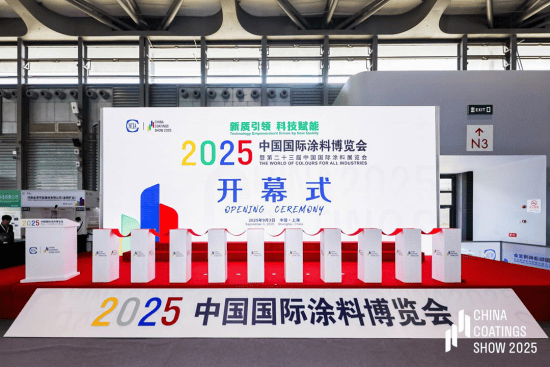
Group 1 - The 2025 China International Coatings Expo and the 23rd China International Coatings Exhibition opened in Shanghai, featuring a theme of "New Quality Leading, Technology Empowering" [2][9] - The exhibition covers an area of 100,000 m² with over 500 participating units and is expected to attract more than 100,000 professional visitors over three days [2][10] - This year marks the 40th anniversary of the China Coatings Industry Association, showcasing new products and technologies from the coatings industry [4][11] Group 2 - The coatings industry plays a crucial role in modern industry and life, achieving global leadership in production and sales for 16 consecutive years [5] - The industry is actively promoting green transformation and technological empowerment under the "dual carbon" goals, with a rapid adoption of environmentally friendly coatings [5][6] - The expo serves as a significant platform for global industry exchange and cooperation, gathering resources from the entire coatings supply chain [5][10] Group 3 - The Asia-Pacific region accounts for approximately 50% of the global coatings market value and 58% of production, with China contributing over 50% of the Asian market [6] - The expo focuses on various dimensions such as antibacterial and powder coatings, advanced manufacturing, green buildings, and smart manufacturing [6][12] - The event includes over 20 professional forums covering various sectors of the coatings industry, facilitating collaboration and showcasing the latest advancements [12] Group 4 - The 16th National Petroleum and Chemical Industry Vocational Skills Competition is being held concurrently, promoting skill development and aligning with industry standards [13] - The competition aims to foster a culture of skill appreciation and provide a platform for showcasing talent in the coatings industry [13]
2025年西安铁路局旅客发送量已突破一亿人次
Zhong Guo Xin Wen Wang· 2025-09-04 08:45
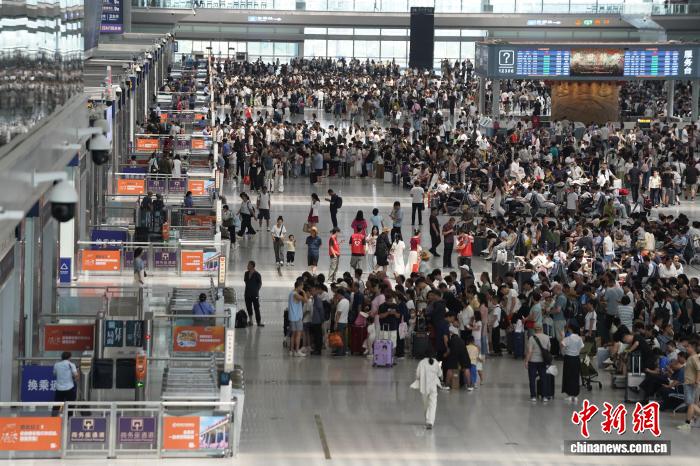
Core Insights - The Xi'an Railway Bureau has achieved a record passenger volume of over 100 million, reaching 100.248 million by September 3, 2025, marking a historical high for the same period [1][3] Passenger Flow and Service Enhancements - The railway passenger flow in Shaanxi has been consistently high, with key holiday periods such as Spring Festival, Qingming Festival, and May Day seeing significant increases in passenger numbers [3] - A total of 16 stations, including Xi'an North and Hanzhong, have broken their own passenger sending records [3] - The Xi'an Railway Bureau has implemented a dynamic scheduling mechanism called "one day, one map" to match passenger flow changes, introducing new night trains to major cities [3][4] Network Expansion - The railway network is continuously expanding, with new high-speed rail lines such as Xi'an North to Hong Kong West Kowloon and Xi'an North to Changsha, enhancing connectivity to various tourist destinations [3] - The introduction of new routes has reduced travel time significantly, with some routes saving up to 1.5 hours compared to existing lines [3] Technological Advancements - The Xi'an Railway Bureau has adopted a "humanized + digital" approach to optimize the entire passenger service process, especially during peak times [4] - The implementation of a digital passenger flow warning system and AI technology has improved security and efficiency, with a daily capacity increase at security checkpoints [4] Specialized Services - The bureau has launched "point-to-point" special trains for students and workers, with a notable service for workers from Xuanzhou to Shanghai, which has been running for 27 years [5] - Senior tourism special trains have also been introduced, with 59 trains serving over 33,000 passengers throughout the year [5] Future Plans - The Xi'an Railway Bureau plans to continue optimizing its scheduling mechanism and enhance service facilities to meet growing passenger demands [5]
地产诞生了“新物种”
Hua Er Jie Jian Wen· 2025-09-04 08:03
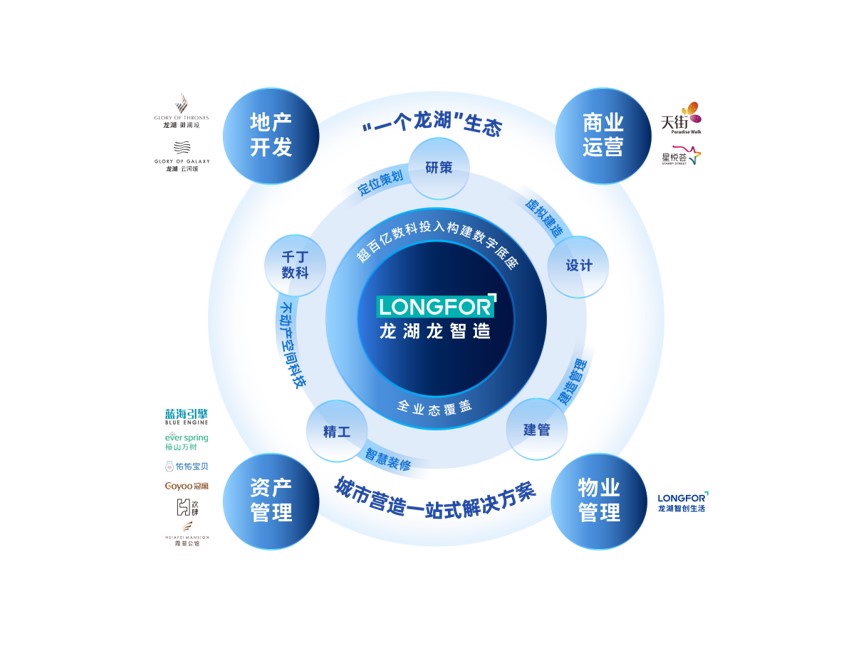
Core Viewpoint - The real estate industry is transitioning from an era focused on scale, land reserves, and leverage to one that prioritizes operating cash flow, future profitability, and the growth potential of new businesses [2][3]. Group 1: Industry Trends - The trend of significant losses continues in the real estate sector, indicating a challenging bottoming process [3]. - The performance of Longfor Group's mid-year report showcases a different model, achieving positive profitability and over 2 billion yuan in net operating cash flow [3][4]. - The shift from traditional developers to service-oriented firms is highlighted, emphasizing the importance of technology and efficiency in enhancing property value [3][8]. Group 2: Longfor's Business Model - Longfor's transformation to a capability-driven model integrates over 30 years of development experience and digital technology, positioning itself as a light-asset service brand [4][8]. - The new business model, Longfor Longzhizao, offers a comprehensive "one-stop urban construction solution" covering the entire lifecycle of projects [4][6]. - The revenue from Longfor Longzhizao reached 700 million yuan in the first half of 2025, with a year-on-year growth rate of 65% [6]. Group 3: Client and Project Success - Longfor Longzhizao secured 62 new construction projects in the first half of 2025, maintaining its position in the industry's top tier [6]. - The client base has shifted, with 63.3% of new projects coming from central state-owned enterprises and government entities, reflecting trust in Longfor's brand and delivery capabilities [6][9]. - Successful case studies, such as the Chengdu Xijingtai project, demonstrate Longfor's ability to resolve complex issues and deliver value to stakeholders [7][9]. Group 4: Technological Empowerment - The integration of AI and digital technologies is central to Longfor Longzhizao's operations, enhancing efficiency and precision in project execution [8][9]. - Technologies like BIM and VR have significantly reduced design time and improved project outcomes, showcasing the potential for value reconstruction in the real estate sector [8][9]. - Longfor's approach illustrates that real estate companies can extend their capabilities beyond traditional development boundaries into broader urban service areas [9][11]. Group 5: Future Outlook - Longfor's mid-year report indicates that as inventory decreases, the impact of real estate development on the group will lessen, while operational and service businesses will drive profit growth [11]. - The transition to a new era in real estate emphasizes the need for product strength, service capability, technological advancement, and comprehensive operational skills [11].

中国(江苏)自由贸易试验区挂牌以来累计进出口货值超3万亿元
Zheng Quan Shi Bao Wang· 2025-09-03 04:31
Group 1 - The China (Jiangsu) Free Trade Zone has achieved a cumulative import and export value of 3.17 trillion yuan since its establishment in August 2019, with an average annual growth rate of nearly 3%, contributing to one-tenth of Jiangsu's total foreign trade import and export value [1] - The number of customs-registered enterprises in the free trade zone has increased by 122% since its inception, reaching nearly 9,400 [1] - In the first seven months of this year, the import and export value of the Jiangsu Free Trade Zone reached 336.54 billion yuan, representing a year-on-year growth of 17.15% [1] Group 2 - The "Smart Customs" platform in the Suzhou area has been launched to enhance customs declaration efficiency, serving 565 enterprises and resolving over 2,000 issues since its inception on April 25 [2] - The platform offers features such as one-click customs policy queries, system-assisted declarations, and real-time interactions between customs and enterprises, significantly reducing declaration errors [2] - The "Smart Customs" platform is available for free on the Suzhou Industrial Park's "One Network for All" website, providing various functionalities including online issuance of enterprise credit certificates [2] Group 3 - The Lianyungang area has implemented innovative regulatory models to facilitate cross-border logistics, with a China-Europe freight train departing for Kazakhstan, marking a significant trade connection [3] - The Lianyungang logistics cooperation base has utilized its geographical advantages to adopt a "one box to the end" model for the transit of Kazakh wheat, injecting new momentum into regional supply chain stability [3] - The "bonded + export" mixed container model has been introduced, saving clients approximately 73% in logistics costs, and has received positive feedback from enterprises [3]
贝壳整装新叙事:科技赋能的“全案整装服务商”
Tai Mei Ti A P P· 2025-09-02 11:07
Core Viewpoint - The real estate industry is entering a weak cycle, but Beike (NYSE: BEKE; HKEX: 2423) continues to break through this cycle with its one-stop new housing service platform, achieving significant growth in its home decoration and furnishing business [1][4]. Financial Performance - In the first half of 2025, Beike reported total revenue of 49.3 billion yuan, a year-on-year increase of 24.1% [1]. - The home decoration and furnishing business contributed net revenue of 7.5 billion yuan, growing by 16.5%, with a Q2 profit margin of 32.1% [1][7]. - Revenue projections for the home decoration business are 5.047 billion yuan in 2022, 10.9 billion yuan in 2023, and 14.8 billion yuan in 2024, accounting for 8.3%, 14.01%, and 15.8% of total revenue respectively [4]. Strategic Developments - Beike has transitioned from a real estate brokerage to a comprehensive home decoration service provider, integrating technology to enhance service efficiency and customer experience [2][3]. - The company has launched a "full-case decoration service provider" strategy, focusing on integrating design, construction, supply chain, and after-sales services [5][18]. - Beike's strategic upgrade includes a shift from "assembly" to "complete machine" in home decoration services, emphasizing product strength and customer satisfaction [5][18]. Technological Innovation - Beike is leveraging big data, AI, and VR technologies to enhance service efficiency and customer experience in the home decoration sector [2][9]. - The company has developed a core digital platform, Home SaaS, which enables online collaboration among over 160,000 service providers [9][19]. - Beike's AI tools, such as AI Design Cow and BIM models, have significantly improved design efficiency and reduced material waste [19][20]. Market Positioning - Beike is positioned to capitalize on the growing demand for quality housing, supported by government policies aimed at expanding domestic demand and promoting consumption [4][20]. - The home decoration industry is expected to reach a retail scale of 4.89 trillion yuan by 2026, indicating a favorable market environment for Beike's growth [4]. Customer-Centric Approach - Beike's new product offerings include modular solutions that simplify the decision-making process for consumers, allowing for a seamless transition from design to delivery [21]. - The company aims to address the gap between consumer expectations for "good housing" and the realities of the home decoration industry by providing transparent and efficient services [8][20].