
适度宽松的货币政策

Search documents
财经聚焦丨金融总量合理增长 贷款质效提升——解读11月金融数据
Xin Hua Wang· 2025-12-12 15:05
Core Viewpoint - The financial statistics released by the People's Bank of China for November indicate a robust growth in social financing and loans, reflecting a supportive monetary policy aimed at fostering high-quality economic development [1][5]. Group 1: Financial Data Overview - As of the end of November, the balance of RMB loans reached 271 trillion yuan, a year-on-year increase of 6.4% [1]. - The broad money supply (M2) stood at 336.99 trillion yuan, growing by 8% year-on-year [1]. - The total social financing stock was 440.07 trillion yuan, with a year-on-year growth of 8.5% [1]. Group 2: Loan Structure and Trends - In the first eleven months, new loans increased by 15.36 trillion yuan, with corporate loans accounting for the majority at 14.4 trillion yuan [2]. - The growth in medium- and long-term loans for enterprises was 8.49 trillion yuan, indicating a focus on long-term financing [2]. - The balance of inclusive small and micro loans reached 35.88 trillion yuan, up 11.4% year-on-year, while medium- and long-term loans for the manufacturing sector grew by 7.7% to 14.94 trillion yuan [2]. Group 3: Interest Rates and Monetary Policy - The weighted average interest rate for newly issued corporate loans was approximately 3.1%, down about 30 basis points from the previous year [4]. - The central economic work conference emphasized the continuation of a moderately loose monetary policy, with flexible use of various policy tools such as reserve requirement ratio cuts and interest rate reductions [5]. - The People's Bank of China aims to maintain a relatively loose financing environment to support stable economic growth and financial market stability [5].


11月金融数据出炉
Di Yi Cai Jing Zi Xun· 2025-12-12 14:37
Group 1 - The central bank's latest data shows that M2 and social financing scale growth rates remain high, creating a favorable monetary environment for economic recovery [2][8] - As of the end of November, the broad money (M2) balance reached 336.99 trillion yuan, with a year-on-year growth of 8.0%, which is 0.9 percentage points higher than the same period last year [2] - The total social financing scale stood at 440.07 trillion yuan, growing by 8.5% year-on-year, which is 0.7 percentage points higher than the previous year [2] Group 2 - Government bond financing has significantly contributed to the growth of social financing, with net financing of government bonds reaching 13.15 trillion yuan, an increase of 3.61 trillion yuan year-on-year [3] - The total new government debt for the year is projected to be 11.86 trillion yuan, which is an increase of 2.9 trillion yuan compared to last year [3][4] - Direct financing through corporate bonds and equity financing is also accelerating, with corporate bond financing amounting to 2.24 trillion yuan, an increase of 312.5 billion yuan year-on-year [3] Group 3 - The growth rate of loans has shown a downward trend, with a total increase of 15.36 trillion yuan in RMB loans in the first eleven months [5][6] - The increase in loans to the real economy was 14.93 trillion yuan, which is 1.28 trillion yuan less than the previous year [6] - The decline in loan growth is attributed to various factors, including the replacement of loans by diversified financing methods and the impact of local government debt [6][7] Group 4 - The current social financing scale and M2 growth rates are approximately double the nominal GDP growth rate, indicating a moderately loose monetary policy environment [8] - The central bank has maintained a stable funding environment and supported the smooth issuance of government bonds through comprehensive measures [9] - Coordination between monetary and fiscal policies is emphasized as crucial for supporting economic stability and structural adjustments [9]

人民银行:继续实施适度宽松的货币政策,保持流动性充裕
Bei Jing Shang Bao· 2025-12-12 14:01
北京商报讯(记者 廖蒙)据人民银行官网消息,12月12日,中国人民银行党委书记、行长潘功胜主持 召开党委会议,传达学习中央经济工作会议精神,落实全国金融系统工作会议要求,研究部署贯彻落实 举措。中国人民银行各党委成员出席会议。 会议强调,继续实施适度宽松的货币政策,加快推进金融供给侧结构性改革。把促进经济稳定增长、物 价合理回升作为货币政策的重要考量,灵活高效运用降准降息等多种货币政策工具,把握好政策实施的 力度、节奏和时机,保持流动性充裕,促进社会综合融资成本低位运行,加强对实体经济的金融支持。 畅通货币政策传导机制,优化结构性货币政策工具运用,加强与财政政策的协同,激励和引导金融机构 加力支持扩大内需、科技创新、中小微企业等重点领域。保持人民币汇率在合理均衡水平上的基本稳 定。 ...
刚刚!央行、金融监管总局,重磅发声!
Zheng Quan Shi Bao Wang· 2025-12-12 13:34
(原标题:刚刚!央行、金融监管总局,重磅发声!) 中国人民银行党委召开会议 传达学习中央经济工作会议精神 12月12日,中国人民银行党委书记、行长潘功胜主持召开党委会议,传达学习中央经济工作会议精神, 落实全国金融系统工作会议要求,研究部署贯彻落实举措。中国人民银行各党委成员出席会议。 会议要求,要认真做好岁末年初各项工作。密切跟踪监测,维护金融市场平稳运行。认真做好支付清 算、现金供应等中央银行金融服务工作,满足人民群众金融需求。牢牢守住安全生产底线,确保金融基 础设施安全稳定运行。 会议强调,中国人民银行系统要坚定拥护"两个确立",坚决做到"两个维护",加强党对金融工作的全面 领导,积极谋划明年和未来五年各项工作,推动金融高质量发展,为"十五五"开好局、起好步贡献力 量。 会议强调,做好明年中国人民银行工作,要以习近平新时代中国特色社会主义思想为指导,全面贯彻党 的二十大和二十届历次全会精神,认真贯彻中央经济工作会议精神,按照全国金融系统工作会议工作部 署,坚持稳中求进工作总基调,完整准确全面贯彻新发展理念,继续实施适度宽松的货币政策,发挥存 量政策和增量政策集成效应,加大逆周期和跨周期调节力度,着力扩大 ...
央行部署明年工作
财联社· 2025-12-12 13:16
据央行网站消息, 12月12日,中国人民银行党委书记、行长潘功胜主持召开党委会议,传达学习中央经济工作会议精神,落实全国金融系 统工作会议要求,研究部署贯彻落实举措。中国人民银行各党委成员出席会议。 五是稳步推进金融高水平开放,维护国家金融安全。 践行全球治理倡议,积极参与和推进全球金融治理改革完善。务实开展金融外交和多 双边货币金融合作。推进人民币国际化。持续建设和发展多渠道、广覆盖的人民币跨境支付体系。稳步发展数字人民币。 会议要求, 要认真做好岁末年初各项工作。密切跟踪监测,维护金融市场平稳运行。认真做好支付清算、现金供应等中央银行金融服务工 作,满足人民群众金融需求。牢牢守住安全生产底线,确保金融基础设施安全稳定运行。 会议强调, 中国人民银行系统要坚定拥护"两个确立",坚决做到"两个维护",加强党对金融工作的全面领导,积极谋划明年和未来五年各 项工作,推动金融高质量发展,为"十五五"开好局、起好步贡献力量。 会议认为 , 习近平总书记在中央经济工作会议上的重要讲话,全面总结一年来和过去5年经济工作,深化提出做好经济工作的规律性认 识,深刻分析当前我国经济运行面临的国际国内形势,系统部署明年经济工作的 ...

政府部门加杠杆支撑社融增长 贷款增速放缓反映新旧动能转换
2 1 Shi Ji Jing Ji Bao Dao· 2025-12-12 12:49
Core Viewpoint - The People's Bank of China reported that the rapid issuance of government bonds is increasingly substituting for loans, reflecting a shift in financing dynamics within the economy [1][2]. Group 1: Social Financing and Loan Data - As of the end of November 2025, the total social financing scale was 440.07 trillion yuan, a year-on-year increase of 8.5%. The balance of RMB loans to the real economy was 267.42 trillion yuan, growing by 6.3% year-on-year [1]. - The balance of corporate bonds was 34.08 trillion yuan, up 5.6% year-on-year, while government bonds reached 94.24 trillion yuan, marking an 18.8% increase [1]. - The proportion of RMB loans to the real economy accounted for 60.8% of the total social financing scale, down 1.3 percentage points year-on-year [1]. Group 2: Government Bond Issuance and Fiscal Policy - The issuance of 1.3 trillion yuan in ultra-long special government bonds has been completed, with 2 trillion yuan allocated for refinancing existing hidden debts and 4.4 trillion yuan for new project construction [2]. - Government bond financing now constitutes 40% of the incremental social financing scale, indicating a significant contribution to overall financing growth [2]. Group 3: Monetary Supply and Credit Quality - The M2 money supply stood at 336.99 trillion yuan, growing by 8% year-on-year, while the narrow money supply (M1) was 112.89 trillion yuan, up 4.9% [4]. - The balance of loans in both domestic and foreign currencies was 274.84 trillion yuan, with a year-on-year growth of 6.3% [5]. Group 4: Economic Transition and Loan Demand - The decline in loan growth reflects a transition in economic drivers from investment to consumption, with traditional sectors like real estate seeing reduced credit demand [6]. - The average interest rate for newly issued corporate loans was approximately 3.1%, down about 30 basis points year-on-year, indicating a low-cost borrowing environment [6]. Group 5: Monetary Policy Tools and Framework - The central bank plans to continue implementing a moderately loose monetary policy, utilizing various tools to ensure adequate liquidity and support economic stability [8][9]. - The framework for monetary policy will be optimized to enhance the effectiveness of liquidity management and ensure a balanced growth of financial totals [11][12].
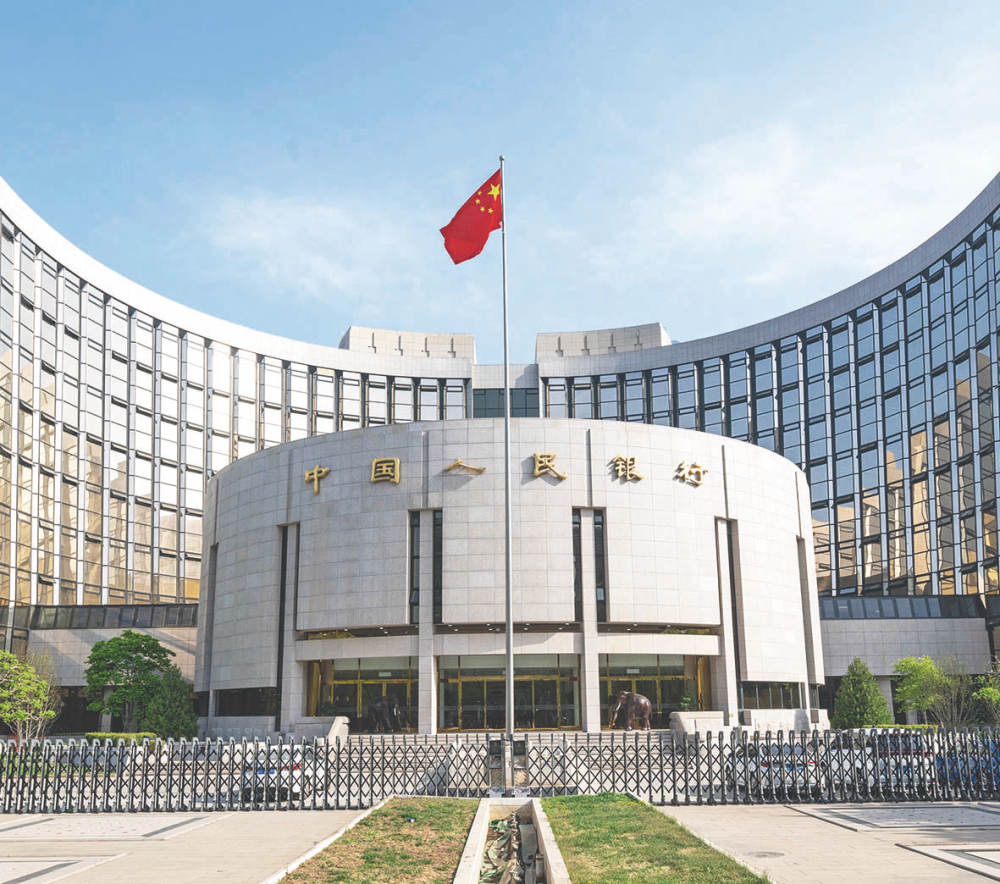
央行:着力扩大内需、优化供给,做优增量、盘活存量
Mei Ri Jing Ji Xin Wen· 2025-12-12 12:42
每经AI快讯,12月12日,中国人民银行党委召开会议,传达学习中央经济工作会议精神,会议强调, 做好明年中国人民银行工作,要以习近平新时代中国特色社会主义思想为指导,全面贯彻党的二十大和 二十届历次全会精神,认真贯彻中央经济工作会议精神,按照全国金融系统工作会议工作部署,坚持稳 中求进工作总基调,完整准确全面贯彻新发展理念,继续实施适度宽松的货币政策,发挥存量政策和增 量政策集成效应,加大逆周期和跨周期调节力度,着力扩大内需、优化供给,做优增量、盘活存量,为 经济稳定增长、高质量发展和金融市场稳定运行营造良好的货币金融环境。 ...
央行最新发声:继续实施适度宽松的货币政策
21世纪经济报道· 2025-12-12 12:41
Core Viewpoint - The article emphasizes the importance of the People's Bank of China (PBOC) in implementing monetary policy and financial management to support economic stability and growth in the coming year, guided by the principles outlined in the Central Economic Work Conference and the Party's leadership [1][2][6]. Group 1: Economic Context and Achievements - The PBOC acknowledges the challenges faced over the past year, including increased external pressures and internal difficulties, but highlights that the economy has managed to progress and achieve its main development goals, marking a successful conclusion to the 14th Five-Year Plan [2]. - The achievements reflect the strategic wisdom and decision-making capabilities of the Party leadership under Xi Jinping, demonstrating effective governance in navigating complex economic conditions [2]. Group 2: Policy Directions for the Coming Year - The PBOC plans to implement a moderately accommodative monetary policy, focusing on stabilizing economic growth and ensuring reasonable price recovery, while maintaining ample liquidity in the financial system [4]. - Key tasks include enhancing financial support for the real economy, particularly in areas such as expanding domestic demand, technological innovation, and support for small and micro enterprises [4]. Group 3: Financial Stability and Risk Management - The PBOC aims to prevent and mitigate financial risks, ensuring a balance between economic growth, structural adjustments, and financial stability, which is crucial for high-quality economic development [5]. - Strengthening the monitoring, assessment, and early warning systems for financial risks is a priority, alongside maintaining the stability of financial markets and addressing the debt risks of financing platforms [5]. Group 4: Financial Openness and International Cooperation - The PBOC is committed to advancing high-level financial openness and maintaining national financial security, engaging in global financial governance reforms, and promoting the internationalization of the Renminbi [5]. - Efforts will also focus on developing a comprehensive cross-border payment system for the Renminbi and steadily advancing the digital currency initiative [5].

何立峰:继续实施好适度宽松的货币政策 加强对扩大内需等重点领域的金融支持
Xin Hua She· 2025-12-12 11:48
Group 1 - The national financial system work conference was held on December 12 in Beijing, emphasizing the need for the financial system to deeply learn and implement the spirit of the Central Economic Work Conference [1] - The focus is on accurately understanding the economic situation and main objectives, with a commitment to risk prevention, strong regulation, and promoting high-quality development as the main line of work for 2026 [1] - Key areas of risk management include preventing and resolving risks from local small and medium financial institutions, financial risks related to real estate companies, and financial debt risks from local government financing platforms [1] Group 2 - There is a call to further consolidate and strengthen financial regulation, improve regulatory systems in key areas, and enhance compliance and risk awareness among financial institutions [2] - The aim is to promote high-quality development through moderately loose monetary policy, with a focus on financial support for expanding domestic demand, technological innovation, and small and micro enterprises [2] - The importance of strengthening the Party's comprehensive leadership over financial work and ensuring the implementation of key directives from the central leadership is highlighted [2]
中央经济工作会议点评:政策表态释放积极信号,大盘有望继续向上演绎,迎接跨年行情
Dongguan Securities· 2025-12-12 11:19
事 件 点 评 绎,迎接跨年行情 ——中央经济工作会议点评 | 策 | | | | | | | | | | | | | --- | --- | --- | --- | --- | --- | --- | --- | --- | --- | --- | --- | | 政策表态释放积极信号,大盘有望继续向上演 | | | | | | | | | | | | | 略 | | | | | | | | | | | | | 研 | | | | | | | | | | | | | 绎,迎接跨年行情 | 究 | | | | | | | | | | | | ——中央经济工作会议点评 | | | | | | | | | | | | | 分析师:熊越(SAC | 执业证书编号:S0340524080001) | | | | | | | | | | | | 电话:0769-22118627 | 邮箱:xiongyue@dgzq.com.cn | 年 | 月 | 日 | 2025 | 12 | 12 | | | | | | 分析师:叶子沛(SAC | 执业证书编号:S0340525070001) | | | | | | | | | ...