即时零售

Search documents
一边关停,一边开业:美团电商“退场”,即时零售“加码”
Xin Lang Cai Jing· 2025-12-17 01:41
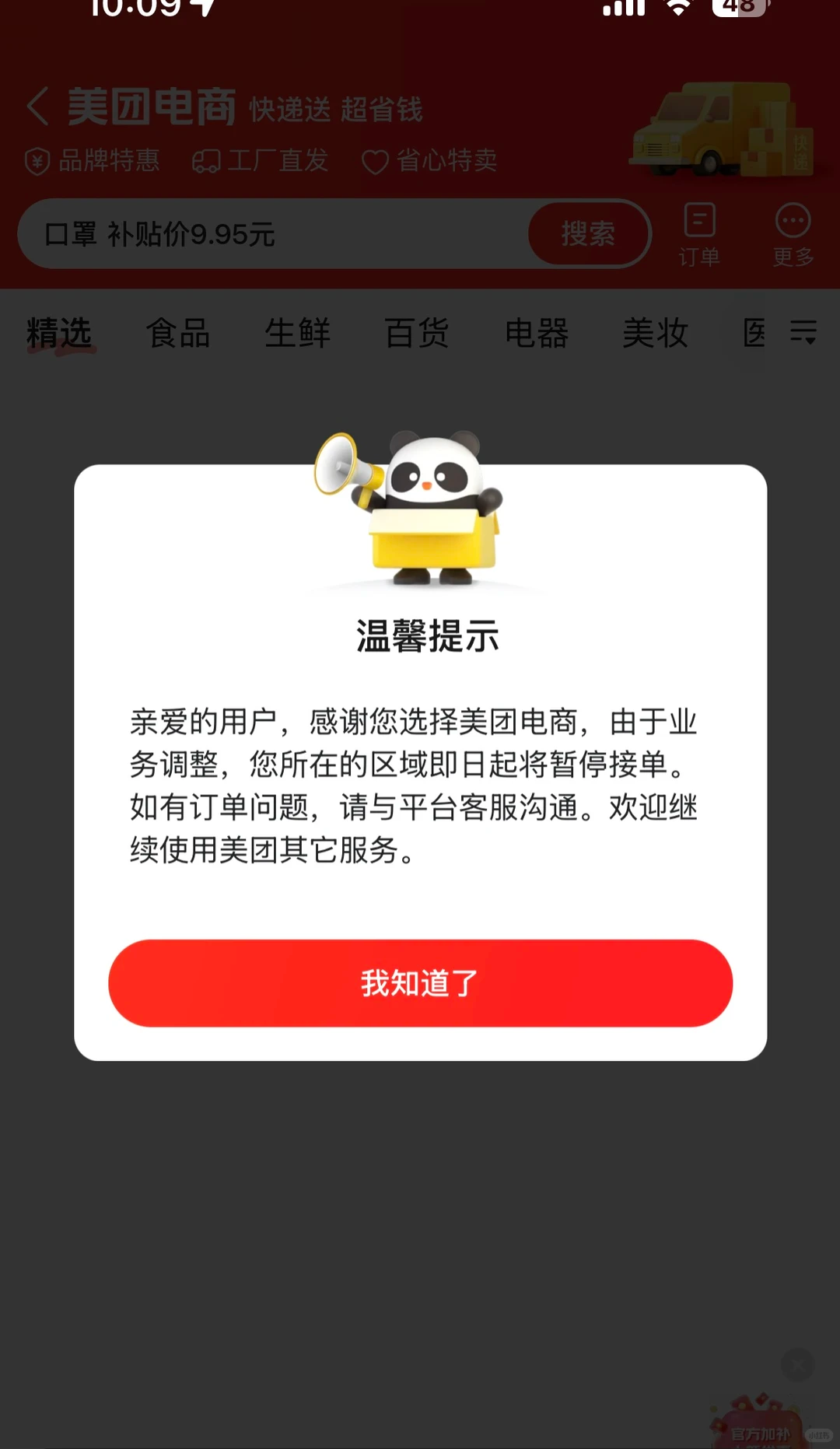
Core Insights - Meituan is undergoing a significant strategic shift, moving away from community group buying and focusing on offline new retail formats, particularly the "30-minute living circle" [1][4][28] Business Strategy - The decision to suspend the "Tuanhao Goods" (Meituan E-commerce) business is driven by the inability of the express e-commerce model to meet the demands of instant retail users, prompting Meituan to adapt to market trends [4][15] - The closure of Tuanhao Goods and the contraction of Meituan Youxuan (community group buying) signify a strategic pivot towards high-growth areas, as the company aims to concentrate resources on its strengths [6][15] - Meituan's focus is shifting from long-term investments in non-core e-commerce to immediate retail, leveraging its delivery network and user mindset [15][28] Financial Performance - Meituan's financial pressures are evident, with a reported loss of 14.1 billion yuan and an adjusted net loss of 16 billion yuan in Q3 2025, attributed to increased subsidies and marketing costs in the competitive food delivery sector [15][20] - Despite having a large user base, Tuanhao Goods' GMV was only approximately 630 million yuan in 2021, with a low average order value of 17.5 yuan, highlighting its marginal position within Meituan's overall strategy [14][15] Market Competition - The competition in instant retail is intensifying, with rivals like Alibaba and JD.com ramping up their efforts in the sector, leading to significant marketing expenditures from all three companies [17][20] - Meituan's market share in instant retail is projected to decline from 73% in 2024 to 55% by 2027, indicating increasing competitive pressure [19] New Retail Initiatives - Meituan is aggressively expanding its offline retail presence with the launch of "Happy Monkey" and "Little Elephant" supermarkets, targeting community consumption and higher-end markets respectively [21][26] - The first Little Elephant supermarket is set to open in Beijing, aiming to establish a premium brand image and cater to middle-class families [26][28] - Happy Monkey's strategy focuses on low prices and high turnover, while Little Elephant aims for brand and profit in more affluent areas [25][26]


背靠美团 歪马送酒如何走出低价即饮困局
Bei Jing Shang Bao· 2025-12-16 16:19
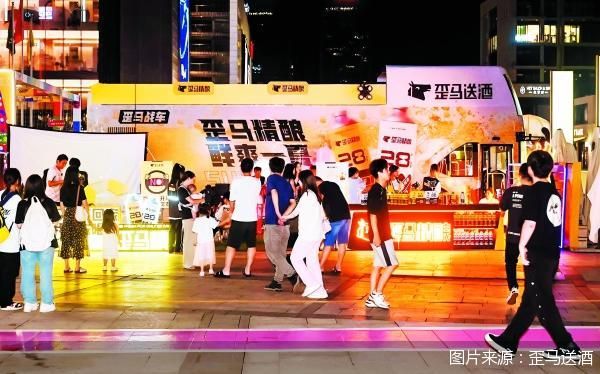
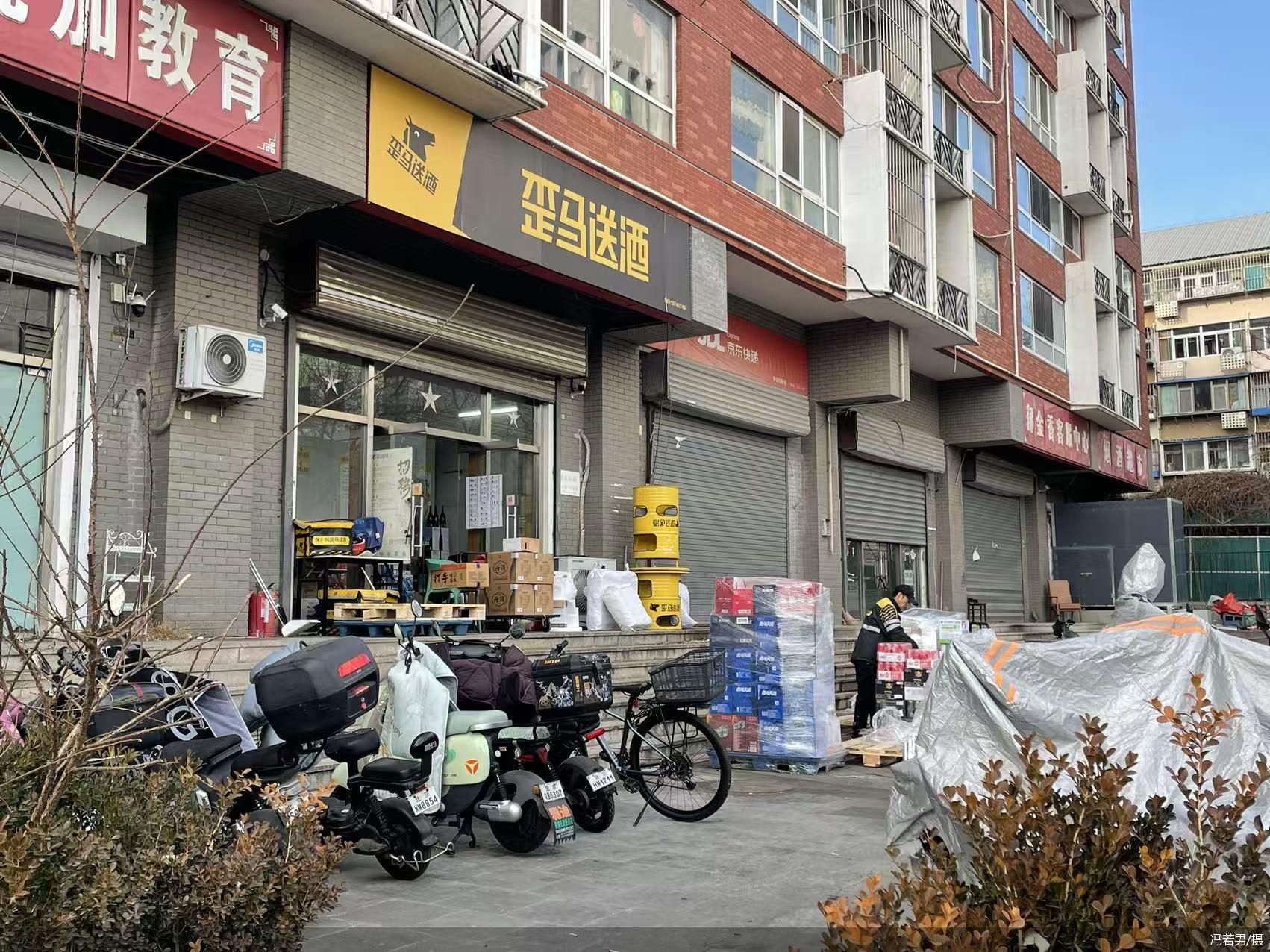
Core Insights - The article discusses the challenges faced by Yima Songjiu, a liquor instant retail brand under Meituan, particularly regarding product authenticity and low average transaction value [1][5][10] Group 1: Company Overview - Yima Songjiu has established over 2,000 front warehouses across China since its pilot launch in Huizhou, Guangdong in 2021, with user numbers exceeding 20 million and a transaction scale of approximately 30 billion yuan last year, expected to surpass 60 billion yuan this year [3][6] - The platform primarily features low-priced products, with beer being the most popular category, reflecting a consumer preference for price advantages [3][4] Group 2: Market Dynamics - The instant retail market for liquor is expanding, with a market size nearing 20 billion yuan in 2023 and projected to exceed 100 billion yuan by 2027 [6] - The growth of the liquor instant retail market is driven by the shift in consumer behavior towards immediate consumption and the integration of online and offline services [6][8] Group 3: Consumer Behavior - Young consumers, particularly those born in the 1990s and 2000s, are driving the demand for high-quality, low-priced liquor products, favoring instant retail platforms for their convenience [8][9] - The consumption scenarios have diversified, with home drinking, camping, and gatherings becoming key contexts for liquor consumption, indicating a shift from social tools to lifestyle companions [7][8] Group 4: Challenges and Solutions - Yima Songjiu faces significant challenges related to product authenticity, with reports of counterfeit products leading to consumer distrust [9][10] - In response, the company has implemented a "full authenticity" service system to ensure product integrity from sourcing to delivery, although some liquor brands remain hesitant to authorize sales through the platform [9][10]
15分钟“微醺” 歪马送酒狂奔下的即时零售
Bei Jing Shang Bao· 2025-12-16 14:28
Core Insights - The article discusses the challenges faced by Yima Songjiu, a liquor instant retail brand under Meituan, including authenticity issues and low average transaction value, despite being seen as a new opportunity in the liquor sales channel [1][5][13]. Group 1: Market Position and Performance - Yima Songjiu has established over 2,000 front warehouses nationwide since its pilot launch in Huizhou in 2021, with over 20 million users and a transaction scale expected to exceed 6 billion yuan [4]. - The platform primarily features low-priced products, with beer dominating the sales, reflecting a "high-frequency low-value" consumption pattern [5][10]. - The average transaction price for popular products is notably low, with many items priced under 100 yuan, indicating a focus on affordability to attract consumers [4][15]. Group 2: Consumer Behavior and Trends - The rise of young consumers, particularly those born in the 1990s and 2000s, is driving demand for high-quality, low-priced liquor products, aligning with the instant retail model [12]. - Consumption scenarios have diversified, with home drinking, camping, and gatherings becoming key contexts for liquor consumption, shifting consumer attitudes from social tools to lifestyle companions [11][12]. Group 3: Challenges and Solutions - Authenticity concerns have emerged, with reports of consumers receiving products that differ in taste or quality, leading to suspicions of counterfeit goods [1][13]. - Yima Songjiu has implemented a "full authenticity" service system to address these concerns, but some liquor companies remain hesitant to authorize the platform due to channel control and pricing issues [13][14]. - The platform's focus on low-priced products limits its profitability, as the sales model primarily revolves around high-frequency, low-value transactions [5][10].
便利店新竞赛:看懂5大进化方向
3 6 Ke· 2025-12-16 11:47
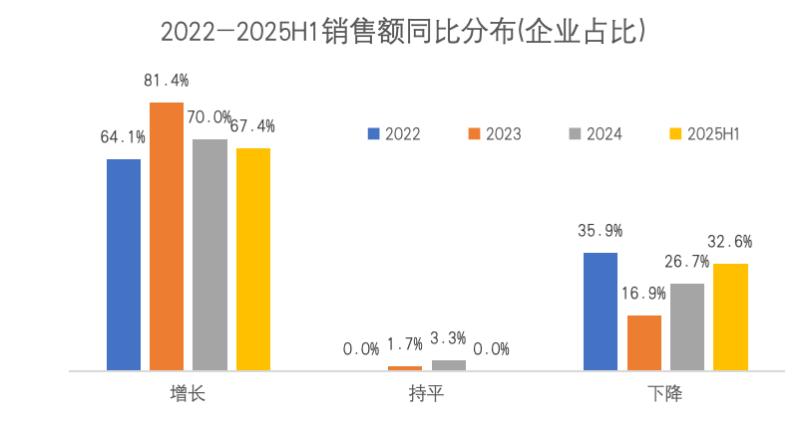
Core Insights - The convenience store industry is undergoing a significant transformation from scale expansion to value reconstruction, driven by changing consumer behaviors and competitive pressures [1][7]. Group 1: Market Growth and Competition - Convenience stores have become a vital growth segment in retail, with a 6% year-on-year increase in sales, outperforming other retail formats [1]. - The number of convenience stores continues to grow, with over 67.4% of surveyed companies reporting sales growth, and a net increase of 4,093 stores expected by mid-2025 [1][3]. - Major players like Meiyijia have rapidly expanded from over 30,000 to more than 40,000 stores in less than three years, achieving an annual sales figure of 558 billion yuan [3]. Group 2: Competitive Landscape - Local brands are aggressively expanding, with Tianfu and Furong Xingsheng also increasing their market presence [5]. - Foreign brands like 7-Eleven and Lawson are adapting by accelerating store openings and localizing their offerings, with 7-Eleven adding 733 stores in 2024 [5][6]. - New business models, such as instant retail platforms and snack discount stores, are increasingly diverting customers from traditional convenience stores [6][7]. Group 3: Evolution Strategies - Convenience stores are focusing on five key evolution directions to remain competitive: 1. **Product Differentiation**: Emphasizing fresh food and private label products to combat homogenization [10][14]. 2. **Instant Retail Integration**: Adopting instant retail as a standard offering, with a 60% year-on-year increase in instant retail orders [15][17]. 3. **Community Engagement**: Transforming stores into community hubs by offering additional services like package collection and entertainment [18]. 4. **Digital Transformation**: Implementing digital supply chain solutions to enhance operational efficiency and responsiveness [19][20]. 5. **Market Penetration**: Targeting lower-tier cities and exploring international expansion as new growth avenues [23][25]. Group 4: Future Outlook - The competition in the convenience store sector is evolving beyond mere location acquisition to encompass supply chain efficiency, product strength, digital capabilities, and customer experience [26].
美团暂停团好货业务 五年电商探索按下终止键
Xi Niu Cai Jing· 2025-12-16 11:24
Group 1 - Meituan's group buying business, Tuanhao Huo, announced the suspension of operations, shifting its strategic focus towards exploring new retail formats after five years in the express e-commerce sector [2] - Tuanhao Huo was launched in August 2020 as a mini-program and quickly became a primary entry point in the Meituan app, aiming to compete with Pinduoduo in lower-tier markets through a "direct delivery from production + low-price group buying" model [2] - Initially, Tuanhao Huo showed strong momentum, achieving over 100,000 daily orders and covering 18 major categories, but failed to establish a sustainable model, with daily orders dropping to less than half of their peak by the end of 2022 [2] Group 2 - Meituan's Q3 2025 financial report indicated a revenue of 95.5 billion yuan, with only a 2% year-on-year growth, and a core local business loss of 14.1 billion yuan, primarily due to intense competition and subsidies in the food delivery sector [2] - The external environment is shifting towards structural changes in retail, with "half-hour delivery" becoming mainstream; the Ministry of Commerce predicts that China's instant retail market will reach 781 billion yuan in 2024, growing by 20.15% year-on-year, significantly outpacing overall online retail growth [3] - The demographic of Meituan's flash purchase users shows that over two-thirds are from the post-90s generation, indicating a shift away from traditional B2C e-commerce models like Tuanhao Huo [3]
即时零售成医药健康增长主引擎 京东买药秒送订单同比增长超200%
Zheng Quan Ri Bao Wang· 2025-12-16 09:41
Core Insights - JD Health is focusing on building a sustainable growth ecosystem centered around "users, supply chain, and logistics" in the instant retail sector, as highlighted in their recent conference themed "Opening a New Chapter for the Future" [1][2] - The company has introduced a growth triangle model of "Supply × Experience × User" to provide partners with reliable growth opportunities [2] Market Trends - Health consumption is undergoing significant generational changes, with users under 30 years old accounting for a 16% year-on-year increase in JD's instant medicine delivery service, and student users increasing by 11.5% year-on-year [1] - Young consumers are driving a shift in health consumption towards immediacy, personalization, and contextualization, with rising demands in specific scenarios such as emergency medical aesthetics and travel-related health needs [1] Industry Growth Projections - The instant retail market is projected to exceed 1 trillion yuan by 2025, growing at a rate of 29%, and is expected to surpass 2 trillion yuan by 2030 [1] - The O2O (Online to Offline) segment in pharmaceuticals is anticipated to be a major growth engine in the retail market [1] Operational Capabilities - JD Health has established a comprehensive supply chain network covering over 2,600 counties and cities, supported by a logistics system with over 2 million couriers, enabling delivery in as fast as 9 minutes [2] - Since April 2025, the number of JD's instant medicine delivery stores has seen a continuous year-on-year growth of over 100%, with orders increasing by over 200% [2] Collaborative Success - The collaboration with partners like Hongyu Pharmaceutical has demonstrated the effectiveness of JD Health's instant delivery network, significantly reducing the turnover days for unsold products and enabling inventory sharing and traffic activation [2] Future Focus - Looking ahead to 2026, JD Health plans to concentrate on specialized sectors within instant retail and enhance its supply chain capabilities [3] - The company aims to further open its data capabilities, traffic resources, and operational tools to ecosystem partners, facilitating sustainable growth in the new instant retail landscape [3]

消耗近1000亿,外卖战场剩了啥?
3 6 Ke· 2025-12-16 04:50
Core Insights - The competitive landscape of the food delivery industry has evolved from a dominant Meituan to a tripartite competition involving Meituan, Alibaba (including Taobao Flash Sale and Ele.me), and JD.com, leading to significant capital consumption exceeding hundreds of billions [1][3] - The battle for market share in food delivery is fundamentally a contest for entry into instant retail, with the market projected to reach 1 trillion yuan by 2026 and 2 trillion yuan by 2030, indicating a major shift in competition dynamics by 2025 [3][9] Investment and Spending - Major players have significantly increased their marketing expenditures to remain competitive, with Meituan's sales and marketing costs rising by 90.9% year-on-year to 34.3 billion yuan, Alibaba's marketing costs exceeding 34 billion yuan, and JD.com's marketing expenses reaching 21.1 billion yuan [5][6] - On July 12, a peak in subsidy wars saw Meituan and Taobao Flash Sale offering combined subsidies of approximately 1.6 billion yuan, resulting in record order volumes for both platforms [6][8] Market Dynamics - Despite the intense competition, the market shares of the leading players have not significantly diverged, with Meituan holding 50%, Alibaba 42%, and JD.com 8% of the market by late 2025 [6][8] - The competition has led to profit warnings from major players, with Meituan anticipating substantial losses in its food delivery business for Q4, while emphasizing the need for resource allocation based on competitive conditions [8] Rider Welfare and Regulations - The year 2025 has been marked as a pivotal year for rider welfare, with new regulations mandating social security contributions for riders, transforming rider benefits from optional to essential [11][12] - Companies like JD.com have committed to comprehensive social security for their riders, while Meituan has implemented measures to enhance rider safety and well-being, indicating a shift towards higher service quality and sustainable competition [13][15] Industry Evolution - The fierce competition has accelerated the standardization and regulation of the industry, with the National Market Regulation Administration issuing guidelines to ensure food safety, rider rights, and fair competition practices [16][17] - The 2025 food delivery battle has highlighted and addressed various issues within the industry, paving the way for a healthier and more sustainable ecosystem [17]


从两大报告解析:2026即时零售平台融合的8大趋势
3 6 Ke· 2025-12-16 03:11
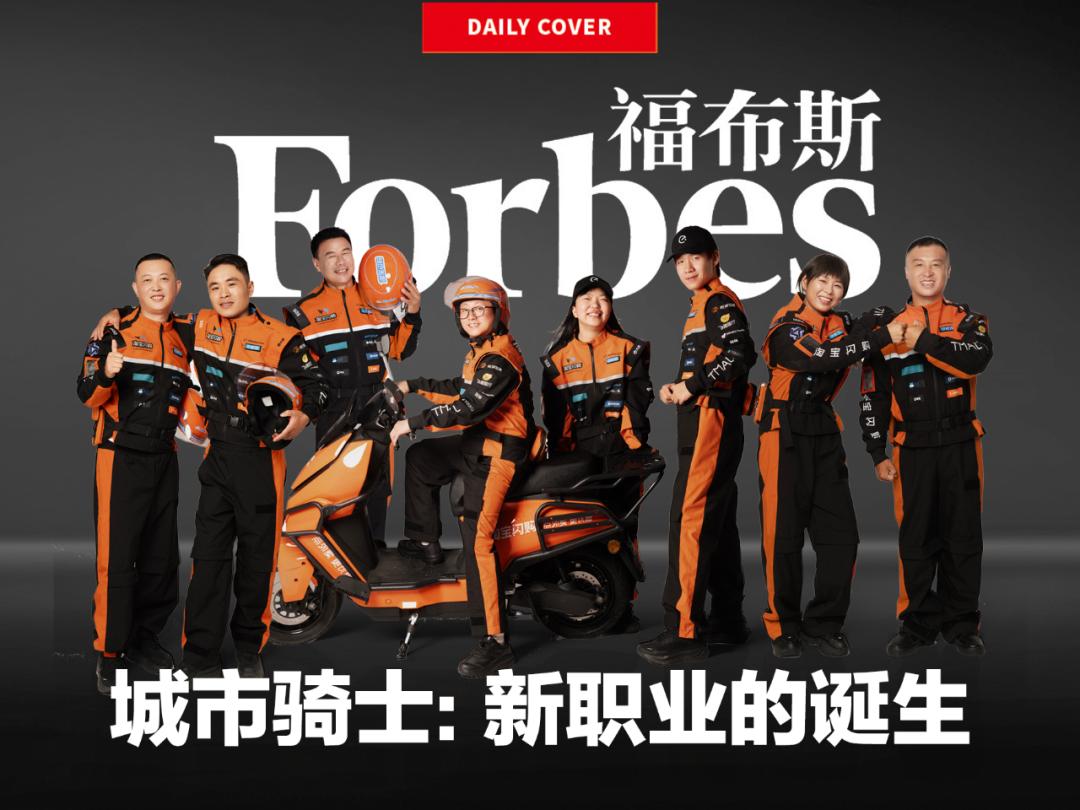
Core Insights - Instant retail has emerged as a new growth driver in China's retail sector, with a projected market size of 7.81 trillion yuan in 2024, growing by 20.15% year-on-year, and expected to reach 9.71 trillion yuan in 2025, surpassing the growth rates of both online retail and total social retail sales [6][10][12] Group 1: Market Dynamics - Instant retail is transitioning from a focus on rapid scale to a deeper ecosystem engagement, supported by favorable policies such as the "15-minute convenience living circle" initiative [5][6] - The industry is expected to surpass a trillion yuan by 2025 and reach 2 trillion yuan by 2030, driven by both market demand and policy support [6][10] Group 2: Platform Evolution - Major platforms are elevating instant retail to a core strategic position, with Meituan upgrading its "Flash Purchase" to an independent brand and Alibaba rebranding "Ele.me" to "Taobao Flash Purchase" [10][11] - JD.com has integrated its "JD Hourly Delivery" and "JD Home" into "JD Seconds Delivery," indicating a competitive shift among major players [10][11] Group 3: Consumer Trends - The primary consumer demographic is shifting towards younger age groups, with 55% of consumers aged 31-45 by 2024, and over two-thirds of Meituan Flash Purchase users being born in the 1990s [12][13] - Instant retail is evolving from merely fulfilling urgent needs to creating diverse consumption scenarios, including home, travel, and remote care [15][17] Group 4: Value Proposition - Instant retail is transforming into a key enabler of the digital economy, enhancing operational efficiency for large supermarkets and supporting the digital transformation of small businesses [14][30] - The sector is creating millions of jobs, with the number of delivery personnel growing from 3.96 million in 2017 to 11.21 million in 2022, reflecting a compound annual growth rate of 23.1% [14] Group 5: Quality and Health Focus - Instant retail platforms are enhancing brand collaborations to improve service and product quality, with Meituan collaborating with over 5,600 retailers and Taobao Flash Purchase increasing its brand partnerships significantly [20][21] - Health-conscious products are gaining traction, with 80% of consumers willing to pay a premium for health-oriented items, indicating a shift in consumer preferences [21] Group 6: Ecosystem Integration - Instant retail is increasingly integrating with various external ecosystems, such as travel and content, to enhance consumer experiences and create additional value [23][30] - The "Flash Purchase Theater" model by Taobao Flash Purchase exemplifies this integration, allowing consumers to purchase products featured in content directly [24][28] Group 7: Sustainability and Technology - The industry is addressing sustainability through green packaging and energy-efficient delivery methods, aligning with carbon neutrality goals [30] - Technological advancements, including AI and big data, are driving operational efficiencies and enabling traditional retailers to integrate online and offline channels [31][32]
白酒进入消费新时代,谁能决定未来?
Sou Hu Cai Jing· 2025-12-16 03:10
Core Insights - The Chinese liquor industry is at a crossroads, transitioning from traditional models to new consumer-driven approaches, focusing on value, experience, and connection [2] Group 1: Value Restructuring - The evolution of liquor consumption in China reflects changes in the national economy and social psychology, transitioning through three main stages: 1.0 (basic sustenance), 2.0 (social currency), and currently 3.0/4.0 (quality and self-enjoyment) [2][3][4] - The current phase emphasizes personal experience and health consciousness, with a significant young population (approximately 400 million aged 14-35, accounting for 28.35% of the total) driving this shift [4] Group 2: Multi-Dimensional Empowerment - The industry consensus has shifted from "who controls the channel wins" to "who captures the youth wins," indicating a marketing and operational transformation towards a user-centered approach [5] - Consumption is evolving from social symbols to emotional companions, with younger consumers preferring lower-alcohol beverages for a relaxed experience, valuing "heart price" and "emotion price" over mere status [5][6] - Product innovation is focusing on health, flavor diversity, and convenient packaging, breaking traditional taste barriers [7][8] - The rise of instant retail is meeting the demand for immediate satisfaction, with significant growth in online sales during promotional events [9] - Social drinking scenarios are diversifying, moving from formal gatherings to casual settings like parties and festivals, with brands leveraging social media for engagement [10][11] Group 3: Systemic Breakthrough - The new era of liquor consumption is characterized by consumer sovereignty, driven by information equality and diverse choices, with competition extending beyond the liquor industry to other beverage categories [12] - Companies need to innovate across multiple dimensions, including product offerings, channel strategies, and brand building, to create a cohesive competitive advantage [13][14] - Successful companies will be those that accurately address the core needs of health and self-enjoyment while implementing systematic innovations in products, channels, and branding [14][15]
啤酒行业更新点评:歪马送酒门店持续扩张,啤酒即时零售进程延续
Changjiang Securities· 2025-12-15 23:30
Investment Rating - The investment rating for the beer industry is "Positive" and is maintained [6]. Core Insights - As of December 12, 2025, Meituan's liquor instant retail platform "Yaimasongjiu" has surpassed 2,000 stores, serving nearly 30 million users, with a transaction volume exceeding 6 billion yuan, entering the top three liquor brands, indicating strong growth momentum [2][4]. - The instant retail platform leverages digitalization to better understand consumer preferences and trends, allowing beer companies that can quickly respond to market demands and create popular products to gain larger market shares in new channels [2][4]. Summary by Sections Industry Overview - The rapid expansion of the instant retail platform has prompted beer companies to increasingly engage in this sector. By early 2025, several beer brands have indicated their plans to enter the instant retail market [4]. - Qingdao Beer, for instance, has been strengthening its layout in instant retail and flash warehouse models, while China Resources Beer has collaborated with "Yaimasongjiu" to launch self-operated products [4]. Market Dynamics - The traditional beer sales channels are primarily focused on dining and distribution, where suppliers have more control. The open nature of instant retail platforms challenges these traditional barriers, presenting opportunities for the beer industry [4]. - Companies that can quickly adapt to market needs and create hit products are expected to thrive in this competitive landscape [4]. Recommended Companies - The report specifically recommends investing in Qingdao Beer, Yanjing Beer, China Resources Beer, and Chongqing Beer due to their strong positioning in the evolving market [2][4].