长期主义

Search documents
马云的聪明,沈南鹏一句话说透:布局、人性与长期主义
Xin Lang Cai Jing· 2025-12-02 16:15
Group 1 - The core idea revolves around the strategic insights of Jack Ma, emphasizing the importance of layout, human nature, and long-termism in business [1] Group 2 - The discussion highlights the significance of understanding human behavior in shaping business strategies [1] - It underscores the necessity of a well-thought-out layout for sustainable growth and success in the industry [1] - Long-termism is presented as a crucial approach for companies aiming to thrive in a competitive environment [1]
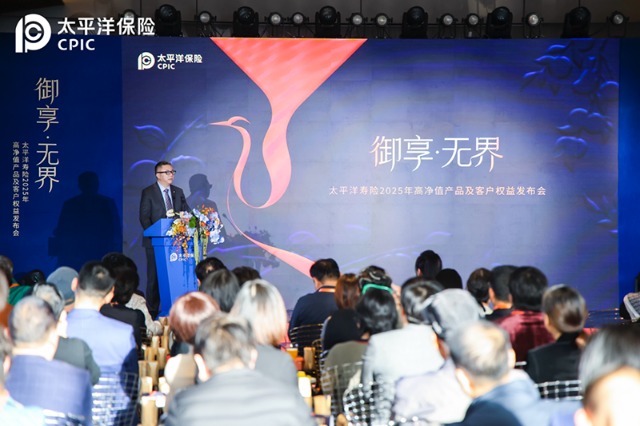
财富之上,成就新时代“丰盛人生” 中国太保寿险举办2025年高净值产品及客户权益发布会
Shang Hai Zheng Quan Bao· 2025-12-02 09:16
Core Insights - China Pacific Insurance (CPIC) launched new high-end products and upgraded customer club rights, focusing on high-net-worth clients' core needs in wealth management, risk defense, and service enhancement [1][6] Group 1: Wealth Management and Economic Insights - Renowned economist Ma Guangyuan emphasized the importance of respecting economic cycles in wealth management, stating that the essence of wealth is cyclical and that long-term and professional investment strategies are crucial in navigating uncertainties [2] - The current wealth cycle in China is undergoing significant changes, necessitating the construction of optimal asset portfolios that include professional financial assets like insurance and banking [2] Group 2: Customer-Centric Approach - CPIC prioritizes customer needs by providing professional insurance products for family risk protection and leveraging its asset-liability management capabilities to share investment returns with clients [3] - The company has adapted to profound internal and external changes by exploring diverse customer needs and redefining its role beyond traditional insurance services, aiming to help clients achieve a "prosperous life" in the new era [3] Group 3: High-Net-Worth Client Focus - The event highlighted a shift in high-net-worth clients' core needs from "growth" to "inheritance" in wealth management and from "ownership" to "experience" in lifestyle pursuits, with a move towards personalized services [6] - CPIC introduced two new products: the Taibao Hongfu Tainian (Yuxiang Version) annuity insurance and the Taibao Shengshi Hongyun (Yuxiang Version) whole life insurance, designed to meet the stable asset growth and inheritance needs of high-net-worth families [6] - The upgraded "1+6" private rights system offers 24/7 dedicated concierge services and covers six areas: health, retirement, education, career, life, and art, providing clients with access to CPIC's quality investment ecosystem and global service resources [6]


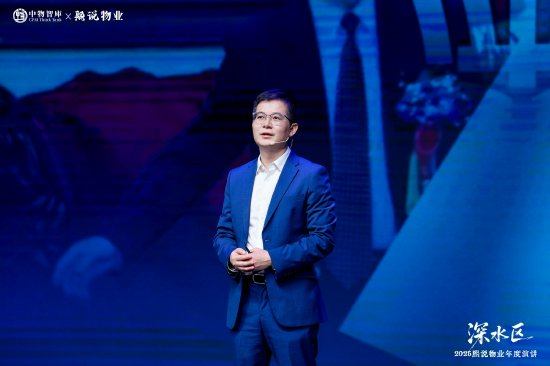
中物智库创始人杨熙:物业从出生起就是为销售价值而存在,而非服务价值
Xin Lang Cai Jing· 2025-12-02 07:05
Core Insights - The annual speech of 2025 Xi Shuo Property held on December 2 in Shenzhen focused on the theme "Deep Water Zone" and highlighted that property management did not originate from the service industry but rather emerged from the tail end of real estate processes [1][4]. Group 1: Property Management's Origin and Evolution - Property management has always existed to serve sales value rather than service value, as part of the delivery closure [3][6]. - In the national economic industry classification, property management has been categorized under real estate, which imposes deeper constraints due to its inherent genes and culture [3][6]. Group 2: Cultural and Operational Differences - The culture of real estate emphasizes speed, milestones, and obedience, while property management requires patience, emotional connection, and a slower approach [3][6]. - There is a contrast between hard logic (sales-driven) and soft logic (relationship governance), with one focusing on absolute obedience and the other on perception and negotiation [3][6]. Group 3: Impact of Real Estate Market Changes - During the golden era of real estate, property companies thrived due to the rapid growth driven by real estate, but the past four years have seen several real estate companies face crises, leading to cash flow issues for property management [3][6]. - Property management has become a scapegoat for dissatisfaction, absorbing emotions and acting as a buffer for social pressures due to project delivery issues and developer financial strains [3][6]. Group 4: Future Directions for Property Management - The speaker emphasized the need to detach from real estate genes, not to deny real estate but to enhance the service industry’s genes [3][6]. - A shift towards a service-oriented logic and long-term relationship management is necessary to replace short-term KPI and sales thinking, aiming to establish a sustainable business model in the era of existing stock [3][6].
如何酿一杯能对话未来的酒?
Sou Hu Cai Jing· 2025-12-02 03:41
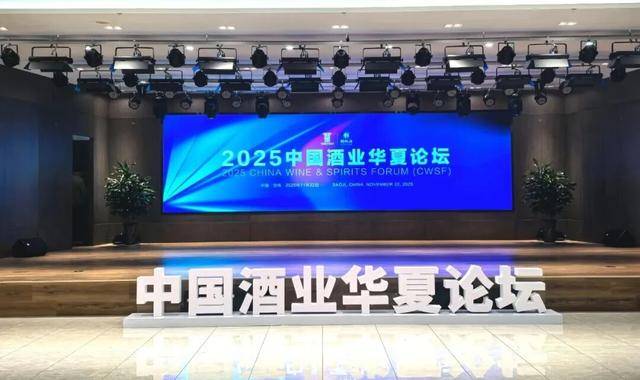
Core Viewpoint - The Chinese liquor industry is facing challenges such as overcapacity, high inventory, generational consumption shifts, and price bubbles, prompting discussions on potential solutions at the first "China Liquor Industry Huaxia Forum" [2][5] Industry Challenges - The industry is experiencing a significant transition, with the first phase dominated by top brands holding 80%-90% market share, while the second phase will see concentration among 7-8 leading brands, leading to the decline of many second and third-tier brands [7] - Current market conditions include a slowdown in consumption, structural shifts in consumer behavior, and challenges such as the "drinking ban" and reduced consumption among younger demographics, resulting in inventory pressures and price discrepancies [11] Strategic Insights - Companies are encouraged to embrace change and innovate to meet diverse consumer demands, with a focus on maintaining product quality through traditional craftsmanship while also pursuing technological advancements [12][13] - The importance of direct sales channels is emphasized, as e-commerce and retail have shown consistent double-digit growth annually, necessitating a shift in focus for companies [13] - The integration of tourism and liquor is highlighted as a promising strategy for consumer engagement and brand loyalty, with successful examples of cultural integration in product offerings [15] Innovation and Transformation - The use of blockchain technology for creating service-oriented platforms is presented as a way to enhance value for consumers while transitioning from traditional distribution models [17] - The industry is viewed as being in a temporary state of difficulty, with optimism surrounding the potential for recovery and growth through innovation and resilience [17]
茅台反向操作!拒绝讨好年轻人,藏着40岁消费密码
Sou Hu Cai Jing· 2025-12-02 03:11
Core Viewpoint - Moutai is strategically avoiding the trend of targeting younger consumers by not producing low-alcohol beverages, instead focusing on a long-term brand positioning that appeals to older demographics [1][20]. Group 1: Target Demographics - Moutai is not aiming to attract consumers aged 18-25 or 26-30, but rather focusing on the 36-45 age group, who are more likely to have the financial means to purchase high-end products [4][6]. - The company employs a segmented approach, gradually introducing the brand to younger consumers, with the goal of fostering brand recognition and loyalty over time [3][20]. Group 2: Brand Positioning - Moutai's brand identity is centered around being high-end, scarce, and a symbol of status, which contrasts with the more affordable and social nature of beverages favored by younger consumers [11][18]. - The company believes that true engagement with younger consumers comes from cultural resonance rather than price reductions or product alterations [18][22]. Group 3: Innovative Products - Moutai has not completely abandoned the younger market, as evidenced by the introduction of the "Sauce-flavored Latte," which retains the brand's essence while catering to younger consumption habits [13][20]. - This product innovation reflects a balance between maintaining brand integrity and appealing to the tastes of younger consumers without diluting the brand's value [13][22]. Group 4: Long-term Strategy - Moutai's approach is characterized as "delayed gratification," where the company is willing to wait for younger consumers to mature into high-end buyers rather than rushing to meet current trends [20][22]. - The brand's strategy emphasizes maintaining quality and brand value, ensuring that when younger consumers are financially ready, they will naturally gravitate towards Moutai [20][22].


保险资管两大命题!中再资产董事长李巍发声,谈三重思考
券商中国· 2025-12-01 15:17
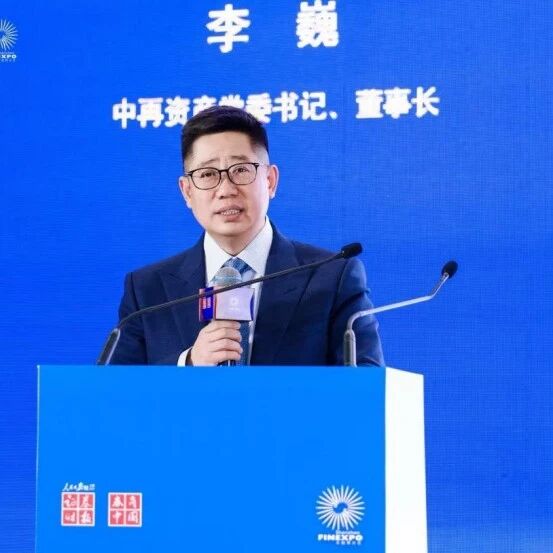
Core Viewpoint - The insurance asset management industry must navigate a "low interest rate, high volatility" environment to achieve stable and sustainable investment returns, aligning with the long-term nature of liabilities and rigid costs [1] Group 1: Long-term Perspective and Strategic Adaptation - The insurance asset management sector should adopt a long-term perspective, maintaining strategic determination and an open mindset to adapt to changes, thereby fostering value with patience and keen insight [3] - The industry faces significant pressures and challenges, particularly in adapting to macroeconomic transformations and evolving wealth management landscapes [5] Group 2: Development Drivers and Strategic Positioning - Three main drivers of insurance asset management development are identified: the transition to high-quality economic growth, the strengthening of industry functions, and the evolution of wealth management patterns [5] - The insurance sector is at a strategic window for transformation, with opportunities arising from national service needs and the evolving competitive landscape in asset management [5] Group 3: Industry Trends and Challenges - The asset management market is undergoing significant changes characterized by four trends: alignment with national strategic layouts, structural changes in market logic, the rise of artificial intelligence as a key investment theme, and systematic adjustments in asset allocation [6] - The industry must balance "guarding the fundamentals" with "innovation," focusing on enhancing value creation capabilities and adapting to new financing paradigms in the real economy [7] Group 4: Implementation of Strategies - To implement strategies effectively, the insurance asset management sector should enhance dynamic allocation capabilities, transition from static to strategy-driven asset allocation, and improve active management to capture alpha returns [8] - A systematic approach is necessary to support strategy execution, emphasizing the importance of economic fundamentals in shaping market opportunities and adjusting business strategies accordingly [8] Group 5: Expansion of Third-party Business - The insurance asset management sector aims to expand third-party business by leveraging core capabilities developed through insurance fund services, creating customized investment strategies to meet diverse client needs [9] - Future offerings will include highly tailored, flexible investment solutions rather than just single products, targeting various institutional clients such as banks, enterprises, and pension funds [9]
电商大浪淘沙,零售本质下谁将幸存?
Sou Hu Cai Jing· 2025-12-01 06:12
慢就是快。 ©️懂财帝出品 · 作者|嘉逸 资本潮水涨落,技术风口轮动,中国电商行业经历了狂飙突进的二十年。 无数玩家登场又离场,风口兴起又沉寂,我们目睹了模式创新的奇迹,也见证了泡沫破裂的虚无。 当喧嚣渐息,一个朴素而坚固的真理日益清晰: 唯有那些深刻理解并恪守零售业本质,在喧嚣中坚守长期价值的电商玩家,才能穿越经济与行业的层层周期,成为最后的赢家。 1|迷雾中的航标:何为零售业的不变本质? 零售,这一人类最古老的经济活动之一,其形态从墟集到百货,从超市到电商,从直播到元宇宙卖场,经历了翻天覆地的变化。 然而,纵使渠道与技术如何迭代,其本质始终如一,如同恒定不变的北极星,指引着商业的航向。 其一, 效率至上:成本、体验与决策的最优解。 零售的核心使命,是以更高的效率和更优的体验,将商品与服务交付给消费者。这里的"效率"是多重维度的:它既是供应链效率,以最低的成本、最快的 速度完成从生产端到消费端的流转; 零售的核心也是决策效率,通过精准的信息匹配,降低消费者的搜寻和选择成本;它更是体验效率,让购物过程变得轻松、愉悦、无负担。 从沃尔玛的"天天平价"到亚马逊的"一键下单",所有成功的商业模式,无不是在某一个或 ...

茅台的“不会唯指标论”,会引发“蝴蝶效应”吗?
Sou Hu Cai Jing· 2025-12-01 05:17
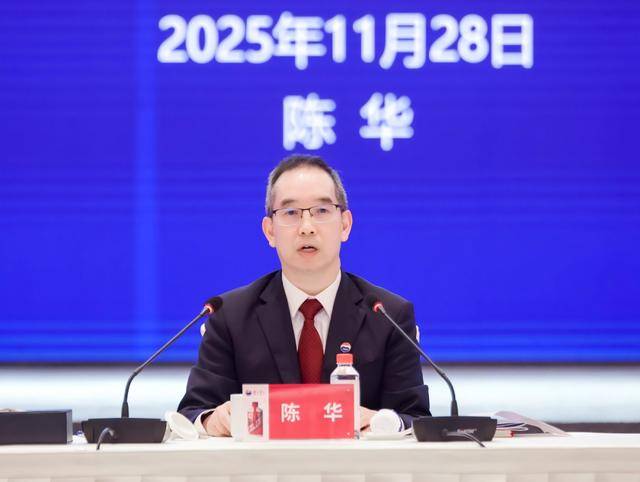
Core Viewpoint - The new chairman of Kweichow Moutai, Chen Hua, emphasizes a shift away from the "indicator-centric" approach in the liquor industry, focusing instead on quality and long-term value [1][3][5] Group 1: Company Strategy - Kweichow Moutai will adhere to the principle of prioritizing quality over quantity, cost, efficiency, and speed, aiming for a balanced approach between short-term and long-term goals [1][3] - The company aims to redefine its growth logic by moving away from short-term performance pressures, focusing on brand value and supply chain health [3][5] Group 2: Industry Implications - The abandonment of the "indicator-centric" model by Kweichow Moutai may trigger a significant shift in the liquor industry's values, encouraging other companies to adopt differentiated competition rather than blind pursuit of growth [3][5] - This change could help rebuild trust between manufacturers and distributors, alleviating pricing pressures and restoring rational market order [5][6] Group 3: Market Perspective - The market may need to adjust to a potential slowdown in Kweichow Moutai's growth, leading to a reassessment of its growth logic and valuation [5][6] - The shift towards "long-termism" advocated by Kweichow Moutai could reshape how investors evaluate the value of liquor companies in the context of ESG principles and sustainable development [5][6]
警惕储能“卷到海外”,行业呼吁长期主义
高工锂电· 2025-11-30 09:35
Core Viewpoint - The Chinese energy storage industry is at a crossroads between long-term sustainability and short-term profit, facing challenges such as price wars, complex compliance, and geopolitical risks while striving for global market respect and leadership [2][3][4]. Industry Trends - In 2025, Chinese energy storage companies have seen a significant increase in overseas orders, with new system contracts reaching approximately 180 GWh in the first three quarters, a year-on-year increase of over 100% [5]. - The overseas market share is becoming a crucial strategy for revenue and profit growth, with companies like Airo Energy and Pylon Technologies reporting over 90% of their revenue from international markets [6]. Competitive Landscape - Intense competition has led to price reductions of up to 30% in major markets like Europe and the Middle East, raising concerns about the sustainability of such practices [3][8]. - The industry is experiencing a dual nature of competition, with some companies innovating and localizing their products while others engage in detrimental price wars [8][11]. Product Development and Safety - The industry is witnessing a surge in product recalls due to safety issues, highlighting the need for improved quality control and risk management [10][12]. - Companies are encouraged to focus on long-term product safety and quality, establishing a comprehensive quality management system throughout the product lifecycle [12]. Future Directions - The industry must shift from a focus on rapid growth to building sustainable competitive advantages, emphasizing safety, quality, and technological innovation [12][13]. - Collaboration within the industry is essential to create a healthier ecosystem, resisting low-price competition that compromises quality [13].

怕失业的你,在AI狂飙的时代该这么想
虎嗅APP· 2025-11-29 13:20
Core Viewpoint - The article emphasizes the importance of optimism and long-term thinking in the face of uncertainty, using the construction of the Sagrada Familia as a metaphor for enduring projects that transcend individual lifetimes [4][6][7]. Group 1: Historical Context of Sagrada Familia - The Sagrada Familia's construction began in 1882, and architect Antoni Gaudí took over in 1883, dedicating his life to its design, which aimed to create a dialogue between nature and faith [5][6]. - Gaudí's vision included modular design and a self-sustaining funding model through ticket sales and donations, allowing the project to progress at its own pace without reliance on government funding [6][8]. - Despite Gaudí's death in 1926, which left the project in crisis, subsequent generations of architects and craftsmen continued the work, utilizing advancements in technology such as 3D modeling and drone surveying [6][7]. Group 2: Optimism in Uncertain Times - The article argues that true creativity often stems from optimism, suggesting that most significant human achievements are made by those who maintain a hopeful outlook [7][10]. - It highlights the need for flexible thinking and the ability to imagine multiple future scenarios, especially in rapidly changing environments like AI technology [10][11]. - The discussion includes the potential for collaboration between the U.S. and China in AI, challenging the prevailing narrative of inevitable conflict and emphasizing the importance of global cooperation on shared challenges [12][13]. Group 3: AI and Creativity - The article posits that AI is not merely a tool but a partner that can enhance human creativity by freeing individuals from mundane tasks, allowing them to focus on imaginative endeavors [16][20]. - It discusses the evolution of AI from general-purpose tools to specialized assistants that can cater to specific industry needs, thereby enhancing creativity across various fields [17][18]. - The potential for AI to create a new era of creativity is emphasized, where individuals can explore interests and hobbies, leading to innovative outcomes [20][21]. Group 4: Challenges and Considerations - The article acknowledges the limitations of AI, emphasizing the need for human guidance in AI training and the importance of integrating human experience with AI capabilities [21][22]. - It raises concerns about the gap between theoretical knowledge and practical application in AI, suggesting that human insight is crucial for effective collaboration [22][23]. - The need for AI to develop continuous learning capabilities and the distinction between human responsibility and machine execution are highlighted as critical issues for future development [23].