
场景创新

Search documents
透视成都经济“成绩单”:如何跑出加速度?
Sou Hu Cai Jing· 2026-01-23 13:11
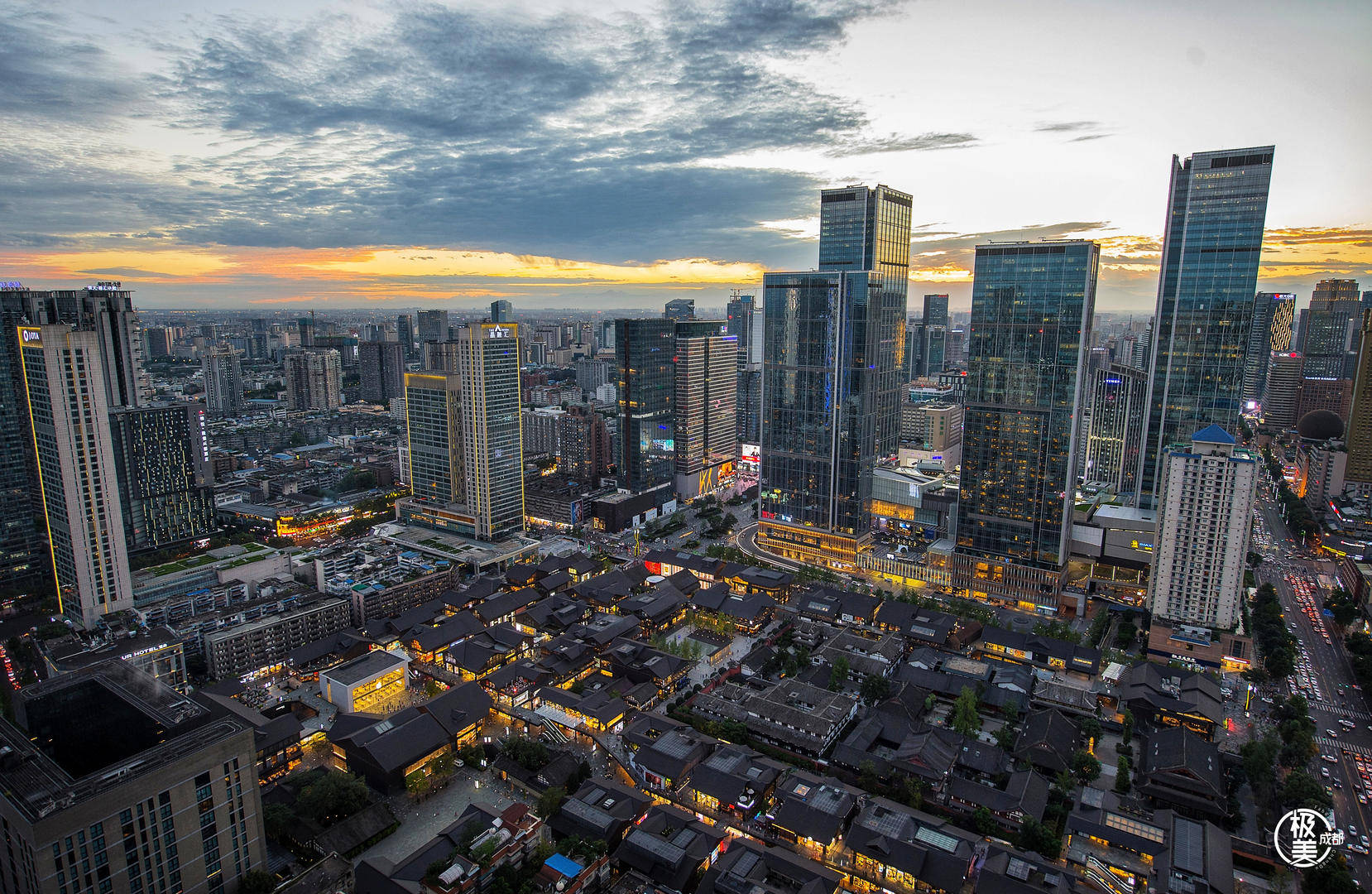
Economic Performance - Chengdu's GDP for 2025 is projected to be 24,763.6 billion yuan, reflecting a 5.8% increase from the previous year at constant prices [1] - Fixed asset investment in Chengdu grew by 2.2% year-on-year, outperforming national and provincial averages by 6 and 4.6 percentage points respectively [6] - The total retail sales of social consumer goods reached 11,434.1 billion yuan, marking a 5.5% increase from the previous year [1] - Foreign trade imports and exports hit a record high of 8,502.3 billion yuan [1][21] Investment and Project Development - Chengdu initiated a "100-day special action" to promote project investment, resulting in significant improvements in project initiation and quality [6][7] - In 2025, 995 key projects completed investments of 3,809.8 billion yuan, exceeding the annual plan by 12.6 percentage points [7] - The opening rate of projects reached 97.1%, an increase of 32.9 percentage points compared to before the special action [7] Industrial Development - Chengdu is implementing the "Stand Park Full Park" initiative, optimizing a park system of "3+22+N" to support industrial growth [8] - The city is focusing on 17 key industrial chains to strengthen, extend, and supplement these chains through a "chain leader + special class" approach [8] - Chengdu has established 14 billion-level parks and 26 500-million-level parks, which significantly contribute to the city's economic development [15] Innovation and Technology - Chengdu has launched several innovative projects, including the world's first 150-inch Fresnel optical screen and a new radioactive drug for pancreatic cancer [5][9][12] - The establishment of the Tianfu Jiangxi Laboratory for humanoid robots signifies Chengdu's commitment to advancing in cutting-edge technology [10] - The city has introduced policies to enhance low-altitude flight capabilities and foster a low-altitude economy [12] Economic Strategy and Governance - Chengdu's economic strategy emphasizes innovation-driven development, open leadership, and integration of science and industry [16] - The city has developed a "1+7+365" service system to support enterprises, achieving a 99.3% completion rate for business requests [16][18] - Chengdu is actively participating in national strategies such as the Belt and Road Initiative and the Chengdu-Chongqing Economic Circle [20][21]

潮尚重构消费|小酒馆赛道洗牌在即 同质化与供应链难题下的破局之路
Bei Jing Shang Bao· 2026-01-21 10:41
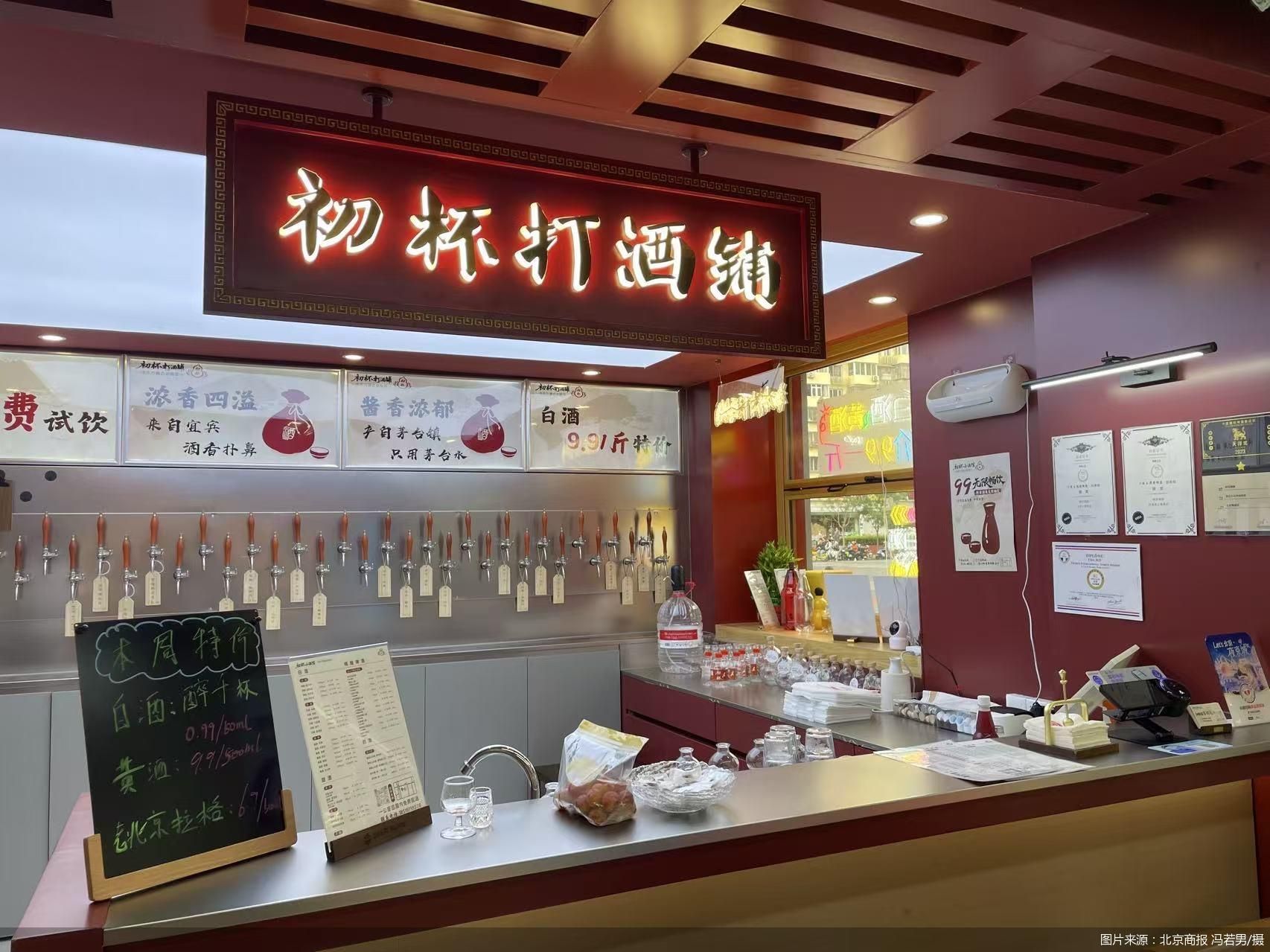
Core Insights - The rise of a new social business model centered around "micro-drunk" experiences in small taverns is emerging as a significant segment within the liquor market, potentially reaching a trillion-level market size [1] - As capital flows into this seemingly expansive market, challenges such as product homogenization and supply chain integrity are becoming bottlenecks for sustainable growth [1] - The ability to integrate exceptional offline experiences, efficient online fulfillment, and unique cultural content will determine which players can attract young consumers and succeed in the competitive landscape [1] Market Trends - The "day coffee, night liquor" model exemplifies a mixed-use tavern approach, addressing consumer demand for diverse social spaces and complex taste experiences [3] - Craft beer bars are creating dedicated spaces for consumers, fostering a sense of identity and community [4] - The emergence of community-focused liquor shops, such as "打酒铺," emphasizes local consumer engagement and high cost-performance ratios, with prices for various liquor types ranging from 2.99 to 39.99 yuan per 50ml [4][5] Consumer Behavior - Young consumers are shifting from traditional drinking cultures to a "micro-drunk" economy, prioritizing personal enjoyment and emotional fulfillment over social expectations [8] - The main drinking scenarios have transitioned from passive business gatherings to active socializing among friends, with a significant online presence reflected in over 100 million views of tavern-related topics on social media by 2025 [8] - Younger consumers are increasingly price-sensitive and willing to pay for atmosphere and experience, leading to a preference for cost-effective liquor options [8] Competitive Landscape - The small tavern sector is entering a phase of homogenization, with many establishments lacking unique branding and consumer loyalty [9] - Future competition will focus on three key areas: scene innovation, product development towards lower alcohol content and health, and cultural integration that resonates with younger consumers [9][10] - Supply chain strength and quality control are critical for sustaining competitive advantage, with successful models relying on specialized knowledge and technology [10] Future Outlook - The integration of online and offline channels is expected to redefine consumer experiences, with a shift towards online instant retail becoming more prominent [11] - The small tavern industry must evolve from merely providing space to creating engaging experiences and community connections to capture market opportunities [12] - Establishing brand barriers through deep content and local culture will be essential for long-term success in the small tavern market [12]
小酒馆赛道洗牌在即 同质化与供应链难题下的破局之路
Bei Jing Shang Bao· 2026-01-21 10:39
Core Insights - The rise of a new social business model centered around "micro-drunk" experiences in small taverns is emerging as a significant segment within the liquor market, potentially reaching a trillion-level market size [1] - Challenges such as product homogenization, supply chain integrity, and standardization are hindering the industry's transition from "internet celebrity" to sustainable growth [1] - The ability to integrate exceptional offline experiences, efficient online fulfillment, and unique cultural content will determine which businesses can attract young consumers and succeed in the competitive landscape [1] Scene Innovation - Different players in the small tavern sector in Beijing are interpreting "scene" differentiation in unique ways, leading to various business models [3] - The "day coffee night liquor" model exemplifies a mixed business approach that meets consumer demands for diverse social spaces and complex taste experiences [3] - Craft beer bars are creating dedicated spaces for consumers, becoming identity hubs, while some taverns are adopting decentralized user co-creation mechanisms to deepen consumer engagement [4] Community and Cost-Effectiveness - Community-focused taverns are primarily located in residential areas, emphasizing local consumer bases within a three-kilometer radius [4] - The pricing strategy of taverns like "Chub" offers a wide range of alcoholic beverages at competitive prices, enhancing accessibility for consumers [4] - High conversion rates are reported, with 90% of trial visitors making purchases and a 60% repurchase rate, indicating strong market traction [5] Emotional and Rational Consumption - The shift in young consumers' drinking culture from "drunk or nothing" to a pursuit of "micro-drunk" experiences reflects a desire for personal enjoyment rather than social conformity [8] - The emotional transformation in consumption is driving a change in consumer values, with a focus on atmosphere, experience, and cost-effectiveness [8] - Younger consumers are less sensitive to brand premiums and more focused on the quality of the beverage itself, favoring flexible purchasing options [8] Market Dynamics and Competition - The small tavern sector is entering a phase of homogenization, with many establishments lacking unique branding and consumer loyalty [9] - Future competition will hinge on scene innovation, product development towards lower alcohol content and health-oriented options, and cultural integration that resonates with younger consumers [9] - Supply chain strength and quality control are critical for sustaining small taverns, with a need for specialized management in alcohol selection and storage [10] Online and Offline Integration - The future of small taverns will see a blurring of lines between offline experiences and online convenience, with a shift towards online retail as a primary sales channel [11] - The rise of small community beer shops and craft convenience stores is expected due to lower investment thresholds and flexible locations [11] - Establishing brand barriers through deep content and local culture will be essential for small taverns to thrive in a competitive market [12]
人文经济激活消费新动能丨成都:流量变“留量” 文旅融合激发新活力
Xin Hua Wang· 2026-01-21 09:35
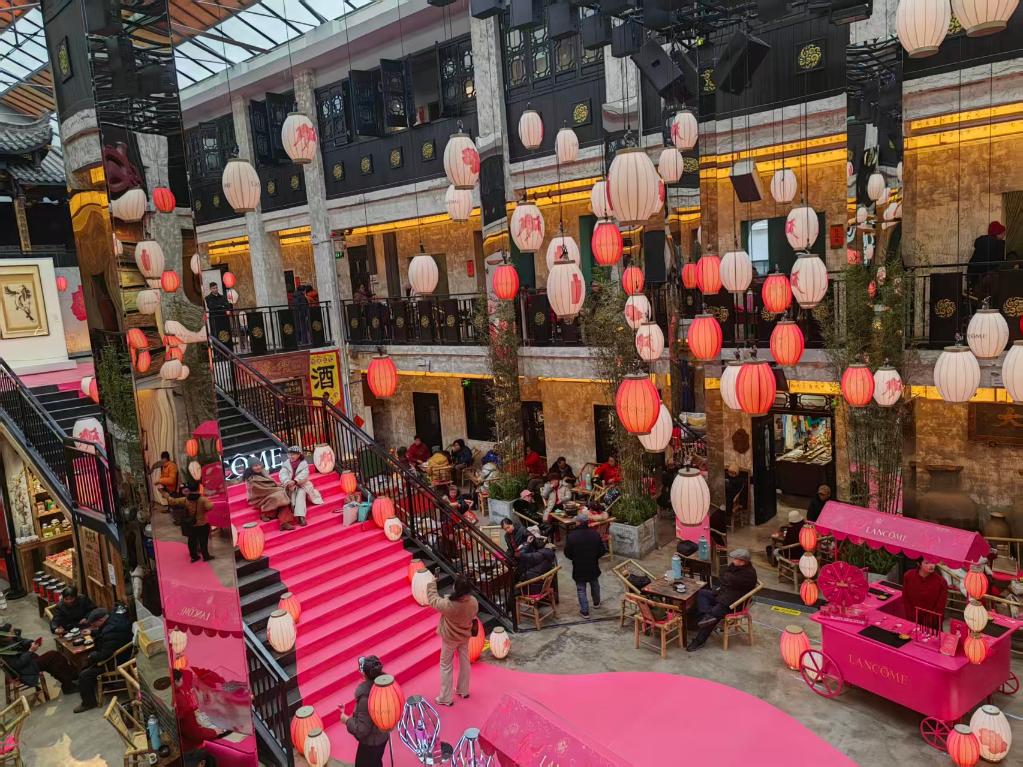
Core Insights - Chengdu is transforming its tourism and cultural landscape by integrating traditional culture with modern experiences, creating vibrant new consumption spaces that attract both locals and tourists [1][4][5] Group 1: Cultural and Tourism Integration - The Daqi Teahouse in Chengdu has been transformed from a traditional lacquer factory into a cultural space that combines tea culture, intangible heritage displays, and artistic exchanges [4] - The teahouse features regular performances of tea art and Sichuan opera, along with workshops for traditional crafts, catering to a diverse audience [5] - Chengdu is witnessing a surge in cultural tourism practices centered around "scenes," with various innovative projects enhancing the visitor experience [5] Group 2: Economic Impact - The "Digital Cultural and Creative Golden Week" in Chengdu generated 1.832 billion yuan in ticket sales, merchandise, and surrounding consumption [9] - The city hosted the 2025 League of Legends World Championship, attracting over 11,000 spectators, with 85% from outside Sichuan, contributing over 270 million yuan to local consumption [9] - From January to November 2025, Chengdu's cultural tourism industry saw the establishment of 105 new enterprises, a 7.3% year-on-year increase, and welcomed 302 million visitors, a 5.3% increase [9]
《2025北京商业发展蓝皮书》:情绪价值场景创新文化跨界成消费新增长点
Bei Jing Shang Bao· 2026-01-19 15:17
Group 1 - The core theme of the report is "Reconstructing Consumption through Trends," highlighting the expansion of fashion consumption beyond traditional retail into lifestyle categories, including smart wearables, automobiles, home goods, and service sectors like entertainment, sports, and beauty [1] - Unique data from the report indicates that in the first three quarters of 2025, new store openings in sectors such as fitness, wellness, medical beauty, and pet-related businesses in Beijing grew by 25% to 55%, significantly outpacing traditional retail and dining [1] - Consumer behavior in Beijing is shifting from "product transactions" to "emotional value" driven purchases, with IP-centric "dimension economy" emerging as a new retail driver, enhancing the influence of cultural IPs like the Palace Museum and Pop Mart [1] Group 2 - Scene innovation is identified as a key strategy for breaking through in Beijing's consumption landscape, with the rise of "smoky atmosphere + fashion" small shop clusters revitalizing the cultural and commercial tourism ecosystem [2] - The number of new "smoky atmosphere" shops on Douyin has seen a stable growth over three years, with a 66% year-on-year increase in 2025, and over 4.58 million active shops generating a 34% increase in transaction volume [2] - The nightlife economy, particularly the small bar sector, has shown robust growth, with Beijing's bar consumption order volume increasing by over 35% and nighttime consumption orders rising close to 40% [2] Group 3 - Cultural crossover is accelerating the growth of domestic trend consumption, with intangible cultural heritage brands leveraging short videos to reach wider audiences, exemplified by the rise of Beijing's intangible cultural heritage skills on platforms like Douyin [3] - In the past year, Douyin has added over 200 million videos related to national intangible cultural heritage, marking a 31% year-on-year growth, while enhancing e-commerce support for heritage businesses [3] - Beijing is constructing a new consumption ecosystem characterized by both international flair and local vibrancy, emphasizing that true quality consumption is defined by its fashionable and trendy attributes, which can expand the supply of quality goods and services [3]
矿业储能需求暴涨!【储能应用场景创新】系列观察①
中关村储能产业技术联盟· 2026-01-18 23:40
Core Viewpoint - The deep innovation of application scenarios is becoming the core driving force for the development of the energy storage industry, evolving into a key infrastructure that empowers various industries and reshapes industrial value under the "dual carbon" goals [2]. Group 1: Mining Industry Focus - The mining industry faces three core pain points: cost challenges, safety challenges, and carbon reduction challenges, making energy storage a "must-have" option [5]. - Energy storage technology is reshaping energy utilization models in mining through emergency backup power, load regulation, and renewable energy consumption [5][6]. - The global mining battery market is expected to exceed $8.5 billion by 2025, with the Asia-Pacific region accounting for 52% of the market share, driven by significant growth in China and Australia [7]. Group 2: Market Dynamics - The economic drivers for rapid development in mining energy storage include widening peak-valley electricity price differences and decreasing lithium battery costs over the past decade [7]. - The integration of "solar + storage" solutions is rapidly replacing diesel power generation, particularly in remote off-grid mining areas and high electricity price regions [7]. - Energy storage is becoming a strategic asset for mining giants, transitioning from an optional technology to a key component for achieving cost reduction, safety enhancement, and emission reduction [7]. Group 3: Technological Integration - The integration of intelligent systems, digitalization, artificial intelligence, and IoT technologies will optimize energy storage scheduling and predictive maintenance, maximizing the efficiency of energy systems [8]. - The deep integration of energy storage systems with mining electrification creates a closed-loop clean energy ecosystem, promoting sustainable development [8]. Group 4: Benchmark Applications - Various successful energy storage projects in the mining sector include: - A 2.5MW/3.343MWh emergency power storage project in Guizhou, China [10]. - A 250MWh storage project in the Pilbara region of Australia, transitioning from diesel dependency [12]. - A green microgrid project in the Democratic Republic of Congo, significantly increasing production capacity and reducing diesel costs [14]. - A 39MWh microgrid project in Zambia, enhancing energy security and reducing operational costs [17]. Group 5: Future Outlook - The rapid development of energy storage in mining is a vivid practice of "scenario innovation" and "value reconstruction," indicating that deep integration of energy storage into industrial fabric can generate comprehensive economic, environmental, and social benefits [25]. - The ongoing green revolution driven by energy storage presents opportunities for further exploration of application scenarios and value reconstruction [26].

“十三i宝”邀你共创未来
Xin Hua Ri Bao· 2026-01-18 21:06
Group 1 - The event "2026 Intersection Co-Creation Week" was held in Nanjing, focusing on the theme "Three People Create Together for Far-reaching Change" [1] - The "Three People Create Together" initiative includes the "Curator Plan," "Creator Plan," and "Partner Plan," aimed at transforming mainstream media into a value co-creation node [1] - The "Co-Creation Blind Box" annual keywords were revealed, and 100 brands signed agreements to join the "New Agricultural Quality Products. Jiangsu Good Goods Museum" project [1] Group 2 - The "Thirteen i Treasures" were introduced, representing thirteen vertical tracks, emphasizing the integration of media, government, and services [2] - The event featured eight major thematic activities, including a technology lecture series and a community health initiative, all centered around "Media Integration + AI + Scene Innovation" [2] - The theme salon on January 18 revealed more "i+" content and included keynote sharing from attendees [2]
萌宠入商圈,自然进都市!郑州消费新业态解锁“家门口的微度假”
Sou Hu Cai Jing· 2026-01-18 13:11
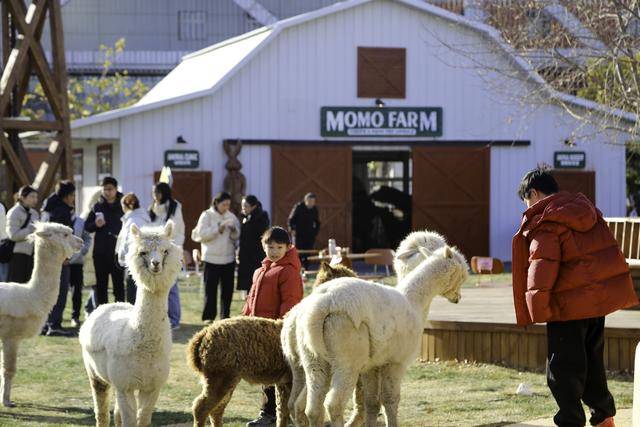
Core Viewpoint - The emergence of innovative consumption spaces in Zhengzhou, such as MOMO PARK, combines shopping with interactive experiences involving pets, enhancing consumer engagement and satisfaction [1][3][6]. Group 1: Project Overview - MOMO PARK features over 20 types of cute animals, providing a unique shopping experience that integrates leisure and emotional value for visitors [1][3]. - The project is set to officially open on January 18, with plans to introduce a flower market and other diverse activities in the future [3]. Group 2: Market Impact - The integration of nature and commerce in projects like MOMO PARK is revitalizing the Zhengzhou consumer market, encouraging longer customer stays and increased foot traffic [5][6]. - Local brands in Zhengzhou are moving beyond traditional retail models by focusing on emotional value and experiential shopping, responding to the evolving consumer demands for both material and spiritual satisfaction [6]. Group 3: Strategic Positioning - Zhengzhou's unique urban advantages, including its status as a major population center and transportation hub, position it as a key player in the development of new consumption models and scenarios [8][9]. - The city aims to enhance its economic service system and innovate diverse consumption scenarios, fostering the growth of new business models that combine brand fashion, IP characteristics, and immersive experiences [9].
创新驱动转型,场景赋能健康:第一医药通过“药店+”模式赋能大健康服务生态构建
Zheng Quan Shi Bao Wang· 2026-01-17 09:22
Core Insights - The pharmaceutical distribution industry is undergoing significant structural changes driven by the Health China strategy and evolving consumer demands [1] - Shanghai First Pharmaceutical Co., Ltd. is actively innovating by centering on user needs and reforming its business model, exemplified by the launch of "Fenzi Pharmacy" [1] Group 1: Business Model Innovation - "Fenzi Pharmacy" redefines the role of pharmacies from merely selling medications to promoting a healthy lifestyle, catering to new consumer experiences in Shanghai [2] - The pharmacy integrates professional medical services with youthful lifestyle elements, offering unique products like traditional Chinese medicine-based beverages and a beauty lab [2] - The initiative reflects the company's understanding of Gen Z's health consumption needs, showcasing a shift towards becoming a "pharmaceutical and health service provider" [2] Group 2: Operational Support and Infrastructure - The success of "Fenzi Pharmacy" is part of a broader transformation strategy, focusing on refined operations and expanding service networks to cover diverse customer needs [3] - The company has achieved significant coverage with its "Five New Cities" initiative, enhancing convenience for consumers through a variety of pharmacy formats [3] - The establishment of a pet-friendly pharmacy and a health town offering comprehensive services illustrates the company's commitment to a holistic health service network [3] Group 3: Supply Chain and Digitalization - The company is enhancing its supply chain and digital capabilities, optimizing procurement costs and introducing strategic partnerships to improve product flow [4] - A membership chronic disease management system has been implemented, with over 103,000 members registered by mid-2025, supporting refined operational strategies [4] - The construction of a modern intelligent logistics center aims to improve delivery efficiency and accuracy, laying a solid foundation for multi-channel business expansion [4] Group 4: Expansion into Health Services - The company is exploring new growth avenues in the health services sector, including online business enhancements and cross-border sales of health products [5] - Initiatives such as establishing a traditional Chinese medicine decoction service center address patient needs and open new business opportunities [5] - The overall strategy focuses on integrating offline and online services, reinforcing the company's commitment to health and wellness in the evolving market landscape [5]

北京发布《2025北京商业发展蓝皮书》,揭秘“潮尚消费”密码
Xin Lang Cai Jing· 2026-01-17 07:28
Group 1 - The core viewpoint of the article is that Beijing is constructing a new consumption ecosystem characterized by "trendy consumption," blending international appeal with local vibrancy [1] - The "2025 Beijing Commercial Development Blue Book" highlights a shift in consumer behavior from "functional satisfaction" to "experience enhancement," focusing on "emotional value," "scene innovation," and "cultural crossover" [1] - The report indicates that emotional value activates consumption momentum, scene innovation expands consumption space, and cultural crossover enhances consumption capability [1] Group 2 - Fashion consumption is expected to become a trillion-level growth point during the "14th Five-Year Plan" period, serving as a key driver of consumption innovation and creating significant commercial value [2] - The forum revealed the "2025 Annual Beijing Top Ten Commercial Brands," which includes diverse commercial and consumption formats such as shopping malls, trendy toys, dining, specialty stores, e-commerce, and time-honored brands, all contributing to the sustainable development of Beijing's commerce [2]