大国竞争

Search documents
治不了中国,还治不了你?美国威胁加征500%关税,将莫迪逼入绝境
Sou Hu Cai Jing· 2025-07-05 23:52
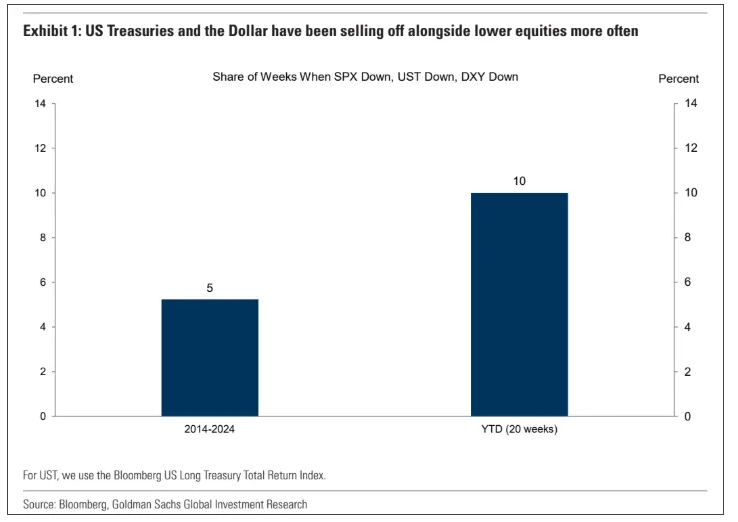
Group 1 - The core issue revolves around the U.S. imposing a potential 500% tariff on countries, including India, that continue to purchase Russian oil, highlighting India's precarious position in the geopolitical landscape [1][2] - India, as the world's third-largest oil importer, relies heavily on oil imports, with 80% of its oil needs met through imports, and has significantly increased its Russian oil purchases due to lower prices [2][5] - The proposed tariff has garnered substantial support in the U.S. Senate, with 82-84 senators backing it, and its implementation hinges on President Trump's decision, which adds uncertainty to India's energy strategy [2][5] Group 2 - India's response to the U.S. threat contrasts sharply with China's, as India appears to be seeking leniency from the U.S. while China has prepared for retaliatory measures against the proposed tariffs [2][5] - The potential implementation of the 500% tariff could severely impact India's economy, particularly its key export sectors like pharmaceuticals and IT, which are heavily reliant on the U.S. market [5][8] - The geopolitical dynamics suggest that smaller nations like India may become collateral damage in the larger power struggle between the U.S. and China, as India attempts to navigate its interests without alienating either side [8]

美国正式关闭国际开发署
Huan Qiu Shi Bao· 2025-07-02 22:48
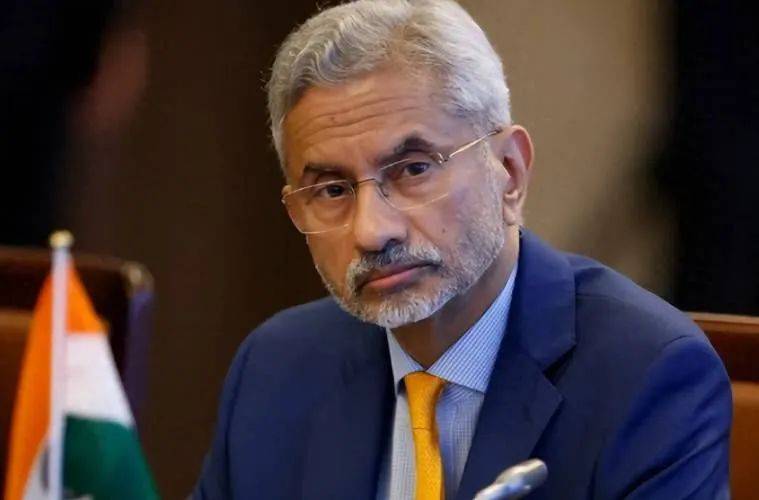
Core Viewpoint - The U.S. government has officially ceased operations of the U.S. Agency for International Development (USAID) as part of a shift towards prioritizing trade and investment over foreign aid, reflecting a change in foreign policy strategy under the Trump administration [1][3]. Group 1: Changes in Foreign Aid Strategy - The U.S. Secretary of State, Rubio, announced the formal cessation of USAID's foreign aid operations, emphasizing a focus on trade and investment that benefits U.S. interests rather than traditional aid [1][3]. - The Trump administration conducted a thorough review of USAID's projects and expenditures, totaling over $715 billion, concluding that the agency's efforts have been largely ineffective since the end of the Cold War [3]. - The closure of USAID has drawn criticism from former Presidents Bush and Obama, with Obama labeling it a "huge mistake" as USAID has been a significant representation of U.S. presence globally [3]. Group 2: Implications for U.S. Foreign Policy - The shift from aid to investment and trade is seen as an acknowledgment of the U.S.'s relative decline in global power, with a strategic focus on countering China's influence through economic means [4]. - The historical context of USAID's establishment during the Cold War highlights its dual purpose of humanitarian aid and national security, indicating that the current closure does not signify a move away from interventionist policies [4]. - Experts suggest that the U.S. will continue to utilize trade and investment as tools for geopolitical competition, maintaining a strategy characterized by strong disruption and weak accountability [4].
电动车补贴说砍就砍?马斯克怒了 “大而美”法案恐加剧美内部分裂
Yang Shi Xin Wen· 2025-07-02 10:56
Core Viewpoint - The "Big and Beautiful" bill, pushed by President Trump, aims to eliminate tax credits for electric vehicles and restrict tax incentives for wind and solar projects, reflecting a significant policy shift in the U.S. energy sector [1][2]. Group 1: Policy Changes - The bill will end tax credits for electric vehicles starting September 30, and only wind and solar projects that begin production before the end of 2027 will qualify for tax incentives [1]. - This policy shift indicates a move away from the previous administration's support for clean energy, aiming to bolster fossil fuel production, particularly oil and gas [2]. Group 2: Economic Implications - The Trump administration's push for fossil fuel production is intended to enhance U.S. competitiveness and promote exports, but it has not achieved the expected dominance in the fossil energy sector [2]. - The conflicting policies have led to increased domestic inflation and pressure to lower energy prices, undermining the production capabilities of U.S. companies [3]. Group 3: Impact on Key Players - The escalating conflict between Trump and Elon Musk highlights a divergence in interests, potentially harming both parties and leading to broader implications for the U.S. political landscape [4]. - Concerns arise that reduced support from high-tech giants for Trump could negatively impact the Republican Party in upcoming midterm elections, while Musk's business empire may face direct consequences from Trump's actions [4].
欧盟只给30天时间,要中国必须交出稀土,话音刚落中方一道铁令回应
Sou Hu Cai Jing· 2025-07-02 03:40
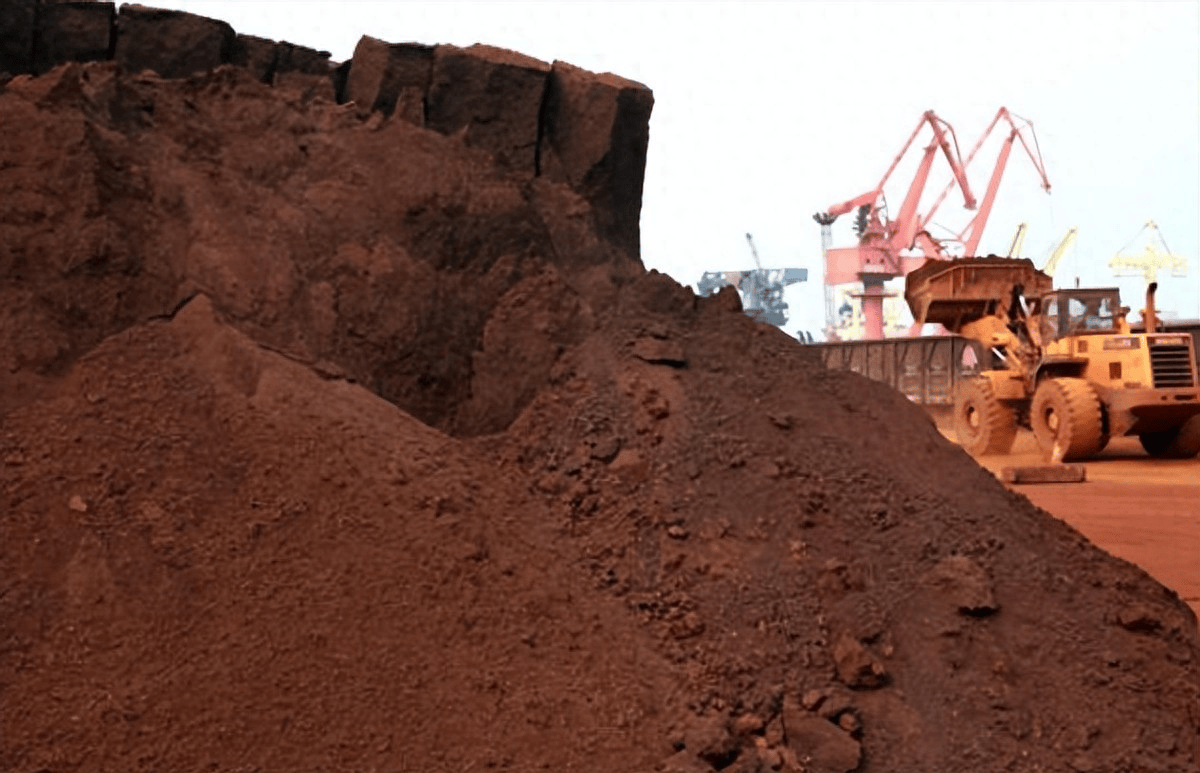
Core Viewpoint - The European Union (EU) is expressing significant concerns regarding the shortage of rare earth magnets, which is severely impacting European companies, and is urging China to address the export issues within a month [1][3]. Group 1: EU's Position and Concerns - The EU Ambassador to China, Jorge Toledo, highlighted the "fear and concerns" of European businesses due to the rare earth magnet shortage, describing the impact as "very, very serious" [1]. - The EU is requesting China to resolve the rare earth export issues, indicating a sense of urgency with a 30-day deadline [3]. - There is a perception that the EU is portraying itself as a victim in the trade and technology war between superpowers, despite its deep involvement in the conflict [1][3]. Group 2: China's Response and Strategy - China is reportedly establishing an export licensing system for rare earths, tightening control over this strategic resource [1]. - Recent reports indicate that China is requiring rare earth companies to submit lists of technically skilled personnel to prevent the leakage of commercial secrets [3][5]. - The tightening of controls over rare earths reflects China's proactive approach to safeguarding its core technologies and resources, moving from quantity control to more detailed management [5][6]. Group 3: Global Supply Chain Implications - The ongoing rare earth competition highlights the fragility of global supply chains and the focus on key technologies and strategic resources [6]. - The EU's attempts to leverage "fear" for sympathy and pressure China may be a misjudgment of the situation, as rare earths are not easily accessible resources that can be obtained through political coercion [6]. - China's strategic adjustments in the rare earth industry aim to protect its development and security interests while prompting a more balanced restructuring of global supply chains [6].
美国欧亚集团主席库普坎:关税政策将反噬美国并波及全球市场
Zhong Guo Qing Nian Bao· 2025-07-01 08:52
Group 1 - The U.S. tariff policy and immigration restrictions are expected to negatively impact U.S. economic growth and inflation, affecting global markets [1][3] - The average effective tariff rate for all imported goods in the U.S. is currently 15%, a level not seen since 1938, and is projected to remain between 10% and 15% in the long term, indicating a shift towards a new international trade structure [3] - The current geopolitical landscape is characterized by significant uncertainty, with major power competition, particularly between the U.S. and China, becoming a structural norm in the international system [1][4] Group 2 - The changing global political landscape has profound implications for foreign policy, with key players such as Germany, Russia, and India emerging as significant factors in international relations [3][4] - The interaction between rising tensions among major powers and the political spillover effects from the U.S. are increasing systemic risks globally [4] - There is a call for major powers to rebuild crisis management mechanisms and establish functional cooperation in areas such as artificial intelligence, public health, and critical supply chain security to restore mutual trust [4]

从美国法院暂停关税,看近期的经济和市场
Hu Xiu· 2025-05-30 06:27
Group 1 - The macroeconomic outlook is heavily influenced by political factors, with uncertainty prevailing in the current political climate in the U.S. [7][10] - The expectation of a recession is widespread, leading to a cautious approach among investors, who are looking for opportunities to buy at lower prices [16][17] - The current investment environment is perceived as deteriorating, with a lack of clear, actionable investment opportunities [17][18] Group 2 - The copper market is experiencing a stable demand despite the ongoing tariff discussions, with expectations that the U.S. will impose a 25% tariff on copper [21][22] - The U.S. is working to restore supply chains, which is seen as a positive development for the copper market [22] - The overall inventory levels for copper are low in SHFE and LME, while Comex inventories are high, indicating a complex market dynamic [24][26] Group 3 - The bond market is expected to experience fluctuations due to new debt issuance and ongoing economic uncertainties, with long-term U.S. Treasury bonds losing their traditional role as a safe haven [38][39] - The narrative around tariffs is evolving, with market participants beginning to price in the impacts of tariffs on equities [41][48] - The overall asset returns across various categories have been strong since 2023, influenced by fiscal easing and global central bank rate cuts [46][50]