羊群效应

Search documents
谈判后遗症来袭,小散又要被动背锅?
Sou Hu Cai Jing· 2025-06-12 11:06
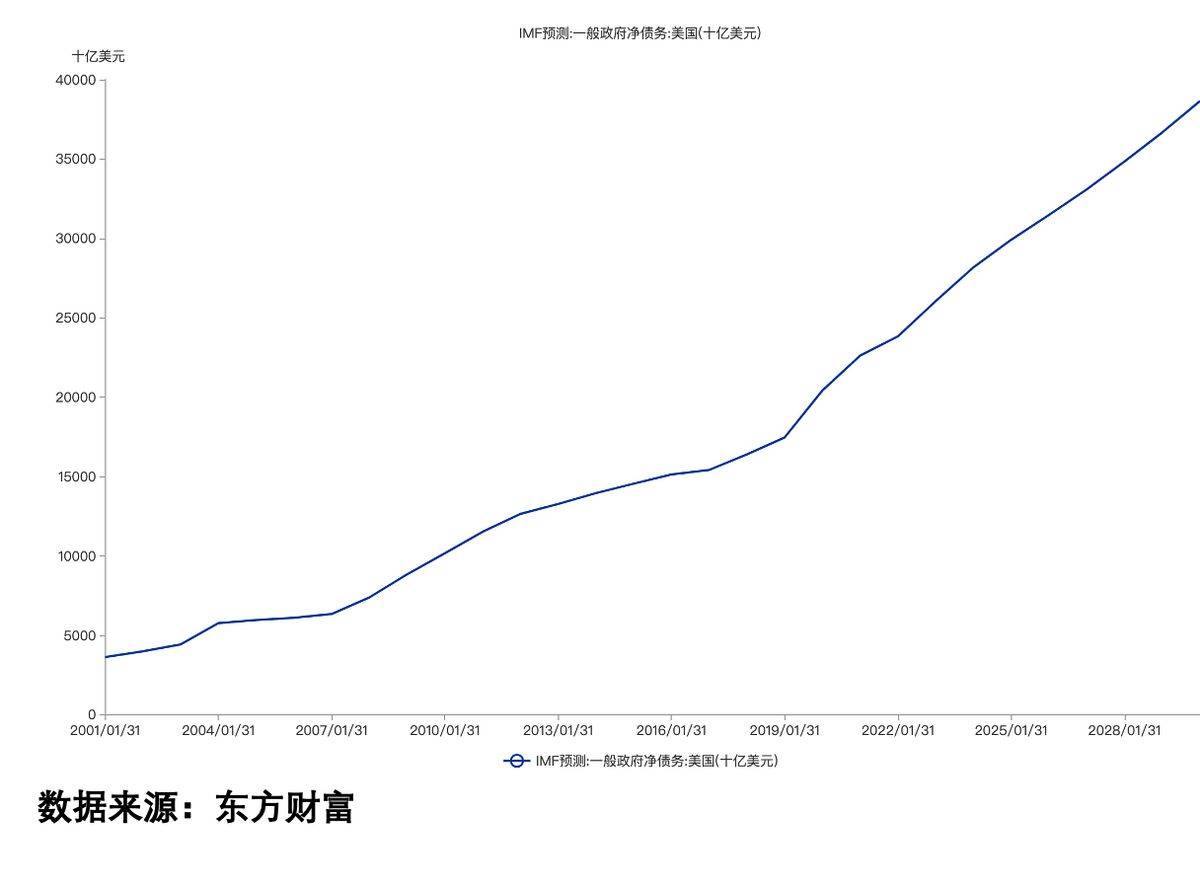
Group 1 - The core viewpoint of the article highlights the disparity between the perceived success of the US-China trade negotiations and the underlying data that suggests otherwise, indicating a manipulation of information by the US administration [1][2] - The article emphasizes that the market's reaction to the trade talks is influenced by selective disclosure of information, which creates a false sense of security among investors [2][4] - It points out that the intervention by GJD is a strategic move to manage market liquidity and prevent potential market disruptions, reflecting a proactive stance by institutional investors [2][4] Group 2 - The article discusses the impending interest rate cuts by the Federal Reserve, driven by lower-than-expected CPI data and the ongoing debt crisis, which presents opportunities for the A-share market [4][10] - It notes that the current market environment is more favorable compared to previous trade conflicts, with ample internal liquidity and reduced external pressures, suggesting a potential for growth in A-shares [4][10] - The article highlights the importance of data-driven decision-making for investors, contrasting the emotional responses of retail investors with the analytical approaches of institutional players [4][6] Group 3 - The article underscores the significance of quantitative data in navigating market volatility, suggesting that retail investors often fall prey to psychological biases such as herd behavior [6][8] - It advocates for the use of quantitative tools to identify institutional footprints, enabling investors to make informed decisions rather than relying on price movements alone [6][8] - The discussion concludes that understanding market dynamics through data can empower investors to withstand psychological pressures and capitalize on opportunities [8][10]

盘中突变只是警告,更大的剧变后面等着!
Sou Hu Cai Jing· 2025-06-10 09:09
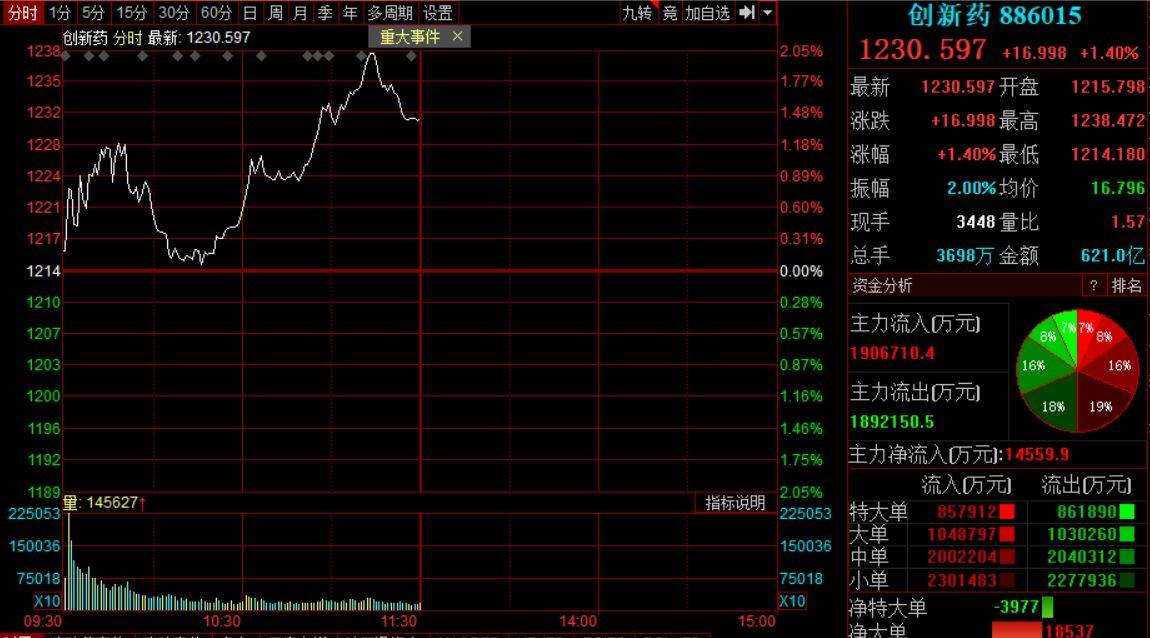
Core Viewpoint - The article discusses the current market dynamics surrounding innovative pharmaceuticals and consumer sectors, highlighting the contrasting performance of leading companies and the underlying risks associated with investor sentiment and institutional behavior [1]. Group 1: Market Dynamics - The innovative pharmaceutical sector is experiencing volatility, with recent price fluctuations prompting discussions about potential upward trends [1]. - Leading companies in the innovative drug sector, such as Innovent Biologics, are compared to consumer sector leaders like Pop Mart, indicating a shift in investment focus [1]. - The article raises questions about the sustainability of high price-to-earnings (PE) ratios in the innovative drug sector, drawing parallels with past performance in technology and consumer stocks [1]. Group 2: Behavioral Finance Insights - The concept of "inertia thinking" is discussed, where investors rely on past experiences, such as the historical PE ratios of Moutai, to make decisions about innovative pharmaceuticals [3]. - Institutional investors are portrayed as adept at manipulating market sentiment, often leading retail investors to follow trends without understanding the underlying dynamics [3][4]. - The article emphasizes the importance of recognizing institutional trading behaviors, as they significantly influence stock prices and market movements [10]. Group 3: Quantitative Analysis - The use of quantitative models is suggested as a means to identify institutional trading characteristics, which can provide insights into market trends [6]. - Specific examples, such as the performance of Tianyoude liquor, illustrate how institutional involvement can lead to price increases, despite overall sector weakness [6][8]. - The article notes that when "instant inventory" data exceeds 3,600 stocks, it indicates significant institutional participation, often leading to positive market performance [11][13].
2026美国楼市或崩盘引发全球,18年魔咒再临!中国该如何破局?
Sou Hu Cai Jing· 2025-06-05 03:35
Group 1 - The U.S. real estate market follows an 18-year cyclical pattern, with a predicted downturn starting in 2026 that will have widespread negative impacts on the economy [1][3] - Historical data shows significant real estate crashes in the U.S. in 1972, 1990, and 2008, each occurring 18 years apart, indicating a strong correlation between real estate downturns and economic recessions [3][4] - The 2008 financial crisis exemplified how the collapse of the real estate market can lead to a broader financial crisis, as seen with the failures of Lehman Brothers and Fannie Mae [3][4] Group 2 - The upcoming downturn in the U.S. real estate market necessitates proactive strategies from China to mitigate potential impacts, including implementing policies to stabilize its own real estate market [6] - Chinese companies with overseas investments should conduct risk assessments to prepare for the underlying risks associated with the current U.S. real estate "prosperity" [6] - The potential recession in the U.S. could adversely affect China's export industries, highlighting the need for strategic development in relevant market sectors to counteract the effects of the U.S. real estate cycle [6]

我在伦敦卖豪宅|荐书
Di Yi Cai Jing· 2025-06-03 06:25
Group 1 - The core idea of the article revolves around the experiences of a real estate agent, Max, who has spent 15 years in the luxury property market in London, sharing his insights and stories in a non-fiction format [1][3][4] - The book highlights the transformation of Notting Hill from a diverse immigrant area to a sought-after location for hedge fund managers and CEOs of tech and financial companies [3][4] - Max's clientele includes Oscar winners, billionaires, and aristocrats, and he emphasizes the importance of understanding clients' needs and effectively communicating with them to facilitate successful transactions [4][5] Group 2 - The book discusses various psychological techniques used in real estate transactions, such as leveraging the "herd mentality" and "loss aversion" to encourage buyers to act quickly [5] - It provides detailed insights into the characteristics and price trends of different areas in London, such as Hampstead, South Kensington, and Queen's Park, showcasing Max's deep understanding of the real estate market [5] - The narrative emphasizes the emotional aspect of finding a home, portraying the process as not just a transaction but a journey to create a warm and loving environment with loved ones [5]

围观了20个富豪的私人生活,我对有钱人的生活祛魅了
Hu Xiu· 2025-05-27 08:34
Group 1 - The article focuses on the experiences of a luxury real estate agent, Max, who operates in London's high-end property market, dealing with ultra-wealthy clients [1][4][6] - Properties handled by Max range from multi-million to billion-dollar homes, indicating a clientele that consists of the elite [4][5] - The job requires not only knowledge of real estate but also exceptional interpersonal skills and the ability to understand human desires [5][20] Group 2 - Max's relationship with a billionaire client, which began through a personal trainer, highlights the importance of networking in high-stakes real estate [8][13] - The billionaire is characterized by a strong personality and a unique way of conducting business, often preferring phone calls over emails and requiring immediate availability [15][18] - Max has successfully facilitated nine property transactions for this billionaire, which has significantly contributed to his career [13][21] Group 3 - The article discusses the psychological aspects of real estate transactions, emphasizing that they often involve complex negotiations rather than straightforward economic considerations [20][25] - Max employs various strategies in pricing and negotiation, such as using lower initial prices to stimulate bidding and leveraging buyers' fears of loss to encourage quick decisions [25][26] - The article also touches on the challenges faced during transactions, including unexpected complications that can arise, requiring quick thinking and problem-solving skills [30][34] Group 4 - The narrative includes anecdotes about the billionaire's volatile temperament and the pressures Max faces in managing his expectations and demands [27][36] - It contrasts the experiences of ultra-wealthy clients with those of other buyers, who often seek homes for personal fulfillment rather than mere investment [42][54] - The article concludes with reflections on the deeper meanings of home and happiness, suggesting that wealth does not equate to fulfillment [51][52][54]

散户炒股为何赚少亏多?业内人士解析:炒股增富,哪些错误行为要不得
Mei Ri Jing Ji Xin Wen· 2025-05-24 13:47
Core Insights - The article discusses common mistakes made by individual investors in the stock market and emphasizes the importance of understanding psychological factors that influence trading behavior [2][3][4]. Investor Behavior - Common errors among individual investors include blindly averaging down on losing positions and chasing stocks that are rising, leading to difficulties in making profits [2][3]. - Psychological traps such as the sunk cost effect and herd behavior contribute to these mistakes, where investors often hold onto losing stocks or rush into popular stocks without proper evaluation [2][3]. Investment Mindset - Three key mindsets that investors need to be aware of are overconfidence, loss aversion, and impatience. Overconfidence can lead to reckless trading, while loss aversion can cause investors to either take small profits too quickly or hold onto losses for too long [3][4]. - Successful investors are often those who can endure market fluctuations and avoid impulsive decisions, as highlighted by the quote from Warren Buffett that investing is simple but not easy [3][4]. Building an Investment System - Investors are encouraged to enhance their investment skills by learning about stock trading mechanisms, financial statements, and valuation methods [5][6]. - Establishing a personal investment system, including defining investment style and stock selection criteria, is crucial for long-term success [6]. Challenges for Individual Investors - The article identifies three main challenges faced by individual investors: lack of professional knowledge, behavioral biases leading to poor trading outcomes, and mismatched service needs [6]. - Professional securities advisory firms are seen as essential in addressing these challenges by providing education, correcting cognitive biases, and helping to mitigate financial risks [6][7]. Industry Recommendations - The securities advisory industry is encouraged to focus on long-term trust-building and compliance, utilizing technology to standardize and enhance service transparency [7]. - Investment firms should invest in talent development and create differentiated service offerings to cater to the varying needs of investors [7].
首份揭秘!中国公募基金投资者回报差研究-当幻想撞上现实 第一章
Morningstar晨星· 2025-05-09 00:18
Core Viewpoint - The article discusses the phenomenon of "investor return gap" in the Chinese mutual fund market, highlighting that investors often experience lower returns than the funds themselves due to poor timing in buying and selling [1][4][12]. Group 1: Research Background and Methodology - Morningstar's research on investor return gap aims to analyze the differences between fund returns and investor returns, focusing on the Chinese market for the first time [2][12]. - The study categorizes various fund types, including actively managed equity funds, passive non-equity funds, and fixed-income funds, to provide a comprehensive understanding of investor behavior and timing pitfalls [12]. Group 2: Investor Return Gap Characteristics - The investor return gap is primarily attributed to the "buy high, sell low" behavior, where investors tend to buy funds after they have performed well and sell during downturns, leading to suboptimal returns [4][6]. - As of December 31, 2024, the five-year annualized investor return gaps for high-risk products like equity funds are -2.17%, -2.65%, and -3.59%, while lower-risk products like conservative mixed and fixed-income funds show gaps of -0.86% and -0.62% respectively [6][21]. Group 3: Market Trends and Influences - The Chinese mutual fund industry has seen explosive growth over the past decade, with the number of funds increasing from under 2,000 in early 2015 to over 12,000 by December 2024, complicating investors' decision-making [14][18]. - Market events, such as the 2015 stock market crash and the COVID-19 pandemic, have significantly influenced investor behavior, leading to shifts in fund flows towards lower-risk assets during periods of high volatility [17][18]. Group 4: Recommendations for Improvement - The article suggests that understanding the investor return gap can help investors make better timing decisions and avoid common pitfalls associated with emotional trading [8][23].

人民币、港币双强,A股启动上攻铁律
Sou Hu Cai Jing· 2025-05-06 08:26
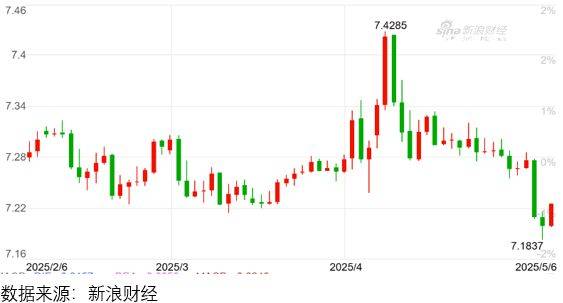
Core Viewpoint - The recent surge in the Chinese yuan's value has sparked significant market activity, indicating a deeper capital game at play beneath the surface [1]. Group 1: Currency Dynamics - The Hong Kong dollar has also attracted foreign investment, entering the strong-side convertibility zone on May 3, which indicates a high demand for the currency [3]. - The last time the strong-side convertibility mechanism was triggered was on October 28, 2020, when the Hang Seng Index was around 25,000 points, which later surged to over 30,000 points within three months [5]. Group 2: Market Behavior - The apparent market prosperity can often mask underlying risks, as seen when foreign capital typically enters the market before holidays and then sells off afterward, leading to volatility [5]. - The phenomenon of "herding behavior" among investors can diminish the value of perceived good news, as consensus can lead to market pitfalls [6]. Group 3: Institutional vs. Retail Investors - Institutions and retail investors operate under different strategies, with institutions able to anticipate retail movements, often leading to retail investors facing losses [7]. - The evolution of financial models and computational power has enhanced the ability to analyze market behaviors, revealing hidden patterns in trading data [9]. Group 4: Trading Insights - The "Bole System" allows for the quantification of trading behaviors, providing insights into institutional activities and market dynamics [10]. - Continuous institutional participation has been observed, with stock prices recovering and reaching new highs after pullbacks, indicating strong institutional support [13]. Group 5: Market Signals - Recent data indicates a significant increase in the number of stocks actively monitored by institutions, with 70% of stocks falling within their focus, suggesting a robust market environment [17].
韩国散户疯抢中国股票,亚洲资本迁徙至香港
阿尔法工场研究院· 2025-03-11 10:32
Core Viewpoint - Korean investors are increasingly buying Chinese stocks, with a monthly trading volume of $782 million in February, nearly doubling from the previous month, marking the highest level since August 2022 [3]. Group 1: Market Performance - The Korean Composite Index has declined by 5% over the past year, while the CSI 300 has increased by 10.8% during the same period [5][6]. - The depreciation of the Korean won provides additional currency gains for Korean investors when converting to invest in A-shares [7]. Group 2: Investment Trends - Korean pension funds are gradually reducing their domestic stock allocations, aiming to lower it to 15% by 2025 [9]. - The negative correlation between Chinese and Asian stock markets is evident, with historical data showing a clear inverse relationship [14][28]. Group 3: Influence of Wall Street - Wall Street's investment strategy prioritizes long-term planning, which influences capital allocation across global markets, leading to a zero-sum game in Asian stock markets [23][24]. - Despite the limited absolute capital from Wall Street in Asia, its perceived expertise causes significant market reactions due to herd behavior [27]. Group 4: Current Market Dynamics - The recent bullish sentiment towards Chinese stocks has attracted substantial follow-on investments from Korean investors [32]. - However, the withdrawal of foreign capital from Hong Kong stocks raises concerns about the sustainability of this trend [34]. Group 5: Valuation Concerns - The recent rise in Hong Kong stocks is primarily driven by valuation increases, which inherently heightens risk [36]. - The speculative nature of A-share valuations, particularly in sectors like robotics and semiconductors, poses additional risks [39]. Group 6: Long-term Market Confidence - The long-term growth of the A-share market relies on domestic policy support, economic growth, and investor confidence [50].