农文旅融合

Search documents
把握多元业态新机遇
Jin Rong Shi Bao· 2025-08-20 02:36
Group 1 - The core viewpoint is that the development of new agricultural business models in Shandong Linyi is transforming traditional agriculture into a more integrated and efficient system, enhancing production organization and overall benefits [1] - New agricultural business models are providing more employment opportunities for farmers through the integration of red tourism projects and the deep processing of agricultural products, leading to increased income sources [1] - The integration of various rural resources is resulting in more efficient land use and farming practices, with contract farming and rural e-commerce stabilizing sales channels for local specialty products [1] Group 2 - The development of new agricultural business models is creating new financial demands, requiring significant funding for rural revitalization projects and tourism development [2] - The lending landscape is changing, with family farms and cooperatives becoming important credit subjects for banks [2] - Financial institutions are challenged to innovate their product offerings to meet the needs of new business models, with Linyi's financial sector introducing products like supply chain finance and "insurance + futures" [2]
南农晨读 | 海上粮仓
Nan Fang Nong Cun Bao· 2025-08-20 02:34
Group 1 - The end of the fishing moratorium in the South China Sea on August 16 marks a significant event for the marine economy in Guangdong, with thousands of fishing boats setting out to sea, symbolizing the return of seafood freedom for locals [3][4][5][6] - The event showcases the vibrant marine economy along the western coast of Guangdong, highlighting the region's economic vitality and the importance of seafood in local culture and commerce [5][6] Group 2 - On August 15, Guangdong celebrated the third National Ecological Day, emphasizing the theme "Green Water and Green Mountains are Gold and Silver Mountains," with the province's forest area reaching 144 million acres and a forest coverage rate of 53.39% [9][10][12] - The ongoing ecological construction in Guangdong aims to create a high-quality ecological environment and high-value ecological products, reinforcing the province's commitment to sustainable development [11][12] Group 3 - The focus on rural revitalization in Guangzhou includes integrating tourism resources and enhancing agricultural and cultural synergies, with various cities like Shantou and Shanwei implementing strategies to improve local governance and industry quality [14][15][16] - The collaboration between media and industries, such as the partnership between the New Year Chenpi and the emerging oil vine industry, aims to foster new cooperative initiatives between eastern and western regions, enhancing economic output [18][19] Group 4 - The recognition of the agricultural manager from the Jiusu Agricultural Cooperative in Foshan at a national competition signifies the advancement of professional agricultural management in the Pearl River Delta region [22][24] - Cultural initiatives, such as the art exhibition held in Enping, reflect the integration of culture and community development, promoting local heritage and artistic expression [26][28]


甘肃平凉 精品农业添色乡村振兴
Jing Ji Ri Bao· 2025-08-19 23:16
Core Viewpoint - The article highlights the vibrant development of modern agriculture in Pingliang, Gansu, focusing on creating a model for high-quality agricultural production through various initiatives, including the integration of agriculture with culture and tourism, and the enhancement of specialty agricultural products [1][9]. Modern Agricultural Industry Park Construction - The Pingliang City has established the Jinghechuan 10,000-acre vegetable industry park, featuring 2,700 high-standard solar greenhouses and core facilities such as a logistics center and sorting center, achieving an annual sales revenue of 116 million yuan [3]. - The total vegetable planting area in Pingliang has reached 540,000 acres, with a production volume of 870,000 tons and an industry chain output value of 3.6 billion yuan [3]. Expansion of Advantageous Specialty Industries - The beef industry in Pingliang has implemented a standardized breeding plan, with a total of 1.05 million cattle raised, generating an industry chain output value of 18 billion yuan [4]. - The apple industry maintains 1.5 million acres of orchards, with an output of 2.54 million tons and an industry chain output value of 24 billion yuan [4]. Deep Processing of Specialty Agricultural Products - Pingliang has achieved a 65% processing conversion rate for agricultural products, focusing on the deep processing of beef, apples, and vegetables, with the establishment of 23 organic fertilizer production lines and 8 beef processing lines [6]. - The Gansu Ruihexiang Food Technology Co., Ltd. has reported a sales revenue of 5 million yuan in the first seven months of the year, showcasing the growth in the beef product processing sector [5]. Promotion of Agricultural and Cultural Tourism Integration - Pingliang is actively promoting the integration of agriculture and tourism, with initiatives that have created over 300 jobs and increased household income by 2,000 yuan or more [8]. - The city has developed 1 provincial-level rural tourism demonstration county and 17 provincial-level cultural tourism revitalization villages, indirectly supporting 58,000 jobs in rural tourism [9].
山林藏珍馐 寻菌正当时(高质量发展在一线·小城宝藏)
Ren Min Ri Bao· 2025-08-19 22:46
Core Insights - The article highlights the transformation of mushroom foraging in Nanhua County, Yunnan Province, into a popular tourism activity, emphasizing the ecological and economic benefits derived from sustainable practices [1][2]. Group 1: Industry Development - Nanhua County has developed mushroom foraging as a unique tourism project, incorporating educational experiences and hands-on activities for visitors [2]. - The county has nearly a thousand "mushroom guides" who lead tourists into the mountains, with peak seasons seeing multiple groups per day [2]. - In 2024, the total trading volume of wild mushrooms in Nanhua County reached 13,833.5 tons, generating over 1.9 billion yuan in revenue [2]. Group 2: Sustainable Practices - Local authorities have implemented a scientific prevention system to ensure the safety of tourists, including public education on toxic mushrooms and the establishment of management regulations for mushroom harvesting [1][2]. - The county has designated six wild mushroom protection areas covering 202.6 million acres and established 17 high-standard demonstration bases for mushroom conservation and cultivation [2]. - The community has shifted towards sustainable harvesting practices, resulting in improved quality and yield of mushrooms, such as matsutake [2].
西安拟出台农村住房新规 鼓励体现“关中民居”特色
Zhong Guo Jing Ying Bao· 2025-08-19 11:14
Core Viewpoint - The Xi'an Housing and Urban-Rural Development Bureau is soliciting public opinions on the implementation details for rural housing construction management, emphasizing the "one household, one house" policy and the need to reflect the characteristics of Guanzhong residential architecture [1][2]. Group 1: Policy Implementation - The new guidelines aim to strengthen rural housing quality and safety management, establishing a long-term mechanism for rural housing construction management [2][3]. - The "one household, one house" policy is strictly enforced, requiring adherence to rural land area standards and a defined approval process involving village collective organizations and local government [2][3]. Group 2: Architectural Characteristics - The guidelines promote the unique architectural style of Guanzhong, encouraging the incorporation of traditional elements such as gate towers, gables, and sloped roofs in rural housing designs [4][5]. - The design of Guanzhong residences, particularly the "half-covered house," is highlighted for its benefits in insulation, drainage, and resource conservation, reflecting the region's historical and cultural significance [5][6]. Group 3: Utilization of Idle Housing - The guidelines encourage the legal transfer of idle rural housing to stimulate new industries such as leisure agriculture, rural tourism, and e-commerce, thereby enhancing rural economic vitality [6].
农文旅融合敲开致富门
Jing Ji Ri Bao· 2025-08-18 21:17
Group 1 - The article highlights the unique cultural and economic development of Banjiao Village in Tianjin, which has a 600-year history of pottery making, attracting tourists and enhancing local income through cultural tourism [1] - The village's "Taoquyuan" intangible cultural heritage workshop has seen over 20,000 visitors recently, allowing them to experience pottery making firsthand [1] - The local food market, established in a repurposed boiler factory, promotes local products and has become a vibrant attraction, contributing to the villagers' income [1] Group 2 - The integration of cultural tourism and agriculture is emphasized, with Daqingdian Village in Dongjicuo Town successfully utilizing 30 acres of idle land for ecological chicken farming, generating significant income for local residents [2] - The village's chicken farming initiative has created a model that supports local farmers and enhances community income, with an average annual income increase of around 20,000 yuan per household [2] - Daqingdian Village plans to expand its chicken farming operations and develop a family-friendly "Little Chicken Run" attraction, combining agriculture with leisure and education [2]
(走进中国乡村)盐碱地中荡稻浪 新疆南部乡村成“水乡”
Zhong Guo Xin Wen Wang· 2025-08-18 16:04
Core Insights - The article highlights the successful transformation of saline-alkali land in southern Xinjiang into productive farmland through advanced seawater rice cultivation techniques, supported by government initiatives and technological advancements [1][2] Agricultural Development - The introduction of seawater rice cultivation in Pahatakili Township has led to a significant reduction in soil pH from 11 to 7.5 and soil salinity from 3‰ to approximately 1‰, resulting in stable yields of over 600 kilograms per mu, with a maximum yield of 853 kilograms [1] - The project has transitioned from smallholder farming to large-scale, intensive, and intelligent cultivation, with over 10,000 mu of land being utilized [1][2] Economic Impact - Farmers participating in land transfer receive a fixed income of 750 RMB per mu and can earn additional income through seasonal agricultural work [2] - The establishment of three agricultural machinery cooperatives has enhanced local employment and income opportunities [2] Industry Chain Development - The successful cultivation of seawater rice has initiated the development of a complete industry chain, with a fully automated production line processing approximately 150 tons of rice daily for markets in the Guangdong-Hong Kong-Macao Greater Bay Area [2] Environmental and Tourism Growth - Improved soil quality and ecological conditions have attracted over 40 species of birds, enhancing biodiversity [2] - The local tourism sector has flourished, with over 520,000 visitors in the previous year, creating more than 350 jobs and promoting local hospitality businesses [2] Community Engagement - The local community is actively involved in tourism, with initiatives such as homestays and agritourism, providing villagers with significant income opportunities [2] - Plans are underway to establish a seawater rice education base to educate the public about the cultivation process and its benefits [2]
做活“水文章”丨市委书记抓乡村振兴(2025.08.11-08.17)
Nan Fang Nong Cun Bao· 2025-08-18 12:35
Group 1 - The article discusses various local government initiatives aimed at rural revitalization and development across different cities in Guangdong province, focusing on enhancing tourism, agriculture, and community governance [1][2][3][4][5][6][7][8] - Guangzhou's focus is on integrating tourism resources along the Nankunshan-Luofu Mountain area to accelerate the fusion of agriculture, culture, and tourism, aiming to create modernized rural benchmarks [10][12][13][14] - Shantou emphasizes the preparation for the "two committees" re-election in villages and communities, aiming to reduce burdens on grassroots governance and enhance local empowerment [15][16][20] Group 2 - In Shantou, the city is pushing for urban and rural landscape improvements and industrial upgrades, with a focus on leveraging marine resources for economic development [21][24][25][26][27] - Zhongshan is promoting the development of local specialties, particularly the Huangpu cured meat, to enhance the local economy and stimulate night-time consumption [28][31][32][36] - Jiangmen encourages rural youth to pursue higher education and develop local industries, aiming to strengthen collective economic growth [37][39] Group 3 - Zhanjiang is focusing on ecological construction and enhancing the urban-rural landscape, with a commitment to improving local governance and environmental quality [42][45][46][48] - Maoming is developing a fishing and cultural tourism demonstration area, integrating marine economy with urban development [50][52][56][61] - Zhaoqing is working on creating a scenic area along the Xijiang River, emphasizing high-quality planning and project support to enhance regional attractiveness [64][66][70] Group 4 - Chaozhou is promoting the revitalization of ancient architecture and the integration of tourism resources, aiming to create a standardized agricultural industry [71][73][75][78] - Jieyang is focusing on strengthening village governance and enhancing the quality of local leadership to improve community services [79][81][83] - Yunfu is emphasizing the importance of overall planning and resource utilization to create a livable environment and promote agricultural tourism [85][88][90][91]
一杯“村咖”解锁乡村旅游“流量密码” 农文旅融合书写乡村振兴“夏日答卷”
Yang Shi Wang· 2025-08-18 09:53
Group 1 - The core viewpoint is that Yunnan Pu'er is leveraging its unique natural scenery and status as a major coffee production area to enhance the "coffee + cultural tourism" consumption scene, attracting a large number of tourists during the summer travel peak [1][9] Group 2 - In the rainforest of Pu'er, there is a coffee plantation where visitors can interact with elephants while enjoying coffee, providing a unique experience [3] - Visitors to the coffee plantation can not only taste organic coffee but also participate in the coffee-making process under the guidance of baristas, with the plantation receiving over 200 visitors daily since summer, 60% of whom are family visitors [5] - The increase in visitor numbers has led to a significant rise in overall revenue, including dining, accommodation, and coffee sales [9] Group 3 - Coffee shop operators in Yunnan Pu'er are incorporating local seasonal flowers and fruits into their coffee, creating many unique beverages [10][14] - In the Shimao District of Yunnan Pu'er, there is a coffee shop approximately every 50 meters, with sales of beverages made from locally sourced coffee beans continuously increasing [12] Group 4 - Yunnan Pu'er has nearly 700,000 acres of coffee plantations with an annual production of 60,000 tons, and in recent years, it has developed coffee shops and plantations that allow tourists to experience the coffee-making process from seed to cup, continuously creating new business models that integrate coffee and tourism [16]
点“绿”成金让生态“颜值”变为文旅“价值” 夏日经济迸发新活力
Yang Shi Wang· 2025-08-18 03:44
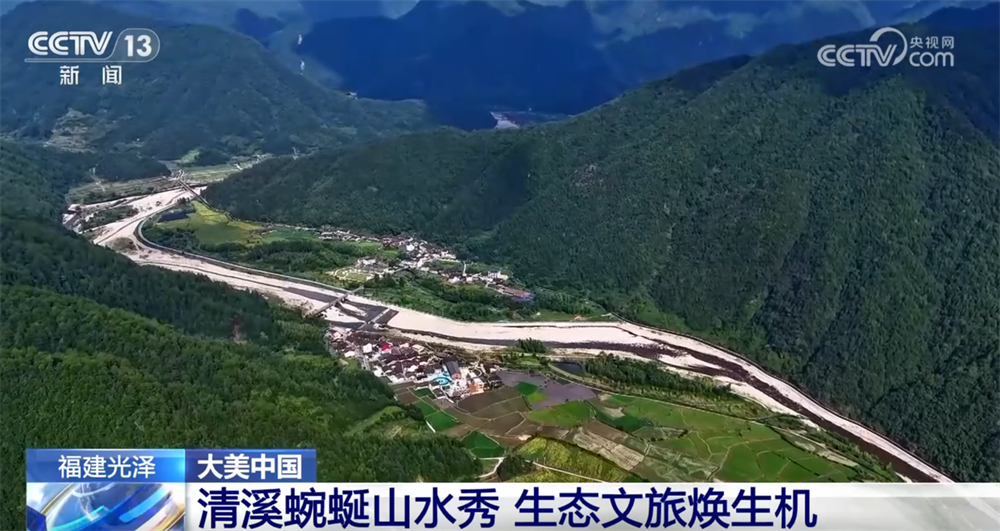
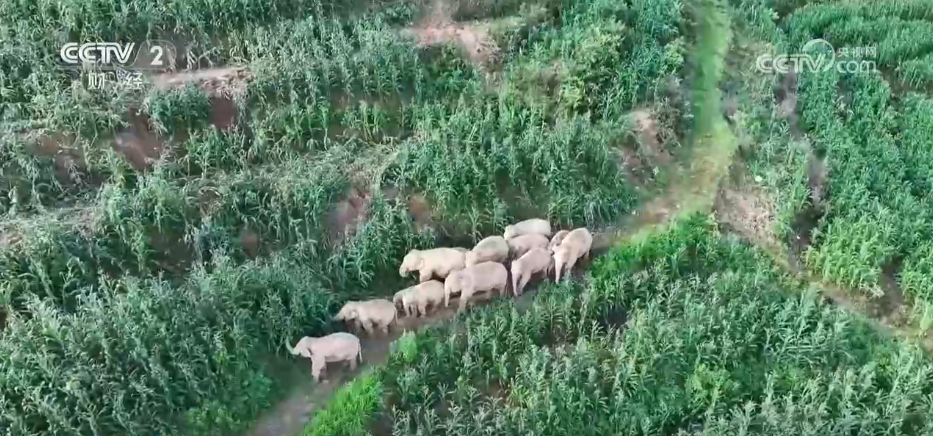
Group 1: Ecological and Tourism Development - Qingxi Village in Fujian has transformed from an area with poor ecological conditions to a thriving tourist destination through the integration of agriculture, culture, and tourism projects [1][3] - The village has developed various tourism activities, including a rafting project, attracting a peak of over 500,000 visitors this year and generating tourism revenue exceeding 1.5 million yuan [5] Group 2: Environmental Monitoring and Protection - In Yunnan, the population of Asian elephants has stabilized at over 300 due to conservation efforts, with advanced technology being utilized for real-time monitoring of their activities and habitats [10][18] - A comprehensive monitoring and early warning system has been established, which has issued over 13,000 alerts since its trial run in 2020, effectively reducing human-elephant conflict incidents [18]