新型储能

Search documents
政策利好不断,储能行业或迎黄金发展期,央企现代能源ETF(561790)涨超0.5%
Sou Hu Cai Jing· 2025-09-17 07:06
Core Viewpoint - The recent developments in China's energy sector, particularly in new energy storage, indicate a significant growth phase driven by policy support, market demand, and technological advancements [3][4]. Group 1: Market Performance - As of September 17, 2025, the China Securities National New State-Owned Enterprise Modern Energy Index rose by 0.28%, with notable increases in stocks such as China Coal Energy (up 4.10%) and China Western Power (up 2.03%) [3]. - The Central State-Owned Enterprise Modern Energy ETF (561790) increased by 0.52%, with a latest price of 1.17 yuan, and has seen a cumulative increase of 2.93% over the past month [3]. Group 2: Policy Developments - The National Development and Reform Commission and the National Energy Administration have issued the "New Energy Storage Scale Construction Special Action Plan (2025-2027)", aiming for market-oriented development and technological innovation in the energy storage sector by 2027 [3][4]. - Additional policies released in September include notifications to improve pricing mechanisms for renewable energy and guidelines for the continuous operation of electricity spot markets, emphasizing the importance of energy storage [4]. Group 3: Industry Outlook - Experts suggest that the confluence of policy incentives, surging market demand, rapid technological iterations, and strategic capacity layouts are propelling the energy storage industry into a "golden development period" characterized by simultaneous increases in volume and price [4]. - The index tracking the Central State-Owned Enterprise Modern Energy ETF includes 50 listed companies involved in green energy and fossil energy, with the top ten stocks accounting for 48.28% of the index [4].



探访超级“充电宝” 感受新型储能发展新脉动
Xin Hua Wang· 2025-09-17 06:01
【纠错】 【责任编辑:赵阳】 作者:曹力 赵悦 文楚 新华社音视频部制作 位于安徽省宿州市埇桥区的宿州电厂厂区一角,两个巨大的白色熔盐罐格外醒目,旁边的管道宛如一条 条钢铁巨龙蜿蜒盘踞,管道内蒸汽奔腾涌动,传递出澎湃动能。该"煤电+熔盐"储能项目是国家首批绿 色低碳先进技术示范项目,其通过熔盐在390℃高温熔盐罐与190℃低温熔盐罐间的热量循环,实现1000 兆瓦时热能跨时段存储与释放,能够保障电力和热力24小时稳定不间断供应,解决了煤电机组供热、供 电难以兼顾的问题。 ...
创业板指低开拉升盘中再创年内新高!创业板ETF广发(159952)连续3日上涨,权重股宁德时代股价创历史新高!
Xin Lang Cai Jing· 2025-09-17 05:15
Core Viewpoint - The ChiNext Index has shown strong performance, reaching a new high for the year, driven by sectors such as diversified finance, optical electronics, electric machinery, consumer electronics, and automotive parts [1] Group 1: Market Performance - On September 17, 2025, the ChiNext Index opened lower but surged nearly 2%, peaking at 3143.62 points, marking a new annual high [1] - The ChiNext ETF (Guangfa, 159952) rose by 1.61%, achieving three consecutive days of gains [1] - Key component stocks such as Changying Precision surged by 12.40%, Sanhuan Group by 8.30%, and Guiding Compass by 7.79% [1] - The top ten weighted stocks accounted for 55.15% of the index, with Ningde Times being the largest, increasing by 6.24% and reaching a historical high [1] - Over the past week, the ChiNext ETF (Guangfa) has accumulated a 7.54% increase [1] Group 2: Fund Flows and ETF Growth - As of September 16, 2025, the ChiNext ETF (Guangfa) reached a record size of 14.507 billion yuan [2] - The ETF's shares increased by 3.93 million over the past week, indicating significant growth [2] - The ETF experienced continuous net inflows over three days, with a peak single-day net inflow of 360 million yuan, totaling 762 million yuan [2] Group 3: Policy and Sector Insights - The National Development and Reform Commission and the Energy Administration released a plan for new energy storage, aiming for an installed capacity of over 180 million kilowatts by 2027, which is expected to drive advancements in long-duration energy storage technologies [2] - The demand for high-reliability power systems is surging due to AI computing needs in data centers, making new energy storage a critical requirement [2] - The technology sector is experiencing rotation, with active performance in robotics and related components, influenced by upcoming events such as Elon Musk's Optimus robot technology conference [2] - Long-term investment focus areas include AI computing, robotics, and innovative pharmaceuticals, while also monitoring improvements in supply-demand dynamics in lithium batteries, photovoltaics, and metals under the "anti-involution" context [2] Group 4: Future Outlook - The sustainability of the ChiNext's recovery depends on two main variables: the strength of the global technology cycle and GPU demand surpassing the previous consumer electronics cycle, as well as the impact of new technologies like solid-state batteries on the second growth curve of new energy [3] - The ChiNext Index is supported by low valuations, industry resonance, and capital inflows, indicating strong medium to long-term investment value [3] - The ChiNext ETF (Guangfa) closely tracks the ChiNext Index, comprising 100 stocks with high market capitalization and liquidity, focusing on strategic emerging industries such as electric power equipment, pharmaceuticals, and electronics [3]

储能行业点评报告:国内新型储能行动方案落地,储能需求有望超预期
ZHESHANG SECURITIES· 2025-09-17 04:57
Investment Rating - The industry investment rating is "Positive" (maintained) [7] Core Insights - The domestic new energy storage action plan has been launched, with a clear installation target set at over 180GW by 2027, leading to direct project investments of approximately 250 billion yuan [1] - The market mechanism for new energy storage is expected to improve marginally, with various provinces implementing capacity compensation and pricing policies to enhance investment returns [2] - Domestic energy storage bidding reached a historical high in August, with a total of 25.8GW/69.4GWh of systems and equipment contracted, indicating a significant year-on-year growth of 131% in bidding scale [3] - Internationally, energy storage demand is also experiencing high growth, particularly in the U.S. and emerging markets, driven by urgent needs for flexible resources and improved economic viability [4] Summary by Sections Domestic New Energy Storage Action Plan - The action plan outlines a target of over 180GW of new energy storage installations by 2027, with an estimated investment of around 250 billion yuan [1] - By the end of 2024, the installed capacity is projected to reach 73.76GW, with an average annual installation of 35GW/142GWh expected from 2025 to 2027 [1] Market Mechanism Improvement - The action plan encourages new energy storage to participate in energy markets and auxiliary service markets, aiming to establish a reliable capacity compensation mechanism [2] - Capacity pricing policies have been introduced in several provinces, with standards set at 330 yuan/kW·year in Gansu and 165 yuan/kW·year in Ningxia starting January 2026 [2] Domestic Bidding and Demand - In August, the domestic energy storage market saw a record high in bidding, with 80GW/272GWh contracted from January to August, reflecting a year-on-year increase of 131% in scale [3] - The shift from policy-driven to market-driven demand is anticipated as profitability models become clearer [3] International Market Trends - The U.S. has extended tariff exemptions, accelerating the installation pace of energy storage projects, while Europe and other emerging markets are also witnessing robust demand [4] Recommended Focus Areas - Attention is recommended for energy storage system integrators and manufacturers, battery cell producers, thermal control manufacturers, and companies related to power intelligence [5]
新型储能专项方案+消纳新政落地,市场机制助力行业发展 | 投研报告
Zhong Guo Neng Yuan Wang· 2025-09-17 01:12
Core Viewpoint - The National Development and Reform Commission and the National Energy Administration have issued a plan for the large-scale construction of new energy storage from 2025 to 2027, aiming for a total installed capacity of over 180 million kilowatts by 2027, with direct investment of approximately 250 billion yuan [1][2]. Group 1: Action Plan Overview - The action plan outlines goals, application scenarios, utilization levels, innovation integration, standard systems, and market mechanisms [2]. - The primary technology route for new energy storage will continue to be lithium-ion battery storage, with a focus on enriching various technology routes and application scenarios [1][2]. Group 2: Technical Breakthroughs - The plan addresses four major pain points in new energy storage: high costs, short lifespan, poor scene adaptability, and safety concerns [3]. - Emphasis is placed on long-duration storage technologies (≥8 hours) and high safety technologies to mitigate fire risks [3]. - The plan promotes intelligent and digital technologies to enhance system efficiency and resource recycling technologies to lower overall costs [3]. Group 3: Application Scenarios - The plan encourages the development of energy storage applications on the power generation side, particularly in renewable energy bases and retired thermal power plant sites [4]. - It also promotes energy storage applications on the grid side, including independent energy storage stations at key grid nodes and innovative application models in industrial parks and data centers [4][5]. Group 4: Market Mechanisms and Pricing - The action plan aims to integrate "new energy + storage" as a unified bidding entity in the electricity market, encouraging local exploration of auxiliary service varieties [6]. - The pricing mechanism for near-consumption projects will be improved, with a focus on reducing costs for smaller connection capacities [6]. Group 5: Investment Opportunities - The energy storage industry is expected to become a new growth area in the renewable energy sector, attracting more social capital [7]. - Companies such as Sunshine Power, Dewei Co., and others in the lithium battery supply chain are recommended for investment [7].
政策利好来了 碳酸锂价格能否回升
Qi Huo Ri Bao· 2025-09-17 00:21
Group 1 - The core viewpoint of the news is that the new policy and increasing demand are driving the growth of the energy storage industry in China, with a target of 180GW of new energy storage capacity by 2027, leading to over 250 billion yuan in direct investment [1][2] - The National Energy Administration reported that by the end of 2024, the installed capacity of new energy storage projects in China will reach 73.76 million kilowatts, which is 20 times the capacity at the end of the 13th Five-Year Plan, indicating a growth of over 130% compared to the end of 2023 [2] - The release of the new policy is expected to enhance the demand for lithium carbonate, as the energy storage growth target raises market expectations for the lithium battery industry's overall demand space, creating a "second growth pole" for lithium carbonate demand [3][4] Group 2 - Analysts suggest that the actual demand boost for lithium carbonate from the new policy may be limited, as the current installed capacity is already significant, and the growth pressure for energy storage installations from 2026 to 2027 is manageable [4] - The market is expected to drive the growth of energy storage, with supportive measures such as electricity market reforms and capacity price subsidies contributing to incremental demand [4] - The price of lithium carbonate futures has stabilized around 72,000 yuan per ton, reflecting a balance between market sentiment and fundamentals, with supply and demand remaining tight despite increased production [5][6]
政策利好来了,碳酸锂价格能否回升
Qi Huo Ri Bao· 2025-09-16 23:51
Group 1 - The core viewpoint of the news is that the new policy and increasing demand are driving the growth of the energy storage industry in China, with a target of 180GW of new energy storage capacity by 2027, leading to over 250 billion yuan in direct investment [1][2] - The National Energy Administration reported that by the end of 2024, the installed capacity of new energy storage projects in China will reach 73.76 million kilowatts, which is 20 times the capacity at the end of the 13th Five-Year Plan, and an increase of over 130% compared to the end of 2023 [2] - The release of the new policy is expected to enhance the demand for lithium carbonate, as the energy storage growth target raises market expectations for the lithium battery industry's overall demand space, indicating a more diversified consumption source for lithium carbonate [3] Group 2 - Analysts suggest that the actual demand boost for lithium carbonate from the new policy may be limited, as the current installed capacity is already significant, and the growth pressure for energy storage installations from 2026 to 2027 is not expected to be high [4] - The market is currently experiencing a stable price for lithium carbonate futures around 72,000 yuan per ton, influenced by a balance of market sentiment and fundamentals, with supply still tight despite increased production [5] - Future price trends for lithium carbonate are expected to remain in a range-bound state, supported by terminal demand, but there are concerns about whether demand can sustain its upward trajectory, which could pose a potential downside risk [6]
A股股价破新高,H股溢价 “宁王”再掀资本热浪
2 1 Shi Ji Jing Ji Bao Dao· 2025-09-16 23:15
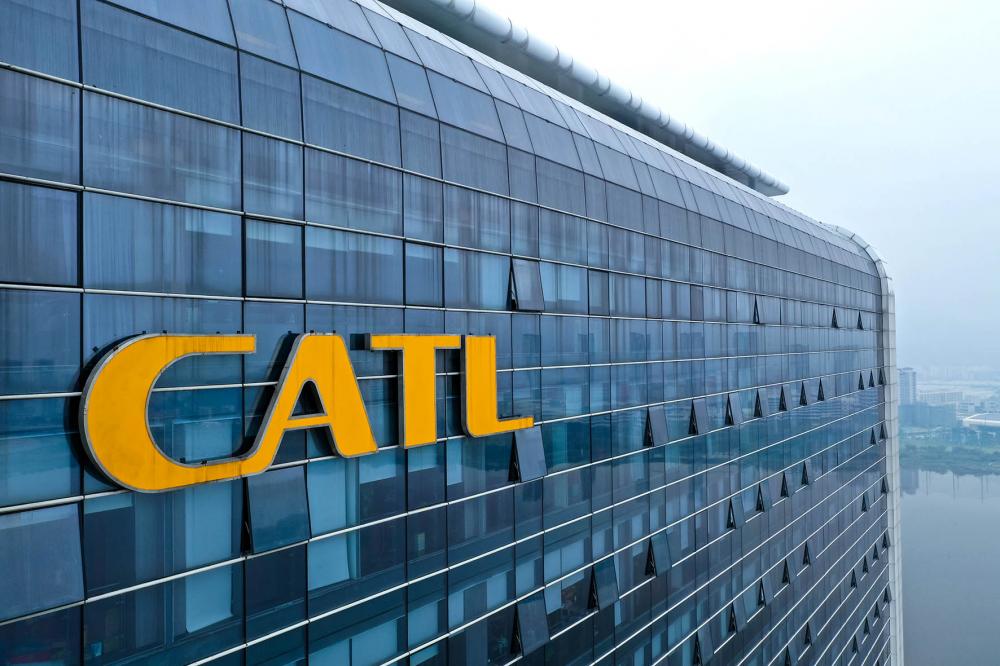
Core Viewpoint - CATL (Contemporary Amperex Technology Co., Limited) has seen significant stock price increases following its secondary listing in Hong Kong, with market capitalization reaching new highs, reflecting strong investor confidence and positive market sentiment in the battery industry [1][3]. Company Performance - On September 15, CATL's stock price surged over 9%, achieving a market capitalization of 1.63 trillion RMB in A-shares and 1.78 trillion HKD in H-shares, equivalent to approximately 1.62 trillion RMB [1]. - The trading volume for CATL's A-shares exceeded 10 billion RMB on September 16, indicating robust market activity [1]. Industry Impact - CATL's stock price increase has triggered a strong positive response across the battery supply chain, with related companies like Longpan Technology and Tianci Materials experiencing significant stock price gains [3][4]. - The battery index saw a peak increase of over 8% on September 15, highlighting a sector-wide rally driven by CATL's performance [3]. Market Forecasts - Morgan Stanley upgraded CATL's H-share rating from neutral to overweight, citing a notable increase in the demand for energy storage batteries and a corresponding rise in prices, leading to a 10% upward revision in profit forecasts for 2025-2026 [4]. - CATL's guidance for battery supply has been revised upwards to 1,100 GWh by 2026, representing a 46% year-on-year increase [3]. Policy and Demand Drivers - The National Development and Reform Commission and the National Energy Administration have set ambitious targets for new energy storage installations, aiming for over 180 million kW by 2027, which is expected to drive significant investment in the sector [6]. - The cancellation of mandatory storage requirements has led to increased market activity and investment attractiveness in the energy storage sector, with a reported 264% year-on-year increase in the bidding market size for energy storage systems [7]. Supply Chain and Production - CATL is actively expanding its production capacity and controlling costs to ensure stable supply, with plans for full production resumption at its lithium mine [9][10]. - The company is focusing on cost reduction across the entire supply chain, which is expected to enhance its competitive edge even in a low-price environment for lithium carbonate [10].
储能竞争下半场:唤醒“沉睡资产”,运营为王时代来临
Sou Hu Cai Jing· 2025-09-16 15:22
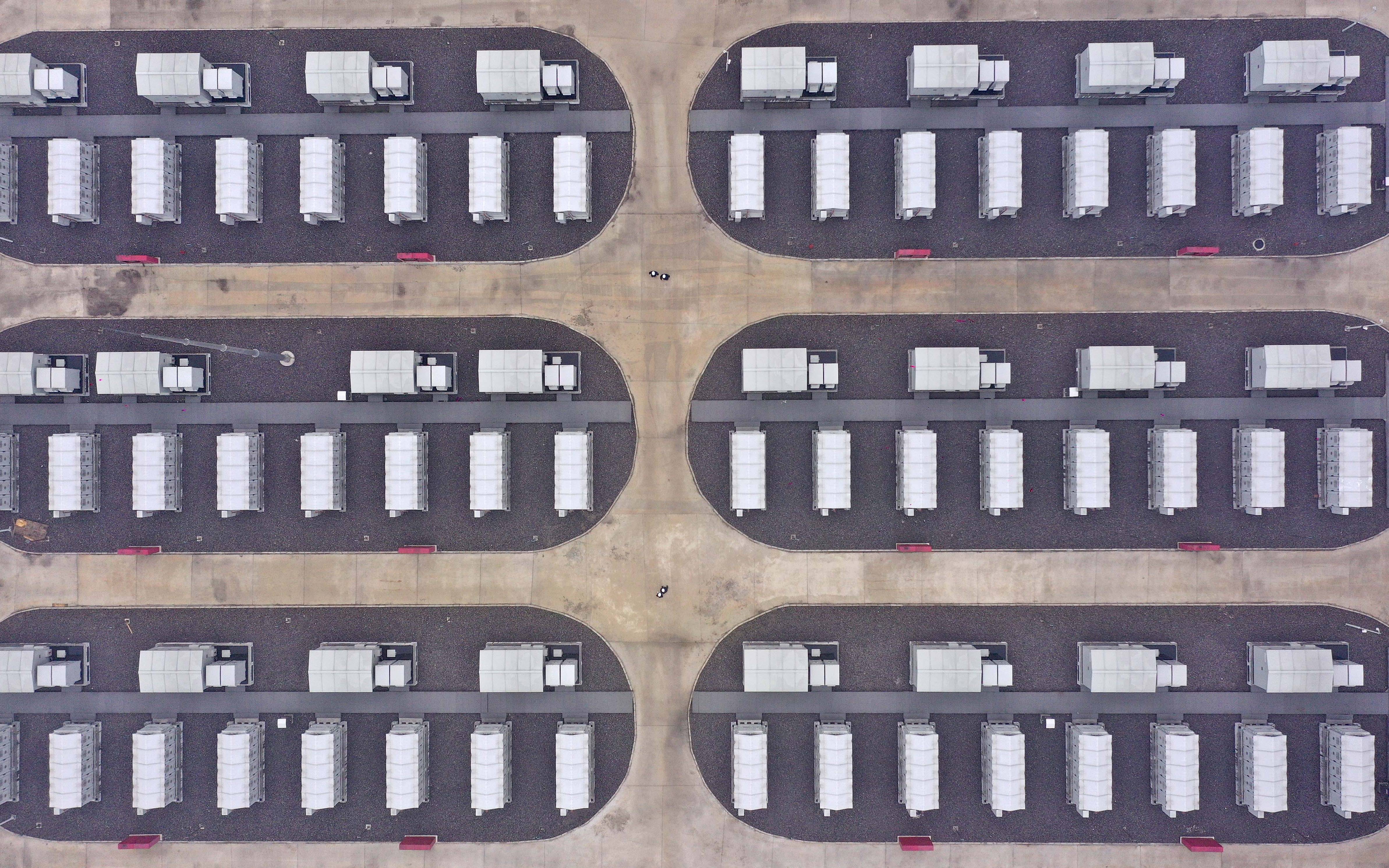
Core Insights - The Chinese energy storage industry is shifting from a focus on installation scale to operational efficiency and market value, as indicated by the latest national policy directives [1][6]. - The new action plan aims for a national energy storage capacity of over 180 million kilowatts by 2027, requiring an average annual increase of over 33 million kilowatts [5][6]. - The transition from mandatory energy storage requirements to market-driven mechanisms is a significant policy shift, emphasizing the importance of market participation for new energy storage projects [7]. Group 1: Industry Development - By the end of 2024, China's installed new energy storage capacity is projected to reach 73.76 million kilowatts, accounting for over 40% of the global total [4]. - The new action plan is expected to drive direct investment of approximately 250 billion yuan in energy storage projects [5]. - The focus is now on enhancing the utilization level and innovating control methods for new energy storage, marking a transition to high-quality development [6]. Group 2: Market Dynamics - The previous policy of mandatory energy storage for new renewable projects has been replaced by a market-driven approach, allowing for more flexible pricing mechanisms [7]. - The market share of energy storage driven by renewable energy indicators was 74.6% in 2024, highlighting the previous reliance on mandatory policies [7]. - The new framework encourages energy storage projects to participate in energy market transactions as independent entities, promoting a more competitive environment [7]. Group 3: Technological Innovation - The traditional peak-valley price arbitrage model for energy storage is facing challenges due to recent pricing adjustments, leading to a significant reduction in profit margins [8]. - AI technology is identified as a key tool for optimizing energy storage operations, enabling real-time adjustments to charging and discharging strategies [9]. - The action plan emphasizes the integration of AI and other advanced technologies to create innovative applications in energy storage, fostering a new wave of development in the industry [8][9].
A股股价破新高,H股溢价,“宁王”再掀资本热浪?
2 1 Shi Ji Jing Ji Bao Dao· 2025-09-16 14:19
(原标题:A股股价破新高,H股溢价,"宁王"再掀资本热浪?) 21世纪经济报道记者费心懿 全球动力电池及储能电池出货冠军宁德时代(300750.SZ;3750.HK)在港股二次上市之后,A/H股股价均大幅增长。9月15日,其股价涨幅超 9%,市值创下新高。 9月16日,宁德时代A股成交额继续保持活跃,超100亿元。 截至9月16日,宁德时代A股市值1.63万亿元人民币,H股市值1.78万亿港元,对应1.62万亿元人民币。 "宁链"强势上涨 这一波股价新高不仅刷新了宁德时代自身的市值纪录,更在资本市场引发连锁反应。 宁德时代股价的突破性上涨,首先在动力电池产业链引发强烈共振。9月15日当天,电池指数(申万)盘中涨幅一度超过8%,形成板块性行情。 在直接供应商群体中,这种带动效应尤为显著。与宁德时代签订60亿元采购协议的龙蟠科技(603906.SH)16日开盘一字涨停,主营电池材料的 天赐材料(002709.SZ)15日涨停,锂电铜箔龙头中一科技(301150.SZ)一度20CM涨停封板。 这种产业链传导效应背后,是市场对宁德时代产能扩张计划的积极回应。根据券商研究所数据,宁德时代对2026年的要货指引上修至11 ...