预制菜

Search documents
实地探访:持健康证可入西贝厨房参观,预制菜的未来在哪里
Di Yi Cai Jing· 2025-09-16 00:50
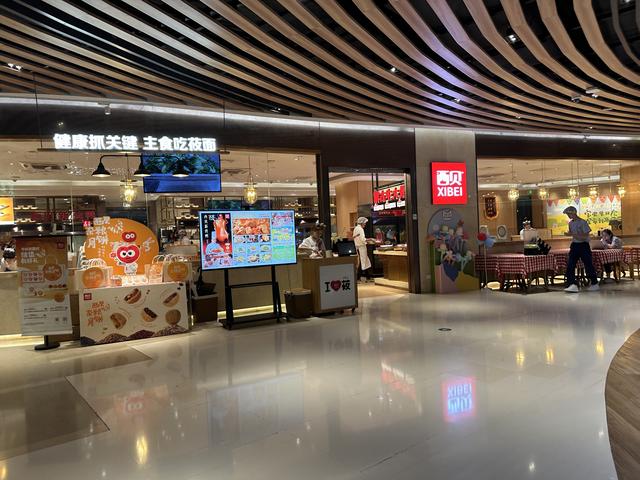
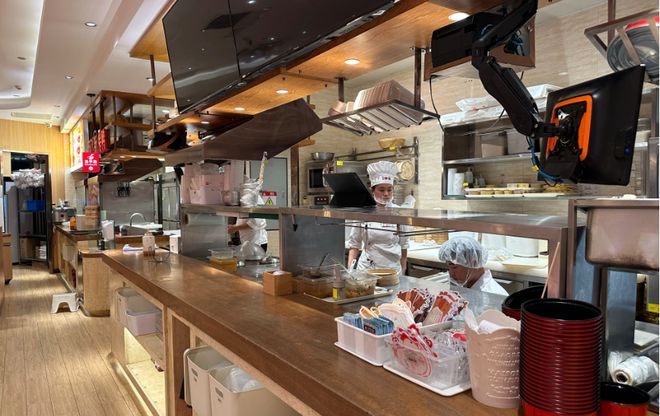
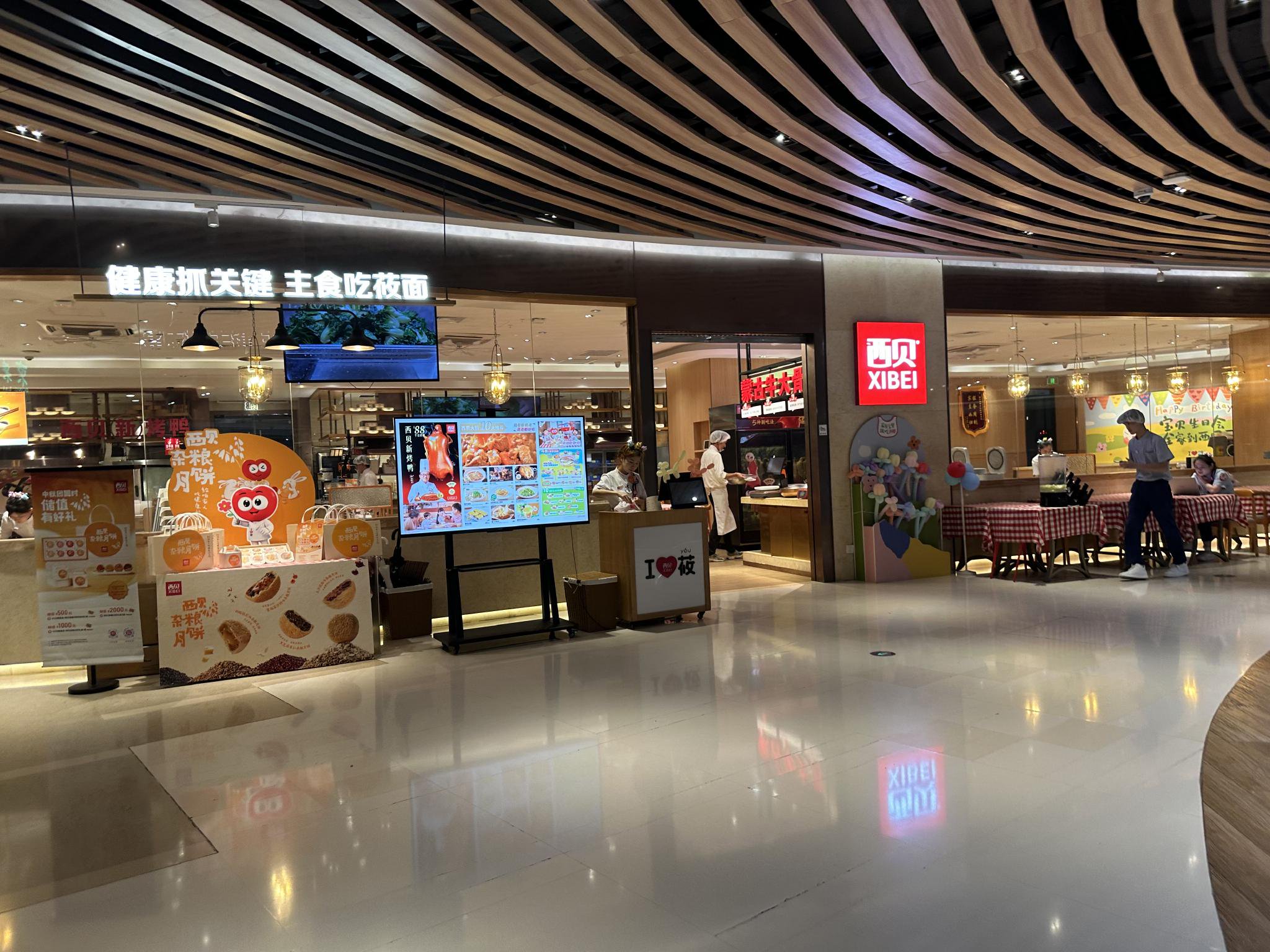
9月15日,西贝发布致歉信称,深刻意识到西贝的生产工艺与顾客的期望有较大差异,没有满足广大顾 客的需求与期待。将尽可能把中央厨房前置加工工艺调整到门店现场加工。 登录新浪财经APP 搜索【信披】查看更多考评等级 罗永浩与西贝之间的"预制菜大战"还未结束,9月14日晚间,因为西贝创始人贾国龙在某个行业群内的 表态截图流出,还称罗永浩为"网络黑嘴"。于是,罗永浩表示:"贾国龙,那这件事我们没法揭过去 了。在中间再劝我的朋友,我们一律绝交吧。" 然而罗永浩并不买账,甚至对于胖东来创始人于东来对西贝事件的发文,罗永浩称:"于总,您一直都 是我非常尊敬的企业家,希望您弄清真相之前,千万不要被损友误导,搅这个浑水,连累了您的名声。 这几天的事件发酵,大家都看出来了,现在这个世界如果真有一个人想毁了西贝,那就是贾总本人。" 之后,罗永浩又发文称,决定放弃进一步追究西贝。 第一财经记者9月14日晚间来到数家西贝餐厅亲测,在晚餐时间看到店内客人不多,店员告诉第一财经 记者,受预制菜风波影响,近期的客人明显减少。当记者提出要参观西贝厨房时,店员表示现在不能给 所有人开放参观厨房了,如果要参观厨房,需要提供健康证并留下本人信息,因 ...

8点1氪:西贝官方发布致歉信,罗永浩宣布“停战”;海南航空回应“乘客向工作人员下跪求助”事件;小米跳过16系列直接官宣小米17
36氪· 2025-09-16 00:09
Group 1 - The core viewpoint of the article revolves around the conflict between Luo Yonghao and Xibei, with Luo deciding to abandon further pursuit of Xibei but continuing with a collective lawsuit regarding the use of pre-prepared dishes [3][5][16] - Xibei issued an apology letter on September 15, promising to adjust multiple dishes to be made fresh in-store instead of using pre-prepared ingredients [5][17] - Luo Yonghao expressed dissatisfaction with Xibei's handling of the situation, stating that he would have sought justice if he had pursued the matter further [5][16] Group 2 - Xibei's apology letter was initially deleted and then reissued, with a notable change in the wording of a quote from its founder, which included the term "abuse" in quotation marks [5] - Multiple Xibei locations confirmed they received notifications about the adjustments, with some already implementing changes such as using non-GMO oil and fresh vegetables [17] - Luo Yonghao mentioned that the marketing consulting firm, Hua Yu Hua, which has worked with Xibei for 10 years, has apologized to him, indicating a resolution to that part of the conflict [16]







8点1氪|西贝官方发布致歉信,罗永浩宣布“停战”;海南航空回应“乘客向工作人员下跪求助”事件;小米跳过16系列直接官宣小米17
3 6 Ke· 2025-09-16 00:05
Group 1 - Xibei Restaurant issued an apology letter committing to adjust multiple dishes to be prepared on-site rather than in a central kitchen [2][3] - Following the apology, Luo Yonghao announced he would not pursue legal action against Xibei, despite feeling that a personal apology was not given [2][3] - Several Xibei locations confirmed they received notifications regarding the adjustments to food preparation [15] Group 2 - Nvidia is under further investigation by the Market Regulation Administration for violating antitrust laws [8] - The total revenue of the 2025 China Top 500 Enterprises reached 110.15 trillion yuan, showing an increase from the previous year [8] - The threshold for entering the Top 500 list has risen for 23 consecutive years, now standing at 47.96 billion yuan [8] Group 3 - Xiaomi announced it will skip the 16 series and directly launch the Xiaomi 17 series, aiming to compete directly with Apple's iPhone [7] - Tesla's stock price rose by 6% in pre-market trading after Elon Musk purchased over 2.5 million shares, valued at approximately $1 billion [17] - Major US stock indices closed higher, with Google surpassing a market capitalization of $3 trillion [18]

喜娜AI速递:昨夜今晨财经热点要闻|2025年9月16日
Sou Hu Cai Jing· 2025-09-15 22:17
9月14日,"今日酒价"数据显示,2025年53度500ml飞天茅台散瓶批发参考价报1770元,再创上市新低; 原箱报1790元,同样创出新低。拼多多平台上,有店铺双瓶售价3400元,折合每瓶1700元。2025年以 来,高端白酒市场需求走弱,茅台零售价格单边下行。上半年公司营收和净利润虽有增长,但毛利率有 所降低。9月12日收盘,股价下跌0.49%。详情>> 中美在西班牙举行经贸会谈,聚焦多项关键问题 当地时间9月14 - 15日,中美双方在西班牙马德里就有关经贸问题举行会谈。双方将讨论美单边关税措 施、滥用出口管制及TikTok等问题。此前美方宣布将多家中国实体列入出口管制"实体清单",中方则对 美发起反歧视和反倾销调查。15日,中方表示双方进行了坦诚、深入、建设性沟通,就TikTok等问题达 成基本框架共识。详情>> 来源:喜娜AI 金融市场犹如变幻莫测的海洋,时刻涌动着投资与经济政策的波澜,深刻影响着全球经济的走向。在 此,喜娜AI为您呈上昨夜今晨的财经热点新闻,全方位覆盖股市动态、经济数据、企业财务状况以及 政策更新等关键领域,助您精准洞察金融世界的风云变幻,把握市场脉搏。 茅台网上平台售价创新低, ...
实探西贝门店:参观厨房需要健康证
Di Yi Cai Jing Zi Xun· 2025-09-15 16:16
2025.09.15 本文字数:2995,阅读时长大约5分钟 作者 |第一财经 揭书宜 乐琰 罗永浩与西贝之间的"预制菜大战"还未结束,9月14日晚间,因为西贝创始人贾国龙在某个行业群内的 表态截图流出,还称罗永浩为"网络黑嘴"。于是,罗永浩表示:"贾国龙,那这件事我们没法揭过去 了。在中间再劝我的朋友,我们一律绝交吧。" 9月15日,西贝发布致歉信称,深刻意识到西贝的生产工艺与顾客的期望有较大差异,没有满足广大顾 客的需求与期待。将尽可能把中央厨房前置加工工艺调整到门店现场加工。 然而罗永浩并不买账,甚至对于胖东来创始人于东来对西贝事件的发文,罗永浩称:"于总,您一直都 是我非常尊敬的企业家,希望您弄清真相之前,千万不要被损友误导,搅这个浑水,连累了您的名声。 这几天的事件发酵,大家都看出来了,现在这个世界如果真有一个人想毁了西贝,那就是贾总本人。" 之后,罗永浩又发文称,决定放弃进一步追究西贝。 预制菜真的如此不堪吗? 参观西贝厨房需持健康证 0:00 第一财经记者9月14日晚间来到数家西贝餐厅亲测,在晚餐时间看到店内客人不多,店员告诉第一财经 记者,受预制菜风波影响,近期的客人明显减少。当记者提出要参观 ...
实地探访:西贝持健康证可入厨房参观,预制菜的未来在哪里
Di Yi Cai Jing· 2025-09-15 15:13
Core Viewpoint - The ongoing conflict between Luo Yonghao and Xibei regarding the pre-prepared food industry highlights the challenges and consumer perceptions surrounding pre-prepared dishes, with Xibei facing backlash and a decline in customer traffic due to recent controversies [1][3][11]. Summary by Sections Industry Dynamics - The pre-prepared food sector is experiencing a complex landscape where consumer expectations and perceptions are not aligned with industry practices, leading to a demand for transparency in food sourcing and preparation [12][14]. - The central kitchen model is widely adopted in the restaurant industry to ensure consistency and efficiency, but it faces scrutiny from consumers who may equate central kitchen operations with pre-prepared food [13][14]. Company Responses - Xibei acknowledged a gap between its production methods and customer expectations, committing to adjust its processing techniques to enhance customer satisfaction [1][3]. - Luo Yonghao, while critical of Xibei's practices, clarified that his opposition is not to pre-prepared food itself but to the lack of transparency and high pricing associated with it [11][12]. Consumer Behavior - Recent visits to Xibei restaurants indicated a noticeable drop in customer traffic, attributed to the pre-prepared food controversy, while other restaurants like Laoxiangji reported a 10%-20% increase in customer flow during the same period [3][9]. - Consumer opinions on pre-prepared food vary, with some advocating for clear labeling and reasonable pricing, while others prefer freshly made dishes [12][13]. Market Trends - Despite the controversies, the pre-prepared food sector has shown resilience, with stock prices of related companies experiencing gains, indicating continued investor confidence [15]. - The upcoming national standards for pre-prepared food are expected to provide clarity and potentially improve consumer trust in the industry [14][15].
冷冻蔬果市场规模逐年增长,真实价值几何?
Zheng Quan Shi Bao Wang· 2025-09-15 15:11
作为日常饮食的重要组成部分,蔬菜、水果的营养价值自然不言而喻,而冷冻蔬果在消费者眼中却略显 尴尬。 冷冻蔬果延长营养留存 从直观上来看,大众普遍会认为,冷冻蔬菜营养流失严重,不如新鲜蔬菜。但答案似乎并非如此。 中国科学技术协会旗下"科学辟谣"官微曾多次发布文章称,冷冻蔬菜没有营养是一种常见误区。 冷冻蔬菜系利用快速低温冷冻的方式对蔬菜进行处理。由于速冻的温度低,细菌活动被抑制,蔬菜细胞 内的代谢反应也几乎停止,因为可以很好地保留其所含的营养。以维生素C和矿物质为例,相比室温储 存的新鲜蔬菜,冷冻蔬菜因速冻过程抑制了氧化和细菌作用,减少了酶降解反应,反而保存率更高。因 此,在不便获得新鲜蔬菜时冷冻蔬菜可以是新鲜蔬菜的替代品。 有业内人士表示,在普通储存条件下,蔬菜和水果的营养流失是一个必然的过程。而通过低温隔绝这些 导致蔬果营养成分流失的因素,反而可以延长蔬果中营养成分的留存。 以西兰花为例,蔬菜在采后常温贮藏中极易发生黄化和衰老,尤其是采后置于20~25℃条件下。通常来 讲,工业预制西兰花的加工步骤包括清洗、切分、烫漂和冷冻4个步骤。 需要指出的是,真正决定冷冻果蔬品质的核心环节是"快速冷冻"技术,目前行业主 ...
贾国龙诽谤罗永浩事件升级;雷军“迎战”苹果
Sou Hu Cai Jing· 2025-09-15 15:03
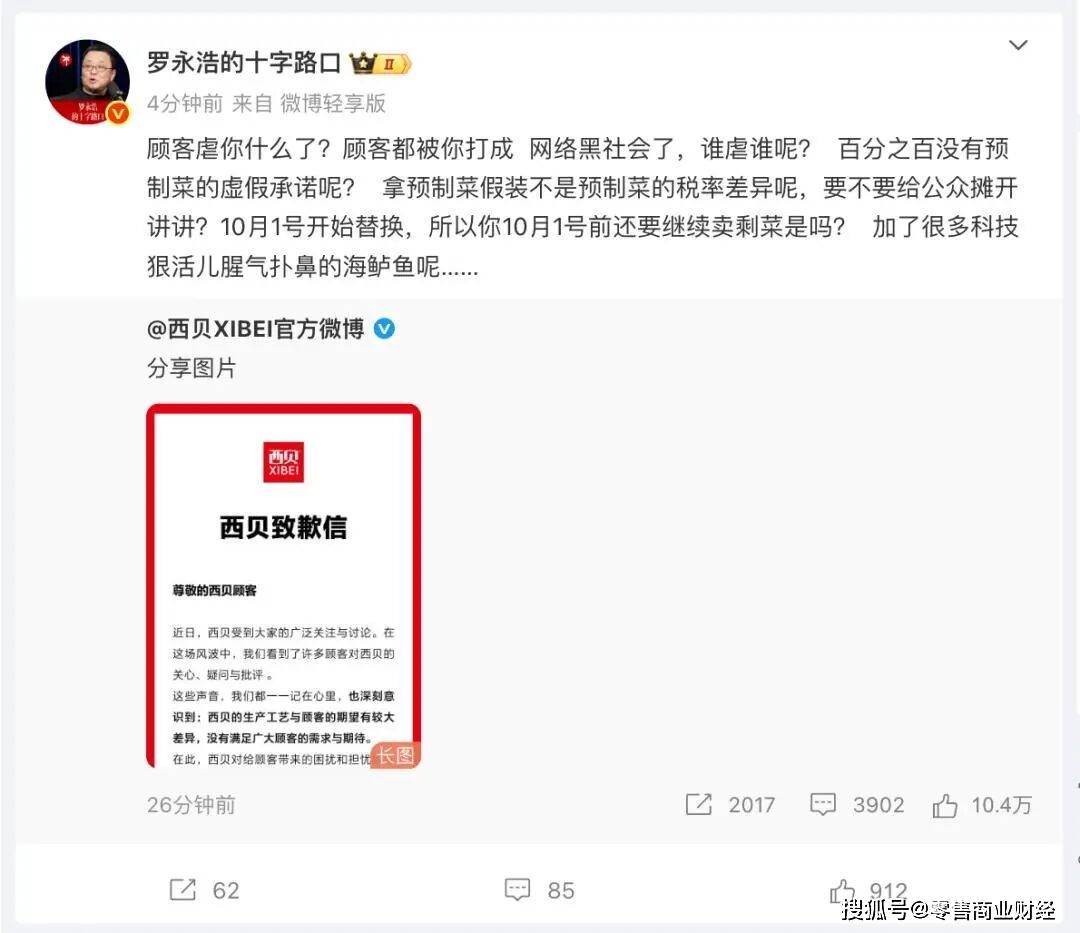
Group 1 - Xibei issued a second apology regarding the controversy over prepared dishes, changing the wording in their statement and promising to adjust some prepared dishes to be made fresh in-store by October 1 [1] - The founder of Xibei, Jia Guolong, faced backlash for derogatory comments about Luo Yonghao, which raised legal concerns regarding defamation [1] - Luo Yonghao criticized Xibei's promises as "false commitments" and questioned the quality and shelf life of the prepared dishes [1] Group 2 - Luo Yonghao announced that the owner of Hua Yu Hua has apologized to him, indicating a resolution to the previous conflict, while emphasizing the importance of consumer rights regarding prepared dishes [2] - Xiaomi's new 17 series smartphones are set to directly compete with Apple's iPhone, featuring the latest Snapdragon 8 Gen 2 chip and marking a significant upgrade for the brand [3] Group 3 - Pop Mart's new SKULLPANDA plush toys sold out quickly, with significant price premiums observed, although overall consumer enthusiasm appears to be declining compared to previous releases [4] - Midea has partnered with Tmall to enhance instant retail services, enabling rapid delivery from nearly 90 stores across 19 cities [4] Group 4 - Online retail sales in China reached 99,828 billion yuan in the first eight months of the year, showing a year-on-year growth of 9.6%, with physical goods sales growing by 6.4% [6] - Yonghui Supermarket plans to procure approximately 2,500 tons of chestnuts from a certified region known for its high-quality produce [8] Group 5 - Pinduoduo launched a significant subsidy program, reducing prices for the new iPhone 17 series by 1,000 yuan, making the iPhone 17 available for as low as 4,999 yuan [10] - JD MALL opened its first self-operated store in Shenzhen, featuring over 200 core brands and a wide range of products [11] Group 6 - JD is in talks to acquire Argos, the second-largest retail chain in the UK, which could enhance Argos's transformation with JD's expertise in retail and logistics [13] - Taobao Flash Sale and Ele.me initiated a "Bright Kitchen, Bright Stove" entrepreneurial support program aimed at assisting various entrepreneurs in the food industry [14] Group 7 - JD Seven Fresh launched a promotional event focused on Xinjiang products, showcasing local cuisine and culture while expanding its private label strategy [15] - Taobao Flash Sale anticipates a significant increase in brand participation for the upcoming Double 11 shopping festival [17] Group 8 - Meituan introduced a series of "Safe Consumption" products aimed at enhancing consumer protection and service quality across various sectors [18] - New national standards for food labeling are being implemented, with companies like Qianhe Flavor Industry leading the way in updating their packaging to comply with these regulations [20]

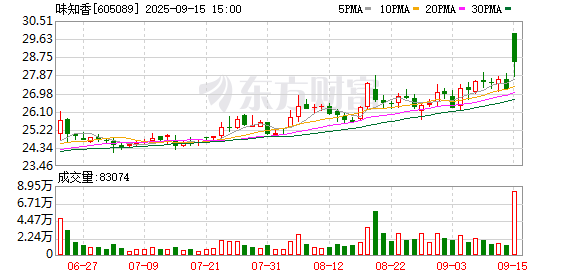
“预制菜第一股”味知香净利连降两年
Guo Ji Jin Rong Bao· 2025-09-15 14:39
Core Insights - The company, Weizhi Xiang, reported a total revenue of 343 million yuan for the first half of 2025, representing a year-on-year growth of 4.7%, while the net profit attributable to shareholders decreased by 24.46% to 31.95 million yuan [2] - The decline in profitability is largely attributed to high raw material costs, with operating costs increasing by 10.29% to 271 million yuan, significantly outpacing revenue growth [2] - The company has experienced a continuous decline in net profit for two consecutive years, with a 43.37% drop in mid-2024 [2] Financial Performance - The gross profit margin for the first half of 2025 was 20.83%, down over 4 percentage points compared to the previous year [2] - The company's main product, beef, generated 137 million yuan in revenue, an increase of 8.82%, accounting for over 40% of total revenue [3][4] - Overall revenue from various product categories showed a slight increase of 4.52% compared to the same period last year [4] Market Dynamics - The company is facing challenges in price transmission due to rising raw material costs, with retail price adjustments not fully covering the cost increases [5] - The East China region remains the core market, contributing over 90% of revenue, but growth is limited to 0.54% [5] - Emerging markets in South China, Northwest, and North China have shown significant growth rates of 777.35%, 354.83%, and 235.79%, respectively, although their combined revenue is still under 10 million yuan [5] Industry Outlook - The pre-prepared food industry in China is expected to maintain a high growth trajectory, with a projected CAGR of 19% from 2019 to 2022, and an estimated market size of 475.7 billion yuan by 2025 [6]

【财闻联播】荣耀高管集体出走车企?最新回应!中国企业500强榜单发布,营收超110万亿
Zheng Quan Shi Bao Wang· 2025-09-15 13:54
Macro Dynamics - The "2025 China Top 500 Enterprises" list was released, with total operating revenue reaching 110.15 trillion yuan, and the entry threshold increased for the 23rd consecutive year to 47.96 billion yuan, up by 579 million yuan [1] - The total net profit attributable to the parent company reached 4.71 trillion yuan, growing by 4.39% [1] - The number of enterprises with operating revenue exceeding 100 billion yuan increased to 267, up by 14 from the previous year, accounting for 53.4% of the list [1] Financial Institutions - Qilu Bank announced that some directors, supervisors, and senior management plan to voluntarily increase their shareholding by no less than 3.5 million yuan [3] Market Data - The Shanghai Composite Index fell by 0.26%, while the ChiNext Index rose by 1.52%, with the automotive parts sector experiencing a surge [5] - The total market turnover was approximately 2.3 trillion yuan, with over 3,300 stocks declining [5] - As of September 12, the total margin balance of the two markets increased by 11.182 billion yuan, reaching 23.27 trillion yuan [6] Company Dynamics - Honor denied reports of former executives joining automotive companies, stating that no such transitions have occurred [8] - Meizu launched AI shooting glasses, with a starting price of 1,999 yuan [9] - Shikang Co., Ltd. reported significant stock trading activity, including a notable increase in shareholder numbers and some institutional shareholders reducing their holdings [10] - Junsheng Electronics announced it has received project notifications from two major automotive brands, with an expected total order value of approximately 15 billion yuan over the product lifecycle, set to begin mass production in 2027 [11]