
通货膨胀

Search documents
Worried Inflation Will Eat Away at Your Retirement Savings? These Smart Strategies Can Help Protect Your Nest Egg
Yahoo Finance· 2025-12-04 16:19
Core Insights - Inflation poses significant risks to purchasing power and retirement savings, necessitating strategic financial planning to mitigate its effects [5][19] Group 1: Understanding Inflation - Inflation is measured by the Consumer Price Index (CPI) and reported monthly, impacting savings and returns as typical savings accounts often fail to keep pace with inflation [3] - It reduces purchasing power, meaning that as prices rise, individuals can buy less with their savings, potentially delaying retirement [4][5] Group 2: Budgeting and Spending - Regularly reviewing and adjusting budgets is essential to stay on track with expenses, especially in the face of inflation [1][6] - Prioritizing needs over wants and tracking spending through various tools can help manage finances effectively [2] Group 3: Investment Strategies - Diversification across stocks, bonds, and alternative investments is crucial to spread inflationary risks [6][7] - A well-balanced stock portfolio can provide long-term growth potential, with the S&P 500 averaging over 10% annual returns [8] - Investing in dividend-paying companies can provide a steady income stream that helps keep pace with inflation [9] Group 4: Fixed-Income and Alternative Investments - Fixed-income assets offer safety and stability, with strategies like bond laddering allowing reinvestment at current interest rates during inflationary periods [11] - Real estate and commodities, such as gold, can serve as effective hedges against inflation, with real estate values and rental income typically rising during inflation [12][13] Group 5: Cash Management and Investment Adjustments - Holding too much cash can be detrimental as it may lose value; maintaining only a small emergency fund is advisable [14] - Regular adjustments to investment plans, similar to budgeting, are necessary to navigate market fluctuations effectively [18]
US Initial Jobless Claims Hit Three-Year Low
Youtube· 2025-12-04 14:45
Economic Indicators - Initial jobless claims came in at 190,000, lower than the expected 220,000, and down from 216,000 the previous week [1] - Continuing claims decreased to 1.19 million from 1.96 million, indicating a slight improvement in the labor market [1] Labor Market Insights - The decrease in continuing claims suggests that the pace of layoffs has slowed, indicating that the job market may be stabilizing [2][3] - There is ongoing debate about the strength of the labor market, with some data suggesting it is softening, but official data is needed for a clearer judgment [3] Federal Reserve Outlook - The Federal Reserve may be in a position to cut rates, but the extent of future cuts remains uncertain [4][5] - The head of the New York Fed indicated that there may be enough data to support a rate cut, but inflation remains above target, complicating the outlook [6] Market Reactions - S&P futures are flat while NASDAQ futures are down 0.1%, reflecting mixed market reactions to economic data [4] - The dollar is expected to strengthen, potentially pausing previous weakness, as the market anticipates a rate cut from the Fed [5]

“美联储主席最热门人选”,哈塞特是谁?
Sou Hu Cai Jing· 2025-12-04 14:12
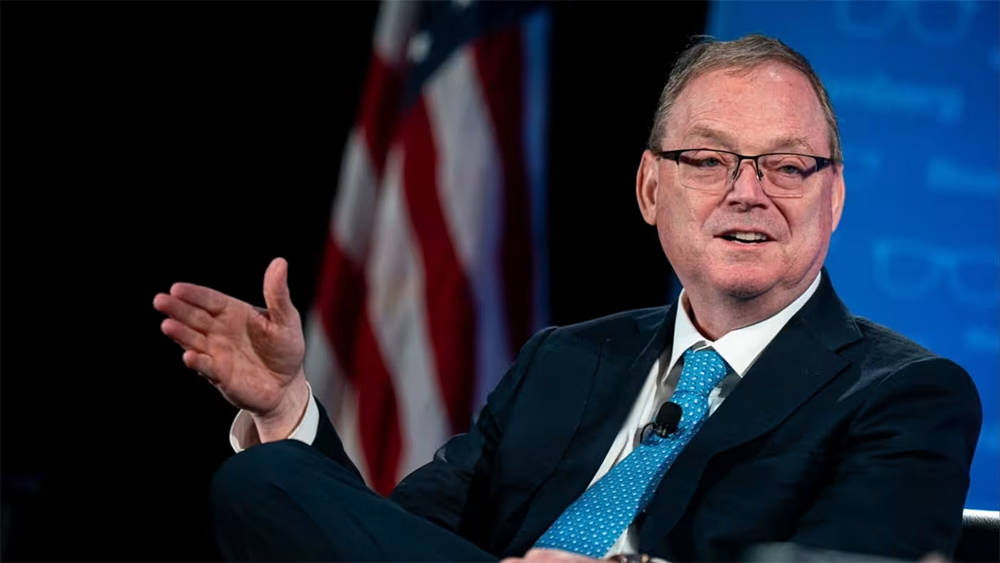
【文/观察者网 林琛力】当地时间12月2日,美国总统特朗普表示,将于明年初宣布美联储主席人选。尽管特朗普尚未正式确认提名人选,但 在他的暗示下,一个名字脱颖而出并成为了压倒性的热门人选:白宫国家经济委员会主任凯文·哈塞特。 据美国《财富》杂志、英国《金融时报》等媒体报道,特朗普2日在白宫活动中宣布了上述消息,他还提到:"我想,一位'潜在'的美联储主席 今天也在场。我可以这么说吗?是'潜在'的。我能告诉你的是,他是一位受人尊敬的人。" 特朗普的这番言论被认为在暗示哈塞特就是这名"潜在候选人",使本就是美联储主席热门人选之一的哈塞特一跃成为最热门人选。预测市场平 台"Kalshi"3日预测,哈塞特获得提名的概率为86%,前美联储理事沃什和现美联储理事鲍曼的概率分别为6%和4%。 消息传出后,美元汇率短暂下跌。对于哈塞特接任美联储主席,外界反应两极,有人批评哈塞特是"特朗普傀儡",也有支持者认为"再没有比 他更合适的人选了"。 白宫国家经济委员会主任凯文·哈塞特彭博社 哈塞特是谁?有何背景? 据美国有线电视新闻网(CNN)等媒体报道,现年63岁的哈塞特于1962年出生在美国马萨诸塞州格林菲尔德,本科就读于斯沃斯莫尔 ...
高市政府“松口”,日本央行本月加息几成定局
Guo Ji Jin Rong Bao· 2025-12-04 12:03
Core Viewpoint - The likelihood of a rate hike by the Bank of Japan has significantly increased, with expectations of raising the policy rate from 0.5% to 0.75% during the upcoming monetary policy meeting on December 18-19, marking the first increase since January of this year [1][2]. Group 1: Rate Hike Signals - Bank of Japan Governor Kazuo Ueda has provided the clearest signal yet for a rate hike, indicating that the central bank will weigh the pros and cons of raising the policy rate based on domestic and international economic conditions, inflation, and financial market status [2]. - Ueda has communicated effectively with Prime Minister Fumio Kishida, suggesting government approval for tightening policies to stabilize inflation [2][3]. - Despite previous concerns from Kishida regarding early rate hikes, the current economic outlook and yen depreciation pressures have led to increased support for a rate increase [3]. Group 2: Market Reactions - The market is pricing in an almost 80% probability of a rate hike, with the Bank of Japan's policy committee expected to review upcoming domestic wage data and the Federal Reserve's decisions before finalizing their decision [4]. - Ueda's comments have caused significant market volatility, with the bond market reacting most sensitively, leading to a sell-off in government bonds and a notable rise in yields, with the 10-year Japanese government bond yield reaching 1.910%, the highest since July 2007 [4]. - The Nikkei 225 index experienced a drop of 1.89%, reflecting concerns that a rate hike could increase corporate financing costs and negatively impact export-oriented companies [4]. Group 3: Yen Performance - Despite the rising probability of a rate hike, the yen remains under pressure, having depreciated over 4.5% this quarter [5]. - Following Ueda's speech, the yen strengthened slightly against the dollar, moving from 155.8 to around 155.2, indicating growing market confidence in a potential rate hike [5]. - However, inflation expectations continue to rise, with the 10-year breakeven inflation rate reaching its highest level since records began in 2004, suggesting that even a rate hike may not support the yen effectively [5].
Barclays flips December RBI rate call from cut to 'dovish hold'
Youtube· 2025-12-04 11:45
Core Viewpoint - The Reserve Bank of India (RBI) is expected to hold interest rates steady in light of unexpectedly high GDP growth of 8.2% and low CPI inflation of 0.3% for October, leading to a reassessment of economic forecasts [1][3][4]. Economic Indicators - The October CPI inflation rate was reported at 0.3%, which is significantly below expectations, indicating a benign inflation environment [1][3]. - The GDP growth rate for the same period was 8.2%, surpassing the RBI's own estimate of 7% and the market expectation of 7.4%, prompting a revision of growth forecasts [3][10]. Monetary Policy Implications - The RBI is likely to revise its GDP growth forecast for the financial year 2026 to an average of 7.2%, which is 40 basis points higher than previous estimates [3][4]. - The inflation forecast for the financial year 2026 is expected to be revised down to around 2%, compared to the current forecast of 2.6% [4][12]. Market Reactions - The RBI is anticipated to adopt a neutral stance with a dovish pause, potentially implementing non-rate measures to ensure bond market stability and liquidity [5][6]. - There is a recognition of the divergence in economic data interpretations among economists, but the RBI will base its decisions on the available data, regardless of its credibility concerns [11][12].


华尔街表示:“反对提名哈西特成为美联储主席,或将抛售美国国债!”引发热议
Sou Hu Cai Jing· 2025-12-04 08:52
Group 1 - Concerns among major bond investors regarding Kevin Hassett's potential appointment as Federal Reserve Chair, warning of possible market turmoil if he lowers interest rates as per Trump's demands [2] - The U.S. Treasury has engaged in informal discussions with major Wall Street banks and asset management firms to gauge market sentiment on Hassett and other candidates, reflecting widespread anxiety over the potential change in Fed leadership [2] - Investors fear that Hassett's close ties to Trump may lead to indiscriminate rate cuts despite inflation remaining above the 2% target, raising concerns about the credibility of the Federal Reserve [2][3] Group 2 - Some individuals question Hassett's ability to lead a divided Federal Reserve Board, with discussions also involving the Treasury Borrowing Advisory Committee on debt issuance strategies [3] - Hassett's background includes serving as a senior economic advisor in previous Republican campaigns and holding positions in conservative think tanks and the Federal Reserve, but his close relationship with Trump raises concerns about the independence of the central bank [3] - The White House and Treasury have stated that discussions are ongoing to understand market dynamics, with Hassett emerging as a leading candidate among 11 potential nominees for the Fed Chair position [4]
Iranians seek portable wealth as hedge against falling currency after Israel war
Yahoo Finance· 2025-12-04 05:25
Core Insights - The Iranian public is increasingly turning to gold as a hedge against inflation, sanctions, and the declining value of the rial currency following the recent conflict with Israel [1][2] Group 1: Market Trends - Traders in Tehran's Grand Bazaar report a surge in demand for "value-preserving assets" such as gold, silver, and cryptocurrencies due to fears of economic instability [2][3] - Gold sales have reached unprecedented levels, with a merchant noting the sale of 6 kilograms of gold to ordinary citizens in just two weeks [3] Group 2: Economic Conditions - The price of gold coins in Iran has surpassed 1.2 billion rials for the first time, reflecting the severe depreciation of the rial, which now trades at over 1 million rials to $1 [4] - The rising prices of gold and silver are prompting individuals to reconsider their investment strategies, with some expressing regret over previous real estate purchases [5] Group 3: Consumer Behavior - Many Iranians view gold as the most reliable means to preserve wealth amid rampant inflation, with individuals like Behzad Rashvand stating that they convert earnings into gold [4] - Reports indicate that families are beginning to sell off assets to manage financial pressures, highlighting the economic strain faced by various demographics [5]
美联储闲谈:12 月版-Fed Chatterbox_ December Edition
2025-12-04 02:22
Summary of Key Points from the Conference Call Industry Overview - The conference call primarily discusses the Federal Reserve's monetary policy outlook and its implications for the labor market and inflation. Core Insights and Arguments 1. **Monetary Policy Adjustments**: - New York Fed President Williams advocates for a "further adjustment [to the funds rate] in the near term" due to increased downside risks to employment and reduced upside risks to inflation [2][5] - A consensus among several FOMC members suggests a potential 25 basis point cut at the December meeting, with some members expressing caution about further cuts [2][5] 2. **Labor Market Conditions**: - The labor market is described as "weak and near stall speed," with several officials acknowledging downside risks to employment [2][7] - President Williams notes a gradual softening in labor demand and supply indicators, indicating a balanced but cooling labor market [7] 3. **Inflation Dynamics**: - Officials, including Williams and Jefferson, assert that tariffs are not contributing to ongoing inflationary pressures, viewing their impact as a one-time price level shift rather than a persistent issue [9] - Despite a decrease from post-pandemic peaks, inflation remains a concern, with some officials worried about its trajectory and the risk of it becoming entrenched above the 2% target [9] 4. **Policy Restrictiveness**: - Most participants view the current monetary policy as "somewhat restrictive," with varying opinions on its appropriateness given the economic context [10] - Some officials, like Miran, argue that the policy is "too restrictive," while others, like Collins, see it as mildly restrictive and appropriate for the current economic environment [10] Additional Important Insights 1. **Economic Risks**: - Several officials express concerns about the balance of risks, with a shift towards increased downside risks to employment compared to inflation [5][10] - The potential for a "nonlinear change" in the labor market is highlighted, indicating that conditions could deteriorate rapidly if not monitored closely [7] 2. **Future Outlook**: - The consensus suggests that inflation is expected to return to the 2% target by 2027, contingent on maintaining appropriate monetary policy [9] - The labor market's gradual cooling is viewed as orderly, but officials remain vigilant for signs of more significant deterioration [7] 3. **Caution in Policy Decisions**: - Officials emphasize the need for caution in monetary policy adjustments, balancing the risks of inflation against employment concerns [5][10] - The importance of clear evidence before making further cuts is stressed, particularly in light of the uncertain economic environment [5][10] This summary encapsulates the key themes and insights from the conference call, focusing on the Federal Reserve's monetary policy, labor market conditions, and inflation dynamics.
One Smart Reason To Take Your RMD Right Away—Rather Than Wait Until the Deadline
Investopedia· 2025-12-04 01:02
Core Insights - The article emphasizes the importance of withdrawing Required Minimum Distributions (RMDs) early to secure higher yields before anticipated Federal Reserve interest rate cuts [1] Group 1: RMD Withdrawal Timing - Individuals subject to RMDs must withdraw by December 31 to avoid IRS penalties, with the option to take the full amount at once or in smaller payments [1] - Delaying RMD withdrawals could result in missing out on current higher yields, particularly with top-paying certificates of deposit (CDs) [1] Group 2: Investment Opportunities - Moving RMD funds to CDs can guarantee returns in the low- to mid-4% range, which is beneficial given the expected interest rate cuts [1] - Early withdrawal allows individuals to lock in better rates before potential decreases, as the Federal Reserve is expected to cut rates on December 10 [1] Group 3: Alternatives to CDs - For those seeking flexibility, high-yield savings accounts currently offer rates in the mid-4% range, with some reaching 5.00% [1] - High-yield money market accounts provide another option, although their returns may be lower than the best savings accounts [1] Group 4: Considerations for Investors - Locking in a CD rate requires committing funds for the full term, with early withdrawal penalties varying by institution [1] - The article advises careful selection of terms and review of penalty rules before locking in rates [1]

每日机构分析:12月3日
Xin Hua Cai Jing· 2025-12-03 12:08
Group 1 - Nomura Securities indicates that the US dollar may face significant downward pressure by 2026 due to factors such as portfolio adjustments, rising foreign exchange hedging risks, and potential Federal Reserve rate cuts [2] - UBS economists note that discussions regarding the Reserve Bank of Australia's interest rate hikes have shifted from "if" to "when," with expectations moving forward significantly due to rising labor costs and domestic demand [2] - Barclays strategists highlight that the current market for US Treasury Inflation-Protected Securities (TIPS) does not adequately price in positive inflation risk premiums, suggesting a long position in 10-year breakeven inflation rates as a reasonable medium to long-term strategy [1] Group 2 - Fitch Ratings states that despite rising debt from infrastructure investments, a neutral macro environment, a robust housing market, and a strong labor market will support the stability of Australia's local government finances [3] - Mizuho Securities warns that rising interest rates could significantly increase the debt servicing costs for the UK and Japan, as both countries adjust their debt structures to rely more on short-term borrowing [2] - Nomura analysts suggest that the Bank of Korea may have ended its rate-cutting cycle, with GDP growth expected to reach 2.3% in 2026, driven by improved economic prospects and rising inflation [2]